
A remarkable watch is felt before it is explained. Its cool case settles on the wrist, light moves across the crystal, and every surface signals a decision about performance, character, and longevity. This Swiss watch materials guide looks beyond the spec sheet to show what those decisions mean when you choose a timepiece meant to travel, perform, and become distinctly yours.
Swiss-made craftsmanship is not one material or a single finish. It is the disciplined way metals, crystals, coatings, seals, and movement components are selected and assembled into a coherent whole. The best choice depends on how you wear your watch: beneath a cuff, through open water, on a flight, or every day without hesitation.
Swiss Watch Materials Guide: Start With the Case
The case is the architecture of a watch. It protects the movement, establishes the silhouette, and absorbs most of the marks that come with a life well lived. Its material shapes more than durability - it influences weight, shine, comfort, and the visual language of the entire design.
Stainless steel: the modern Swiss standard
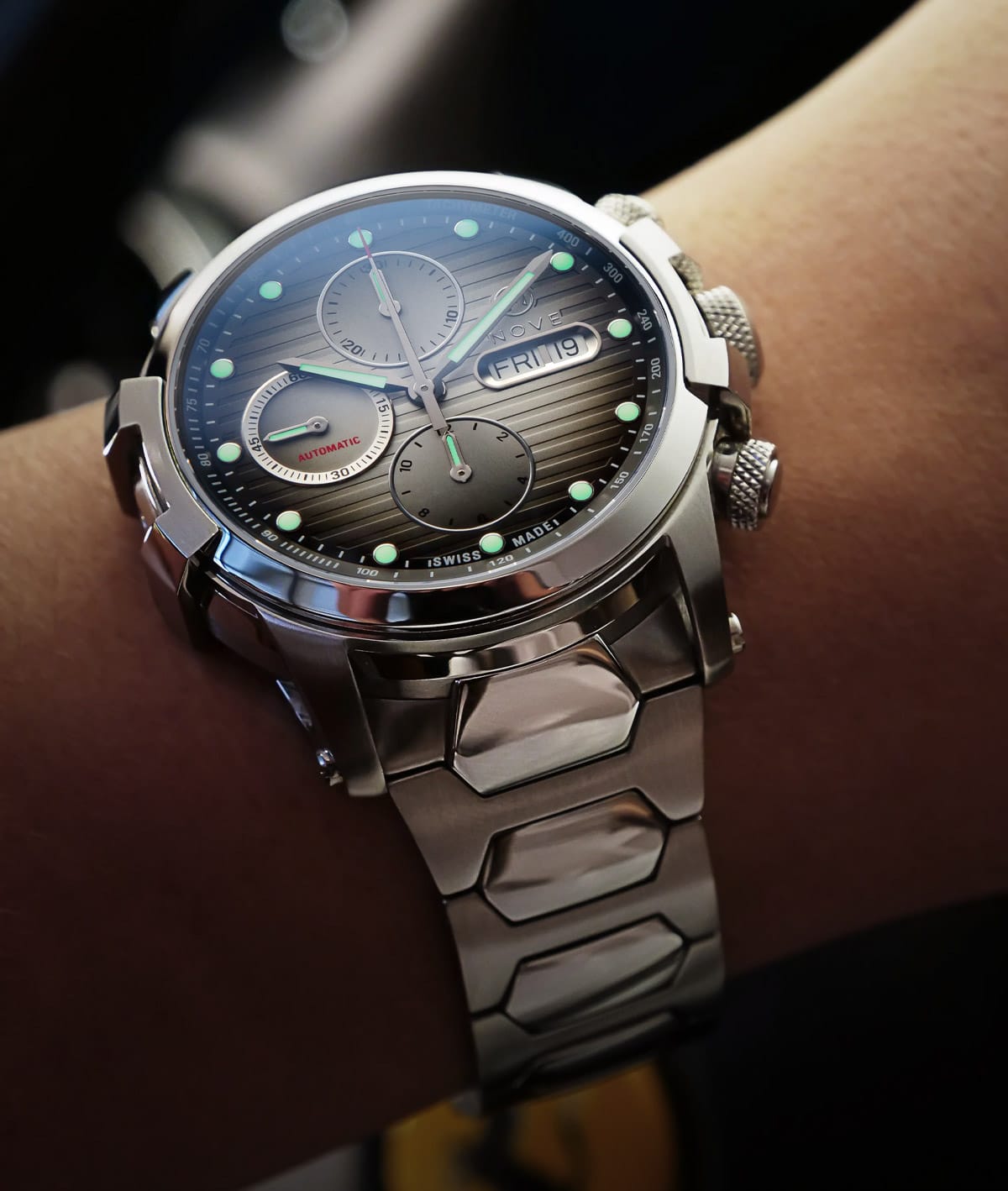
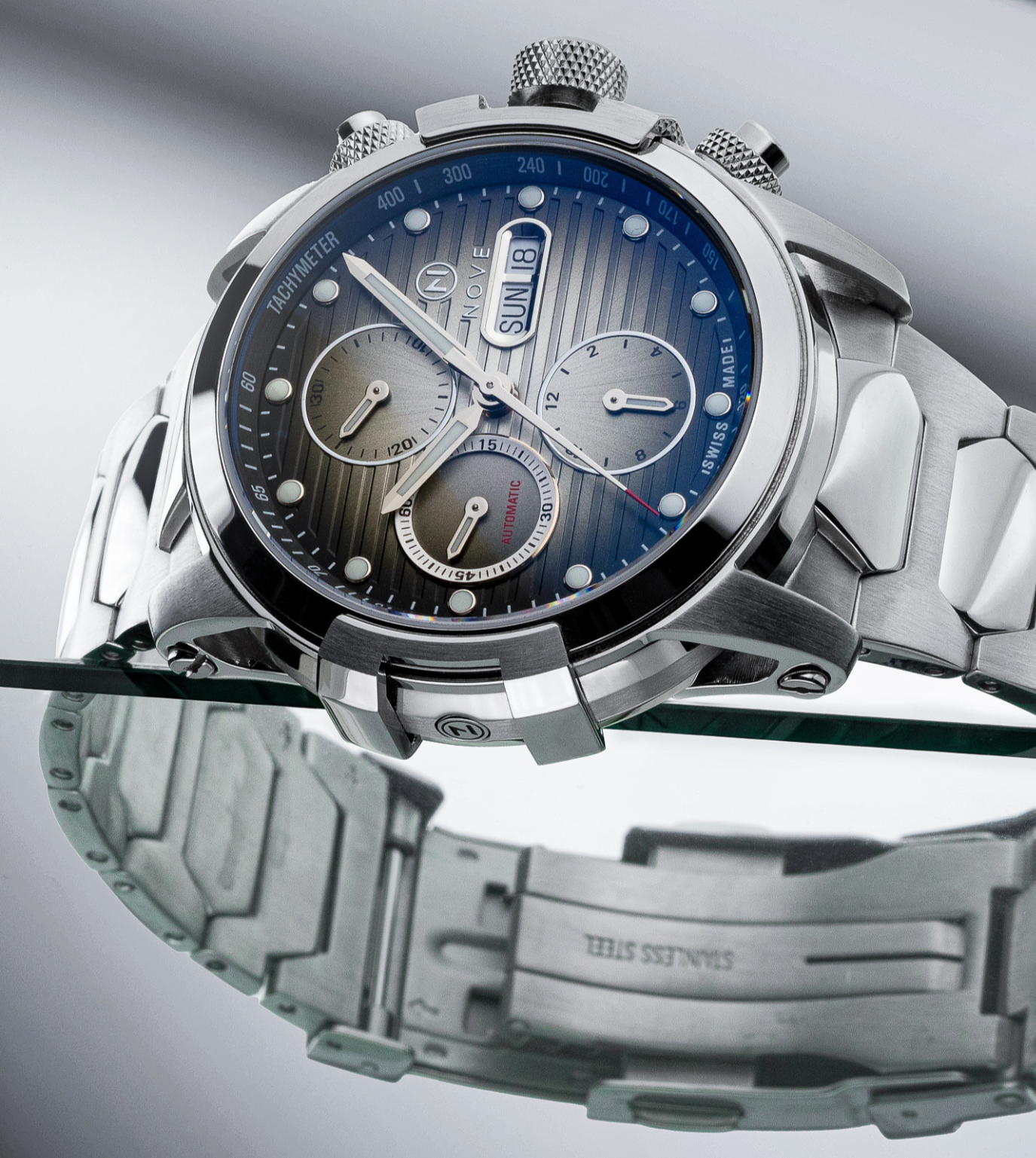
Stainless steel remains the most versatile choice in premium Swiss watchmaking. It has the reassuring substance many collectors expect, resists corrosion well, and can shift from a mirror-polished bezel to a crisp brushed case flank with exceptional clarity. That contrast is a major reason steel watches can feel both athletic and refined.
You may see grades such as 316L or 904L. Both are corrosion-resistant alloys, though 316L is widely favored for its dependable balance of strength, skin friendliness, workability, and finish. Grade alone does not determine quality. Case construction, brushing, polishing, tolerances, and the precision of the seals matter just as much.
Steel does scratch over time. For many owners, that developing patina is part of the appeal. Fine surface marks can often be refreshed, but aggressive polishing should be handled carefully because it can soften the sharp lines that make a well-designed case compelling.
Titanium: strength without the weight
Titanium is made for people who want a serious instrument on the wrist without the mass of steel. It is exceptionally light, highly corrosion-resistant, and well suited to active wear, including marine environments. Its muted gray tone also creates a more technical, contemporary expression than polished steel.
The trade-off is emotional as much as practical. Some buyers associate weight with luxury, and titanium can initially feel almost too light. It is also more prone to visible surface scuffs than many expect, although certain finishes and hardened treatments improve its resistance. Choose titanium when all-day comfort and performance lead the brief, not when you want maximum brilliance under evening light.
Ceramic: contemporary, tactile, and highly scratch-resistant
High-tech ceramic gives a watch a distinctive confidence. It is extremely hard, resistant to fading, and notably resistant to the everyday scratches that can mark metal. Black ceramic, in particular, has a depth that feels architectural rather than merely dark.
Ceramic is not indestructible. Its hardness comes with brittleness: a severe impact can chip or crack it where steel might dent. That makes ceramic an exceptional choice for a design-forward everyday watch, especially when scratch resistance is a priority, but less forgiving for circumstances involving repeated heavy impacts.
Bronze, carbon, and precious metals
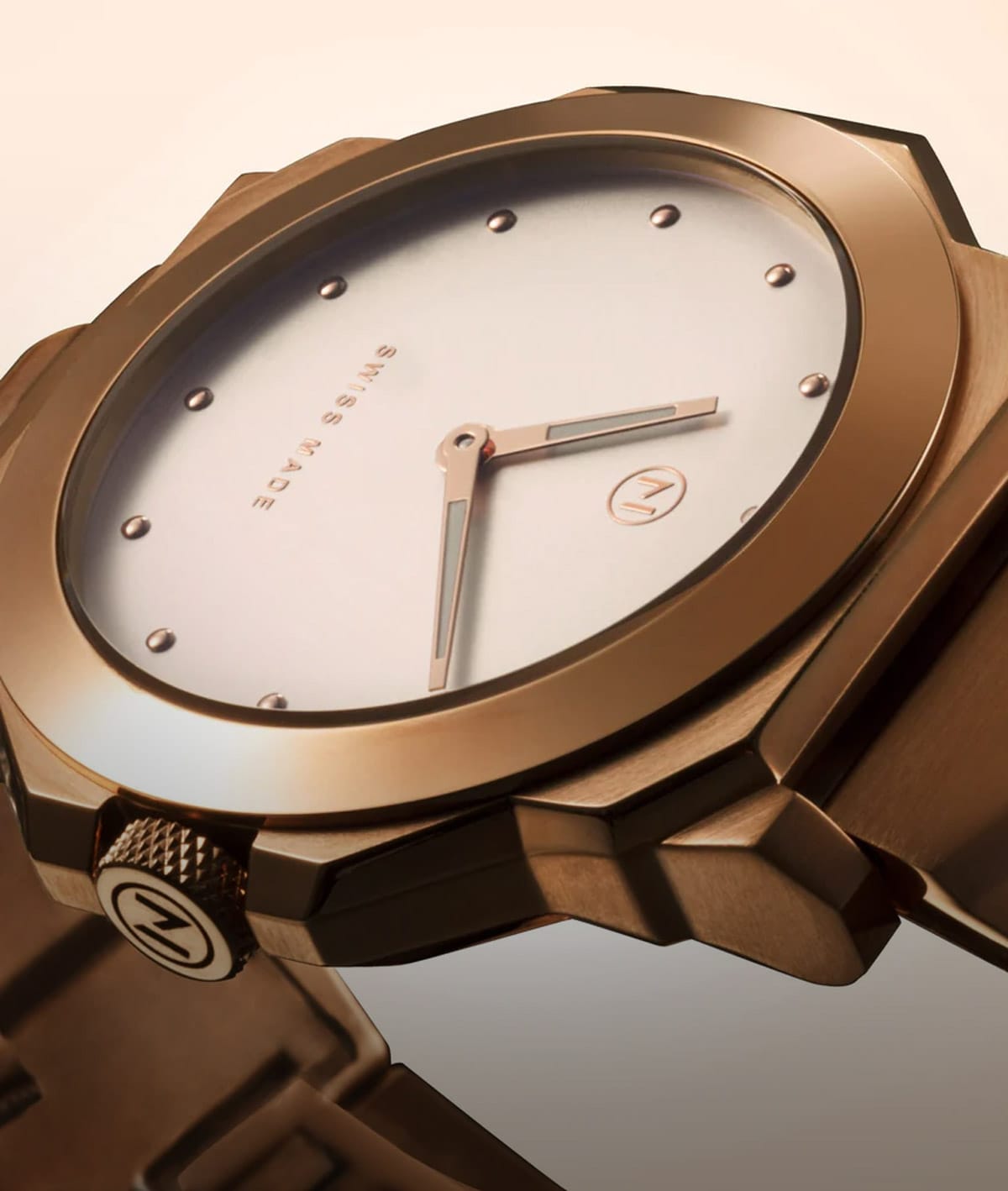
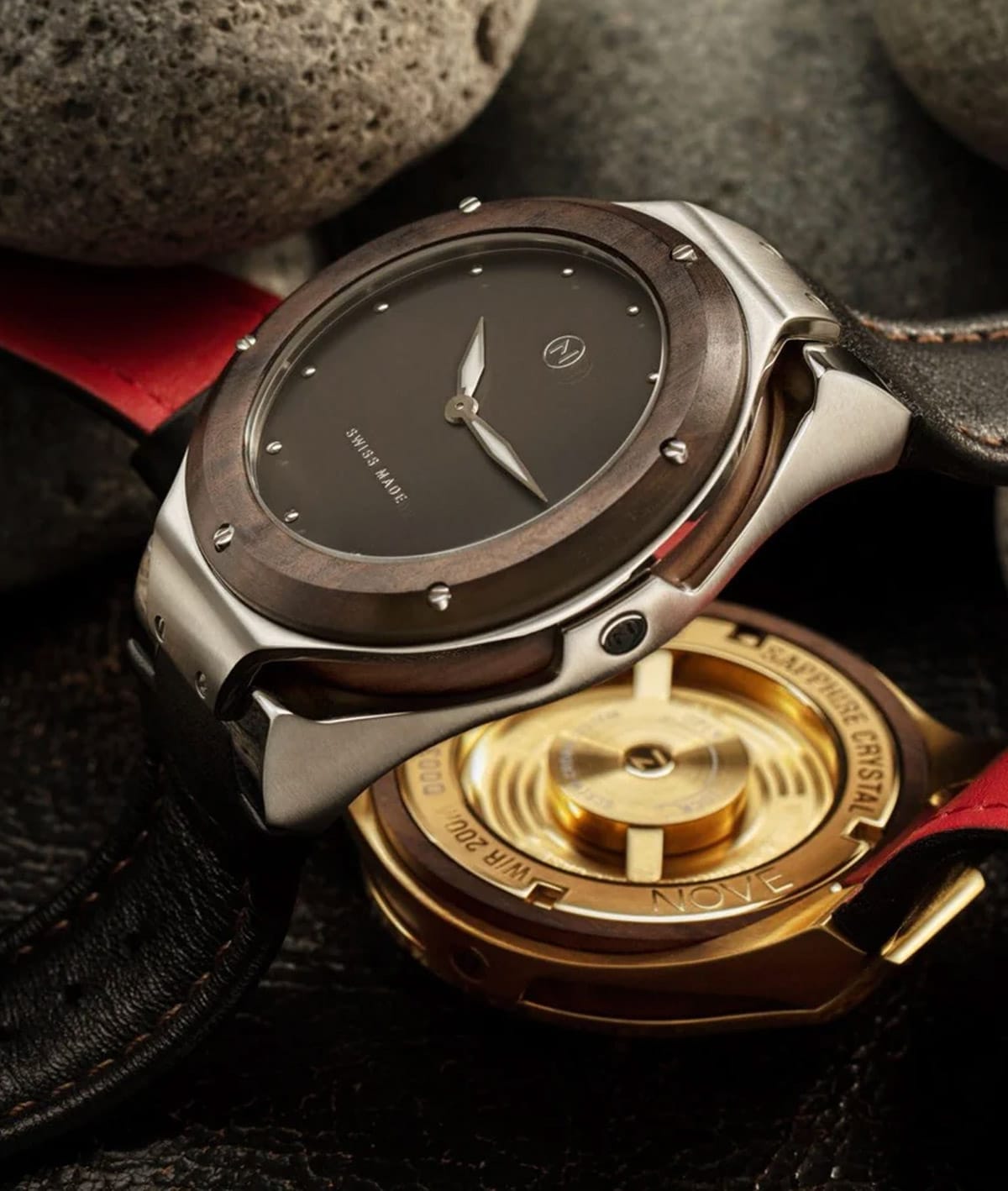
Some materials are chosen as much for personality as utility. Bronze develops an individual patina through exposure to air and moisture, making each case a record of its owner’s environment. Carbon composites can be extraordinarily light and visually dramatic, often with marbled or layered patterns that make every piece feel singular.
Gold and other precious metals bring unmistakable opulence, warmth, and visual presence. They are also softer than steel and require a different relationship with wear. These are not materials for someone trying to keep a watch untouched. They are materials for someone who values expression, craftsmanship, and the pleasure of a surface that evolves.
The Crystal Matters More Than Most Buyers Think
A beautiful dial deserves a clear view. The crystal is the transparent shield above it, and its quality has a direct effect on legibility, durability, and the sense of refinement you notice every time you check the time.
Sapphire crystal is the premium benchmark. It is highly resistant to scratches and has a crisp, clear appearance that complements a watch designed to be worn for years. It is especially valuable on a dive watch or an everyday statement piece, where the crystal is exposed to constant contact with desks, doorways, luggage, and the unexpected.
Mineral crystal is more affordable and can offer respectable impact resistance, but it scratches more readily than sapphire. Acrylic, found largely on vintage-inspired watches, is warm and charming yet far easier to mark. Neither is inherently wrong. The distinction is purpose: sapphire favors lasting clarity, while mineral and acrylic can make sense for value-driven or historically styled designs.
Anti-reflective coating is the detail that allows sapphire to perform at its best. Applied to one or both sides of the crystal, it reduces glare so the dial remains legible in direct sun. Exterior coatings can eventually show wear, while interior-only treatments are more protected. If you spend time outdoors or near water, glare control is not a minor luxury. It changes how the watch functions.
Bezels, Dials, and the Surfaces That Define Character
A watch’s most expressive materials are often the ones you see first. A rotating dive bezel, a textured dial, and precisely applied indices turn a functional instrument into an object with presence.
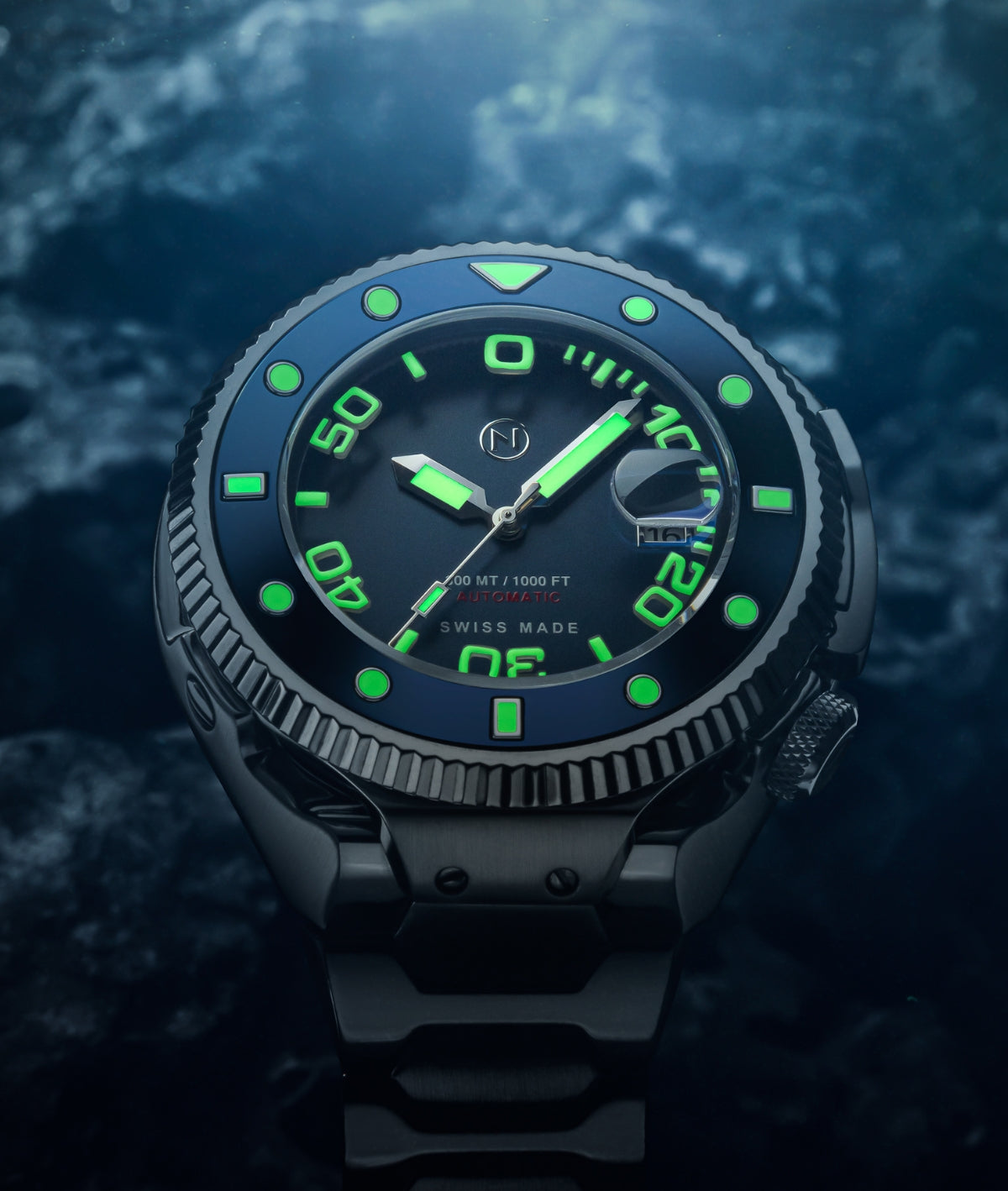
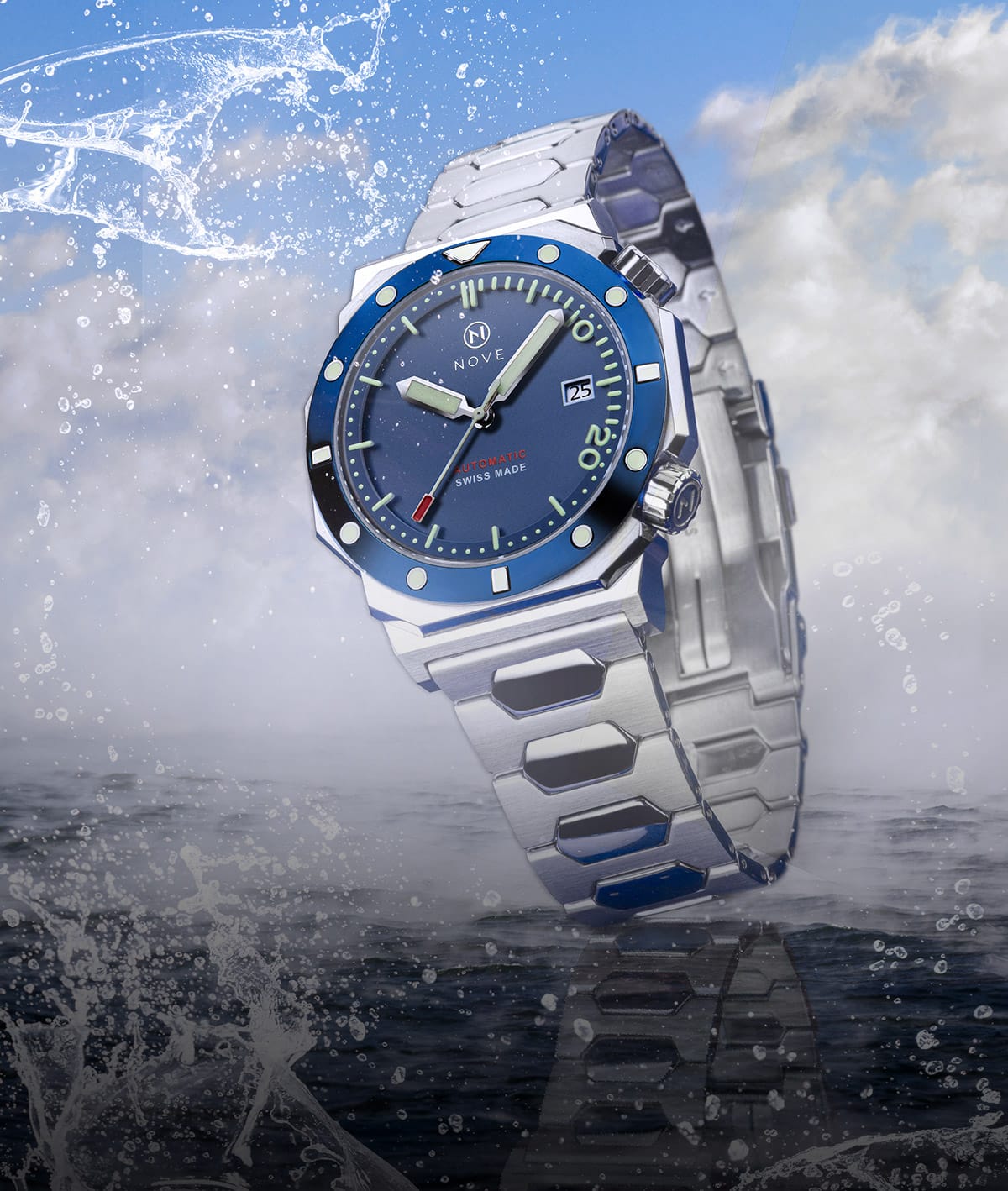
For dive watches, bezel inserts are often aluminum, ceramic, or steel. Aluminum is lightweight, colorful, and capable of developing a vintage character with wear. Ceramic offers superior scratch and fade resistance, with a glossy depth that suits a more modern aesthetic. Steel inserts create a unified, monochromatic look, though they can pick up scratches in the same way as the case.
Dial materials range from lacquered brass to stone, mother-of-pearl, carbon fiber, and layered composite constructions. A simple dial can be remarkably difficult to execute well because every imperfection is exposed. Textured and multi-level dials add dimension, particularly when paired with strong lume and sharply faceted hands, but legibility must remain the governing principle in a performance-minded watch.
Luminous material deserves attention, too. Quality lume absorbs light and releases it in low-light conditions, allowing hands and indices to remain readable after dusk or beneath the surface. For a genuine dive-inspired piece, this is part of the watch’s purpose, not decoration.
Bracelets, Straps, and What Meets Your Skin
A case material may command attention, but the bracelet or strap determines much of daily comfort. A stainless steel bracelet provides continuity, durability, and a polished sense of permanence. Look for solid links, clean articulation, and a clasp that feels secure without becoming cumbersome. A well-engineered bracelet makes a substantial watch feel balanced rather than heavy.
Rubber is a natural companion to water-ready watches. Premium rubber should feel supple, resist cracking, and avoid the overly glossy appearance associated with lesser materials. It is practical for heat, saltwater, and active days, while still giving a bold watch a streamlined profile.
Leather offers a more traditional, tailored finish and develops character with age, but it is not the ideal choice for frequent swimming or prolonged humidity. Fabric and nylon-style straps are lightweight and expressive, though they can retain moisture and should be cleaned regularly. The most versatile watch wardrobes often include more than one strap option, allowing the same timepiece to move between adventure and occasion.
Water Resistance Is a System, Not a Material
Steel, titanium, and ceramic may resist corrosion, yet water resistance comes from the entire construction: gaskets, crown system, crystal fitment, caseback, and assembly precision. A watch labeled water-resistant is not automatically prepared for diving.
For swimming, a screw-down crown and meaningful water-resistance rating provide greater assurance. For diving, the standards become more demanding, with a unidirectional bezel, dependable lume, secure crown construction, and tested pressure resistance all playing a role. Even a capable dive watch needs care. Gaskets age, seals can be compromised, and the crown should never be operated underwater.
This is where material selection and watchmaking discipline meet. A corrosion-resistant case is valuable, but it reaches its full potential only when paired with a properly maintained sealing system.
How to Choose the Right Material for Your Life
There is no universal winner. Stainless steel is the confident all-rounder for someone who wants a watch that can handle work, weekends, and formal settings. Titanium favors the traveler, athlete, and minimalist who values low weight. Ceramic suits the wearer drawn to modern design and scratch-resistant surfaces. Bronze, carbon, and precious metals speak to a more individual point of view.
Consider the watch as a complete composition rather than a single specification. A sapphire crystal on a steel case, a ceramic bezel insert, strong lume, and a comfortable bracelet can create a timepiece ready for years of daily use. For a bold Swiss-made design such as those created by NOVE, that material harmony is what allows a watch to feel equally at home on a dive, at a dinner table, or at the center of a personal collection.
Choose materials that suit the stories you intend to give your watch. The finest timepieces do not remain pristine because they are hidden away. They earn their character by accompanying you wherever precision, style, and adventure meet.