
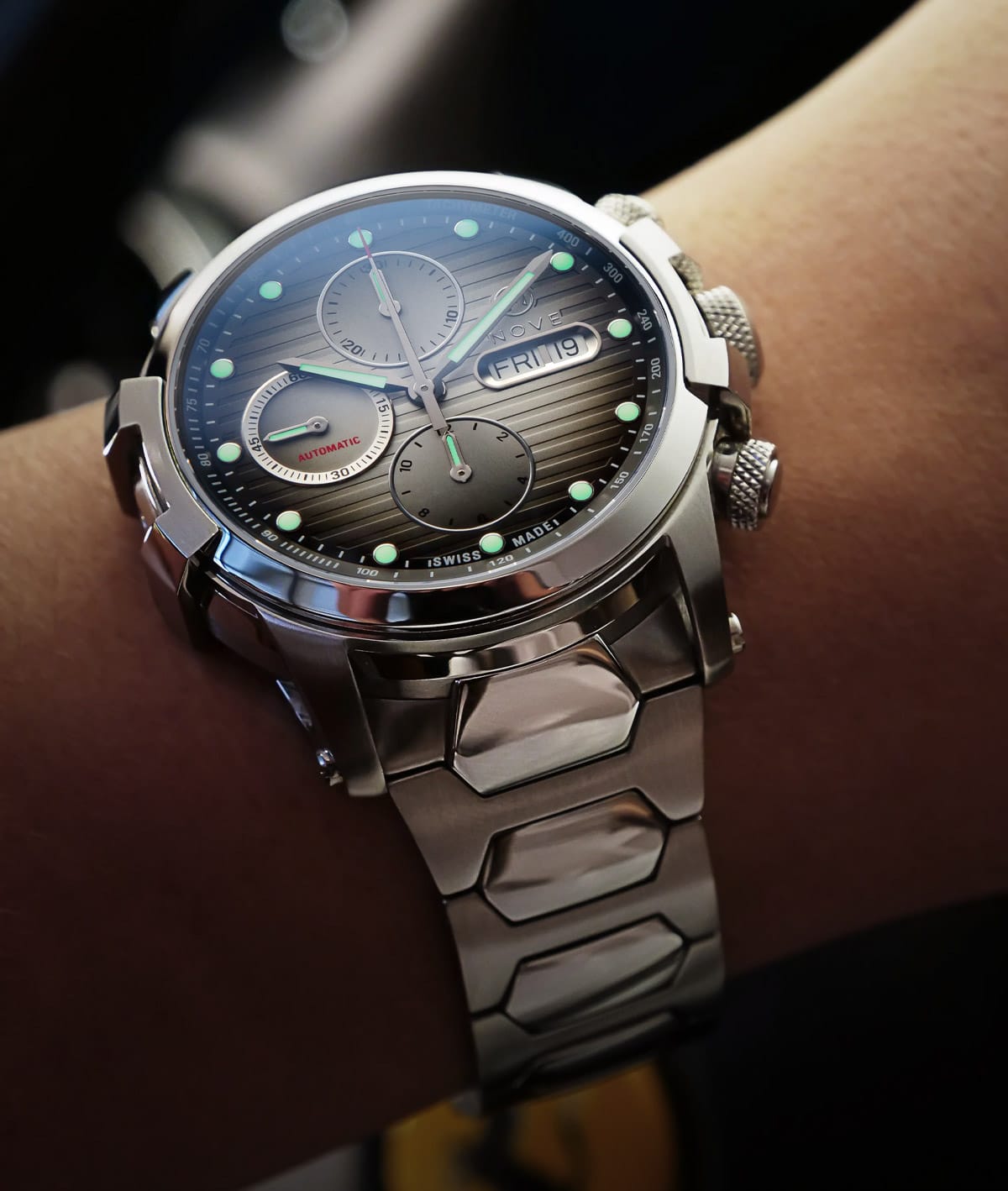
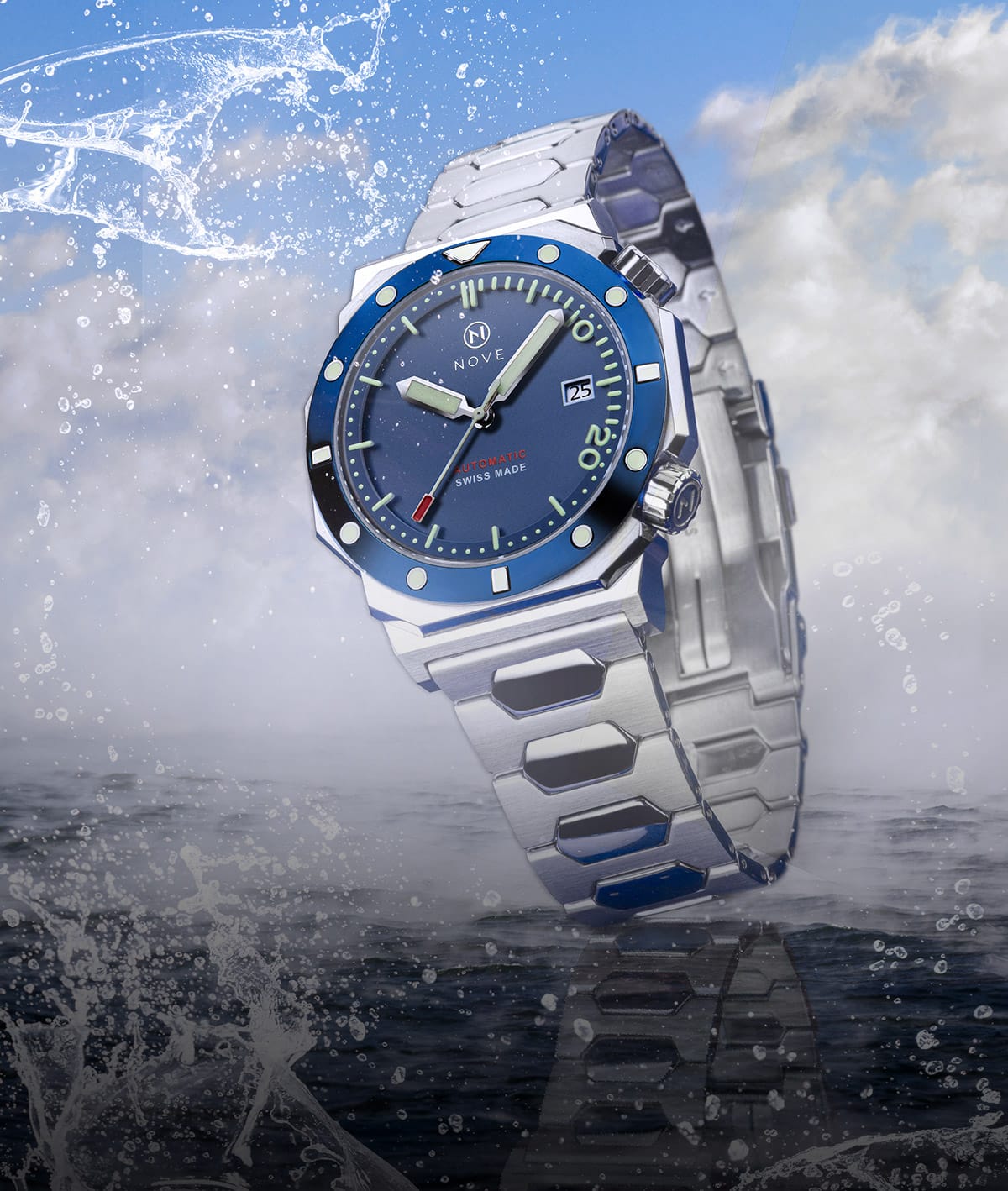
A 50mm case has a way of announcing itself before anyone asks what is on your wrist. The largest dive watches are not discreet instruments. They are engineered objects with a powerful visual language: oversized bezels, deep-set dials, broad hands, and cases built to feel substantial from every angle.
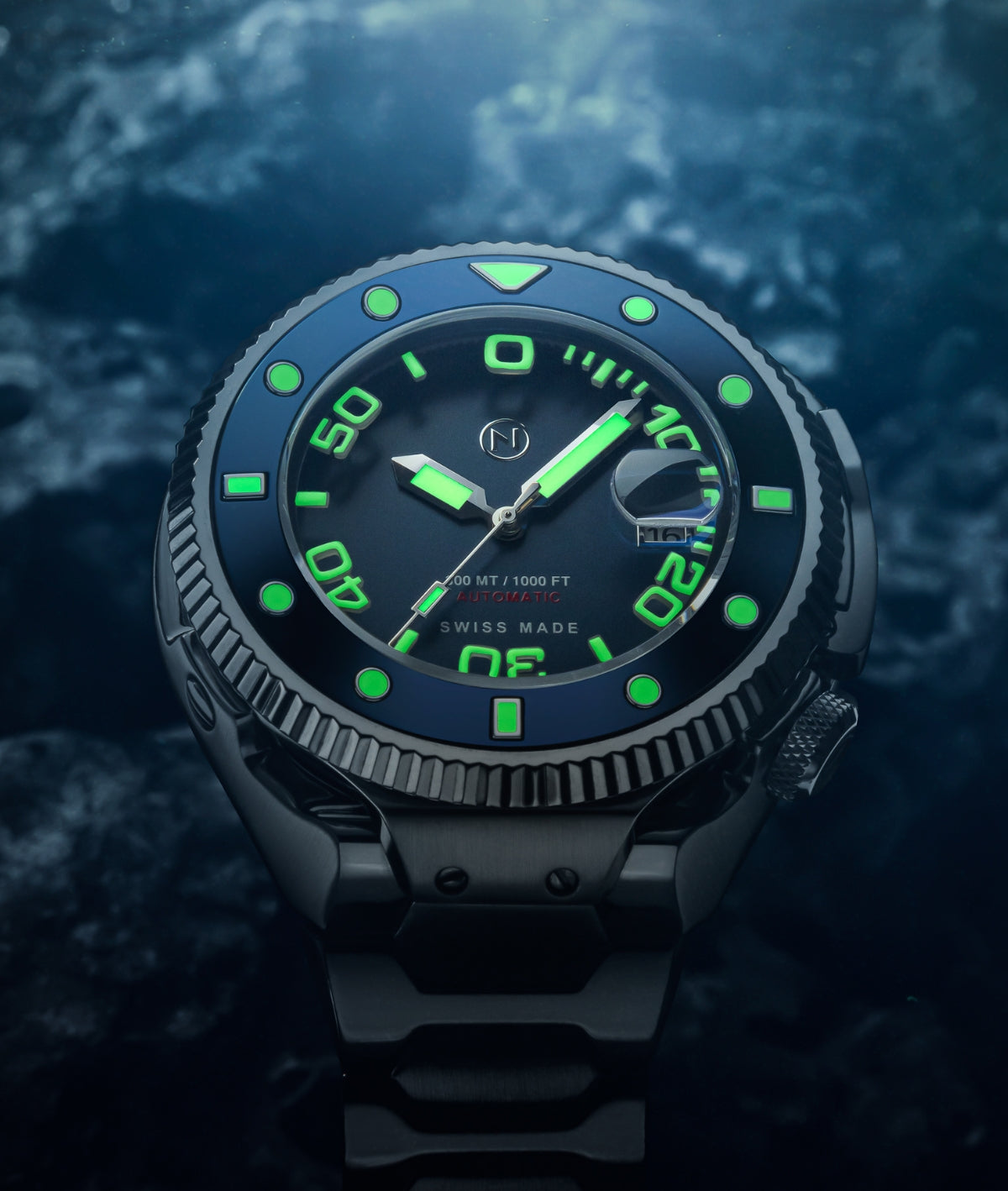
That scale has a purpose. Underwater, visibility is not a styling detail. A large dial, bold luminous markers, and a tactile timing bezel can make elapsed time easier to read in low light and moving water. Above the surface, those same features create a statement watch with unmistakable presence. But bigger is not automatically better. The most compelling oversized diver balances its dramatic dimensions with the details that make it wearable, credible, and refined.
What Counts as a Large Dive Watch?
There is no universal threshold, but most modern dive watches begin to feel large around 44mm. From 46mm to 48mm, a watch enters statement territory. At 50mm and above, it becomes a highly specialized design choice, often intended for collectors, professional applications, or wrists that can carry considerable scale.
Case diameter tells only part of the story. A 46mm watch with short, curved lugs can wear more compactly than a 43mm watch with long, flat lugs. Thickness matters just as much, especially on watches designed for substantial depth ratings. Add a tall crystal, a heavily protected crown, or a thick rotating bezel, and a piece can have far more wrist presence than its diameter suggests.
For that reason, seasoned collectors look beyond the headline measurement. Lug-to-lug distance, case thickness, strap integration, and weight determine whether a large dive watch feels like a composed masterpiece or an awkward block of steel.
Why the Largest Dive Watches Exist
The original logic is straightforward: dive watches are instruments. Their bezels need clear grip, their dials must remain readable, and their cases must protect a movement under pressure. Larger architecture can support larger seals, thicker crystals, more secure crown systems, and stronger case construction.
There is also a visual reason. Dive watches have always been defined by utility-forward design. A prominent bezel, oversized indices, and assertive hands are not decorative extras. They are the elements that let a diver read time quickly. When those components are enlarged with discipline, the watch retains its functional character while gaining unmistakable aesthetic impact.
Modern watchmaking adds another layer. Many buyers will never take a 300-meter-rated timepiece below the surface, yet they still value the confidence that comes from genuine capability. A large dive watch offers that reassurance in a highly visible form. It signals readiness, precision, and a preference for design that refuses to fade into the background.
Size Is Only One Measure of Capability
An enormous case does not guarantee a superior diver. Water resistance, construction quality, bezel action, lume performance, and movement reliability matter far more than sheer diameter.
A credible dive watch should have water resistance appropriate to its intended use. For recreational swimming and surface activity, 100 meters can be practical. For a watch designed with serious diving in mind, 200 or 300 meters is a more familiar standard. Professional saturation-diving watches may go much further, though extreme ratings are meaningful only when paired with thoughtful engineering and testing.
The bezel deserves close attention. It should turn securely, be easy to grasp with wet hands or gloves, and provide a clear zero marker. A unidirectional bezel is the traditional safety-focused design because accidental movement can only shorten, rather than extend, an indicated elapsed time. Bright, long-lasting lume is equally valuable. A large dial is wasted if its hands and markers disappear when the light drops.
Material choices affect the experience as well. Stainless steel gives a large watch reassuring substance, but can become heavy at 46mm or more. Titanium reduces that weight dramatically and is especially appealing for larger cases, although its lighter feel can surprise buyers expecting the density of steel. Rubber straps often make oversized dive watches more comfortable by conforming closely to the wrist, while a well-designed bracelet delivers a more architectural, elevated look.
Proportion Separates Presence From Excess
The finest oversized divers are not simply scaled-up versions of smaller watches. They are designed around proportion from the start.
A broad bezel can visually shrink a large dial, creating a more compact appearance. Recessed case sides, polished bevels, and contrasting finishes break up a wide expanse of metal. Dark dials can make a case appear more contained, while bright white, orange, or vivid blue dials tend to amplify perceived size. Even the placement of the date window changes the balance of the face.
Lugs are particularly important. Long lugs push the watch across the wrist and can make a large case feel unforgiving. Shorter, downward-curving lugs keep the center of mass closer to the arm. An integrated rubber strap can create a unified silhouette, but it may limit fit for narrower wrists if the strap does not articulate well at the case.
Thickness requires the same discipline. Deep-water capability often calls for more case volume, yet a watch that sits too high can catch cuffs, shift during movement, and feel top-heavy. A carefully contoured caseback and a strap that anchors the watch securely can make a meaningful difference.
How to Choose a Large Dive Watch That Fits
Start with lug-to-lug measurement, not just the diameter printed in a product description. Measure the flat width of your wrist where the watch will sit. As a general guide, the lugs should not extend beyond that width. This is not an absolute rule, but it is a useful safeguard when considering watches over 45mm.
Next, consider how you will wear it. A 47mm diver on rubber can feel natural for weekends, travel, boating, and active use. The same watch on a thick steel bracelet may be too substantial for long office days or tailored sleeves. If this will be your only watch, a 42mm to 44mm case often offers the most flexibility. If it is a deliberate statement piece, the larger end of the spectrum can be exactly the point.
Weight should be tested whenever possible. Numbers on a specification sheet cannot fully predict comfort. A heavy watch with excellent balance may disappear on the wrist; a lighter watch with a tall case and stiff strap may constantly remind you it is there.
Finally, distinguish between a large watch and an oversized watch. Large means the design has enough visual and technical coherence to justify its scale. Oversized means the measurements are doing more talking than the craftsmanship. The difference is immediately apparent in the bezel, the finishing, the dial layout, and the way the watch settles on the wrist.
Styling a Statement Diver Beyond the Water
A substantial dive watch works best when the rest of the outfit does not compete with it. A black, navy, or charcoal dial pairs naturally with tailored casual clothing, knitwear, leather jackets, and clean overshirts. Brighter dial colors bring energy to warm-weather looks and work especially well with simple, neutral layers.
Do not assume a large diver must be casual. A refined steel case with controlled polishing and a composed dial can look striking beside a dark suit, particularly when the watch has a slimmer profile and avoids excessive color. Still, discretion has its place. A towering 50mm case is unlikely to slide gracefully under a formal cuff, and forcing it to do so misses the appeal of the category.
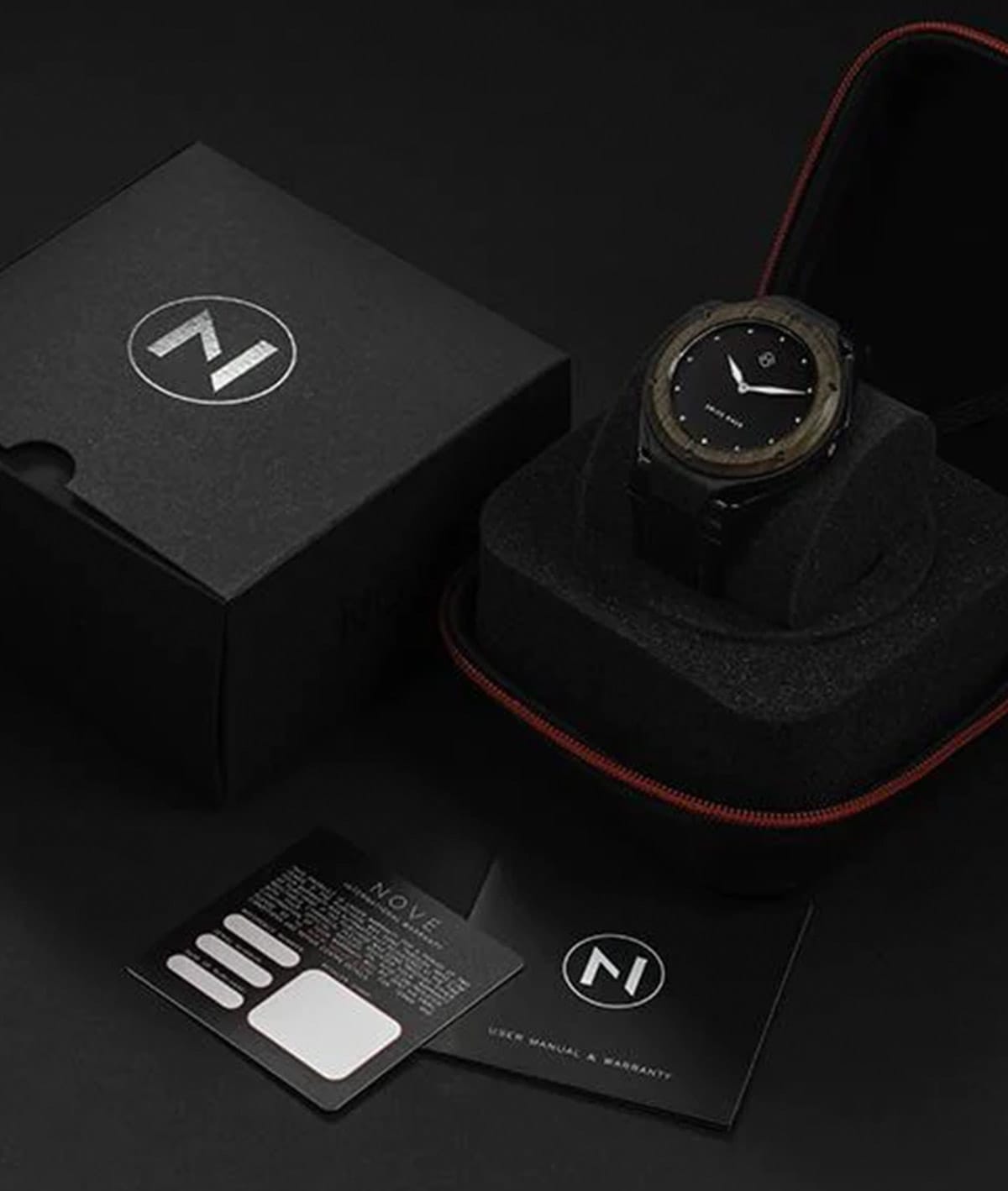
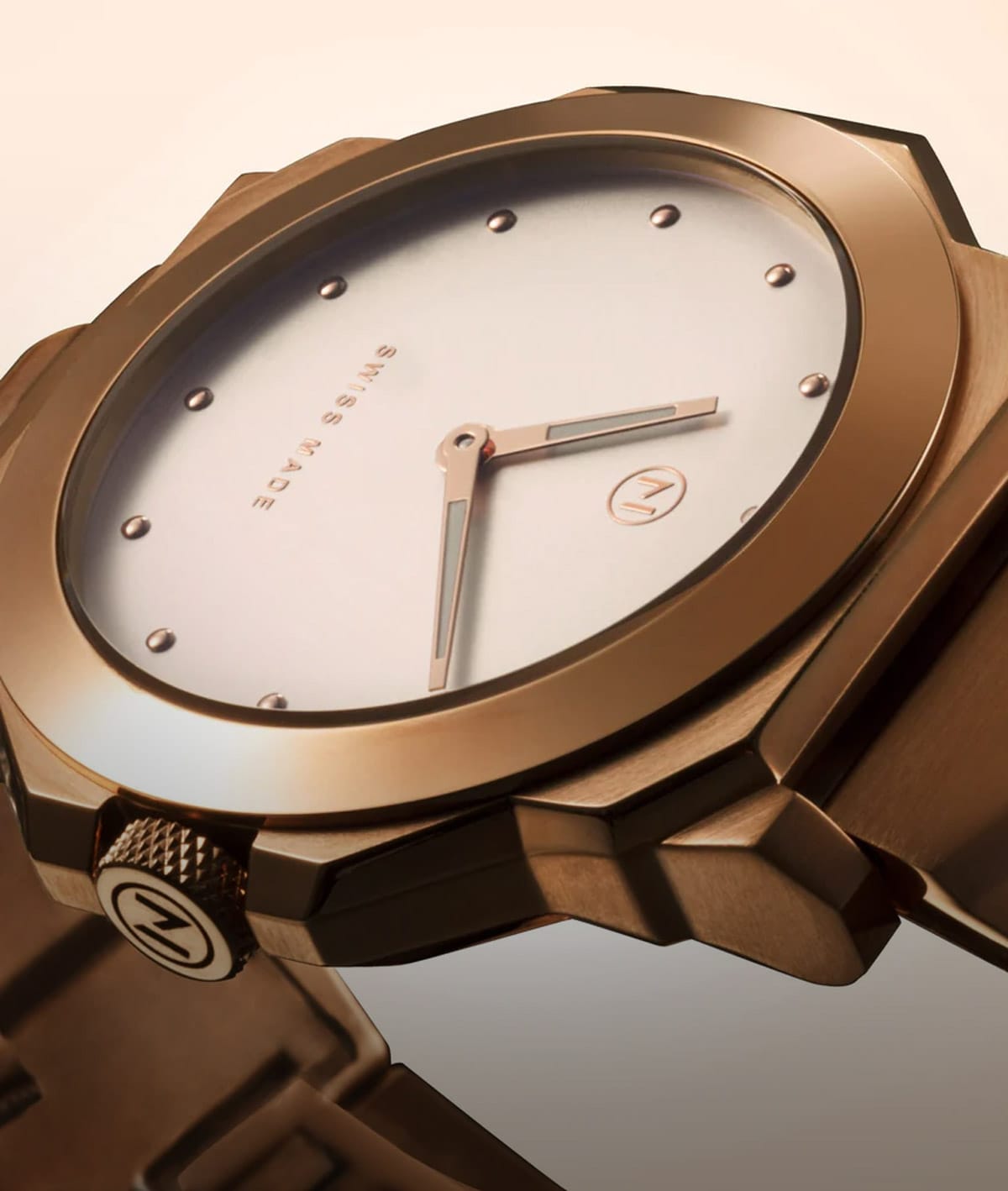
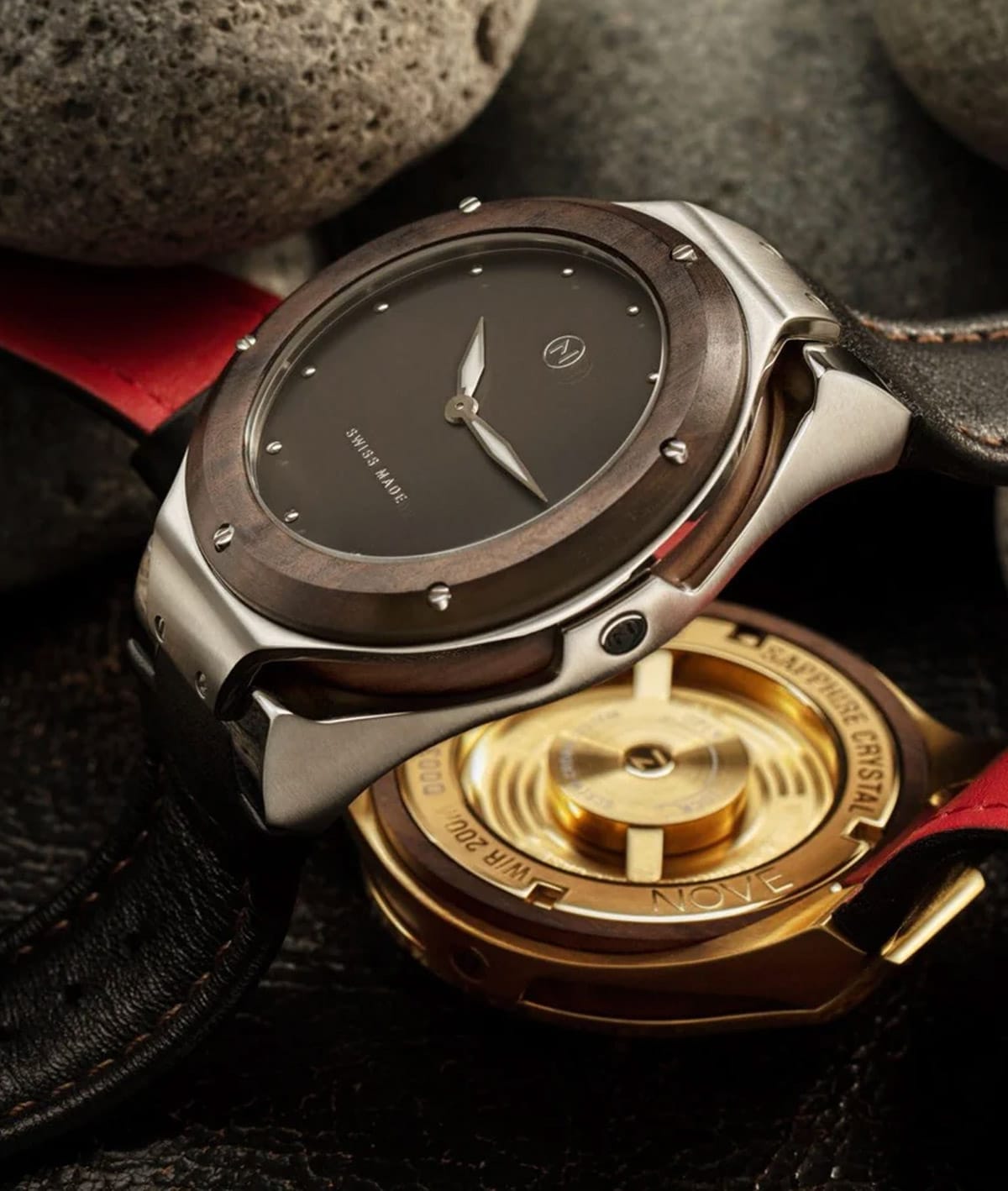
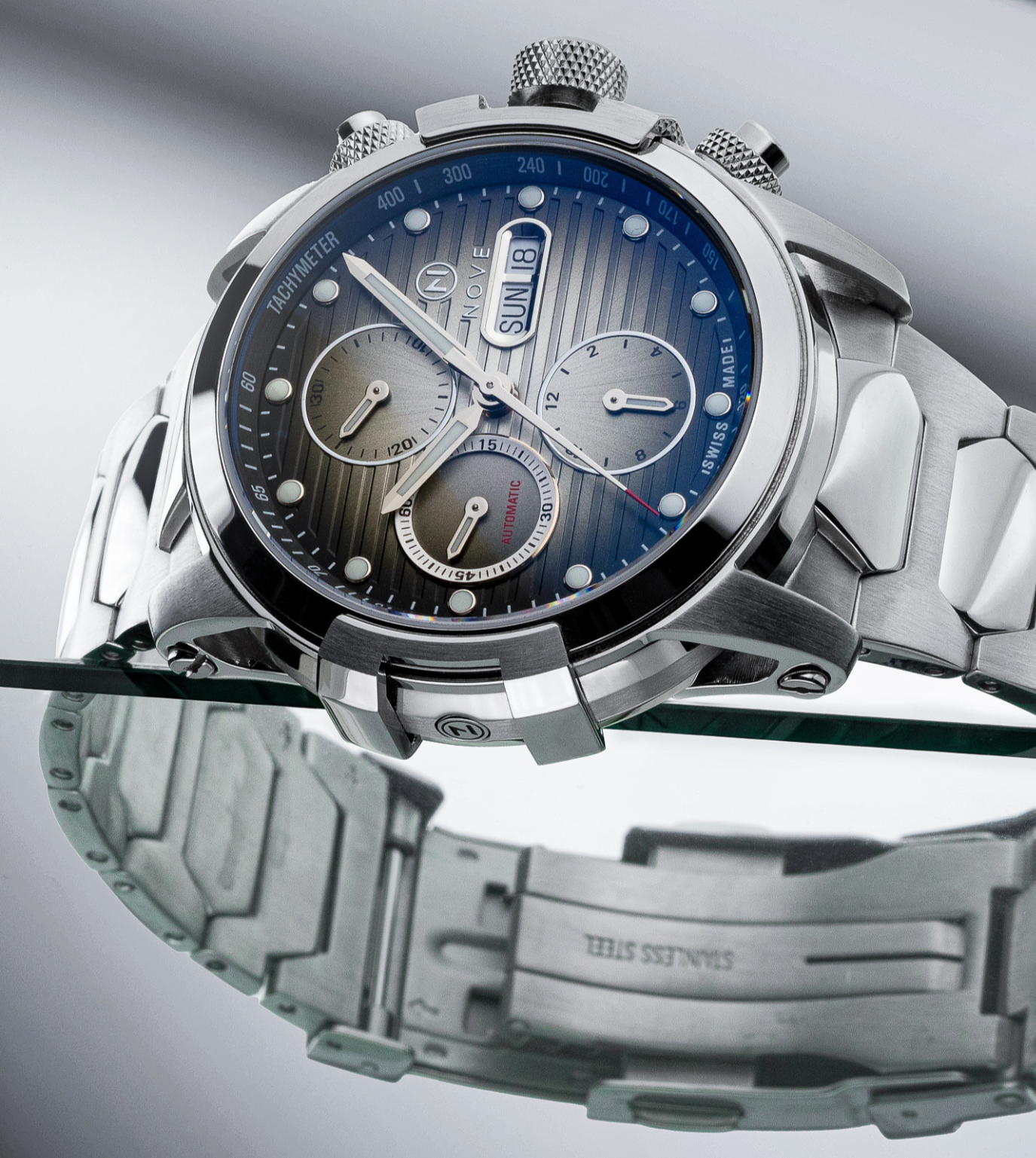
Brands such as NOVE understand that a dive watch can be both a capable instrument and a design-led object. The strongest examples preserve the essentials of underwater timing while treating the case, dial, and bracelet as a complete expression of modern Swiss craftsmanship.
The Right Size Is the One You Will Wear
The largest dive watches reward confidence, but they also demand honesty. Buy one because you appreciate its engineering, its visual authority, and the physical experience of wearing it - not because a larger number seems inherently more impressive.
A well-proportioned oversized diver can become the watch people remember: a piece with the scale to start a conversation and the substance to justify it. Let the dimensions serve the design, let the design serve your wrist, and the result will feel less like excess and more like intent.