
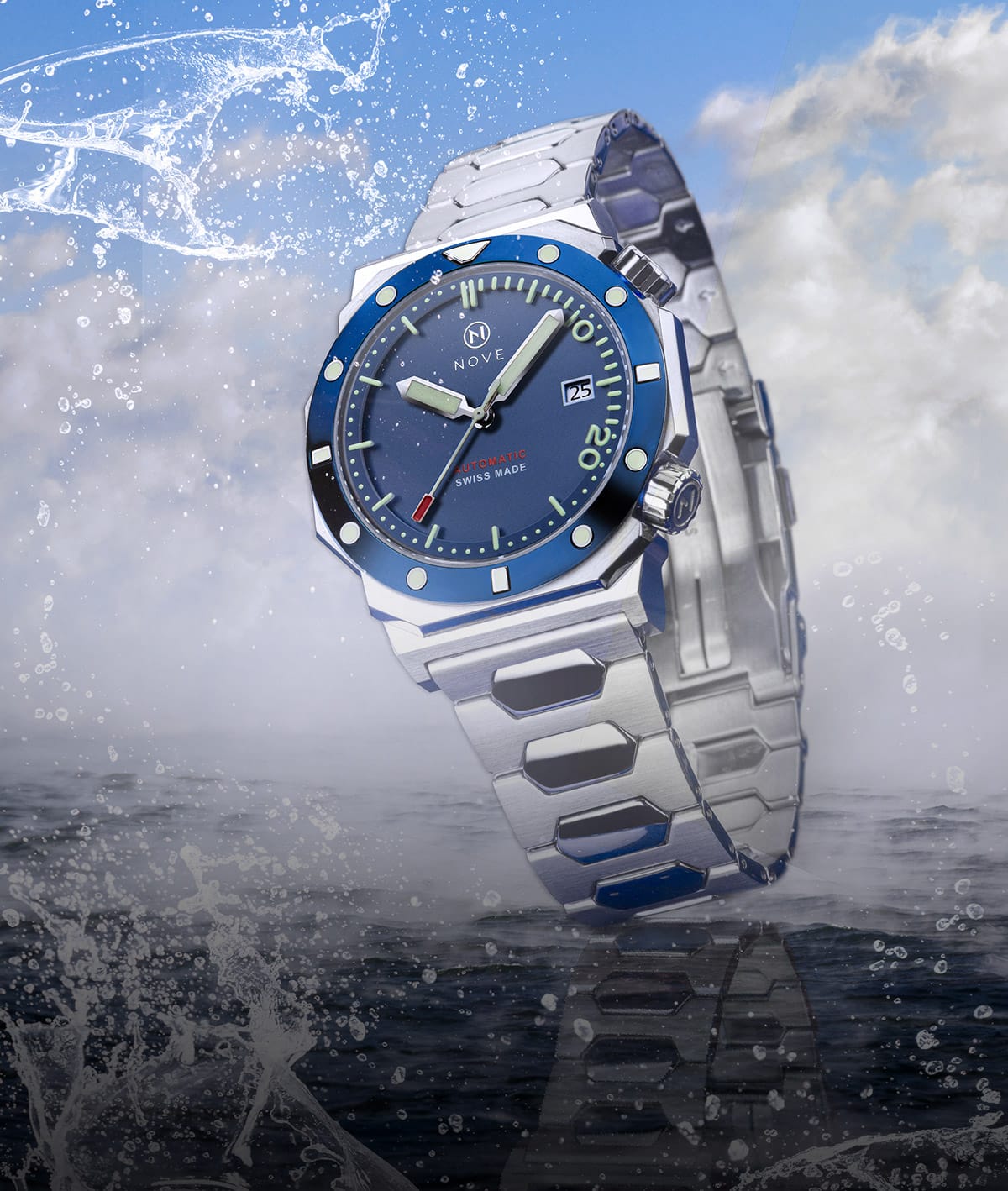
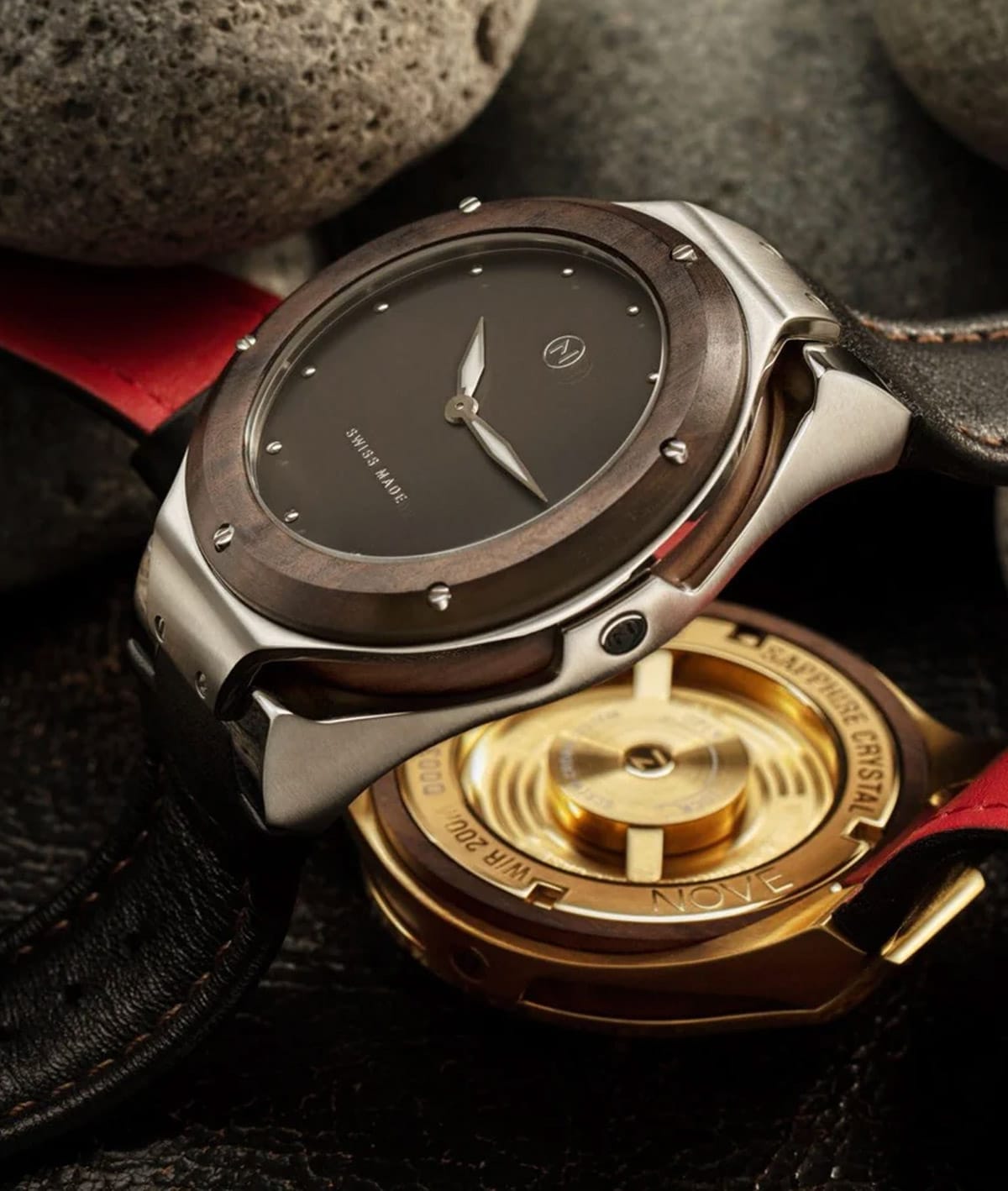
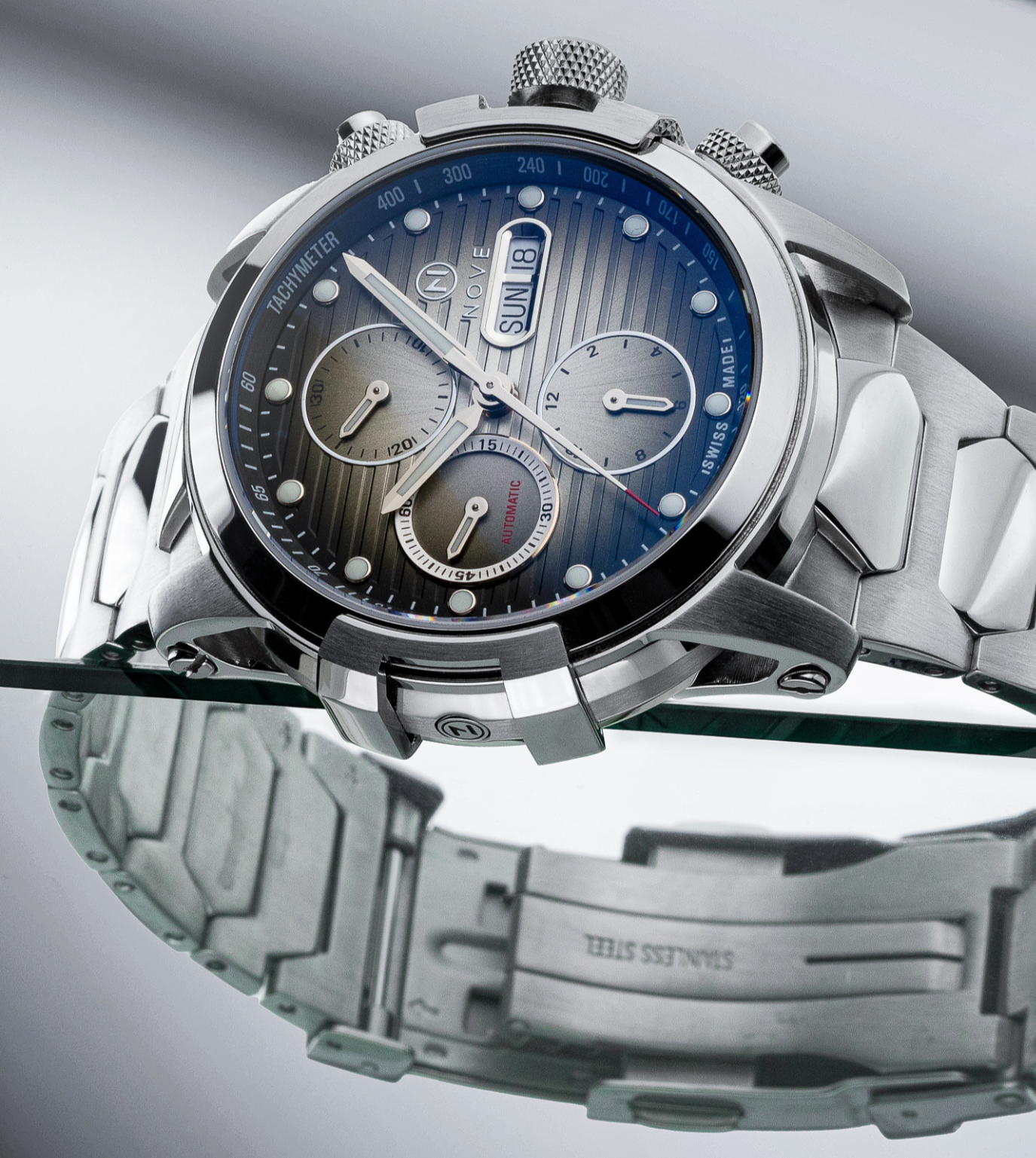
A luxury dive watch with rubber strap earns its place long after the water clears. It should feel as composed under a tailored cuff as it does against sun-warmed skin, with a case that carries real engineering and a strap that makes wearing it effortless. This is not a compromise between sport and refinement. When designed properly, it is one of the most versatile expressions of modern Swiss watchmaking.
The appeal is immediate: rubber brings a tactile, contemporary edge to a serious timepiece. But the best examples go further. They pair depth-rated capability, precise timing, and bold design with the kind of comfort that encourages daily wear. For the collector who wants a watch with presence but no preciousness, that balance matters.
Why a Luxury Dive Watch With Rubber Strap Feels Different
A metal bracelet has undeniable authority. It catches the light, adds visual weight, and makes a dive watch feel formally complete. Yet it can also feel heavy during long days, become hot against the wrist, and demand more adjustment as temperatures change. Leather offers elegance, but water and sweat are not kind to it.
Rubber solves a practical problem while creating a distinct design language. It is naturally water-resistant, light on the wrist, and easy to rinse clean after a day at the beach, a workout, or a saltwater swim. More importantly, it lets the watch case become the focal point. A sculpted bezel, layered dial, unusual case architecture, or vivid color treatment can take center stage without competing with a highly reflective bracelet.
That does not mean every rubber strap belongs on a luxury watch. A thin, overly flexible strap can make even an impressive case feel inexpensive. The difference is in the material, construction, and integration. Premium rubber should have a smooth, substantial feel, hold its shape, and sit close to the case with purpose. It should complement the watch rather than look like an afterthought added for sport.
The Details That Separate Design From Decoration
A dive watch is an instrument first, even when it is destined for city streets more often than open water. Its visual confidence should come from features with a job to do.
Water resistance is only the starting point
A serious dive-oriented timepiece needs a clearly stated water-resistance rating, a secure crown system, and a case built to withstand pressure. For swimming, snorkeling, and everyday exposure, a meaningful rating offers confidence. For regular scuba use, seek a watch engineered specifically for the demands of deeper water and prolonged immersion.
Still, water resistance is not a permanent promise. Gaskets age, crowns can be left unscrewed, and hard impacts can affect seals. A watch deserves periodic pressure testing, especially if it sees frequent water time. Luxury is not just about owning a finely made object. It is about preserving its performance.
A bezel should be easy to use, not merely attractive
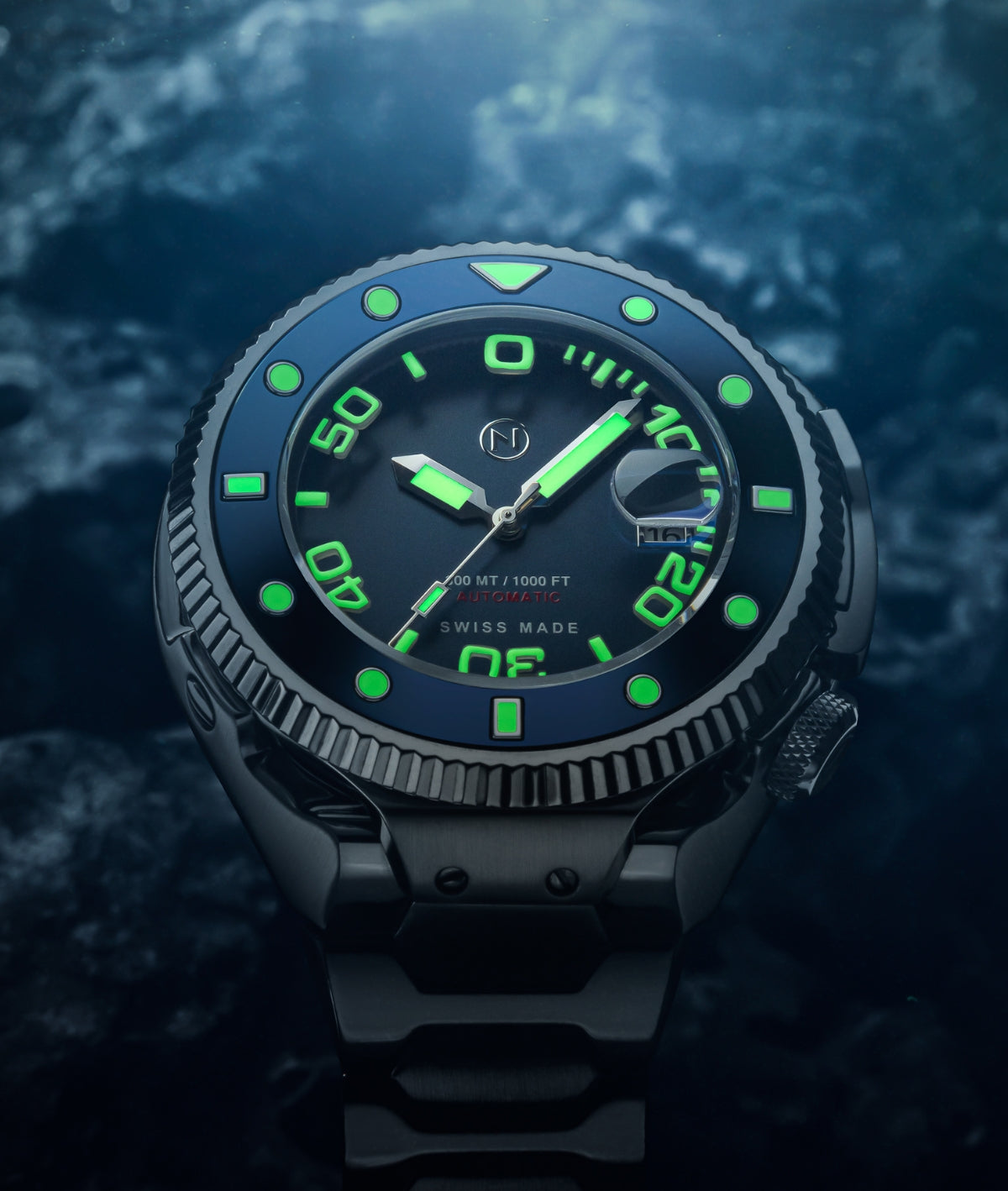
The rotating bezel is one of the defining signatures of a dive watch. Traditionally, it measures elapsed time, and its unidirectional action protects against accidentally extending a planned dive duration. Even on land, it remains remarkably useful for timing a parking meter, meeting, coffee brew, or flight connection.
Look for a bezel with crisp, confident action and enough grip to turn with wet fingers. The numerals and markers should be legible at a glance, while the shape should feel integrated with the case rather than stacked onto it. A strong bezel can give a watch its entire personality, but it must retain the discipline of a real tool.
Legibility is the quiet mark of quality
The most striking dial is not always the most successful. Underwater, in low light, or during a fast glance between commitments, contrast matters more than ornament. Generous luminous material, clear hands, and a readable minute track create the kind of clarity that never goes out of style.
This is where creative design requires restraint. A dial can be architectural, richly textured, or unexpectedly colored, but its hierarchy should remain obvious. You should know the time instantly. Everything else is secondary.
Choosing the Right Rubber Strap
The phrase “rubber strap” covers a wide range of materials and experiences. Natural rubber can feel supple and luxurious, while high-grade synthetic compounds are valued for their consistency, resilience, and ability to resist UV exposure, sweat, and saltwater. Texture also changes the experience. A smooth strap reads clean and modern; a patterned strap can bring a more technical, marine-inspired character.
Fit is equally important. The strap should curve naturally from the lugs and sit securely without pinching. A tapered profile often makes a substantial dive watch feel more balanced, especially on a medium-sized wrist. If the strap is too wide all the way through, it can overpower the case. If it is too narrow, the watch can lose its visual foundation.
Pay attention to the clasp or buckle as well. A signed pin buckle offers simplicity and a classic sport-watch profile. A deployant clasp can add polish and help reduce wear on the strap, though it should be comfortable and easy to adjust. For a watch intended for actual diving, an extension system may be useful over a wetsuit. For daily luxury wear, low-profile comfort will likely matter more.
Color deserves a deliberate choice. Black is the most adaptable and lets steel, titanium, or dark-coated cases speak clearly. Navy, charcoal, and deep green add sophistication without limiting wardrobe options. Brighter colors introduce a more expressive, automotive-inspired energy, particularly when they echo a dial accent or bezel detail. The right answer depends on whether you want your watch to anchor an outfit or become the first thing people notice.
Movement Choice: Mechanical Character or Quartz Precision
The movement determines how a luxury dive watch lives with you. A Swiss automatic movement brings mechanical fascination to the experience. Its rotor winds through wrist motion, its operation has visible character, and its steady heartbeat connects the wearer to a tradition of precision engineering. It is a compelling choice for enthusiasts who appreciate the ritual of setting and wearing a watch.
Automatic watches do ask for more attention. They may need resetting after time off the wrist, and they benefit from regular service at appropriate intervals. Their accuracy is excellent within mechanical expectations, but it is not quartz-level exactness.
Swiss quartz, by contrast, is often the pragmatic choice for an active watch. It delivers exceptional accuracy, starts immediately, and requires little beyond battery changes and water-resistance maintenance. A high-quality quartz dive watch is not a lesser expression of luxury. When the case, dial, finishing, and design are executed with conviction, quartz becomes a precise, dependable partner for travel and everyday use.
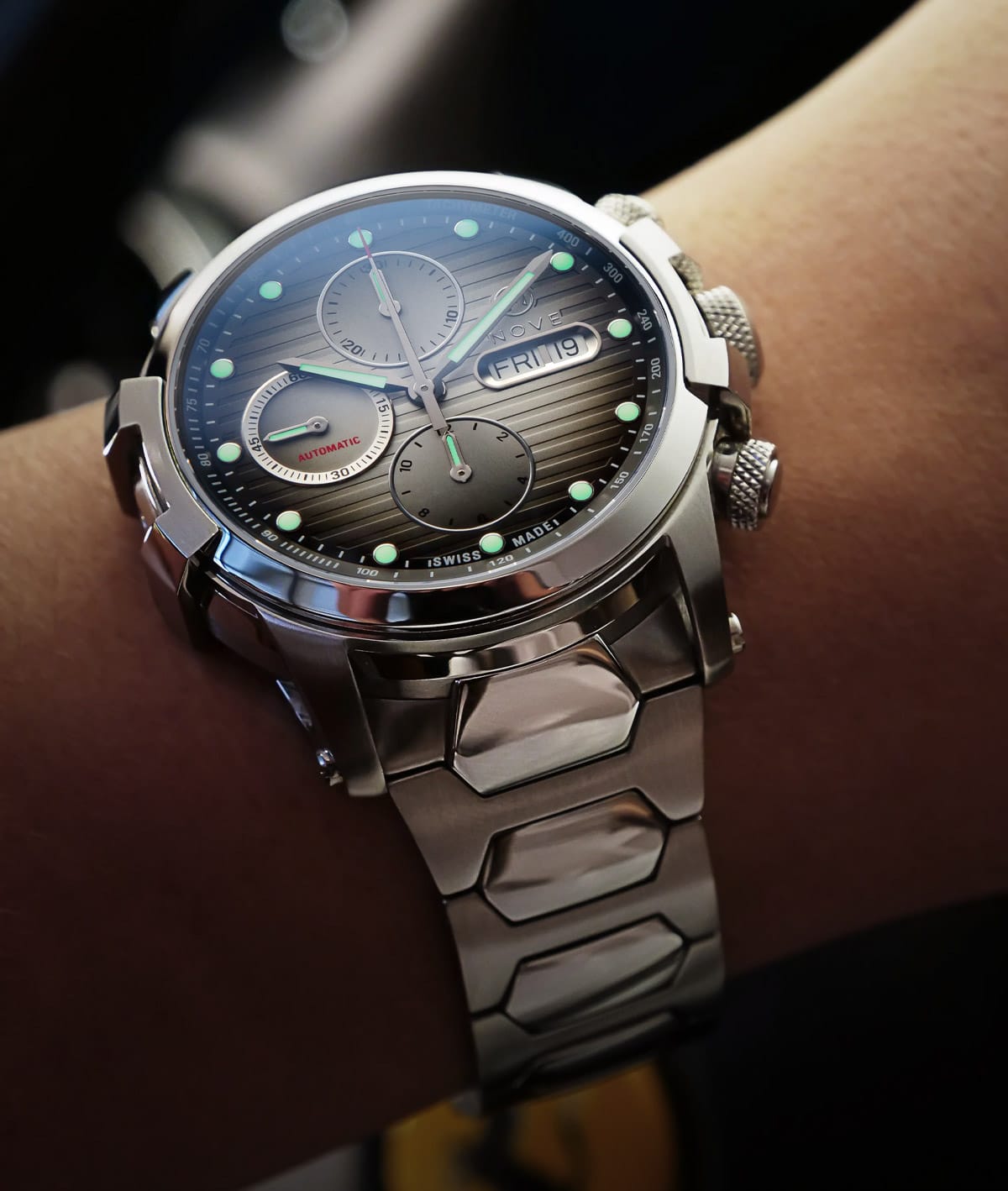
Chronograph dive-inspired watches occupy another compelling space. They add timing capability and mechanical visual drama, though extra pushers and dial registers can make a watch feel more technical. If you prefer clean, immediate readability, a three-hand model may be the stronger choice. If you enjoy instrument-panel energy and a more assertive wrist presence, a chronograph has undeniable appeal.
Wearing It Beyond the Water
The strongest luxury dive watches refuse to be reserved for a single setting. Rubber gives them an advantage here. It softens the formality of polished steel and makes a substantial case more relaxed, whether paired with a linen shirt, knit polo, dark denim, or a sharply cut casual suit.
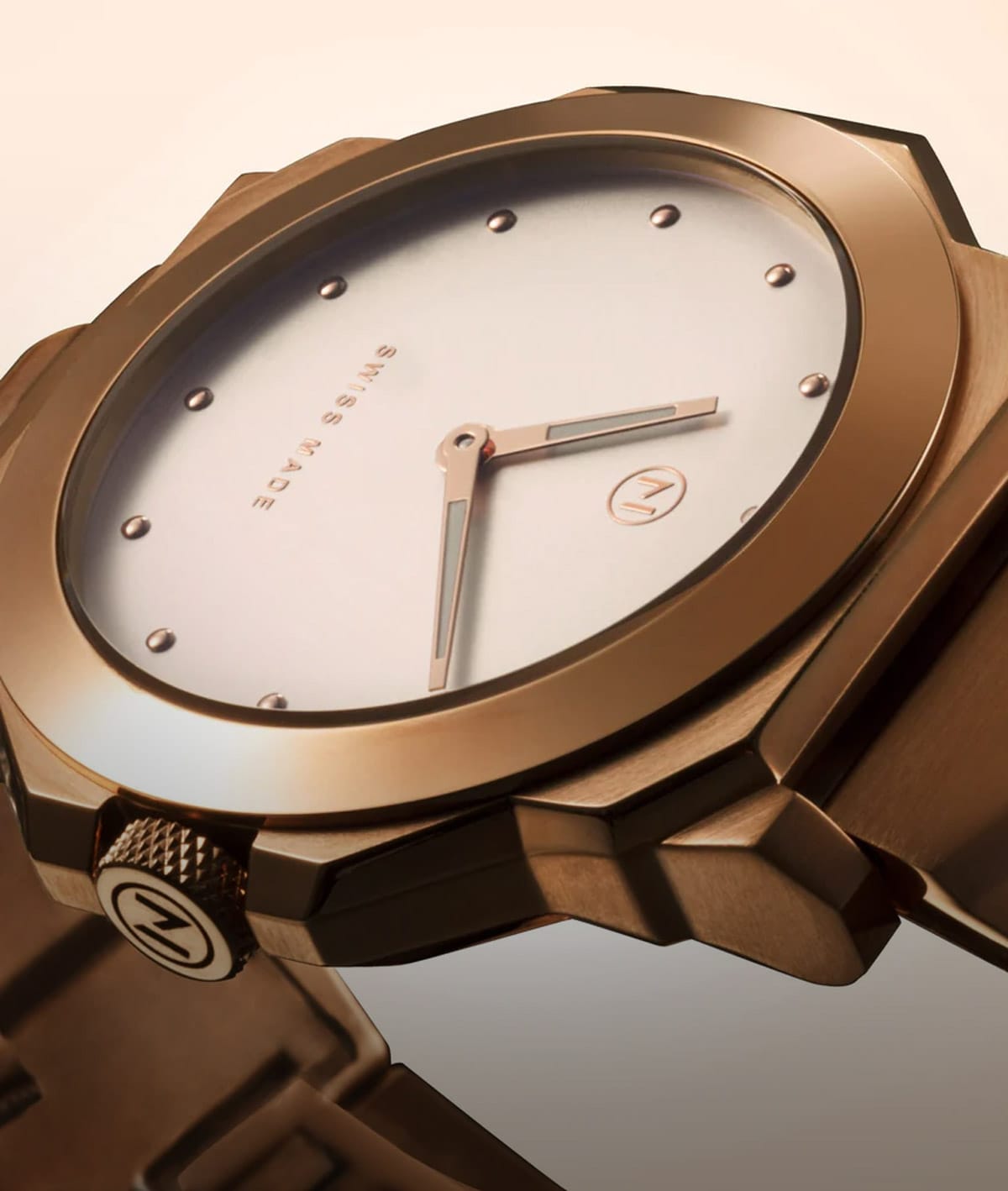
Proportion is the deciding factor. A large, thick case with an aggressive bezel makes a confident statement and suits those who want a watch to carry visual weight. A slimmer profile is more adaptable beneath sleeves and often feels more refined for office wear. Neither approach is inherently superior. The better choice is the one that matches your wrist, your wardrobe, and how much presence you want from the object you wear every day.
A rubber strap also makes ownership less anxious. It welcomes rain, pool days, travel, and spontaneous plans. That freedom is valuable because a watch gains meaning through use, not by remaining protected in a box.
Care That Preserves the Finish
After saltwater exposure, rinse the watch and strap with fresh water, then dry them with a soft cloth. Avoid harsh chemical cleaners, which can dull rubber and affect seals over time. If your watch has a screw-down crown, confirm it is fully secured before water contact.
Store the watch away from sustained direct sunlight and extreme heat, particularly if the strap has a vivid color. Have water resistance checked periodically by a qualified professional, and replace the strap when its surface begins to crack, stiffen, or lose its original shape. A fresh, properly fitted strap can renew the entire presence of a well-loved watch.
A luxury dive watch with rubber strap is at its best when it looks engineered for adventure yet refined enough to make an ordinary Tuesday feel considered. Choose one with authentic capability, a dial you can read in a second, and a strap you want to wear for hours. That is the kind of precision object NOVE believes should never wait for a special occasion.