
A dive watch earns its place long before it reaches the water. It has to sit with confidence on the wrist, remain legible at a glance, and carry enough visual authority to feel exceptional with a linen shirt, driving jacket, or wetsuit. The question of how to choose a Swiss dive watch is not simply about picking the highest depth rating. It is about finding an instrument where Swiss precision, purposeful engineering, and distinctive design meet.
How to Choose a Swiss Dive Watch for Your Life
Start with a clear idea of how the watch will be worn. A certified diver who spends weekends below the surface needs a different tool than a collector who wants the presence and capability of a true dive watch for daily city life. Both can choose an exceptional Swiss-made piece, but the priorities change.
For frequent water use, prioritize a meaningful water-resistance rating, a secure crown system, strong lume, and a bezel that can be operated confidently. For everyday wear, dimensions, finishing, movement preference, and design character may carry equal weight. The finest choice is rarely the most extreme specification on paper. It is the watch whose capabilities and proportions make sense every time you fasten it.
Begin With Water Resistance, Not Marketing Language
A dive watch should state its water resistance clearly in meters, atmospheres, or bar. For swimming and surface water sports, 100 meters can be suitable when the watch is properly maintained. For serious recreational diving, 200 meters is a more assured starting point. Watches rated to 300 meters and beyond provide greater margin and often come with the engineering details enthusiasts expect from a dedicated dive instrument.
Numbers alone do not tell the whole story. Look at how the watch achieves its rating. A screw-down crown, carefully engineered caseback, quality gaskets, and crystal construction all contribute to the watch's ability to resist water intrusion. If diving is a real part of your routine, service intervals matter too. Water resistance is not permanent. Gaskets age, seals can be compromised, and a pressure test is a sensible habit before a dive season.
There is also a distinction between a water-resistant sports watch and a purpose-built dive watch. A professional-style model may include a unidirectional timing bezel, highly visible minute hand, luminous markers, and tested water resistance designed around underwater use. Those details bring practical value, even when the watch spends most of its time above the surface.
Demand a Bezel You Can Trust
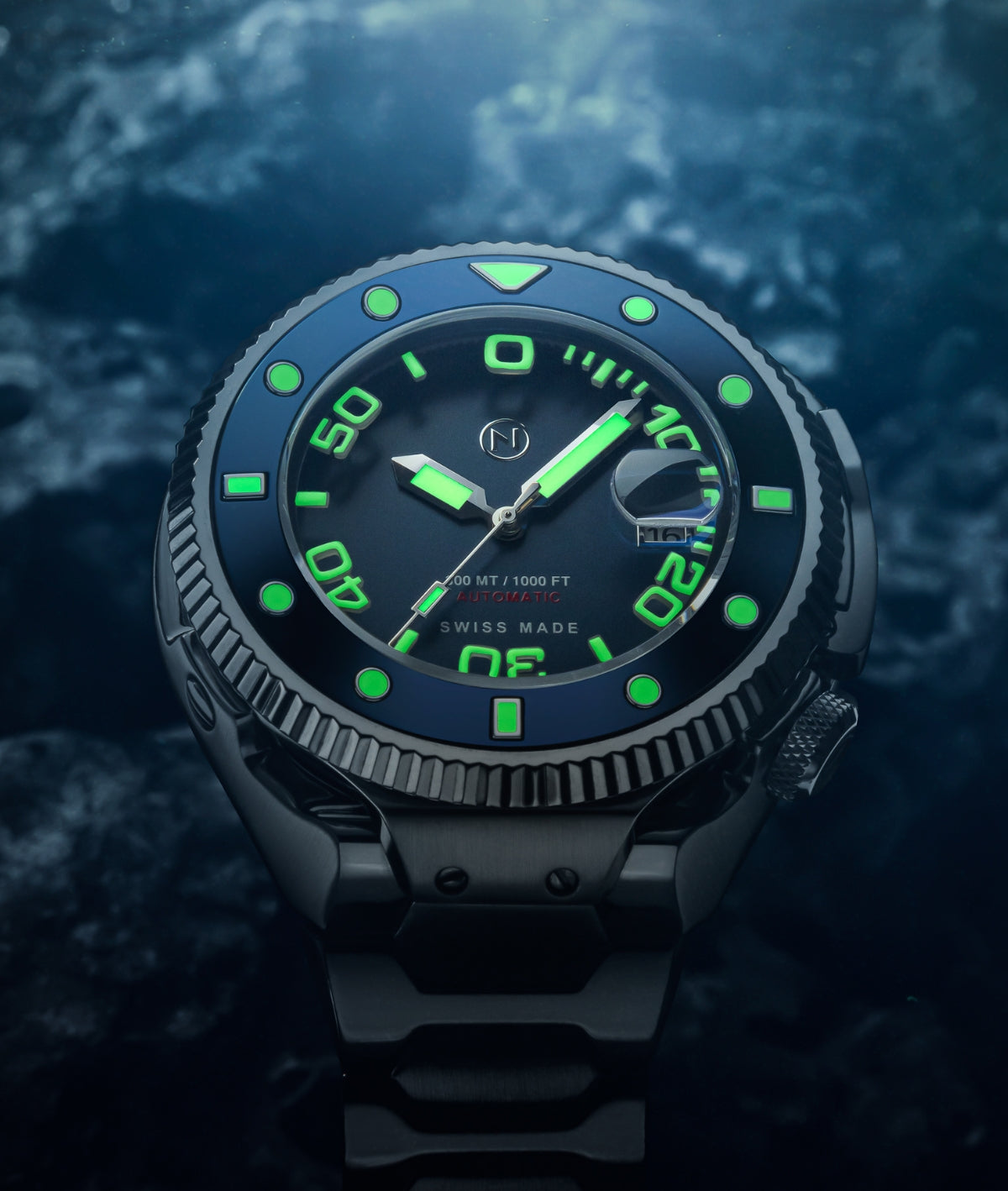
The rotating bezel is the defining tool of a dive watch. A unidirectional bezel turns counterclockwise only, so an accidental knock can shorten a measured time rather than dangerously extend it. That is a small mechanical decision with real safety logic behind it.
Test the feel, if possible. The action should be deliberate, secure, and satisfying, without loose play or an imprecise alignment at the 12 o'clock marker. A bezel with a strong grip is useful underwater and equally welcome when hands are wet, gloved, or simply moving quickly. Its scale should be easy to read, particularly for the first 15 or 20 minutes, where timing visibility matters most.
For many owners, the bezel also defines the watch's personality. A restrained ceramic insert can lend a refined, contemporary appearance, while bold color, deep texture, or architectural edging creates a more assertive statement. Choose the treatment that feels intentional with your personal style, not merely fashionable for a season.
Choose the Swiss Movement That Fits Your Rhythm
A Swiss dive watch can be powered by an automatic mechanical movement, a Swiss quartz movement, or a chronograph caliber. Each has a distinct appeal.
An automatic movement is for the wearer who appreciates the living rhythm of mechanical watchmaking. Its motion is powered by the wrist, and its appeal lies as much in craftsmanship as convenience. It calls for occasional setting after time off the wrist, and it may not match quartz precision day to day, but that is part of its character. A well-executed automatic feels personal, tactile, and enduring.
Swiss quartz is the practical precision choice. It is accurate, low-maintenance, and ready when you are. For travel, active use, or a watch that may rotate with other pieces in a collection, quartz removes the need to reset the time constantly. It can also allow for a slimmer case profile, depending on the design.
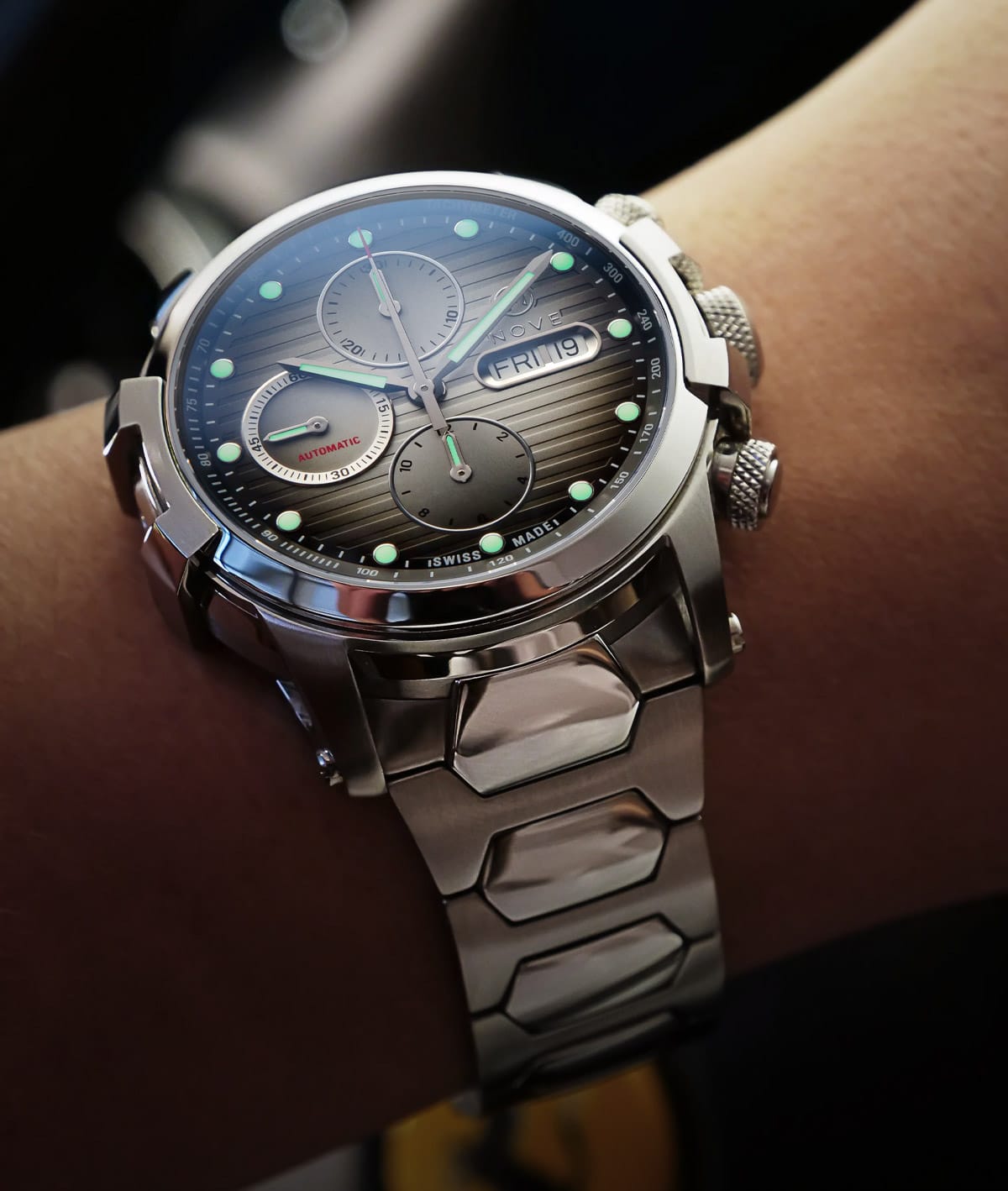
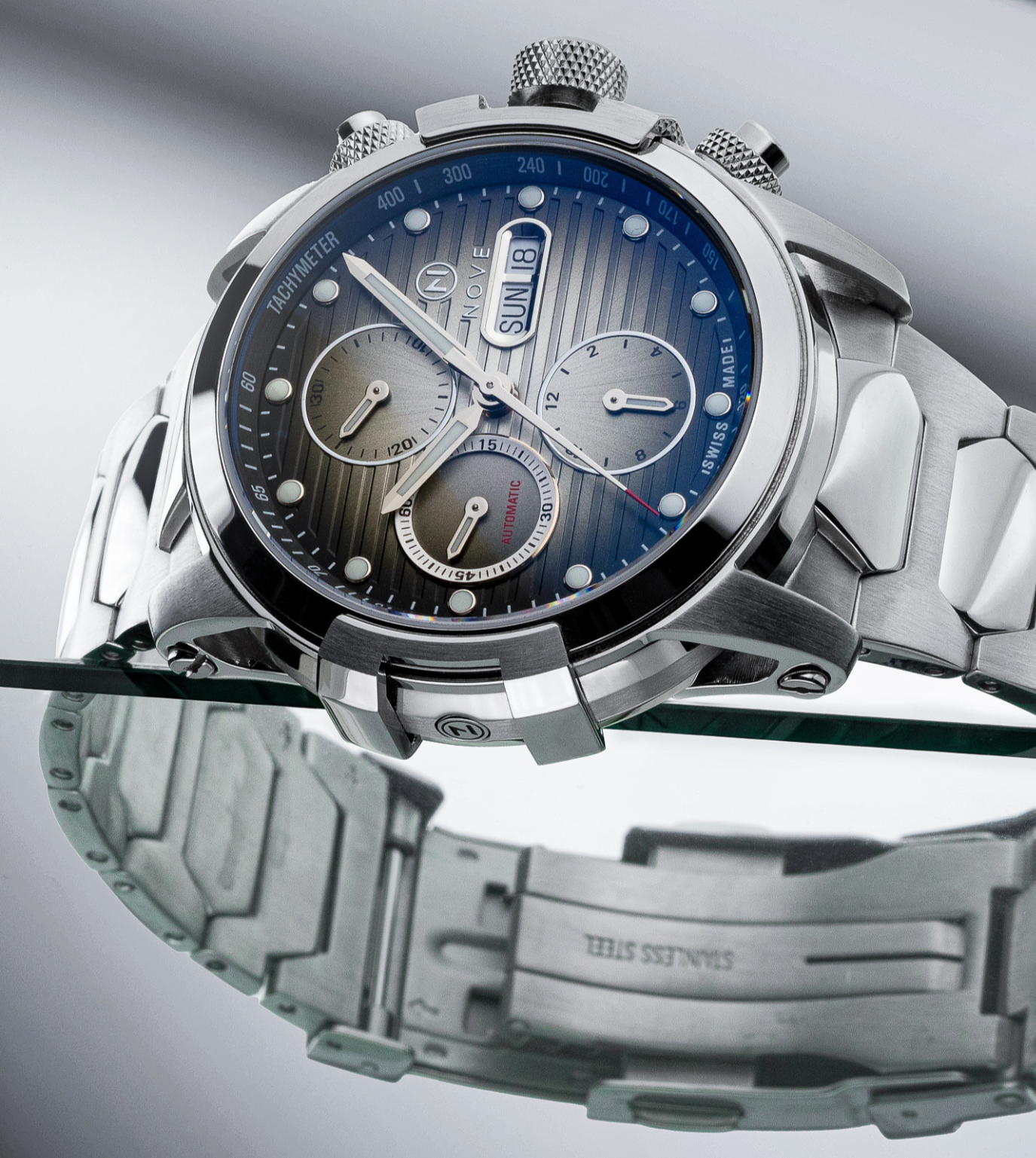
A chronograph adds timing functionality, but it introduces a trade-off. More pushers, more complexity, and more dial information can create an automotive-inspired sense of energy, yet they may make a watch less visually spare than a classic three-hand diver. If you want elapsed-time measurement for driving, training, or daily tasks, it can be an inspired choice. If underwater legibility is the priority, a simple three-hand layout is often stronger.
Look Closely at Crystal, Case, and Bracelet
Materials determine whether a dive watch continues to look remarkable after years of use. Sapphire crystal is a premier choice for scratch resistance and clear viewing. Anti-reflective treatment can improve readability in bright sun and shifting water light, although coatings on the exterior can show wear over time. This is not a reason to avoid them, only a detail worth understanding.
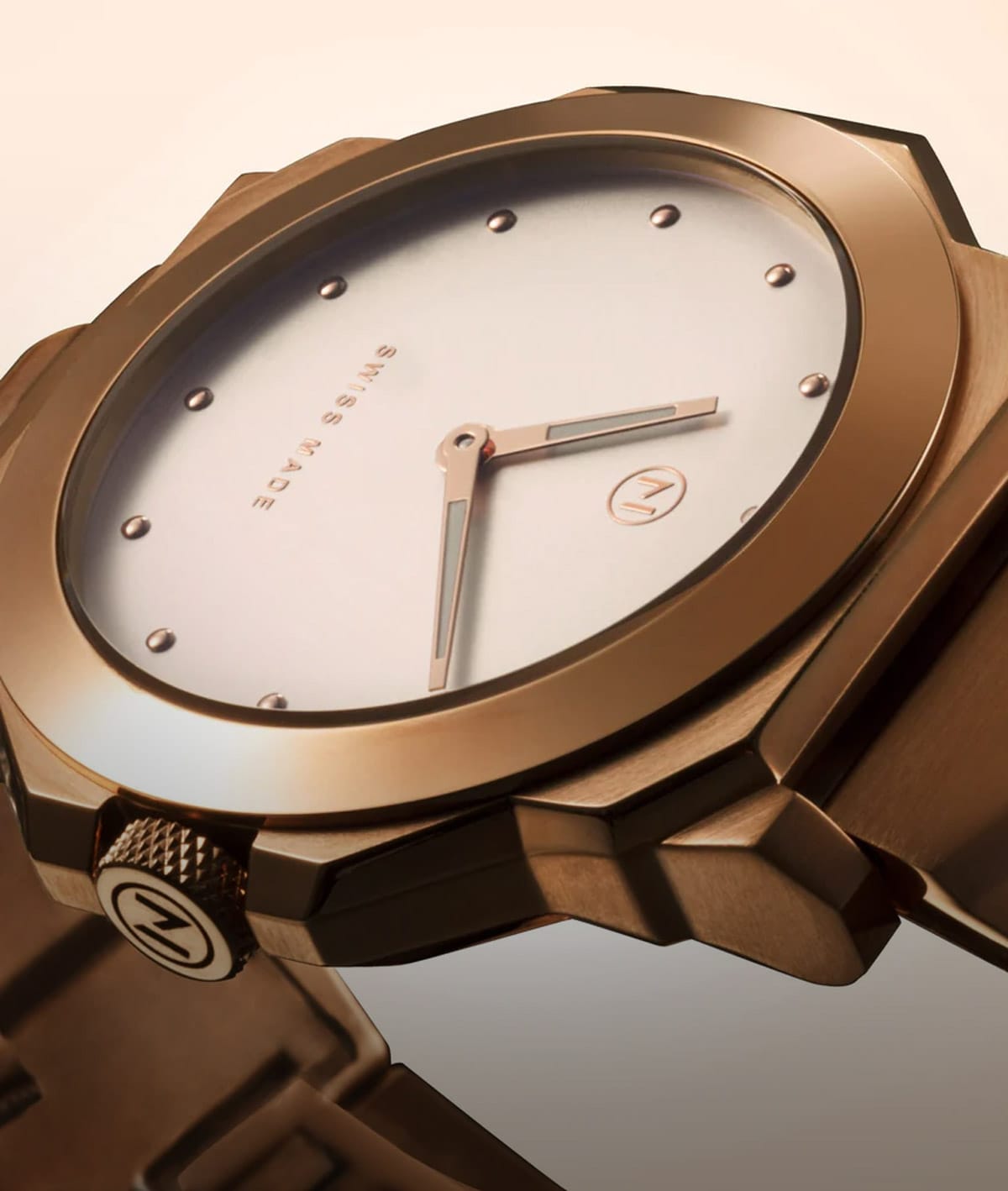
Stainless steel remains the essential case material because it balances strength, corrosion resistance, finishing potential, and reassuring weight. A brushed surface disguises the minor marks of an active life better than a fully polished one, while polished bevels and accents bring an element of opulence. The most compelling cases use contrast with discipline, allowing different finishes to emphasize the geometry rather than compete for attention.
Do not overlook the bracelet or strap. A steel bracelet offers versatility and durability, especially if it includes a secure clasp and adjustment range. A rubber strap is naturally suited to water, heat, and relaxed summer wear. Leather has undeniable refinement but is generally not the ideal companion for regular immersion. Consider buying for the way you will actually wear the piece, rather than the photograph that first caught your attention.
Size, Weight, and Legibility Are Performance Features
A larger case can deliver dramatic wrist presence, but size should serve legibility and comfort. Case diameter is only one part of the equation. Lug-to-lug distance, thickness, bezel width, case shape, and bracelet articulation can make two watches of the same diameter wear completely differently.
Those with smaller or medium wrists may find that a compact case with short lugs wears more elegantly than a larger watch with a sprawling profile. Larger wrists can carry more diameter, but an oversized case can still feel top-heavy if its thickness and bracelet do not balance it. A dive watch should feel planted, not cumbersome.
Legibility deserves the same scrutiny. At a glance, can you separate the hour hand, minute hand, and bezel marker? Are the indices clear in low light? Is the date window integrated cleanly, or does it interrupt the dial's visual rhythm? A distinctive dial can be a masterpiece of industrial design, but a true dive watch should never make you work to read it.
Luminous material is particularly revealing. Strong lume on the hands, primary indices, and bezel pip keeps the watch useful in darkness. The color in daylight is an aesthetic choice. The brightness and duration after exposure to light are what matter when visibility fades.
Consider Design Character as Carefully as Specifications
Swiss craftsmanship is an assurance of expertise, but it should not require every watch to look the same. Some collectors want the familiar codes of traditional diving instruments. Others prefer a case shape, dial treatment, or bezel construction that feels less expected. Neither approach is more valid. The right design is the one that reflects your taste without compromising the functions that made you choose a dive watch in the first place.
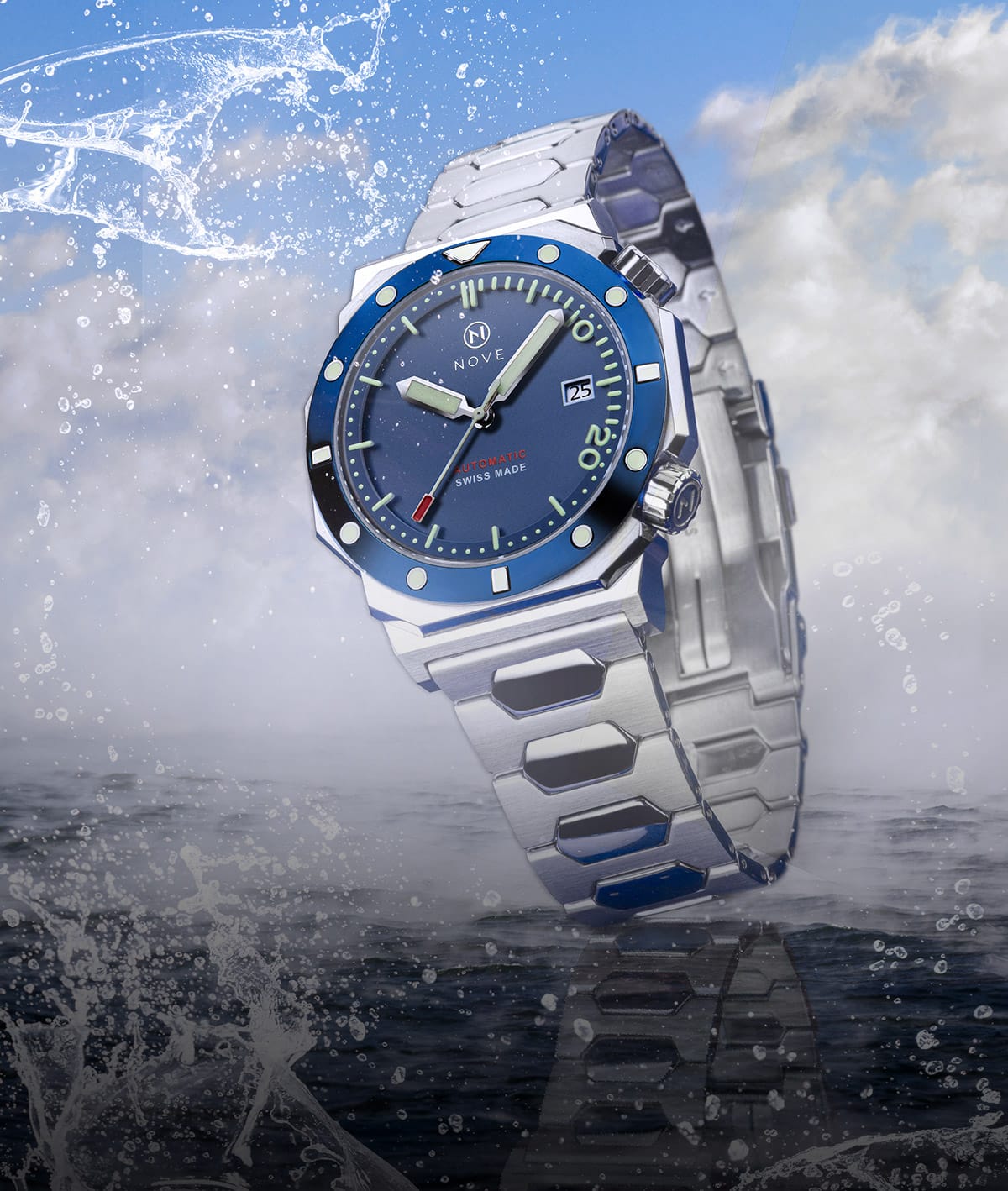
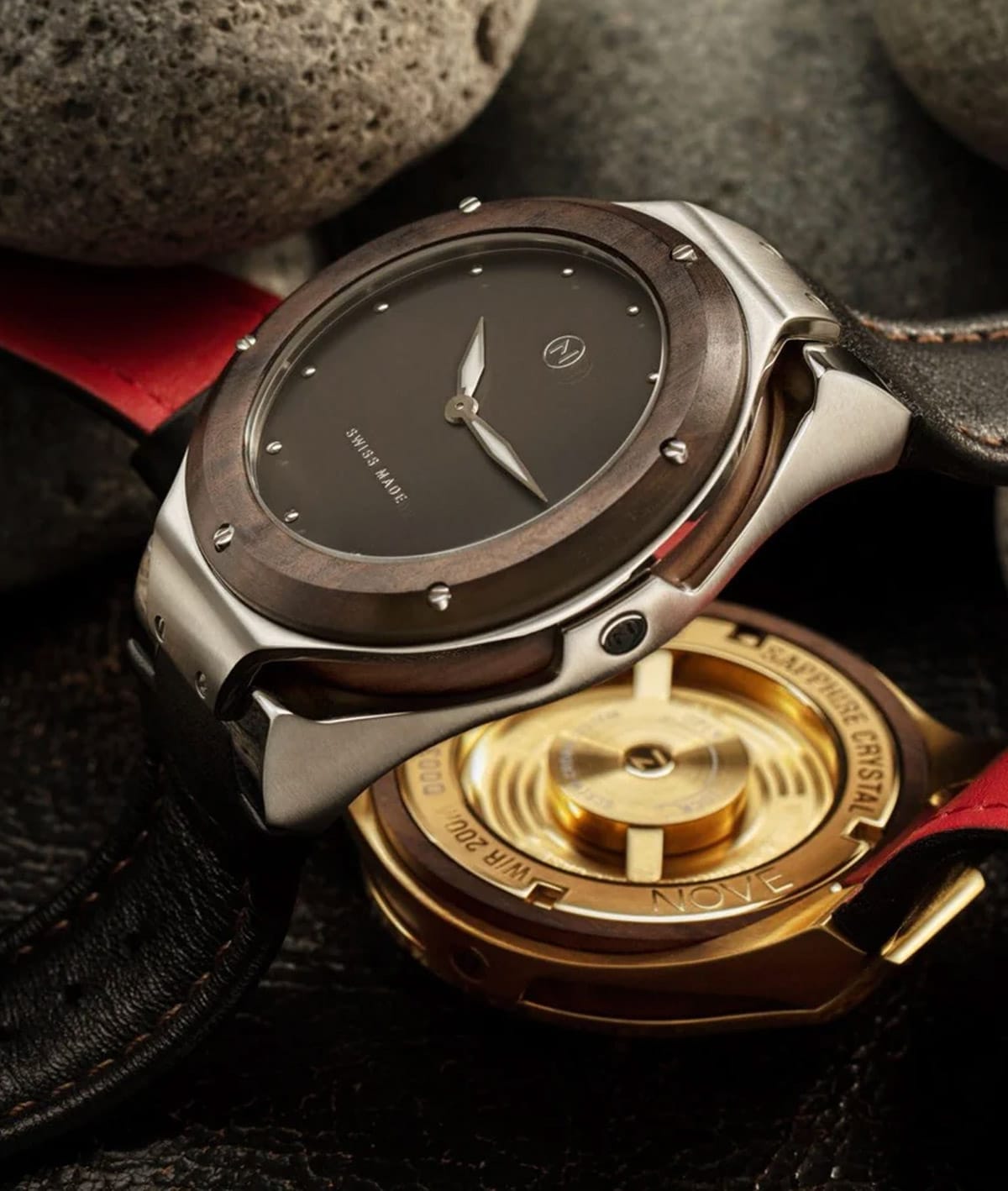
This is where design-led Swiss makers can offer unusual value. NOVE, for example, approaches the category with bold industrial forms and contemporary proportions, proving that a capable dive watch can be both a serious instrument and a defining piece of personal style.
Pay attention to the details that make a design memorable: a sculpted crown guard, a deep-set dial, a sharply integrated bracelet, or a color combination that shifts from boardroom refinement to open-water confidence. These are not superficial touches. They determine whether the watch becomes part of your signature or remains one more object in a drawer.
Buy With Ownership in Mind
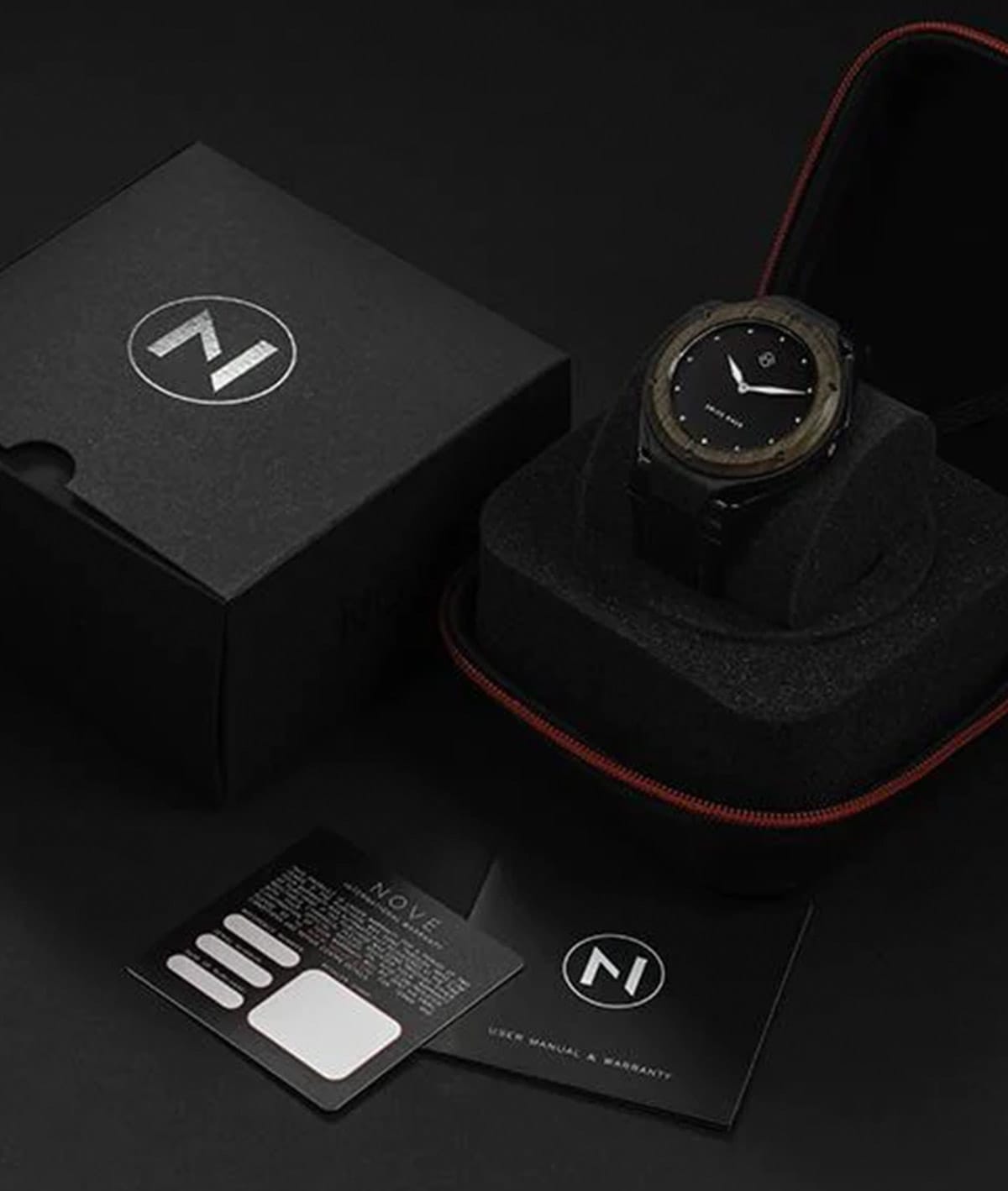
The purchase should include more than the watch itself. Confirm the warranty length, the return policy, and the brand's process for servicing or pressure testing. A 36-month warranty offers meaningful reassurance, but read what it covers and understand your responsibilities around damage, battery changes, and water-resistance maintenance.
If the watch is a gift, presentation and personalization can elevate the experience. Engraving can turn a precision object into a lasting marker of an achievement, a departure, or an important relationship. It also makes the choice of design more personal, so select a watch that feels timeless to the recipient rather than merely dramatic at first sight.
The most rewarding Swiss dive watch is not defined by a single specification. Choose one you trust in the water, enjoy in motion, and recognize instantly as your own whenever light catches the dial. That is the kind of precision worth wearing every day.