
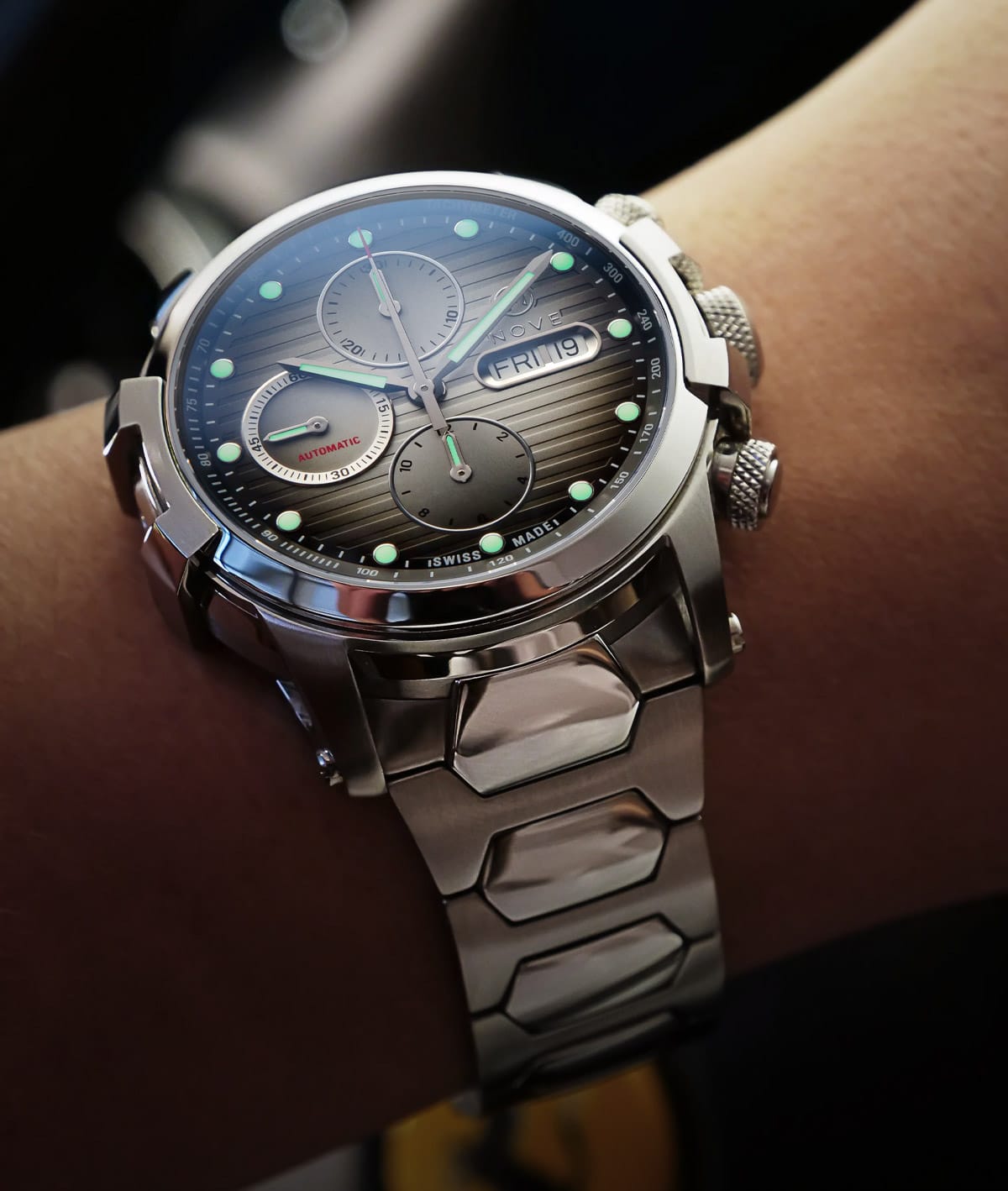
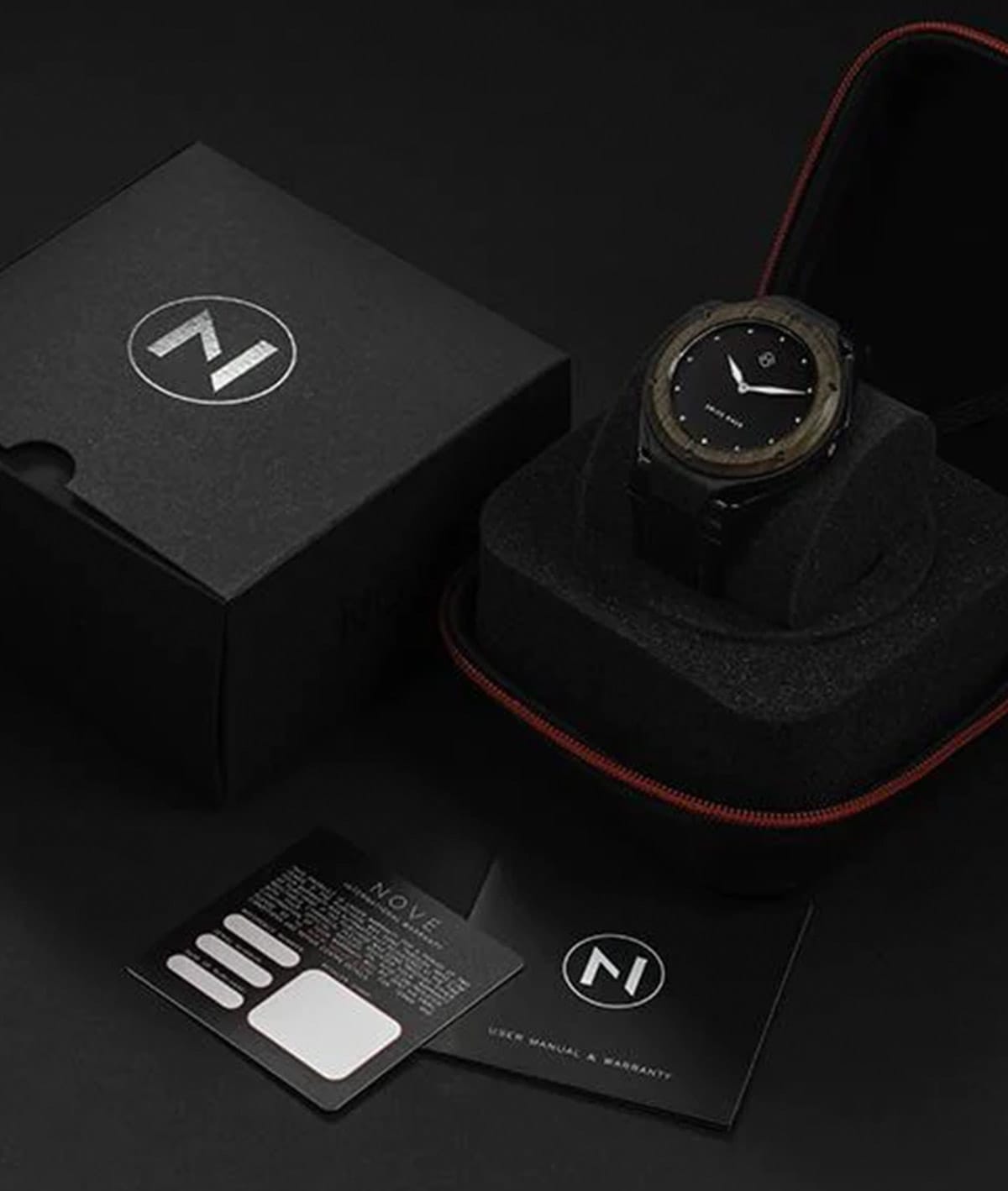
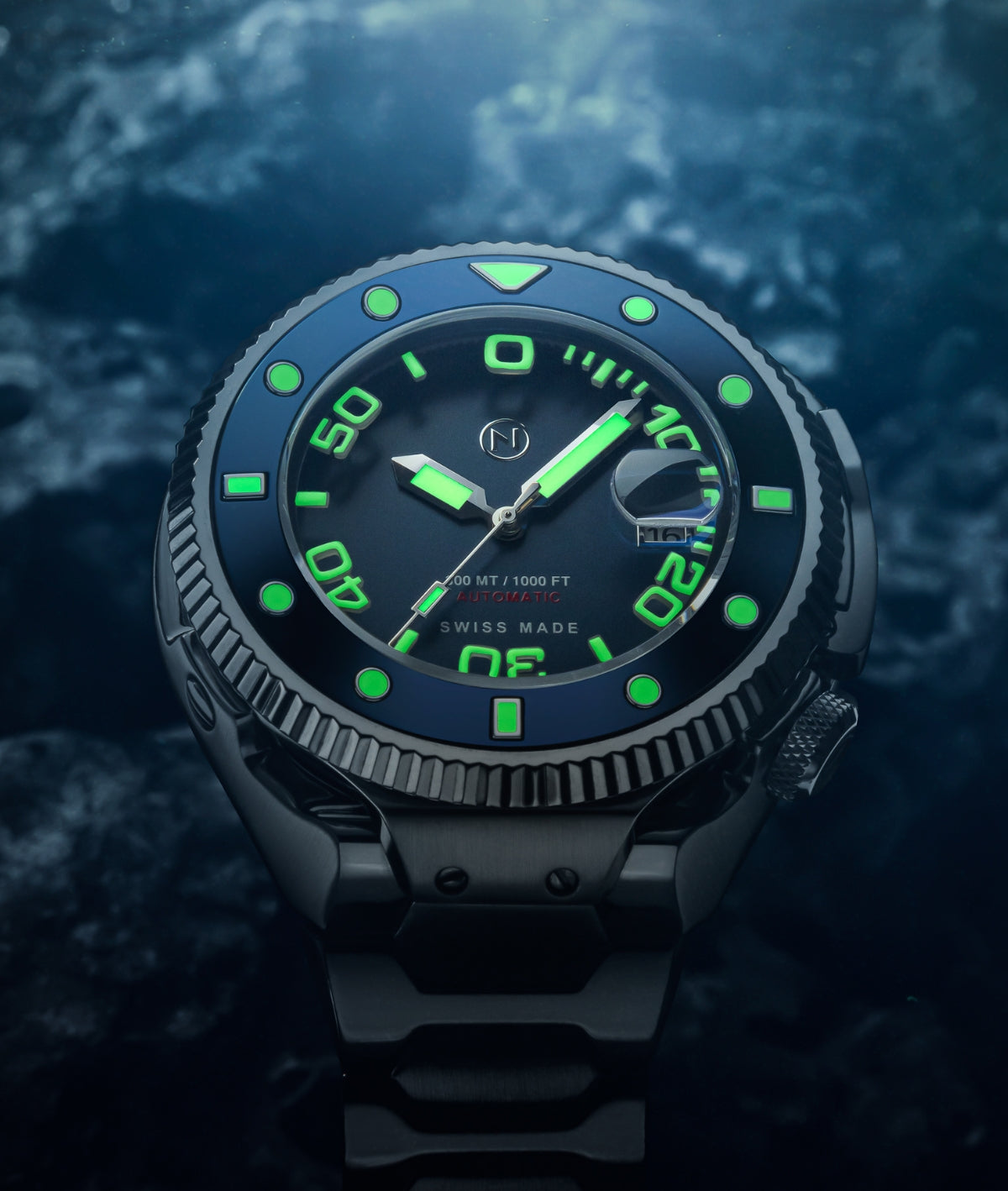
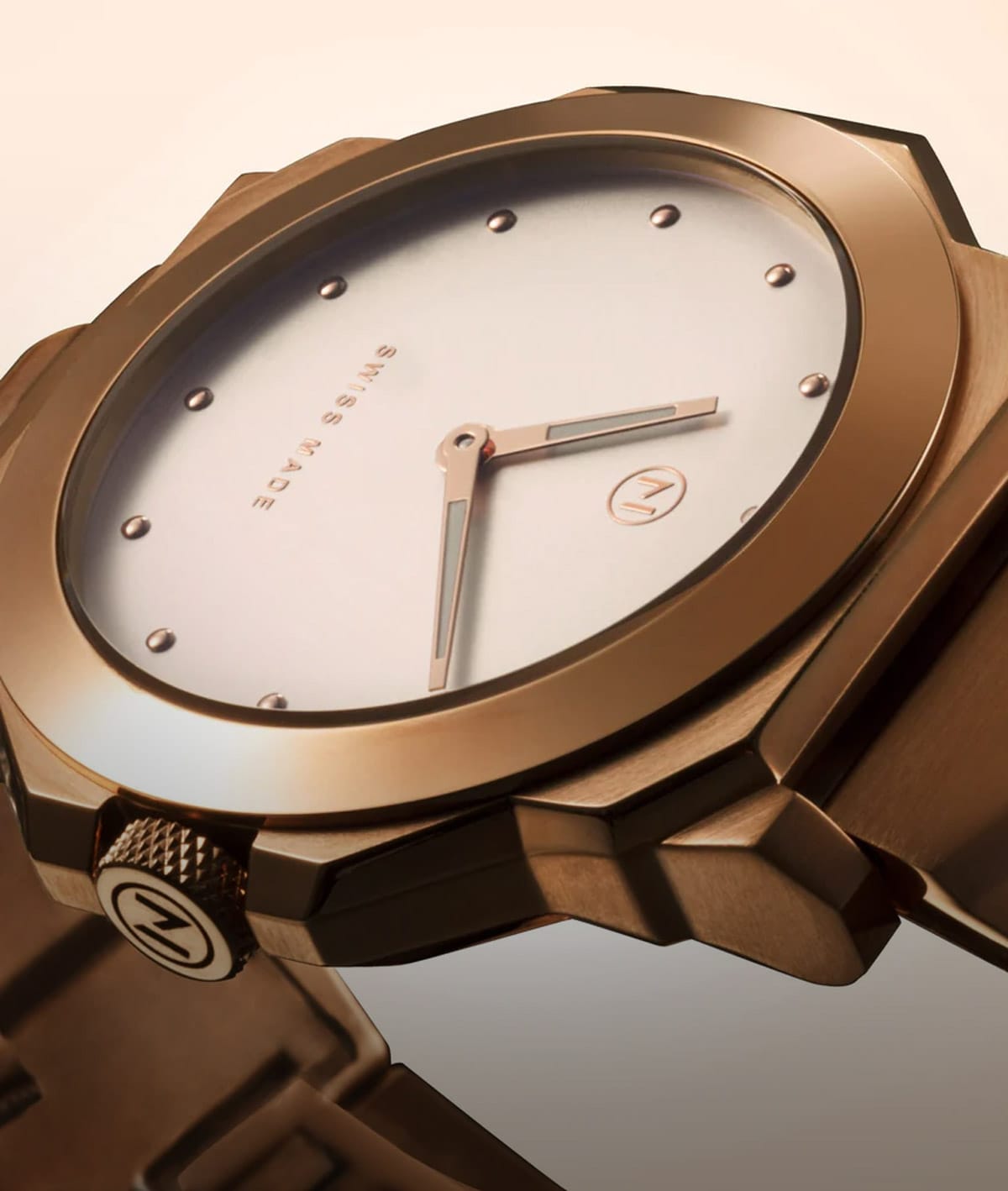
A watch can reveal more than the hour. It can signal an appreciation for engineering, a preference for effortless precision, or a taste for an object made to accompany real adventures. In the automatic vs quartz watches conversation, neither movement is universally superior. The right choice comes down to what you want to feel when you look at your wrist - and how you expect your watch to perform when life gets moving.
For some, the appeal lies in a mechanical caliber working through a finely choreographed series of gears. For others, there is real luxury in a watch that remains exceptionally accurate with almost no attention required. Both deserve a place in a considered collection.
Automatic vs Quartz Watches: The Essential Difference
An automatic watch is mechanical. Its movement is powered by a mainspring, which stores energy and releases it gradually to drive the hands. A weighted rotor swings with the motion of your wrist, winding that spring as you wear the watch. No battery is required.
A quartz watch uses a battery and a tiny quartz crystal. An electrical current causes the crystal to vibrate at a remarkably consistent frequency, and the movement converts those vibrations into precise timekeeping. The concept is brilliantly efficient, which is why quartz became a defining force in modern watchmaking.
The distinction is not simply old versus new. Automatic and quartz movements express two different ideas of excellence. One is rooted in traditional mechanical artistry and the satisfying complexity of moving parts. The other is built around dependable precision, resilience, and convenience.
Why Choose an Automatic Watch?
An automatic watch is a living machine. Its movement responds to your motion, and its sweeping seconds hand offers a visual reminder that dozens of precisely arranged components are working together beneath the dial. For many collectors, that experience is the point.
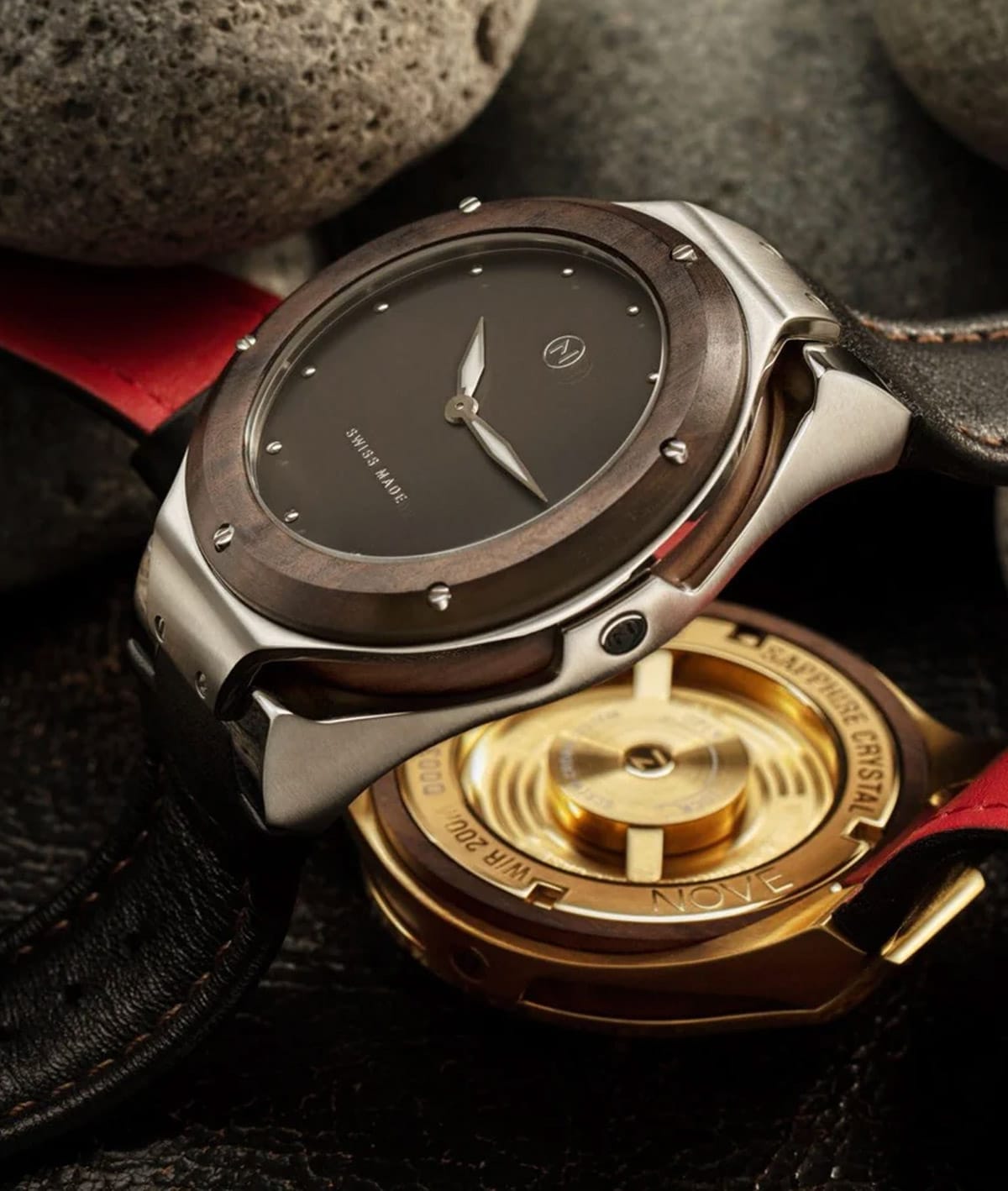
Swiss automatic movements carry particular appeal because their construction reflects generations of watchmaking discipline. The rotor, balance wheel, escapement, and gears all have distinct roles, yet must operate in harmony. A well-made automatic watch is not merely an accessory. It is miniature engineering with a pulse.
Automatic watches also offer a sense of ritual. If you wear one regularly, your natural movement keeps it running. If you rotate among several watches, you may need to reset the time and date after it has been resting beyond its power reserve. Some owners see this as a drawback. Others enjoy the brief moment of connection before putting on a favorite piece.
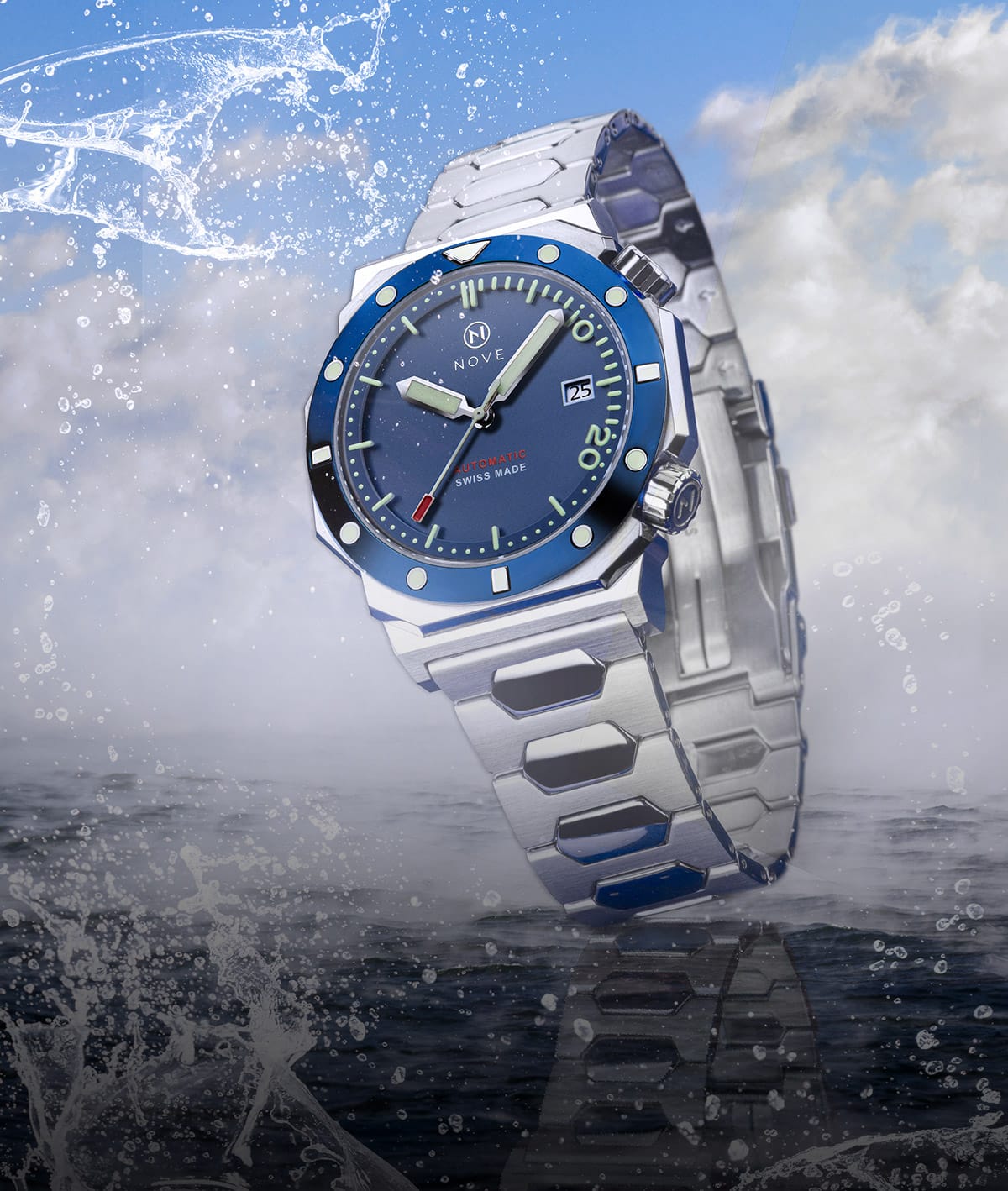
That character makes an automatic especially compelling for someone who views a watch as an heirloom-worthy object. A bold dive watch with an automatic movement, for example, pairs technical depth with an unmistakably tactile presence. The movement beneath the case reinforces the purpose of the design: it is made to be worn, used, and appreciated over years of journeys.
There are practical trade-offs. Most automatic watches are less accurate than quartz watches on a day-to-day basis. A variation of several seconds per day is normal, depending on the movement and how it is worn. They also benefit from professional servicing at intervals, since lubricants age and mechanical parts require inspection. That care is part of ownership, not a flaw, but it is worth considering before you buy.
An automatic movement may suit you if...
You value craftsmanship you can feel, enjoy the idea of mechanical watchmaking, and plan to wear your watch often. It is also an exceptional choice for marking a milestone, building a collection, or choosing a statement piece whose appeal extends beyond pure utility.
Why Choose a Quartz Watch?
Quartz is the movement for people who want their watch ready without ceremony. Set it, wear it, and trust it. Quartz movements are typically accurate to within seconds per month rather than seconds per day, a meaningful advantage for anyone with a demanding schedule or a habit of switching between watches.
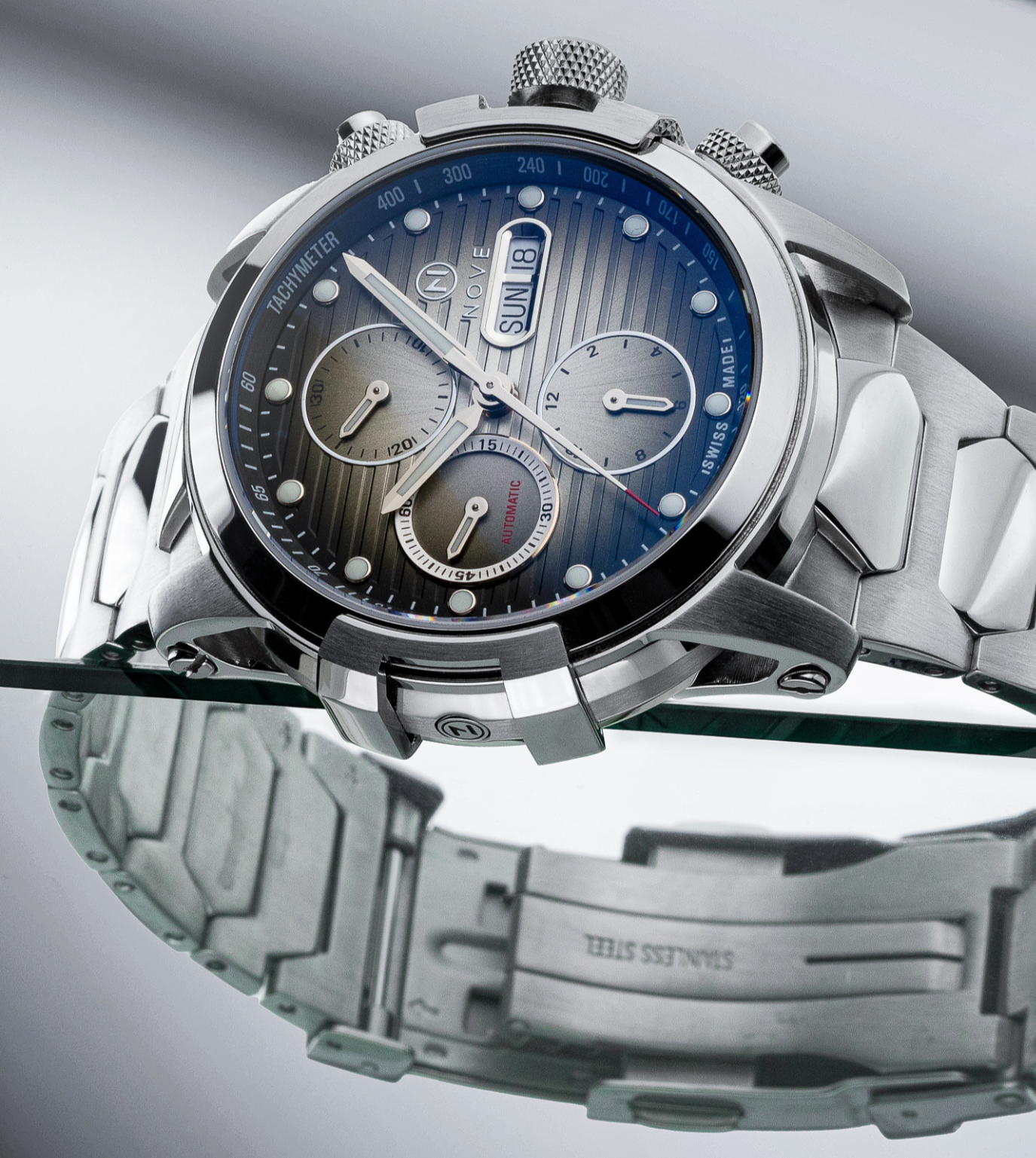
A Swiss quartz watch can still be a refined, premium instrument. The movement may be simpler in concept than an automatic caliber, but simplicity is not the same as compromise. In a well-designed timepiece, quartz enables a slim case profile, dependable performance, and a strong focus on the elements that meet the eye and hand: the proportions, finishing, dial architecture, crystal, bezel, and bracelet or strap.
Quartz is particularly well suited to active ownership. If your watch spends weekdays in the office, weekends near the water, and occasional stretches in a drawer while you wear something else, it will still be waiting with the correct time. Battery changes are the primary maintenance need, commonly every few years depending on the movement.
For a gift buyer, this convenience matters. A quartz watch gives the recipient an immediate and uncomplicated experience, whether it is their first Swiss-made timepiece or a distinctive addition to an established wardrobe. It can be worn for a formal event, a flight, a dive-inspired weekend, or an ordinary Tuesday without asking anything in return.
Quartz does have a different emotional register. Its seconds hand often advances in individual ticks rather than the smoother visual motion associated with a mechanical escapement. It will not offer the same fascination for someone who loves the intricate mechanics inside a traditional watch. If the movement itself is central to your reason for owning a watch, automatic may remain the more satisfying answer.
Precision, Maintenance, and Daily Reality
The most useful way to compare these movements is to separate accuracy from quality. Quartz is generally more accurate. Automatic is generally more mechanically expressive. Both can be exceptionally well made when housed in a watch built with serious materials and thoughtful construction.
Consider how you actually live. A frequent traveler who wants dependable time at a glance may favor quartz. A watch enthusiast who notices the behavior of a seconds hand and enjoys the ritual of setting a mechanical piece may favor automatic. A professional who needs one commanding daily watch could reasonably choose either, depending on whether convenience or mechanical character carries more weight.
Water resistance is a separate consideration from movement type. An automatic dive watch and a quartz dive watch can both be engineered for serious water performance when the case, crown, seals, and crystal are designed to meet the task. Before swimming or diving, verify the watch's stated water-resistance rating and ensure the crown is fully secured.
Maintenance follows the same practical logic. Quartz requires periodic battery replacement, ideally performed by a qualified watch professional who can also inspect seals. Automatic watches require less frequent but more involved servicing. The exact schedule depends on the movement, usage, and manufacturer guidance, though many owners plan for service every several years.
The Case for Owning Both
Choosing between automatic and quartz does not need to be a permanent declaration of loyalty. The two movements can serve different moments in a collection.
An automatic watch can be the piece you reach for when the occasion calls for depth, design, and a connection to Swiss mechanical tradition. A quartz watch can be the confident daily companion that keeps pace without adjustment. One rewards attention; the other protects your time.
That is why movement should never be judged in isolation. A watch must also earn its place through its design, comfort, materials, and the way it fits your life. NOVE approaches both movement categories with the same belief that a timepiece should feel distinctive on the wrist - built with Swiss credibility, adventurous intent, and a design language that refuses to disappear into the background.
How to Make the Right Choice
Start with one honest question: do you want a watch that asks you to participate, or one that simply performs? If the idea of a self-winding mechanical movement makes the watch more meaningful to you, choose automatic. If you want outstanding accuracy and low-maintenance confidence, choose quartz.
Then look beyond the specification sheet. Imagine the watch with your usual wardrobe, on your next trip, and at the milestones you want it to remember. The best movement is the one that makes you want to wear the watch often. Timekeeping matters, but the enduring value of a remarkable watch is how confidently it becomes part of your story.