
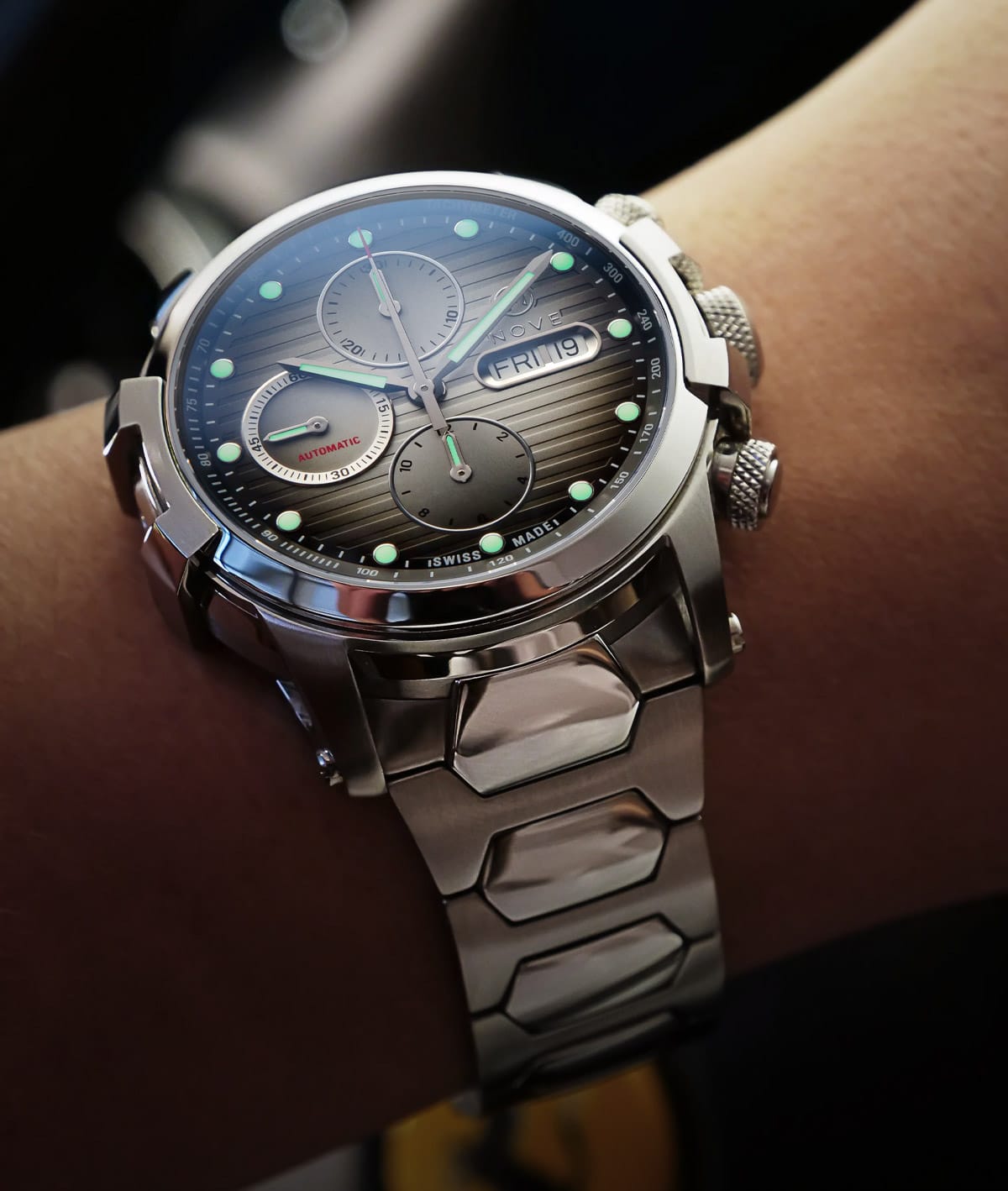
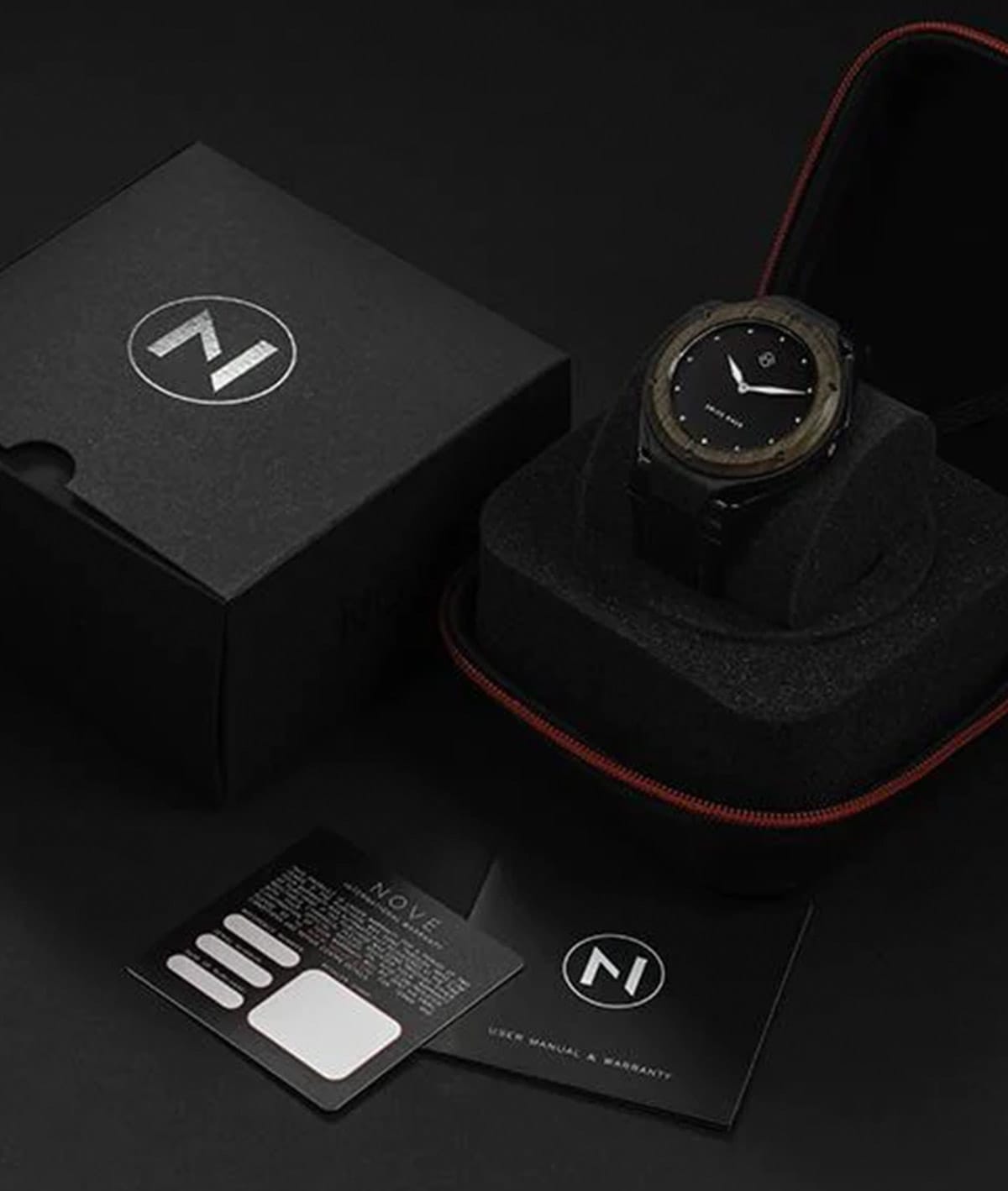
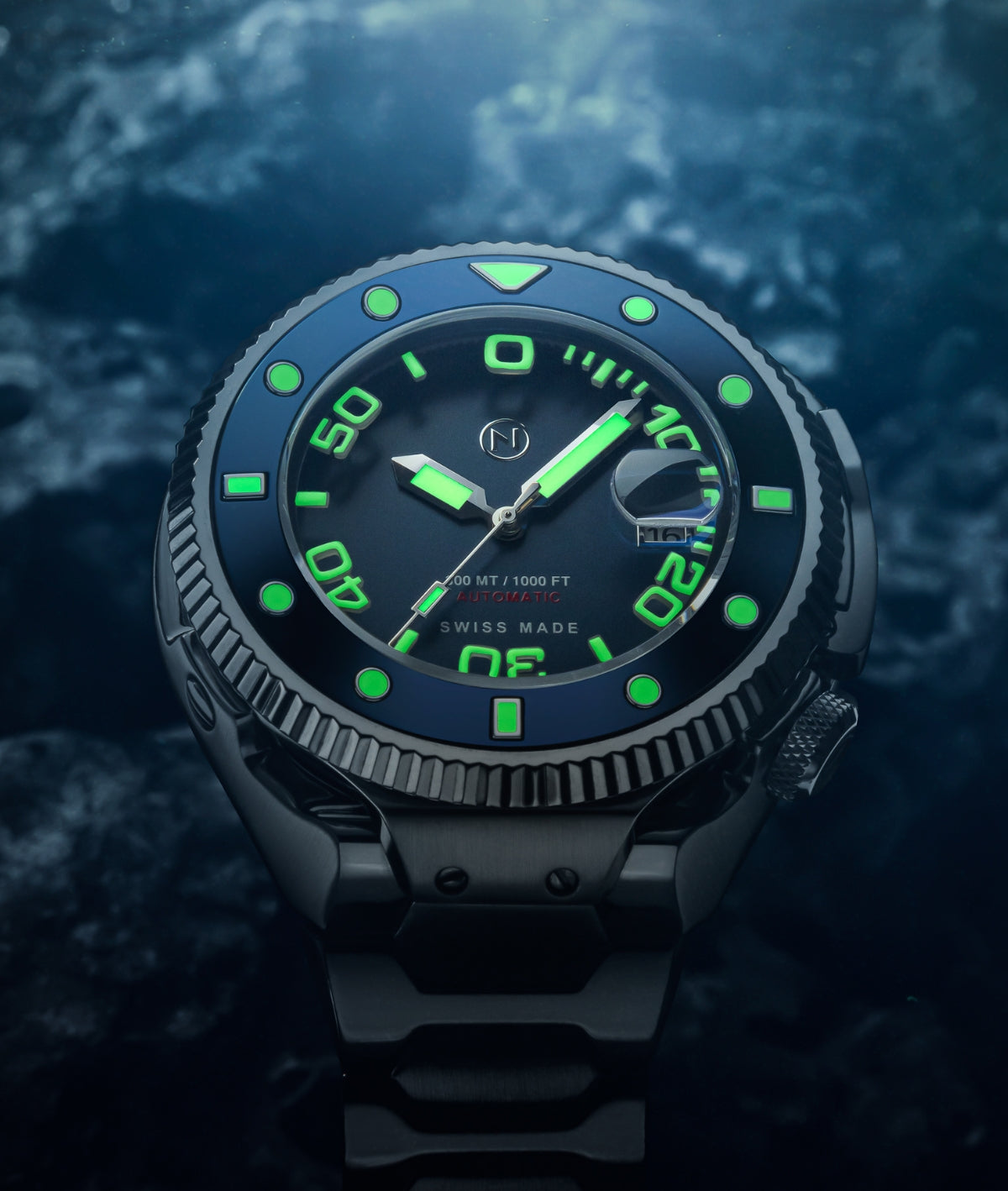
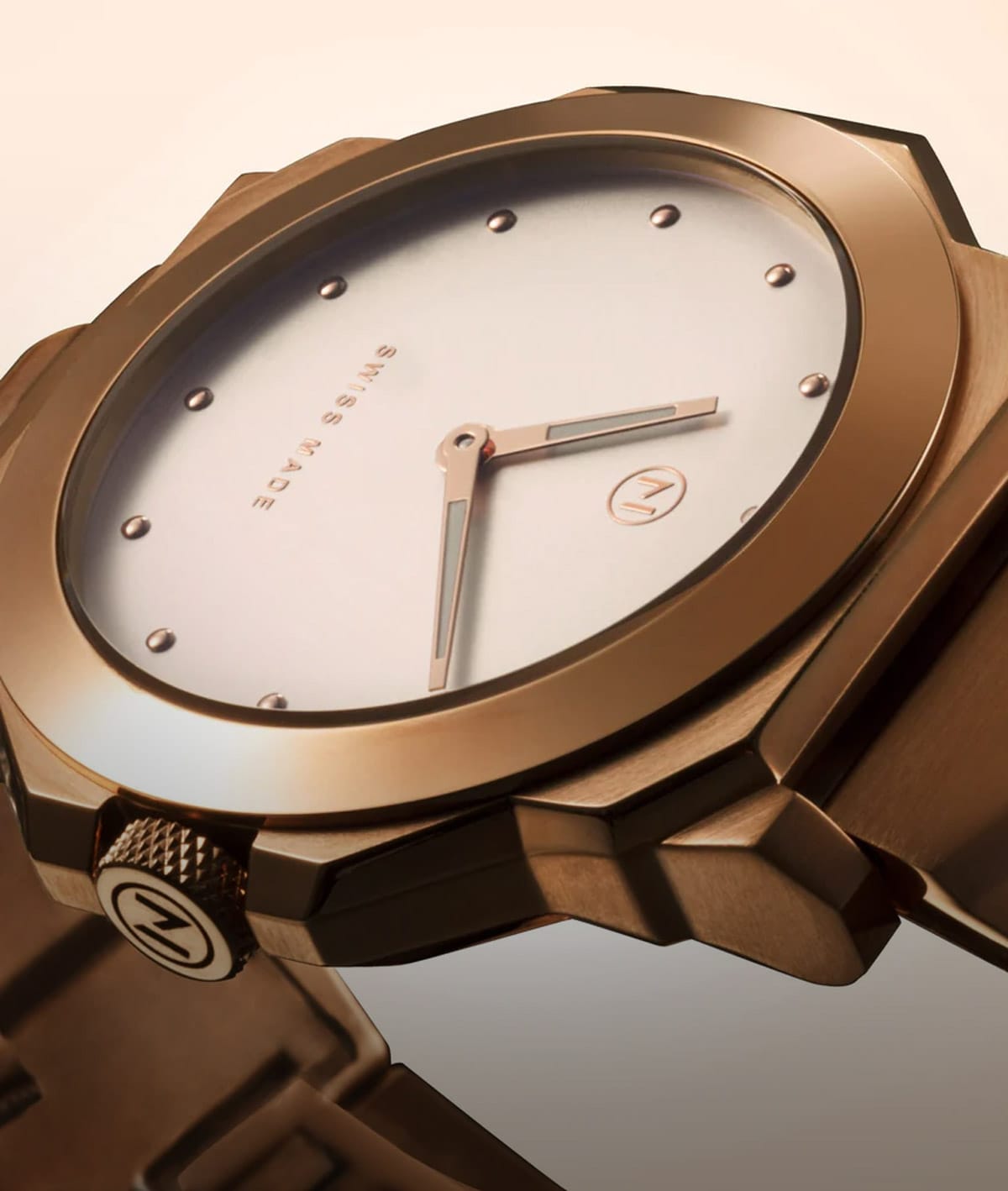
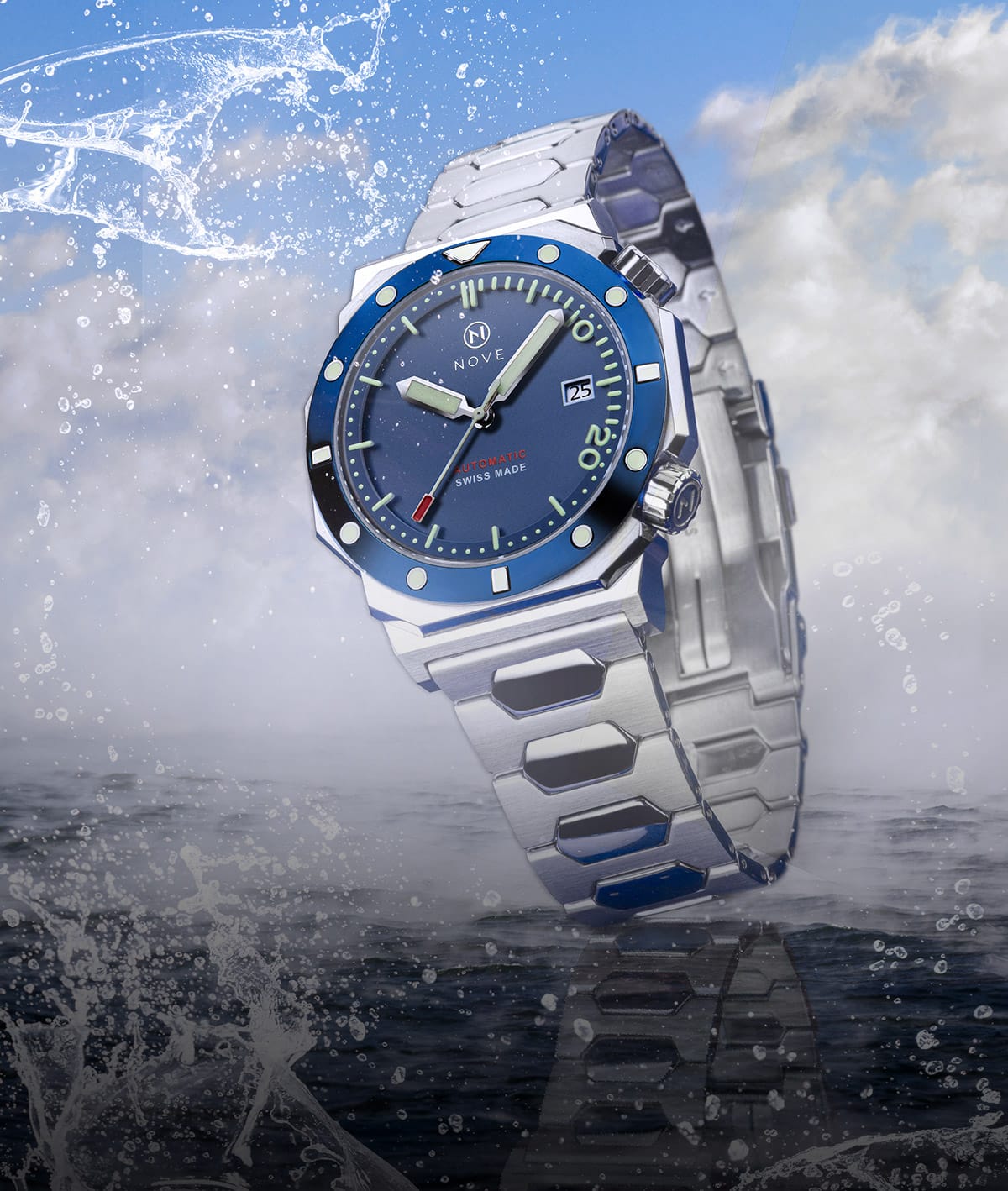
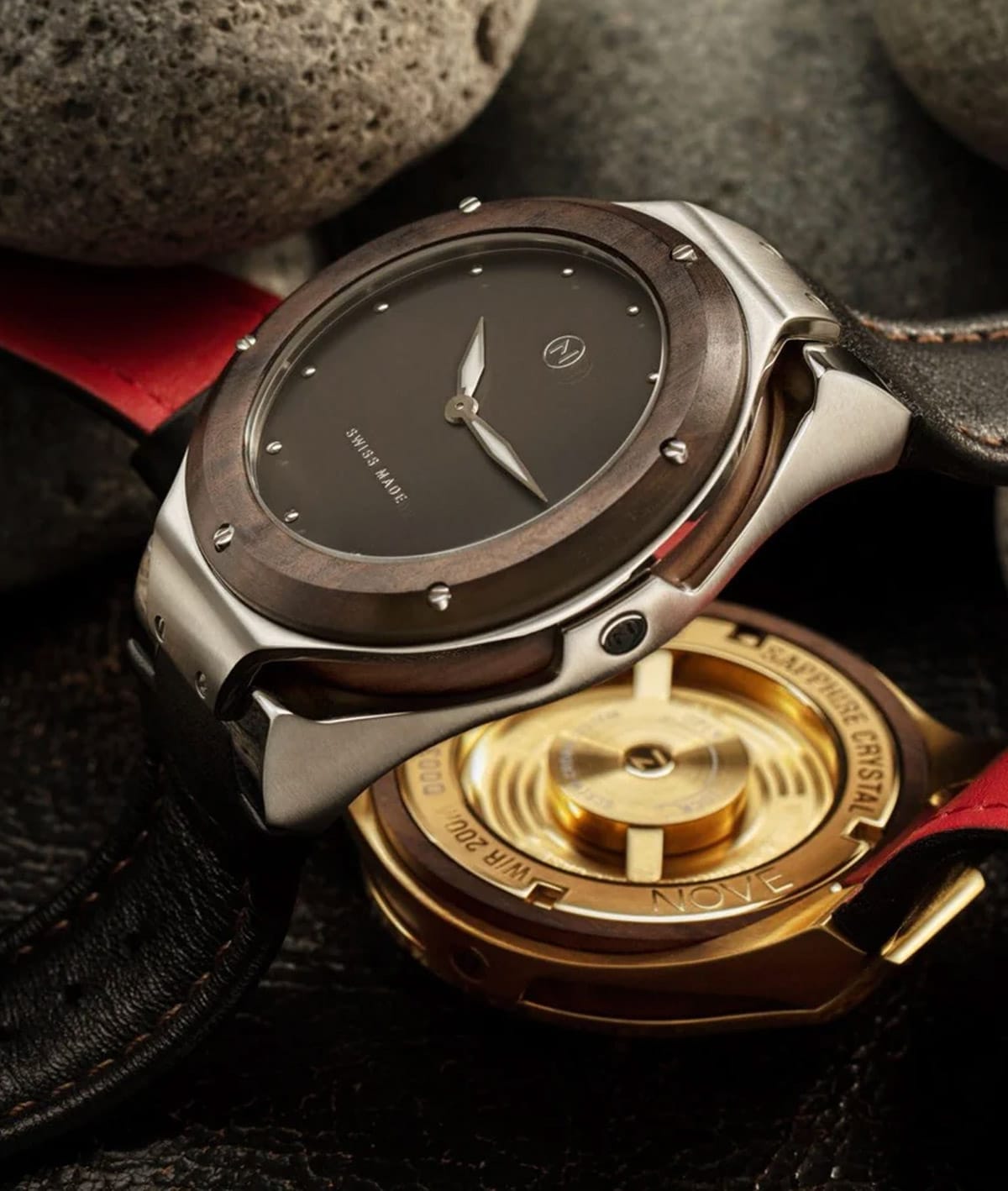
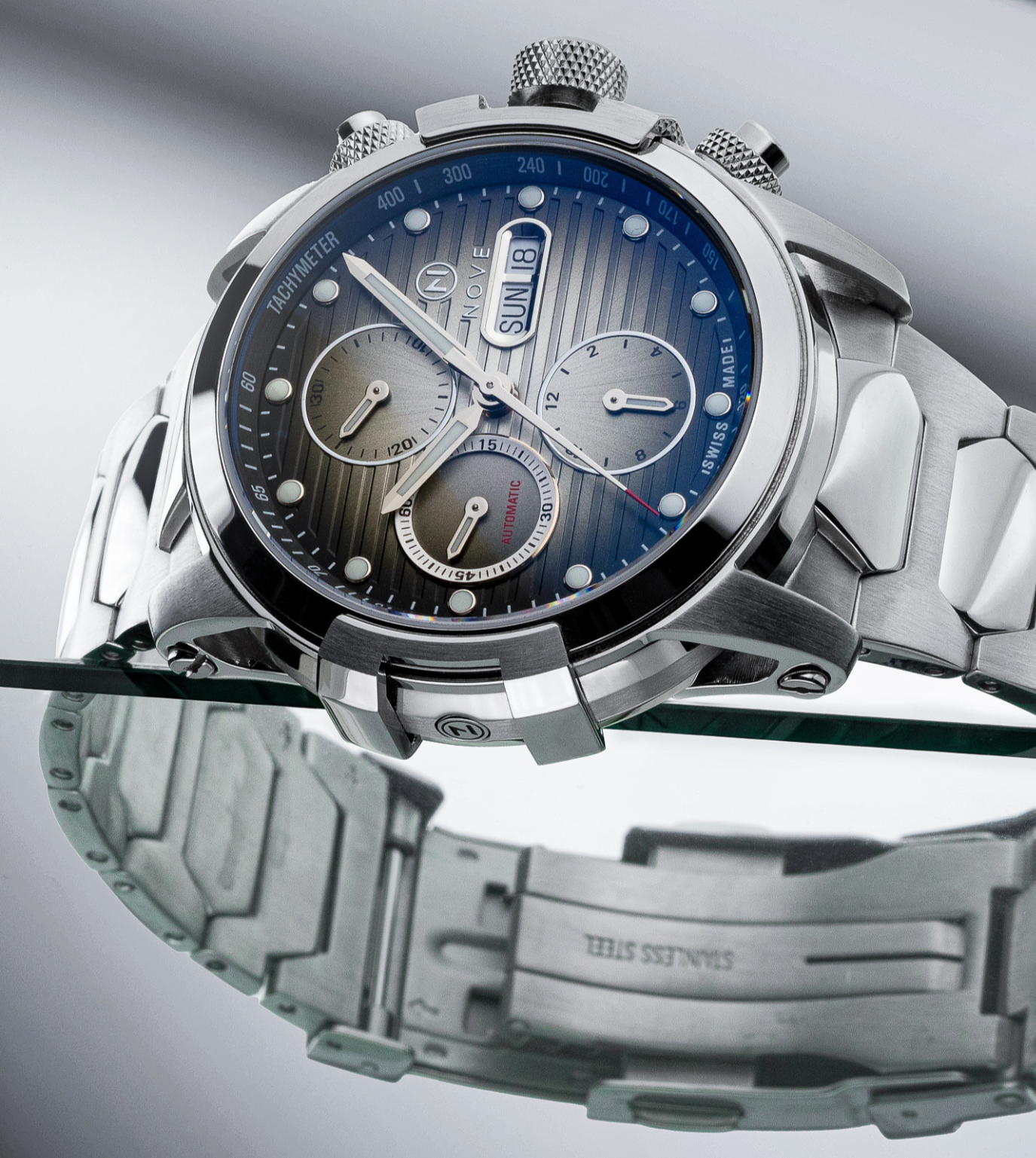
A few millimeters can decide whether a dive watch feels commanding or clumsy. That is exactly why luxury dive watches under 40mm have become such a compelling category. They deliver the depth rating, precision, and visual authority collectors want, but with proportions that feel sharper on the wrist and far more versatile in daily wear.
For years, dive watches drifted toward oversized cases, thick profiles, and exaggerated presence. That look still has its audience, but the market has matured. Buyers now want something more refined - a watch that can move from a tailored jacket to a weekend in the water without losing its sense of purpose. In that space, sub-40mm dive watches stand out not because they are smaller, but because they are better balanced.
Why luxury dive watches under 40mm feel more modern
A compact dive watch does not read as compromised when it is designed well. It reads as intentional. The best examples preserve all the visual codes that make a dive watch desirable - rotating bezel, luminous dial, strong legibility, screw-down security, and credible water resistance - while trimming excess bulk.
That matters because luxury is rarely about sheer size. It is about proportion, finishing, and control. A 38mm or 39mm case can feel more expensive than a larger watch if every surface is resolved with precision and the profile sits close to the wrist. The result is a more sophisticated object, one that communicates confidence without forcing attention.
There is also a practical advantage. Smaller dive watches tend to wear more comfortably across a wider range of wrist sizes, including buyers who want a sport watch with presence but not overhang. They also disappear under a cuff more easily, which makes them stronger candidates for everyday ownership rather than occasional rotation pieces.
What separates a true luxury small dive watch from a reduced-size version
Not every smaller diver deserves to be called luxurious. Some watches simply shrink the diameter while leaving the rest unresolved. The dial becomes cramped, the bezel feels too narrow to use, or the thickness remains out of proportion. A premium execution handles those tensions with discipline.
Case architecture matters more than the spec sheet
Diameter gets the headline, but lug-to-lug length and thickness shape the actual wearing experience. A 39mm watch with long lugs can feel larger than a compact 40mm design with tight geometry. Likewise, a smaller case that stays overly thick can lose the elegance buyers are looking for.
The strongest pieces use architecture to create presence without weight. Faceted lugs, mixed brushed and polished surfaces, and a bezel that integrates cleanly with the case all contribute to that effect. These are the details that shift a watch from merely functional to distinctly elevated.
Bezel and dial balance are critical
On luxury dive watches under 40mm, every fraction of a millimeter counts. A wide bezel can create a tough, instrument-led look, but too much bezel can starve the dial and hurt legibility. A broader dial opening feels more contemporary, though it can reduce the visual authority people expect from a diver.
There is no universal answer here - it depends on what you value. If you want pure tool-watch energy, a stronger bezel presence often works. If you want a more versatile luxury sport watch, a dial-forward design usually feels more refined.
Water resistance should still be credible
A sub-40mm diver should not hide behind its size. If it carries the category seriously, it needs meaningful water resistance, a secure crown system, and lume you can actually use. For most luxury buyers, 200 meters is already more than enough for real-world wear, swimming, and travel. Higher ratings can be impressive, but they often add thickness, and that trade-off is worth thinking about.
The smart question is not whether a watch can survive an extreme expedition. It is whether the engineering supports the way you will actually wear it.
Choosing between automatic, quartz, and hybrid priorities
Movement choice changes the personality of a dive watch as much as its design does. In the luxury space, automatic movements still hold emotional weight. The appeal is obvious - a mechanical engine on the wrist, powered by motion, assembled with care, and connected to traditional watchmaking values. For many buyers, that is central to the ownership experience.
But there is a case for quartz in this category, especially when the watch is designed as a high-performance object. A premium quartz diver can be slimmer, more precise in day-to-day timekeeping, and easier to own if it rotates with other pieces. That does not make it lesser. It simply makes it different.
For a first luxury dive watch under 40mm, the decision usually comes down to whether you value emotional mechanics or low-maintenance precision more. Neither answer is wrong. The better move is choosing the one that fits your habits rather than chasing consensus.
The design details worth paying for
Luxury is often easiest to recognize in restraint. A well-made smaller dive watch does not need excessive color, unnecessary text, or inflated nostalgia. It needs sharp finishing, clarity, and enough originality to avoid looking interchangeable.
Look closely at the dial furniture. Applied markers add dimension and richness. Hands should feel purposeful and easy to read at a glance. Lume should be cleanly executed rather than uneven or overly tinted for faux-vintage effect. Date windows, if present, should feel integrated instead of inserted as an afterthought.
Material choices matter, too. Ceramic bezel inserts bring scratch resistance and a denser visual quality. Sapphire crystal is expected at this level. Well-machined bracelets with solid end links and a precise clasp elevate the experience every single day, which is where real value lives. A luxury watch is not just admired at arm's length. It is handled, worn, adjusted, and noticed up close.
Design originality deserves extra weight in this category. Many small dive watches lean heavily on familiar historical formulas. That can be appealing, especially for purists, but there is a difference between timelessness and repetition. Contemporary buyers increasingly want a watch that reflects engineering and character, not just heritage cues. That is where bold Swiss brands with a clear design language have an edge.
Fit, wrist presence, and who these watches suit best
One reason the category is gaining traction is that it serves more people well. Buyers with smaller wrists naturally benefit, but that is only part of the story. Plenty of larger-wristed collectors are moving toward sub-40mm watches because they feel more disciplined, more elegant, and often more expensive in practice.
A well-designed 39mm diver can still have substantial presence through dial contrast, bezel depth, and case finishing. It does not need oversized dimensions to project confidence. In fact, understatement can be far more persuasive.
These watches also make excellent gifts. The sizing is more versatile, the styling is easier to wear across settings, and the category carries genuine enthusiast credibility. For a buyer looking for a premium watch that feels adventurous yet polished, this is one of the smartest places to start.
What to watch out for when shopping luxury dive watches under 40mm
The category is strong, but there are weak executions. Some brands reduce diameter while keeping broad bezels, thick mid-cases, and crowded dials that make the watch feel visually compressed. Others rely too heavily on vintage styling and forget that modern luxury buyers expect precision in finishing and comfort, not just nostalgia.
Bracelets are another common fault line. A beautiful case paired with a flimsy clasp or poor taper can undermine the whole experience. So can a crown that digs into the wrist, a bezel with vague action, or polished surfaces placed where scratches will show immediately. These are not minor issues. They shape whether the watch feels like a masterpiece or a near miss.
Price should be read carefully as well. In accessible luxury, value is not about chasing the cheapest option. It is about getting Swiss craftsmanship, distinct design, and serious build quality without paying a premium purely for legacy marketing. That balance is where modern brands can be especially compelling. NOVE, for example, has built its identity around bold Swiss execution and statement-making design rather than playing by heritage-only rules.
The future of the diver is not bigger
The most exciting thing about this segment is that it reflects a broader shift in taste. Buyers still want performance, but they want it edited. They still want presence, but they want it expressed through architecture, finishing, and originality rather than raw scale. That is why luxury dive watches under 40mm feel so current. They are not a compromise for smaller wrists. They are a more thoughtful answer to what a modern sport watch should be.
If you are choosing one, trust proportion over hype. The right piece should feel precise, distinctive, and composed the moment it meets your wrist - not because it demands attention, but because it has earned it.