
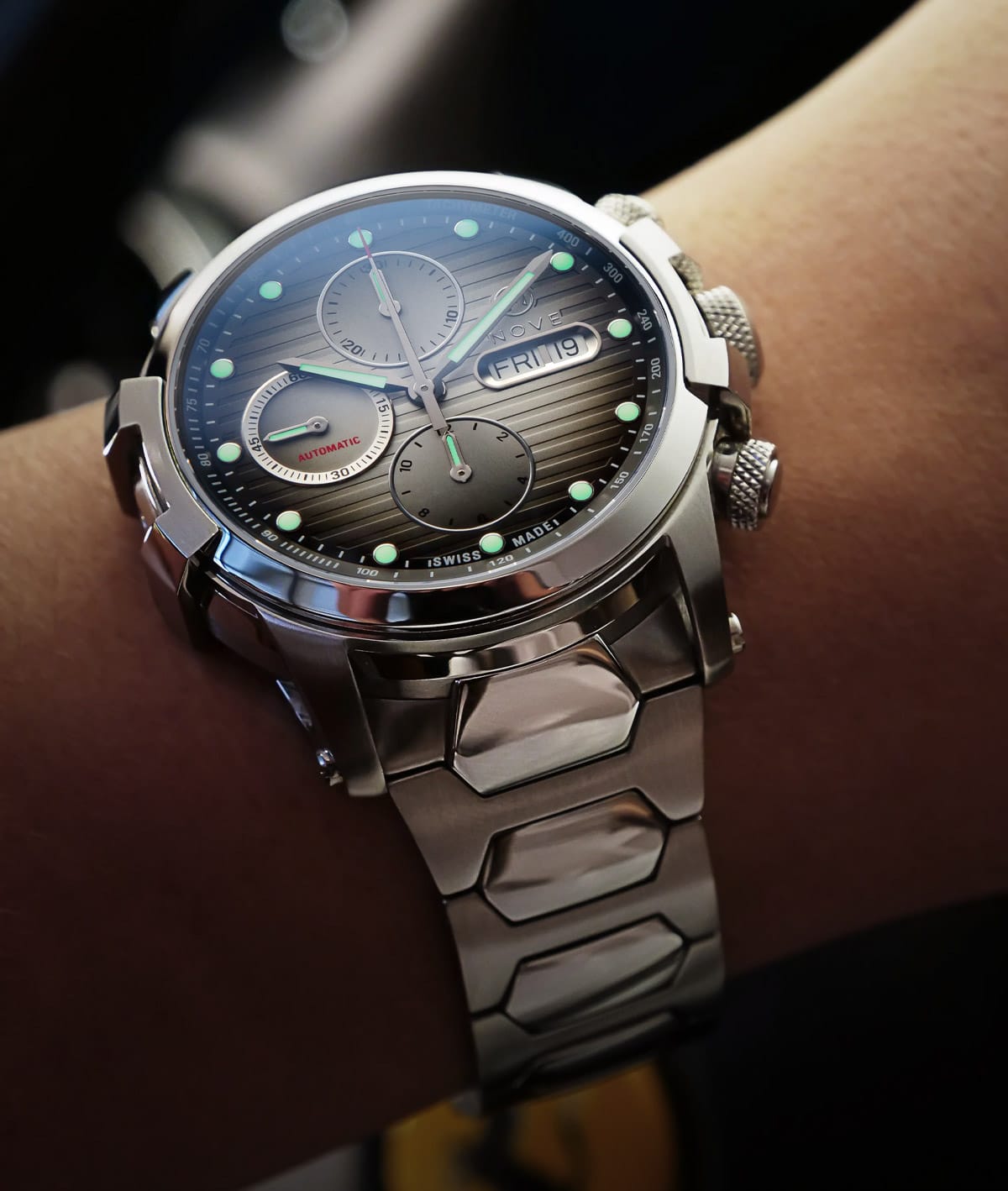
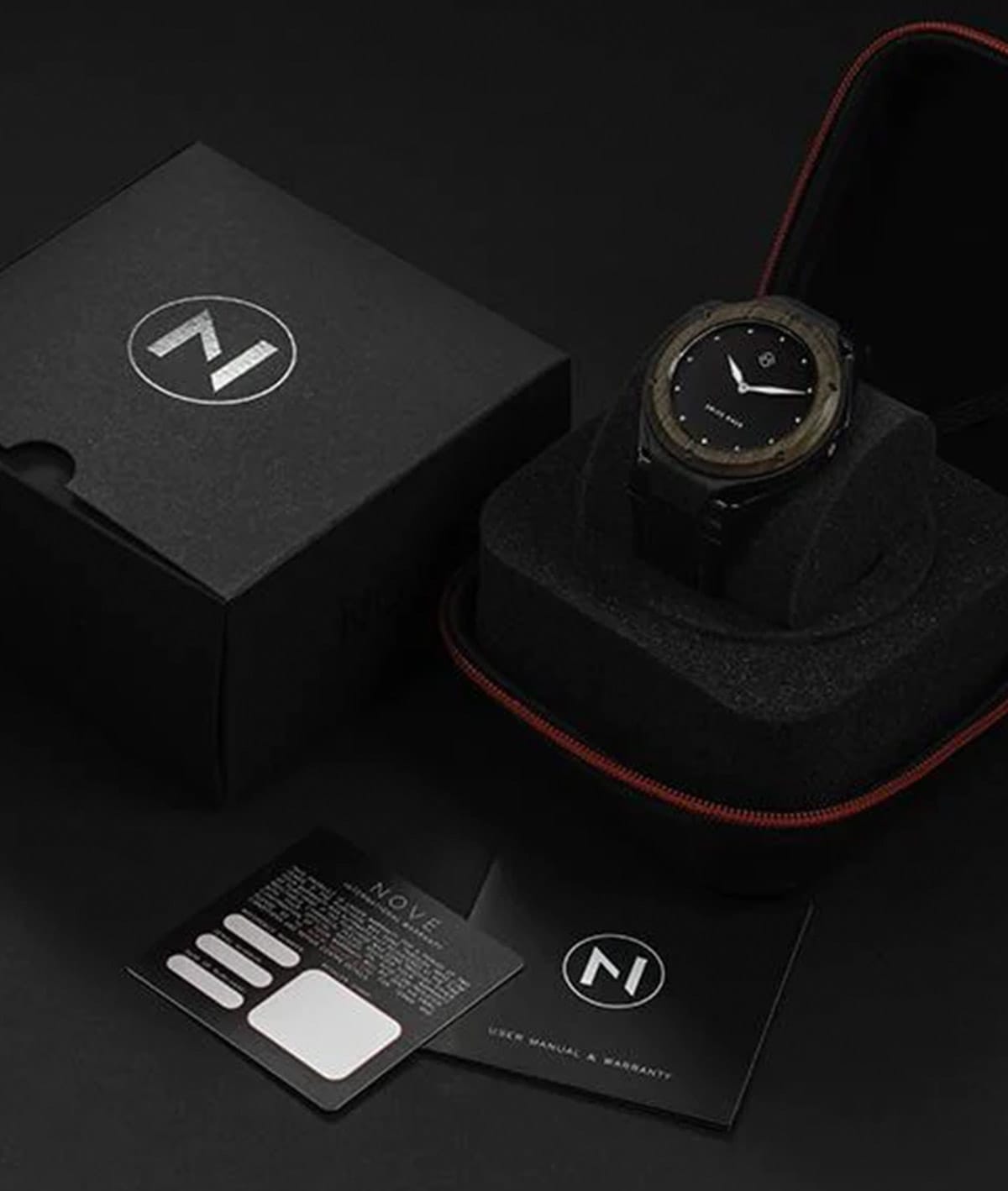
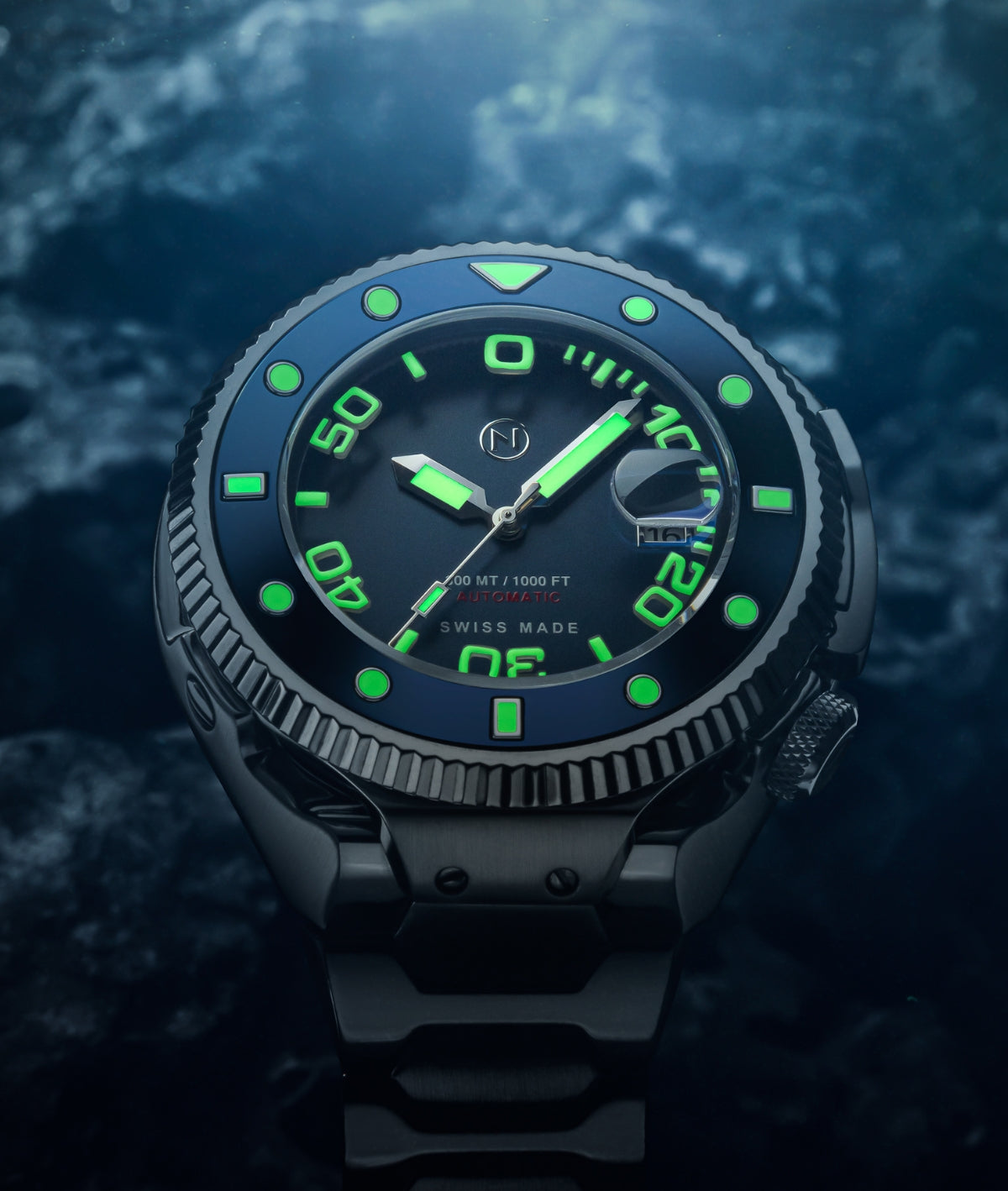
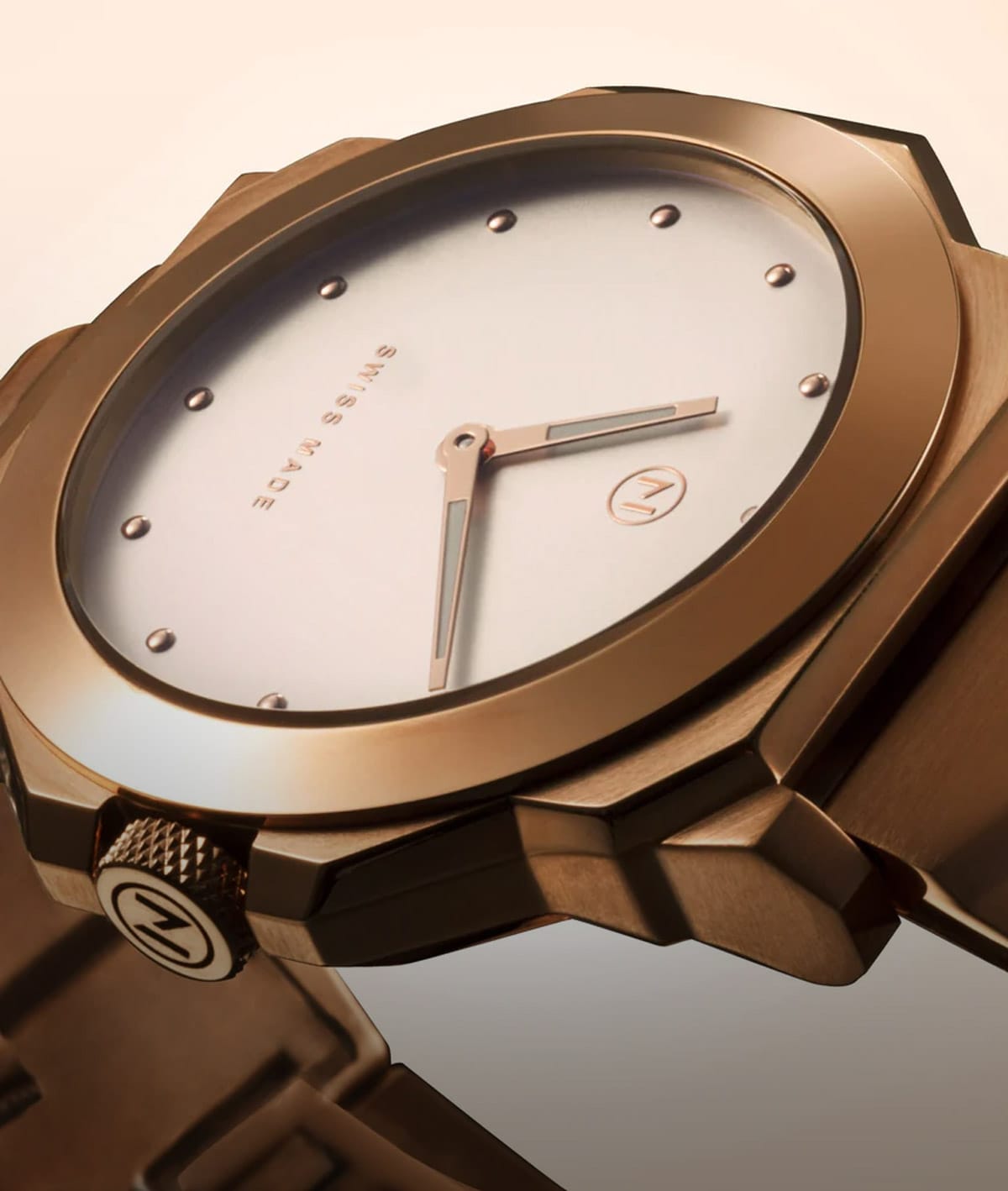
A serious premium dive watch review should begin where the water ends: on the wrist. Specs matter, but a watch designed for pressure, motion, and adventure must also feel exceptional at a desk, across a dinner table, and on the far side of an airport terminal. The best pieces carry the authority of professional equipment while presenting the refinement of a personal masterpiece.
That balance is what separates a premium dive watch from a generic steel sports watch with a rotating bezel. It is not simply about how deep it can go. It is about the conviction behind every detail - the movement chosen, the materials finished, the geometry of the case, and the confidence the watch gives its owner.
What a Premium Dive Watch Should Deliver
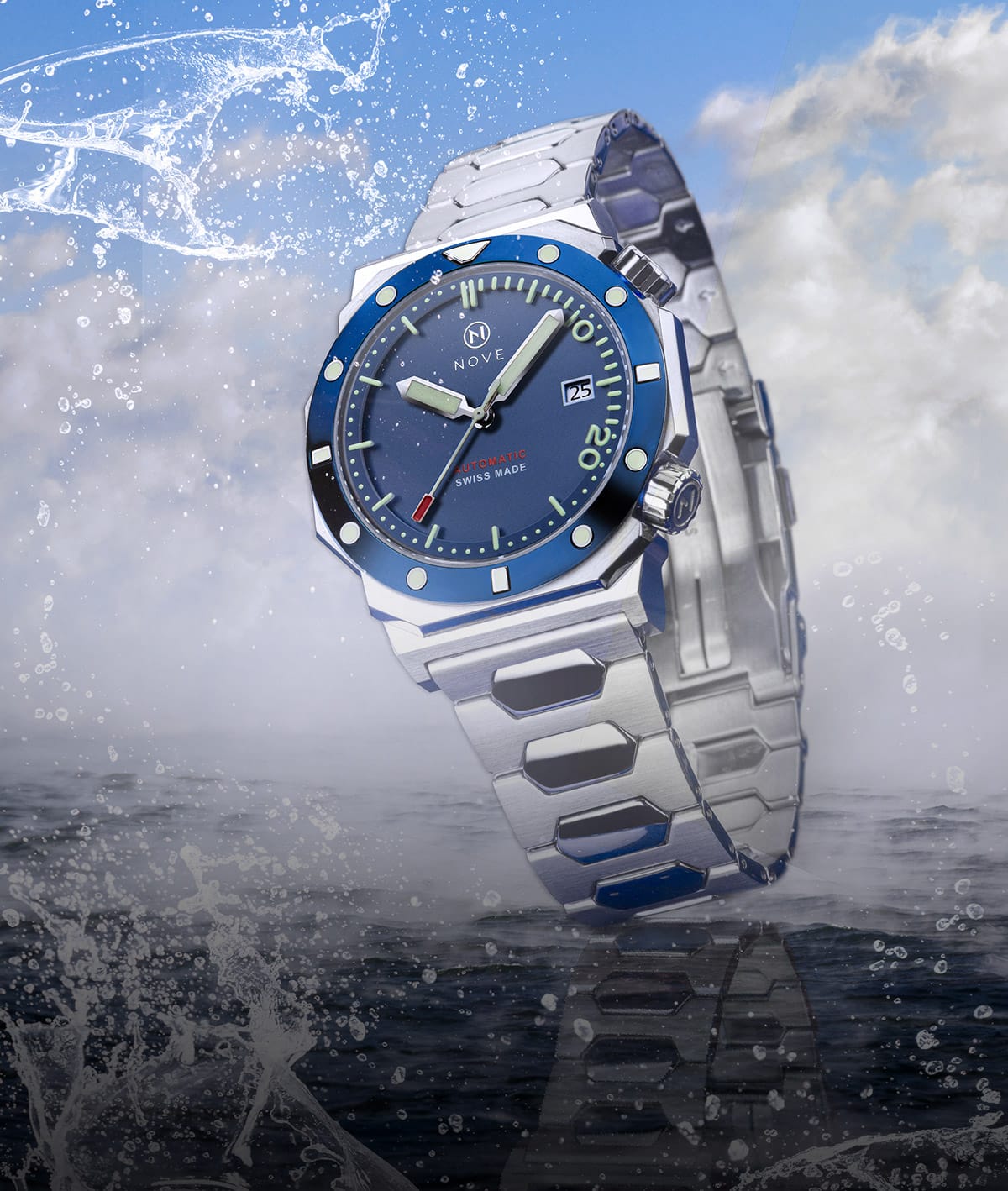
A true dive watch has a practical purpose. Its bezel tracks elapsed time. Its dial remains legible in poor light. Its case is engineered to resist water intrusion under real pressure. Yet at the premium level, function becomes part of the aesthetic. A deeply knurled bezel, a sculpted crown guard, or a precise sweep of luminous markers can make the watch feel more purposeful before it ever reaches the ocean.
Water resistance is the starting point, not the entire conversation. A rating of 200 meters is more than sufficient for swimming, snorkeling, and most recreational diving. Higher ratings can signal an even more capable construction, although the better choice depends on how the watch will actually be worn. An oversized, extreme-depth case may be compelling for a dedicated collector, but it can feel excessive if the watch spends most of its life beneath a cuff.
The premium standard is confidence without compromise. Look for a screw-down crown, a secure caseback, a unidirectional timing bezel, and luminous material that remains useful after the light fades. These are not decorative talking points. They are the details that preserve the dive watch's original integrity.
The Bezel Is More Than a Ring of Steel
A unidirectional bezel is a signature safety feature. If it is accidentally moved during a dive, it can only show more elapsed time rather than less. In daily wear, it is also one of the most tactile parts of the watch.
A premium bezel should turn with deliberate resistance and land precisely on its markers. It should not wobble, feel loose, or produce a vague click. Ceramic inserts offer exceptional resistance to scratches and fading, while stainless steel can create a more traditional, industrial character. Neither is automatically superior. Ceramic tends to feel more polished and contemporary; steel often develops personality through wear.
Premium Dive Watch Review: Movement and Materials
The movement determines much of a watch's relationship with its owner. A Swiss automatic movement brings mechanical theater to the experience. Powered by wrist motion and built from a system of springs, gears, and escapements, it offers a living connection to traditional watchmaking. The trade-off is that it may require periodic servicing and can be less accurate than a quartz movement over a short period.
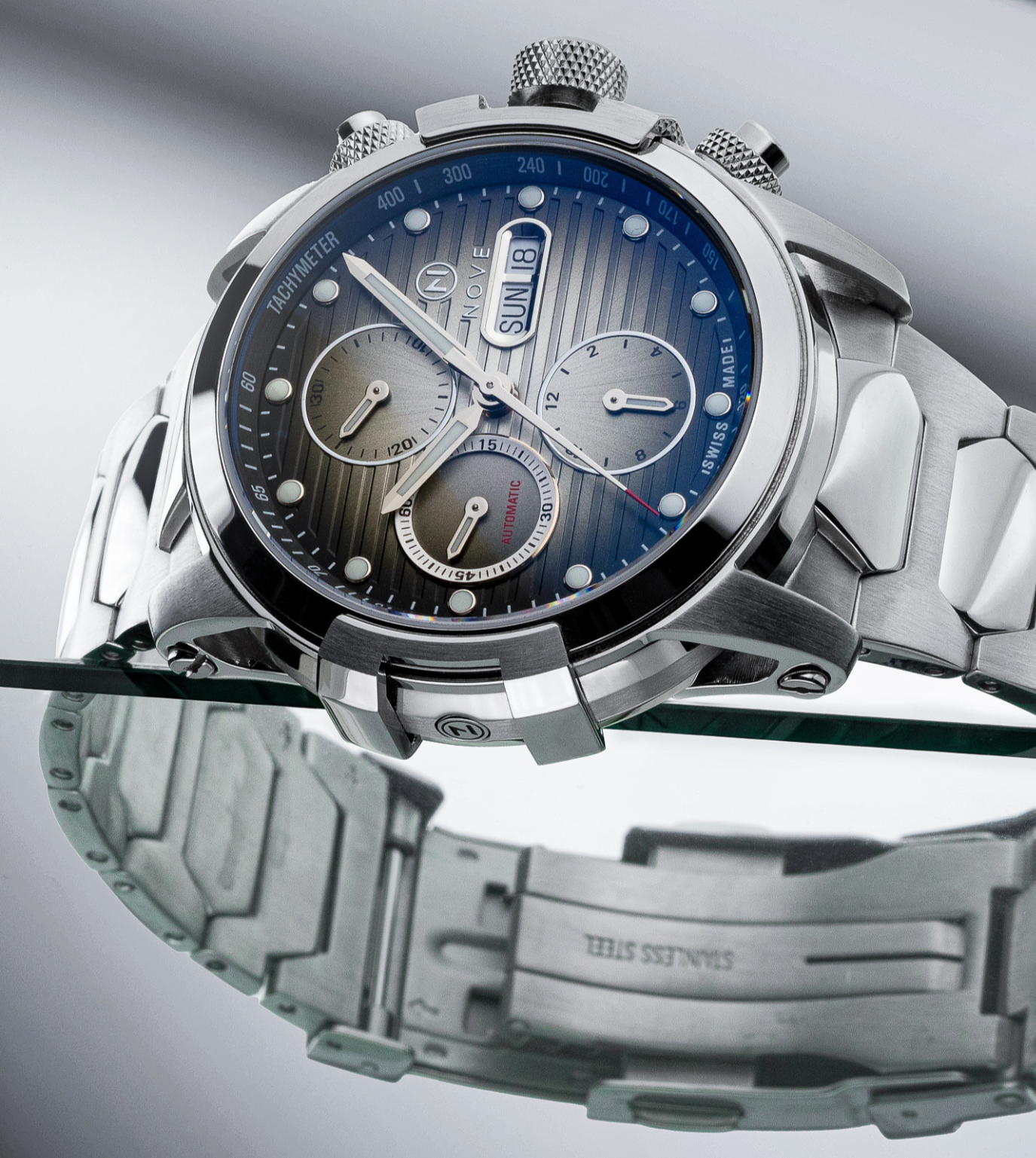
Swiss quartz provides a different kind of luxury: precision, convenience, and readiness. It is an intelligent choice for someone who wants to pick up a watch after a week away and wear it immediately. A Swiss chronograph adds another dimension, pairing timing capability with a more technical visual presence. The right movement is not a hierarchy. It is a statement of how you want your watch to perform.
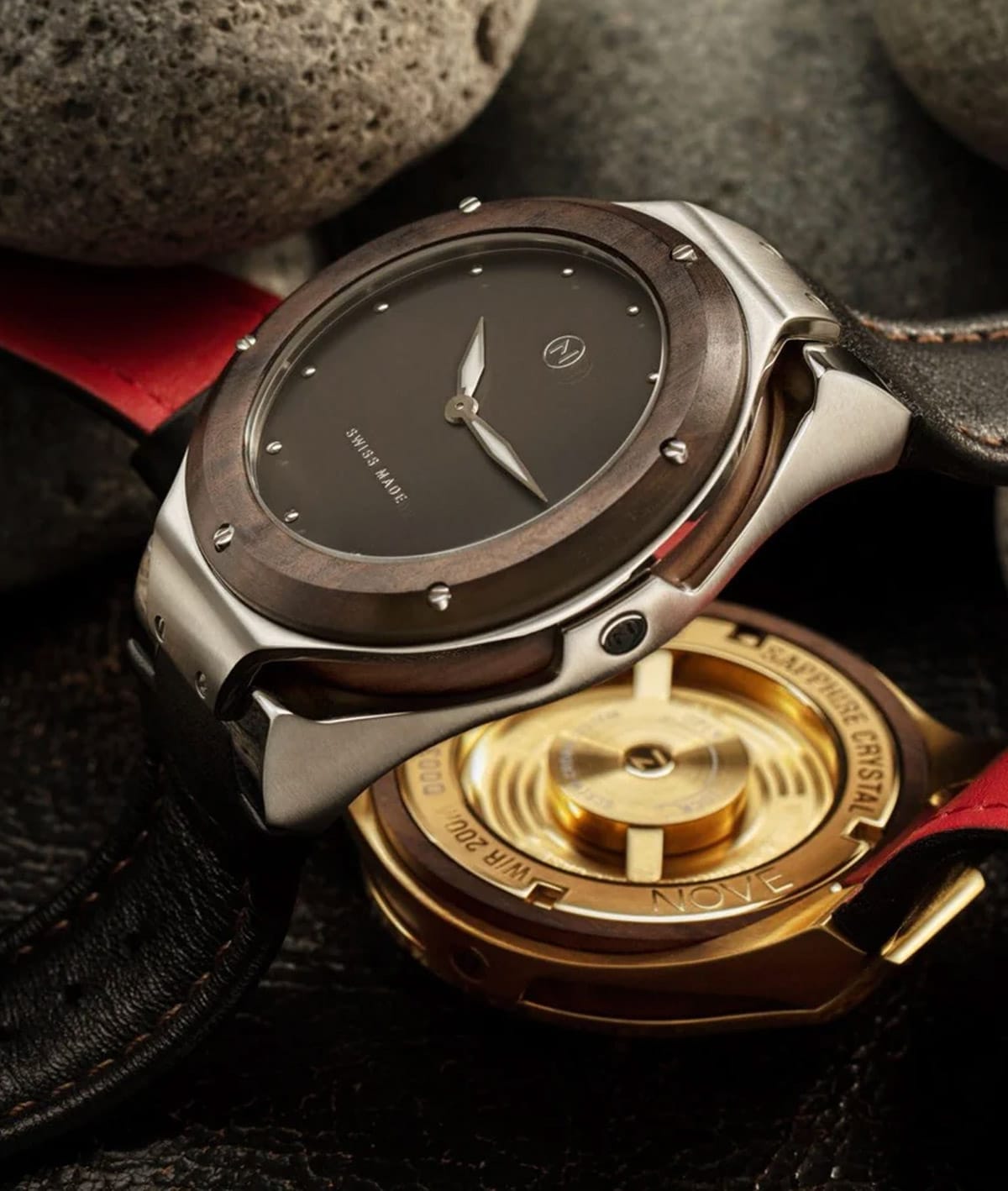
Case material deserves equal attention. High-grade stainless steel remains the defining material for a premium dive watch because it balances strength, corrosion resistance, and enduring elegance. Titanium reduces weight dramatically and suits travelers or active wearers who want a larger watch without the heft. Sapphire crystal is essential at this level. Its superior scratch resistance helps preserve the clarity of the dial, which is especially valuable on a watch built for hard use.
Finishing is where craftsmanship becomes visible. Brushed surfaces give a tool watch its disciplined edge, while polished bevels capture light and introduce opulence. The most compelling cases use both. They do not rely on shine alone; they create contrast, shape, and visual depth.
Legibility Is a Form of Luxury
A dive watch should communicate instantly. You should be able to read the hour, minute, and bezel marker without studying the dial. This is particularly important in water, but it remains just as valuable during a rushed morning or a late-night flight.
The strongest designs create hierarchy through proportion. Hands should stand apart from indices. The minute hand should be prominent. The bezel pip should be visible. Color can add distinction, whether through a saturated ocean-blue dial, a blacked-out tactical surface, or a bright accent on the seconds hand, but contrast must remain intact.
Lume is often underestimated until it is needed. Quality luminous material should charge quickly and glow clearly in dark conditions. A watch does not need to resemble a neon sign, but it should retain its utility after sunset. This marriage of visual drama and practical clarity is central to premium design.
Size, Weight, and Wearability
The best-looking dive watch on a screen can disappoint if it overwhelms the wrist. Case diameter receives the most attention, but lug-to-lug length and thickness often matter more. A 44 mm case with compact, downward-curving lugs may wear better than a 41 mm watch with a long, flat profile.
For many wrists, 40 mm to 43 mm offers a versatile range, though bolder dimensions can be exactly right when the design calls for a statement. The key is intention. A substantial dive watch should feel commanding, not cumbersome.
Bracelet quality is another dividing line. Check how it articulates, whether the clasp feels secure, and whether micro-adjustment is available for warm weather or post-swim comfort. A fitted rubber strap can be equally luxurious when it is supple, durable, and shaped specifically for the case. It brings a sportier energy while making the watch easier to wear in heat, water, and motion.
Design Should Have a Point of View
Many dive watches are competent. Fewer are memorable. At the premium level, originality should not come at the cost of usability, but it should be present. Distinctive case architecture, an unexpected dial texture, or a dramatic bezel profile can turn a familiar category into an expression of individuality.
This is where modern Swiss watchmaking has room to challenge convention. NOVE approaches the dive-watch silhouette as both an instrument and an artistic object, proving that adventurous engineering and bold design language can occupy the same wrist.
A watch with presence is not necessarily loud. It may be monochromatic, architectural, or quietly detailed. What matters is that it feels considered from every angle. The crown, clasp, engraved caseback, and even the first seconds after the bezel turns should reinforce the same point of view.
Value Is Not the Same as a Low Price
Premium does not have to mean paying solely for a century-old name. Legacy can be meaningful, but it is not the only measure of value. Direct-to-consumer watchmaking has made it possible for buyers to seek Swiss-made craftsmanship, high-grade materials, and expressive design without accepting every layer of traditional retail markup.
Evaluate value through the whole ownership experience. Consider the movement, construction, finishing, warranty support, shipping experience, service options, and the emotional pull of the design. A watch that disappears into a drawer after two weeks was never a value, regardless of its discount. A piece that becomes your instinctive choice for travel, celebration, and everyday life earns its place.
A premium dive watch should ask something of you: choose a design with enough character to represent you, and enough capability that you never need to baby it. Find that balance, and the watch becomes more than a measure of time. It becomes a companion for the moments worth remembering.