
A watch can be impeccably made, beautifully finished, and powered by a precise Swiss movement, yet still feel wrong if its proportions do not belong on your wrist. The question of how to size watch case dimensions is not about following a single rule. It is about finding the point where engineering, comfort, and personal presence meet.
A larger case can make a powerful statement. A smaller, slimmer profile can feel composed and quietly luxurious. The right choice depends on more than wrist circumference: wrist shape, lug design, dial layout, thickness, and the character you want your watch to project all matter. A dive watch built for adventure will wear differently from a refined everyday piece, even when the diameter on paper is the same.
How to Size a Watch Case: Start With the Core Measurements
Watch sizing language can be confusing because a case has several measurements, and each affects how the watch wears. Diameter gets the attention, but it does not tell the full story.
Case diameter is the width of the watch head, usually measured across the case from 3 to 9 o'clock, excluding the crown. This is the number most often listed in millimeters. For many adults, a 38mm to 42mm case is a versatile range, while 43mm and above delivers a more assertive, sport-forward presence.
Lug-to-lug is often the more revealing number. It measures the distance from the tip of the upper lugs to the tip of the lower lugs. These are the extensions that connect the case to the bracelet or strap. If the lugs stretch beyond the edges of your wrist, the watch can look oversized regardless of a modest diameter.
Case thickness determines how high the watch sits above your wrist. A slim 9mm to 11mm watch tends to slip elegantly beneath a shirt cuff. A 13mm to 15mm dive watch may sit with more commanding height, often because it houses a deeper water-resistance system, a rotating bezel, or a more substantial movement.
Finally, consider lug width, the space between the lugs where the strap or bracelet connects. It does not define the case's fit as directly as diameter or lug-to-lug, but a wider bracelet gives a watch a more substantial visual foundation. A tapered strap can make the same case feel lighter and more tailored.
Measure Your Wrist Before You Choose
A flexible measuring tape gives you the clearest starting point. Wrap it around the wrist where you normally wear a watch, just below the wrist bone. Keep it close to the skin without pulling it tight. If you do not have a tape, use a strip of paper or string, mark the overlap, and measure it against a ruler.
Wrist circumference is useful, but wrist width deserves equal consideration. A round wrist often supports a longer lug-to-lug measurement with ease. A flatter wrist may need shorter lugs, even if its circumference is comparatively large. Look down at the top surface of your wrist: that horizontal space is where the watch must sit naturally.
As a broad reference, wrists under 6.25 inches often find 34mm to 38mm cases especially balanced. Wrists from about 6.25 to 7 inches can comfortably explore 38mm to 42mm. Above 7 inches, 40mm to 44mm and beyond can look at home. These are not boundaries. A 36mm watch can look exceptional on a larger wrist when its design is purposeful, and a 44mm tool watch can wear beautifully on a medium wrist when its lugs are short and curved.
The better guideline is this: try to keep the lug-to-lug distance within the flat width of your wrist. That creates a confident silhouette without the visual imbalance of overhanging lugs.
Use Diameter as a Style Decision
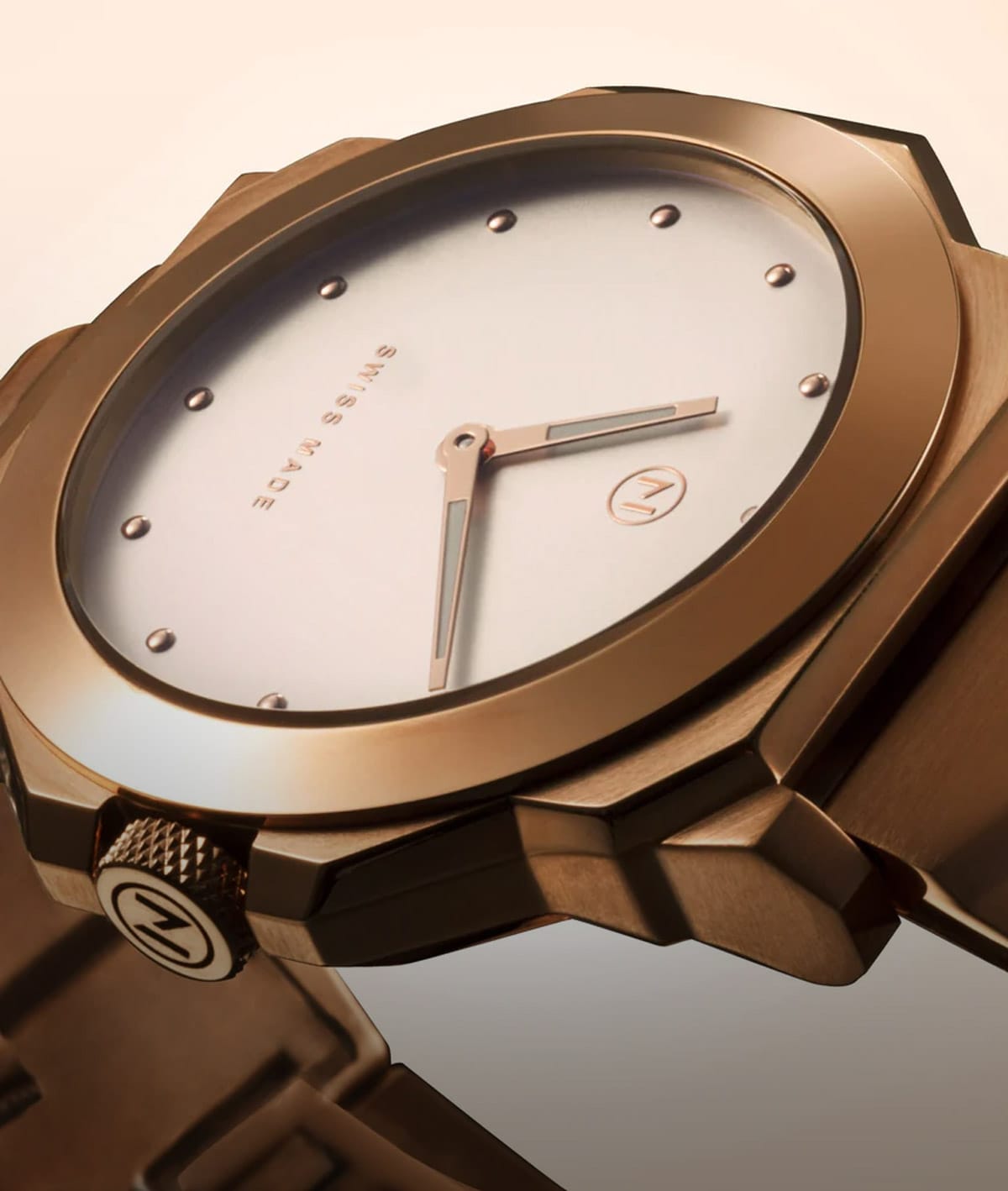
Once you know what will physically fit, diameter becomes a question of identity. A 36mm to 39mm case often feels classic, versatile, and precise. It suits understated professional dressing, smaller wrists, and collectors who appreciate vintage-inspired proportions.
A 40mm to 42mm case is the modern all-purpose territory. It has enough dial presence for daily wear, remains practical for most wrists, and works across business, casual, and travel settings. For many buyers, it is the sweet spot between refinement and impact.
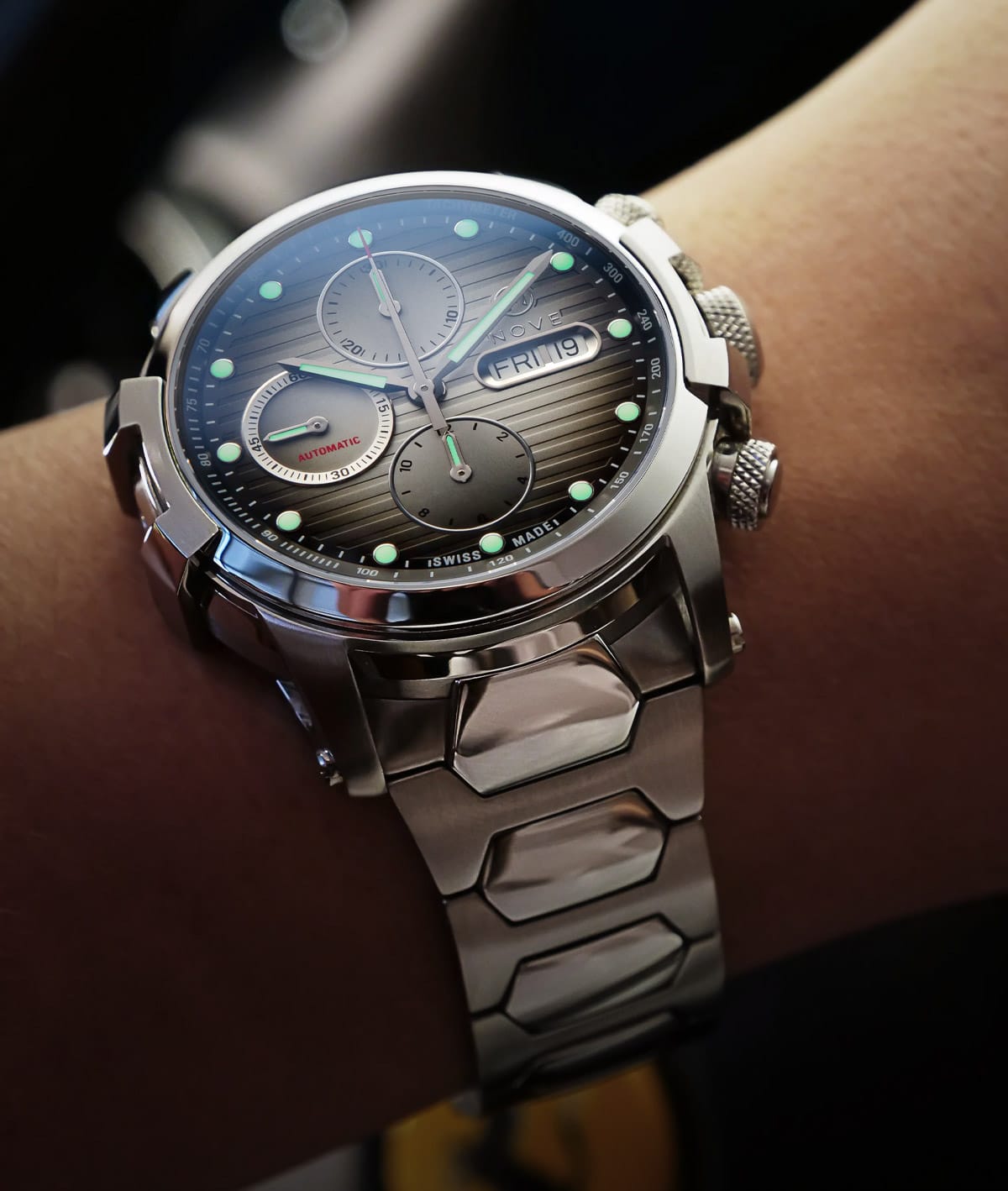
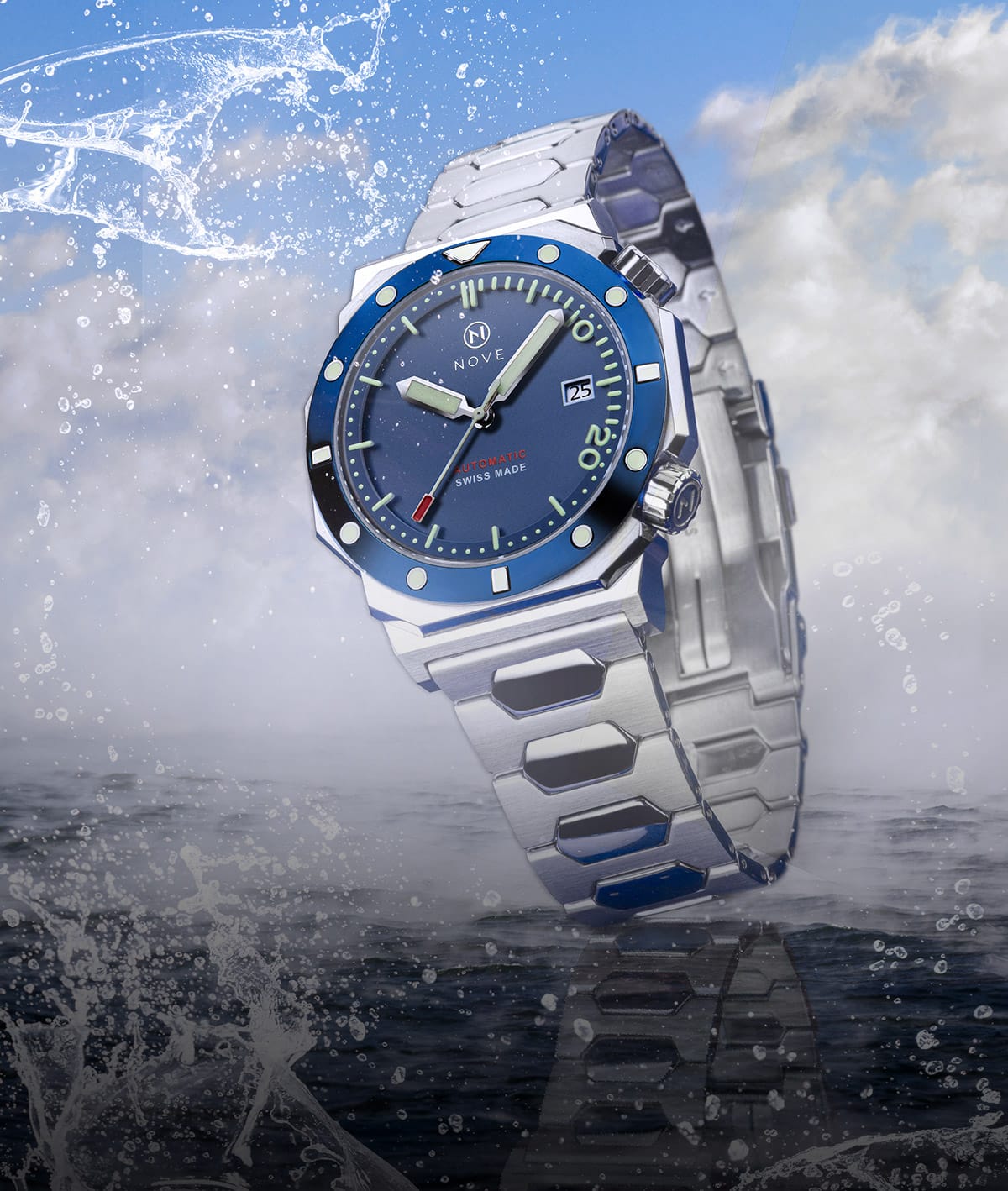
At 43mm and above, a watch becomes more architectural. This sizing is particularly natural for diving watches and bold chronographs, where legibility, bezels, pushers, and protective case construction are part of the design language. The trade-off is clear: greater visual authority can mean more weight and less cuff-friendly wear.
Do Not Ignore the Dial and Bezel
Two watches with the same 42mm diameter can look dramatically different. A wide bezel reduces the visible dial opening and can make the watch appear more compact. A thin bezel with a large, open dial creates more visual surface, making the same diameter feel larger.
Dark dials tend to recede visually, while white, silver, or brightly colored dials appear broader. High-contrast hour markers, oversized numerals, and prominent subdials also increase the apparent size. This is why a technically modest case can still carry the visual confidence of a larger watch.
For a statement piece, that visual scale can be exactly the point. For a watch intended to move between boardroom, airport, and weekend water, a balanced dial-to-bezel ratio usually gives you more versatility.
Thickness Is About More Than Comfort
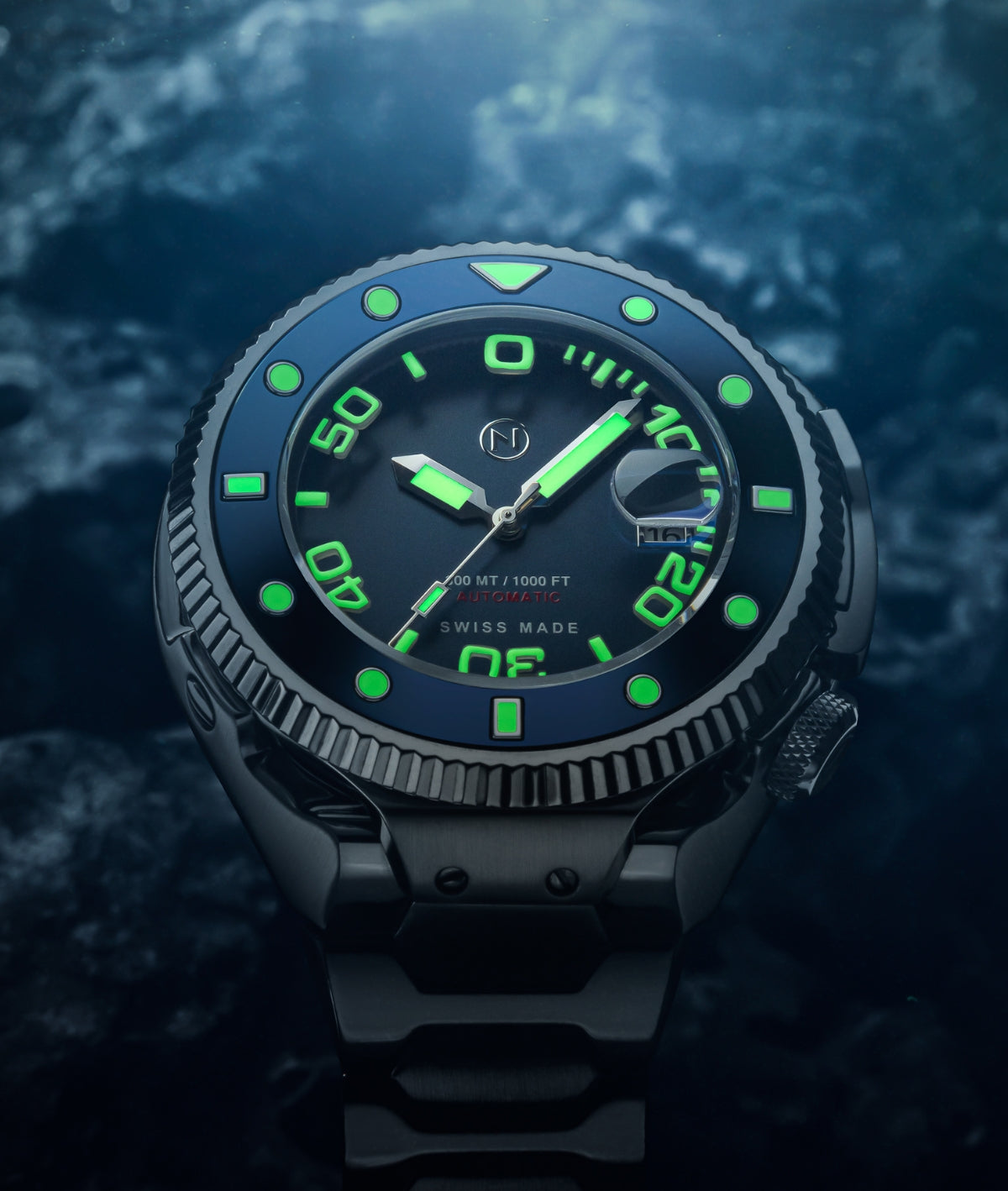
Thickness is where purpose becomes visible. A serious dive watch is often built with stronger seals, a screw-down crown, a unidirectional bezel, and the structural integrity required for demanding conditions. Those features can create a deeper case, and that depth is part of its performance-driven character.
Still, thickness should suit your routine. If you wear tailored sleeves most days, a lower-profile case will feel more practical. If you prefer the grounded weight and tangible presence of a capable tool watch, a thicker case can be deeply satisfying. The goal is not to make every watch disappear beneath a cuff. It is to choose a profile that feels intentional on your wrist.
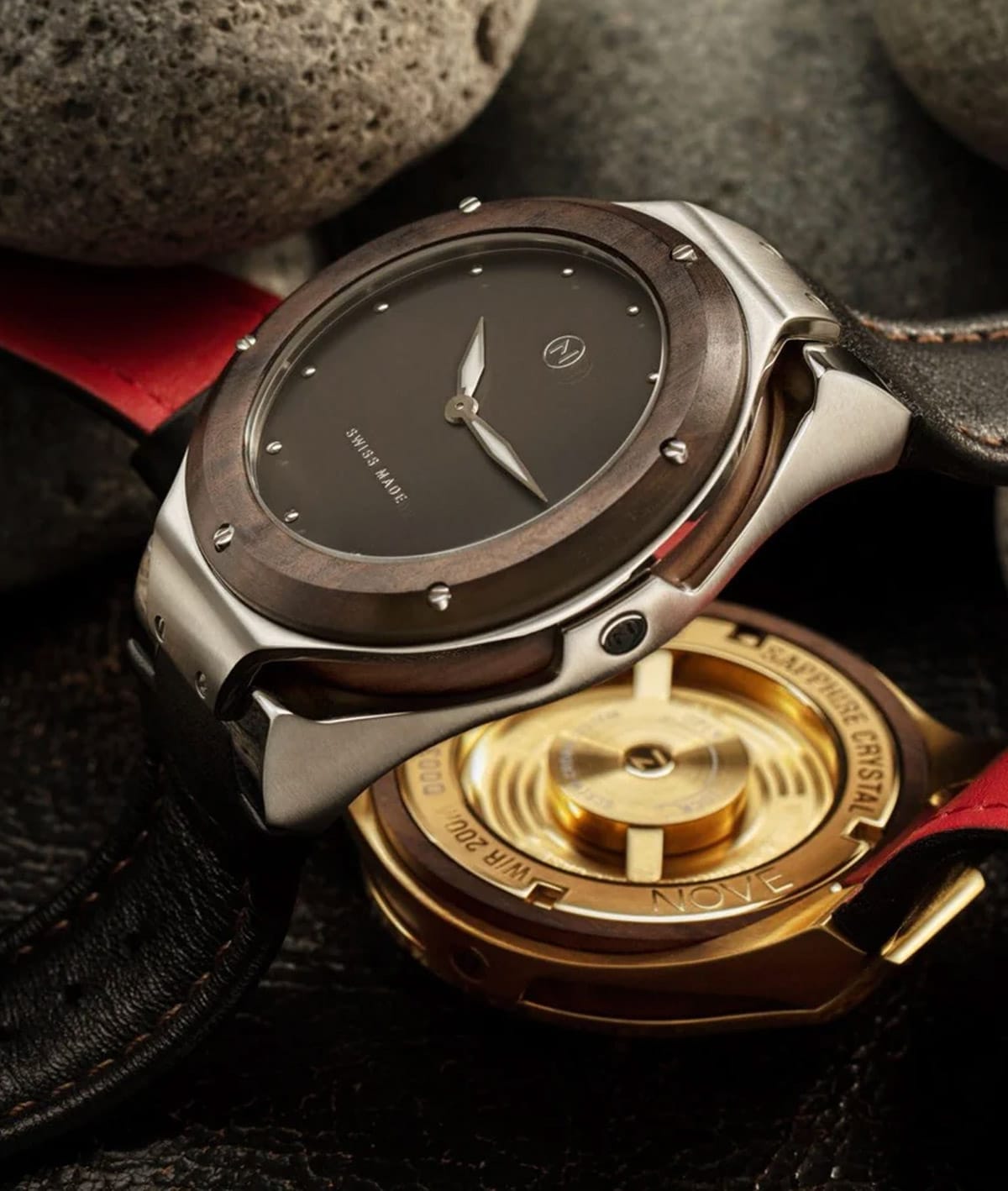
Also consider the caseback. A sharply domed or protruding caseback can add apparent height, while a flatter, more integrated caseback allows a watch to settle closer to the wrist. Curved lugs make a meaningful difference here too, pulling the watch inward rather than leaving it to sit flat and distant.
Match the Case Size to the Watch's Purpose
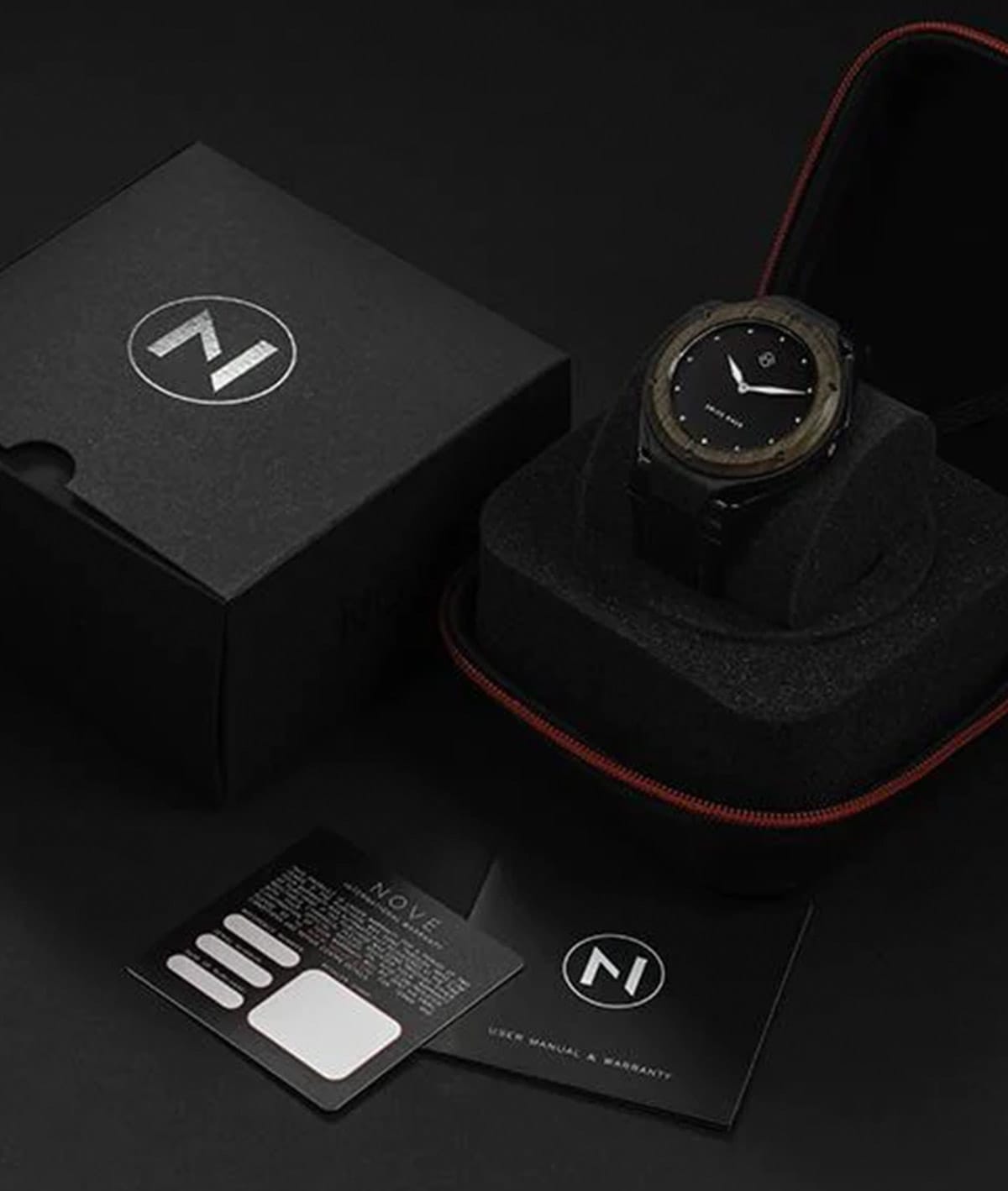
A watch should have proportions that support its role. A dress-oriented watch benefits from restraint: a slimmer case, shorter lugs, and a diameter that complements rather than overwhelms formal clothing. A daily Swiss quartz watch can remain sleek while offering dependable, low-maintenance precision.
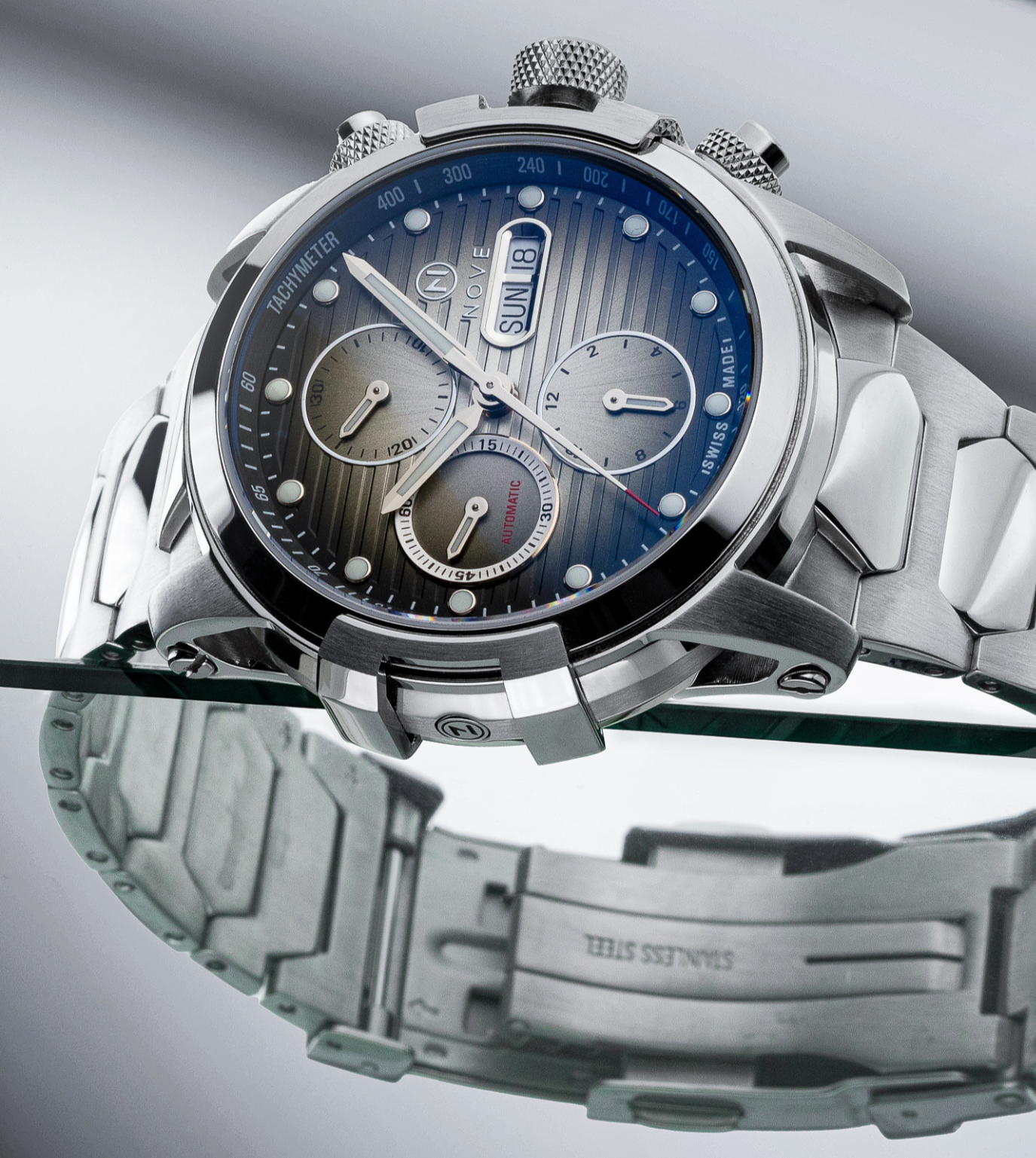
An automatic watch may wear slightly thicker because of its mechanical movement, which many enthusiasts see as part of its appeal. A chronograph often occupies more visual space due to pushers and subdials, so a case that seems large by diameter alone may still feel properly balanced. A dive watch has its own logic: prominent bezels, high legibility, and durable construction earn their place through function as well as style.
This is where personal taste should lead. NOVE designs watches for people who do not want their timepiece to fade into the background. If a bolder case reflects your sense of adventure and individuality, wear it with conviction. Just make sure its lugs, thickness, and weight allow that confidence to last all day.
Check Fit in Motion, Not Just in a Mirror
When trying on a watch, do more than glance at it face-on. Bend your wrist. Rest your hand on a desk. Reach for a jacket cuff. Let your arm hang naturally at your side. A well-sized case should stay centered, feel stable, and avoid digging into the top of your hand.
Bracelet adjustment changes the experience substantially. A bracelet that is too loose lets a substantial case rotate and feel heavier than it is. One that is too tight leaves pressure marks and makes even a lightweight watch distracting. You should be able to slide a fingertip beneath the bracelet with gentle resistance. On a strap, the correct hole should hold the case centered without forcing the buckle to one extreme.
Photographs can also help. Take a picture from arm's length rather than judging only from close up, where perspective exaggerates case size. The right watch should look proportionate in the wider frame of your hand, forearm, and overall style.
A case size is not merely a specification. It is the architecture of the watch you will live with - at work, on the road, and wherever your next pursuit takes you. Choose the dimensions that feel natural, but never be afraid of a little presence when the design deserves it.