
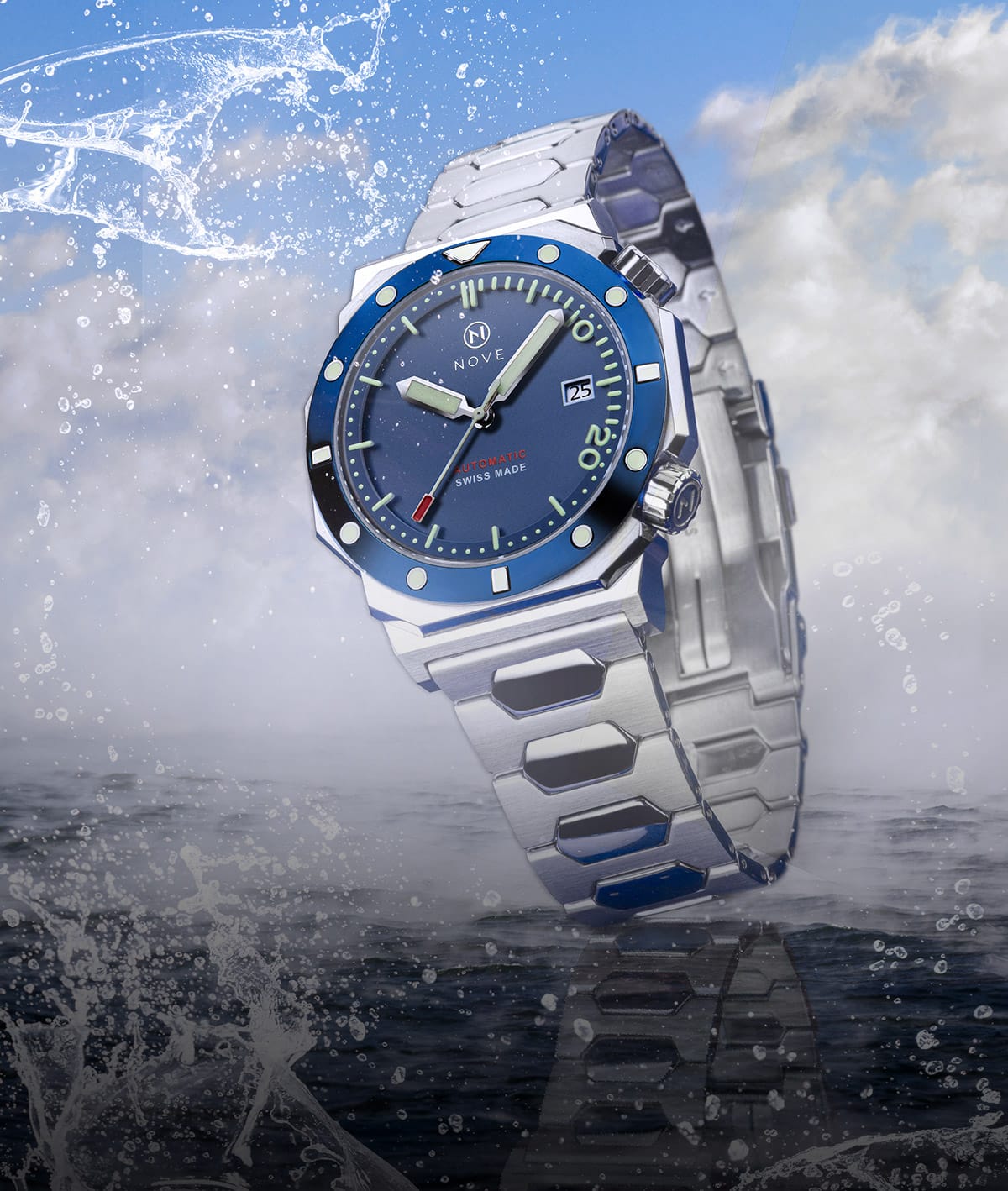
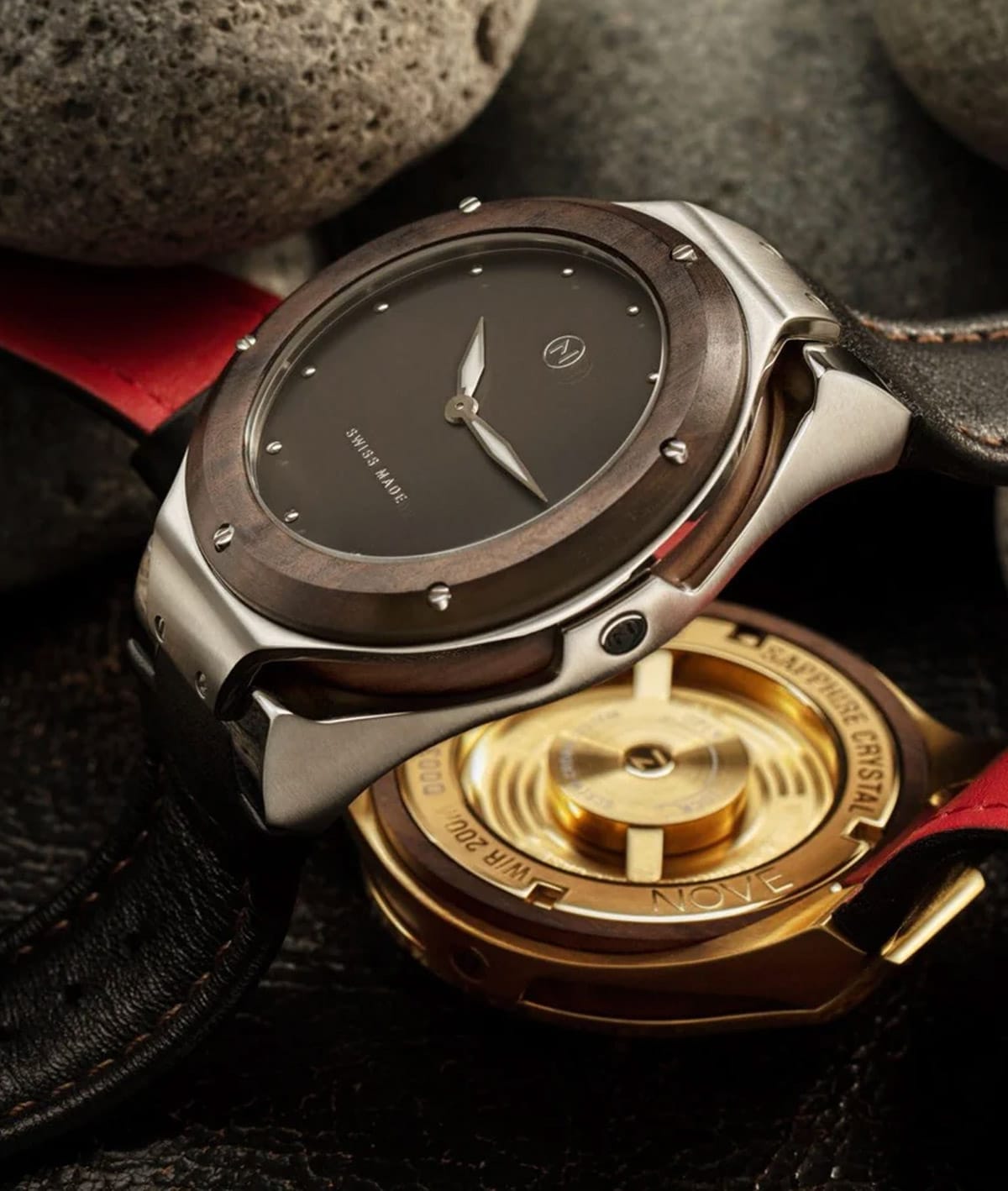
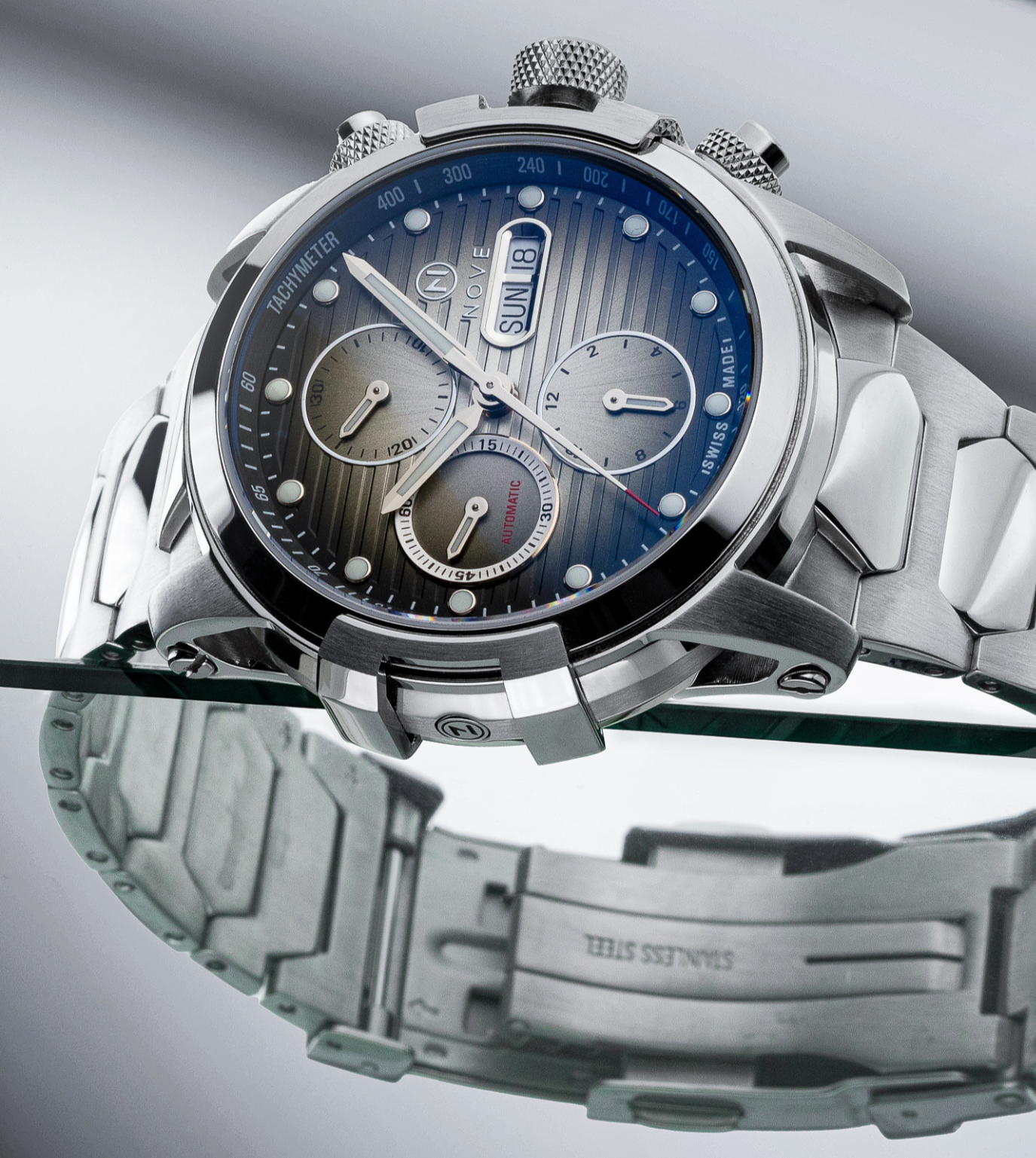
A chronograph is not content to simply tell the time. Its pushers, subdials, scales, and measured symmetry turn the dial into an instrument of intention. Swiss chronographs bring that visual energy together with a watchmaking standard defined by precision, disciplined assembly, and a deep respect for mechanical detail.
For the collector, they offer a compelling layer of engineering. For the professional, traveler, or style-minded wearer, they create presence without sacrificing purpose. The best examples feel equally at home beneath a tailored cuff, on a weekend drive, or at the edge of the water.
What Makes Swiss Chronographs Different
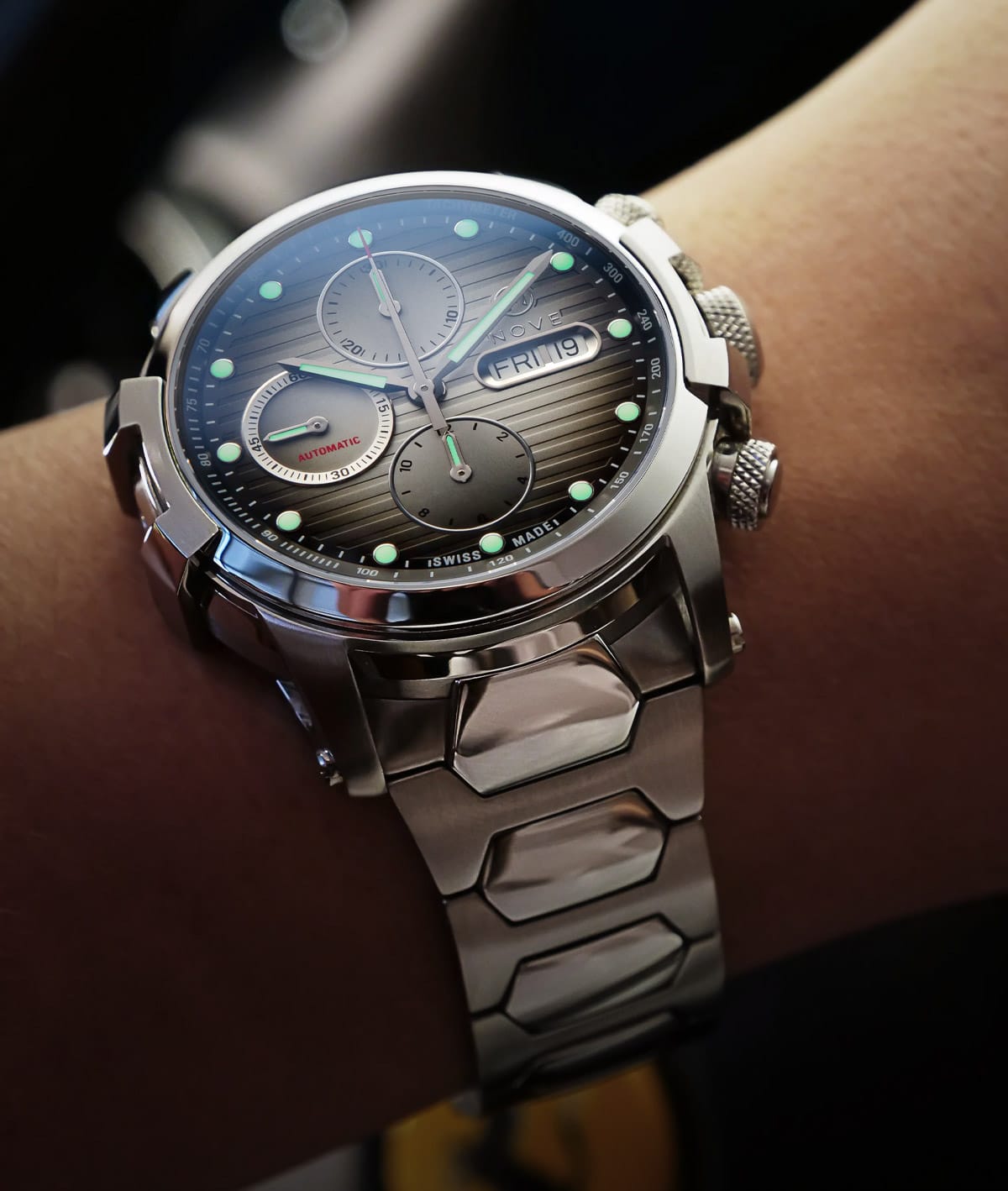
At its core, a chronograph is a stopwatch built into a wristwatch. A central seconds hand can be started, stopped, and reset through pushers positioned on the side of the case, while smaller subdials record elapsed seconds, minutes, and sometimes hours. It is a complication with genuine history, but its appeal has always reached beyond utility.
Swiss watchmaking adds a particular level of expectation. The designation is associated with exacting production standards, skilled assembly, dependable movement architecture, and finishing that rewards a closer look. Not every Swiss chronograph is made in the same way or positioned at the same price, of course. A hand-finished mechanical caliber from a heritage maison and a high-quality Swiss quartz chronograph answer different needs. What connects them is a commitment to accuracy, thoughtful construction, and a design language that treats time as something worth honoring.
The chronograph also earns its place through its character. A three-hand watch can be beautifully restrained, yet a chronograph gives a dial more rhythm. Counters create depth. Pushers add a purposeful profile. Applied indices, contrasting registers, and a well-proportioned bezel can turn a practical instrument into a defining part of someone’s personal style.
The Anatomy of a Great Swiss Chronograph
A chronograph should never feel like a collection of features placed on a dial without direction. Its components need to work visually and physically as one complete composition.
Movement: Mechanical Character or Quartz Precision
Mechanical Swiss chronographs are admired for the living motion inside the case. Their movements are powered by a mainspring and regulated by a balance wheel, often visible through an exhibition caseback. Operating the pushers can deliver a satisfying tactile response, while the movement itself rewards enthusiasts who value traditional watchmaking and the ritual of winding or wearing a watch regularly.
That artistry comes with trade-offs. Mechanical chronographs are typically more expensive, require periodic servicing, and may be less precise day to day than quartz alternatives. They are ideal for someone who sees a watch as a small machine with a story, not just a tool for the wrist.
Swiss quartz chronographs take a different route. Battery-powered and regulated by a quartz crystal, they offer exceptional everyday accuracy, low-maintenance ownership, and reliable stopwatch function. They also allow for slimmer cases and often make premium Swiss design more accessible. For a buyer who wants confident performance, immediate convenience, and a striking dial, quartz is not a compromise. It is a deliberate choice.
Pushers and Feel
The pushers are where a chronograph becomes personal. A crisp start, a decisive stop, and a clean reset make the watch feel engineered rather than decorative. On a refined sports chronograph, the pushers should be easy to use without interrupting the case’s silhouette or catching on a sleeve.
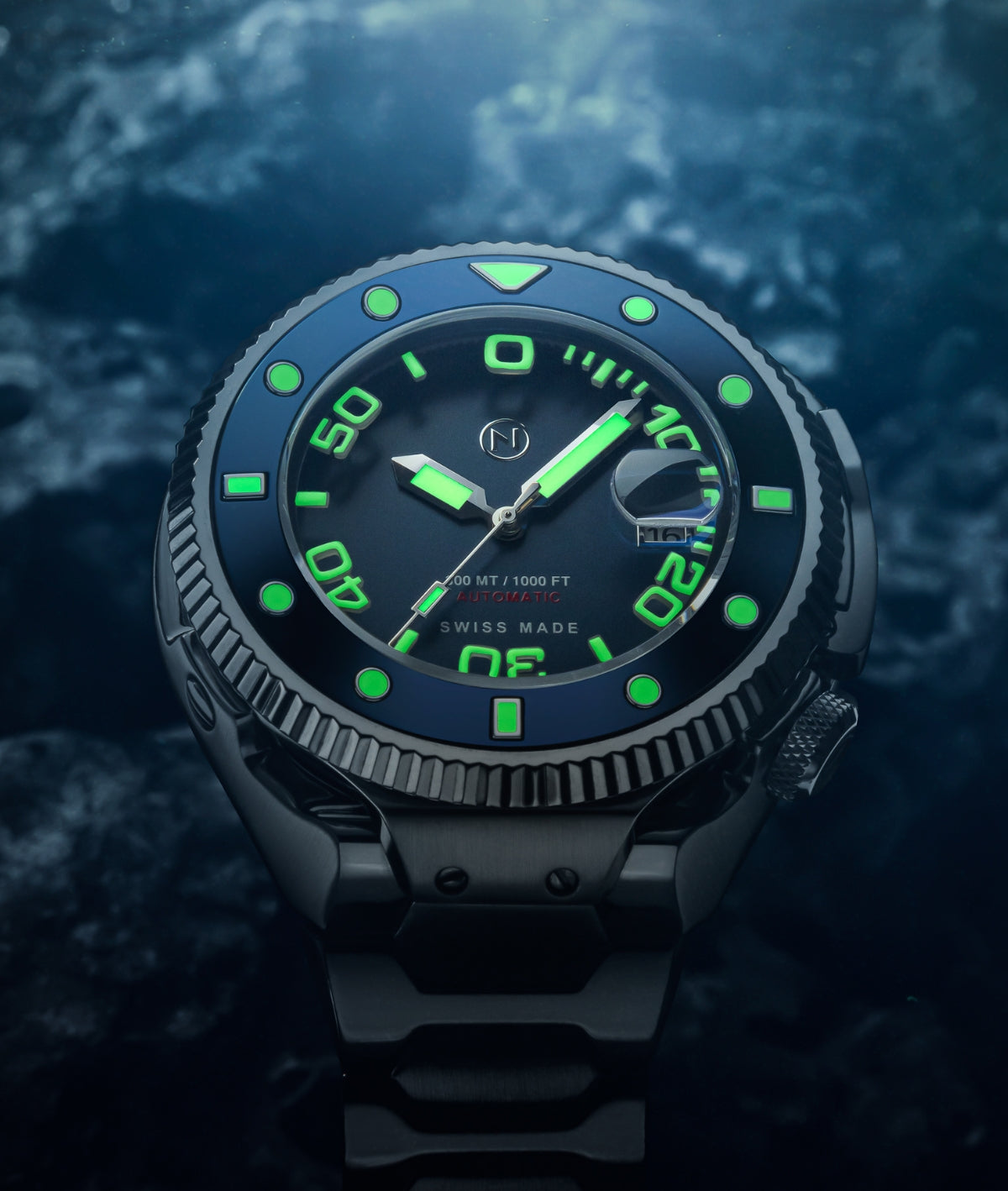
Water resistance matters here, particularly for an adventure-oriented watch. It depends on the model: some chronographs are built for daily splashes and rain, while others are designed for swimming and more demanding aquatic environments. The rating should match how the watch will actually be worn, not simply how it looks in a photograph.
Dial Legibility and Design
More information creates more responsibility. A chronograph dial must keep elapsed-time counters readable while preserving balance. High contrast between hands and dial, carefully placed subdials, and luminous details can make a major difference when the wearer needs to read the watch quickly.
Yet legibility does not require a plain personality. Black-and-white panda layouts, deep ocean blues, sunray metallic finishes, and boldly colored accents can all serve the same purpose when arranged with discipline. The most memorable Swiss chronographs understand that clarity and drama can coexist.
Bezels and Useful Scales
The bezel or outer dial ring may carry a tachymeter, telemeter, pulsometer, or simple minute track. The tachymeter is perhaps the most recognizable. When used with the chronograph, it can calculate average speed over a known distance. Start the timer at the beginning of one mile, stop it after reaching the next, and read the scale where the seconds hand lands.
In daily life, few owners will use a tachymeter to calculate speed. That does not make it meaningless. It is an enduring visual cue from the worlds of racing, aviation, and performance, and it gives a watch an instrument-grade edge. A clean minute bezel, meanwhile, may suit a wearer who prefers a more modern and versatile look.
Choosing a Chronograph for Your Life
The right choice begins with use, then moves to proportion and style. A chronograph meant for regular office wear may benefit from a slimmer case, a more restrained dial, and a leather strap or refined bracelet. A bolder sports model can carry a larger case, a textured dial, and greater water resistance with confidence.
Case diameter deserves more attention than a single number. Lug-to-lug length, case thickness, bezel width, and bracelet design all affect how a watch sits on the wrist. Chronographs tend to be thicker than time-only watches because the movement is more complex. A well-designed case manages that height with angled lugs, balanced weight, and a profile that feels intentional.
Material shapes the experience as well. Stainless steel remains the versatile standard: enduring, polished when desired, and ready for daily use. Sapphire crystal offers strong resistance to scratches and keeps the dial looking sharp over time. A quality bracelet gives a chronograph a more architectural presence, while a strap can soften the watch and make it feel more tailored.
For gifting, a Swiss chronograph carries unusual weight. It is practical enough to wear often, expressive enough to feel chosen, and substantial enough to mark a promotion, milestone, wedding, or personal achievement. Engraving adds another dimension, transforming an already distinctive object into a private keepsake.
Why Design Matters as Much as Timing
There is a temptation to judge a chronograph solely by movement specifications. Those details matter, but they are only part of the experience. A watch is seen before it is operated. Its lines, materials, dial architecture, and finishing communicate something in the first glance.
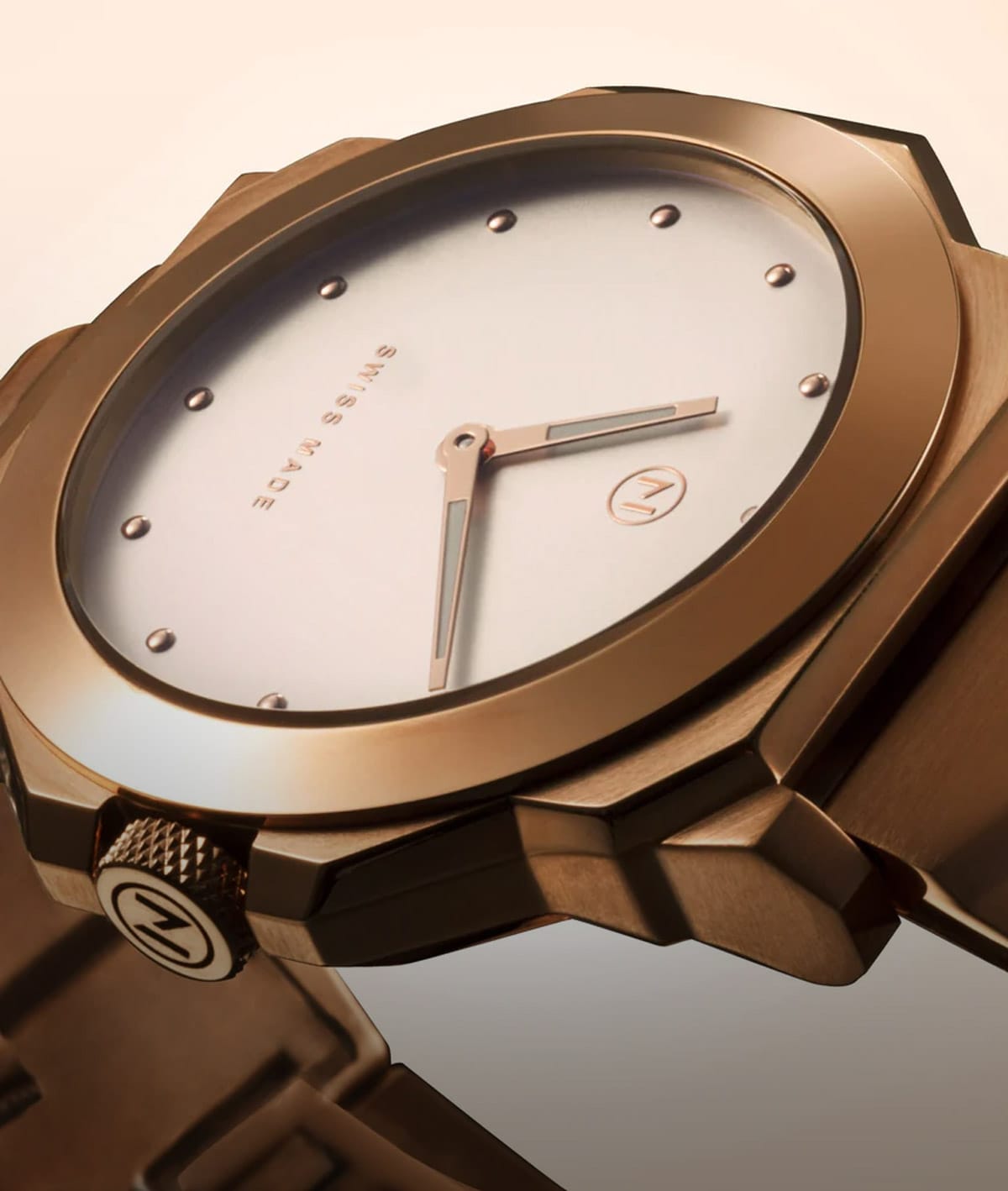
This is where modern Swiss watchmaking can be especially exciting. It can preserve the technical integrity of a traditional chronograph while introducing stronger geometry, unconventional color, and a more individual point of view. NOVE approaches this balance through Swiss-made construction and design that favors bold form over familiar formulas.
The result should not feel like a costume borrowed from motorsport or aviation. It should feel considered. A chronograph with presence is one that can reference instrument-watch history while still looking right in the life of the person wearing it now.
Caring for a Swiss Chronograph
A fine chronograph is built to be worn, not stored away indefinitely. Keep the case and bracelet clean with a soft cloth, rinse saltwater from a water-resistant model according to its specifications, and avoid operating pushers underwater unless the watch is expressly designed for it. If the watch has a leather strap, protect it from repeated exposure to water and prolonged direct heat.
Mechanical models should be serviced at intervals recommended by the manufacturer, especially if accuracy changes noticeably or the pushers no longer feel precise. Quartz models need less frequent attention, though battery replacement and water-resistance checks should be handled carefully. Regular care protects both performance and the polished details that make the watch feel exceptional.
A Swiss chronograph earns its place through more than elapsed seconds. Choose the one whose movement suits your rhythm, whose proportions suit your wrist, and whose design makes you want to reach for it before you leave the door.