
A luxury watch earns its place long before it reaches your wrist. It begins with choices most people never see: the architecture beneath the dial, the tolerances within the case, the way light moves across a brushed bezel or polished lug. Luxury watches explained simply are not about a logo or a high price alone. They are objects where engineering, material, design, and personal meaning meet.
For the modern collector, the appeal is more interesting than old notions of status. A well-chosen timepiece can signal discernment, mark a milestone, withstand a weekend on the water, and bring a considered finishing touch to the workday. The best examples feel intentional from every angle.
What Makes a Watch Luxury?
Luxury is not one specification. It is the cumulative result of craft, performance, and originality. A premium watch should feel substantial without becoming cumbersome, operate reliably, and reveal a level of detail that rewards a closer look. Its value comes from how these qualities work together.
Swiss manufacturing remains a powerful reference point because it is tied to a demanding culture of watchmaking. Swiss-made designation has specific legal requirements, but it should not be treated as an automatic guarantee that every watch suits every buyer. It is a meaningful foundation. The final decision still comes down to the movement, the case construction, the finishing, and whether the design feels distinctly yours.
Heritage can add romance and collectability, yet it is not the only path to luxury. Contemporary brands can create compelling timepieces through inventive case profiles, unexpected dial treatments, specialized dive capabilities, or automotive-inspired geometry. In fact, a watch that is immediately recognizable across a room often has more lasting character than one that merely imitates a familiar classic.
Luxury Watches Explained Through the Movement
The movement is the mechanism that powers the watch, and it influences everything from the feel of the crown to the rhythm of the seconds hand. There are three principal categories to understand: automatic mechanical, chronograph, and quartz.
Automatic mechanical movements
An automatic watch is powered by the motion of your wrist. As you wear it, a rotor winds the mainspring, storing energy that drives the movement. This is traditional watchmaking at its most tactile. You may feel the rotor shift slightly, hear a subtle mechanical presence, and appreciate that hundreds of tiny components are working in concert beneath the caseback.
Automatic watches appeal to enthusiasts because they make time visible as a physical process. They require more care than quartz, and accuracy can vary modestly from day to day. That is part of the proposition, not necessarily a flaw. A mechanical watch is an instrument with personality, built to be worn and maintained over decades.
Chronograph movements
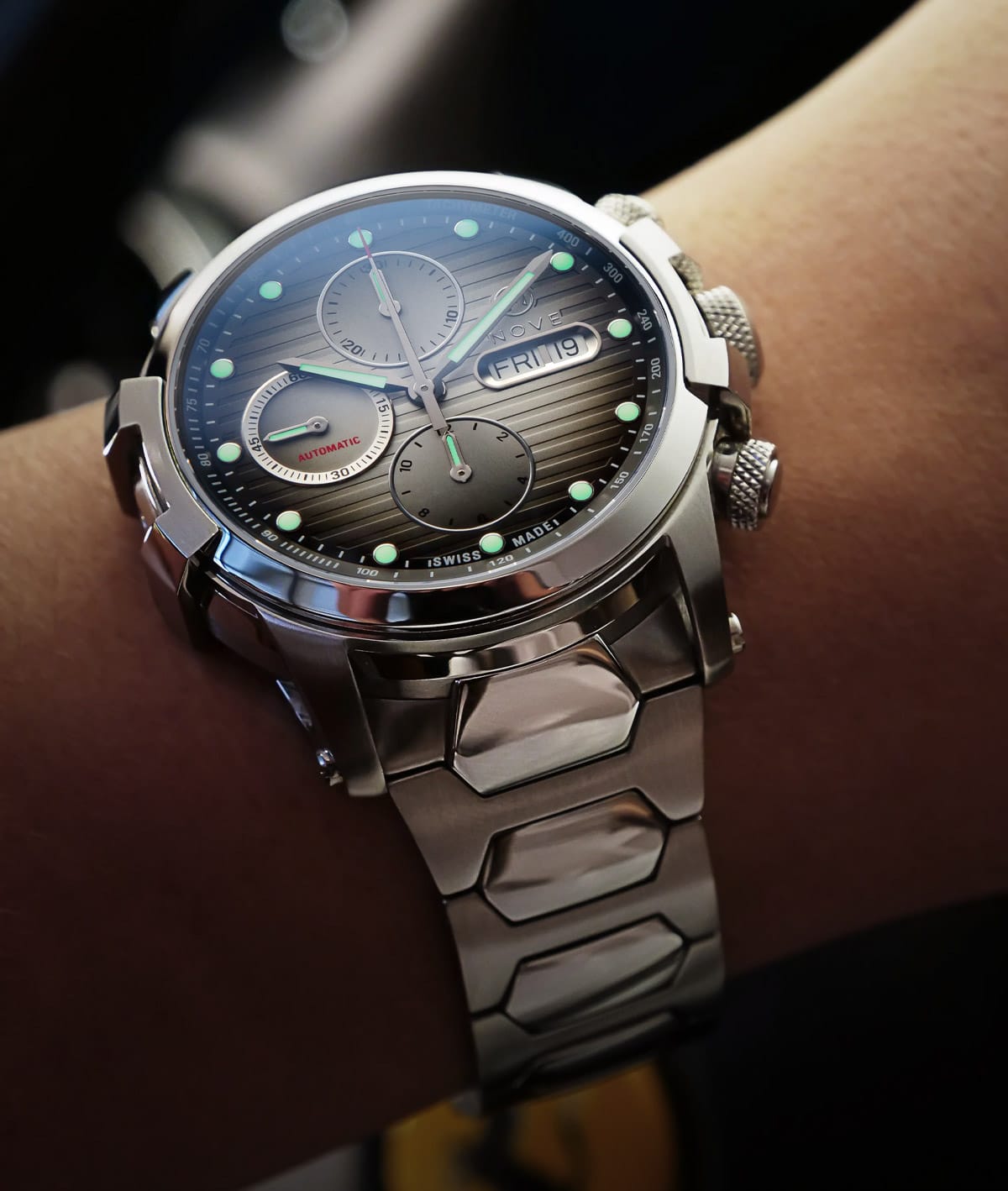
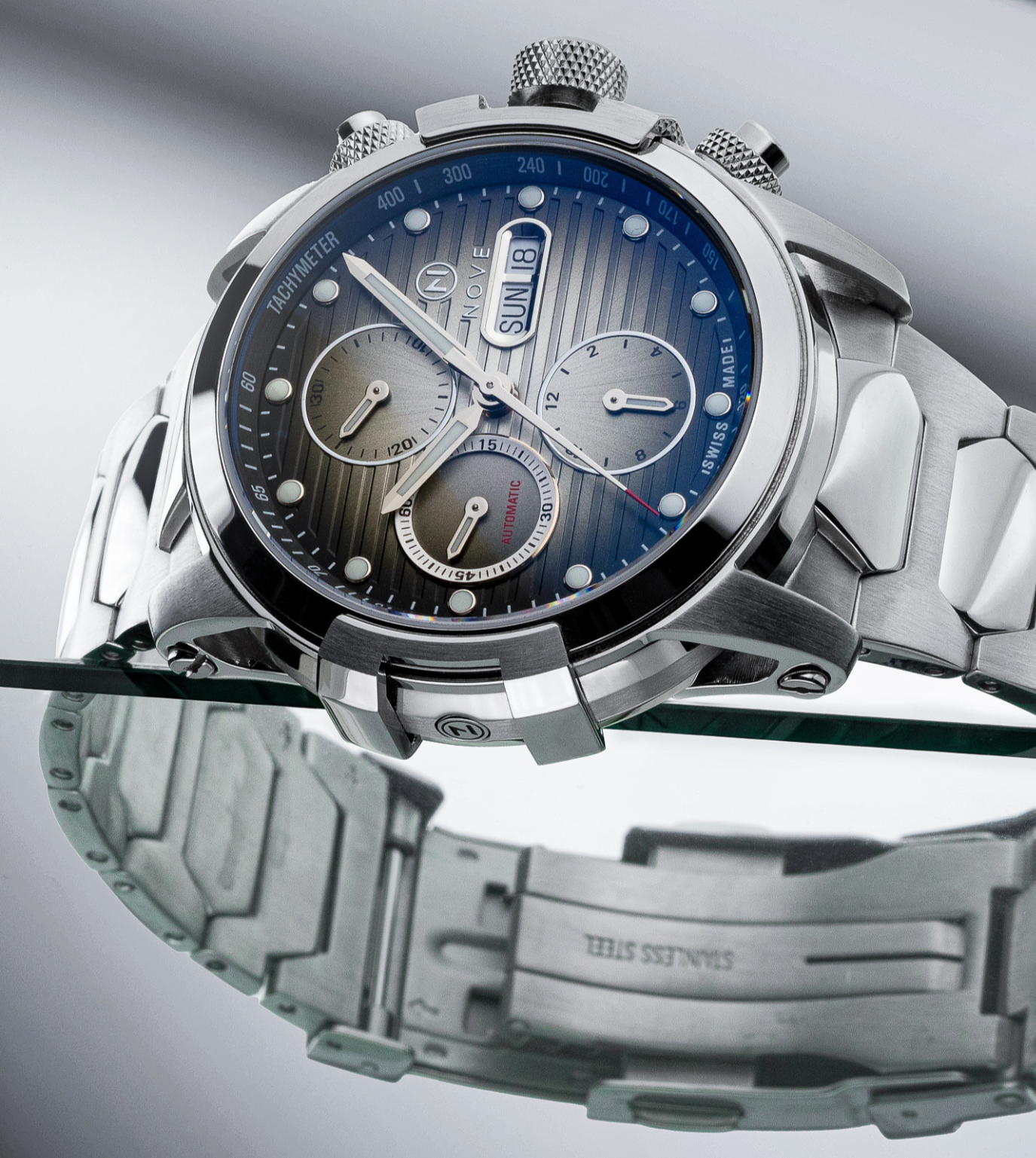
A chronograph adds a stopwatch function, usually controlled by pushers on the side of the case. It may feature subdials that measure elapsed seconds, minutes, or hours. The complication has natural ties to motorsport, aviation, and competitive timing, but its attraction is also visual. Pushers, registers, scales, and contrast dials give a chronograph a more technical, purposeful presence.
A Swiss chronograph can be an exceptional choice for someone who wants a watch that feels energetic and engineered. The trade-off is visual complexity. If you prefer restraint, a clean three-hand automatic or quartz model may better suit your style.
Swiss quartz movements
Quartz watches run on a battery and regulate time through the vibration of a quartz crystal. They are highly accurate, low-maintenance, and often slimmer than mechanical alternatives. There is no compromise in choosing quartz when precision, convenience, and everyday dependability matter most.
In a luxury setting, quartz allows more attention to be directed toward design, case execution, dial detail, and wearability. It is particularly well suited to a watch you want to pick up, set once, and trust immediately.
Materials Are Only as Good as Their Execution
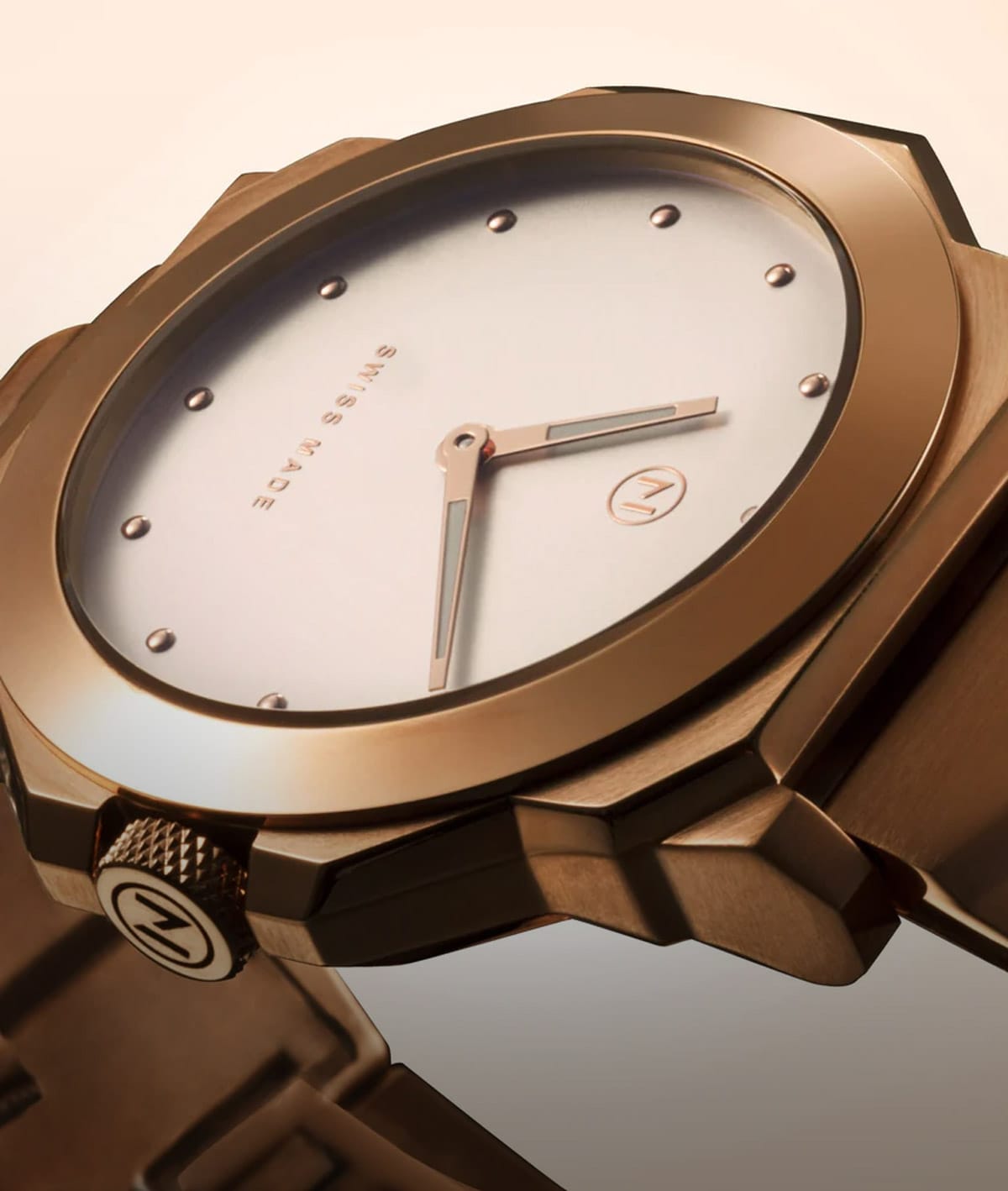
Stainless steel is a mainstay of luxury sport watches for good reason. It resists corrosion, takes both brushed and polished finishing beautifully, and wears with confidence. A finely finished steel case can create dramatic contrast between satin surfaces and mirror-like edges, making the watch appear more sculpted and dimensional.
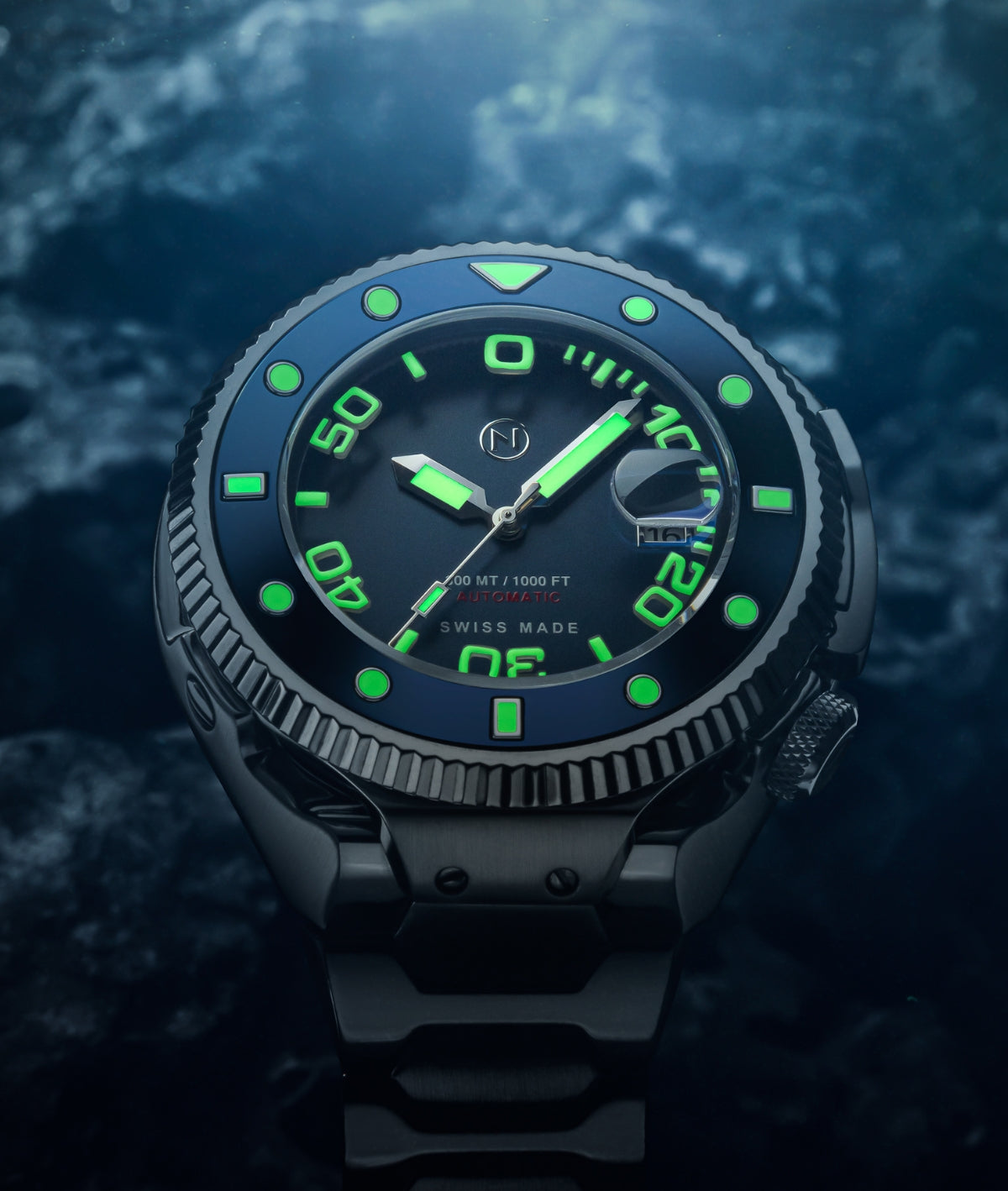
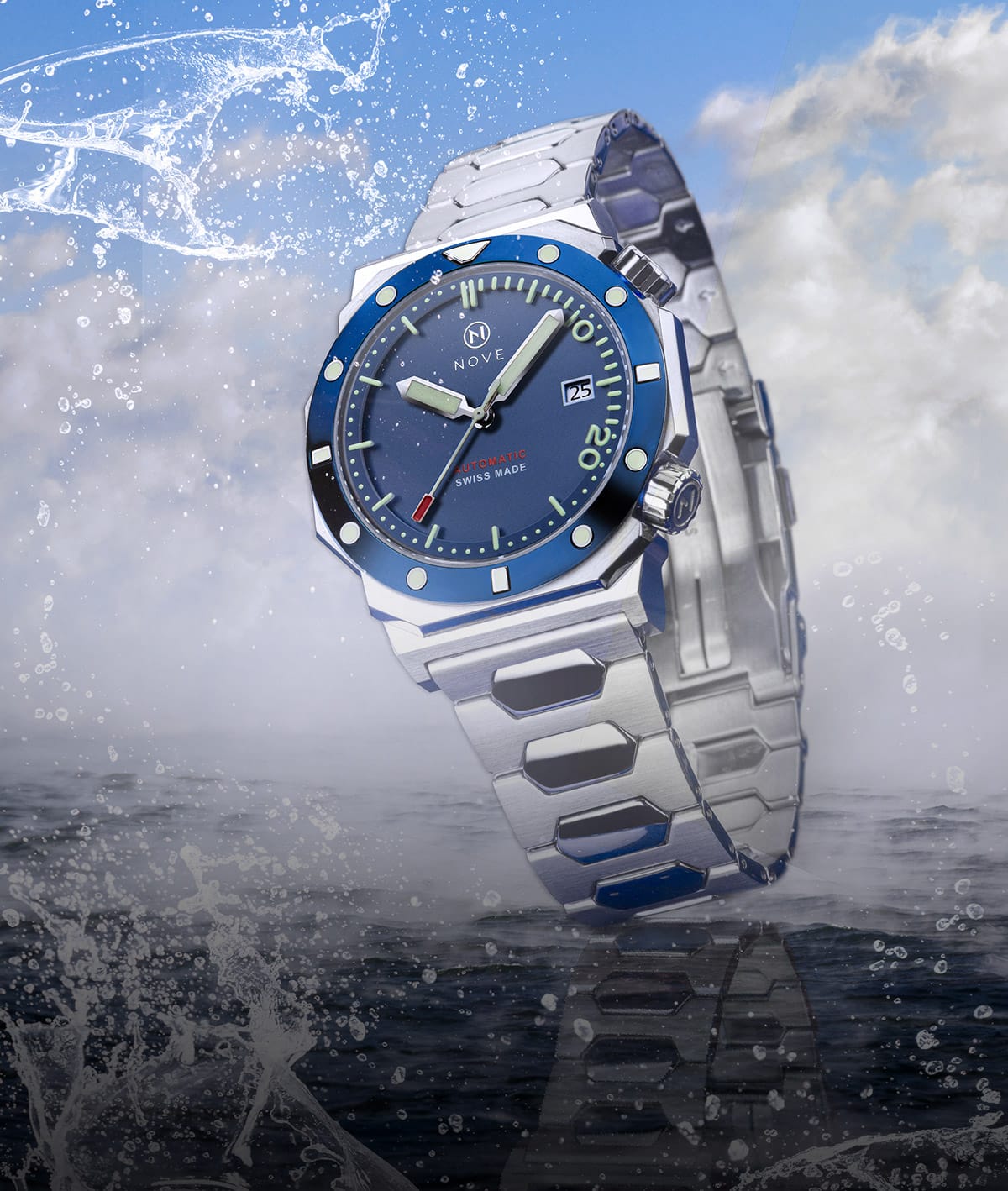
Sapphire crystal is another defining detail. It is exceptionally scratch resistant and keeps the dial clear after years of wear. On dive-oriented watches, a screw-down crown, secure caseback, and serious water-resistance rating matter as much as the crystal. A watch rated for underwater use should feel purpose-built, not simply styled to resemble a diving instrument.
Then there is the bezel, a small component with outsized influence. A unidirectional rotating bezel can track elapsed time during a dive. A tachymeter scale supports a racing-inspired chronograph. Even when these tools are not used daily, they communicate that the design has a reason for being there.
Weight also deserves attention. A substantial case can feel reassuring and opulent, especially on a bold sport watch. But excessive weight can make a timepiece stay in its box. Luxury is not measured by heft alone. The right balance depends on wrist size, case diameter, thickness, bracelet construction, and how the watch sits against the skin.
Design Is the Emotional Engine
Specifications establish credibility. Design creates attachment.
An exceptional watch has visual hierarchy: the hands are legible, the markers feel proportionate, and the case, bracelet, and dial speak the same design language. The details should hold together at a glance and become more compelling over time. A faceted case may echo a wheel spoke. A deep blue dial may recall open water. A sharply defined crown guard can make a functional watch feel almost architectural.
This is where a direct-to-consumer luxury watchmaker can offer an intriguing proposition. Without building every collection around decades-old templates, it can invest in bolder silhouettes and feature-driven value. NOVE approaches Swiss timepieces with this perspective, pairing unconventional industrial design with the performance expected from a premium instrument.
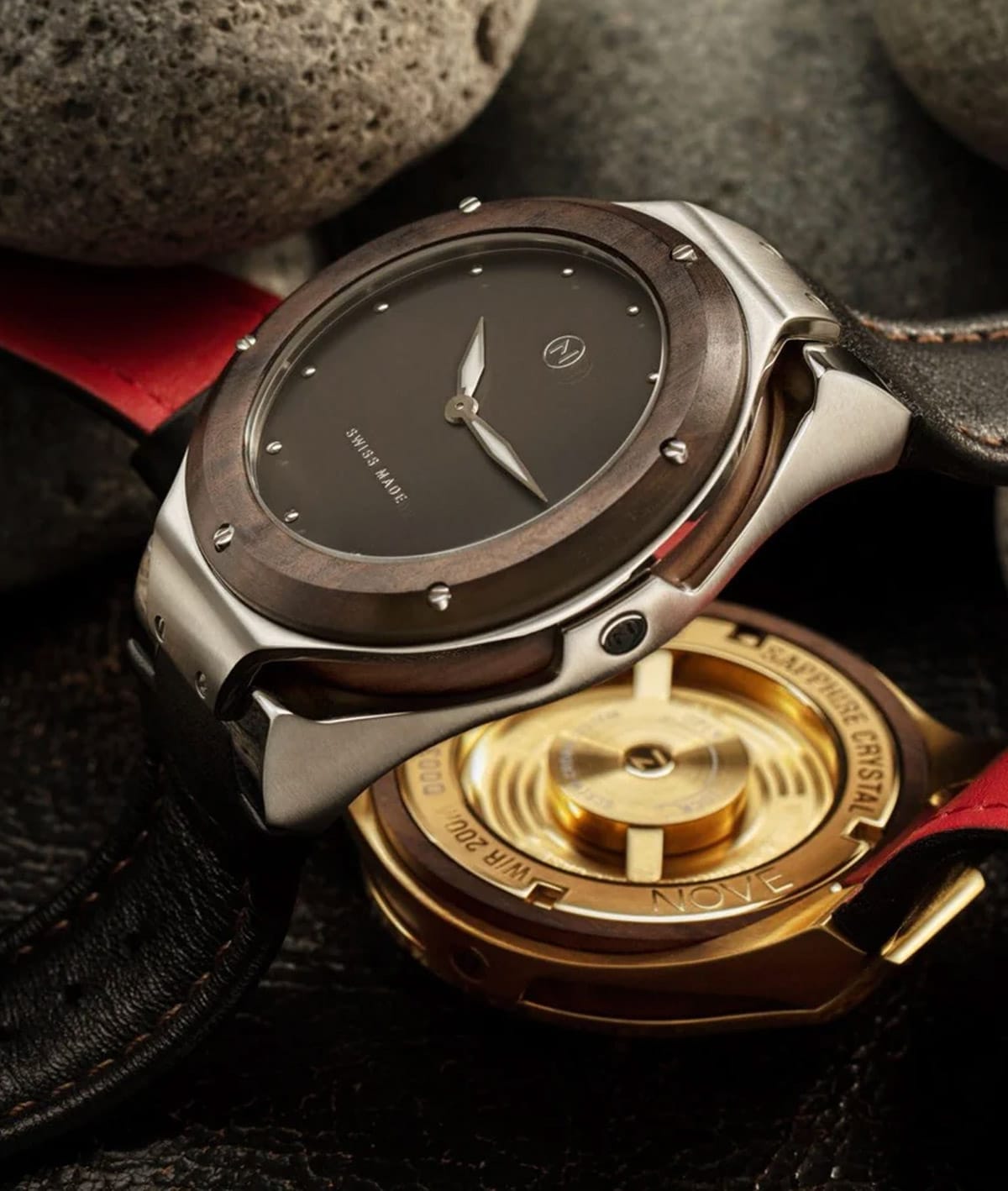
Limited editions can heighten that sense of distinction, but rarity alone does not create value. Consider why the edition exists. A different material, a special dial treatment, a commemorative engraving, or a meaningful colorway can make a watch feel personal. A limited number stamped on the caseback without a compelling design story is less persuasive.
Price, Value, and the Accessible Luxury Decision
A luxury watch may cost more because it uses a Swiss movement, a more demanding manufacturing process, stronger materials, refined finishing, and more rigorous quality control. It may also carry the cost of a famous name, an elaborate retail network, or artificial scarcity. These factors can coexist, which is why price is not a complete measure of quality.
Accessible luxury is compelling when the watch directs a meaningful share of its price toward what you can see and use: a well-built case, a capable movement, sapphire crystal, genuine water resistance, thoughtful design, and dependable after-sales support. This category makes sense for buyers who want a premium experience without treating a watch as a museum piece or a purely speculative asset.
Before purchasing, look beyond the headline specifications. Ask whether the proportions fit your lifestyle. A 300-meter dive watch may be ideal for travel and adventure but feel too assertive under a formal cuff. A slim quartz model may disappear elegantly into a professional wardrobe but offer less mechanical theater. Neither is inherently better. The right one is the watch you will reach for often.
Ownership Is Part of the Luxury Experience
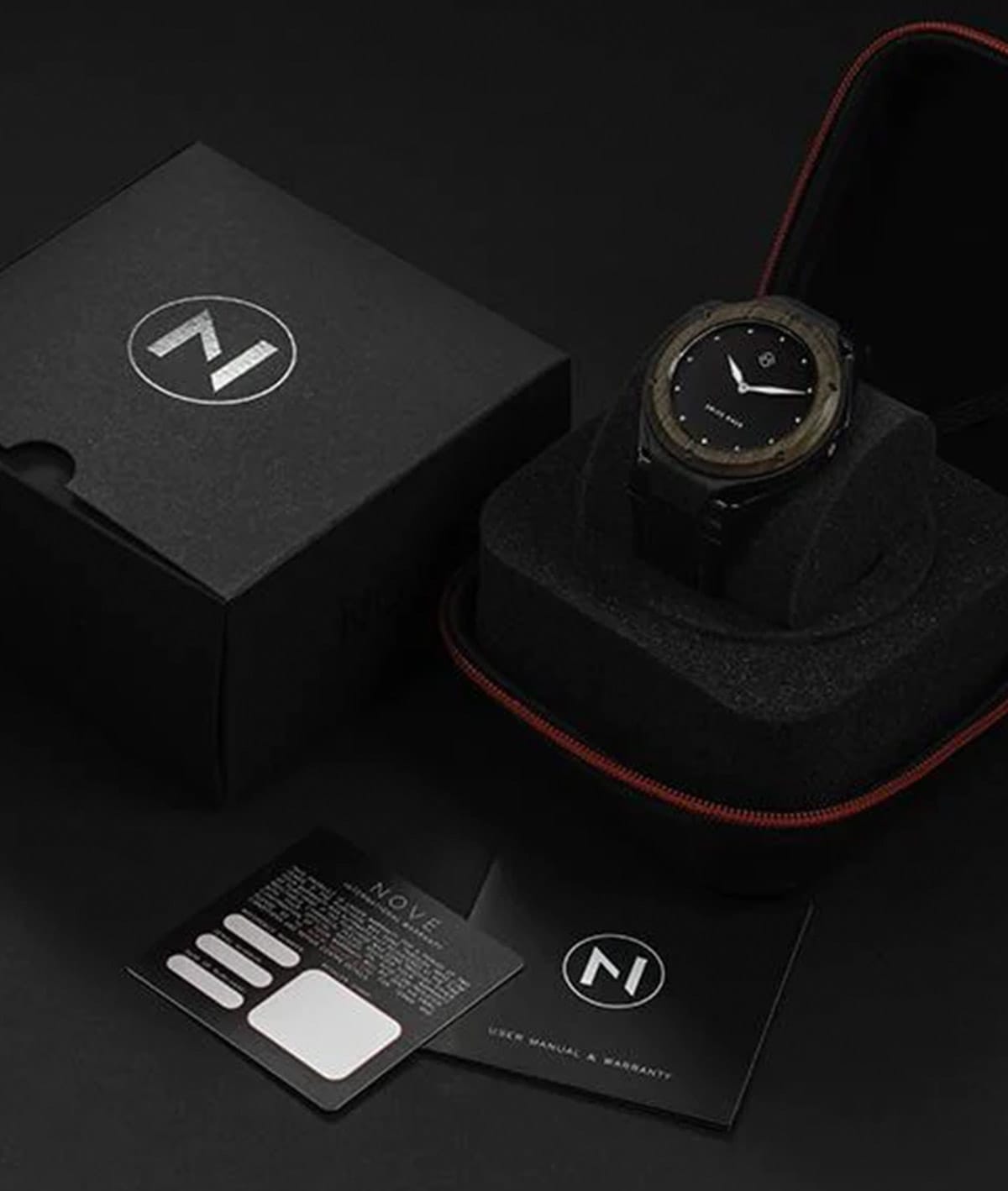
A watch should arrive with the confidence of a considered purchase. Warranty coverage, secure shipping, clear return terms, and responsive service are practical details, but they shape how ownership feels. For a gift, engraving and refined presentation add another layer of significance, turning a beautiful object into a lasting marker of an achievement, relationship, or new chapter.
Mechanical watches benefit from regular wear, careful storage, and periodic professional service. Quartz watches typically need battery replacement at intervals, along with water-resistance checks if they are exposed to swimming or diving. Avoid storing any watch in extreme heat, exposing leather straps to repeated water contact, or using the crown underwater unless the model is specifically designed for it.
The most satisfying luxury watch is not necessarily the rarest or the most expensive. It is the one whose precision, presence, and purpose continue to feel right each time you fasten it on. Choose the piece that makes timekeeping feel like an experience, not an obligation.