
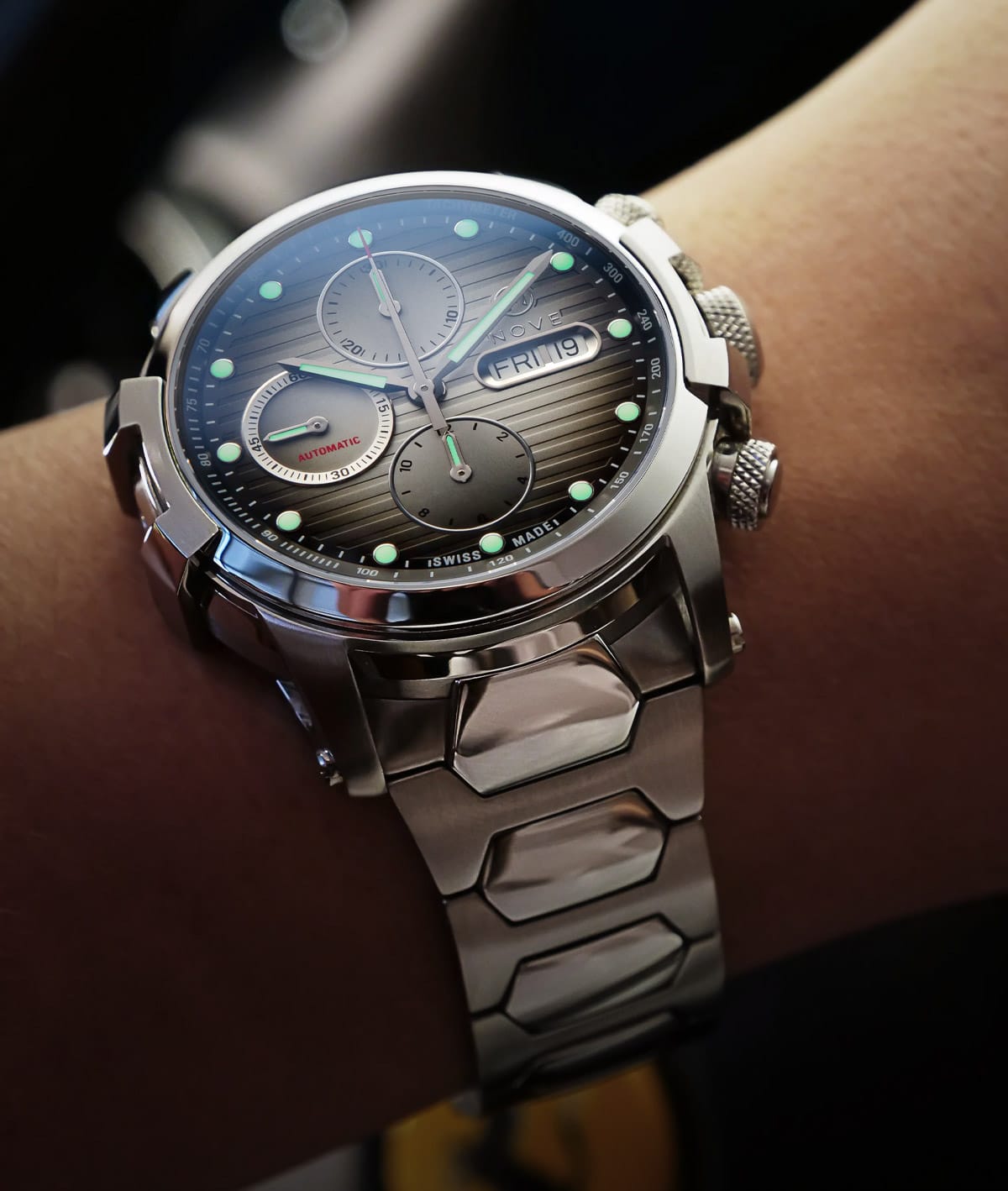
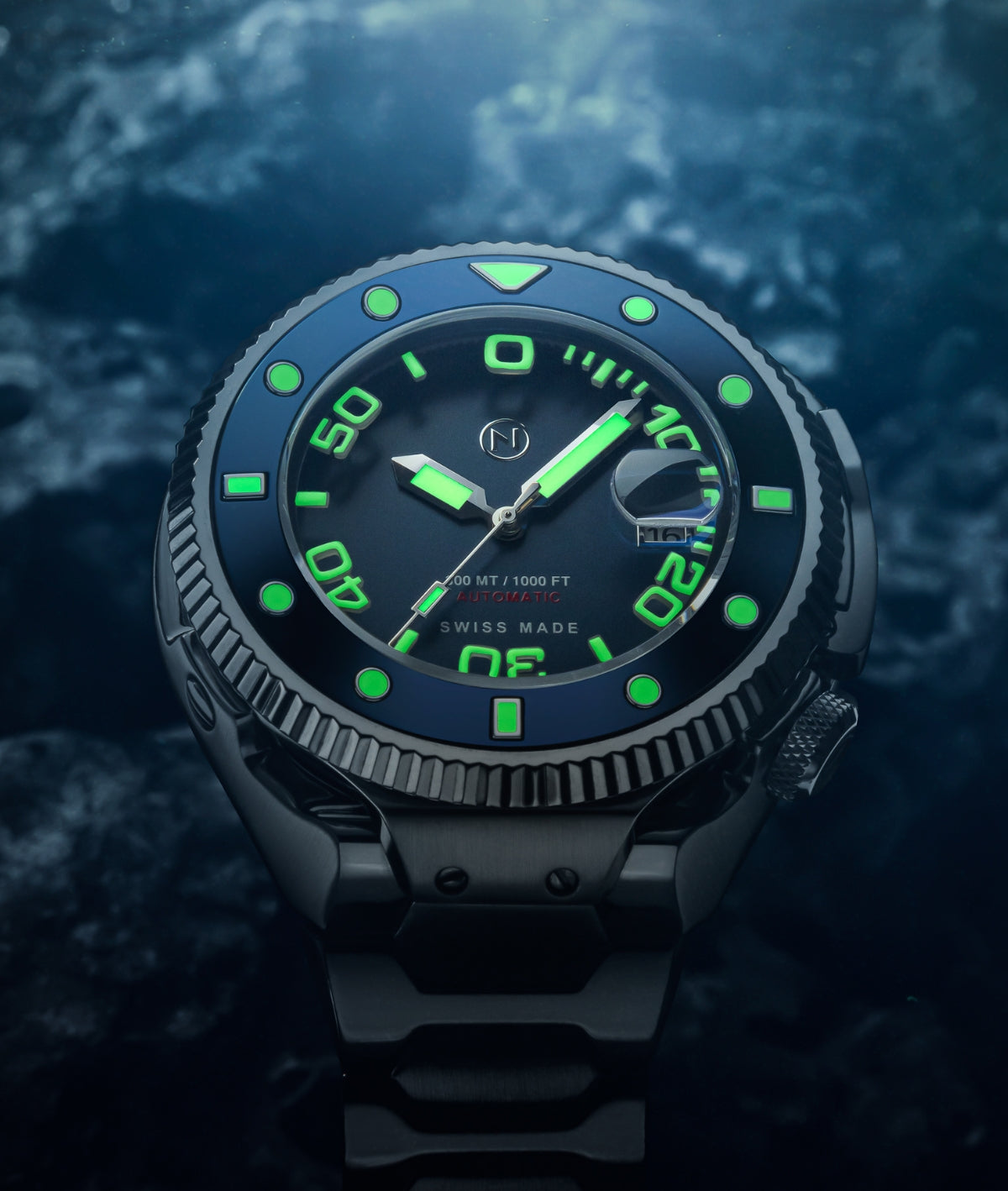
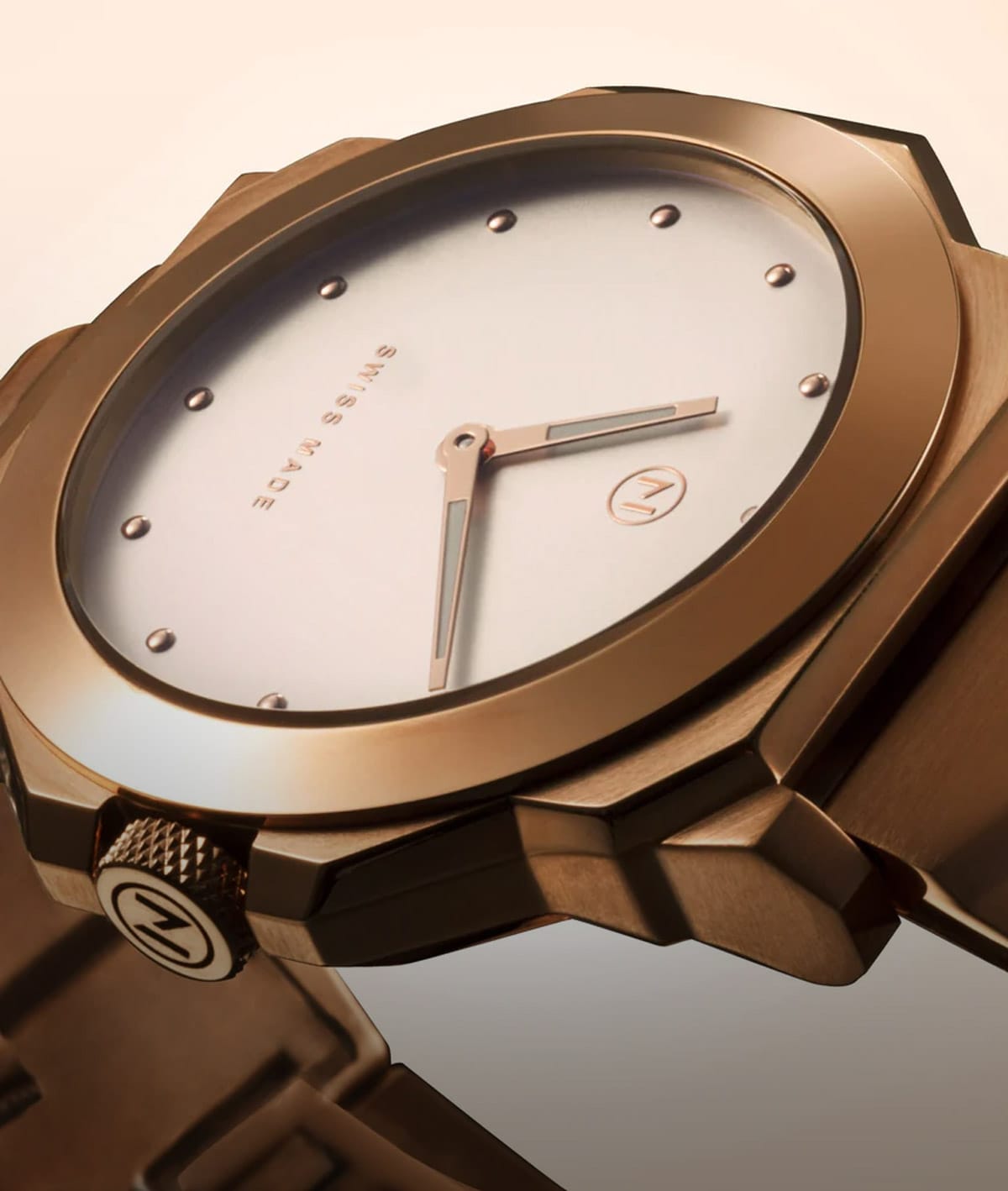
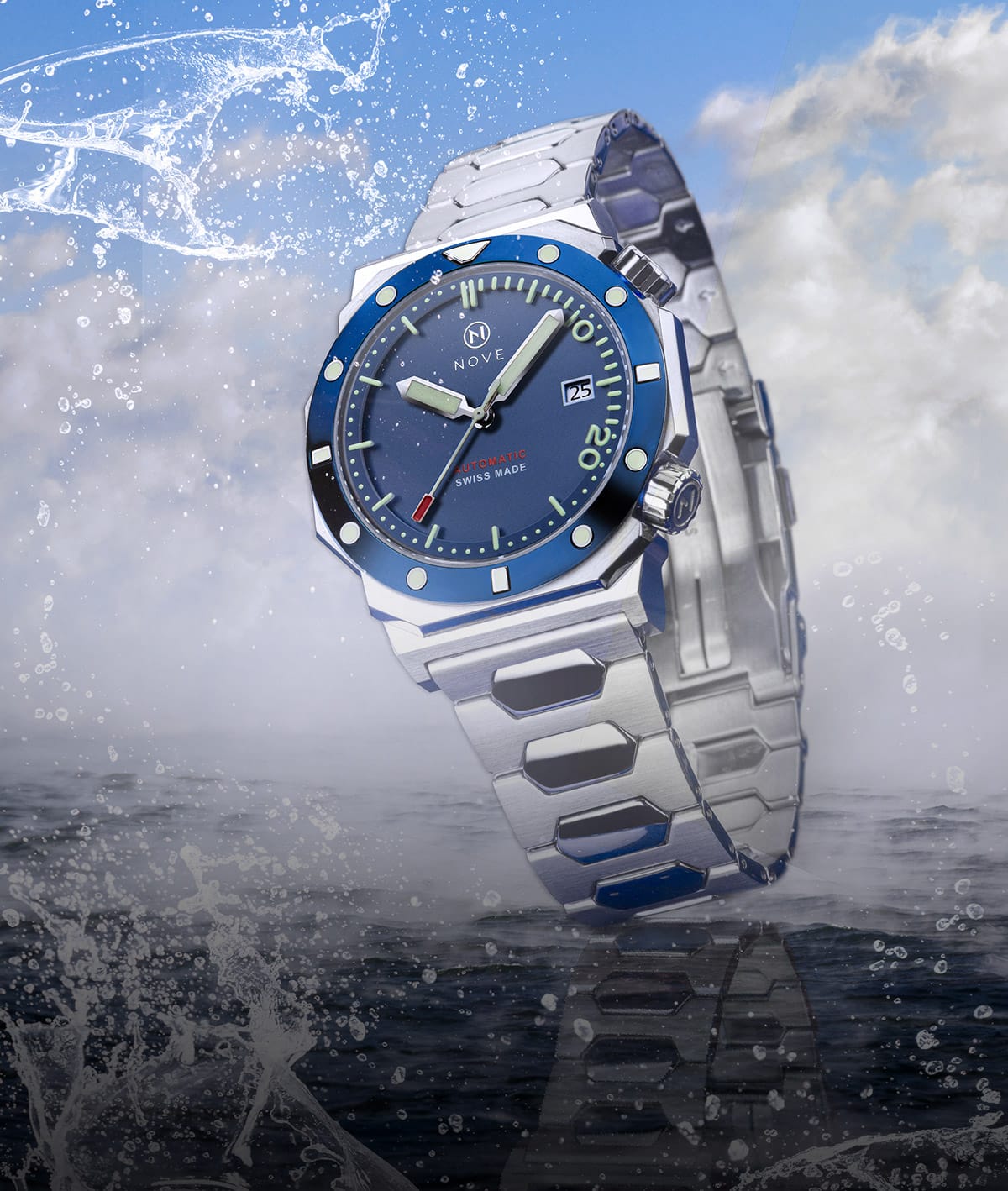
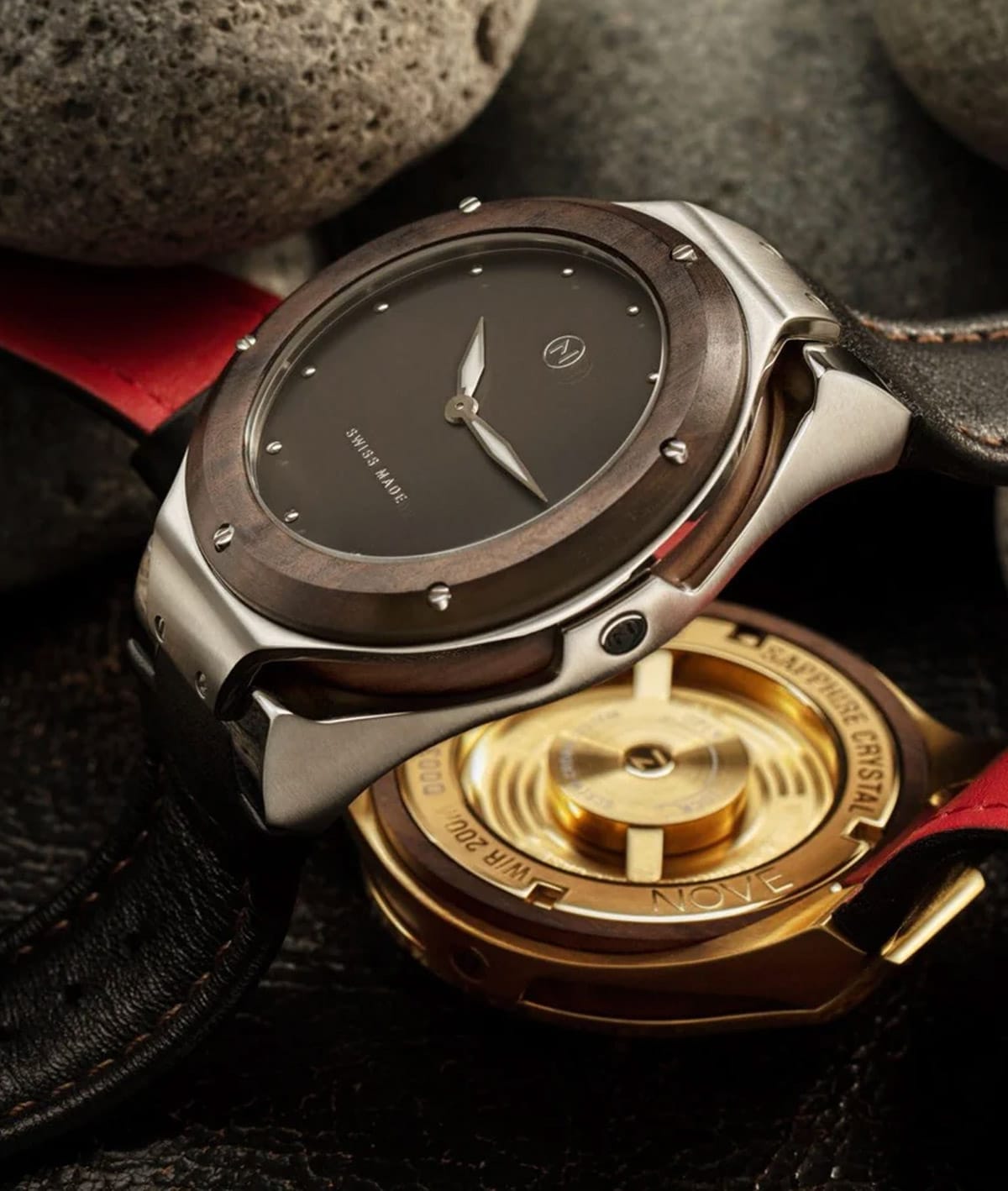
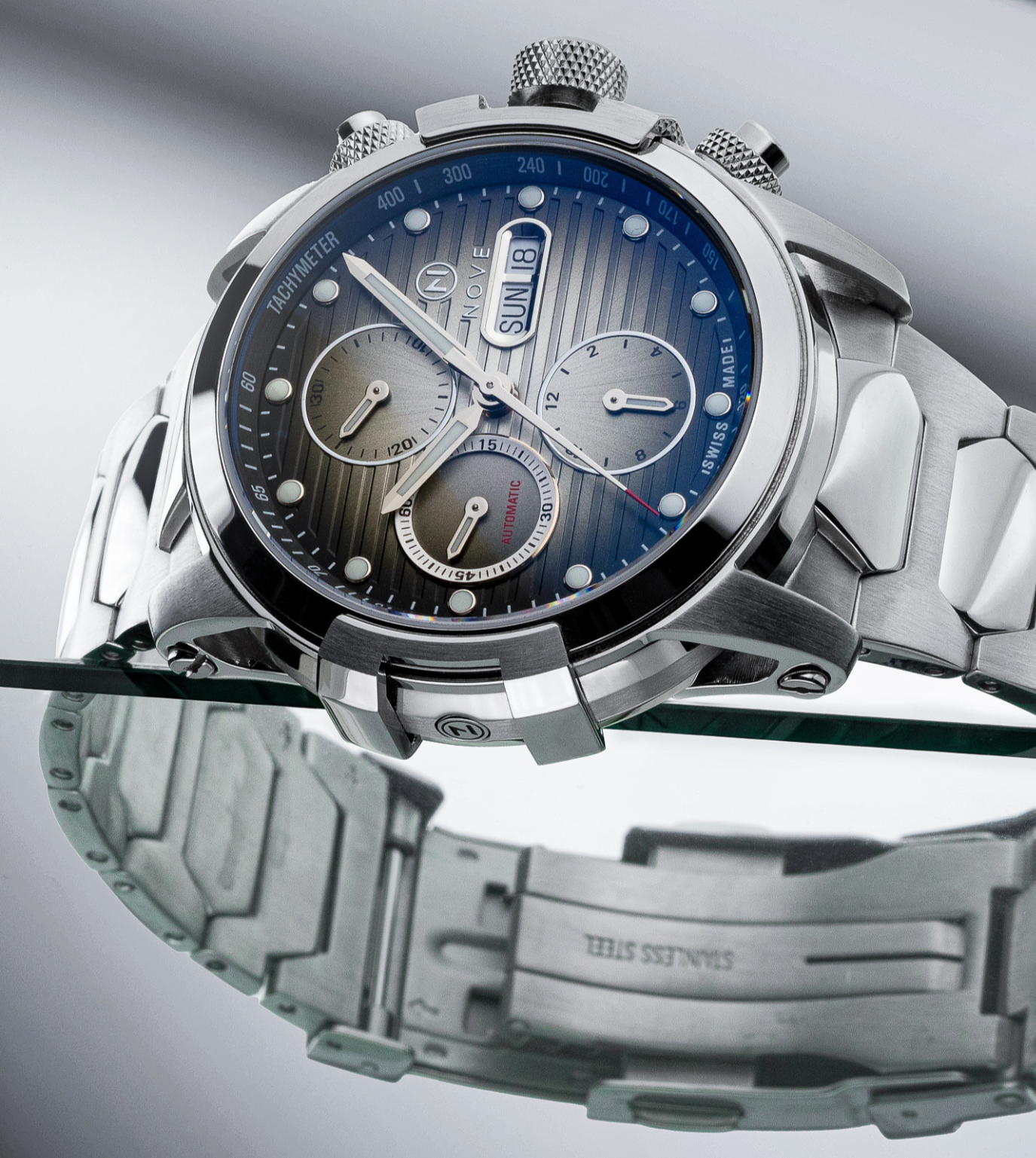
A Swiss watch says something before you ever check the time. The weight on the wrist, the movement beneath the dial, the way the case catches light - every detail shapes the experience. That is why the automatic vs quartz Swiss watch question is not a minor technical choice. It is a decision about how you want your watch to feel, perform, and represent you.
For some collectors, nothing compares to the quiet theater of a mechanical movement in motion. For others, the appeal of quartz is just as compelling: exact timekeeping, low maintenance, and everyday reliability. Both belong in the world of Swiss watchmaking. The better choice depends less on status and more on what kind of owner you are.
Automatic vs quartz Swiss watch: what changes on the wrist?
The simplest difference is how each movement is powered. An automatic watch runs through mechanical energy. As you wear it, the rotor inside moves and winds the mainspring, storing power that keeps the watch running. A quartz watch relies on a battery and a quartz crystal that regulates time through electronic pulses.
That technical split creates a very different ownership experience. An automatic Swiss watch feels alive. It has motion, complexity, and a kind of mechanical soul that watch enthusiasts often find irresistible. A Swiss quartz watch feels precise and effortless. It is designed to perform with almost no interruption to your routine.
Neither is inherently superior in every way. One offers emotional depth and traditional craftsmanship. The other delivers accuracy and convenience with impressive efficiency. The real comparison begins when you move beyond the movement itself and consider what matters day to day.
The case for automatic Swiss watches
An automatic watch is often chosen as much for what it represents as for what it does. It is a compact machine built from dozens of interacting components, assembled and regulated with care. That complexity is part of its appeal. Wearing one feels like carrying engineering on your wrist rather than simply wearing a timing device.
There is also a tactile satisfaction that quartz rarely matches. The sweep of the seconds hand is smoother. The case often carries a bit more presence because the movement itself has depth and character. For many buyers, especially those investing in a statement piece, this matters. A bold Swiss automatic has a sense of occasion even when worn with a plain white shirt.
Automatic watches also connect strongly to heritage. Swiss horology built its reputation on mechanical mastery, and that legacy still holds weight. If you appreciate artistry, finishing, and the romance of traditional watchmaking, automatic is usually the direction that feels richer.
That said, romance comes with responsibility. An automatic watch is less accurate than quartz in pure timekeeping terms. It also needs periodic servicing to stay healthy over the long term. If it sits unworn beyond its power reserve, it stops and must be reset. For a collector, that is part of the ritual. For someone who wants grab-and-go simplicity, it can feel like friction.
Why quartz still deserves respect
Quartz is sometimes treated as the practical choice, as if practicality were somehow less luxurious. In reality, a well-executed Swiss quartz watch can be every bit as refined on the wrist. The movement may be simpler, but the watch itself can still deliver exceptional casework, premium materials, sharp design, and a commanding presence.
Quartz excels where modern life demands consistency. It keeps highly accurate time, requires very little attention, and is ideal for people who rotate through several watches. Pick it up after a week or a month, and it is still ready to wear. That ease matters more than many buyers expect.
Quartz can also offer stronger value in certain categories. If your budget is fixed, choosing quartz may allow you to prioritize other features such as a more ambitious case design, a more complex dial, higher water resistance, or tougher finishing. For buyers who care deeply about aesthetics and wearability, that can be the smarter luxury decision.
There is another point worth making. Not every watch is bought to be studied through a loupe. Some are bought to travel, to perform, to handle daily impact, and to look exceptional while doing it. In that setting, quartz is not a compromise. It is a deliberate choice.
Accuracy, maintenance, and lifespan
If accuracy is your top priority, quartz wins clearly. A quartz Swiss watch will generally keep time far more precisely than an automatic. You will spend less time correcting it, and that precision is especially appealing if your watch is part of a tightly scheduled routine.
Maintenance follows the same pattern. Automatic watches need service at intervals to clean, lubricate, and regulate the movement. Quartz watches usually need little more than battery replacement and routine care, though high-quality quartz models still benefit from proper inspection over time.
Lifespan is more nuanced. A well-maintained automatic watch can last for generations, which is part of its emotional and collectible appeal. Quartz watches can also last a very long time, but their value proposition is usually tied more to performance and design than to heirloom mythology. If your dream is to pass down a watch with mechanical significance, automatic has the stronger narrative. If your goal is years of reliable ownership with minimal effort, quartz is hard to beat.
Which feels more luxurious?
This is where the conversation gets interesting, because luxury is not only about movement type. It is about execution.
An automatic movement often carries a premium aura because of its complexity and tradition. Many enthusiasts immediately associate mechanical watches with connoisseurship. There is prestige in knowing that your timepiece is powered by motion rather than electronics.
But luxury on the wrist is also visual and physical. The faceting of the case, the quality of the bracelet, the depth of the dial, the confidence of the design language - these are what people actually see. A striking Swiss quartz watch with daring architecture and exceptional finishing can feel more luxurious than a mechanically interesting watch with a forgettable presence.
For a design-forward brand like NOVE, this distinction matters. The movement defines part of the ownership experience, but the overall object is what creates desire. If the watch captures individuality, refinement, and power the moment you wear it, it has already achieved something bigger than a spec-sheet victory.
Automatic vs quartz Swiss watch for different buyers
If you are buying your first Swiss watch, quartz often makes the easier entrance. It gives you Swiss-made credibility, dependable performance, and less maintenance anxiety. You get the pleasure of wearing a premium timepiece without having to learn mechanical habits right away.
If you are buying to mark an occasion, automatic may have the stronger emotional pull. Promotions, milestone birthdays, anniversaries, and personal achievements often call for a watch with a heartbeat. Mechanical ownership feels ceremonial in a way that suits moments meant to last.
If you travel frequently, rotate watches often, or want a daily piece that asks very little of you, quartz is usually the better fit. It is practical without looking practical, which is a rare advantage.
If you are a watch enthusiast or becoming one, automatic is often where fascination grows. You start paying attention to movement architecture, power reserve, finishing, and regulation. The watch becomes more than an accessory. It becomes an object you understand over time.
Price, value, and what you are really paying for
Automatic watches usually cost more because the movement is more complex to produce, assemble, and service. That extra cost can be worth it if you value craftsmanship in a traditional sense. You are paying for engineering depth and for the heritage embedded in the mechanism.
Quartz watches often deliver sharper immediate value. The savings can show up in materials, case construction, or simply a more accessible entry into Swiss watch ownership. For many buyers, especially those who prioritize design and wearability, this is not the lesser option. It is the more rational one.
The smarter question is not which movement is better for the money. It is which watch gives you the strongest return in satisfaction. If you love mechanical character, quartz will not scratch that itch no matter how accurate it is. If you want precision and ease, an automatic may feel demanding no matter how beautiful it looks.
The right choice is the one you will actually wear
There is a temptation to treat automatic as the purist's answer and quartz as the sensible fallback. That view misses the point. A Swiss watch earns its place through presence, performance, and the confidence it gives the person wearing it.
Choose automatic if you want craftsmanship you can feel, a movement with personality, and a deeper connection to traditional Swiss watchmaking. Choose quartz if you want exactness, simplicity, and a watch that fits effortlessly into a fast-moving life. Both can be bold. Both can be refined. Both can be worthy of the Swiss name.
The best watch is not the one that wins a debate. It is the one that feels unmistakably like yours the second it meets your wrist.