
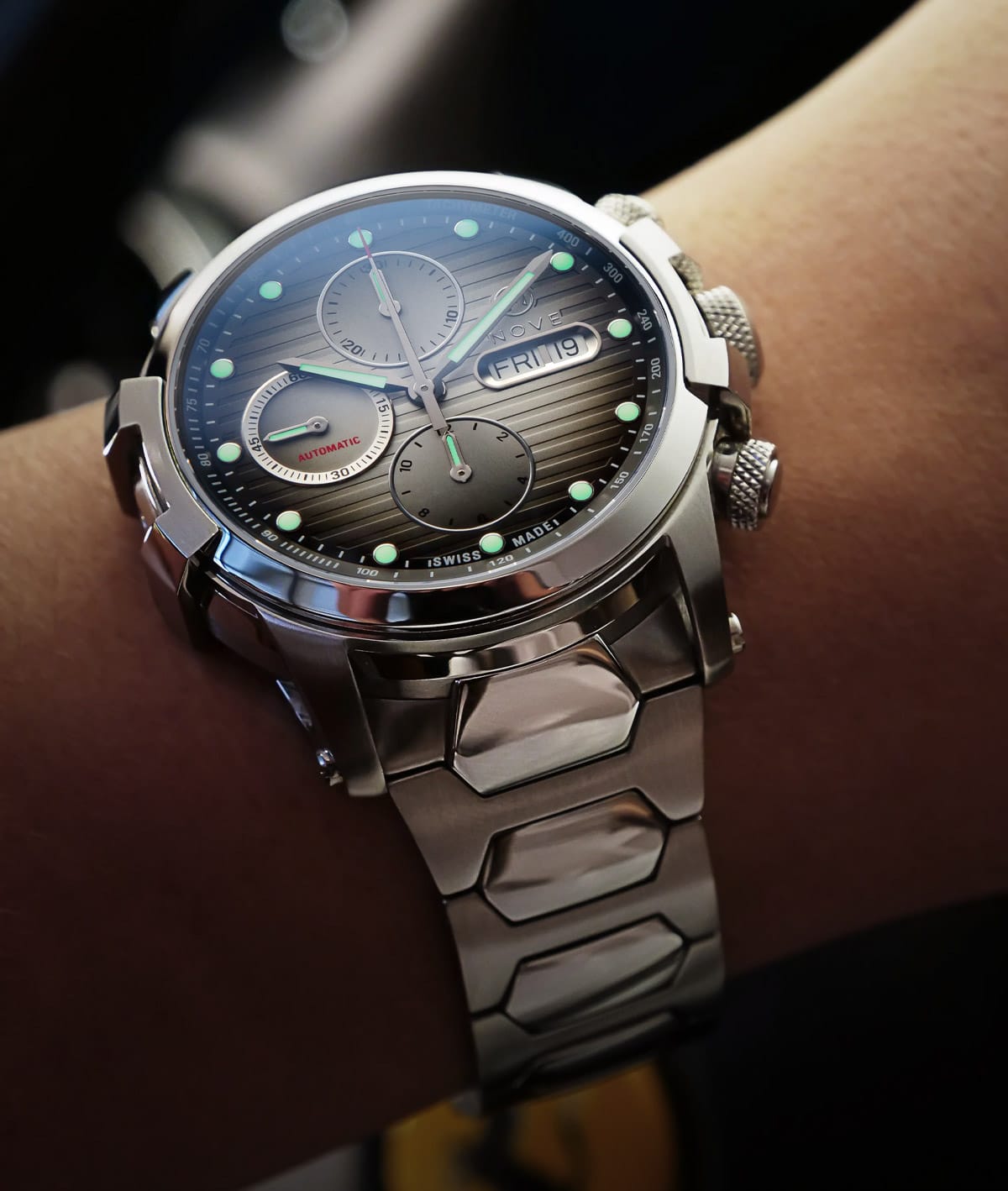
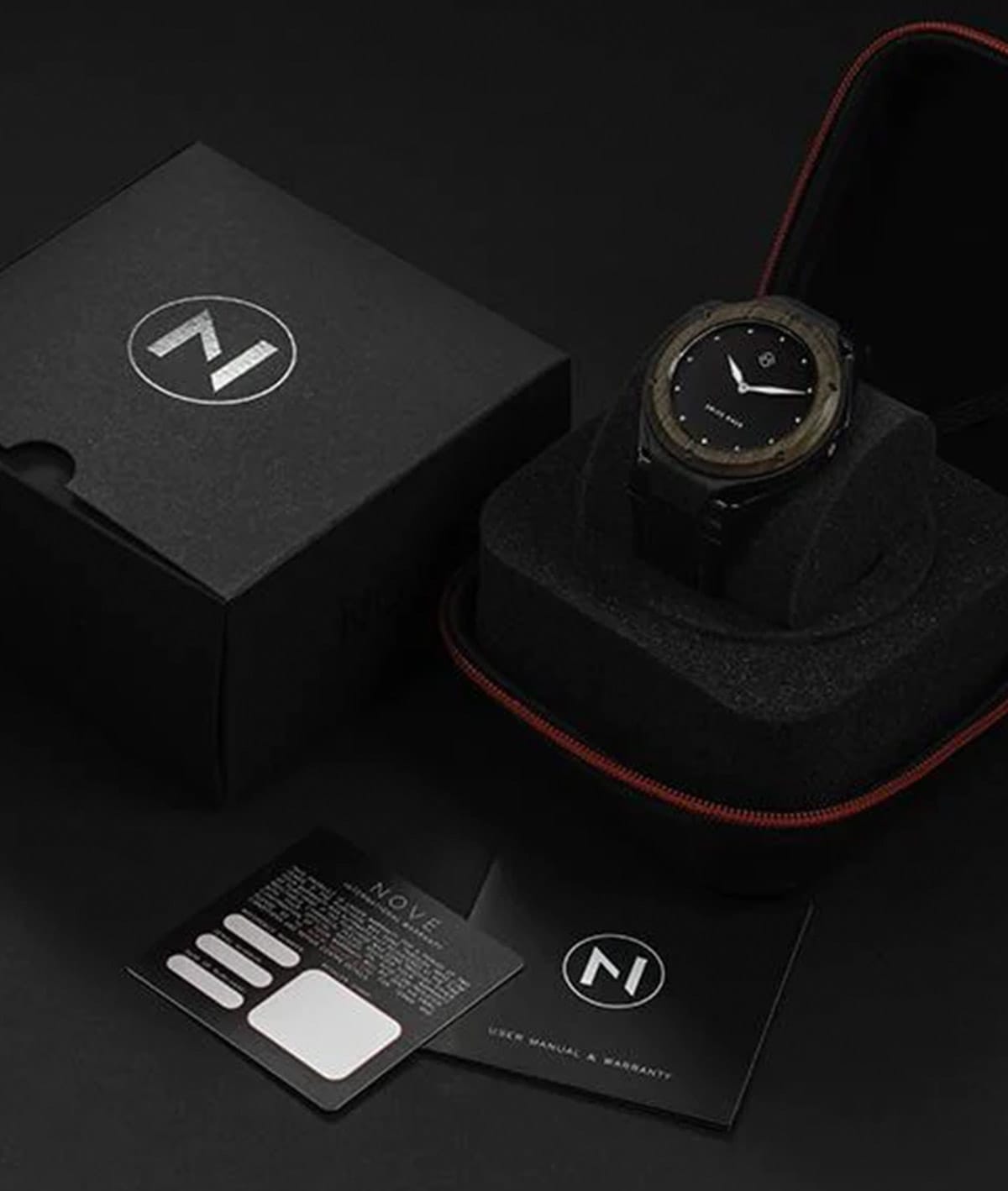
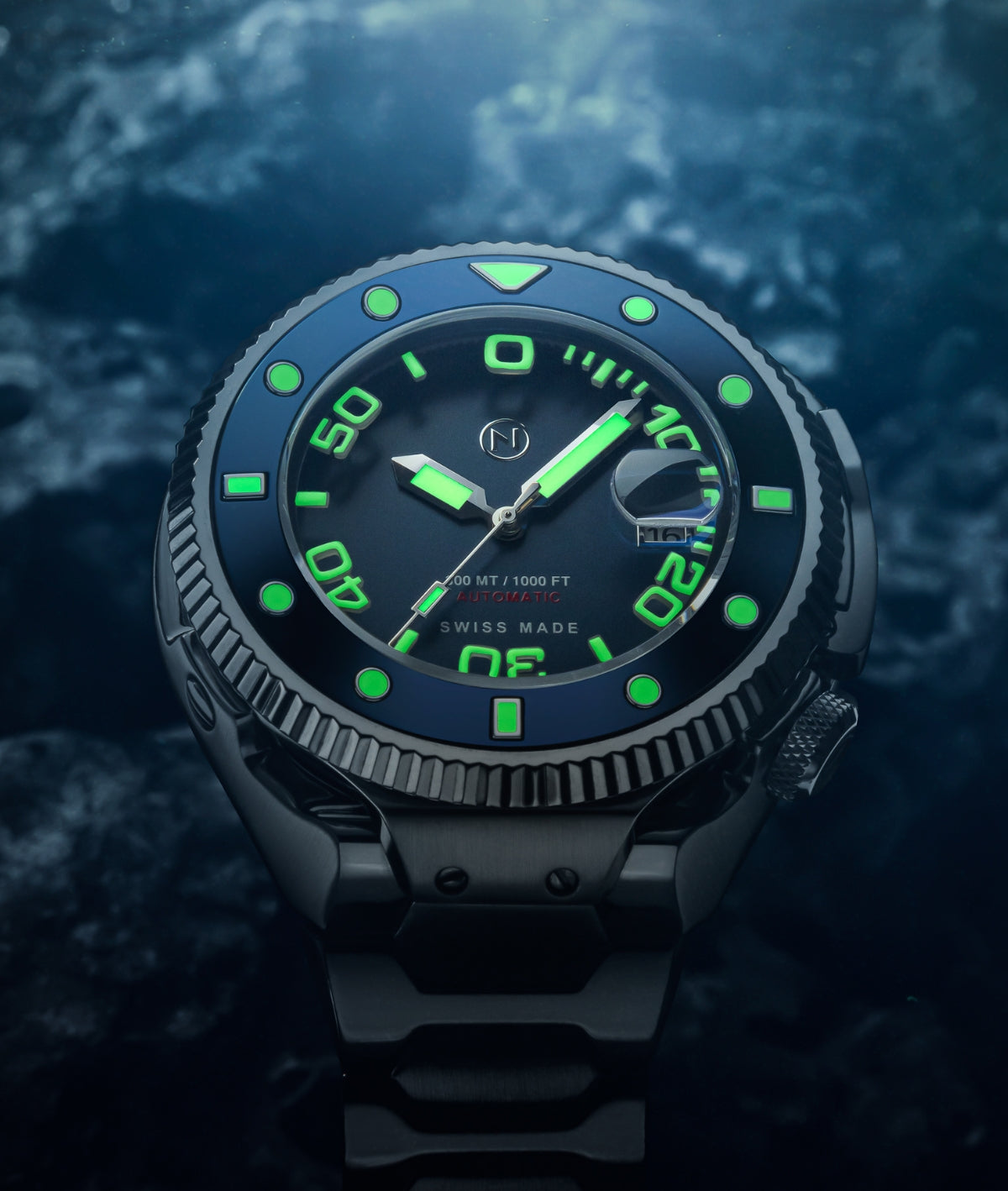
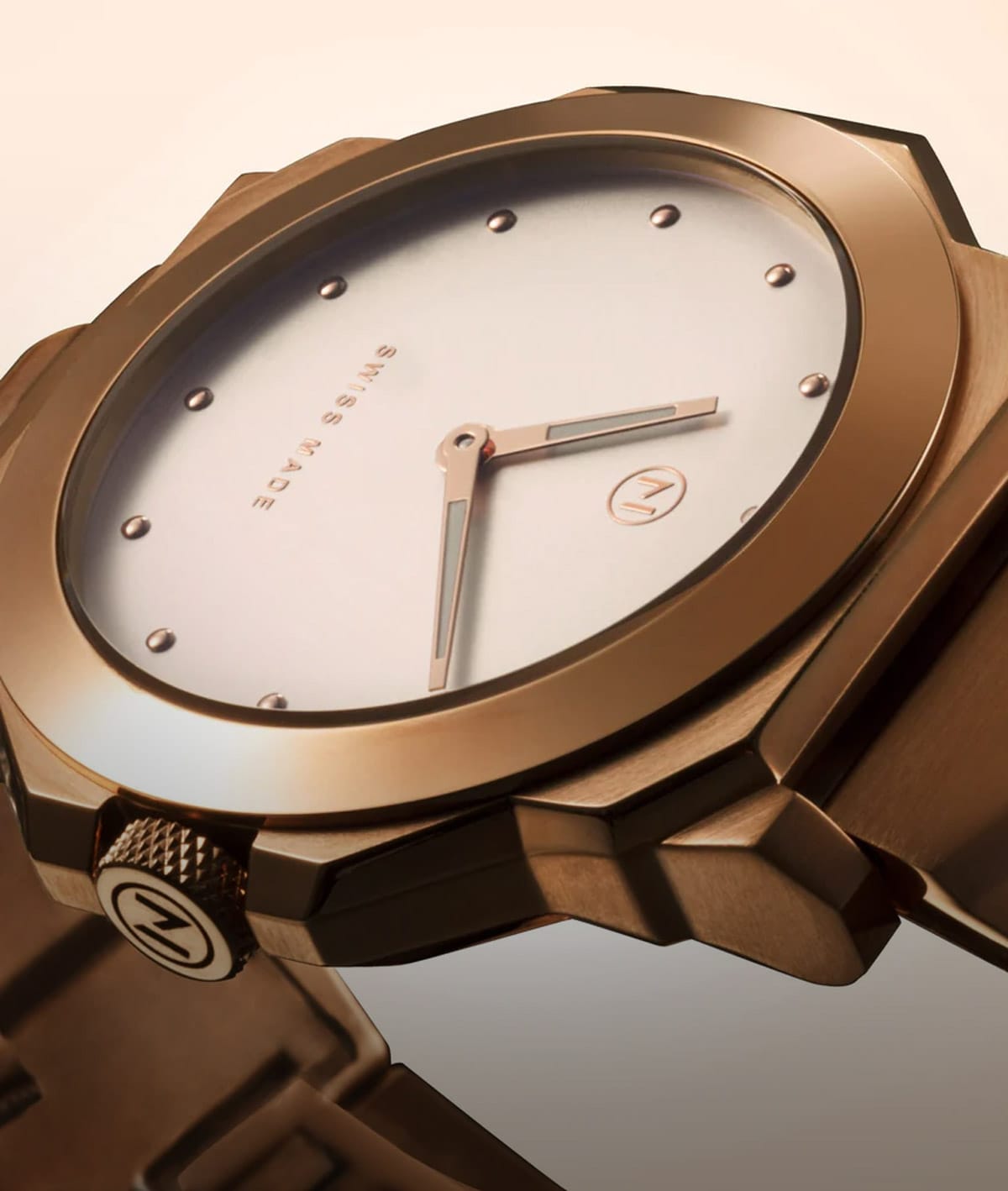
A watch can be technically exceptional and still feel wrong the moment it meets the wrist. So, what size watch should men wear? The answer is not one number. It is the balance between case diameter, thickness, lug-to-lug length, wrist shape, and the presence you want the watch to command.
A properly sized timepiece does more than sit comfortably. It brings proportion to a tailored cuff, gives a casual look definition, and turns Swiss engineering into a natural part of your personal style. The right fit should feel intentional: substantial enough to make an impression, refined enough to belong there.
What Size Watch Should Men Wear for Their Wrist?
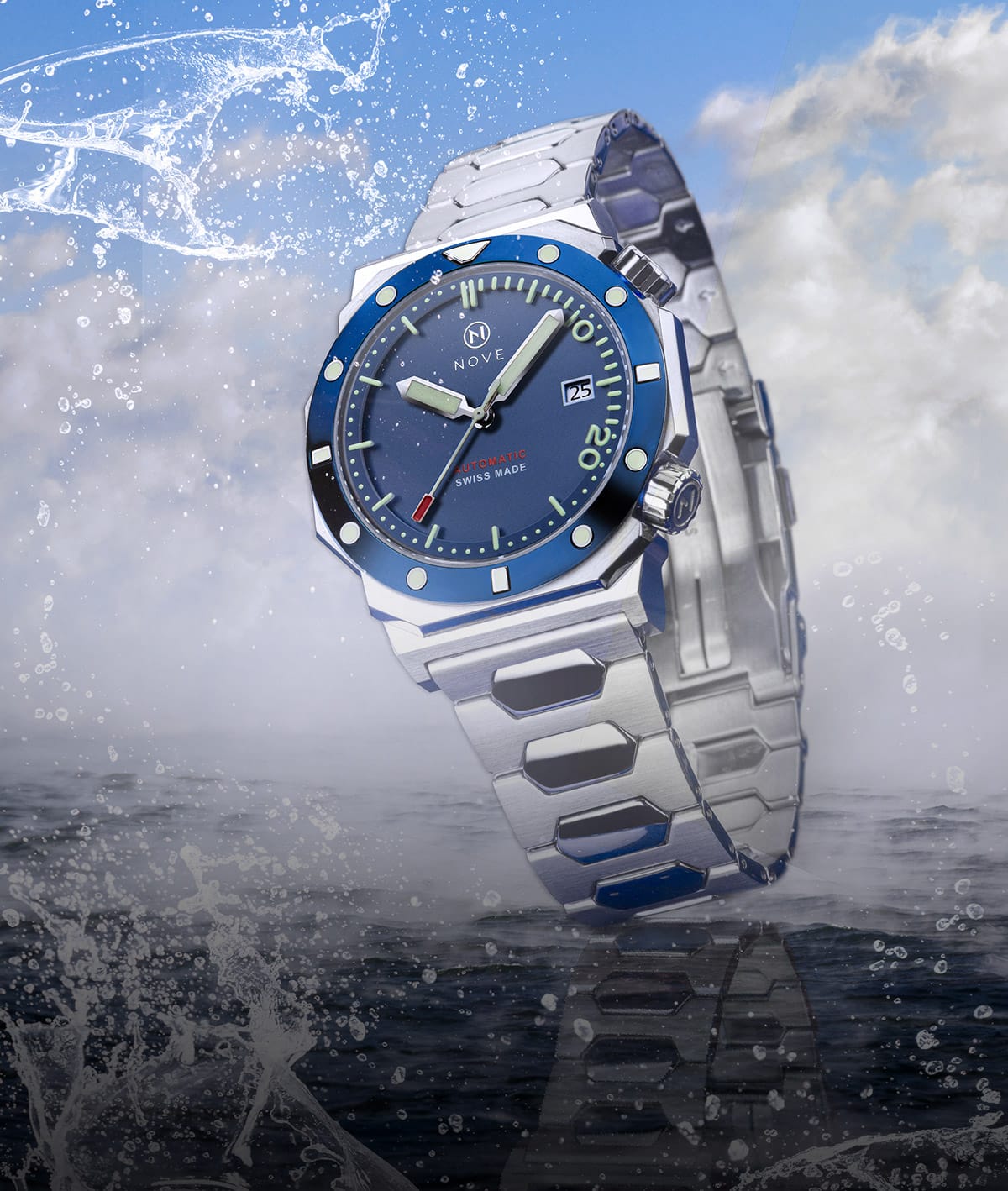
Most men's watches fall between 38mm and 46mm in case diameter. That range is broad because wrists, wardrobes, and watch designs are broad. A slim 40mm dress watch and a 40mm dive watch rarely wear the same way. The dive watch may have a rotating bezel, protective crown guards, and a deeper case, giving it much greater visual weight.
As a useful starting point, men with wrists under 6.5 inches often find 38mm to 40mm cases especially balanced. Wrists between 6.5 and 7.5 inches can comfortably wear 40mm to 42mm, while wrists above 7.5 inches may prefer 42mm to 46mm. These are guides, not rules carved into stone.
Wrist circumference matters, but wrist shape matters too. A broad, flat wrist can carry a larger case gracefully. A rounder wrist of the same circumference may make the same watch appear bigger because the lugs curve more sharply around the arm. This is why trying on a watch, or at least comparing its full dimensions to one you already wear, is more valuable than choosing by diameter alone.
Case Diameter Sets the First Impression
Case diameter is the measurement across the watch face, usually excluding the crown. It is the number most brands present first, and for good reason: it gives an immediate sense of the watch's intended character.
A 38mm to 40mm watch tends to feel classic, versatile, and quietly confident. This size works beautifully with formal attire, close-fitting sleeves, and collectors who appreciate a vintage-inspired proportion. It can also be a strong choice for anyone who wants the watch to reveal its details only on closer inspection.
At 41mm to 42mm, a watch gains a bolder, modern profile without becoming excessive for most wrists. This is a compelling all-purpose range for sport watches, chronographs, and everyday Swiss timepieces. It offers enough dial space for strong markers, texture, and complication detail while remaining wearable from a morning meeting to a late dinner.
Cases from 43mm to 46mm are statement territory. They suit large wrists, adventurous styling, and watches designed with a true tool-watch spirit. A larger dive watch can be immensely satisfying when its proportions are controlled: a purposeful bezel, a sculpted case, and a bracelet or strap that anchors its weight. But a large diameter is not automatically more luxurious. Oversizing can conceal good design rather than amplify it.
Lug-to-Lug Is the Measurement That Decides Fit
If there is one specification that deserves more attention, it is lug-to-lug length. This measures the distance from the tip of one lug to the tip of the opposite lug. The lugs are the extensions that hold the strap or bracelet, and they determine how far the watch spans across your wrist.
Ideally, the lugs should not extend beyond the edges of your wrist when viewed from above. When they do, the watch can look like it is perched on the arm rather than integrated with it. It may also feel less secure, particularly on a leather or rubber strap.
For many men, a lug-to-lug measurement of 46mm to 50mm is an easy everyday fit. A compact 40mm case with a 48mm lug-to-lug can wear larger than a 42mm case with short, sharply curved lugs. This is one of the reasons two watches with the same stated diameter can create entirely different impressions.
Curved lugs add another layer of nuance. A watch with downward-curving lugs often hugs the wrist and wears smaller than its measurements suggest. Straight, extended lugs create a more architectural stance and can make a watch feel larger. Neither approach is better. The choice is about the silhouette that matches your wrist and style.
Thickness Determines Comfort and Presence
A case's thickness changes both the feel of the watch and how easily it works with clothing. Slim watches, often around 8mm to 11mm thick, slide neatly beneath a shirt cuff and lend themselves to formal settings. Their elegance comes from restraint.
Sport watches and dive watches often sit around 12mm to 15mm or more. That additional height may house greater water resistance, a rotating bezel, a strong crystal, or an automatic movement. The result is a more tactile, performance-led presence. For a watch built to accompany travel, water, and daily movement, a little depth can feel exactly right.
The trade-off is simple: a thick case can dominate a narrow wrist or catch beneath fitted cuffs. Yet a very thin watch can feel visually slight next to broad shoulders, heavier fabrics, or an assertive wardrobe. Match thickness to the role you expect the watch to play, not just the number on a specification sheet.
Dial Design Can Make a Watch Wear Larger or Smaller
The same diameter can look dramatically different depending on its dial and bezel. A wide dial opening with a thin bezel makes the watch appear larger. A thick dive bezel reduces the visible dial and can make a substantial case feel more contained.
Dark dials usually recede slightly, while white, silver, and highly reflective dials often appear more expansive. Large numerals, oversized hands, high-contrast markers, and busy chronograph subdials all increase visual presence. Minimalist dials with restrained markers create a cleaner, more compact effect.
This is where design becomes more than decoration. A watch should have a point of view. Bold cases, layered dials, and unexpected materials are meant to be seen, but they still need proportion. NOVE approaches this balance through sculptural, ocean-inspired designs that deliver a strong wrist presence without losing the refinement expected of Swiss-made craftsmanship.
Choose the Size for the Watch's Purpose
A watch does not have to do everything. In fact, building a small rotation around different proportions can make each piece more compelling.
For formal wear, a 38mm to 40mm watch with a slim case is often the most elegant option. It keeps the emphasis on clean lines and allows tailoring to retain its shape. For daily wear, 40mm to 42mm offers versatility across business, travel, and weekends. It is substantial but rarely distracting.
For diving, outdoor use, or a more assertive personal style, 42mm to 45mm is often a natural range. Water-ready construction, luminous details, and a rotating bezel benefit from visual space. If the watch is engineered as an instrument, a slightly larger profile can reinforce that sense of purpose.
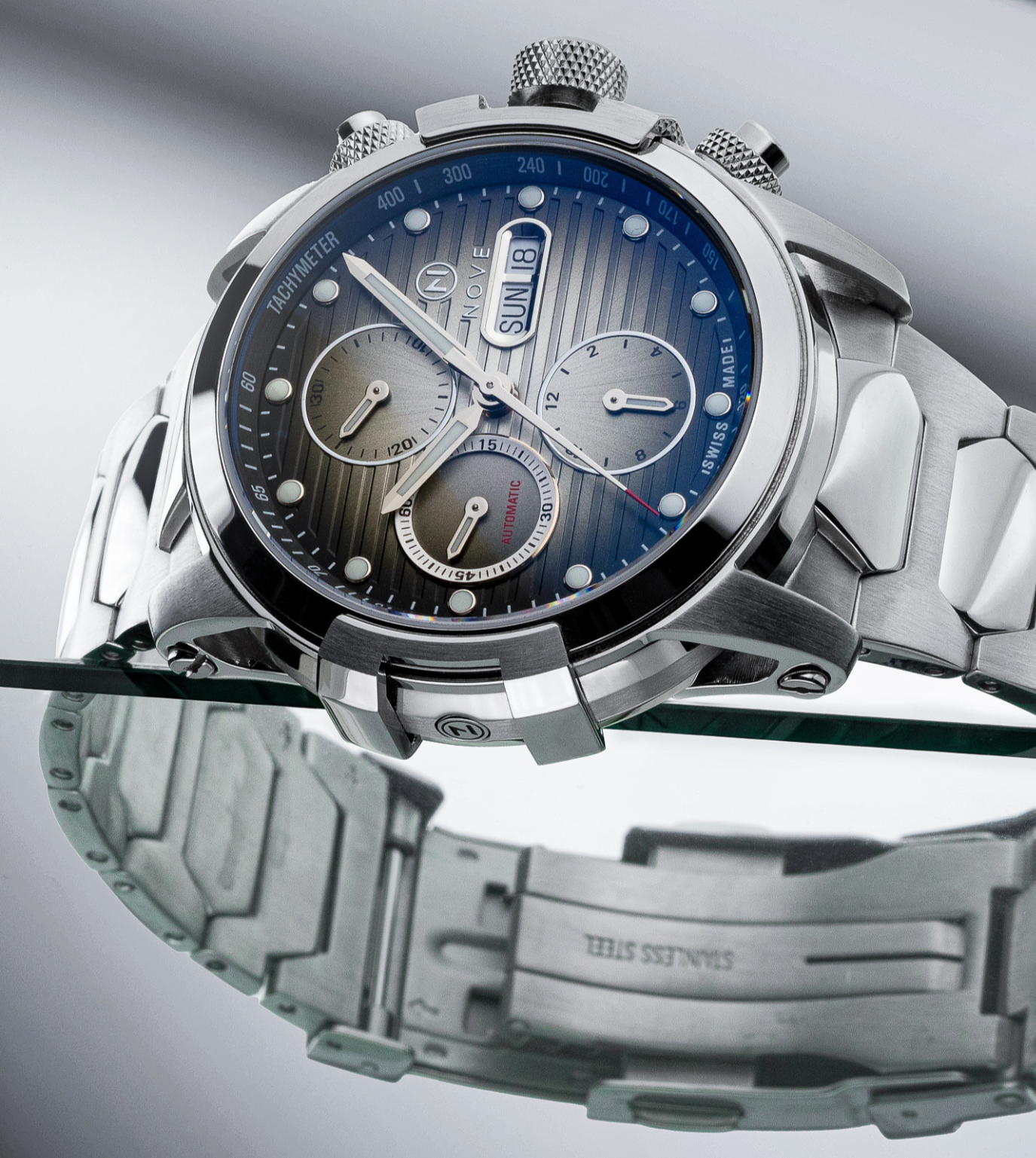
Chronographs deserve special consideration. Their extra subdials and pushers make them visually busier, so a 40mm or 41mm chronograph can feel more prominent than a simple three-hand watch at 42mm. Consider the complete composition, not only the case measurement.
How to Check Your Fit Before You Buy
Measure your wrist with a flexible tape measure or a strip of paper marked against a ruler. Then compare the circumference with the watch's diameter, lug-to-lug length, and thickness. If you already own a watch that feels right, use it as your benchmark rather than relying only on generalized sizing charts.
When you put on a watch, look at it from several angles. From above, the lugs should remain within your wrist's edges. From the side, the case should sit securely rather than toppling toward the outer arm. Then check it in a mirror from a normal standing distance. Watches are often judged too closely from the wearer's own viewpoint, where every millimeter feels exaggerated.
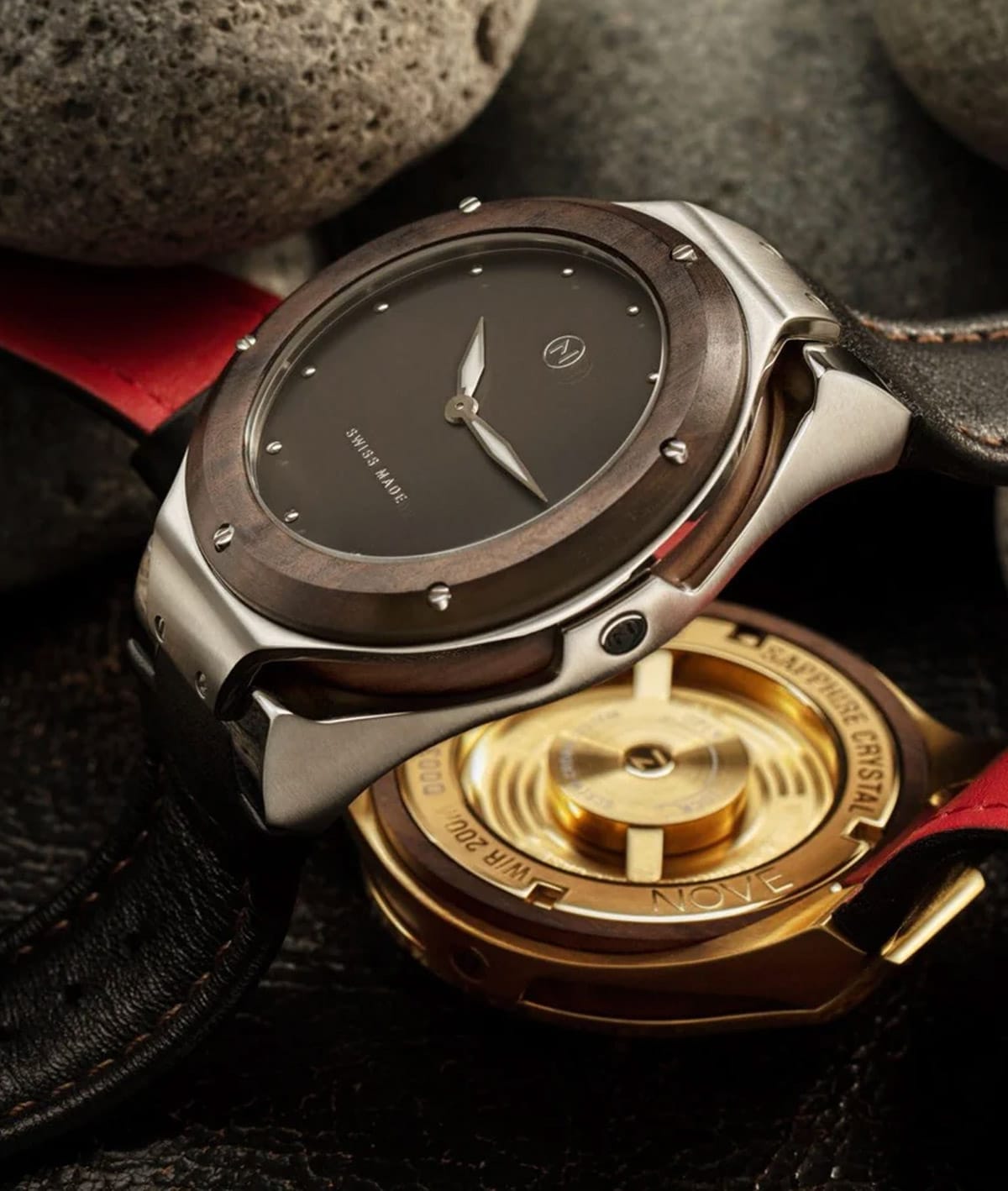
Pay attention to the bracelet or strap as well. A tapered bracelet can make a larger case feel more refined, while a thick rubber strap can add sporting volume. Leather straps tend to soften the overall profile, and integrated bracelets create a more continuous, architectural look. The watch is a complete object, not simply a circle measured in millimeters.
The best-sized watch is the one you reach for without hesitation. It should feel secure during movement, comfortable through a full day, and unmistakably yours when light catches the dial. Let the measurements guide you, then let proportion, purpose, and personal conviction make the final call.