
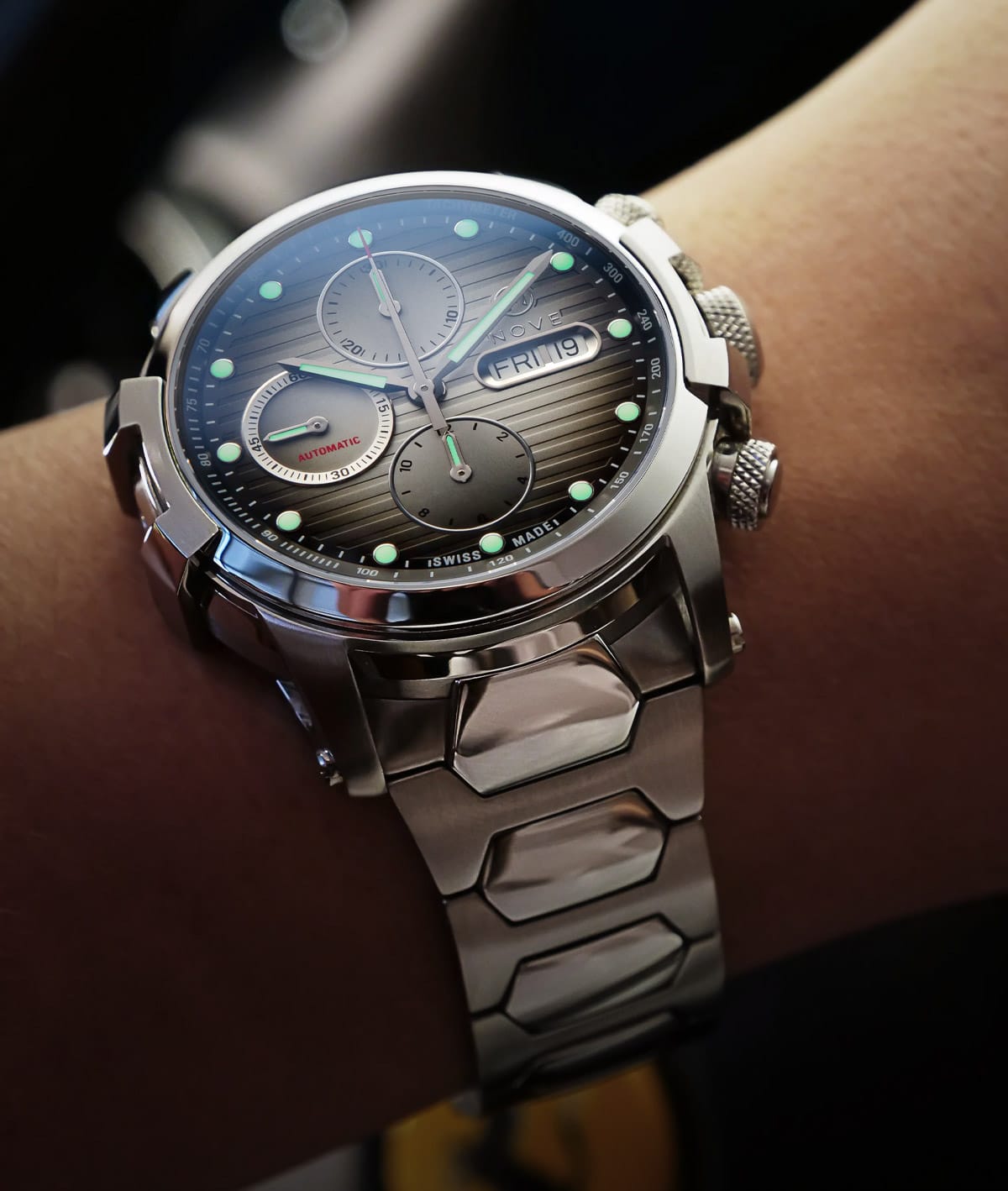
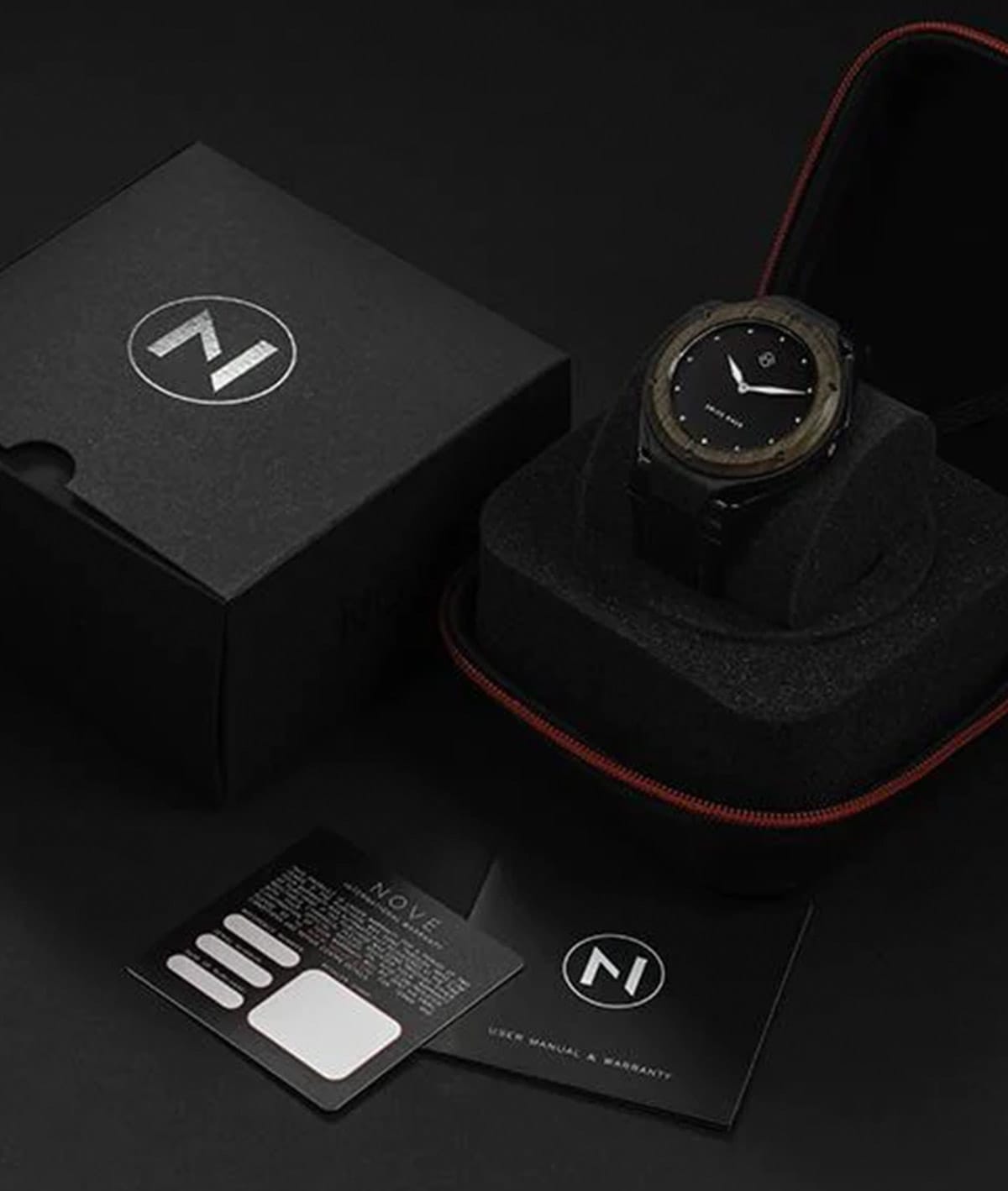
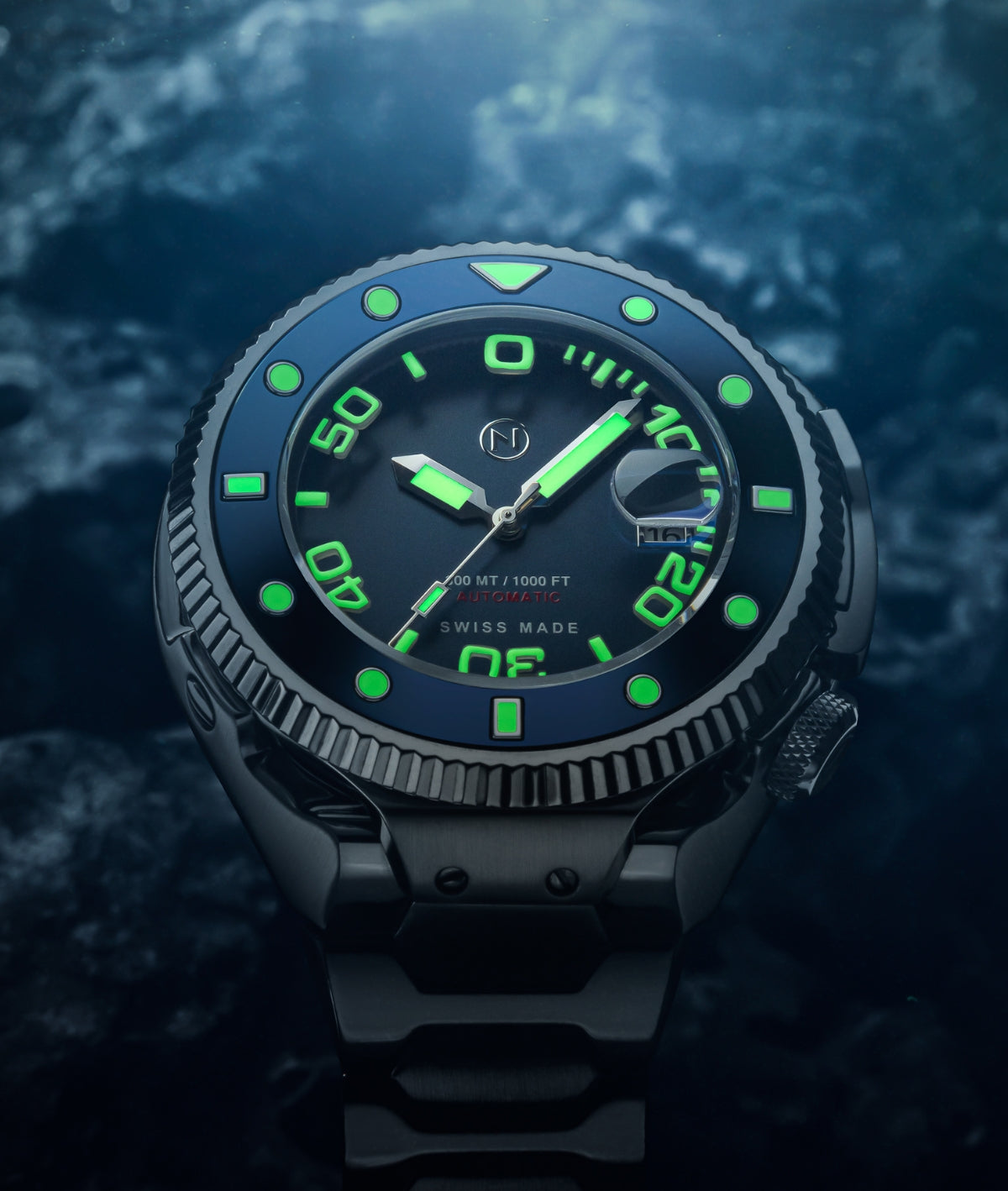
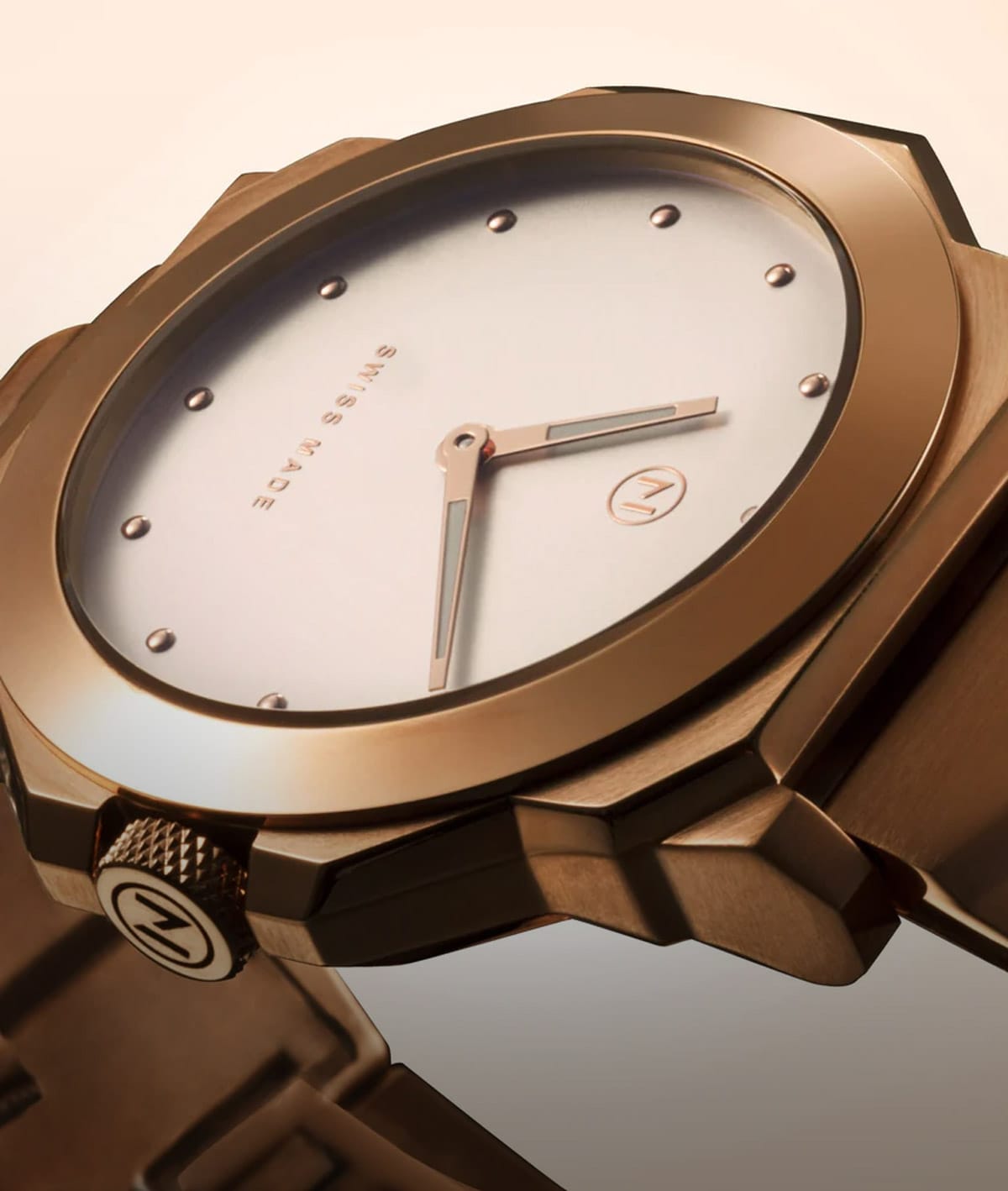
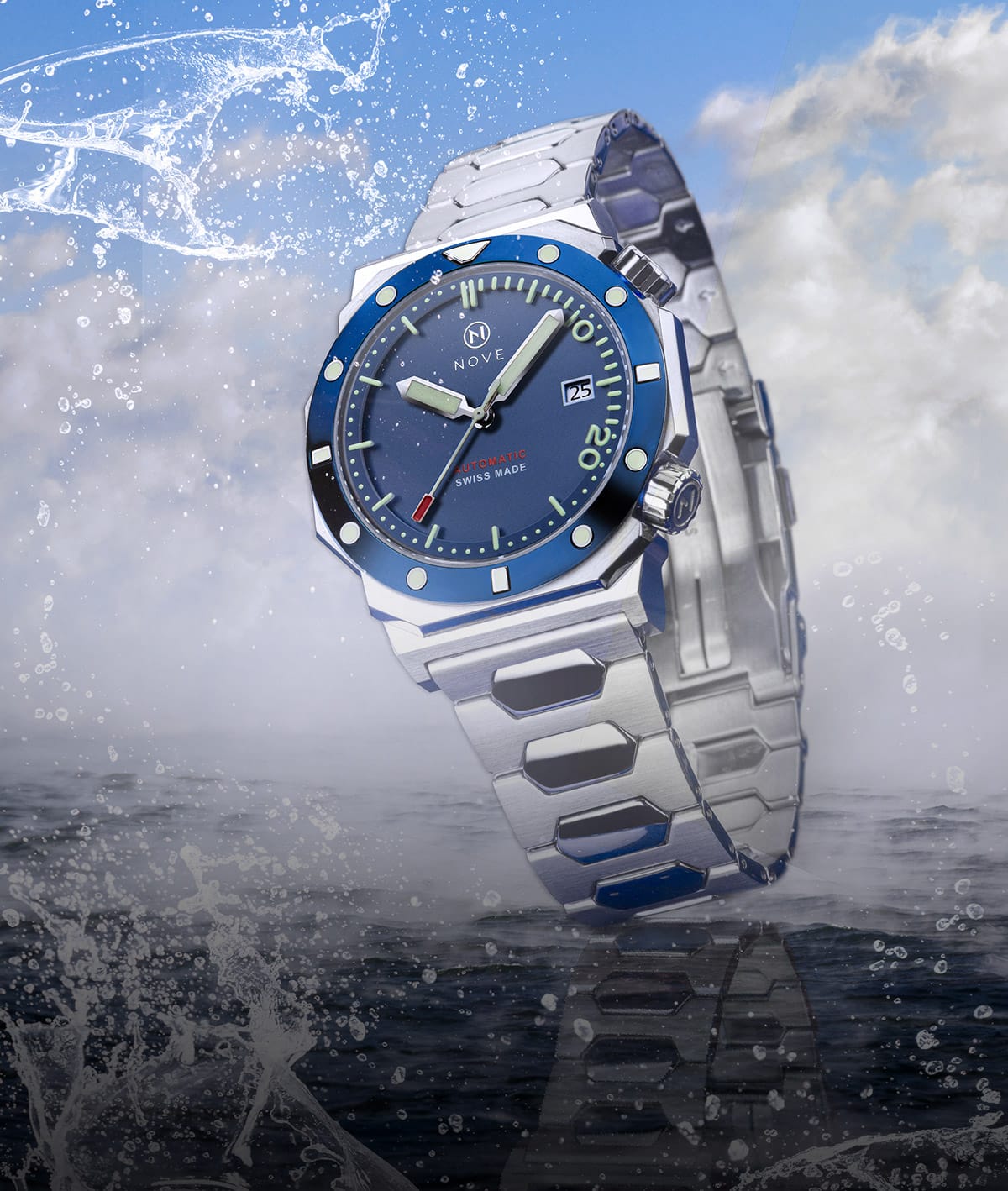
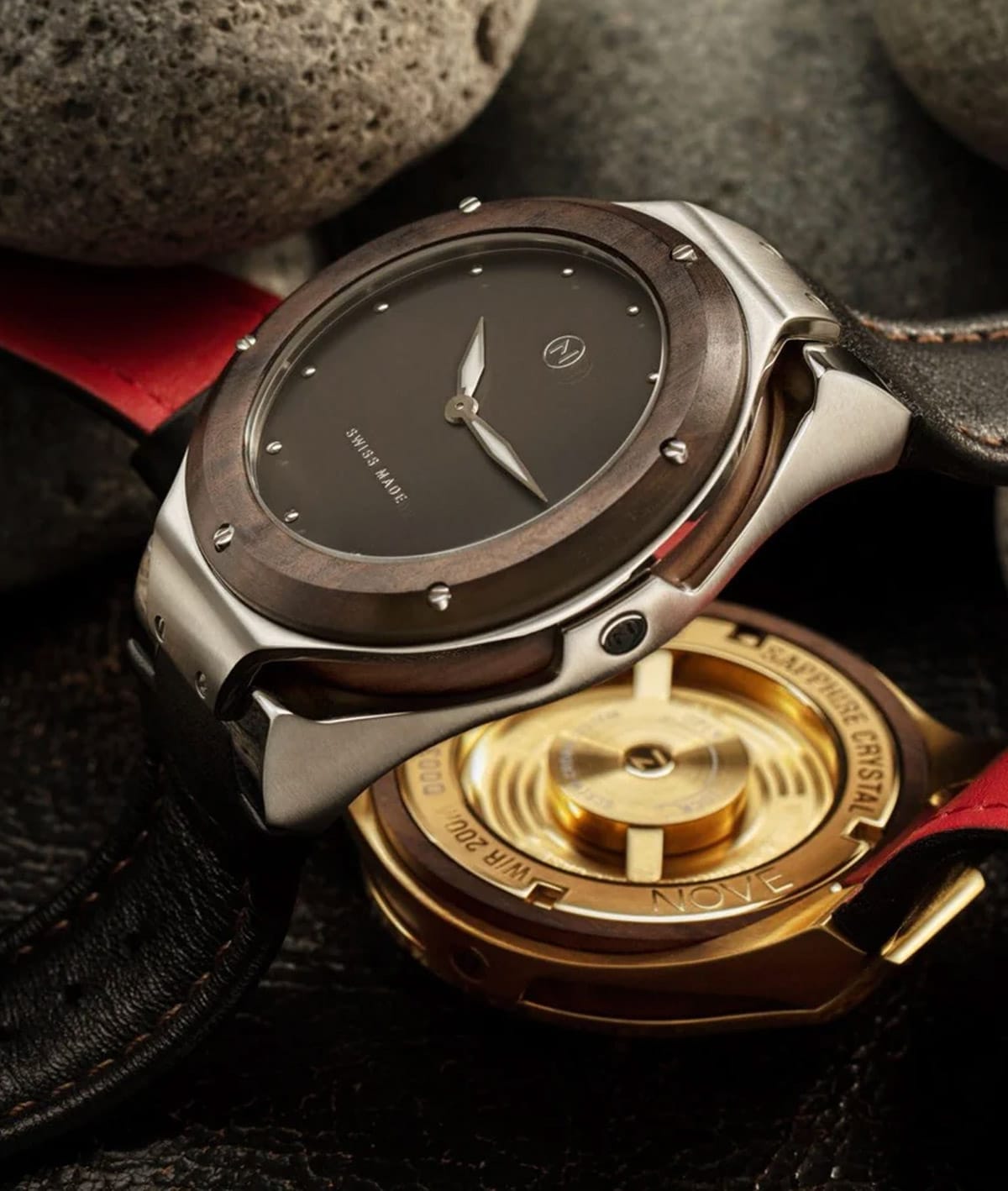
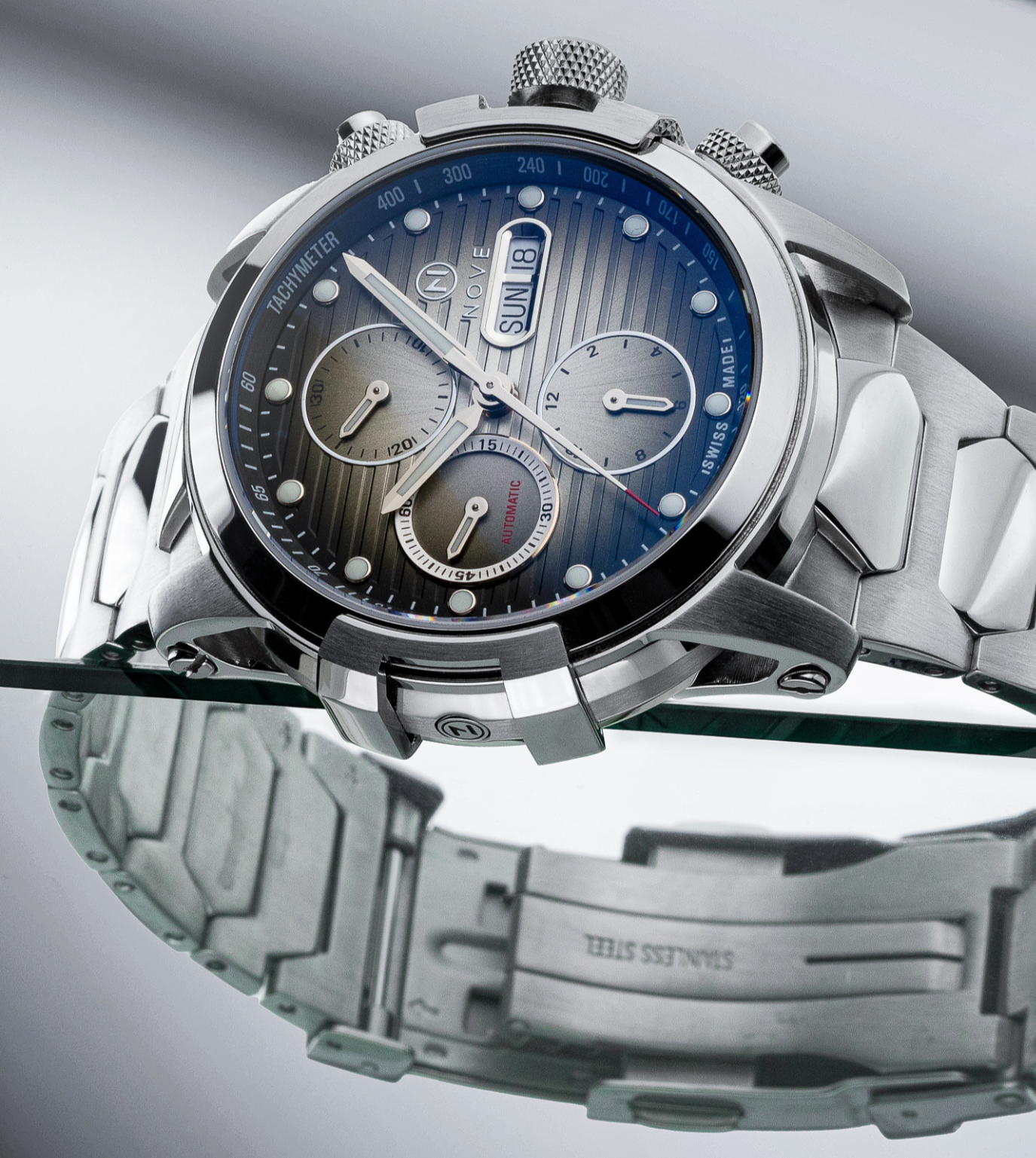
A watch can look exceptional in a product photo and still tell you very little about what went into it. That is why the question of swiss made vs non swiss made matters. It is not just a stamp on the dial. It is a signal about standards, sourcing, assembly, regulation, and the philosophy behind how a timepiece is built.
For buyers who care about design and substance in equal measure, that distinction deserves a closer look. A bold case, a sculpted bezel, or a beautifully finished bracelet may draw you in first. But the origin behind the watch often shapes how it performs, how it feels in hand, and how confidently you wear it over time.
Swiss Made vs Non Swiss Made: What the Label Actually Means
"Swiss Made" is not casual marketing language. It is a protected designation with legal criteria. In simple terms, a Swiss-made watch must use a Swiss movement, have that movement cased up in Switzerland, be inspected in Switzerland, and meet specific thresholds for Swiss manufacturing value.
That matters because the label is tied to process, not just image. It points to a production ecosystem known for movement engineering, tight tolerances, specialist suppliers, and generations of watchmaking discipline. When a brand uses the designation correctly, it is making a claim that can be defined and tested.
A non-Swiss-made watch, by contrast, can mean many different things. It may be made in Japan, Germany, Hong Kong, China, or elsewhere. It may use excellent components or very basic ones. It may be assembled carefully or produced at pure volume. The category is broad, which is exactly why it should not be treated as a single standard.
Why Swiss Made Still Carries Weight
Swiss watchmaking has earned its status because it consistently blends mechanical expertise with refined execution. The appeal is not only heritage. It is the ability to deliver precision, durability, finishing, and long-term credibility in one object.
That credibility becomes visible in details buyers can actually experience. The action of a crown, the crisp alignment of hands and markers, the consistency of lume application, and the solidity of the case construction all contribute to the impression of mastery. On a stronger Swiss-made watch, these details tend to feel deliberate rather than approximate.
There is also the matter of trust. A premium watch is not an impulse buy in the same way a fashion accessory is. It is often a statement piece, a gift, or a personal marker of taste. Swiss manufacturing gives many buyers confidence that the watch was built within a respected framework, not simply styled to resemble luxury.
Where Non Swiss Made Watches Can Compete
The comparison gets more interesting once you move past stereotypes. Non-Swiss-made does not automatically mean inferior. Some Japanese watches, for example, are admired for remarkable reliability, technical innovation, and disciplined quality control. German watchmaking has its own reputation for engineering rigor and clean design language. Even watches produced in more cost-driven manufacturing hubs can offer strong value when a brand maintains strict oversight.
The trade-off is consistency across the category. With Swiss-made watches, the designation itself creates a baseline expectation. With non-Swiss-made watches, you often need to research the brand more carefully because the label alone tells you less.
This is where experienced buyers become more selective. They look beyond the country name and ask sharper questions. What movement is inside? Who regulates it? How is the case finished? Is the bracelet engineered well or stamped out to hit a price point? A non-Swiss-made watch can absolutely impress, but it usually has to earn trust model by model rather than leaning on a universally recognized standard.
Swiss Made vs Non Swiss Made in Quality
When people compare swiss made vs non swiss made in terms of quality, they are often really comparing consistency, finishing, and movement credibility.
Swiss-made watches tend to perform well in all three. The movement supply chain is mature. Assembly standards are often stricter. Finishing tends to receive more attention, even at accessible luxury price points. That does not mean every Swiss-made watch is extraordinary, but it does mean the category has a reputation for dependable refinement.
Non-Swiss-made watches can offer excellent quality too, especially from brands with serious manufacturing discipline. The difference is that quality may be concentrated in certain strengths. One watch may have a superb movement but simpler finishing. Another may look striking but feel less resolved at the edges. Another may be highly durable but less elegant in execution.
So the honest answer is not that one side is always better. It is that Swiss-made generally offers a more complete luxury proposition, while non-Swiss-made often ranges from outstanding value to purely cosmetic appeal.
The Price Question
Swiss-made almost always costs more, and not only because of branding. Labor, production standards, supplier expertise, and inspection all influence price. If a watch is designed, assembled, and quality-checked in Switzerland, there is real cost behind that process.
For many buyers, that premium is justified because the watch delivers more than surface-level polish. It offers a stronger sense of permanence. It feels closer to an instrument, closer to a crafted object, and less like a rotating trend purchase.
At the same time, price should be viewed through the lens of value, not status alone. A very cheap watch labeled as fashion-forward may satisfy for a season. A better-made Swiss watch often rewards ownership over years. It can hold aesthetic relevance longer, wear more comfortably, and inspire more confidence every time it is fastened to the wrist.
That is part of why accessible luxury has become such a compelling segment. Brands like NOVE bring Swiss craftsmanship into reach without draining the design energy out of the product. That combination matters to buyers who want engineering and visual impact, not just heritage talking points.
Design Is Part of the Decision
One mistake buyers make is treating origin as the only thing worth discussing. Country of manufacture matters, but so does what the watch says visually. A watch is one of the few objects that must perform mechanically while also expressing identity.
Swiss-made watches often win when they pair technical credibility with bold design language. That is where the category becomes especially powerful. You are not choosing between artistry and precision. You are choosing an object that can deliver both.
Non-Swiss-made watches can be design-led as well, sometimes dramatically so. But there is a difference between design used as decoration and design backed by serious build quality. The most compelling watches feel coherent. The shape of the case, the depth of the dial, the architecture of the lugs, and the tactile quality of the bracelet should all support the same message.
If you are buying a statement watch, that coherence matters more than ever. A watch should feel intentional from every angle, not impressive only from a distance.
Who Should Choose Swiss Made
If you want a watch with recognized manufacturing credibility, elevated finishing, and long-term ownership appeal, Swiss-made is usually the stronger choice. It is particularly well suited to buyers purchasing a milestone watch, a meaningful gift, or a signature piece for daily wear.
It also makes sense for enthusiasts who appreciate movement heritage and construction standards, even if they are not shopping at the highest end of the market. You do not need to spend into rarefied luxury to care about how a watch is built.
If your priority is maximizing features at the lowest possible price, a non-Swiss-made watch may offer more immediate value. If your priority is refinement, confidence, and a stronger blend of engineering and prestige, Swiss-made tends to justify its premium.
What to Look for Beyond the Label
Even with a Swiss-made watch, the smartest buyers look deeper. Case materials, water resistance, movement type, crystal, lume quality, and warranty all matter. A true premium experience is never created by one line of text on the dial.
And with non-Swiss-made watches, this deeper evaluation is essential. The best purchases happen when you judge the whole object. How well is it finished? Does the movement choice fit the purpose of the watch? Does the brand communicate craftsmanship clearly, or only style? Is the after-sales support strong enough to match the price?
That is the real sophistication in watch buying. Not chasing labels blindly, but understanding what those labels do and do not guarantee.
A remarkable watch should do more than keep time. It should carry presence, precision, and a sense of intention every time it catches the light. If Swiss-made delivers that for you, the premium is not excess. It is part of the masterpiece.