
A watch can look exceptional in a display case and still fail the real test - life on the wrist. The appeal of durable Swiss made watches is not just prestige. It is the confidence that the case, movement, crystal, and bracelet are built to keep pace with travel, work, water, impact, and daily wear without losing their refinement.
For buyers who want more than a logo, durability is where Swiss watchmaking proves its value. It is easy to be distracted by dial color, case shape, or a polished marketing story. The better question is simpler: what will this watch feel like after a year of constant wear, and will it still look and perform like a piece worth owning?
What makes durable Swiss made watches different
Durability in watchmaking is never one feature. It is a system. The strongest Swiss-made pieces pair precision engineering with disciplined material choices, careful assembly, and finishing that serves a purpose beyond appearance.
That matters because every part of a watch takes stress in a different way. The crystal resists scratches and pressure. The case absorbs knocks. Gaskets defend against moisture. The movement manages shock, magnetism, and the slow friction of years in motion. When those parts are designed to work together, the result is a watch that feels substantial rather than fragile.
Swiss manufacturing has earned its reputation by treating durability as part of craftsmanship, not separate from it. A well-made Swiss watch does not need to look overbuilt or bulky to be dependable. In many cases, the sophistication lies in how much strength is engineered into a case profile that still feels sleek and elevated.
Materials matter more than marketing
The quickest way to judge whether a watch is built to last is to look past the headline and study the materials. This is where real quality reveals itself.
316L stainless steel and case construction
Most premium Swiss watches rely on 316L stainless steel for good reason. It offers strong corrosion resistance, holds finishing well, and stands up to everyday wear better than cheaper alloys. For a buyer, that means the watch is less likely to develop the tired, thin feel common in low-cost cases.
But steel alone is not enough. Case geometry affects durability too. A watch with well-integrated lugs, a secure crown system, and thoughtful case thickness will generally age better than one built around style alone. Sharp architecture can still be highly wearable if the engineering underneath is serious.
Sapphire crystal is non-negotiable
If a watch is positioned as premium, sapphire crystal should be expected. Mineral glass may be less expensive, but it scratches far more easily. Acrylic has charm in vintage contexts, yet it is not the material most buyers want for modern daily use.
Sapphire preserves clarity. It protects the visual impact of the dial. More importantly, it allows a watch to retain its sense of luxury after months of desk contact, travel, and accidental bumps. A scratched crystal makes even an expensive watch look compromised.
Bracelets, straps, and clasps
Many watches fail the durability test at the point of contact. A weak clasp, cheap spring bars, or a stiff low-grade strap can undermine an otherwise well-made case. This is why the bracelet and closure deserve real attention.
A solid bracelet with precise links and a secure clasp feels different immediately. Rubber straps should be supple, dense, and engineered for long wear rather than treated as an afterthought. Leather can be elegant, but it is naturally less suited to water, heat, and hard use than steel or high-quality rubber. The right choice depends on how the watch will actually be worn.
Movement durability is not the same as movement type
Watch buyers often ask whether automatic, quartz, or chronograph models are the most durable. The truth is less absolute. Durability depends more on build quality and intended use than on category alone.
Automatic movements
A Swiss automatic movement brings mechanical character and a sense of living craftsmanship. It is a compelling choice for collectors and for anyone who values the art of engineering on the wrist. That said, automatic watches contain more moving parts, so they benefit from proper servicing and sensible handling.
A well-made automatic can last for decades, but it asks for a little respect in return. If you want mechanical depth and enduring prestige, it is a strong choice.
Swiss quartz movements
Quartz is often underestimated by buyers who confuse simplicity with inferiority. In reality, a Swiss quartz movement can be an excellent option for durability, accuracy, and low-maintenance ownership. For travel, everyday wear, or a grab-and-go watch, quartz is practical in the best sense of the word.
It is especially appealing for buyers who want Swiss precision without the ritual of winding or resetting. The trade-off is emotional rather than functional. Quartz offers less mechanical romance, but often more convenience.
Chronographs and added complexity
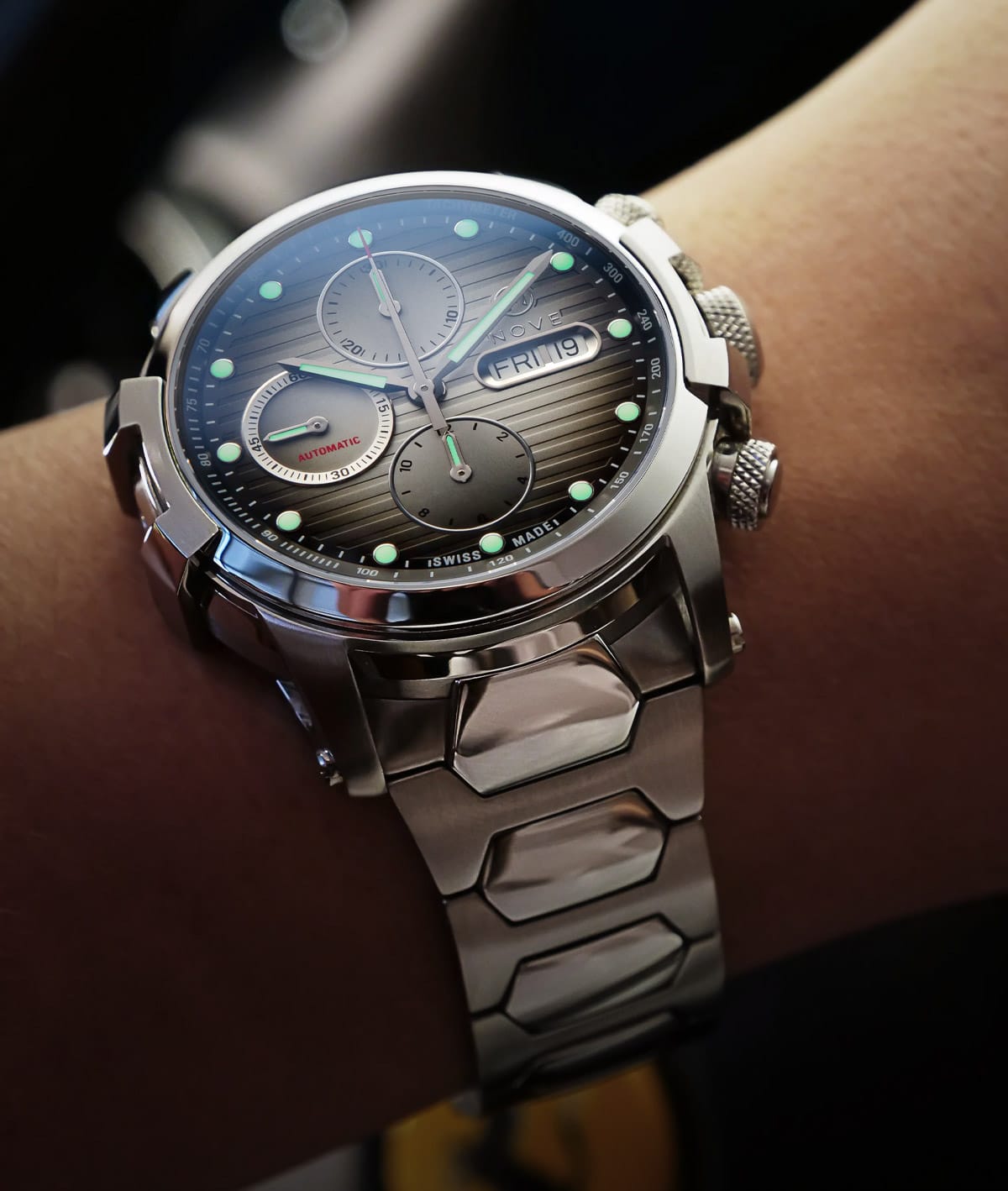
A chronograph introduces more components and more engineering nuance. Done well, it can be both durable and highly usable. Done poorly, it becomes complexity for its own sake.
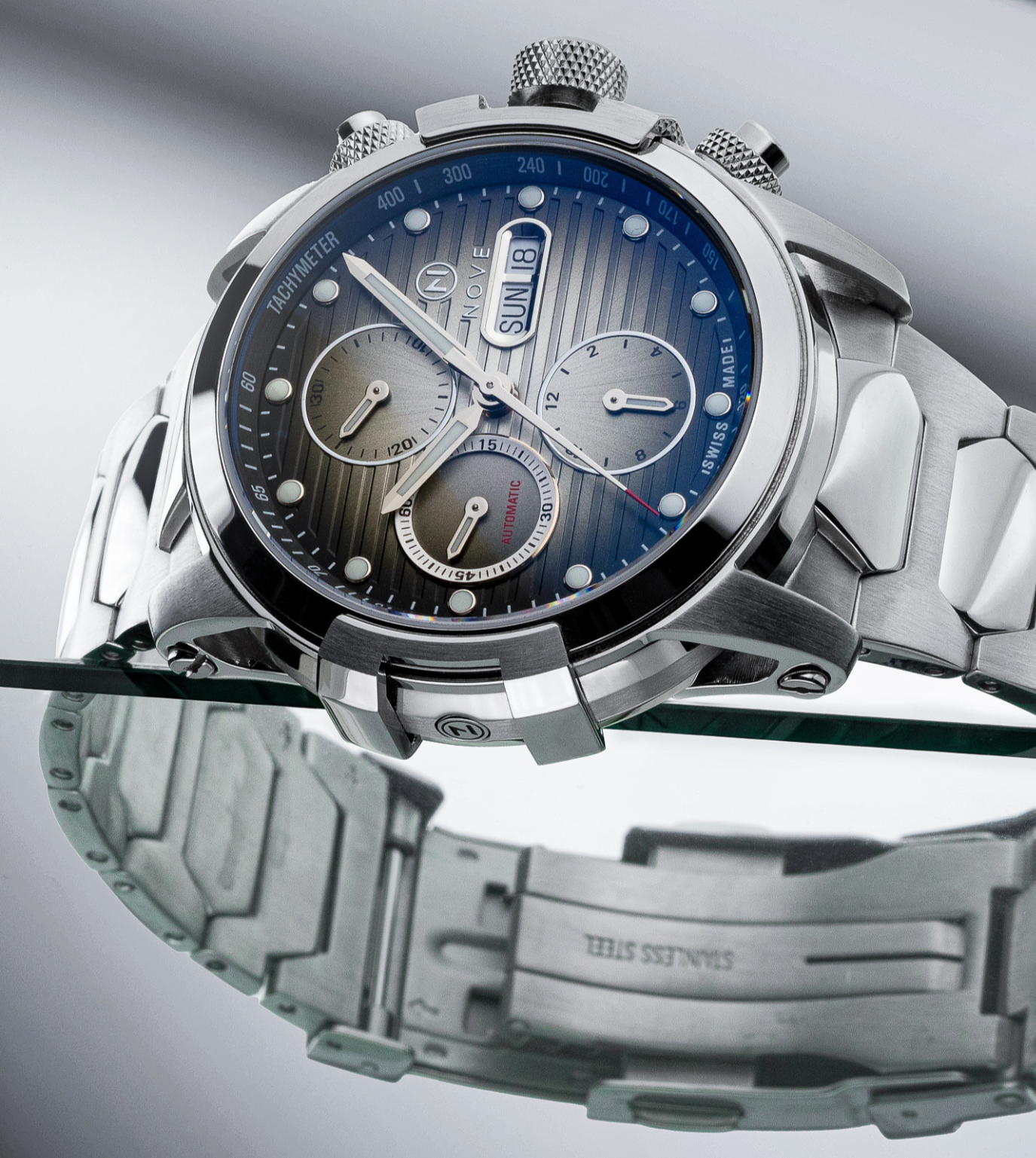
For buyers considering a Swiss chronograph, the key is execution. Pushers should feel crisp, the case should remain balanced, and the added function should complement the watch rather than crowd it. A chronograph can absolutely be an everyday piece, but it should still feel composed under pressure.
Water resistance separates style from substance
One of the clearest signals of a serious watch is honest water resistance. This does not mean every buyer needs a professional dive watch. It means the rating should match the promise.
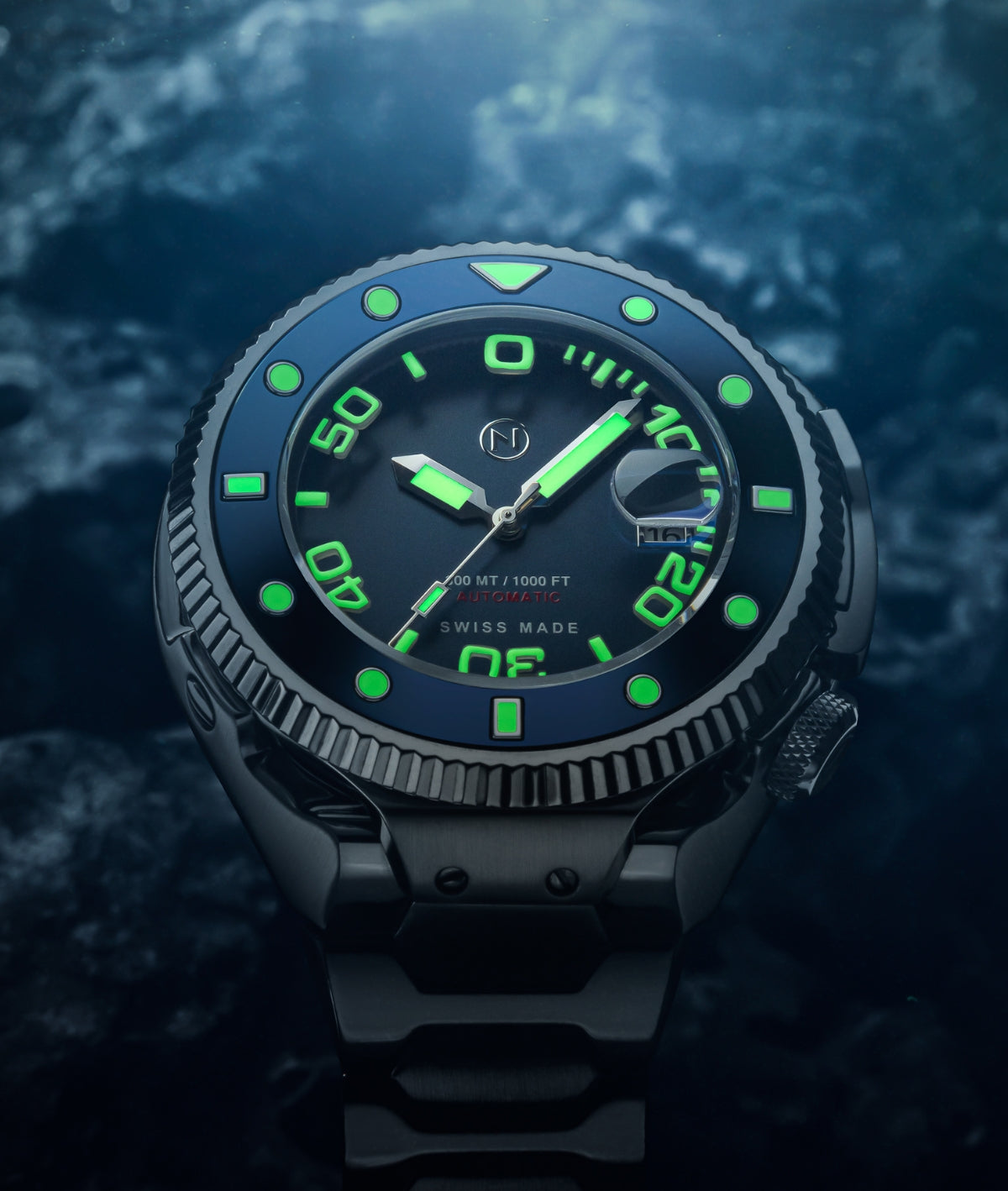
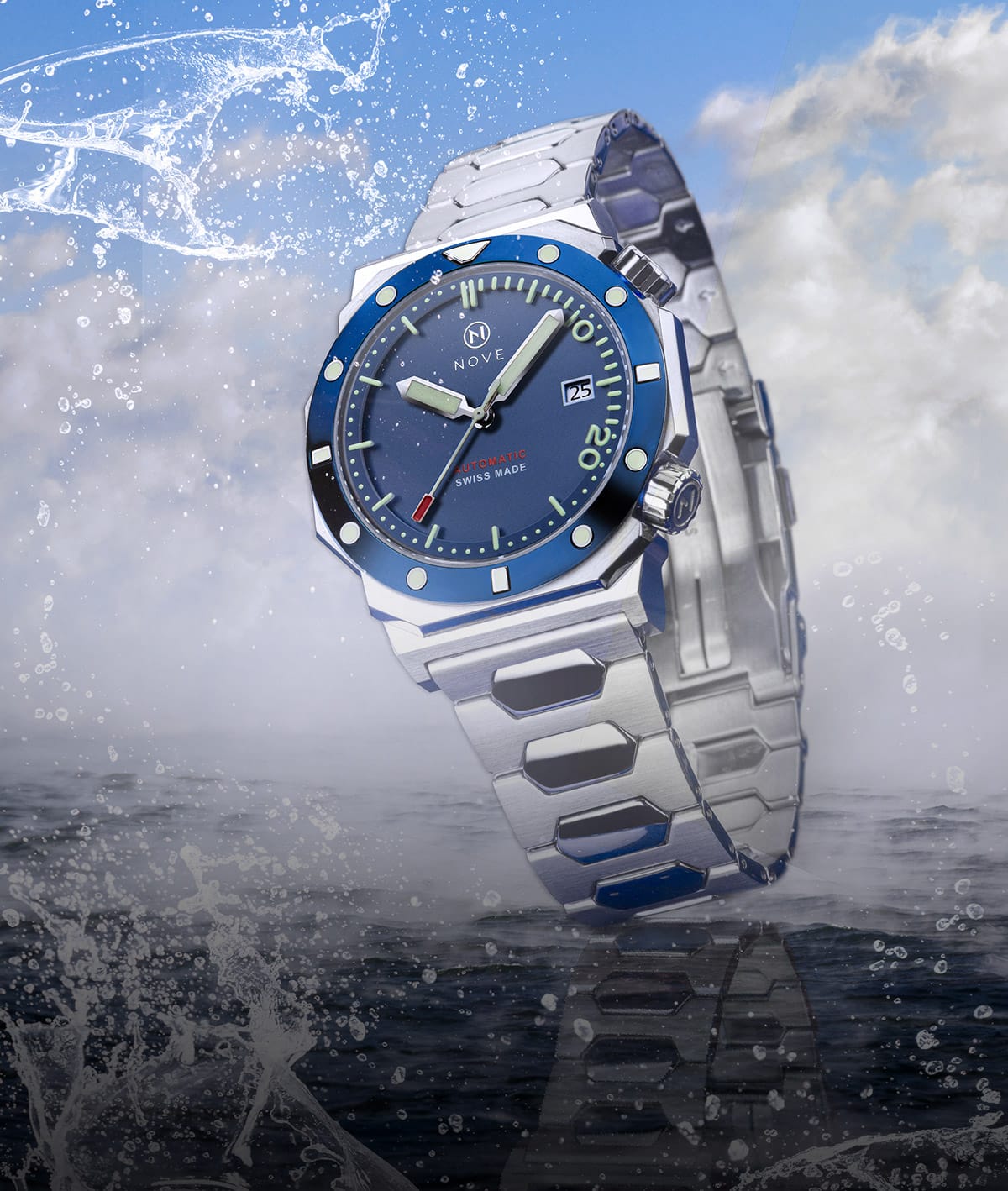
A watch built for everyday elegance may be perfectly suited to rain, hand washing, and occasional splashes. A true sport or dive-inspired watch should offer substantially more security, usually with a screw-down crown and case construction designed for pressure.
This is where durable Swiss made watches often justify their appeal. They blend the visual confidence of luxury with the technical reassurance of real-world performance. If a watch carries marine, diving, or adventure cues, the engineering should support the story.
Design can strengthen durability
There is an old assumption that a bold watch must sacrifice practicality. The best modern Swiss watchmaking proves the opposite.
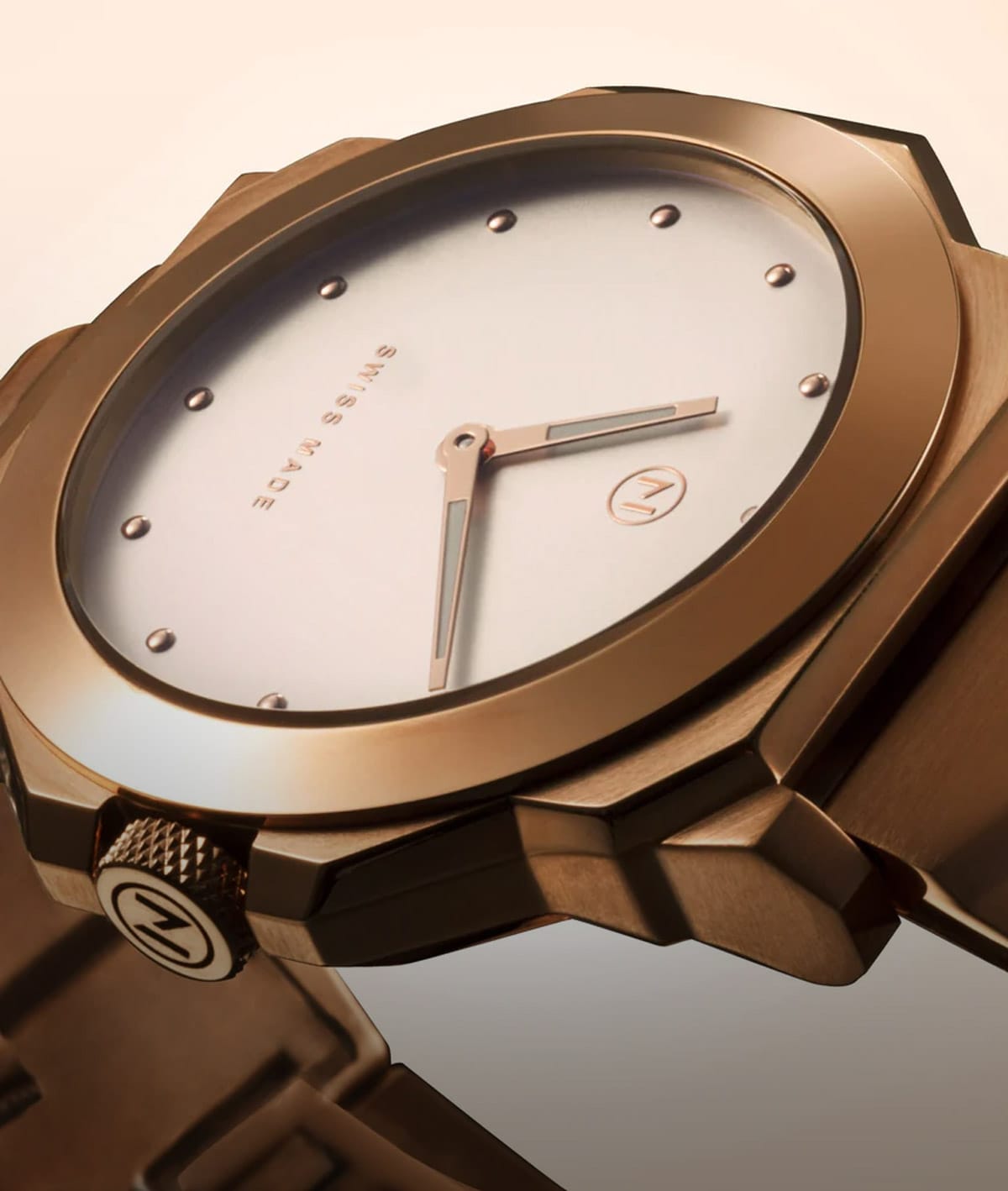
Thoughtful design improves durability when it protects the crown, enhances legibility, balances the case on the wrist, and uses finish contrast intelligently. Brushed surfaces often hide wear better than mirror polish. A strong bezel can protect the crystal edge. Integrated case shapes can reduce snag points and improve comfort.
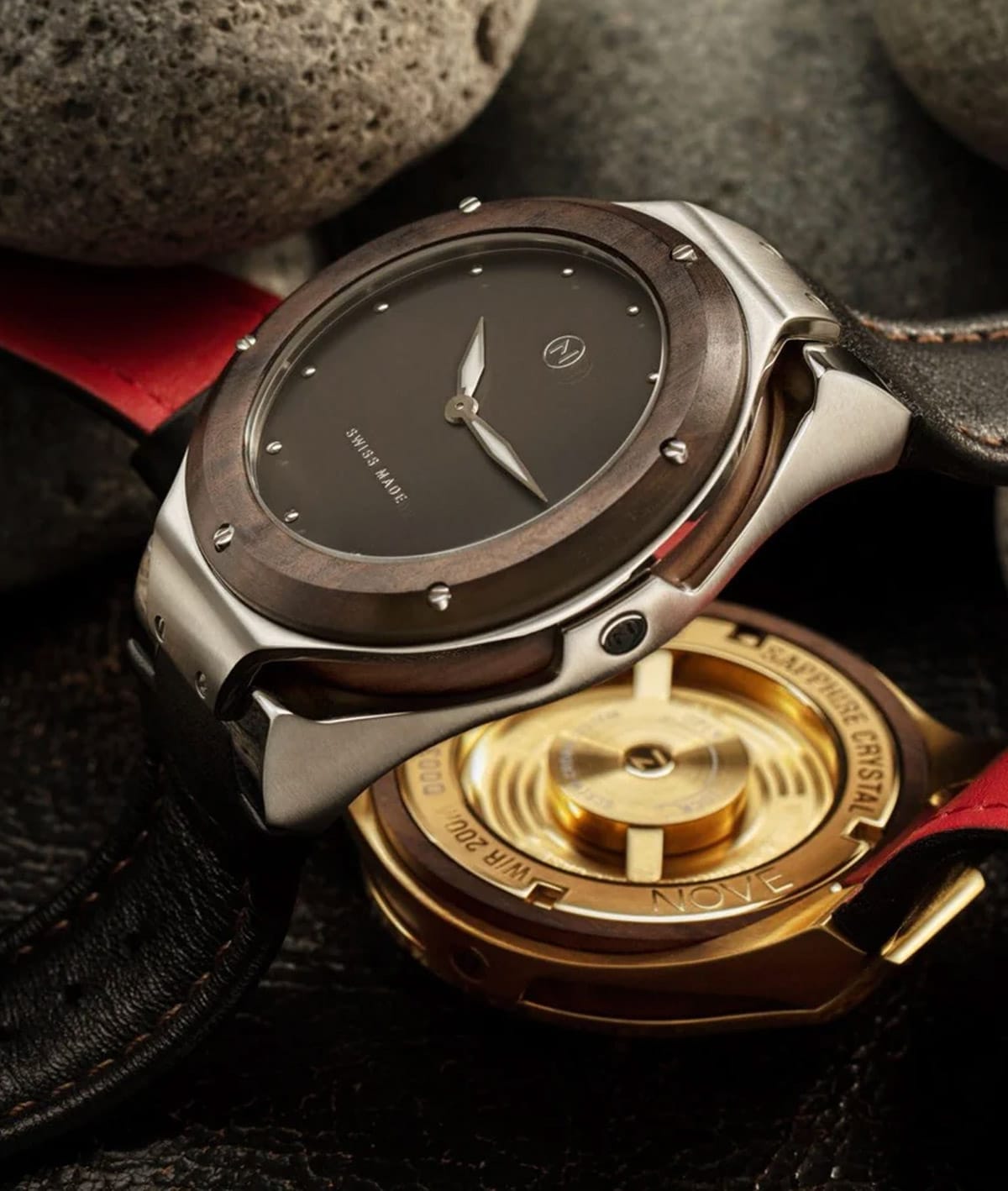
This is where design-forward Swiss brands stand out. They recognize that a watch is not merely equipment and not merely ornament. It is both. NOVE, for example, approaches Swiss-made watch design with an eye for unusual architecture and statement-making presence, while still grounding that visual identity in materials and construction suited to active wear.
What to look for before you buy
Buying online demands a sharper eye. You cannot feel the clasp or test the crown in person, so the details matter more.
Start with the fundamentals: sapphire crystal, Swiss movement, solid case material, and a water resistance rating that matches your lifestyle. Then study the finishing. Clean transitions between brushed and polished surfaces, a well-resolved dial, and an integrated bracelet or strap system usually point to stronger design discipline.
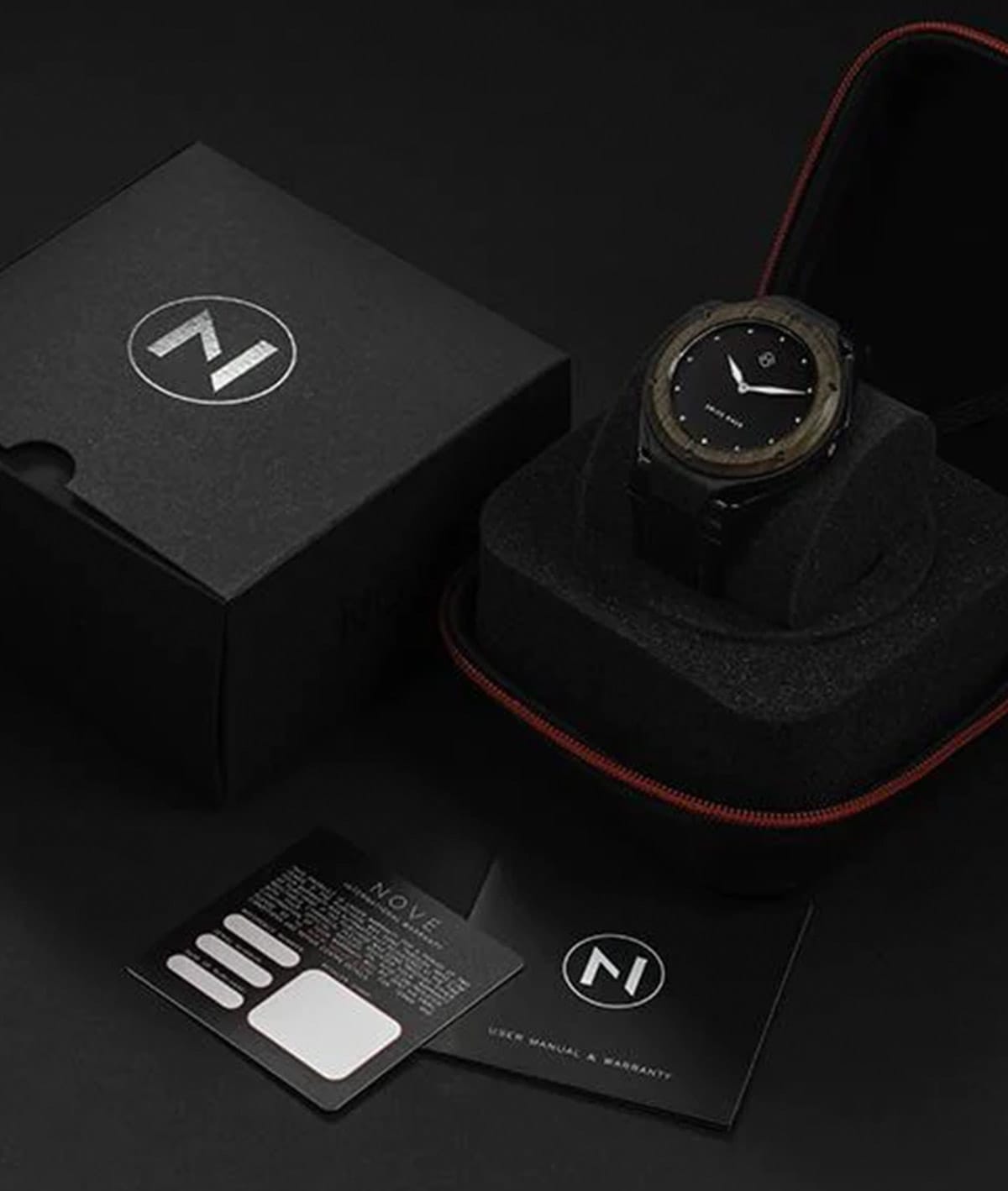
Also pay attention to brand trust signals. Warranty coverage matters. Clear after-sales support matters. So does transparency around movement type, construction, and shipping. A premium watch should inspire confidence before it reaches your wrist and continue earning it after purchase.
Price should be part of the conversation, but not the whole one. More expensive does not always mean more durable. Some legacy names charge heavily for heritage. Some modern Swiss brands put more of the value into the watch itself. For many buyers, that balance is exactly where the smart purchase lives.
Durable Swiss made watches for everyday wear
The ideal everyday watch sits in a rare space. It should feel refined enough for a dinner reservation, strong enough for travel, and distinctive enough to reflect personal taste without trying too hard.
That is why the best choices tend to avoid extremes. A massive case may feel indestructible but wear poorly. A very delicate dress watch may look elegant but create hesitation every time life gets busy. The sweet spot is a watch with presence, structural confidence, and enough versatility to move across settings.
In practical terms, that usually means stainless steel, sapphire crystal, dependable Swiss movement, and at least moderate water resistance. In emotional terms, it means a watch you reach for often because it feels equal to the day ahead.
The right watch should not ask you to protect it from your life. It should elevate your life while meeting it head-on. When you choose well, durability becomes more than a specification. It becomes part of the pleasure of ownership - the quiet assurance that craftsmanship, design, and endurance can exist in the same object, beautifully.