
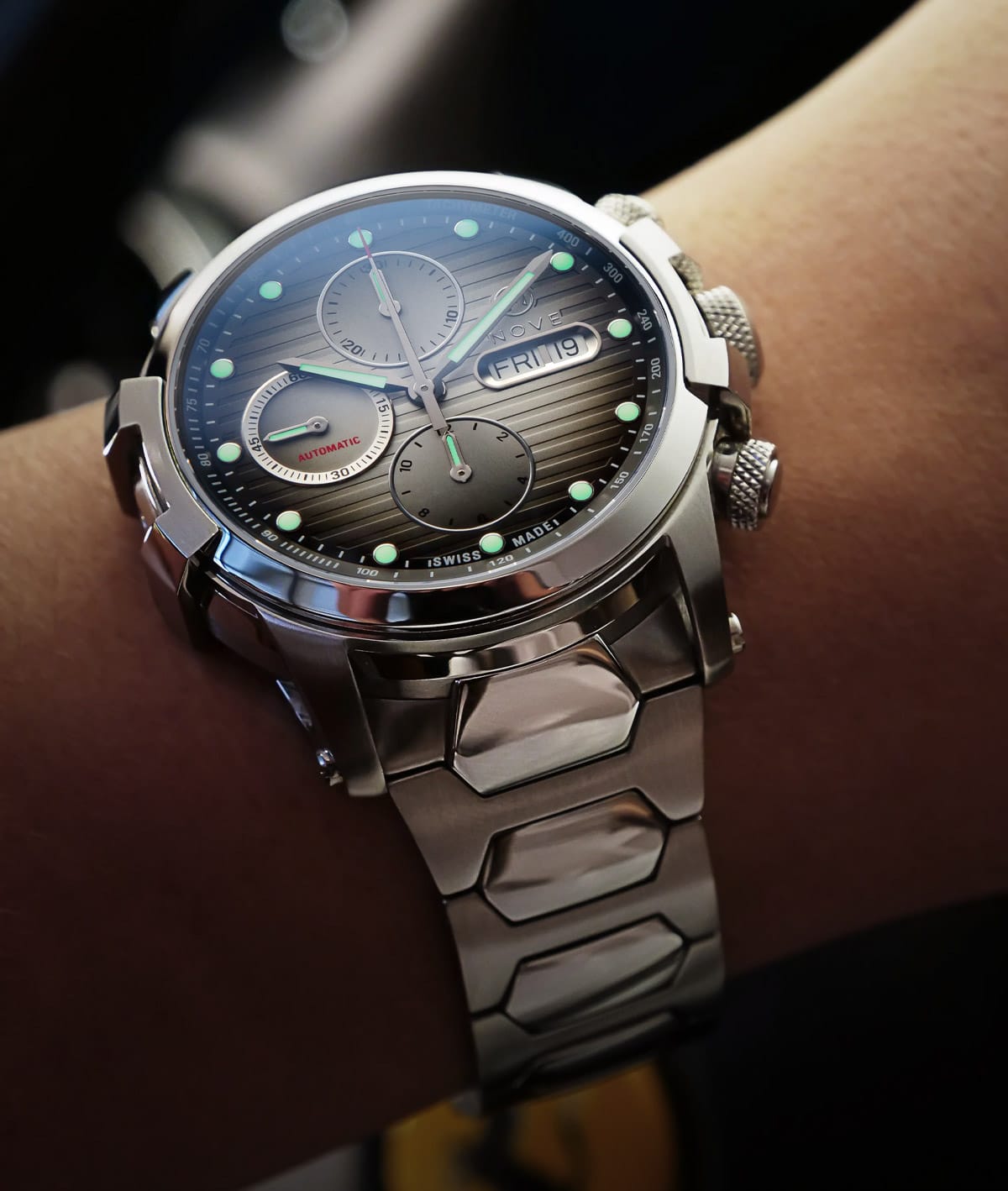
A dive watch can look deceptively simple: a steel case, a rotating bezel, a luminous dial, and a bracelet built for the water. Yet prices can range from a few hundred dollars to figures that rival a high-performance motorcycle. So, why are dive watches so expensive? The short answer is that a serious dive watch is not merely styled for adventure. It is an engineered instrument expected to remain precise, legible, and sealed when conditions become unforgiving.
The longer answer is more interesting. Price reflects the combination of pressure-tested construction, specialized components, movement quality, material choices, finishing, production scale, and design ambition. Not every costly diver earns its premium, of course. But when the details are right, the expense is visible in the object and felt every time it is worn.
Why Are Dive Watches So Expensive?
A true dive watch has one task that every component must support: keeping water out. That sounds elementary, but water resistance is a system rather than a single feature printed on a dial.
The crystal, crown, caseback, bezel assembly, and case joints all need to work together under pressure. As a watch descends, the force exerted on its surfaces increases. A small flaw in a gasket, an imprecisely fitted crown tube, or a poorly secured crystal can compromise the entire watch. Building a case that survives pressure testing repeatedly requires exact tolerances, carefully selected seals, and rigorous assembly.
A 200-meter or 300-meter rating is therefore more than a marketing number when it is backed by credible engineering. It requires a case architecture designed to resist deformation, gaskets sized and installed correctly, and testing that confirms the watch can perform as intended. Higher ratings often demand thicker crystals, more substantial casebacks, more sophisticated crown systems, and additional development work.
That engineering adds material cost and labor, but it also changes the character of the watch. The best dive watches feel purposeful because every surface has been designed around security, balance, and wearability.
The Price of Pressure-Ready Construction
The case is the foundation of a dive watch, and it is usually one of its largest costs. Stainless steel may be familiar, but machining it into a precise, water-resistant housing is demanding. The case must accommodate the movement, dial, hands, crystal, bezel, crown, and gaskets while maintaining exact fit at every point.
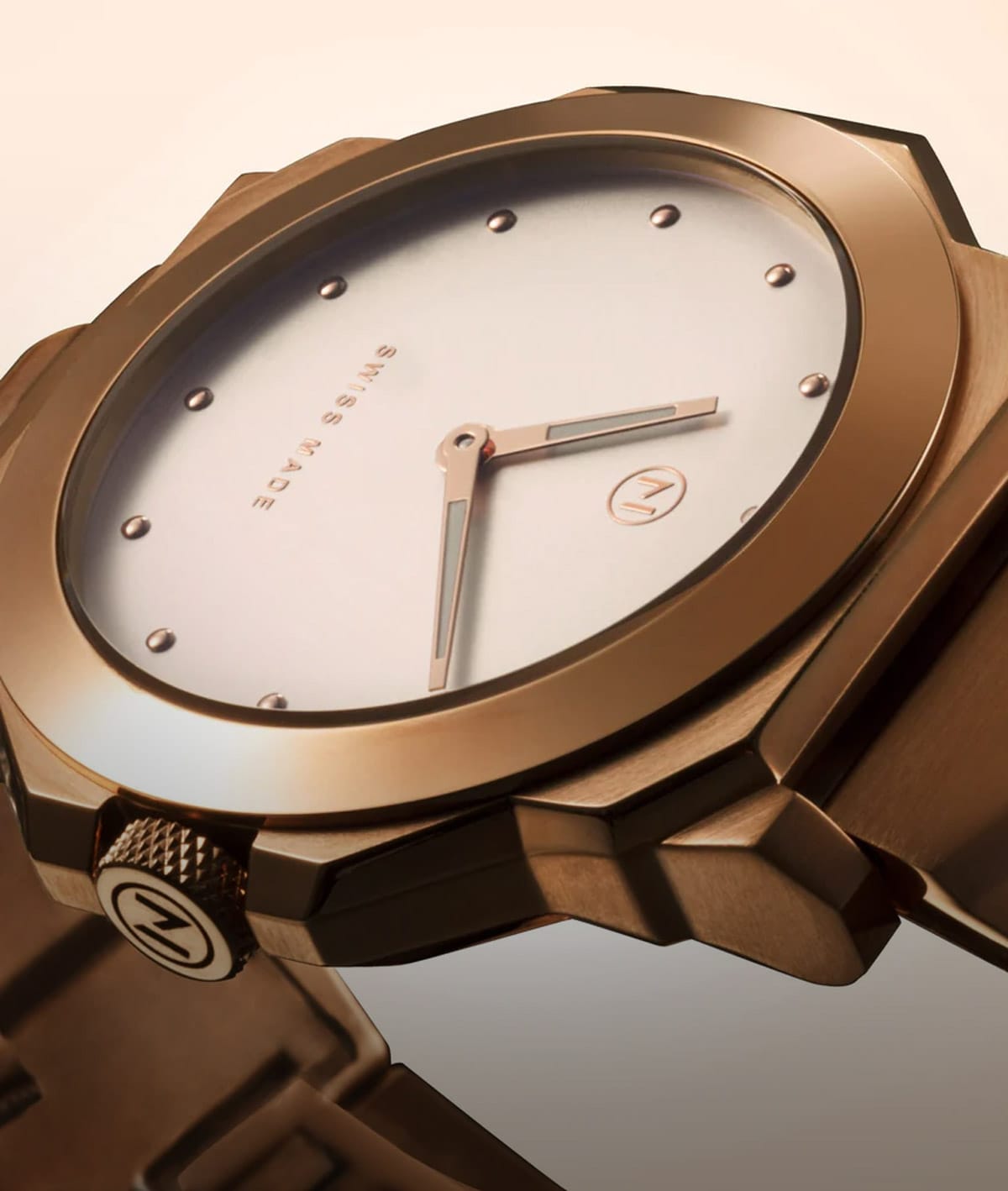
A screw-down crown is a strong example. It is not just a crown that twists into place. Its threads, tube, stem alignment, and seals must work together smoothly. It needs to feel refined on the wrist while creating a secure barrier against moisture. A crown that is difficult to operate is frustrating; one that feels loose can undermine confidence. Achieving both tactility and protection takes thoughtful design and quality control.
The crystal matters as well. Sapphire is popular on premium dive watches because it is highly resistant to scratches, but it costs more than mineral glass and requires careful fitting. Its thickness and profile must be chosen to withstand pressure without making the watch visually heavy or difficult to wear. Anti-reflective treatment can further improve legibility, especially when sunlight hits the water.
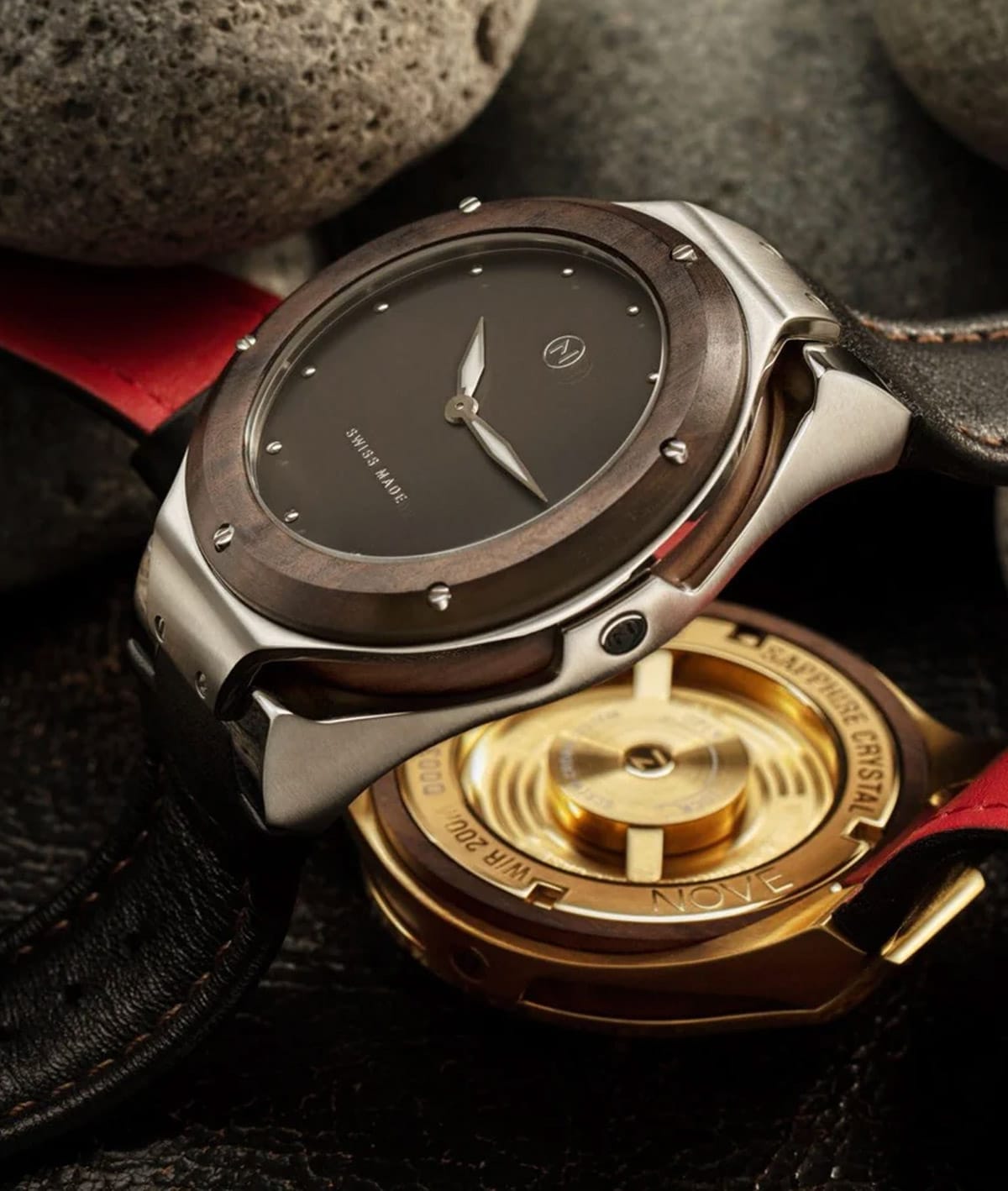
Then there is the caseback. A solid screw-down back is often preferred for high water resistance, yet it still needs to be finished cleanly, engraved accurately, and sealed with the right gasket. These are details most owners will never see during daily wear, but they are exactly where a watch proves whether it is a serious instrument or an imitation of one.
A Bezel Is More Than a Design Detail
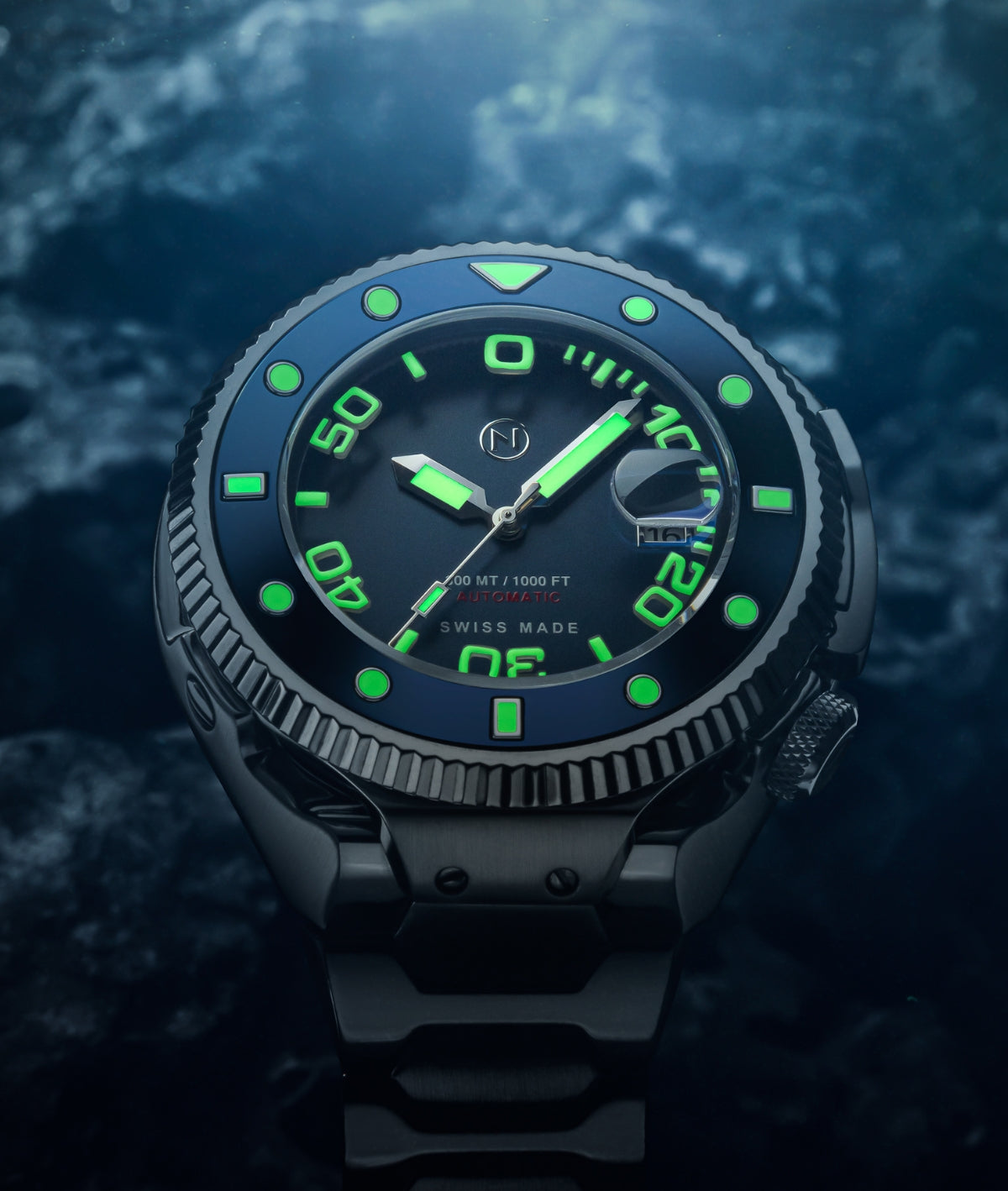
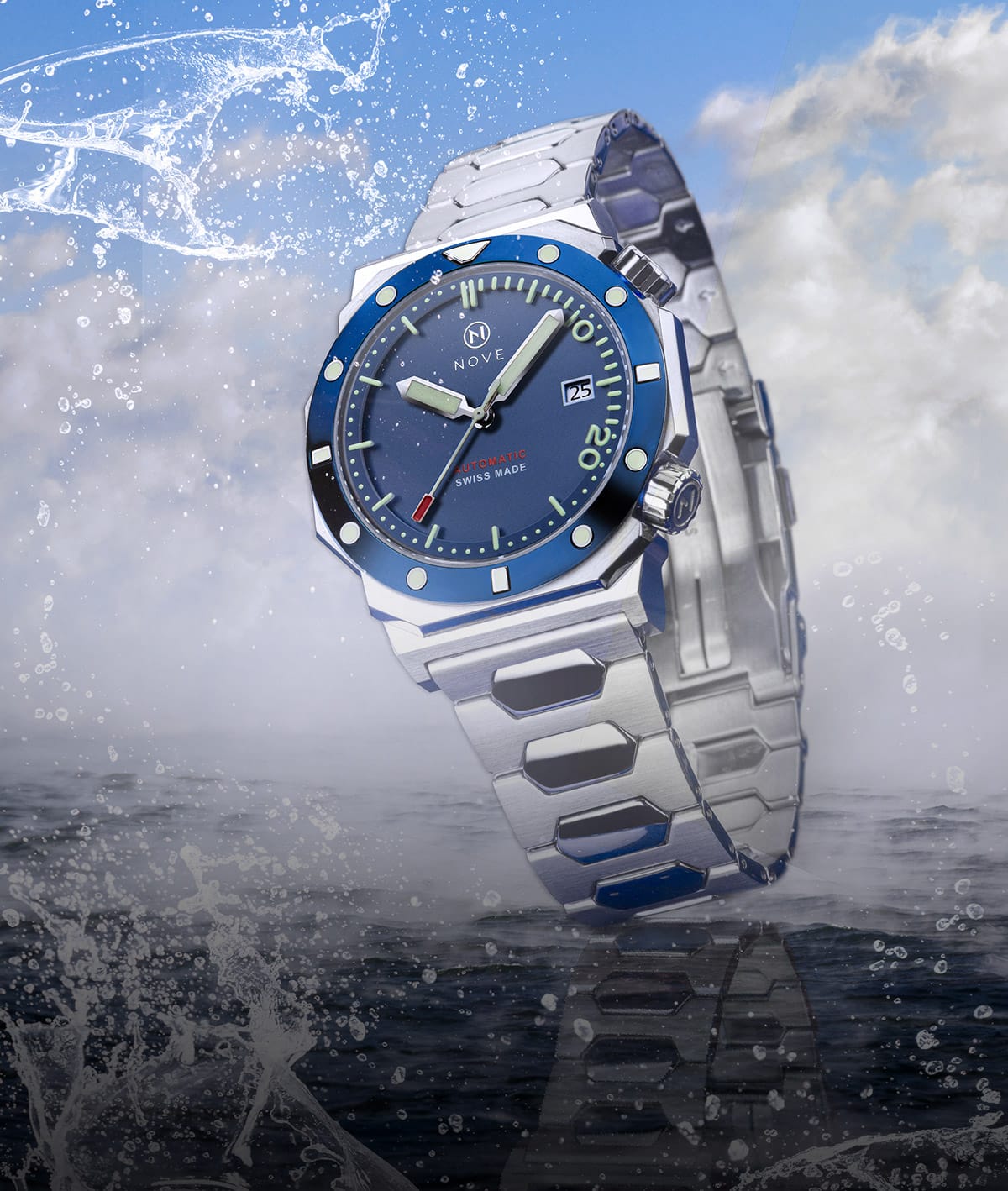
The unidirectional rotating bezel is one of the defining features of the dive watch. It allows a diver to track elapsed time, and its one-way rotation is a safety consideration. If the bezel is accidentally moved, it should only shorten the indicated remaining dive time, not extend it.
Creating a bezel with a crisp, controlled action is more complex than it appears. The insert material, alignment, click mechanism, springs, teeth, and tolerances all influence its feel. A premium bezel should turn with confidence, align accurately at 12 o'clock, and resist unwanted movement. Ceramic inserts, luminous markers, engraved numerals, and intricate finishing can raise costs further.
This is also where design separates a generic sports watch from a statement piece. A bezel can introduce color, geometry, texture, and depth while remaining functional. The challenge is creating visual impact without sacrificing instant readability. That balance is one reason distinctive dive watches require more design development than their clean silhouettes suggest.
Swiss Movements and the Value of Precision
The movement is the watch's mechanical or quartz heart, and it has a major effect on price. Swiss-made automatic movements are valued for their precision, established manufacturing standards, serviceability, and heritage of technical expertise. They are made from many small components that must be assembled, adjusted, lubricated, and tested with care.
A mechanical movement is also an emotional choice. Its sweeping seconds hand, oscillating balance, and self-winding rotor turn timekeeping into something tangible. That artistry comes with trade-offs: mechanical watches cost more to produce and eventually require maintenance. A quality Swiss quartz movement, by contrast, can offer exceptional accuracy, lower ownership costs, and a slimmer profile. Neither choice is automatically superior. It depends on whether the wearer values mechanical ritual, high accuracy, or both in different watches.
Movement quality is not simply about the name on the caliber. It is also about how the movement is secured in the case, how it performs after assembly, and whether the watchmaker tests timing and functions before the watch leaves the workshop. A dive watch should inspire confidence on land and below the surface. That confidence begins inside the case.
Materials, Finishing, and the Details You Feel
Premium dive watches spend much of their lives outside the ocean. They are worn at dinner, behind the wheel, in the office, and on long-haul flights. That makes comfort and finishing central to their value.
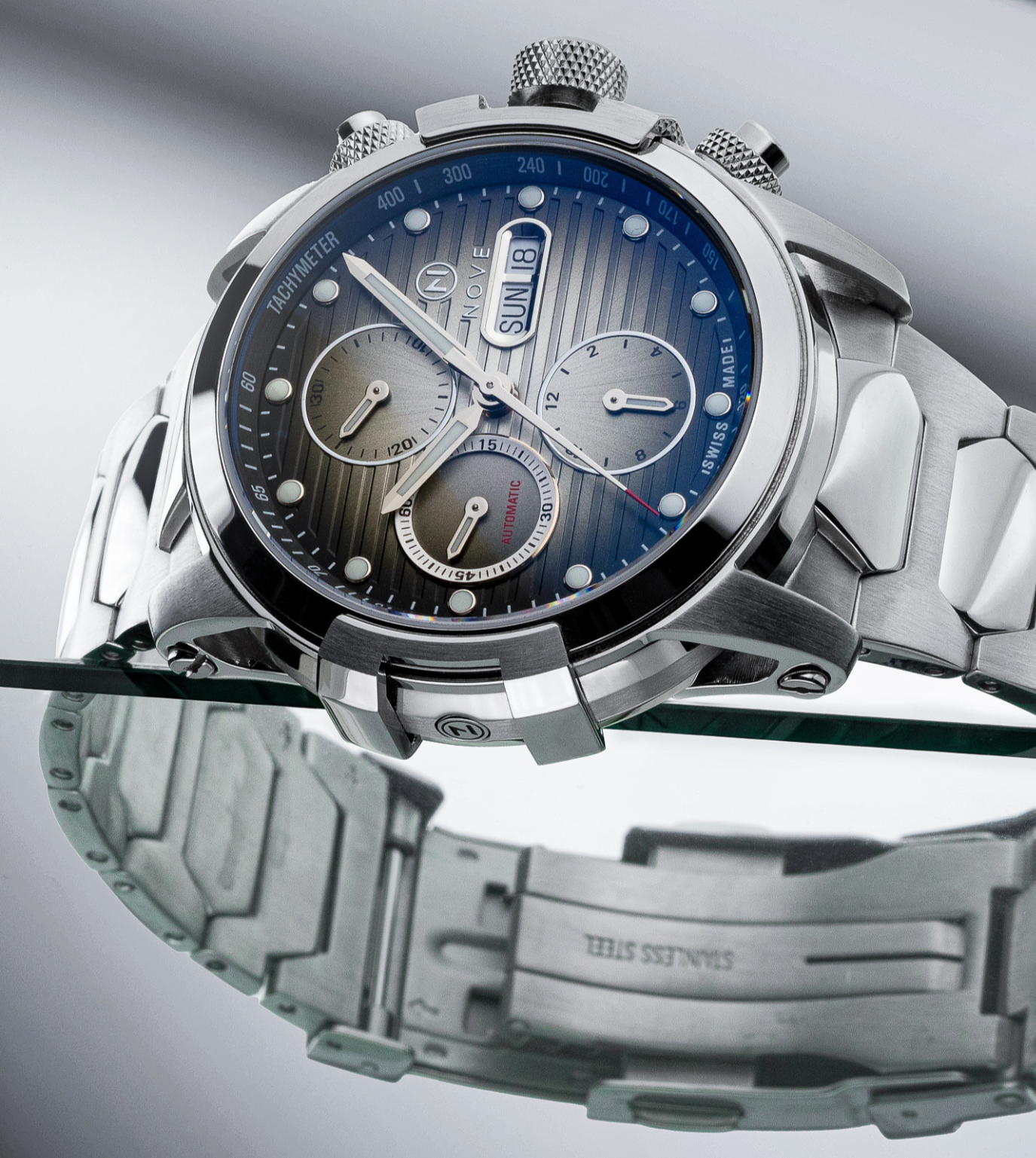
A well-made bracelet is an expensive component in its own right. Solid links, a secure clasp, smooth articulation, fitted end links, and useful micro-adjustment all require more material and more precise manufacturing. The difference is obvious when a bracelet sits naturally around the wrist rather than pinching, rattling, or feeling like an afterthought.
Finishing adds another layer. Brushed surfaces can give a watch a technical, automotive edge; polished bevels introduce refinement and light. Executing both sharply on the same case takes time. Likewise, applied indices, layered dials, high-quality lume, and carefully printed minute tracks create the depth and clarity that make a watch compelling at a glance.
These choices do not always make a watch more capable underwater. They do make it more complete as an object of design. For collectors and style-conscious buyers, that distinction has real value.
Testing, Quality Control, and Production Scale
One reason dive watches cost more than fashion watches is that their claims must be verified. Pressure testing, timing checks, visual inspection, bezel alignment, and bracelet evaluation all take equipment and skilled labor. A brand that takes quality control seriously must account for failures, rework, and the time required to inspect each piece rather than simply moving inventory quickly.
Production scale matters too. A mass-market manufacturer can spread tooling and development costs across enormous runs. A design-led Swiss watch brand producing smaller quantities cannot do that as easily. Limited editions and uncommon case shapes may offer more individuality, but they can increase per-watch costs because specialized components are ordered in lower volumes.
That does not mean every limited watch is worth more. Scarcity alone is not craftsmanship. The meaningful question is whether the watch offers a considered design, credible specifications, and finishing that supports its price.
What You Are Actually Paying For
The price of a dive watch should reflect more than a famous logo or an ambitious depth rating. Look at the complete proposition: case construction, crystal, crown, bezel action, lume, movement, bracelet, warranty, and the brand's willingness to stand behind the product.
For many buyers, the most compelling value sits in accessible luxury. This is where a watch can deliver Swiss-made precision, substantial water resistance, bold design, and elevated finishing without asking buyers to pay solely for decades of heritage marketing. NOVE approaches this space with dive watches designed as distinctive instruments - pieces that bring technical intent and visual presence to the same wrist.
A more expensive dive watch is not automatically the right one. If it will spend its life by a pool, a dependable quartz model with a secure crown and clear dial may be the smartest choice. If you want a watch that rewards close inspection, a Swiss automatic with considered finishing and a confident bezel may justify the added investment.
Choose the diver whose engineering you trust and whose design still feels exceptional after the first impression fades. The right watch should not just survive the pressure. It should make every ordinary day feel a little more deliberate.