
A chronograph can change the entire character of a watch. Add pushers, subdials, and a measured sense of motion, and a simple timepiece becomes more architectural, more technical, and often more expressive. That is why a Swiss chronograph buying guide should start with more than specs. The right chronograph is not only about precision on paper. It is about how engineering, design, and presence come together on the wrist.
For many buyers, the first surprise is that not all Swiss chronographs are trying to do the same job. Some are motorsport-inspired instruments with crisp legibility and tight, functional layouts. Others lean into refinement, using the chronograph format as a design language rather than a pure timing tool. Many sit in the middle, offering Swiss-made credibility, everyday durability, and a stronger visual statement than a standard three-hand watch.
What a Swiss chronograph really gives you
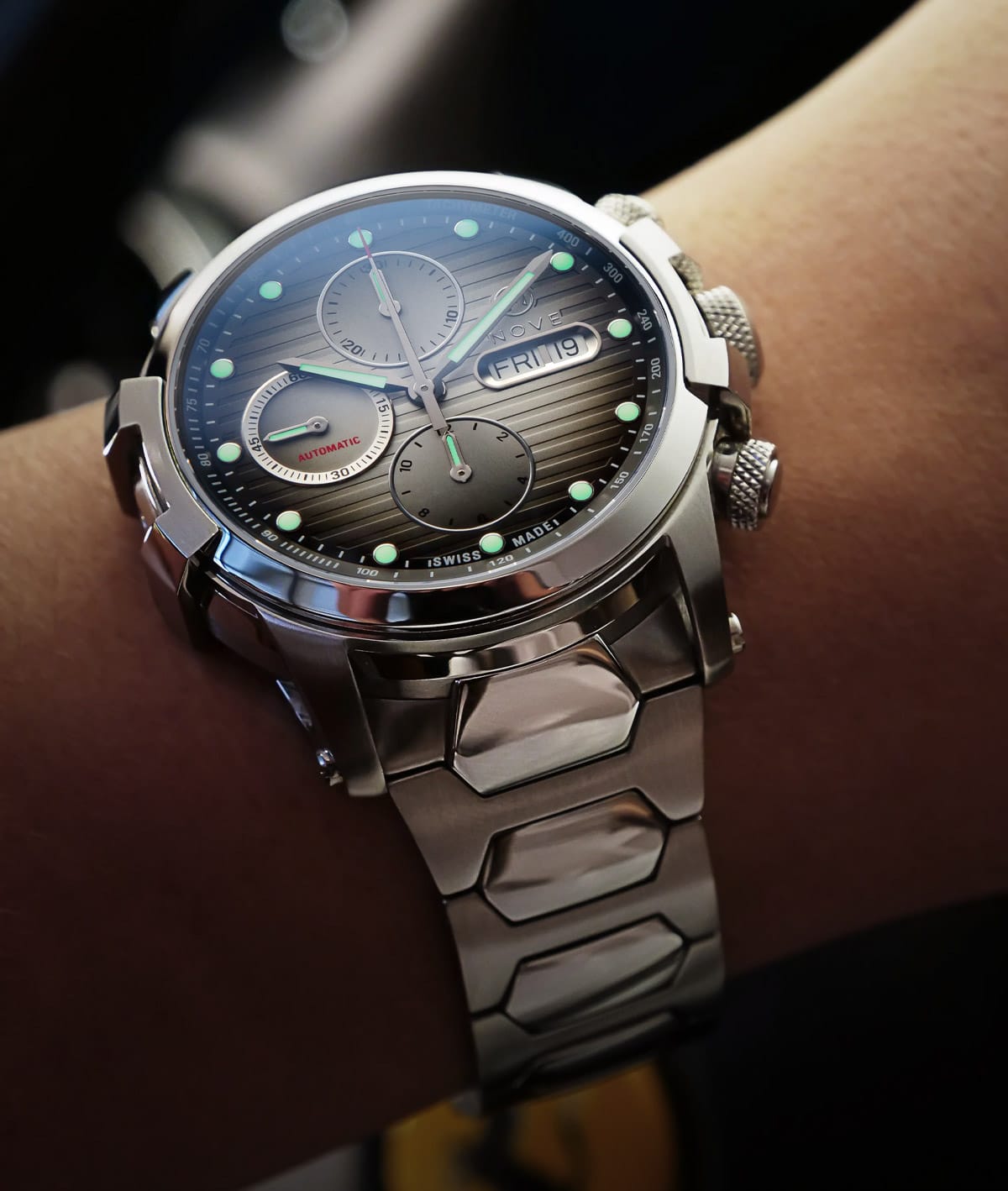
At its core, a chronograph is a watch with a stopwatch function built into the movement. You start, stop, and reset elapsed time with pushers, usually positioned on either side of the crown. That sounds straightforward, but the appeal goes deeper. A chronograph adds interaction. It gives the watch a mechanical rhythm and a more layered dial, which is exactly why so many collectors and first-time Swiss buyers are drawn to it.
Swiss chronographs also carry a certain expectation. Buyers associate them with disciplined manufacturing, established movement standards, and finishing that feels elevated rather than disposable. That does not mean every Swiss chronograph is automatically worth its price. It means the category has a benchmark, and that benchmark matters when you are comparing quality, long-term wear, and value.
Swiss chronograph buying guide - start with the movement
The movement shapes your ownership experience more than any marketing headline. If you are choosing between Swiss automatic and Swiss quartz chronographs, the right answer depends on what you value most.
A Swiss automatic chronograph has romance on its side. It is powered by mechanical energy, not a battery, and that gives it a living quality many enthusiasts never get tired of. You feel the craft every time you wind it, wear it, or notice the sweep of the hands. The trade-off is cost, thickness, and maintenance. Automatic chronographs are usually more expensive and often more complex to service over time.
A Swiss quartz chronograph offers a different kind of confidence. It is highly accurate, practical, and often slimmer. If you want a watch that can handle frequent wear, low-fuss ownership, and immediate readiness, quartz is hard to dismiss. It is especially compelling in the accessible luxury space, where buyers want Swiss quality and bold design without stepping into the pricing territory of legacy maisons.
Neither choice is inherently superior. If your watch is a personal object first and a technical fascination second, quartz may be the smarter buy. If you care deeply about movement artistry and the emotional pull of mechanics, automatic earns its place.
Pay attention to pusher feel and reset action
Chronograph buyers often focus on movement names but ignore tactile quality. Press the top pusher and notice the resistance. Stop the timer and reset it. The action should feel deliberate, not vague or brittle. On a well-executed Swiss chronograph, those interactions reinforce the sense that you are wearing something engineered, not simply assembled.
Case size, thickness, and wrist presence
Chronographs usually wear larger than standard watches because the movement demands more space and the dial needs room for subdials. A 42mm chronograph can feel substantially bolder than a 42mm dive watch with a cleaner layout. This is where many online buyers make a mistake. They shop by diameter alone.
Thickness matters just as much. If you wear a tailored shirt often, a tall case may become frustrating, even if the watch looks spectacular in product photos. Lug-to-lug length matters too, particularly if your wrist is under 7 inches. A strong design should feel intentional, not oversized for the sake of spectacle.
Still, this category rewards presence. A chronograph is meant to carry visual authority. If your style leans confident, sculptural, and modern, a larger case can be an asset. The key is balance. You want a watch that commands attention without looking like it is compensating.
Dial layout separates great design from visual noise
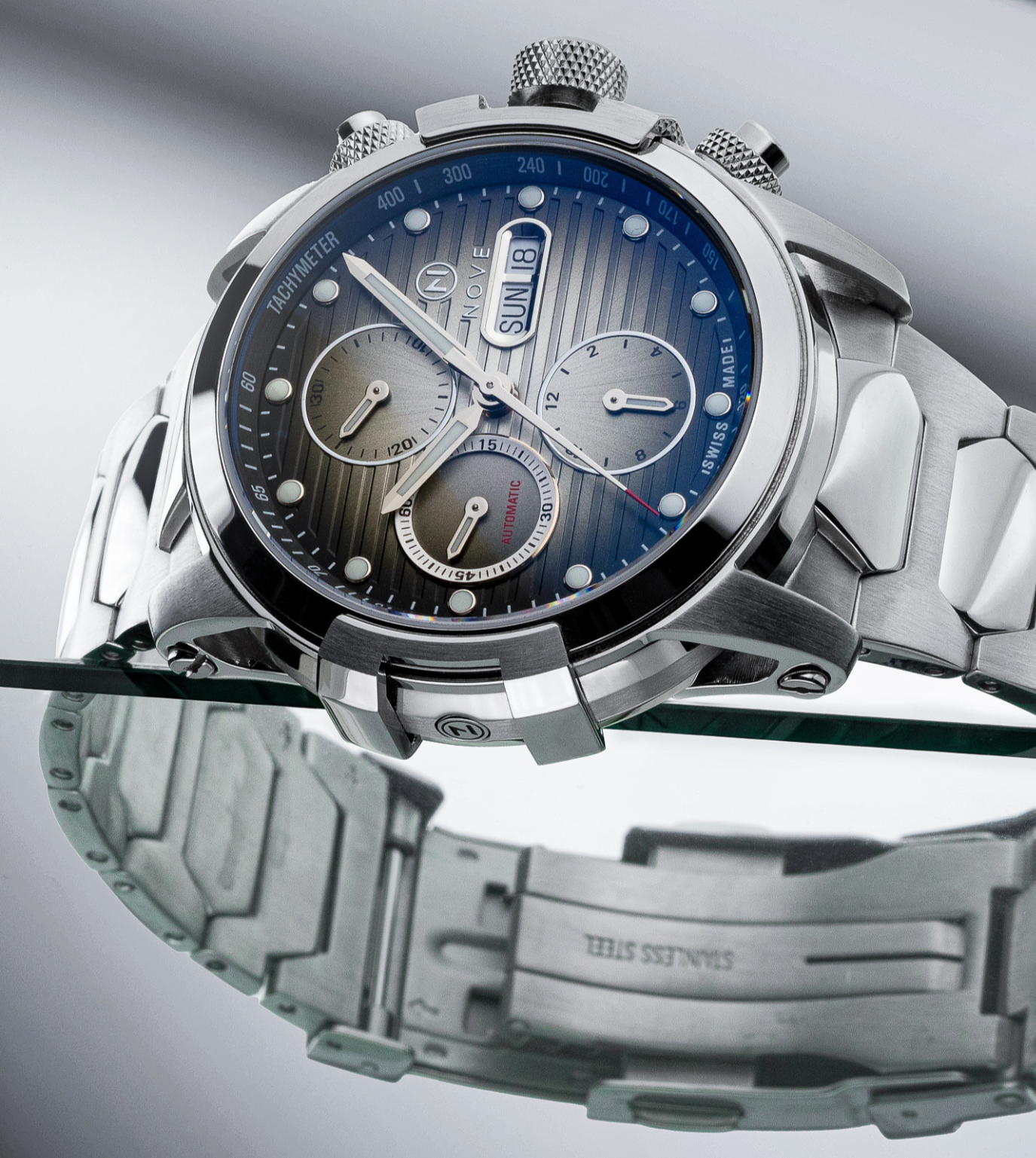
This is where taste becomes decisive. Some chronographs are technically solid but visually crowded. Others manage to feel bold and controlled at once. Look at spacing first. The subdials should feel integrated into the architecture of the dial, not squeezed in as an afterthought.
Contrast is another major factor. If the hands disappear into the dial, or the chronograph seconds hand gets lost, the watch may photograph well but disappoint in daily wear. Applied markers, dimensional surfaces, and purposeful color accents can elevate the experience when used with restraint. Too many textures and scales, on the other hand, can cheapen the effect quickly.
A design-forward Swiss chronograph should still respect legibility. This does not mean every dial must be minimal. It means the complexity should feel edited. The best examples combine utility with character, creating a piece that feels distinct from across the room and refined up close.
Materials and finishing matter more than brand mythology
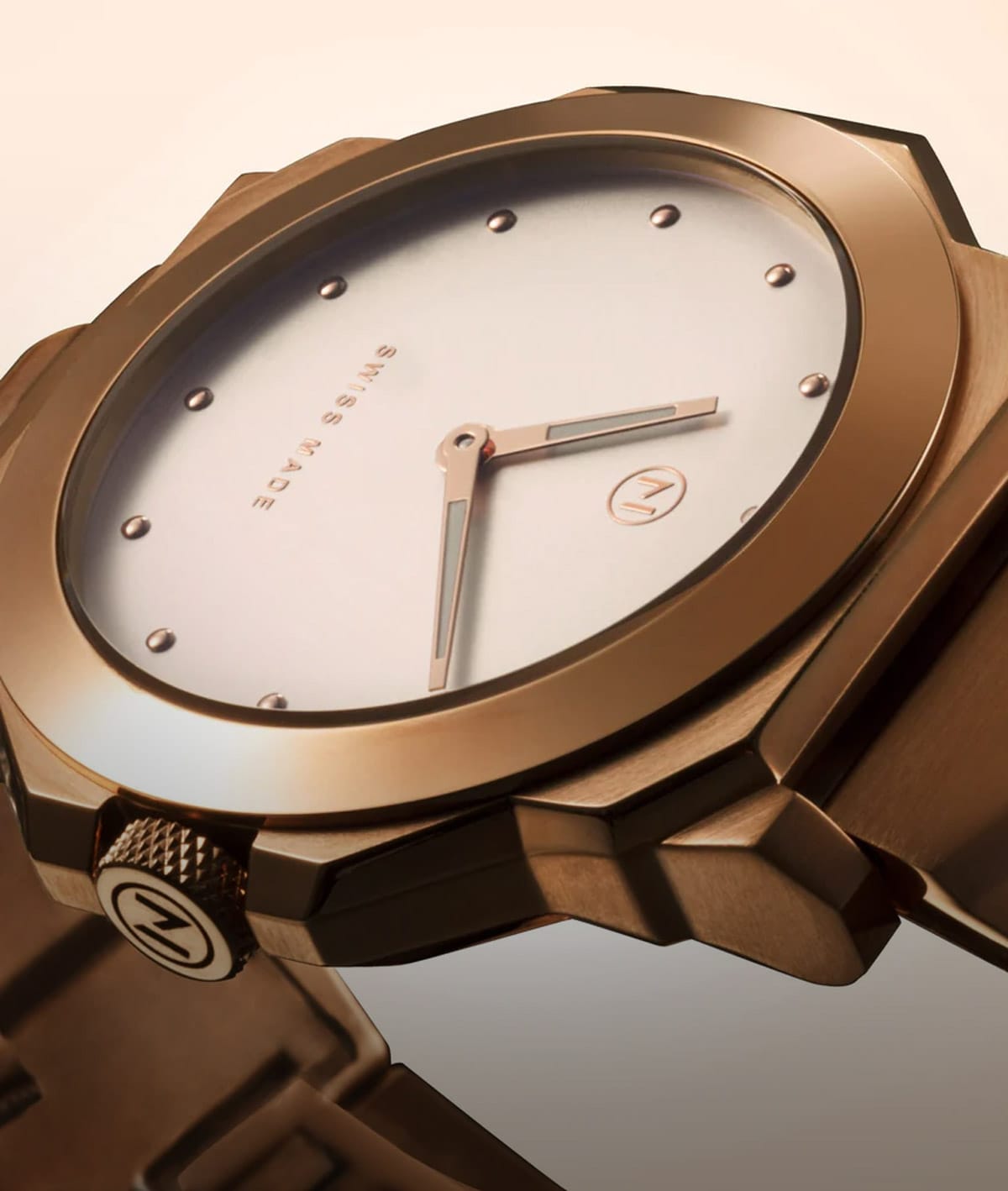
A Swiss-made label gets attention, but materials tell you where the value truly sits. Look for stainless steel with a substantial feel, sapphire crystal rather than mineral glass, and finishing that reflects care from multiple angles. Brushing and polishing should be clean. Edges should feel resolved, not soft from cost-cutting.
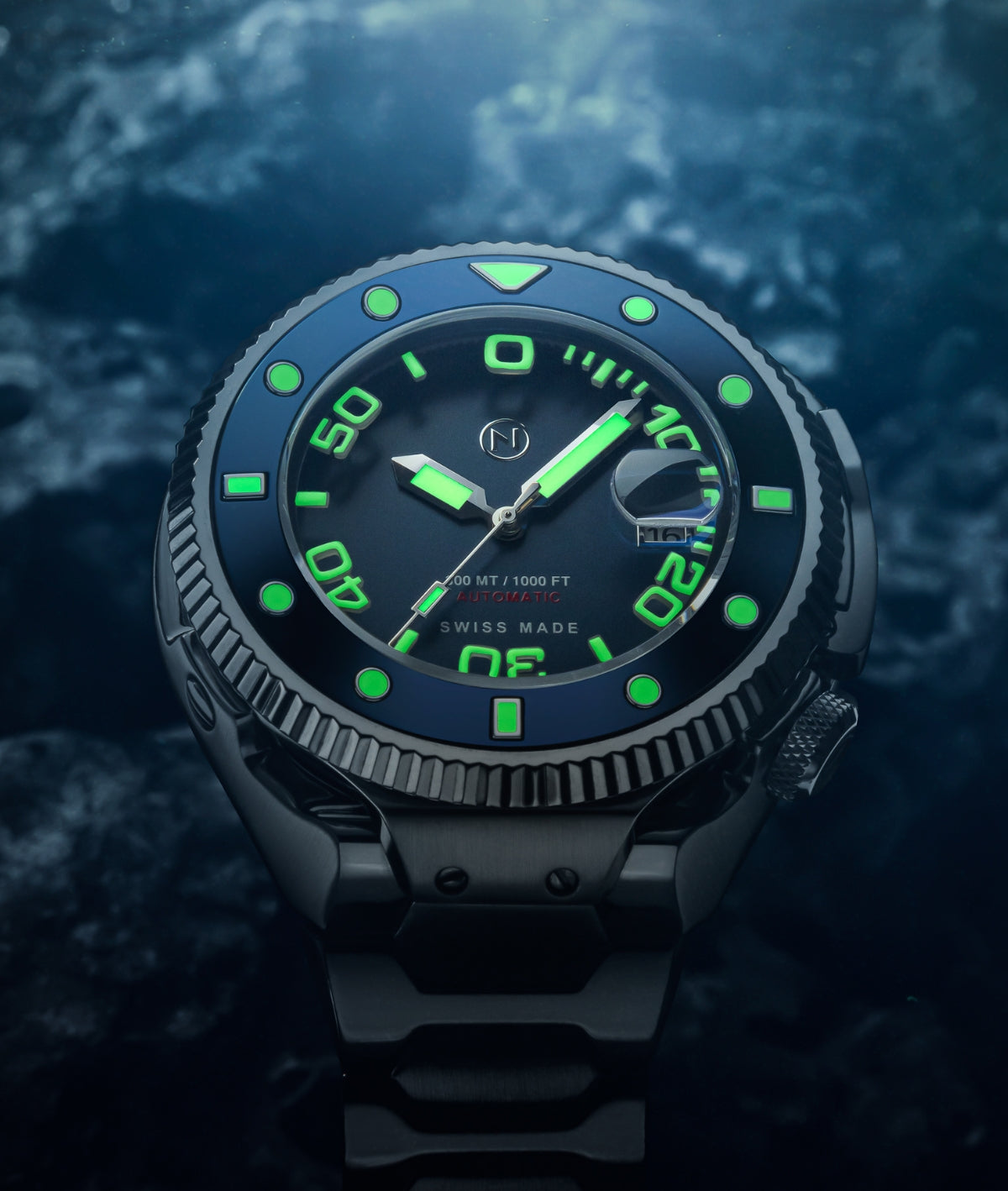
If the watch includes a tachymeter bezel, ceramic insert, or specialized coating, ask whether it serves the design and your lifestyle. Premium materials are worth paying for when they improve durability, wear comfort, or visual depth. They are less compelling when they exist only to inflate a spec sheet.
Water resistance is another point often misunderstood. A chronograph with modest water resistance may be perfectly fine as a daily office-to-evening piece. If you want one watch for travel, poolside wear, and active weekends, stronger sealing and a more resilient case construction matter. Sport styling alone does not guarantee sport-ready performance.
Price and value in the Swiss chronograph market
This is the part of any Swiss chronograph buying guide where heritage can distort judgment. Established names often command a premium that reflects history, prestige, and resale perception as much as the watch itself. For some buyers, that emotional weight is worth every dollar. For others, it means paying heavily for the logo.
There is a compelling middle ground. Modern Swiss brands can deliver excellent chronograph design, strong materials, and genuine manufacturing credibility at a more accessible price because they are built differently. Direct-to-consumer brands, including NOVE, often invest more of the price into the watch rather than traditional retail overhead. That can translate into stronger value without sacrificing visual ambition.
The important question is not whether a watch is expensive. It is whether the execution supports the price. If a chronograph gives you Swiss movement quality, durable construction, refined finishing, and a point of view in design, it may represent better value than a more famous alternative that plays it safe.
When style should lead the purchase
Not every watch decision needs to start with movement diagrams and technical charts. A chronograph is one of the most expressive categories in watchmaking, and style is a legitimate reason to buy one. If a watch captures your attention immediately and keeps doing so weeks later, that matters.
The strongest purchases usually happen when style and substance meet. You want a watch with enough quality to justify long-term ownership and enough character to avoid blending into every other wrist in the room. This is especially true for buyers who see a watch as part of personal identity, not just a tool.
Who should buy an automatic chronograph
If you appreciate traditional watchmaking, rotate through several watches, and enjoy the ritual of ownership, automatic makes sense. It feels more collectible and more intimate. It also tends to attract buyers who want their watch to say something about craftsmanship.
Who should buy a quartz chronograph
If you want precision, convenience, and a cleaner path into Swiss-made luxury, quartz is often the sharper choice. It suits frequent travelers, busy professionals, and buyers who care as much about design impact as movement romance.
Final checks before you buy
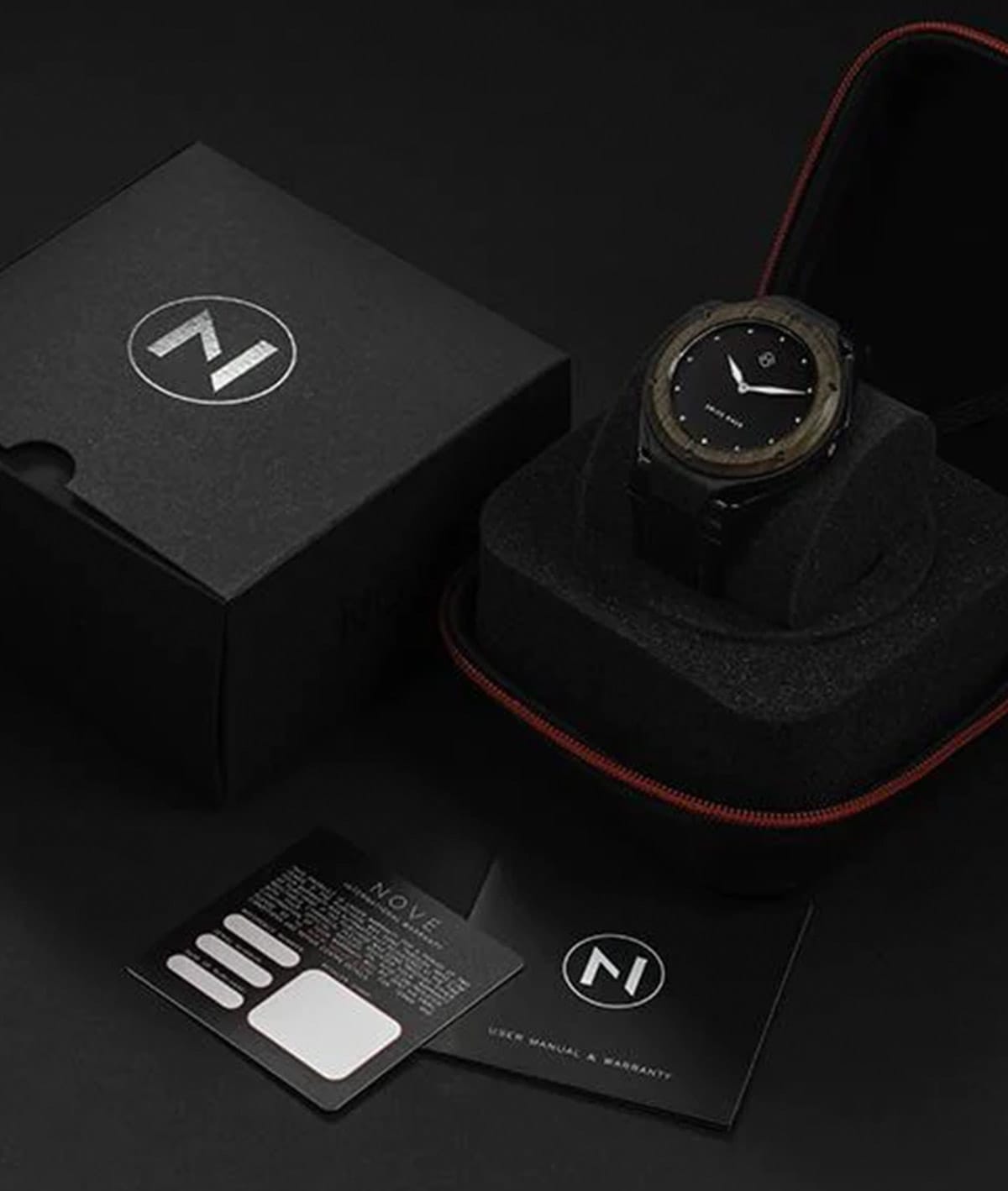
Before you commit, review the warranty, service expectations, and return window. Those details are not glamorous, but they affect confidence, especially when buying online. Study wrist shots, not just isolated product images, and compare the watch against pieces you already wear comfortably.
Most of all, ask one honest question. Do you want this chronograph because it reflects your taste, or because it reflects someone else’s idea of status? The best Swiss chronograph is the one that feels exact on your wrist, in your routine, and in your sense of self. Buy the piece that makes precision look personal.