
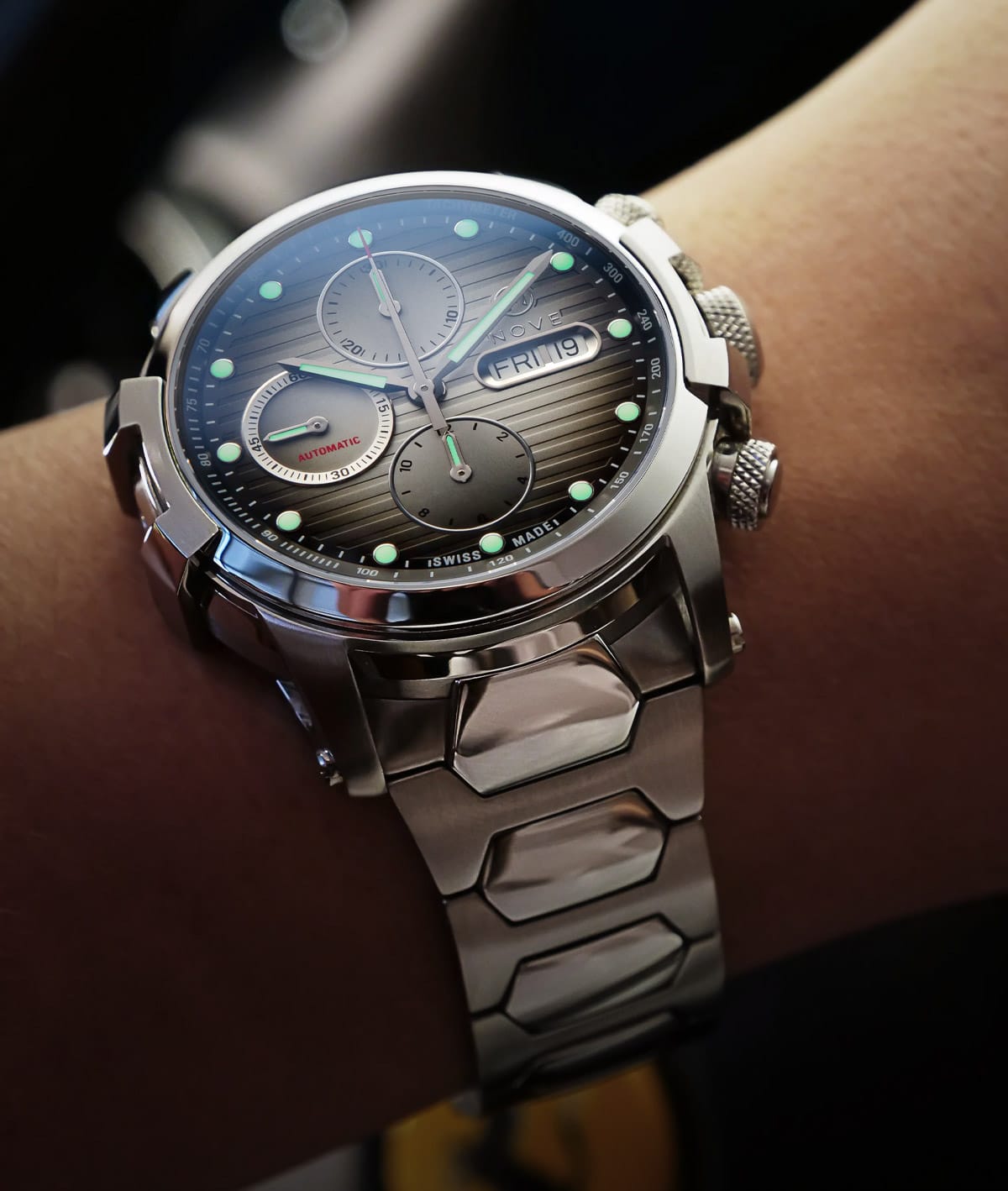
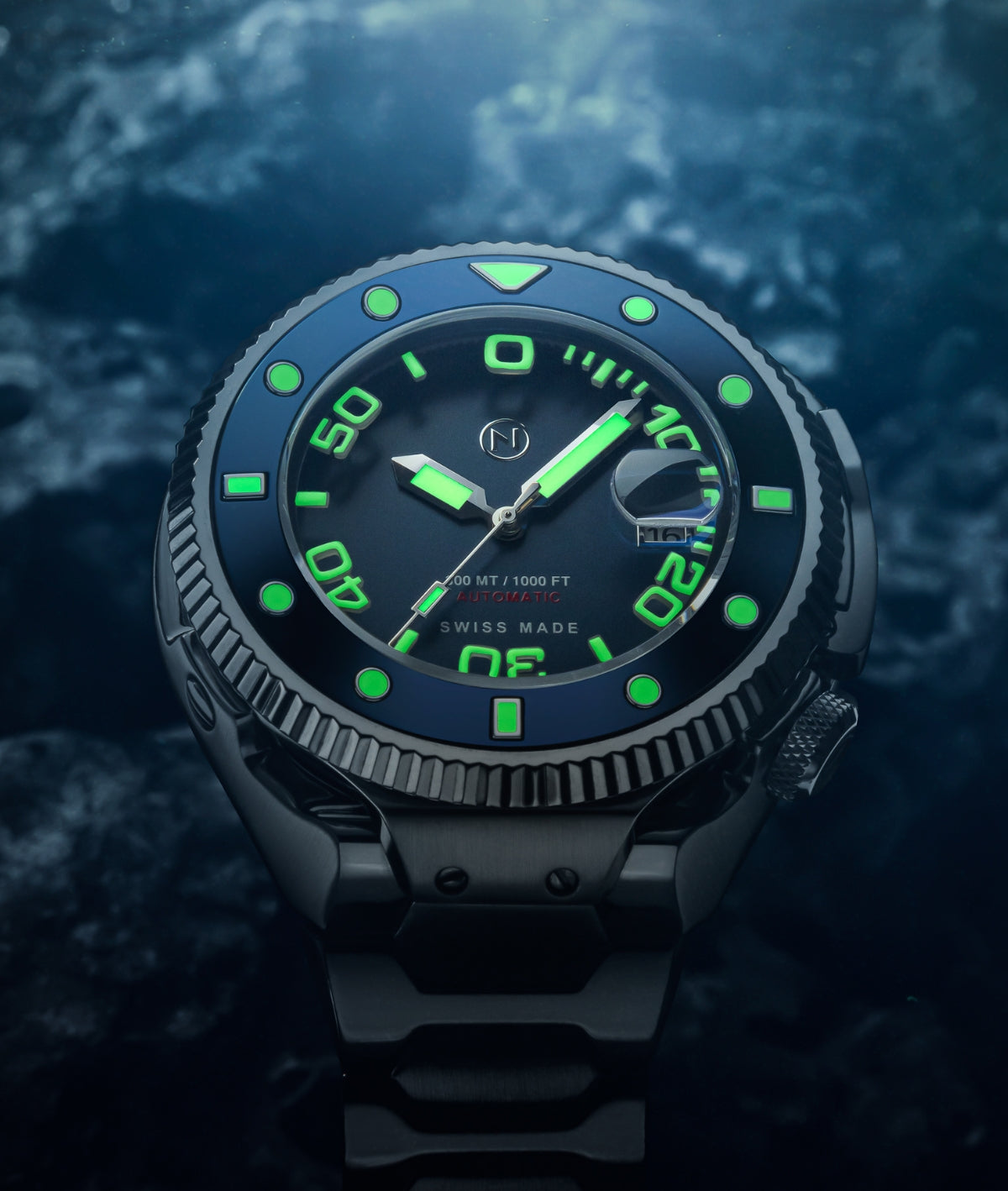

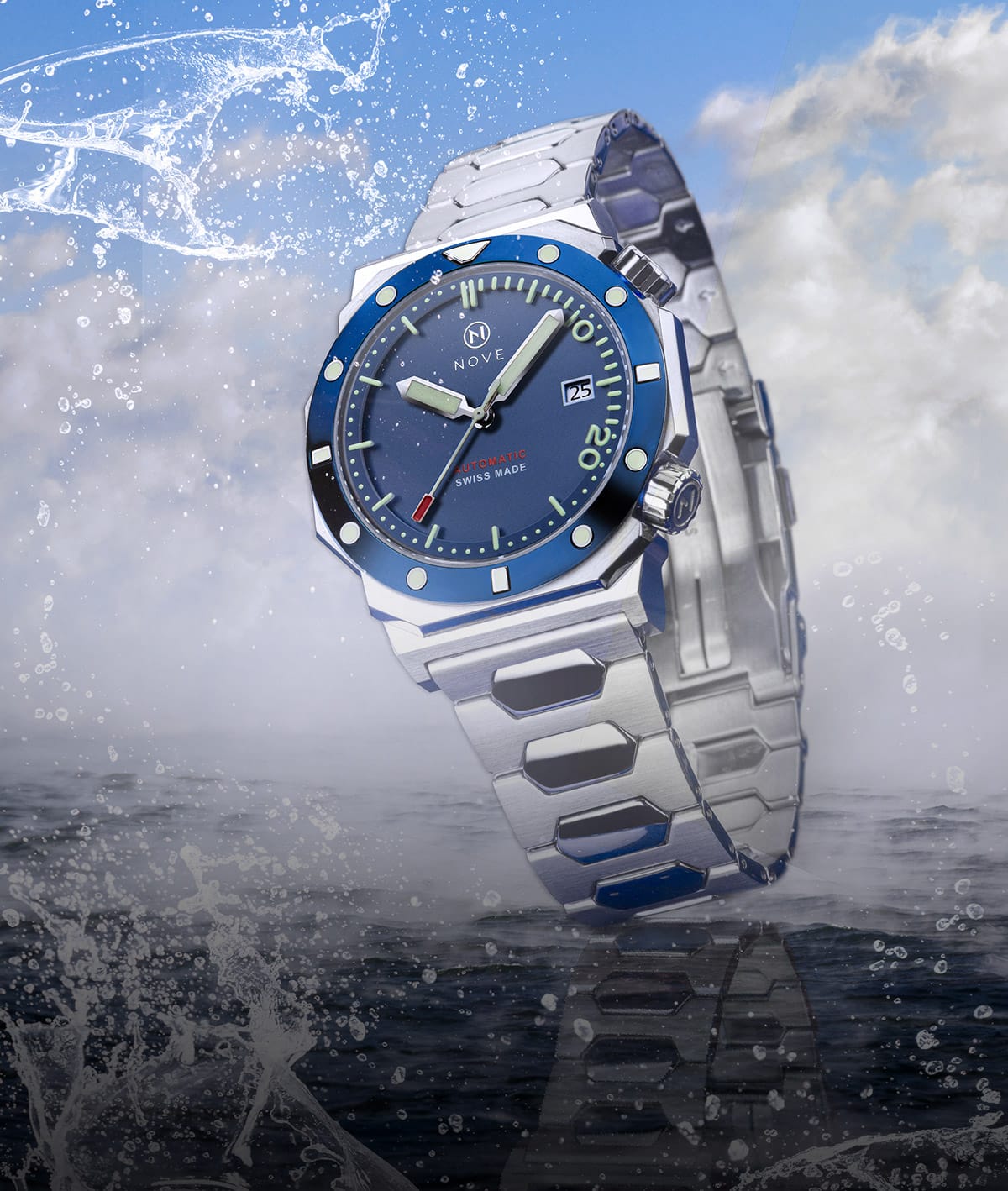

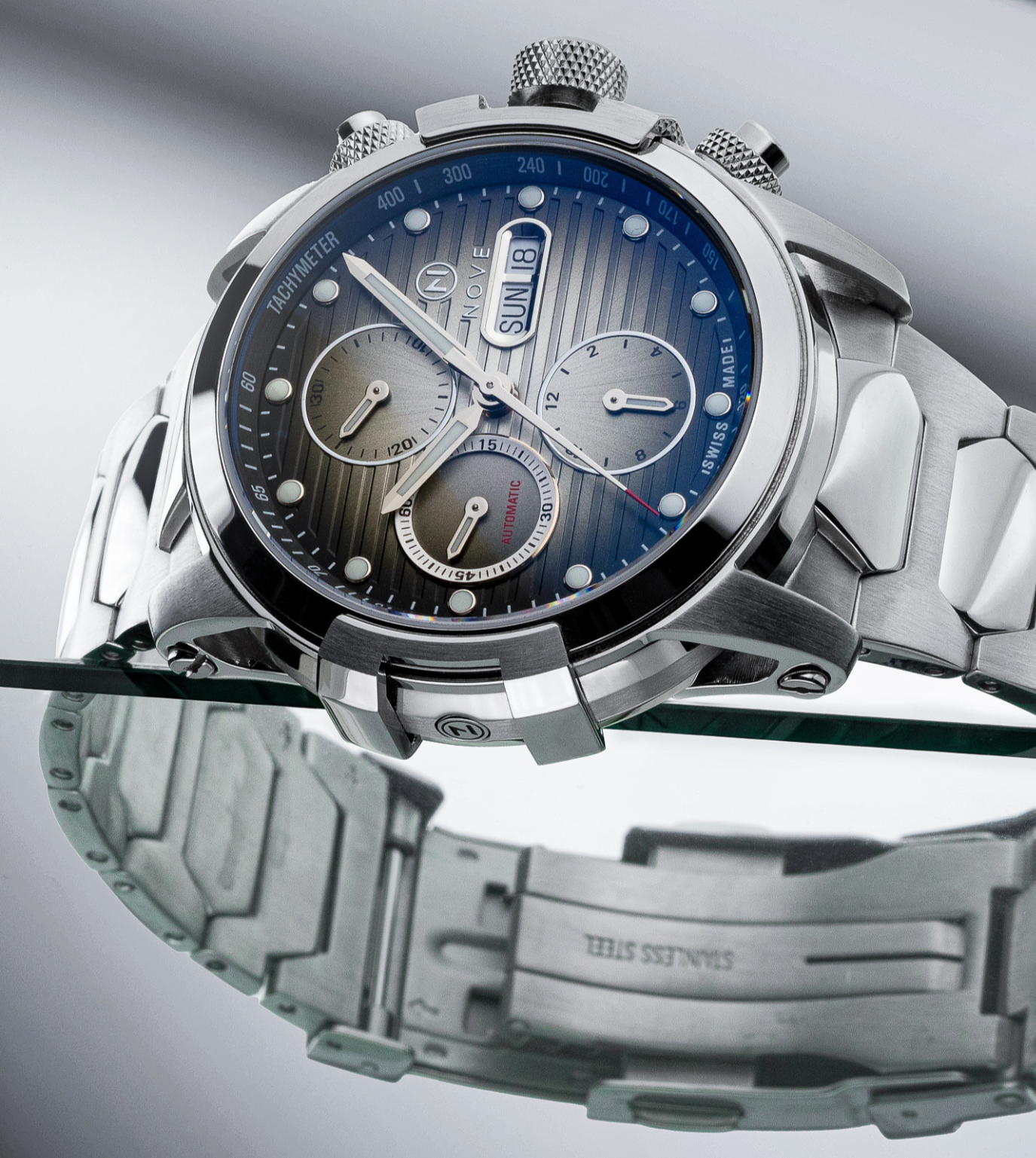
A dive watch earns its character the hard way - through salt, pressure, impact, sun, and daily wear. If you own one, you already understand that maintenance is not about babying a tool watch. It is about preserving the precision, water resistance, and visual presence that make a serious piece worth wearing. Knowing how to maintain dive watch performance means treating it like engineered equipment with a design legacy, not just another accessory.
Why dive watch care matters more than standard watch care
A dive watch lives under different expectations than a dress watch or casual everyday piece. It is built to resist water, manage pressure, and remain legible and reliable in demanding conditions. That extra capability depends on components that can wear over time, especially gaskets, crowns, bezels, and crystals.
Water resistance is never a forever promise. Even a well-built Swiss-made watch can lose protection if its seals dry out, its crown is mishandled, or chlorine and salt are left sitting on the case. Cosmetic wear is one thing. Compromised water resistance is another. The goal is to keep the watch looking sharp while protecting the systems you do not see.
How to maintain dive watch condition day to day
The best maintenance routine is simple, consistent, and realistic. Most owners do not need a workbench or a specialist toolkit. They need a few smart habits.
Rinse after salt water or chlorine exposure
If your watch has been in the ocean or a pool, rinse it with fresh lukewarm water as soon as possible. Salt crystals, chlorine, and mineral residue can cling to the bezel edge, caseback, bracelet links, and crown guards. Left alone, they can dull finishes, stiffen moving parts, and gradually wear down seals.
You do not need high pressure. A gentle rinse is enough. If there is visible buildup, use a soft toothbrush and a small amount of mild soap, then rinse again thoroughly. Dry the watch with a clean microfiber cloth.
Keep the crown secure
This is the habit that matters most. If your dive watch uses a screw-down crown, make sure it is fully screwed in before any water exposure. Not almost. Fully. A watch with an open crown is vulnerable no matter how impressive its depth rating looks on paper.
At the same time, avoid over-tightening. Screw it down until it is snug and secure. Forcing it can wear the threads or damage the crown tube over time. Precision loves restraint.
Clean the bracelet or strap properly
Metal bracelets collect salt, sweat, sunscreen, and dust in places you barely notice until the watch starts feeling grimy. Rubber straps need attention too, especially after heat and water exposure. Regular cleaning keeps the wearing experience refined and helps prevent premature wear.
Bracelets can usually handle a soft brush, mild soap, and warm water, as long as the crown is fully secured and the watch remains within its intended water-resistant condition. Leather should never be treated that way. If your dive watch is on leather for style, keep it away from prolonged moisture and wipe it down gently instead.
Protecting water resistance over time
A dive watch is only as trustworthy as its seals. Gaskets around the crown, crystal, and caseback are critical, but they are also consumable parts. They age. Heat affects them. So does neglect.
Get water resistance tested periodically
If you actually swim, snorkel, or dive with your watch, have the water resistance checked regularly by a qualified watch technician. Once a year is a smart benchmark for active use. If the watch rarely sees water, you may be able to stretch that interval, but it depends on age and usage.
This is especially important before a beach trip or dive vacation. Testing is far less glamorous than buying a new watch, but it is what protects the one already on your wrist.
Service immediately after impact or crown issues
A dive watch can look fine after a drop and still have a compromised seal. The same goes for a crown that suddenly feels rough, loose, or misaligned. If anything about the crown action changes, do not wait. Water resistance failures often start as subtle mechanical warnings.
The trade-off here is simple: preventive service costs less than moisture damage. Once water reaches the movement, the repair becomes more serious, more expensive, and less predictable.
How to store a dive watch without shortening its life
Good storage is understated maintenance. You do not need a dramatic collector setup to do this properly, but your watch should not be tossed onto a hard dresser every night either.
Keep it in a dry place away from direct sunlight, strong magnetic fields, and extreme temperatures. A dedicated watch box or soft pouch is ideal. If you rotate between several watches, give each one enough space to avoid scratches from bracelets and clasps rubbing together.
For automatic models, regular wear helps keep the movement running, but do not assume constant motion replaces servicing. If the watch stops, reset the time and date carefully according to the movement's instructions. Avoid making date changes during restricted hours, usually late evening through early morning, when the mechanism may already be engaged.
Quartz dive watches need their own version of discipline. If the battery is nearing end of life, replace it promptly. A depleted battery left inside too long can leak and damage the movement. That is a small oversight with outsized consequences.
Common mistakes that wear out a dive watch faster
A bold watch can feel indestructible. It is not. Even exceptional engineering has limits, and most avoidable damage comes from misuse rather than age.
One common mistake is operating the crown or pushers underwater. Unless your specific watch is explicitly designed for that, do not do it. Another is assuming water resistance applies equally in every situation. A watch rated for depth still experiences different stress in a hot shower, a steam room, or a high-impact water sport. Heat and sudden pressure changes can challenge seals in ways casual wear does not.
Harsh chemicals are another quiet problem. Fragrance, cleaning products, sunscreen, and insect repellent can all affect gaskets, coatings, and strap materials. Put your watch on after those products have settled, not during the process.
Then there is magnetism. While many modern watches have improved resistance, strong magnetic exposure from speakers, electronic accessories, and certain equipment can still affect timekeeping, especially in mechanical movements. If your watch suddenly runs far too fast or erratically, magnetization is worth considering.
When professional service becomes the right move
Routine cleaning is owner territory. Internal servicing is not. If your watch shows condensation under the crystal, loses time unusually fast, develops moisture after water exposure, or the bezel and crown no longer operate with clean precision, it is time for professional attention.
For mechanical dive watches, a full service interval often lands around every 5 to 7 years, but that is not a fixed law. Actual use matters. Frequent immersion, shock, and environmental exposure can justify earlier servicing. A watch worn mostly in office settings may need less urgent intervention than one that sees ocean water every month.
A proper service typically includes movement inspection, lubrication, replacement of worn seals, case cleaning, and water-resistance testing. It restores not just function but confidence. That matters with a dive watch, because trust is part of the ownership experience.
For a design-forward Swiss piece, service also protects the visual sharpness that defines its presence. A dive watch should feel powerful on the wrist, not tired. Brands like NOVE build these watches with both performance and statement in mind, so maintenance is not only mechanical discipline. It is respect for the object itself.
A maintenance routine that is easy to keep
If you want a practical rhythm, keep it simple. Rinse after salt water or chlorine. Wipe the watch down after sweaty wear. Check that the crown is secure before water exposure. Clean the bracelet or strap regularly. Store the watch properly. Test water resistance before serious water use. Service it when the watch gives you a reason, or when the calendar says it is due.
That routine does not take much time. What it does is preserve the qualities you paid for - precision, durability, finish, and presence. A well-maintained dive watch does not just survive longer. It wears better, performs better, and keeps its authority.
The best part is that care deepens ownership. Every rinse, inspection, and service is a quiet way of saying this watch was built to go the distance, and you intend to let it.