
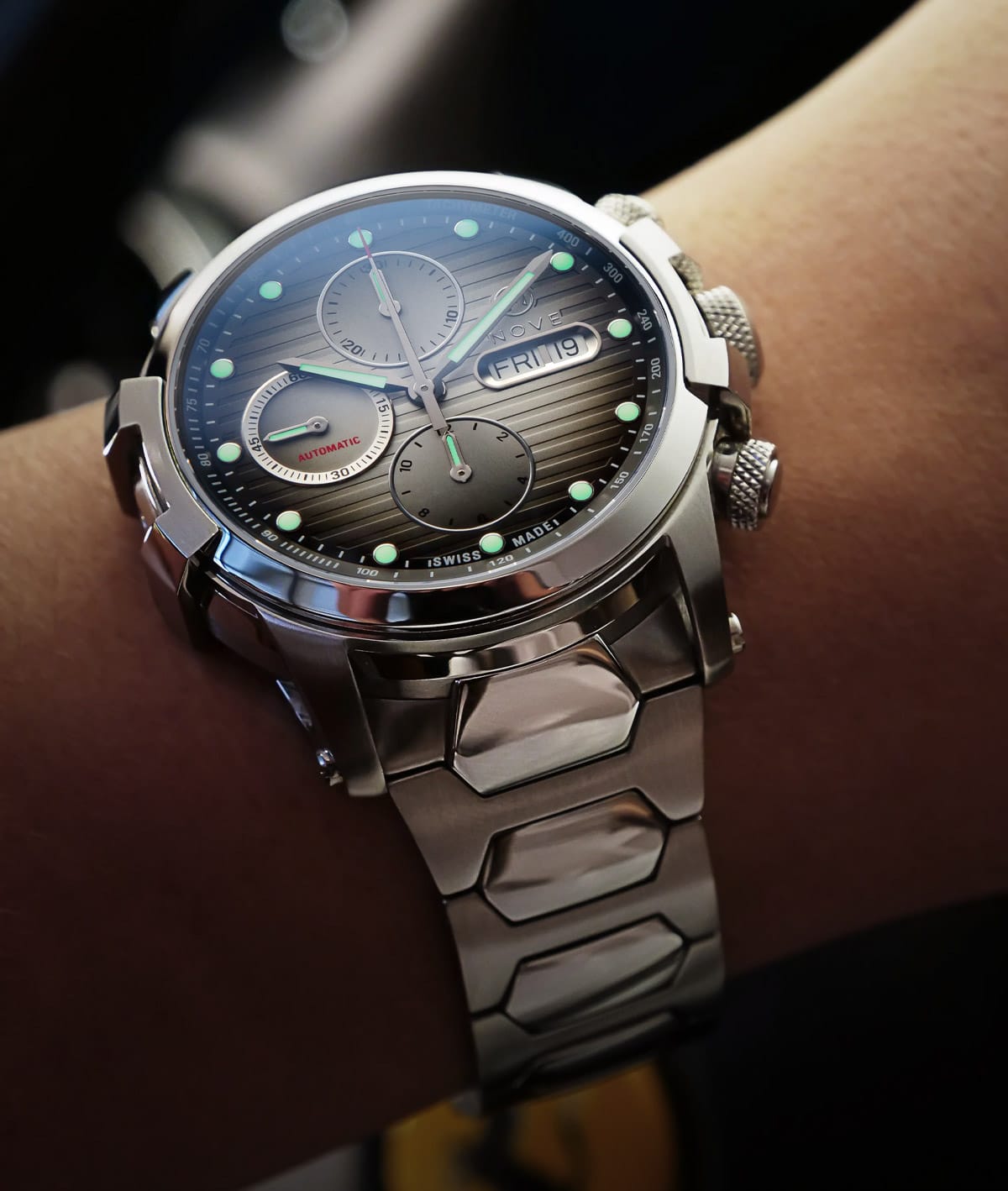
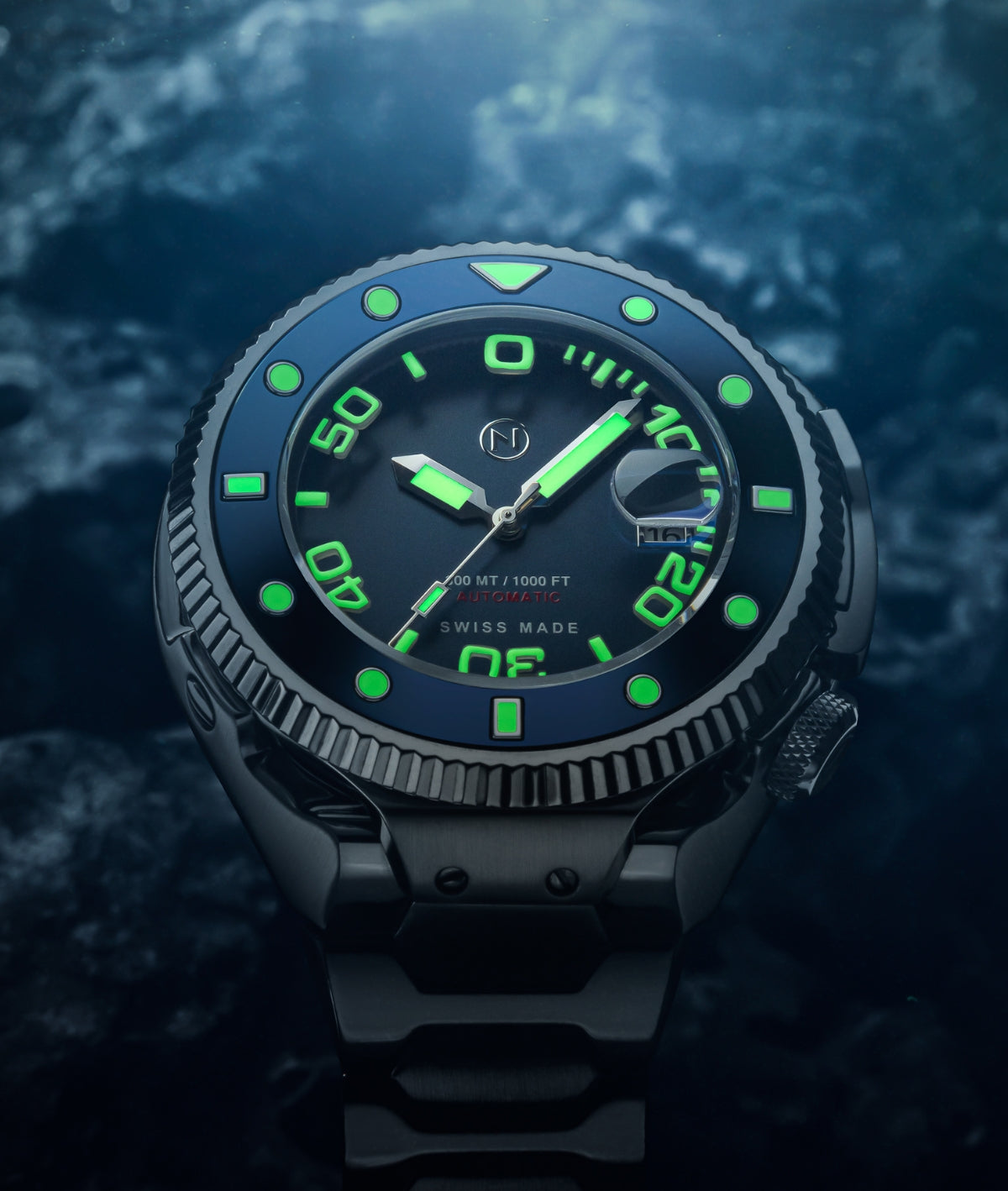
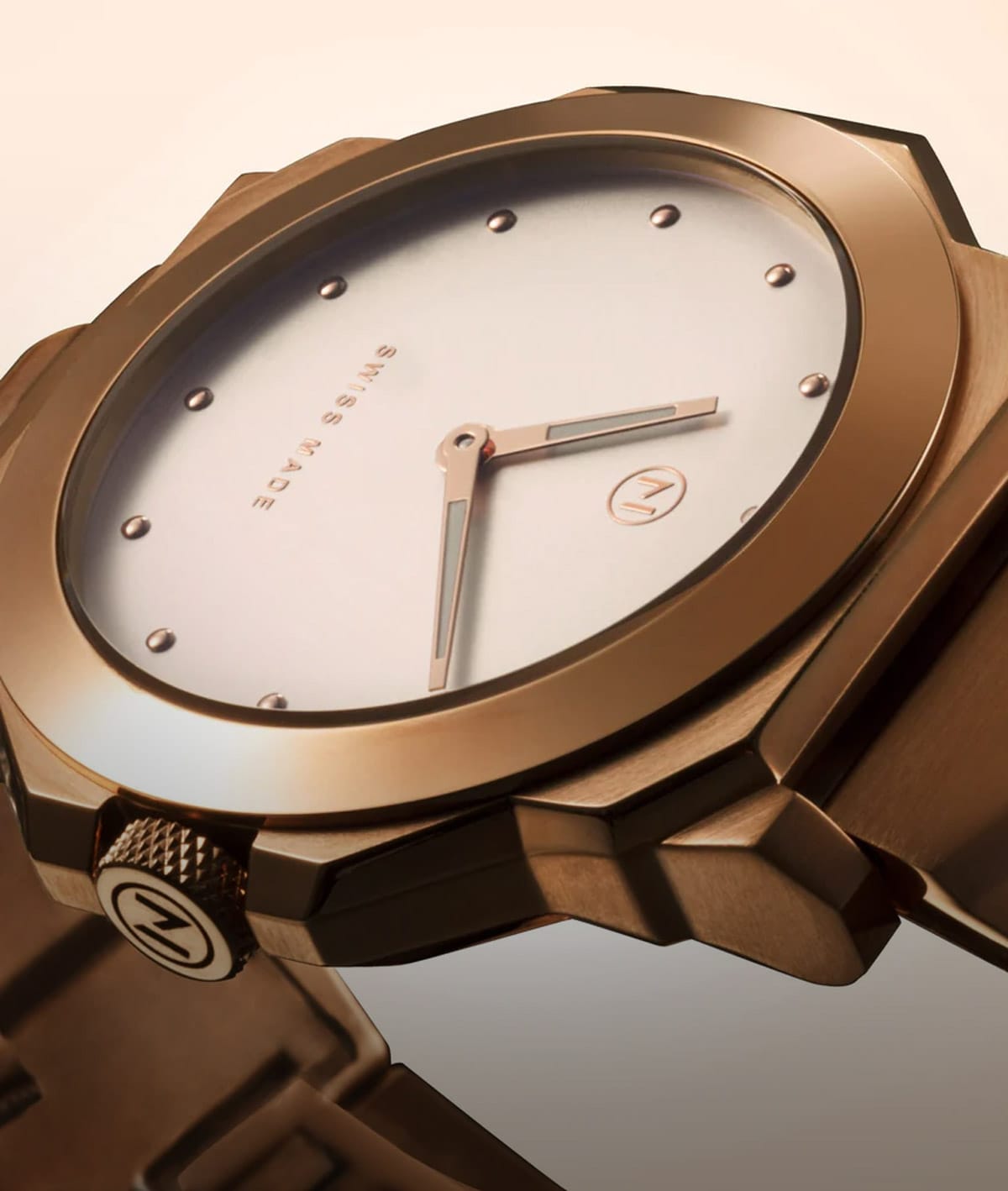
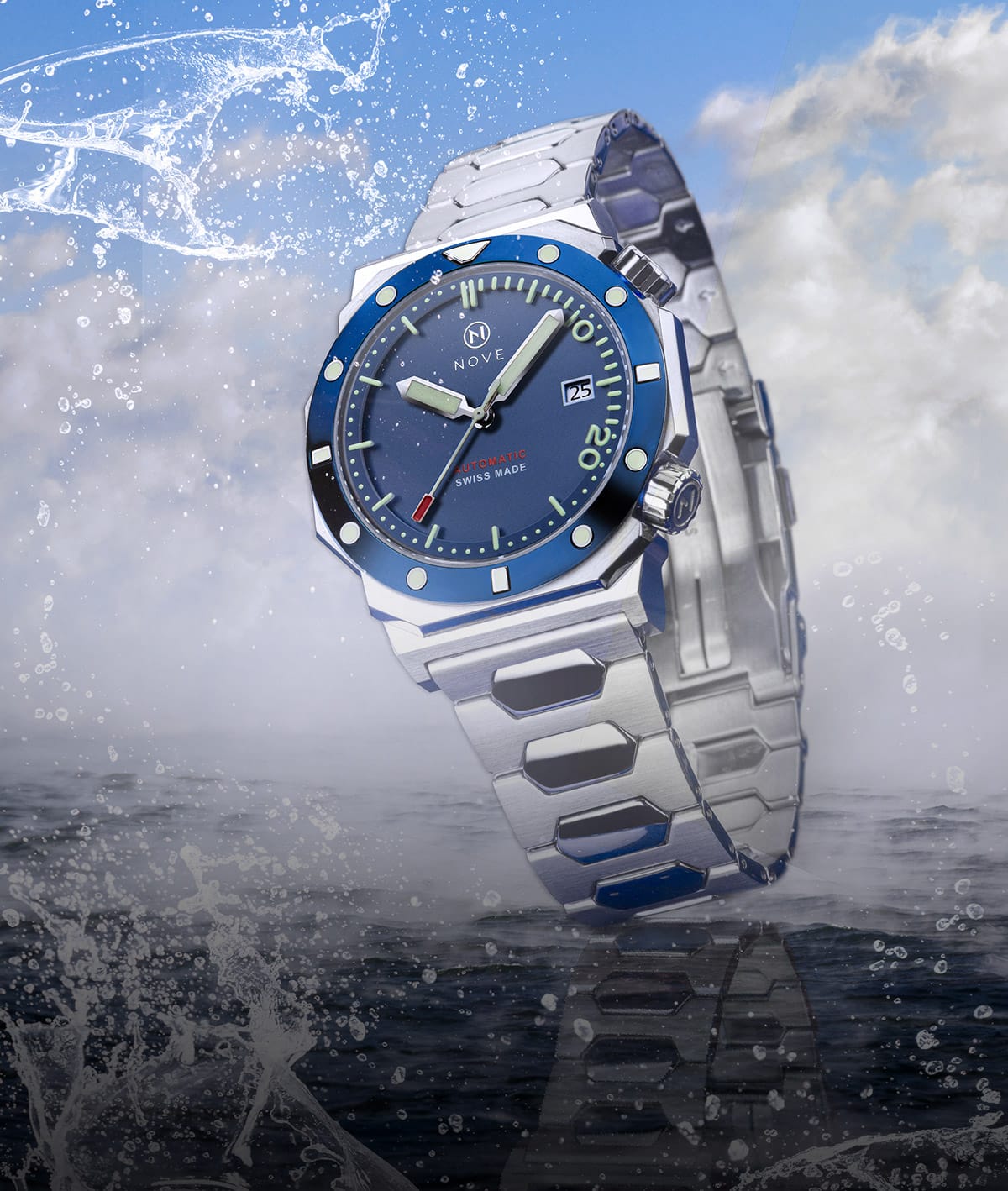
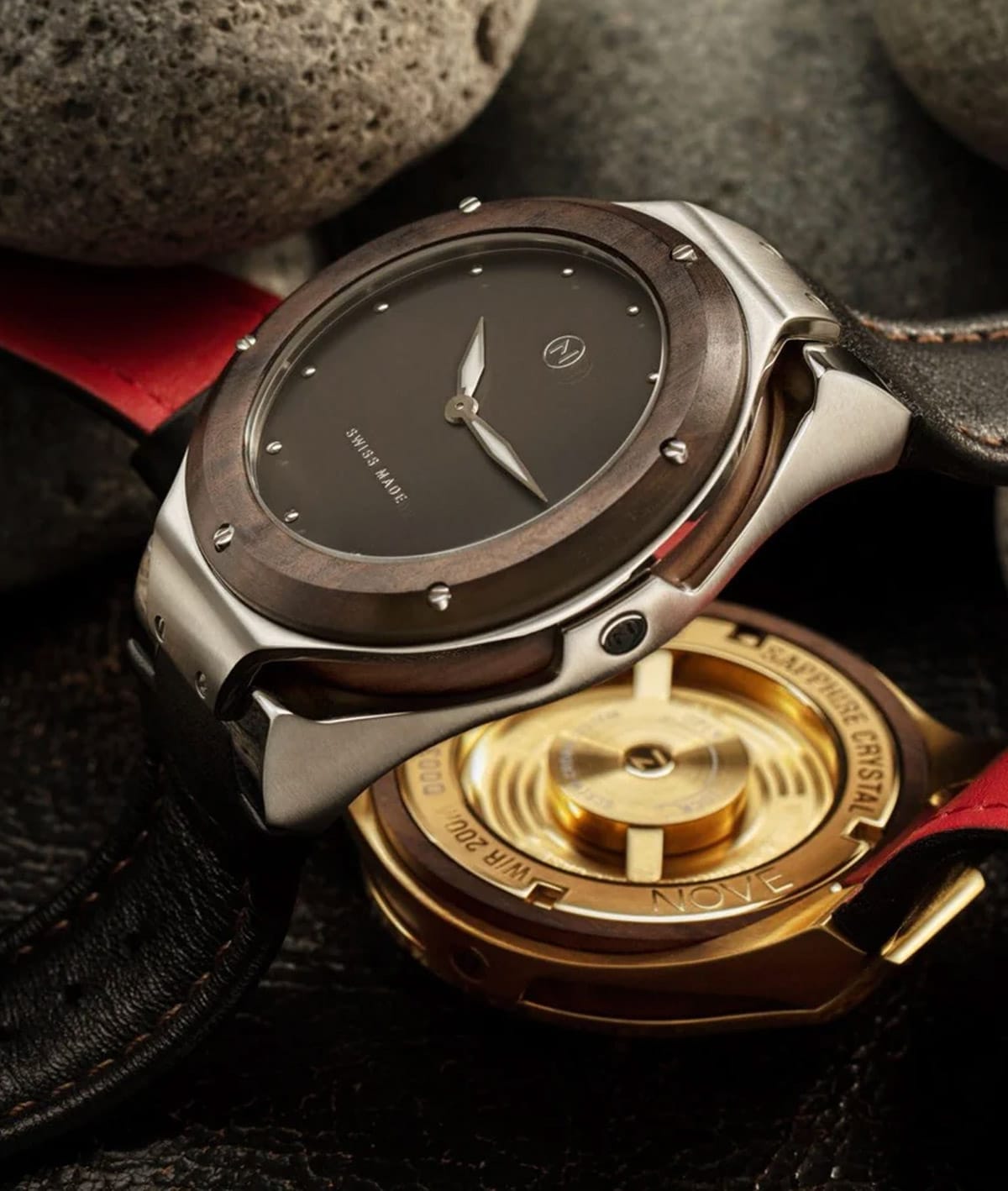
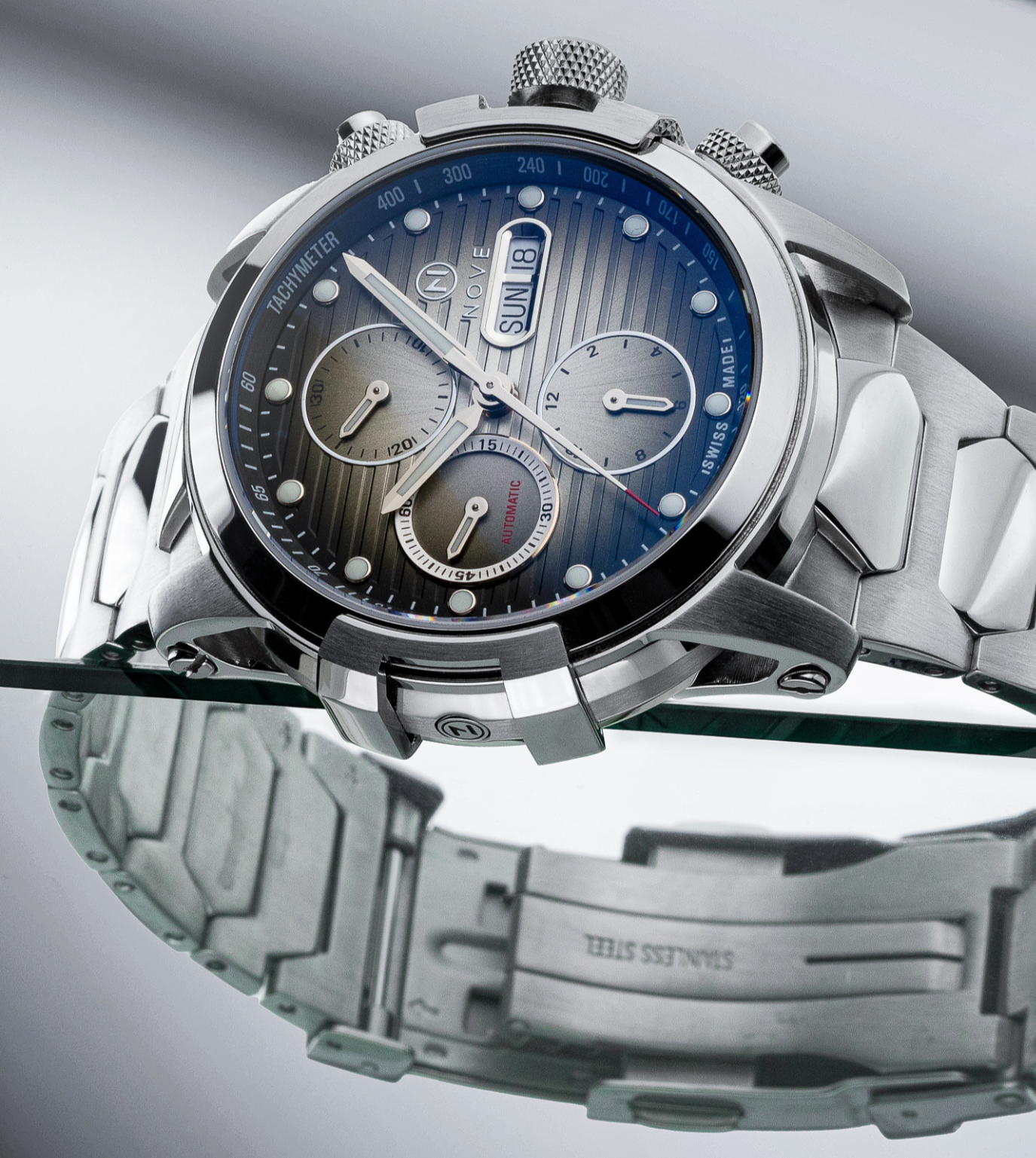
A watch can carry an impressive water-resistance rating, feature a sapphire crystal and a precisely engineered case, then still take on water through one small point of failure: the crown. So, are watch crowns waterproof? Not by themselves. A crown becomes water-resistant through careful construction, fitted seals, and the way it is secured against the case.
For anyone drawn to the confidence of a dive watch or the polish of a Swiss-made daily companion, that distinction matters. The crown is the control center of a watch. It sets the time, adjusts the date, and, on some models, operates additional functions. It is also an opening in the case, which means it demands more engineering attention than almost any other external component.
Are Watch Crowns Waterproof or Water-Resistant?
Strictly speaking, no watch crown should be called waterproof. In watchmaking, water-resistant is the more accurate term. Even a highly capable dive watch is designed to resist water under defined conditions, not to remain permanently impervious to every form of moisture, pressure, impact, and aging.
A crown is made water-resistant by gaskets, usually small rings of rubber or synthetic material, placed inside the crown tube and sometimes around the stem. When the crown is pushed in or screwed down, those seals compress to create a barrier against water entering the movement.
The quality of that barrier depends on the design. It also depends on the condition of the seals, whether the crown is fully secured, and whether the watch has suffered a hard knock. A crown that once performed perfectly can become a weak point after years of heat, saltwater exposure, chemical contact, or simple gasket deterioration.
Why the Crown Is the Watch's Most Vulnerable Opening
The caseback and crystal are sealed, fixed surfaces. The crown has to move. That mobility is what makes it useful, but it also makes it more complex. Every time you pull out a standard crown to set the time, the stem moves through the case tube. Without properly fitted gaskets, water can travel along that path and reach the movement.
A mechanical movement contains delicate steel components, lubricants, gears, springs, and finely adjusted surfaces. Moisture inside the case can cause corrosion, fogging beneath the crystal, inaccurate timekeeping, and costly damage that may not be visible right away.
This is why water resistance is not simply a question of how thick a watch looks. An elegant profile can still deliver serious protection when the crown, tube, case construction, crystal, and gaskets have been engineered as one system. Conversely, a large, rugged-looking watch is only as secure as its seals.
Push-Pull Crowns
A push-pull crown is the traditional style found on many everyday watches. It presses directly into the case tube and relies on internal gaskets to keep water out. When the crown is fully pushed in and the watch has an appropriate water-resistance rating, this construction can be suitable for daily wear, rain, handwashing, and in many cases swimming.
The trade-off is that a push-pull crown offers less mechanical security than a screw-down design. It can be accidentally pulled open, and its seals are not compressed in quite the same way. That does not make it inferior in every context. For a refined dress watch or an everyday piece not intended for diving, it is often the right balance of convenience and design.
Screw-Down Crowns
A screw-down crown threads onto the case tube, tightening the crown against its gaskets. This added engagement helps create a more secure seal and reduces the chance that the crown will be pulled out by accident. It is a defining feature on many serious dive watches.
A screw-down crown should not be forced. If it does not catch the threads smoothly, back it off slightly, align it, and turn again with gentle pressure. Cross-threading can damage the crown tube and compromise the very seal you are trying to protect.
The practical rule is simple: before entering water, confirm that a screw-down crown is fully screwed in. A premium dive watch may be designed for extraordinary pressure, but an unscrewed crown leaves its most vulnerable passage exposed.
Water-Resistance Ratings Explain the Bigger Picture
The crown is only one part of a watch's water-resistance system. The rating tells you what the complete watch, when properly sealed and maintained, has been tested to withstand.
A rating of 30 meters or 3 ATM generally means a watch can handle splashes, rain, and brief accidental contact with water. It is not a swimming rating. At 50 meters or 5 ATM, a watch is often appropriate for surface swimming, though the manufacturer's guidance should always take priority. At 100 meters or 10 ATM, a watch is commonly suitable for swimming and recreational water activity. Dive-oriented watches frequently offer 200 meters, 300 meters, or greater resistance, with construction intended for more demanding aquatic environments.
These numbers do not mean you can literally descend to that exact depth under every circumstance. Testing is performed under controlled conditions. Diving, jumping into water, moving an arm quickly, and exposing a watch to changing temperatures can create dynamic pressure that differs from static laboratory testing.
For that reason, the rating is a capability statement, not permission to ignore common sense. A 200-meter watch with a damaged crown gasket is less prepared for a pool than a well-maintained 100-meter watch with its crown correctly secured.
What Can Compromise a Crown Seal?
Water resistance changes over time. Gaskets are consumable components, not permanent armor. They can dry out, flatten, crack, or lose elasticity. Chlorine, salt, sunscreen, soap, perfume, and extreme heat can all accelerate wear.
Never operate the crown while the watch is underwater or wet. Pulling it out breaks the seal and may allow water to enter immediately. The same caution applies after a swim: dry the watch first, then adjust it only when the crown area is completely dry.
Hot tubs, saunas, and steam rooms deserve special care. High heat can cause materials to expand at different rates, while steam can penetrate areas that cold water may not. Even a watch built for underwater adventure is not automatically made for prolonged exposure to heat and vapor.
If you swim in saltwater, rinse the exterior of the watch with fresh water afterward, provided the crown is fully secured and the watch is rated for swimming. Then dry it with a soft cloth. This small ritual protects the finish, helps prevent salt buildup around the crown, and preserves the clean, considered presence of the piece.
How to Keep a Water-Resistant Watch Ready
The most valuable maintenance habit is also the least dramatic: have water resistance checked periodically, especially before a season of swimming, travel, or diving. A qualified watch service professional can pressure-test the case and inspect or replace worn seals.
Service is particularly wise after a significant impact, a battery replacement, or any repair that requires opening the case. Once a caseback has been removed, the seal should be inspected and properly reseated. For a watch that regularly enters water, an annual check is a sensible standard. For occasional exposure, testing every one to two years may be appropriate, depending on the watch and its use.
There is also a question of intention. If your watch is meant to accompany ocean swims, weekend dives, and an active life, choose a model with a water-resistance rating and crown construction that match those ambitions. If it is a tailored companion for the office, dinners, and travel, water resistance remains valuable, but its role is more about reassurance than immersion.
A Small Component With a Serious Job
The crown may be a detail measured in millimeters, but it represents the marriage of engineering and restraint that defines exceptional watchmaking. It must feel precise beneath the fingertips, sit in harmony with the case design, and protect the movement without distracting from the watch's character.
Treat it with that level of respect: secure it before water exposure, avoid adjusting it when wet, and test the seals as part of regular care. Then your watch can remain what it was meant to be - a refined expression of personal style, ready for the moments that ask more of it.