
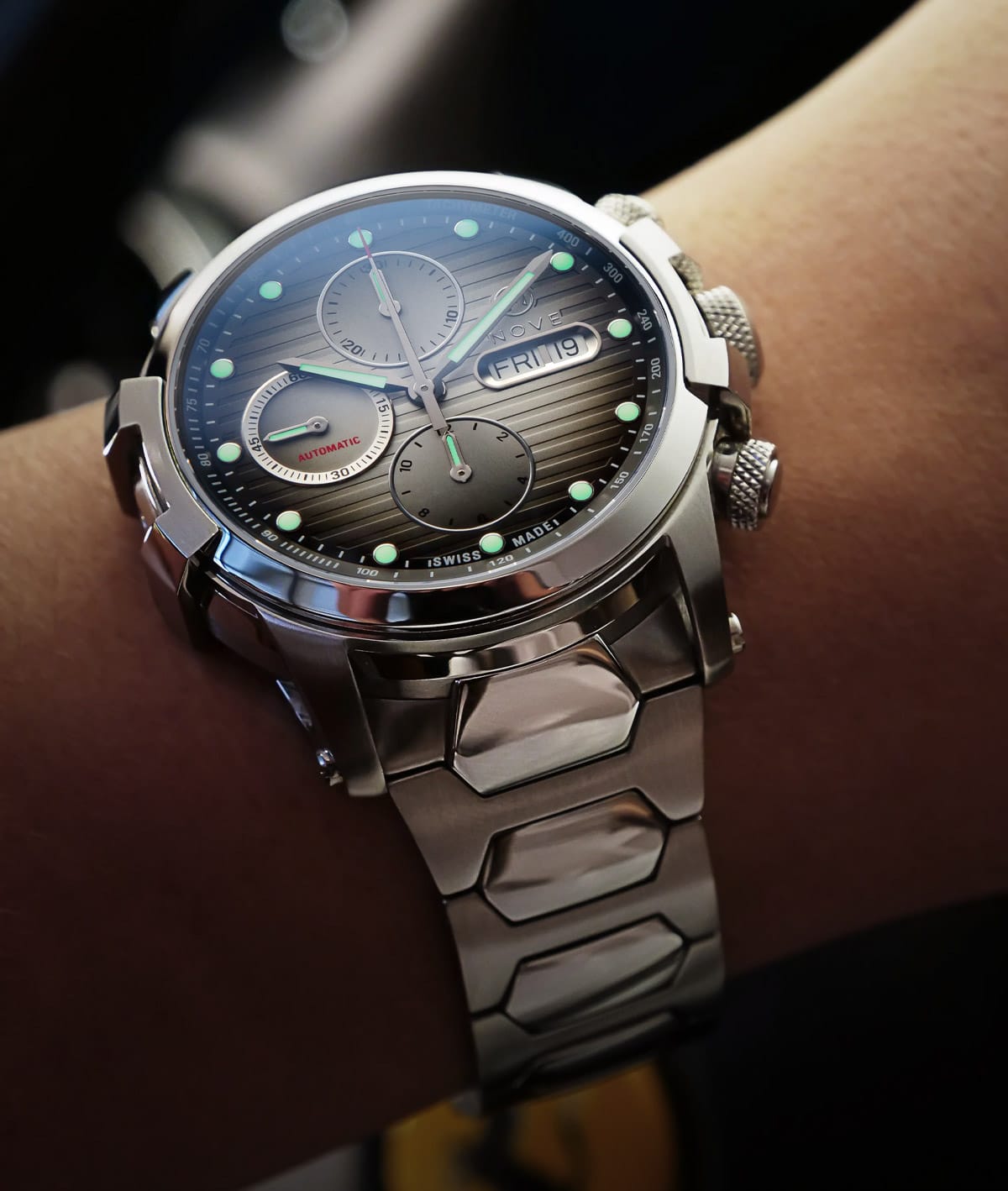
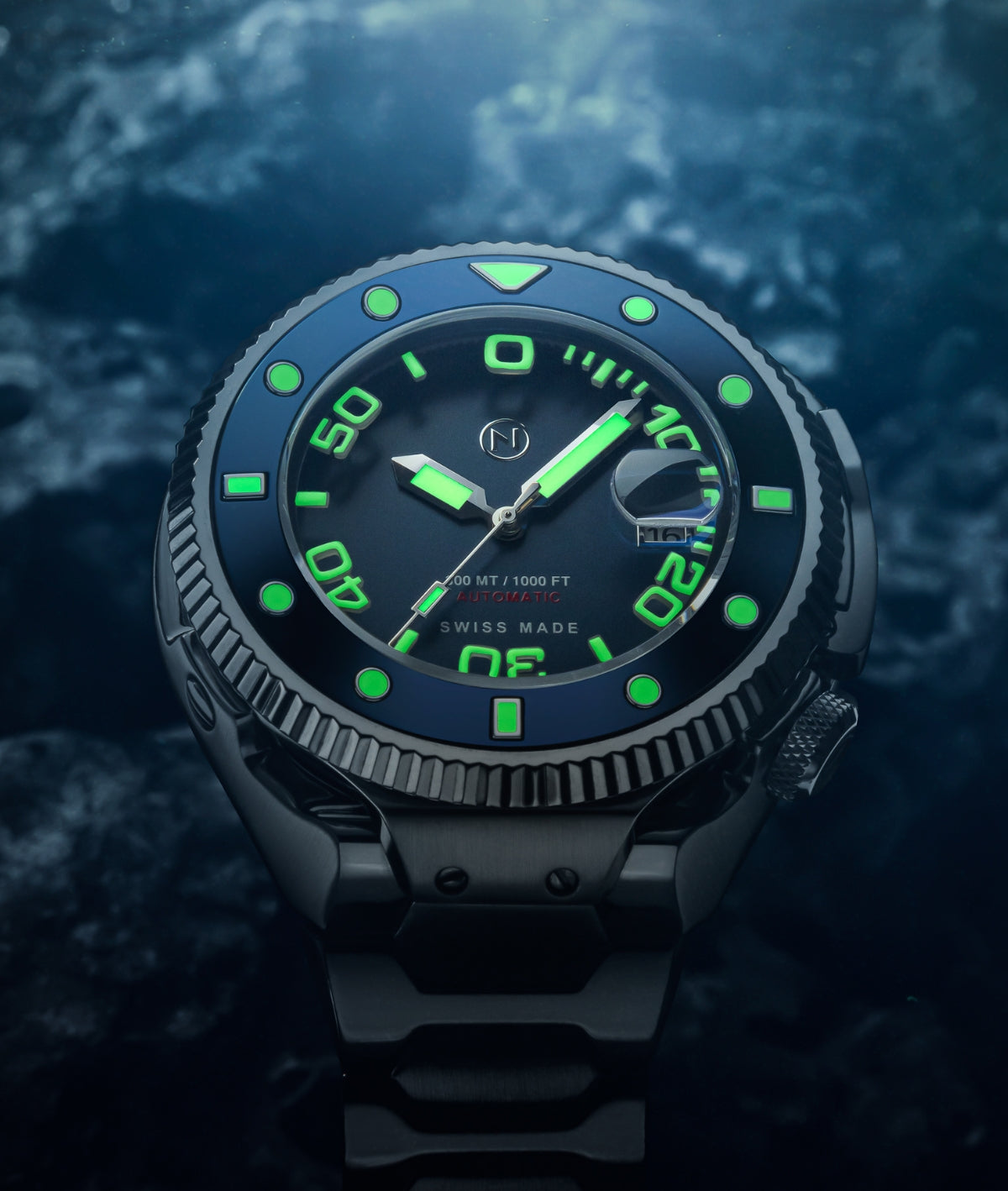
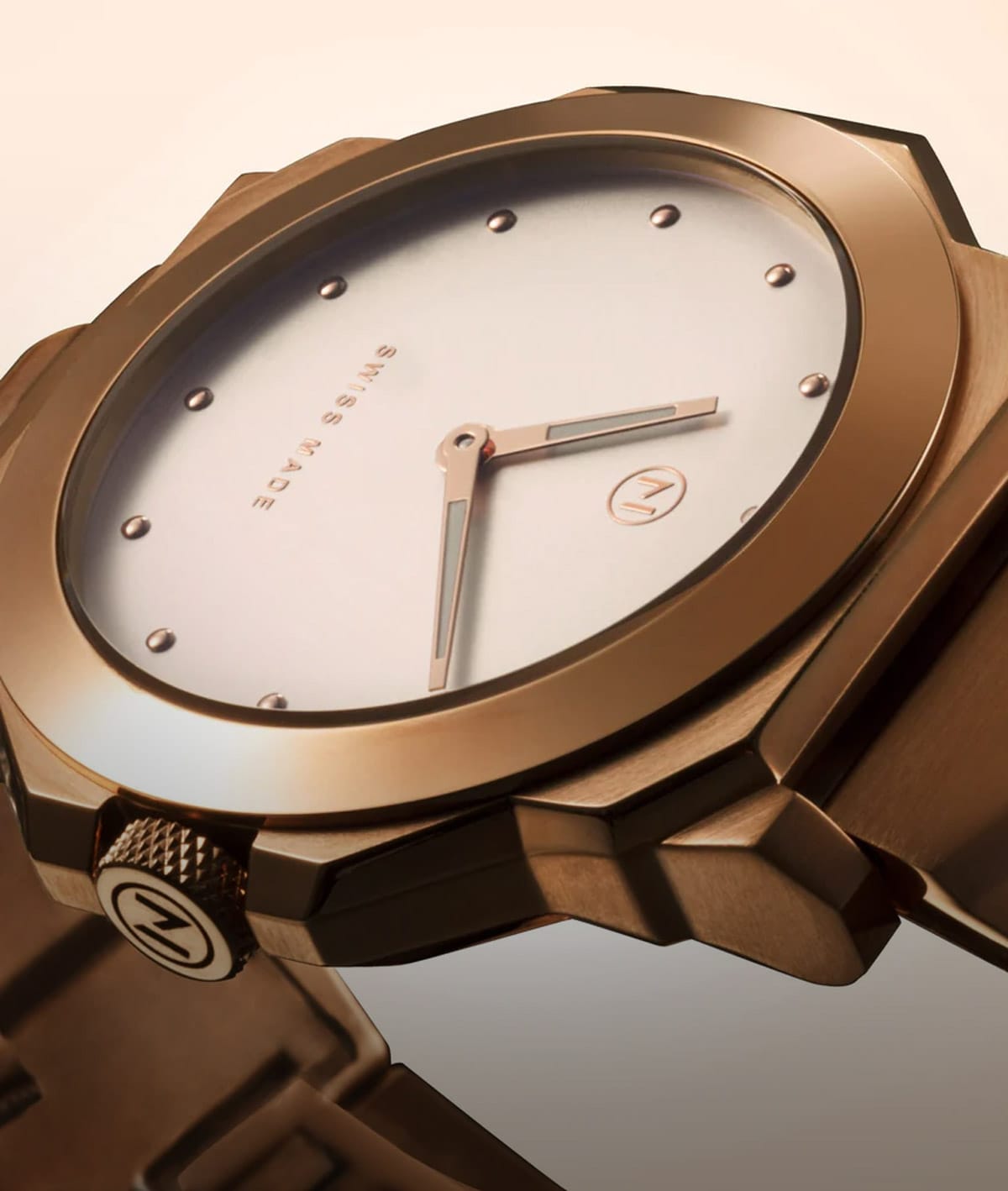
A dial can say a lot with two words. Swiss Made is one of the most recognized markings in watchmaking, yet many buyers still wonder what makes watch Swiss made in legal, practical, and quality terms. The answer is not simply geography. It is a defined standard tied to movement origin, assembly, inspection, and a level of watchmaking discipline that has earned global respect.
For anyone investing in a timepiece, that distinction matters. Swiss Made is not just a romantic label for alpine workshops and centuries of tradition. It is a regulated designation, and when it appears on a watch, it signals that key parts of the watch’s value and technical identity were created in Switzerland.
What makes a watch Swiss Made under the law?
The phrase Swiss Made is protected by Swiss legislation. A brand cannot place it on a dial because the design was inspired in Switzerland or because a few parts passed through the country. The watch has to meet specific criteria.
At the broadest level, a watch can be called Swiss Made when its movement is Swiss, the movement is cased up in Switzerland, the final inspection takes place in Switzerland, and at least 60 percent of the manufacturing costs are generated in Switzerland. That last point is especially important because it moves the standard beyond marketing and into measurable economic substance.
In other words, what makes a watch Swiss made is a combination of technical origin and real production value created on Swiss soil. It is a framework built to protect authenticity, not simply prestige.
The movement comes first
The movement is the heart of the watch, so Swiss law starts there. For a movement to be considered Swiss, it must be assembled in Switzerland, inspected in Switzerland, and at least 60 percent of its manufacturing costs must come from Switzerland. There is also a requirement that the technical development of the movement be carried out in Switzerland.
This matters because a watch is more than its case, dial, or strap. A beautifully designed watch with a non-Swiss movement may still be an excellent product, but it does not meet the threshold for Swiss Made. The movement sets the baseline.
Assembly and final inspection matter too
Even if the movement qualifies as Swiss, the complete watch must still be assembled in Switzerland and undergo final inspection there. That means the process of bringing together the case, dial, hands, movement, crystal, crown, and other components has to happen in Switzerland. The finished watch must then be checked there before it reaches the customer.
This is one reason Swiss Made retains its authority. It is tied not only to part sourcing but also to hands-on watchmaking and quality control.
Why Swiss Made still carries weight
Plenty of countries produce excellent watches. Japan is known for extraordinary reliability and technical efficiency. Germany has its own strong design and engineering tradition. Microbrands around the world are pushing creativity in exciting ways. So why does Swiss Made still stand apart?
Because it represents a rare blend of heritage, regulation, and consistency. Switzerland did not earn its reputation through branding alone. It built it through generations of movement production, specialist suppliers, finishing expertise, and a culture where precision is expected rather than advertised as a novelty.
That does not mean every Swiss Made watch is automatically superior to every non-Swiss watch. Price, movement type, finishing, materials, and brand philosophy all matter. But the label does create a meaningful baseline. It tells the buyer that the watch meets recognized standards in one of the most demanding watchmaking environments in the world.
What makes watch Swiss made valuable to buyers
For many buyers, Swiss Made is not just about technical credibility. It is also about confidence.
When you are shopping in the premium space, you want to know where the movement comes from, where the watch was assembled, and whether the craftsmanship behind the product is more than surface deep. Swiss Made answers part of that question immediately. It reduces ambiguity.
There is also an emotional dimension. A Swiss-made watch carries the gravity of tradition, but the best modern brands pair that legacy with contemporary design, stronger materials, and more daring visual language. That balance is where Swiss watchmaking becomes especially compelling. It is not frozen in the past. It evolves.
For style-conscious buyers, this is where the label becomes more than a technical footnote. It means the watch can deliver both engineering substance and aesthetic authority.
Swiss Made does not mean every part is Swiss
This is where nuance matters. One common misunderstanding is that Swiss Made means every single component comes from Switzerland. That is not what the standard requires.
The current rules focus on the Swiss movement, Swiss assembly, Swiss final inspection, and the 60 percent manufacturing cost threshold. Some components may be sourced from outside Switzerland. That is true even in respected Swiss watchmaking. Modern production is global, and supply chains are rarely confined to one border.
What matters is whether the watch satisfies the legal and economic requirements that define Swiss Made. For some buyers, that will feel more than sufficient. Others may want a watch with an even higher proportion of Swiss components or more hand-finishing. That is a fair distinction, especially at higher price tiers.
The key is to understand that Swiss Made is a protected standard, not an absolute claim of total domestic origin.
What makes a watch Swiss Made versus Swiss Movement?
These terms are often confused, but they are not interchangeable.
A watch labeled Swiss Movement typically means the movement itself is Swiss, while the complete watch may have been assembled elsewhere. That can still be appealing, especially in more accessible price categories, but it is not the same as Swiss Made.
Swiss Made applies to the finished watch as a whole. It signals that the movement qualifies as Swiss, the complete watch was assembled in Switzerland, the final inspection happened there, and the manufacturing cost requirements were met.
If you care about the strongest Swiss designation on the dial, this distinction matters. Swiss Movement tells you something useful. Swiss Made tells you much more.
Why design-forward buyers should care
There was a time when Swiss credibility was often paired with conservative styling. That is no longer the full picture. Today, some of the most interesting Swiss-made watches combine rigorous standards with bolder case architecture, unexpected dial treatments, stronger water resistance, and a more expressive identity.
That shift matters for buyers who want a watch to feel like a personal signature rather than a generic symbol of status. Swiss Made can sit comfortably inside a watch that feels modern, architectural, and distinctive. In fact, that combination is part of what makes the category so attractive right now.
A Swiss-made watch should not only keep time with authority. It should also command presence on the wrist.
What to look for beyond the label
Swiss Made is a strong signal, but it should not end the conversation. A smart buyer looks deeper.
Pay attention to the movement type. An automatic, chronograph, or quartz watch each serves a different kind of owner. Consider the case material, crystal, water resistance, lume, bracelet construction, and finishing quality. Ask whether the design has character or simply imitates more expensive icons. Think about warranty support and whether the brand stands behind the product after purchase.
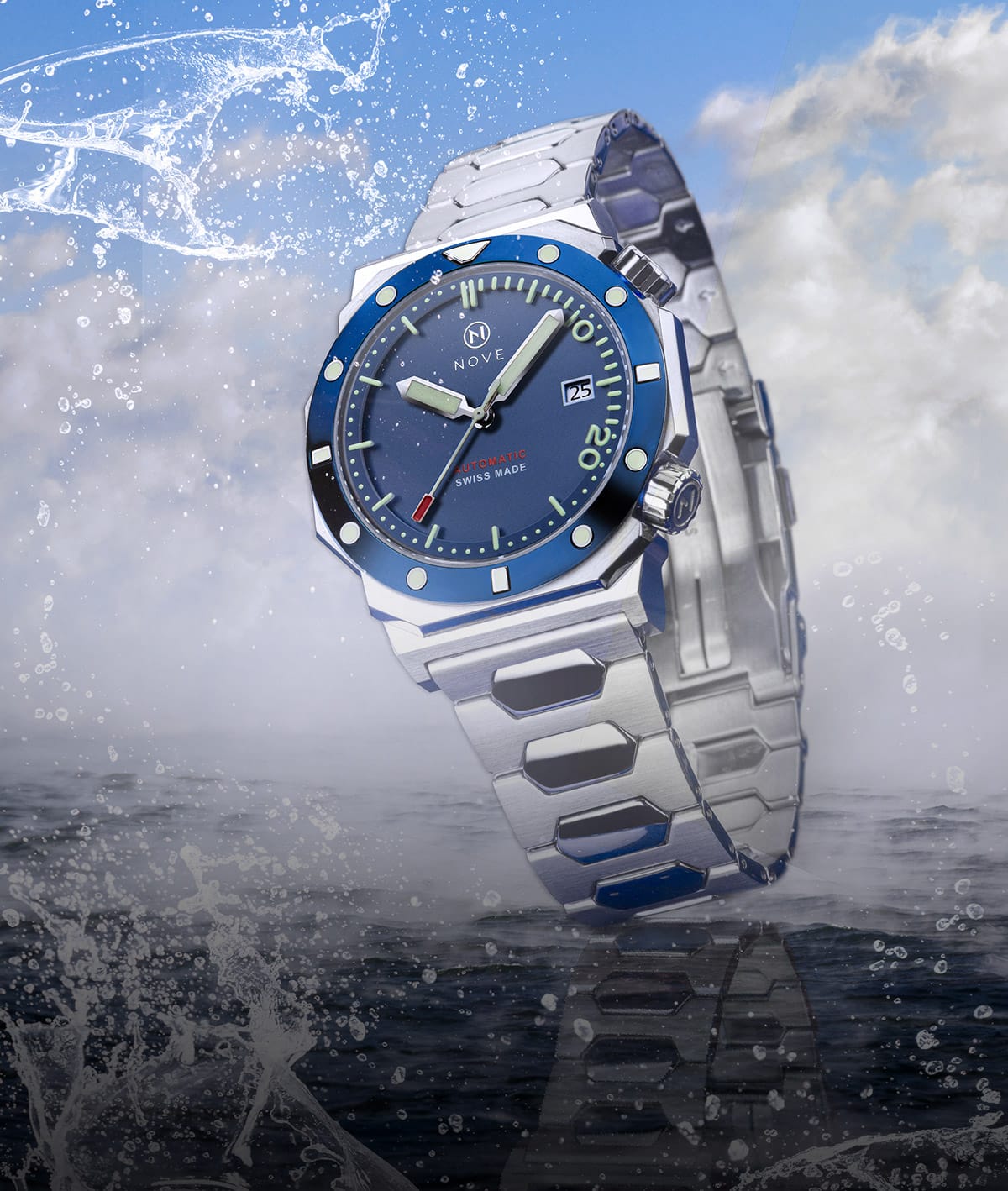
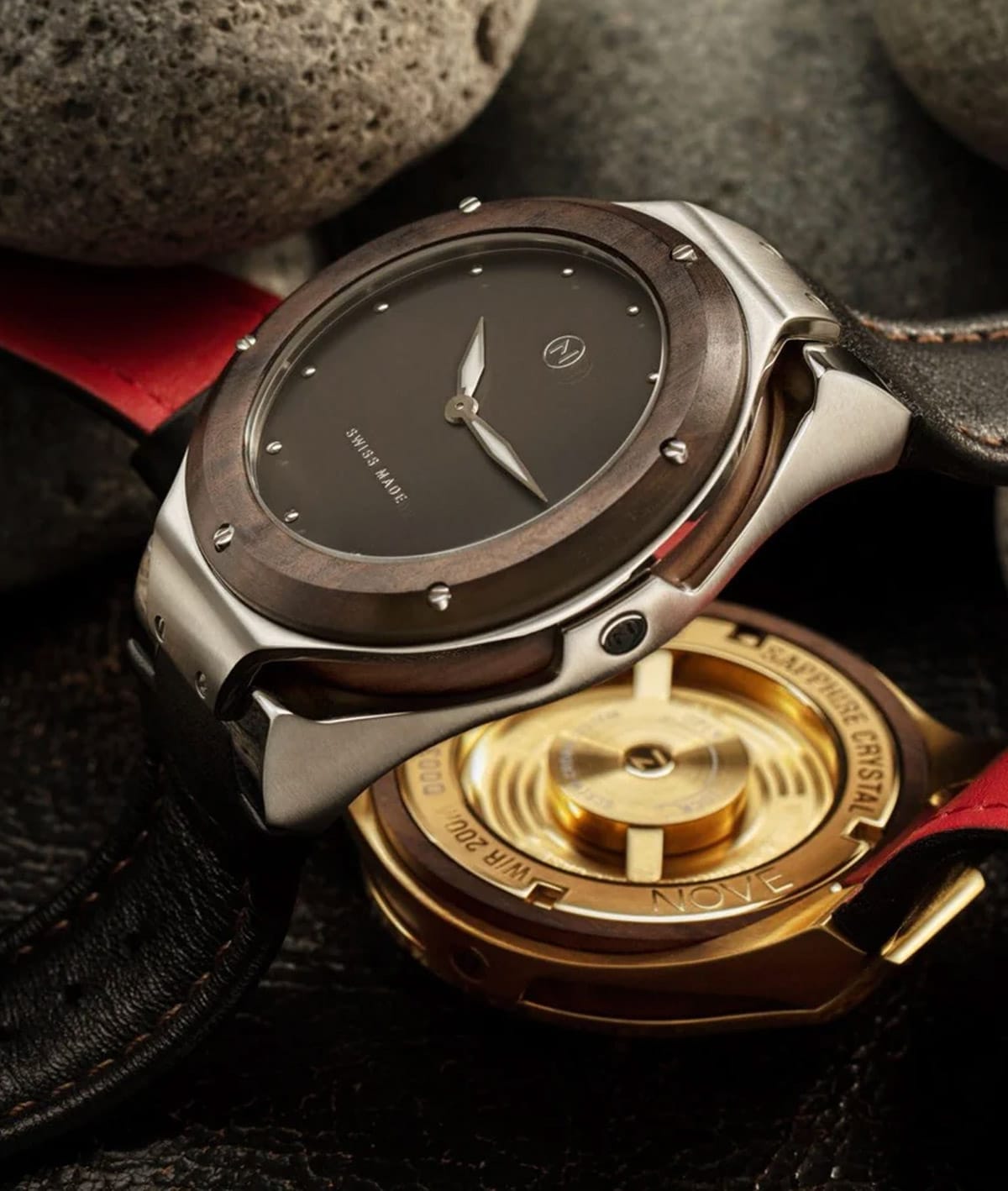
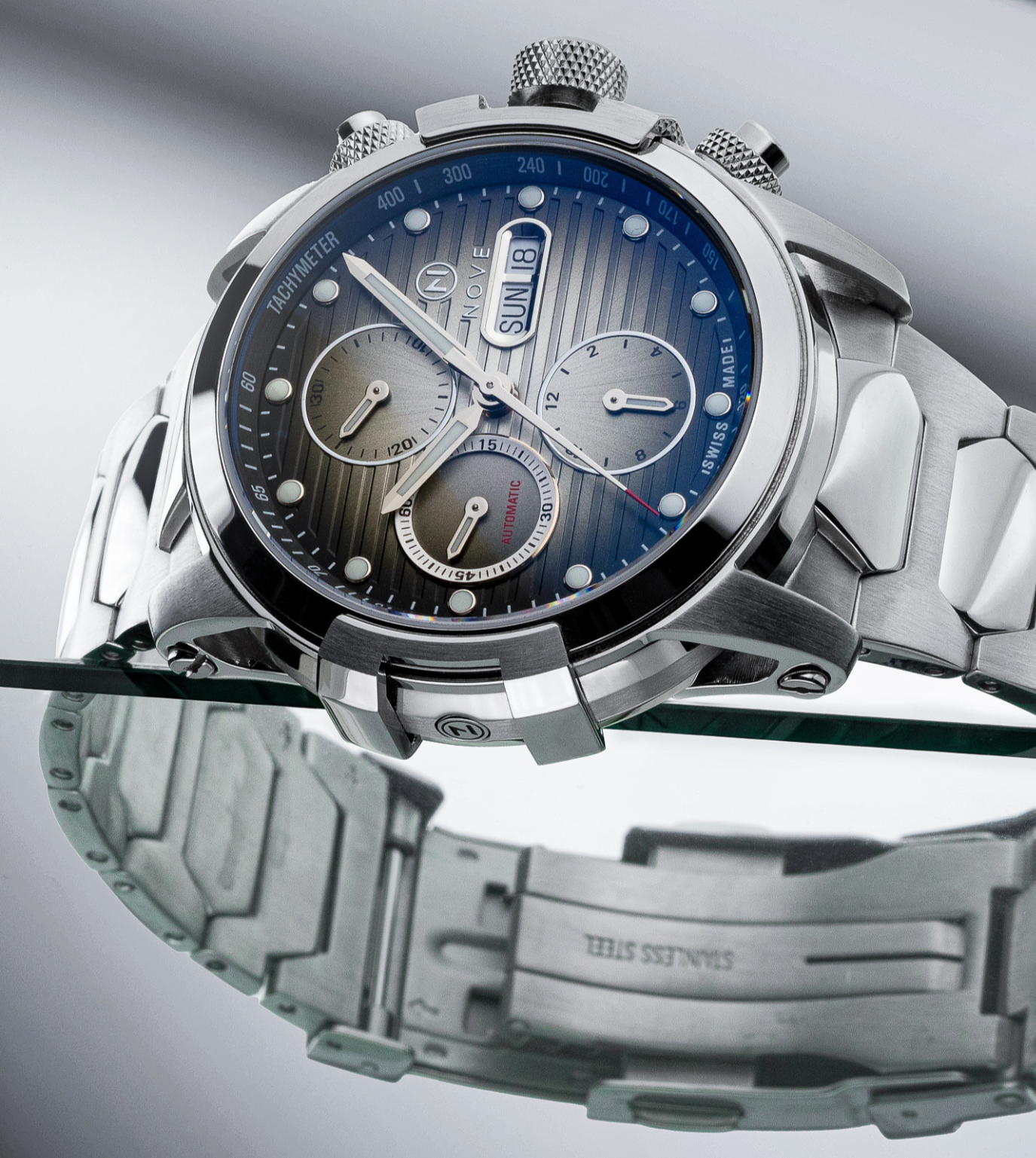
This is where modern Swiss brands can be especially compelling. They can offer genuine Swiss-made credibility, strong materials, and design originality without drifting into the inflated pricing often attached to legacy prestige alone. That balance is part of the appeal at NOVE, where Swiss craftsmanship meets a more daring visual point of view.
Is Swiss Made always worth paying more for?
Often, yes, but not blindly.
If you value long-term credibility, movement integrity, and the assurance of Swiss assembly and inspection, paying more for Swiss Made can be justified. The designation usually reflects stricter production standards and a stronger watchmaking foundation. It can also support resale perception, gift value, and owner confidence.
Still, the premium has to be earned. A poorly designed Swiss-made watch does not become exciting because of the text on its dial. Likewise, a beautifully executed non-Swiss watch may offer remarkable value. The best choice depends on what you prioritize - heritage, performance, design, price, or all four.
The strongest purchases happen when the label and the watch itself live up to each other.
Swiss Made remains powerful because it stands at the intersection of law, craft, and reputation. It tells you the watch is tied to a serious watchmaking tradition and held to measurable standards. But the most memorable Swiss-made watches do something more. They carry precision with personality, technical discipline with beauty, and heritage with a point of view bold enough to feel entirely your own.