
A watch tells people more than the time. It signals what you value - craft or trend, permanence or novelty, quiet precision or surface appeal. That is why the Swiss watch vs fashion watch question matters more than most buyers expect, especially when you want one piece that feels right today and still deserves wrist time years from now.
At first glance, the difference can seem cosmetic. Both may look polished in a product photo. Both may carry a recognizable brand name. Both may sit in similar visual territory, especially if a fashion label has invested heavily in styling. But once you move past the dial and into how the watch is made, how it wears, and how it ages, the gap becomes much clearer.
Swiss watch vs fashion watch: the real difference
A Swiss watch is built around watchmaking. A fashion watch is usually built around branding.
That distinction shapes everything. In a true Swiss-made piece, the movement, case construction, finishing, tolerances, and material choices are central to the product. The watch is the main event. It is designed as an object of engineering and style, not just as an accessory that extends a clothing label into another category.
A fashion watch often starts from a different brief. The priority is usually to match seasonal aesthetics, hit a target price, and carry the visual language of the parent brand. That does not automatically make it bad. Some fashion watches are attractive, wearable, and perfectly fine for casual use. But in most cases, they are not created with the same commitment to horology, durability, or long-term ownership.
If you care about substance beneath the surface, that difference matters.
What you are really paying for
With a Swiss watch, your money typically goes into movement quality, stricter manufacturing standards, better materials, and more deliberate design execution. You are paying for a product category with centuries of discipline behind it, where precision and reliability are not marketing decoration but the foundation of the watch itself.
With a fashion watch, a meaningful share of the price often reflects logo value, retail markup, and trend positioning. The movement may be generic. The case finishing may be simpler. The crystal may be mineral instead of sapphire. Water resistance may exist on paper but not in a way that inspires much confidence in daily wear.
This is where many buyers get caught. A fashion watch can look expensive without being built expensively. A Swiss watch can cost more upfront, yet justify it through what it delivers on the wrist over time.
Movement is where the story changes
The movement is the soul of the watch. It determines how the piece keeps time, how it feels to own, and often how much respect it earns from enthusiasts.
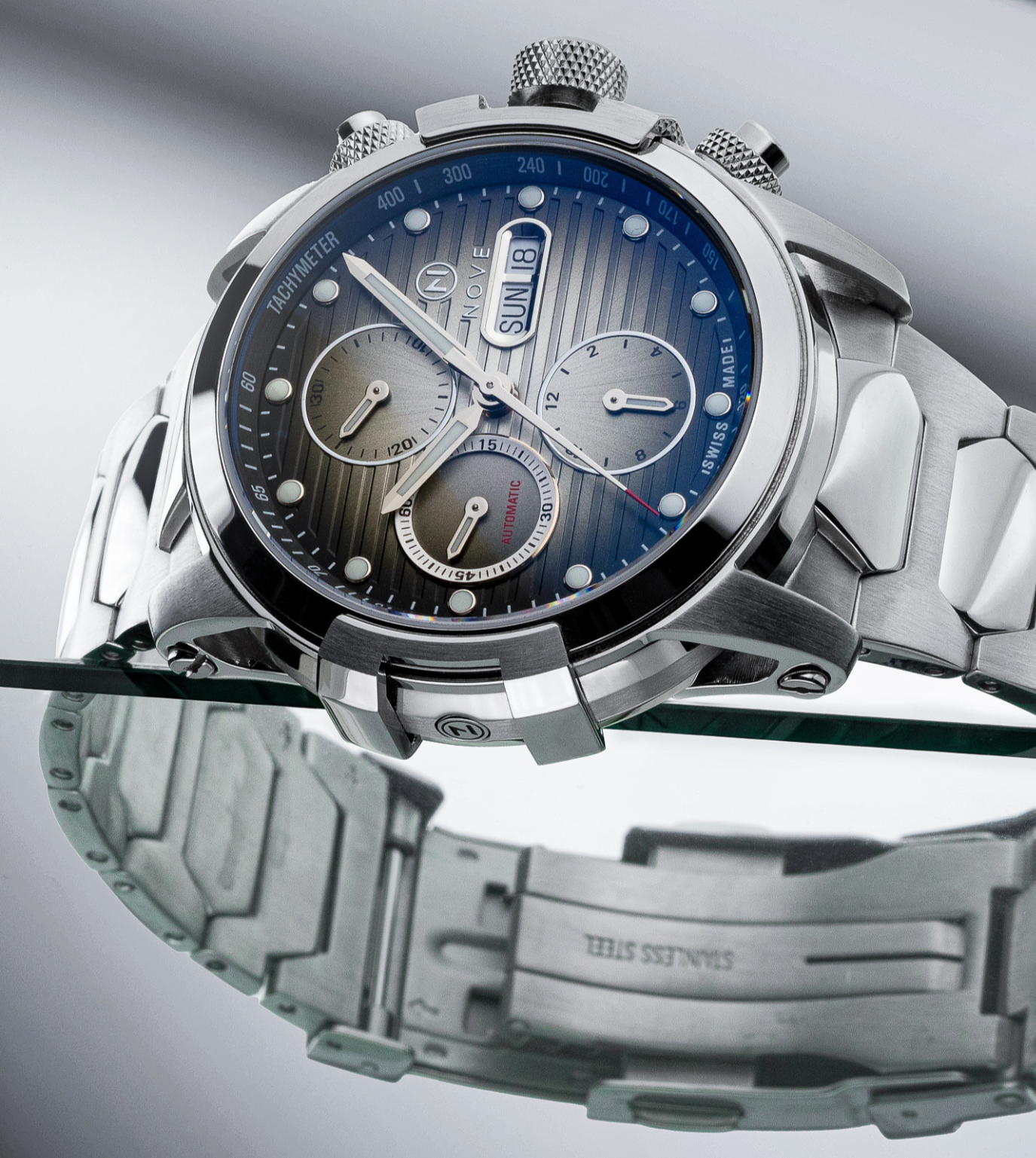
Swiss watches are commonly powered by Swiss automatic, Swiss chronograph, or Swiss quartz movements from respected makers. That does not mean every Swiss movement is equal, but it usually means the watch was conceived with performance and consistency in mind. An automatic movement adds mechanical character. A Swiss quartz movement can offer impressive accuracy with low maintenance. A Swiss chronograph introduces added complexity and function with real technical credibility.
Fashion watches often use mass-market quartz movements sourced for efficiency and cost control. Again, there is nothing inherently wrong with quartz. In fact, a well-made Swiss quartz watch can be a superb choice. The difference is intent and execution. In a fashion watch, the movement is frequently selected as the simplest way to power the design. In a Swiss watch, the movement is part of the product's identity.
That changes how the watch feels, how it performs, and how seriously it was taken during development.
Materials reveal the truth fast
If you want to understand whether a watch is built to last, stop looking at the logo and start looking at the specs.
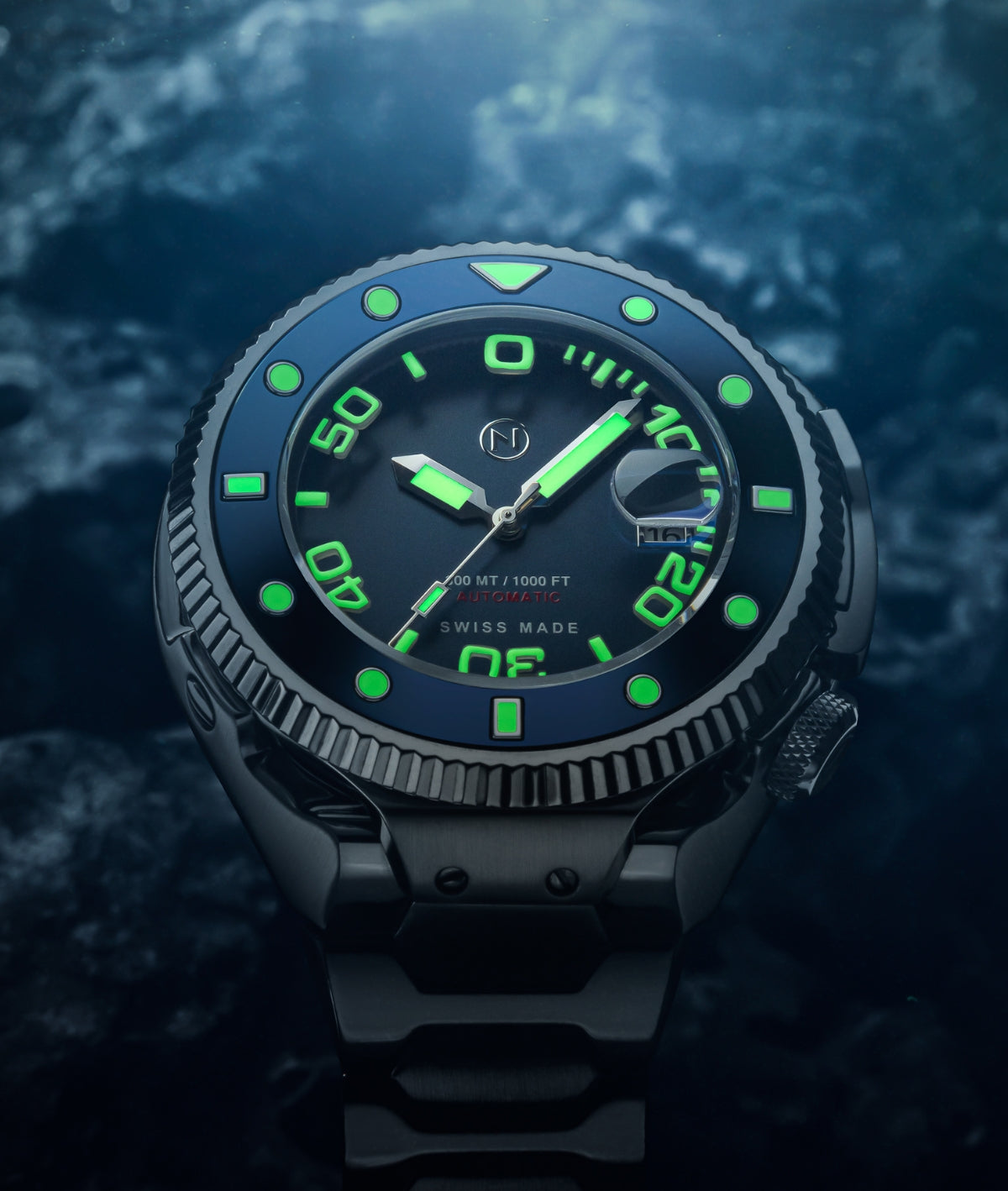
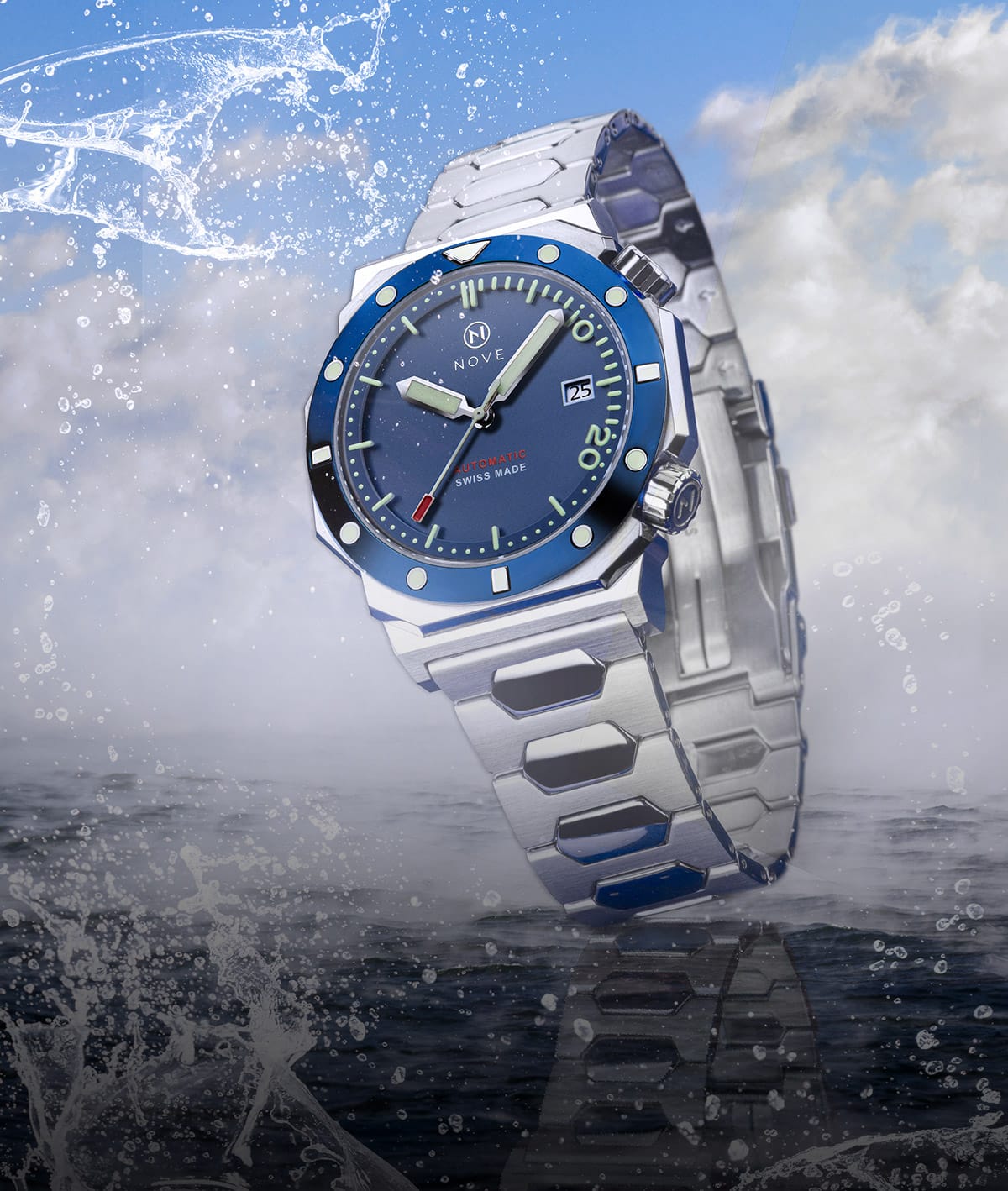
A strong Swiss watch will often feature 316L stainless steel, sapphire crystal, dependable gaskets, a solid crown action, and thoughtful case architecture. If it is a dive-inspired model, you may also see serious water resistance, lume that performs, and a bezel that feels engineered rather than decorative. These details are not glamorous in a marketing headline, but they define the ownership experience.
Fashion watches are more likely to cut corners where many buyers do not notice at first. Plated alloys, basic mineral glass, lighter bracelets, and modest water resistance are common. The watch may photograph beautifully and still disappoint after a year of regular wear. Scratches show up sooner. The finish loses sharpness. The bracelet may feel loose or hollow. The difference is rarely dramatic on day one. It becomes obvious in month twelve.
Design vs trend
This is where the comparison becomes more nuanced.
Fashion brands often excel at reading trends. They know how to produce a watch that feels current, clean, and easy to style. If you want a low-commitment piece for occasional wear, that can be enough.
But the best Swiss watches do something rarer. They pair strong design with staying power. They are not trying to survive one season. They are designed to build a lasting visual identity through proportion, depth, finishing, and detail. A bold Swiss watch can still make a statement, but it tends to feel more intentional and resolved. It is not just fashionable. It has point of view.
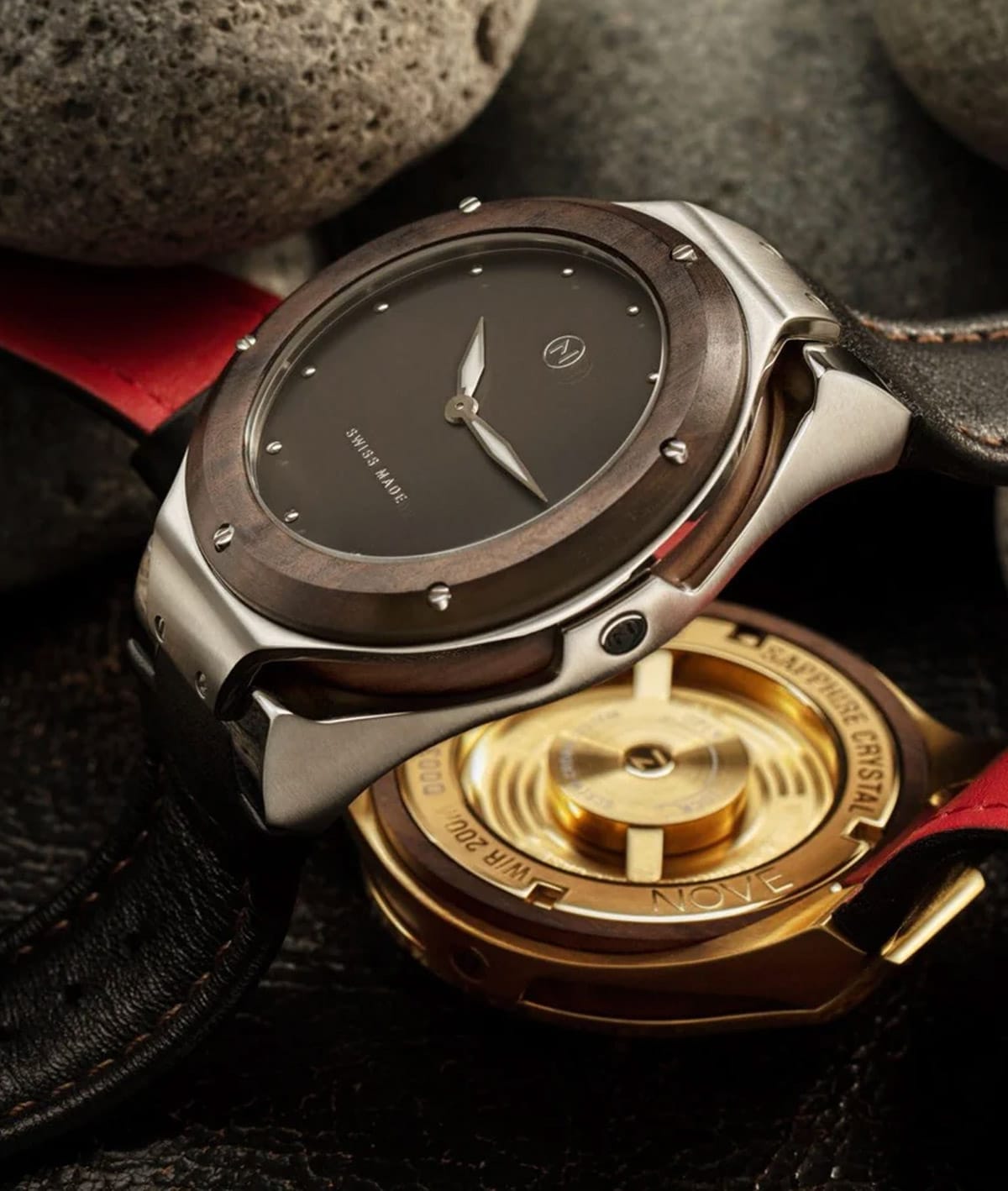
That is especially important for buyers who want distinction. A watch should not disappear into a sea of familiar shapes. It should express character without compromising quality. That balance is where modern Swiss watchmaking becomes genuinely compelling - especially when a brand combines refined construction with unconventional design language instead of copying the past.
Swiss watch vs fashion watch for daily wear
For everyday use, the better choice depends on what you expect from the watch.
If you want a simple accessory to coordinate with outfits for a year or two, a fashion watch may serve the purpose. It can be light, visually appealing, and easy to replace when your taste changes.
If you want a watch that can move from office to dinner to weekend travel, stand up to regular wear, and still feel rewarding every time you fasten it, a Swiss watch usually offers far more. Better case construction, stronger crystals, stronger bracelets or straps, and more credible water resistance all matter in real life. They matter when your watch hits a door frame, catches rain, joins you on a trip, or becomes the piece you reach for without thinking.
The ideal daily watch should not only look refined. It should feel dependable.
The value question most buyers ask too late
Price gets attention. Value deserves more of it.
A fashion watch can look like the smarter deal because the buy-in is lower. But lower cost does not always mean better value. If the watch wears out quickly, feels dated after one season, or ends up forgotten in a drawer, the initial savings lose their appeal.
A Swiss watch often holds its case for value through longevity, serviceability, stronger build quality, and emotional durability. You are more likely to keep it. More likely to maintain it. More likely to gift it, engrave it, or remember where you wore it. It becomes part of your rhythm rather than a temporary purchase.
Not every Swiss watch is an investment piece, and it is wise to be realistic about resale. Still, long-term value is not only about resale price. It is about whether the watch continues to earn its place in your collection.
Who should choose which?
A fashion watch suits someone who prioritizes short-term style, lower commitment, and brand familiarity from the apparel world. It can make sense for very occasional wear, trend experimentation, or buyers who do not care much about watchmaking.
A Swiss watch suits someone who wants more than appearance. It is the better match for professionals building a personal style, enthusiasts who appreciate movement and construction, and gift buyers who want the piece to carry real meaning. It also makes sense for anyone who likes the idea of accessible luxury - something elevated and enduring without stepping into the pricing of old-guard prestige houses.
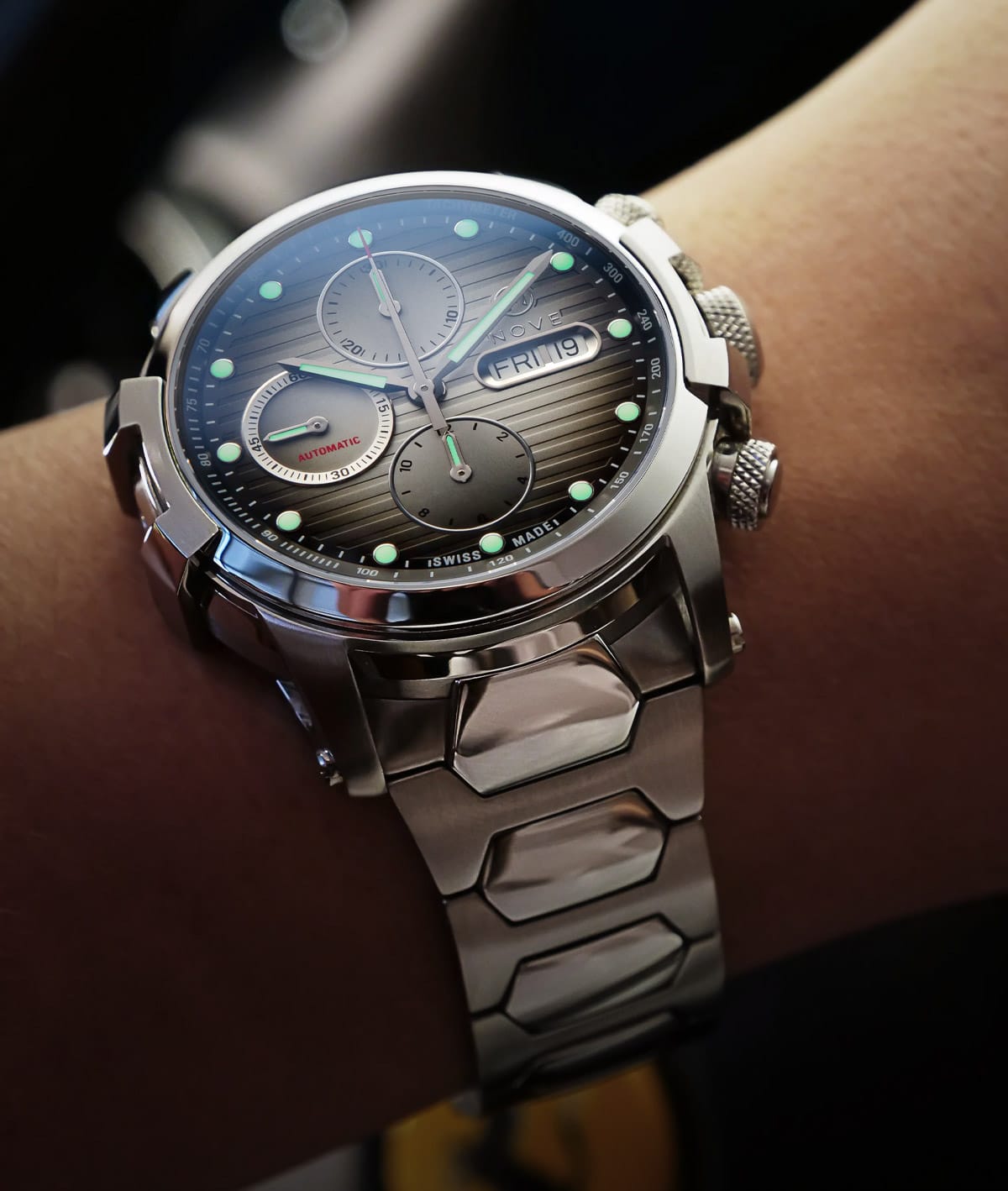
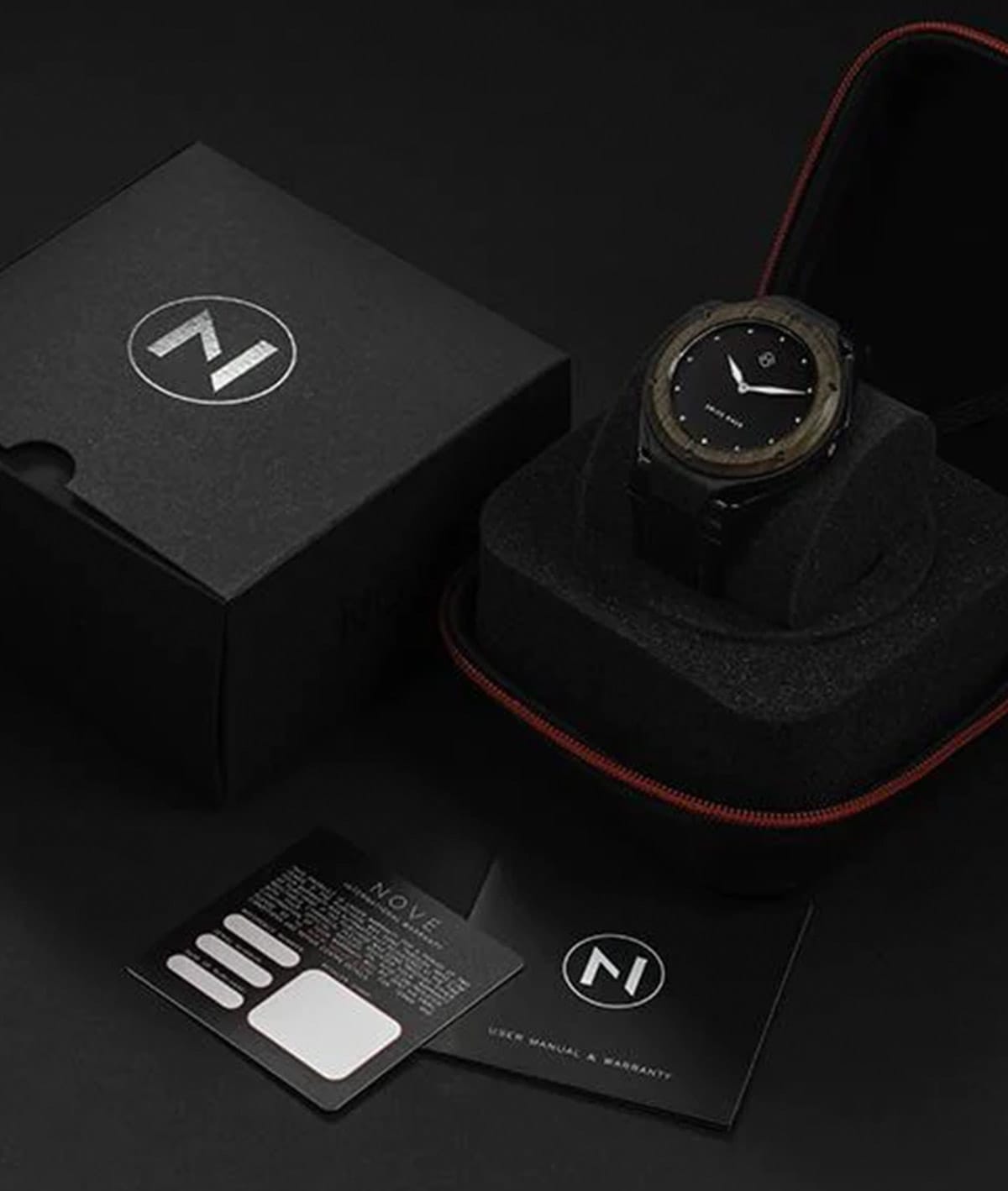
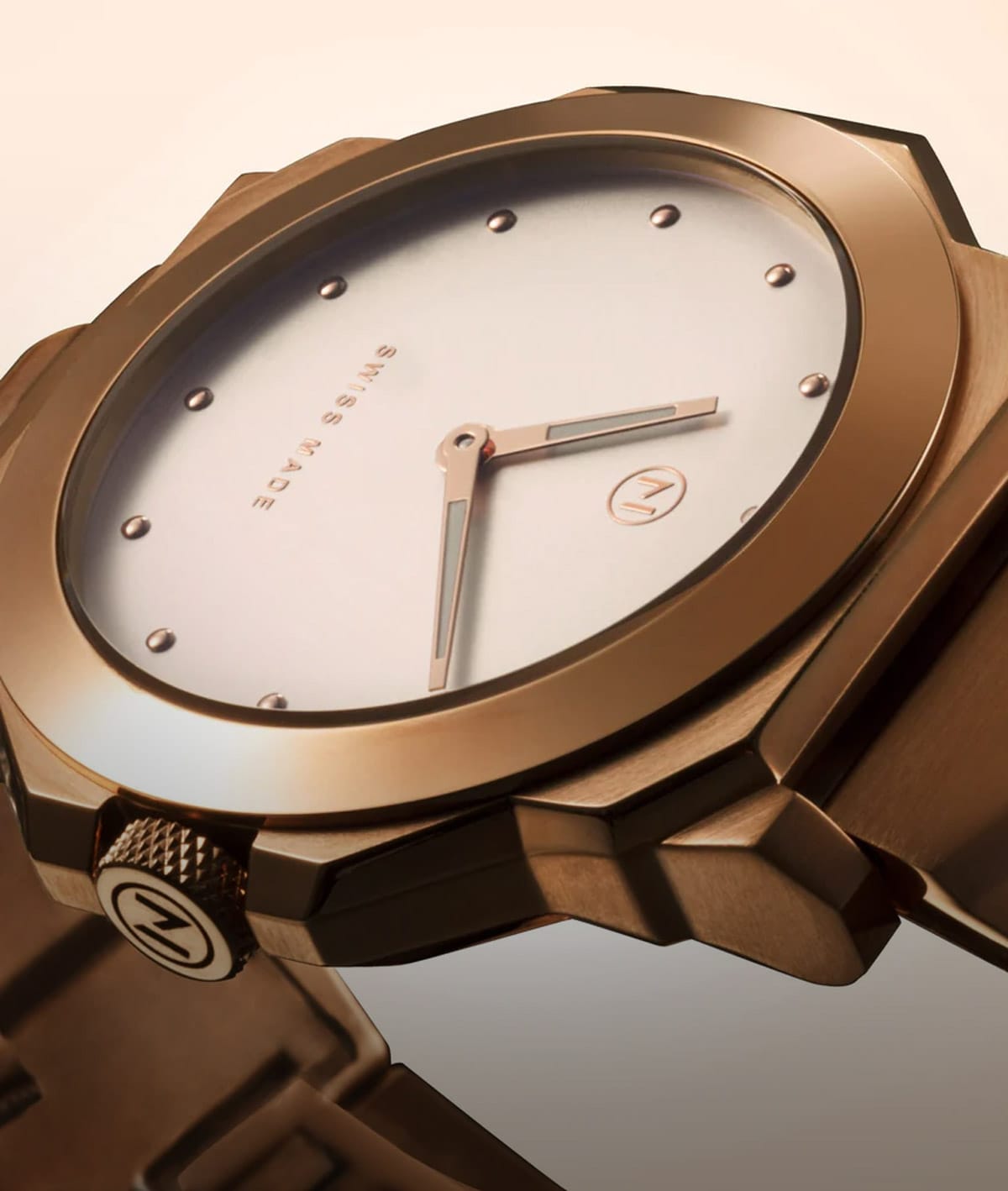
That middle ground has become especially attractive. Buyers want craftsmanship, originality, and Swiss credibility, but they also want modern design and honest value. A brand like NOVE speaks directly to that space, offering Swiss-made timepieces with bold aesthetics, adventurous spirit, and a level of visual distinction that refuses to blend in.
The choice comes down to intention
The best way to answer the Swiss watch vs fashion watch debate is to ask one simple question: do you want a watch that completes an outfit, or a watch that says something about you?
There is room for both in the market. Not every purchase needs to become a lifelong piece. But when you want a timepiece with presence, integrity, and staying power, Swiss watchmaking offers a different standard. You feel it in the weight, see it in the finishing, and understand it more every year you own it.
Buy the watch that matches your horizon. If you are choosing for this season, trend may be enough. If you are choosing for the years ahead, craftsmanship usually has the stronger voice.