

A mechanical watch that winds itself feels almost defiant in a digital age. No battery, no charging cable, no screen asking for attention - just a finely tuned engine on your wrist, powered by motion and shaped by centuries of horological craft. If you have ever wondered how automatic watch movements work, the answer is both beautifully simple and remarkably sophisticated.
At the center of an automatic watch is a mechanical movement designed to convert the natural motion of your wrist into stored energy. That energy is then released in a controlled way to drive the hands around the dial. What makes it compelling is not just the function, but the fact that it happens through springs, gears, jewels, and precision tolerances rather than electronics. It is engineering with soul.
How automatic watch movements work, step by step
The key component is the rotor, a weighted semicircular piece that swings as you move. Because it is free to pivot, even ordinary gestures - walking, reaching, turning your wrist - cause it to rotate. That motion is transferred through a series of gears that wind the mainspring.
The mainspring is the watch’s energy reserve. Think of it as a coiled strip of metal storing power under tension. As the rotor winds it tighter, the spring accumulates energy. When the watch runs, that energy gradually unwinds and flows through the gear train.
The gear train does two jobs at once. It transmits power from the mainspring and reduces that power into the precise rates needed to move the seconds, minutes, and hours. But a watch cannot simply let all that stored energy rush out at once. If it did, the hands would spin wildly and stop almost immediately.
That is where the escapement enters the picture. The escapement meters out the energy in small, regular impulses. It works with the balance wheel, which oscillates back and forth at a consistent frequency. Each swing regulates the release of power, creating the familiar ticking rhythm and allowing the hands to advance in measured increments.
This is the essence of how automatic watch movements work: motion winds the spring, the spring sends energy through gears, and the escapement and balance wheel control that energy with disciplined precision.
The difference between automatic and manual mechanical watches
An automatic watch is still a mechanical watch. It does not rely on a battery, and its timekeeping comes from physical components working in concert. The difference is that an automatic movement adds a self-winding system.
In a manual watch, you wind the crown by hand to tighten the mainspring. In an automatic watch, your wrist does much of that work for you. Many automatic movements can also be hand-wound through the crown, which is useful if the watch has stopped after being off the wrist for a day or two.
That convenience matters, but it is not the whole appeal. Automatic movements bring a certain sense of continuity. Wear the watch regularly, and it stays alive through your movement. There is something deeply satisfying about that relationship between the wearer and the mechanism.
Why jewels matter inside the movement
When people see a movement described as having 21 or 25 jewels, they sometimes assume it is decorative. In reality, these are functional synthetic rubies placed at high-friction points inside the movement.
Jewels reduce wear, improve efficiency, and help the movement maintain accuracy over time. Metal parts rubbing directly against each other would create more friction and degrade faster. By using jewel bearings, watchmakers protect the movement’s long-term performance.
This detail says a great deal about the philosophy behind automatic watches. They are not built around disposability. They are built around endurance.
How long an automatic watch keeps running
Every automatic movement has a power reserve, which is the amount of time it can continue running after it is fully wound and no longer being worn. For many automatic watches, that reserve falls somewhere around 38 to 80 hours, depending on the caliber.
If you take the watch off on Friday evening, it may still be running Sunday morning - or it may stop sooner, depending on the movement. More reserve usually means more convenience, but it can also involve different engineering priorities, such as larger barrels, more efficient gear trains, or modern materials.
Power reserve is one of those areas where preference matters. If you rotate between several watches, a longer reserve can be useful. If you wear the same automatic every day, it may matter less.
Are automatic watches accurate?
They can be very accurate, but they are not usually as precise as quartz watches. That trade-off is part of the category.
A quartz movement uses a battery and an electronically regulated crystal oscillator, which generally delivers tighter day-to-day accuracy. An automatic movement depends on mechanical regulation, gravity, lubrication, shocks, temperature, and the quality of adjustment. That means it may gain or lose several seconds per day, even when it is performing exactly as intended.
For enthusiasts and discerning buyers, that is not necessarily a weakness. Automatic watches offer a different kind of value - craftsmanship, complexity, tactile character, and independence from battery replacements. Precision still matters, of course, but the appeal goes beyond raw numerical accuracy.
What makes Swiss automatic movements so respected
Swiss automatic movements carry prestige for good reason. Switzerland built its reputation through exacting standards, deeply rooted expertise, and relentless refinement of mechanical timekeeping. A well-made Swiss movement reflects not only technical competence, but a culture of finishing, durability, and quality control.
That does not mean every Swiss movement is identical, or that non-Swiss movements cannot be excellent. It means the phrase Swiss automatic still signals a certain level of watchmaking credibility in the minds of informed buyers.
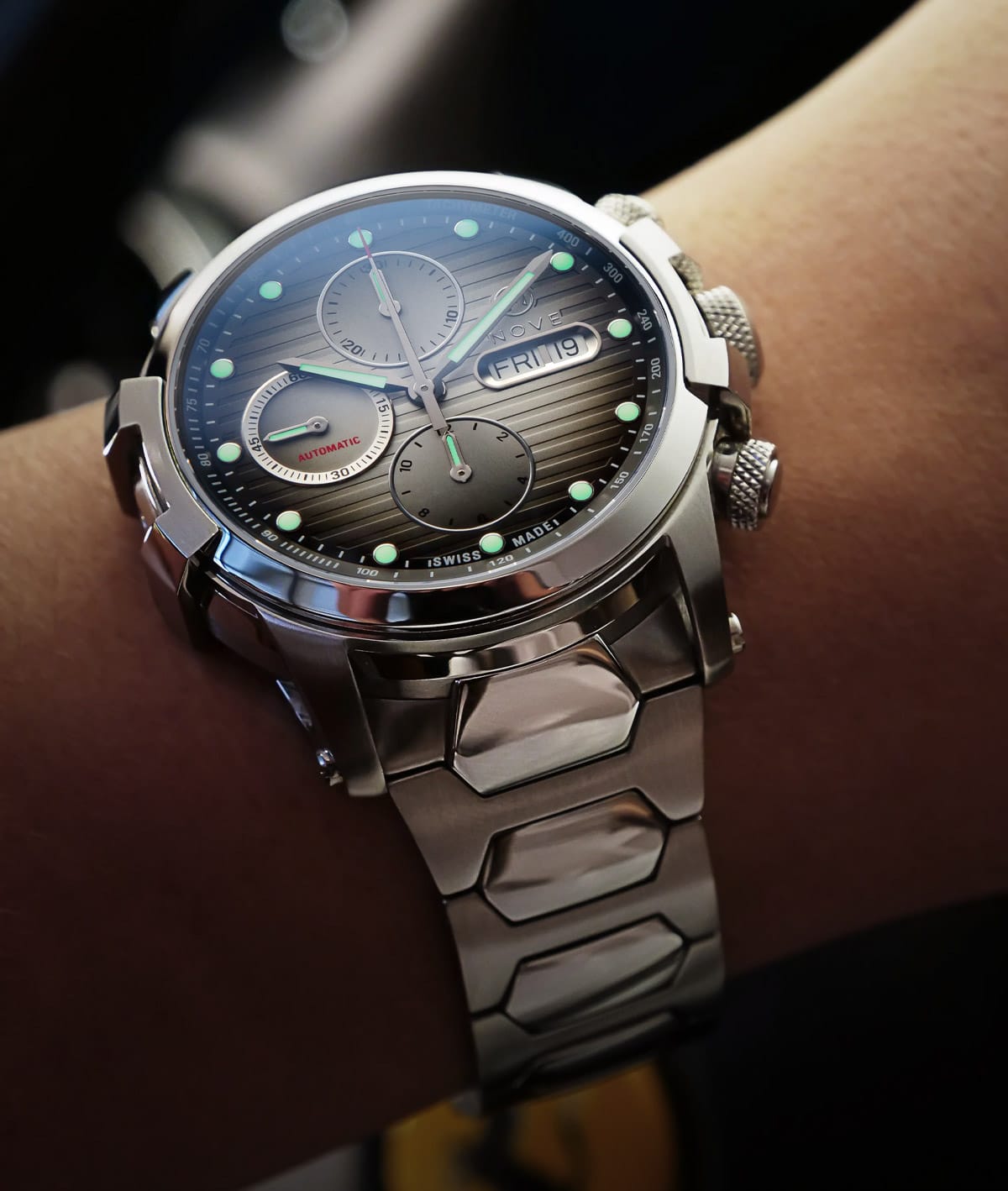
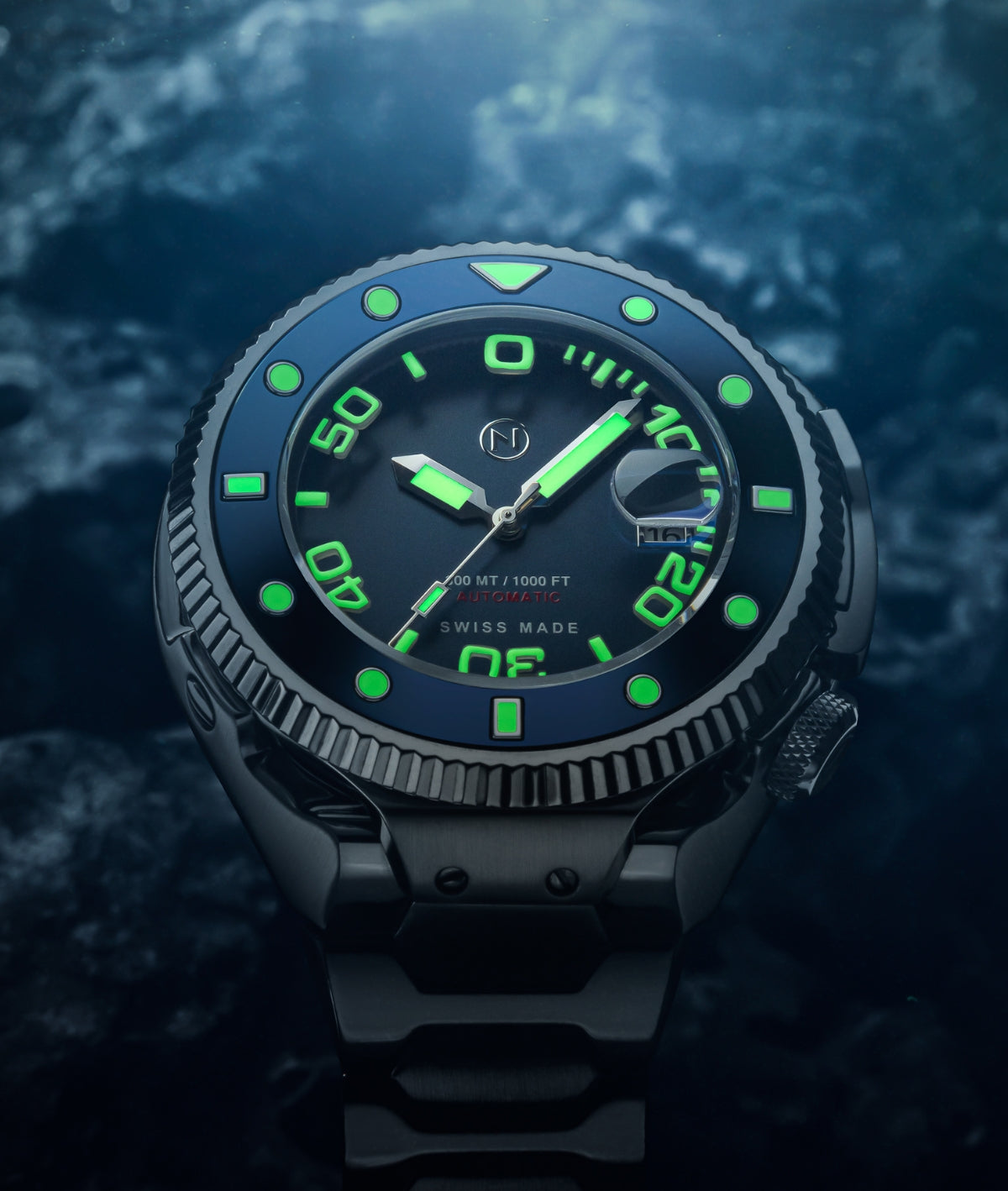
For a design-forward brand such as NOVE, that matters. Bold aesthetics make the first impression, but the movement underneath is what gives the watch its authority. A striking case and dial deserve an engine with equal substance.
Why automatic movements appeal to modern collectors
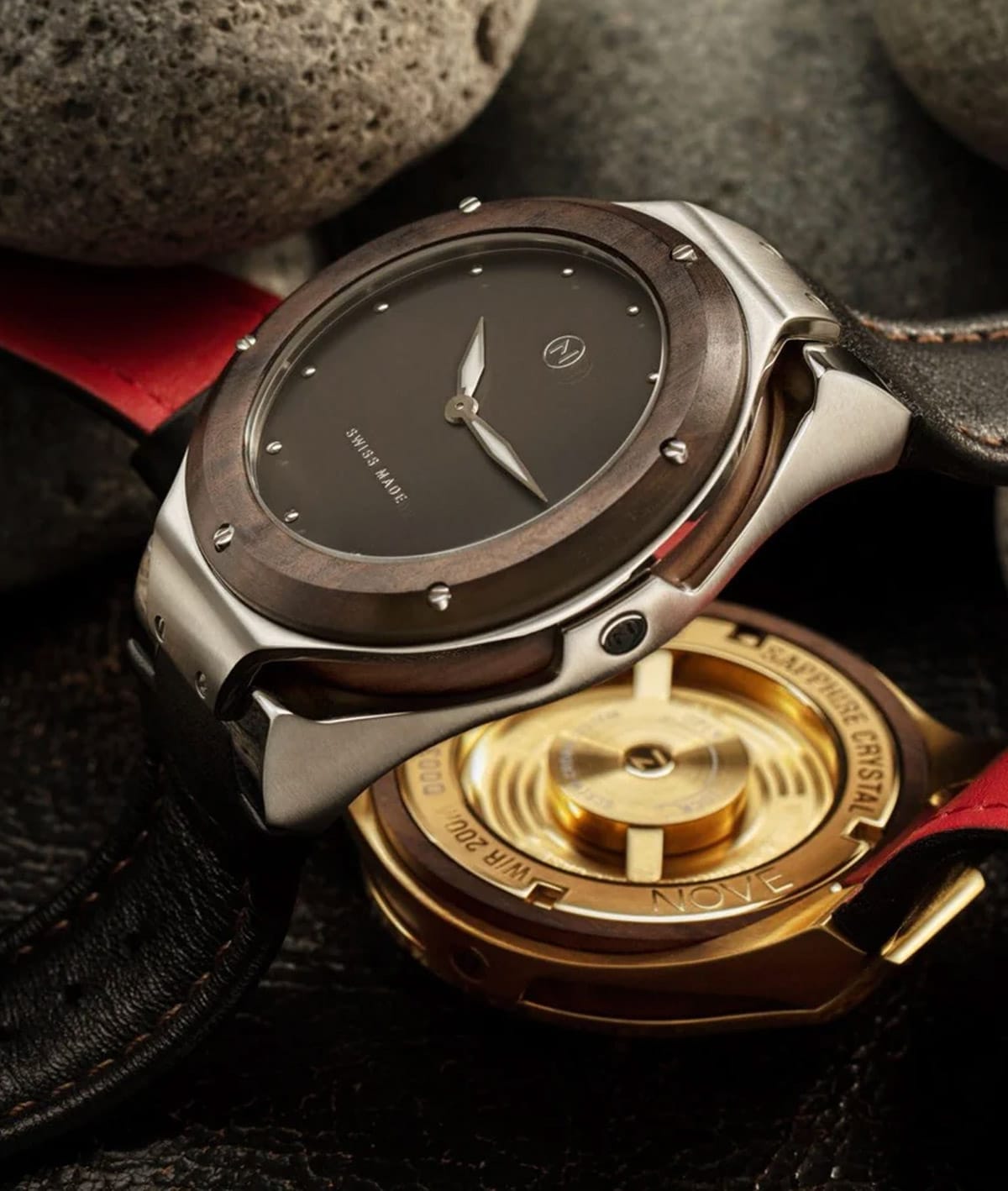
Part of the attraction is visible craftsmanship. Through an exhibition caseback, you can watch the rotor swing and the movement come to life. Even when the movement is hidden, there is pleasure in knowing that the watch on your wrist is powered by springs and gears rather than circuitry.
Part of it is emotional. An automatic watch feels personal in a way few accessories do. It responds to your motion, marks your routines, and becomes part of how you move through the world. For many owners, that mechanical intimacy is the point.
And part of it is visual identity. A self-winding Swiss watch carries a quiet signal of discernment. It suggests that the wearer values design, engineering, and permanence over convenience alone. In a market crowded with disposable products, that choice stands out.
The trade-offs you should know before buying
Automatic movements are not maintenance-free. They need periodic servicing because lubricants age and parts experience wear. Service intervals vary by movement and use, but the watch should be treated like a precision instrument, not an indestructible object.
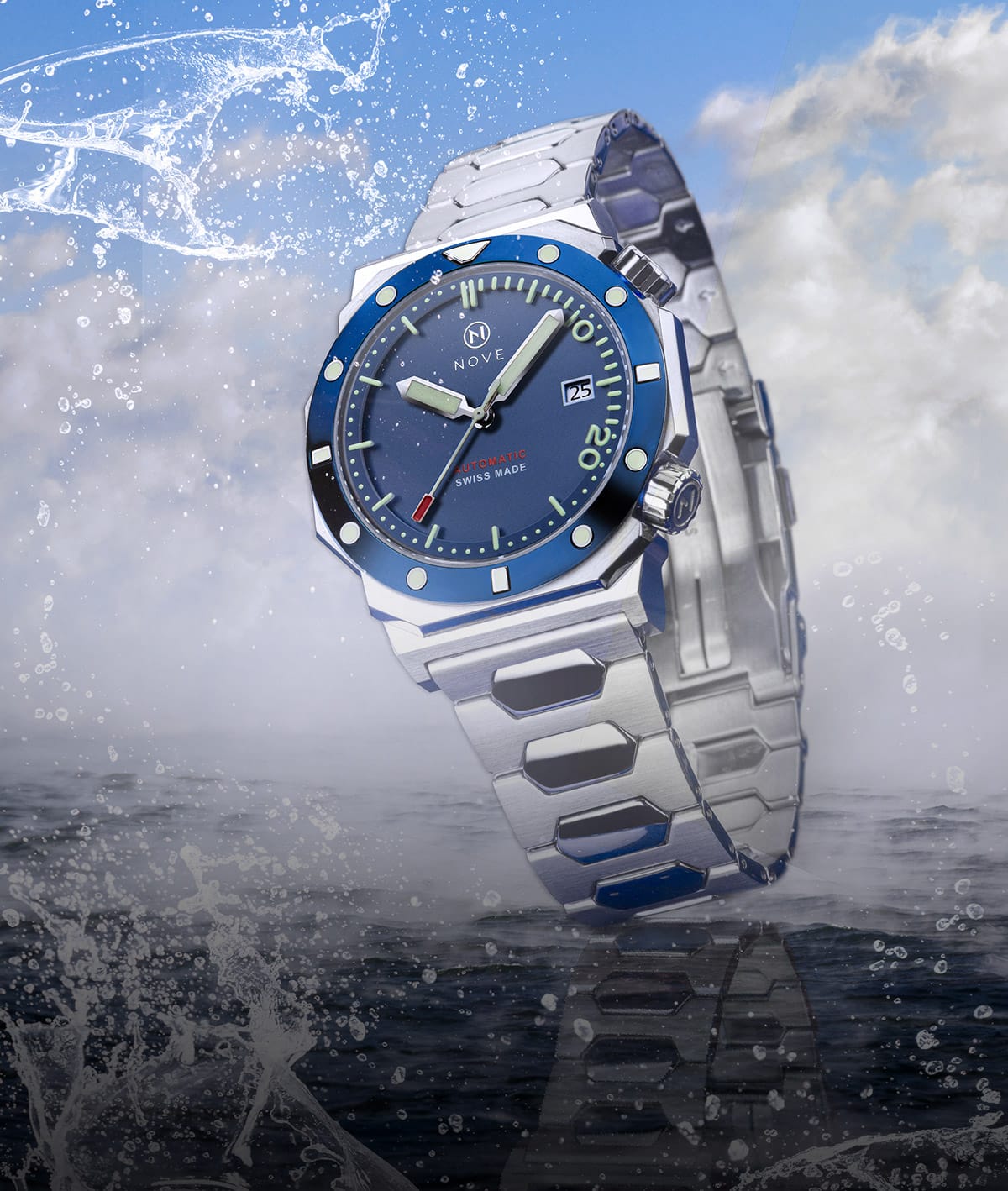
They are also more sensitive to shocks and magnetism than many people assume. A quality automatic dive watch can be impressively durable, but mechanical sophistication does not eliminate the need for care.
Then there is cost. Automatic watches usually cost more than quartz models because they are mechanically more complex and require more labor to assemble and regulate. That higher price is part of the ownership experience - not just for the name on the dial, but for the movement beating beneath it.
How to keep an automatic watch running well
Regular wear is the simplest answer. If you wear your automatic watch often, your natural motion should keep it wound through daily use. If it stops, a few turns of the crown can usually get it started again, assuming the movement allows hand-winding.
Store it safely, keep it away from strong magnetic fields, and pay attention if timing suddenly changes. A watch that starts running far fast or slow may need demagnetizing or service. And if your watch has a screw-down crown, especially on a dive model, make sure it is properly secured after adjustment to help maintain water resistance.
Owning an automatic watch is less like owning a gadget and more like living with a well-made machine. It rewards attention.
The real beauty of understanding how automatic watch movements work is that it changes the way you see the object on your wrist. What looked like a refined accessory becomes something more intimate - a miniature mechanical performance, powered by your own motion and shaped by disciplined craft. That is why an automatic watch never feels ordinary, even when you wear it every day.