
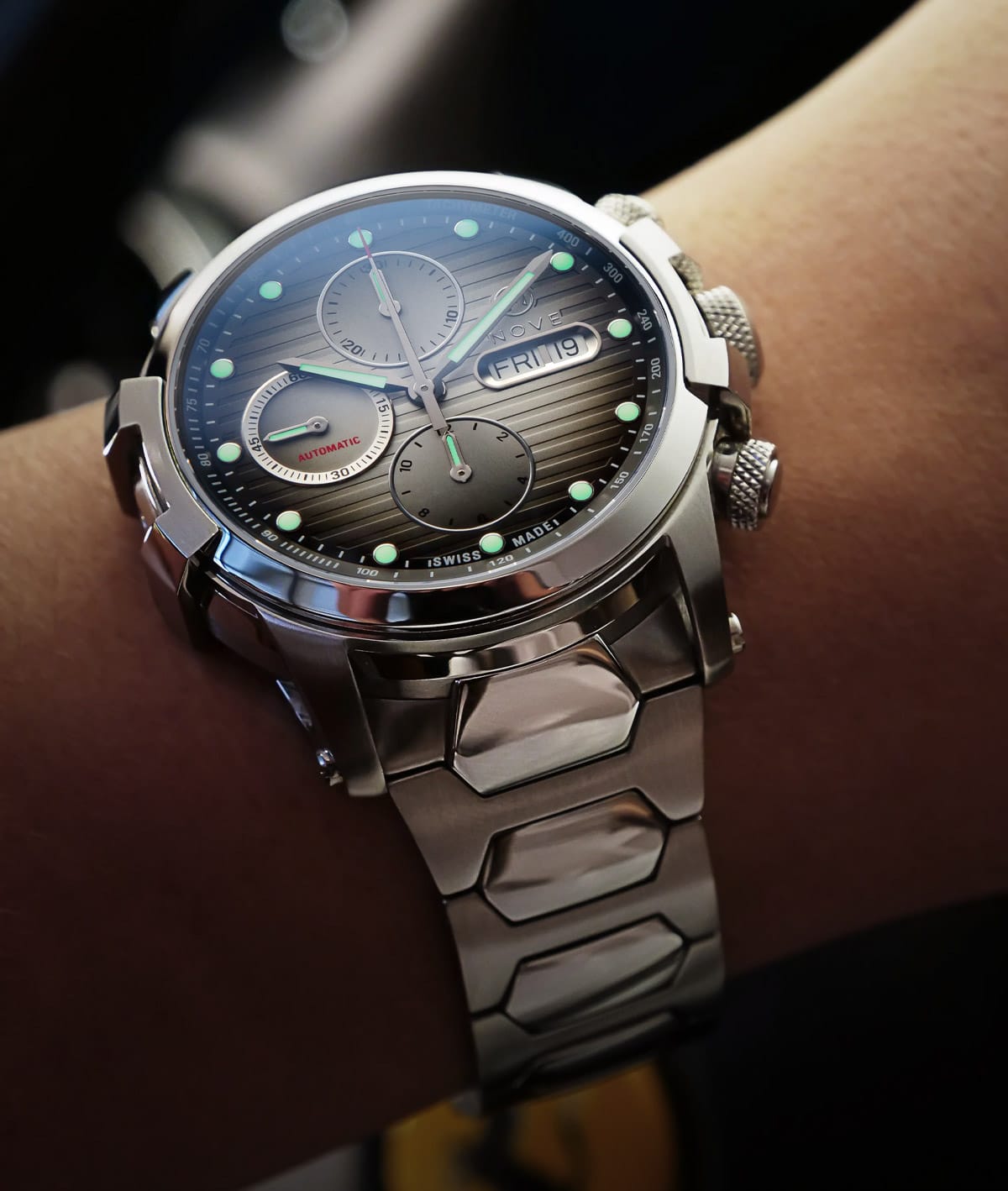
A Swiss automatic watch review should begin somewhere more revealing than a spec sheet: with the moment a watch lands on the wrist. Does it have presence without feeling theatrical? Is the mechanical heartbeat housed in a case designed for real movement, real travel, and real water? For buyers drawn to Swiss craft but unwilling to settle for another familiar silhouette, the best automatic watch is not merely accurate. It is engineered to become part of a personal signature.
Swiss automatic watches occupy a compelling space between tradition and self-expression. Their movements are powered by the motion of the wearer, their construction reflects generations of watchmaking discipline, and their design can range from restrained to unapologetically architectural. The right choice depends on how you live with it - and whether its details continue to reward attention long after the first impression.
What a Swiss Automatic Watch Actually Delivers
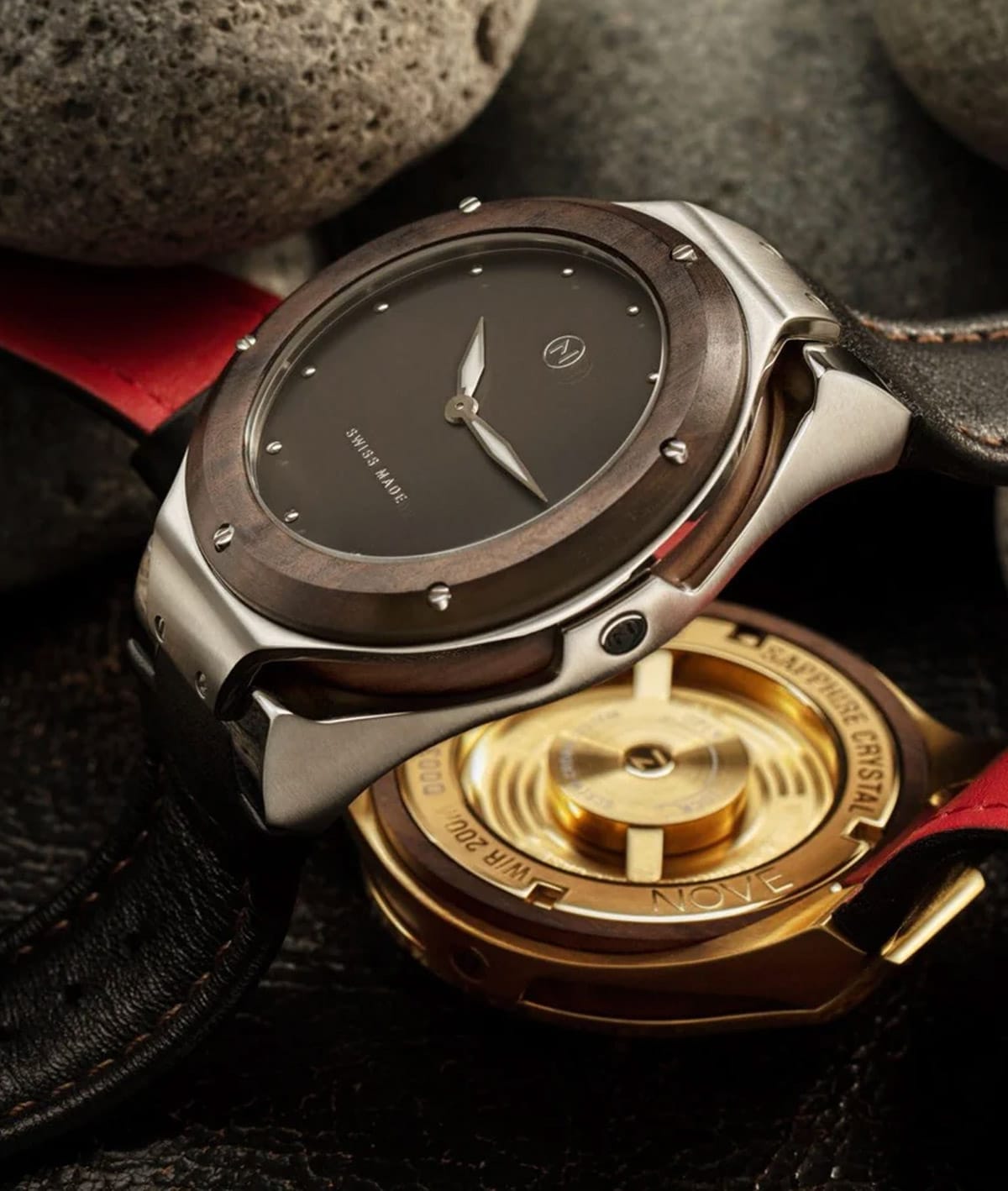
An automatic movement uses a weighted rotor to wind the mainspring as the watch moves through the day. That stored energy powers the hands without a battery. It is a compact mechanical system of gears, springs, and carefully regulated motion, visible in many watches through an exhibition caseback.
The appeal is not that an automatic watch will always outperform a modern quartz movement in pure timekeeping. Quartz is generally more precise and requires less attention. An automatic offers something different: mechanical character. The smooth sweep of the seconds hand, the subtle movement of the rotor, and the knowledge that the watch is operating through physical energy make it an object of engineering as much as an instrument of time.
“Swiss-made” also carries weight, but discerning buyers should understand what it represents. It is a regulated designation with requirements tied to Swiss development, movement, assembly, and inspection. It signals meaningful Swiss involvement and established manufacturing standards, though it does not make every Swiss watch identical in execution. Case finishing, movement grade, water resistance, materials, and quality control still separate a good watch from a memorable one.
Swiss Automatic Watch Review: The Details Worth Judging
A serious review looks beyond the dial and the country of origin. The most satisfying watches balance visual impact with practical decisions that become clearer after months of ownership.
Movement, power reserve, and daily rhythm
Start with the movement. A Swiss automatic caliber should offer dependable performance, serviceability, and a power reserve that suits your routine. Many contemporary movements run for roughly 38 to 80 hours when fully wound. A longer reserve gives you more freedom to rotate watches over a weekend without resetting the time on Monday morning.
Accuracy should be considered with proportion. Mechanical watches can gain or lose seconds per day, and their performance may shift with position, temperature, magnetism, and wear. That is not a flaw in the romantic sense - it is the nature of a living mechanical system. Still, a properly regulated movement and clear warranty coverage matter. If absolute precision is your priority, quartz may be the better tool. If you value the ritual and substance of mechanics, automatic is the more expressive choice.
Case architecture and wrist presence
Measurements tell part of the story, not all of it. A 42 mm case with short lugs may wear more comfortably than a 40 mm case with elongated ones. Case thickness matters too, particularly if you want a watch that moves easily from a tailored jacket to a weekend drive.
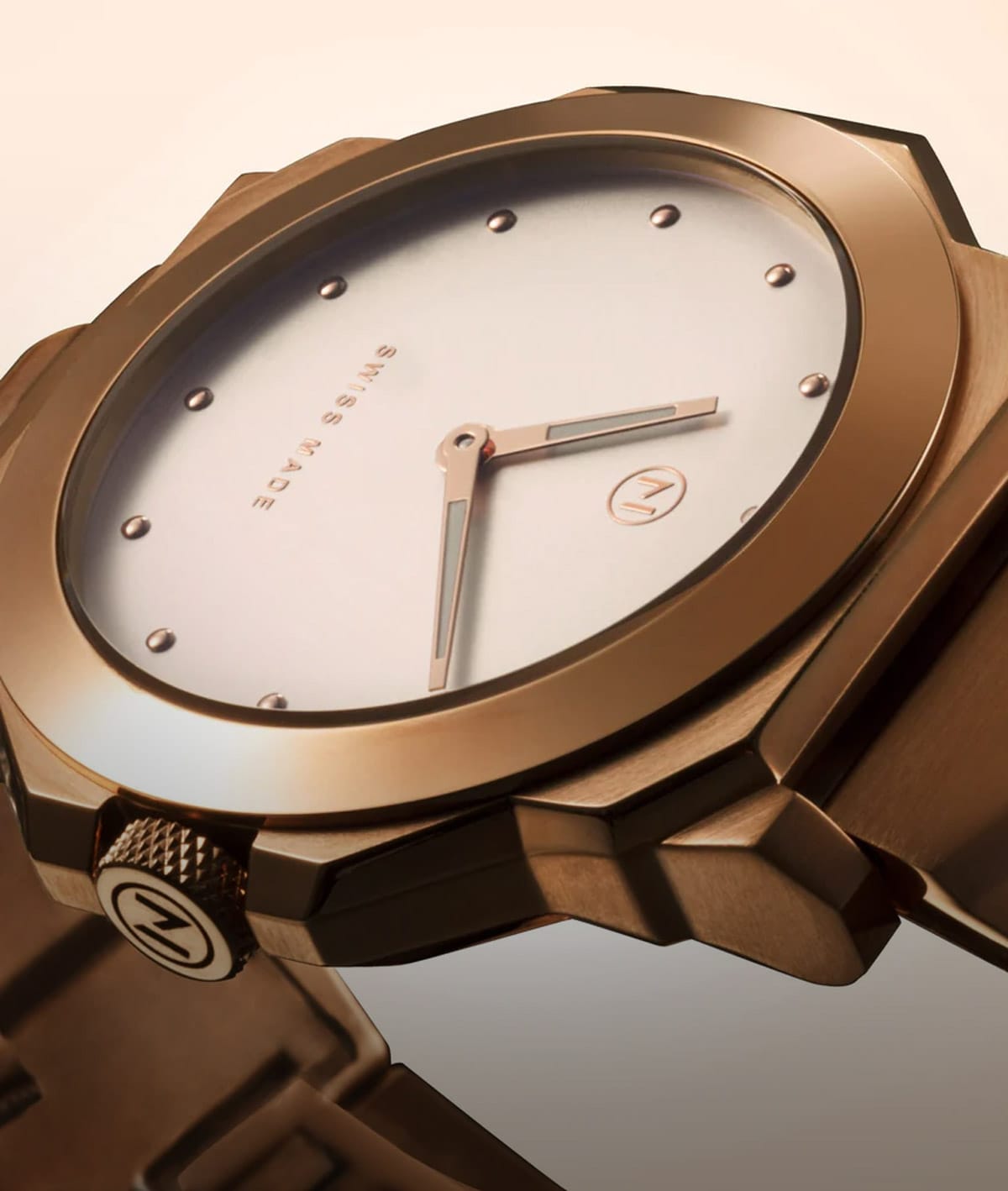
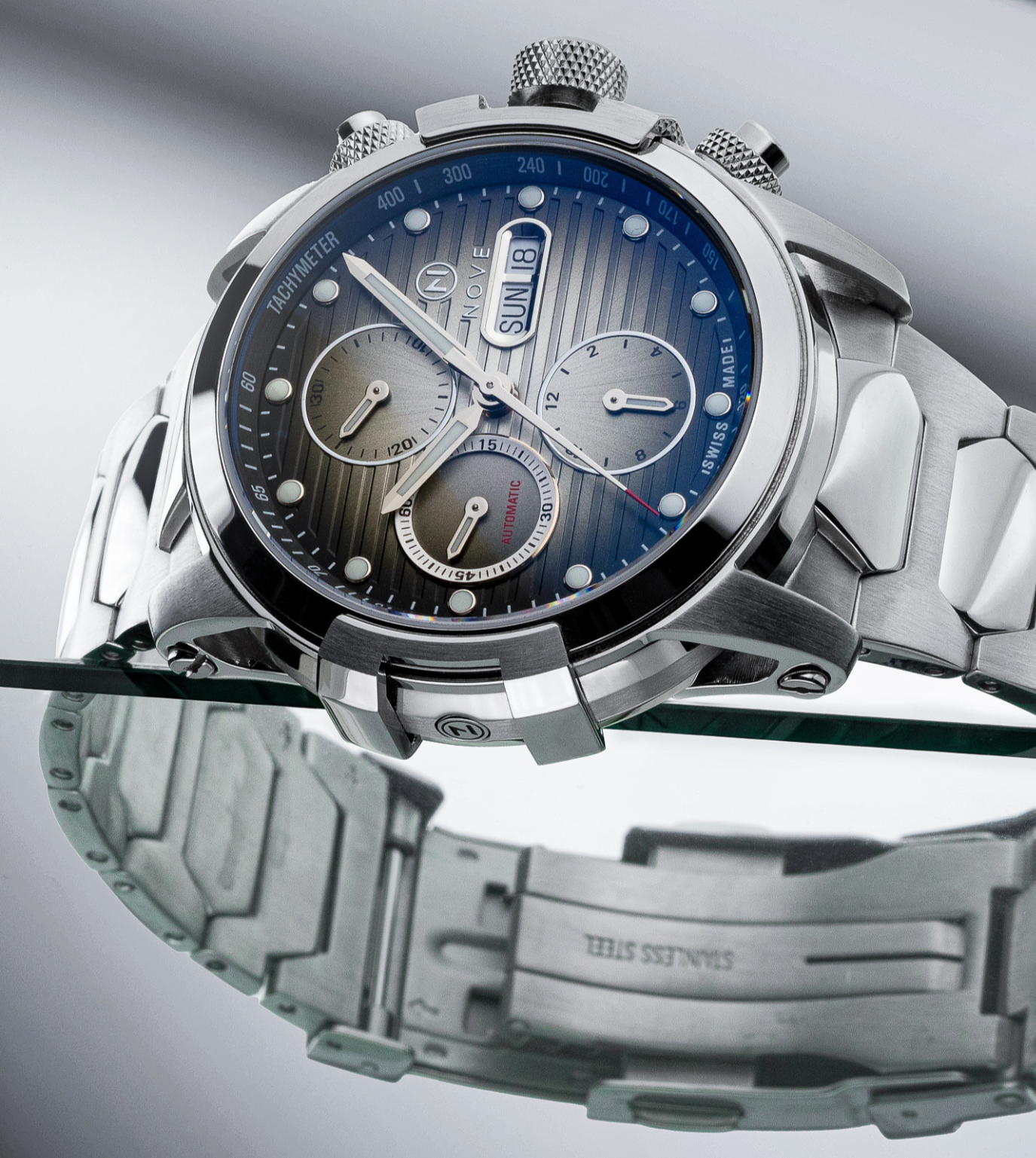
Look at how the bezel, crystal, crown guards, and case sides work together. Strong industrial design should create depth rather than clutter. A sculpted bezel can give a dive watch its unmistakable identity. Layered dial construction can add dimension under changing light. Brushed surfaces tend to feel purposeful and athletic, while polished accents bring a more elevated edge. The strongest designs know when to use each.
Water resistance is a lifestyle decision
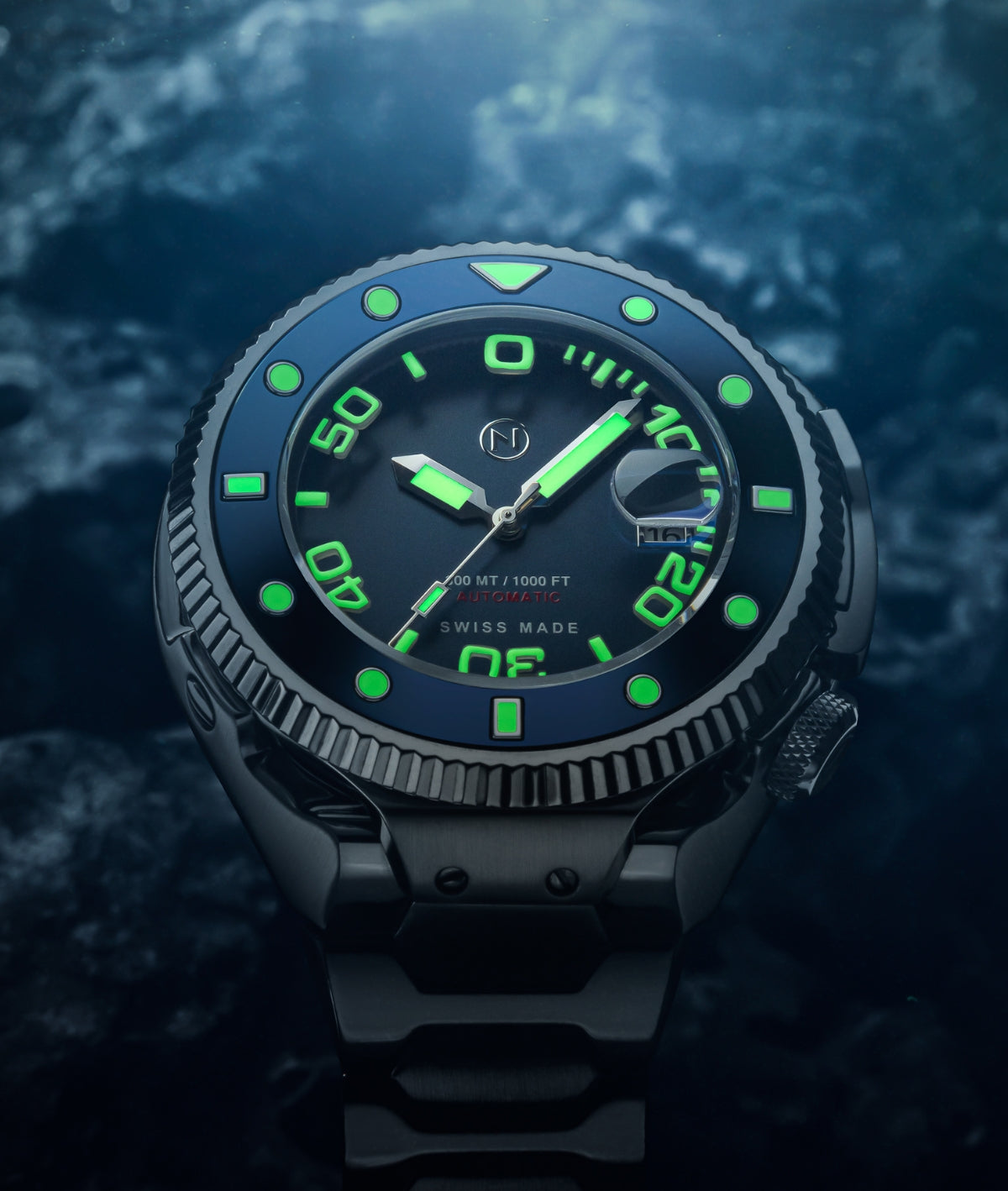
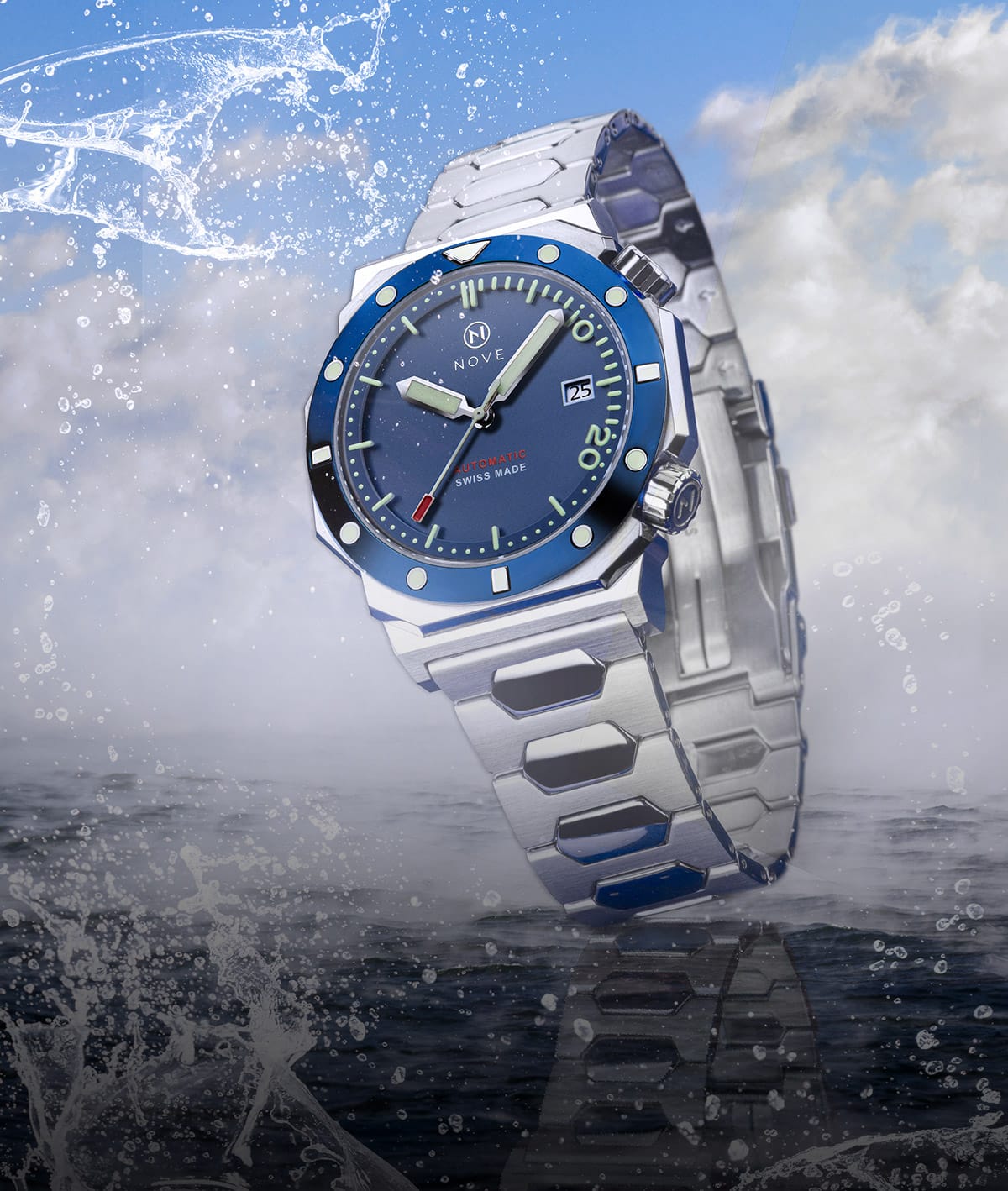
Water resistance is one of the most misunderstood specifications in watchmaking. A watch rated for 50 meters is not automatically a swimming watch, and a watch with a serious dive rating should be evaluated as a complete system: screw-down crown, gaskets, crystal, case construction, and, where applicable, a unidirectional timing bezel.
For active wear, a purpose-built dive watch delivers more than reassurance near water. It brings a particular visual authority: a substantial case, legible markers, and a bezel that makes the watch feel like equipment rather than decoration. That said, a high water-resistance rating can add thickness and weight. If your life is spent mostly in offices, restaurants, and airports, an elevated everyday automatic may offer a more natural balance.
Legibility should never be an afterthought
A dramatic dial is only successful when it remains readable. Assess contrast between hands and markers, the placement of a date window, anti-reflective crystal treatment, and lume performance in low light. On a dark dial, polished hands can look exceptional in photographs yet disappear at certain angles. On a bright dial, excessive text can dilute the entire composition.
This is where design discipline becomes obvious. A statement watch does not need to shout from every surface. It needs a focal point, a coherent color story, and proportions that allow the wearer to read the time at a glance.
The Case for Design With More Character
Traditional Swiss watchmaking has earned its reputation, but heritage alone is not a design language. Many buyers want the confidence of Swiss mechanics without wearing a watch that could be mistaken for any other model across the room.
That is the appeal of contemporary Swiss-made brands that treat the case as sculpture and the dial as an intentional canvas. Automotive cues, marine engineering, unusual bezel profiles, and sharp geometric forms can give an automatic watch a new kind of opulence. The watch remains rooted in function, yet it becomes an unmistakable part of the wearer’s style.
NOVE approaches this territory with bold casework and sport-driven collections built for people who prefer their Swiss craftsmanship with a stronger point of view. The principle is larger than any single collection: distinction should be designed into the watch, not added as an afterthought through a loud logo or a novelty colorway.
Choosing the Right Automatic for Your Collection
The best Swiss automatic watch is rarely the one with the longest feature list. It is the one whose strengths match your actual priorities. A dive-inspired automatic makes sense for the buyer who wants water-ready capability, powerful wrist presence, and casual versatility. A streamlined sport model may suit someone who wants mechanical credibility with a more refined profile. For a first serious watch, versatility often matters more than complication count.
Consider your wardrobe as honestly as your wrist size. Black, silver, navy, and deep green dials are adaptable, but a distinctive color or material can be the reason you reach for the watch repeatedly. Consider the strap or bracelet as well. A steel bracelet emphasizes the watch’s engineered character and handles daily wear with confidence. A quality rubber strap makes a sport or dive watch lighter, more active, and more relaxed. Leather brings warmth, though it is less suited to water.
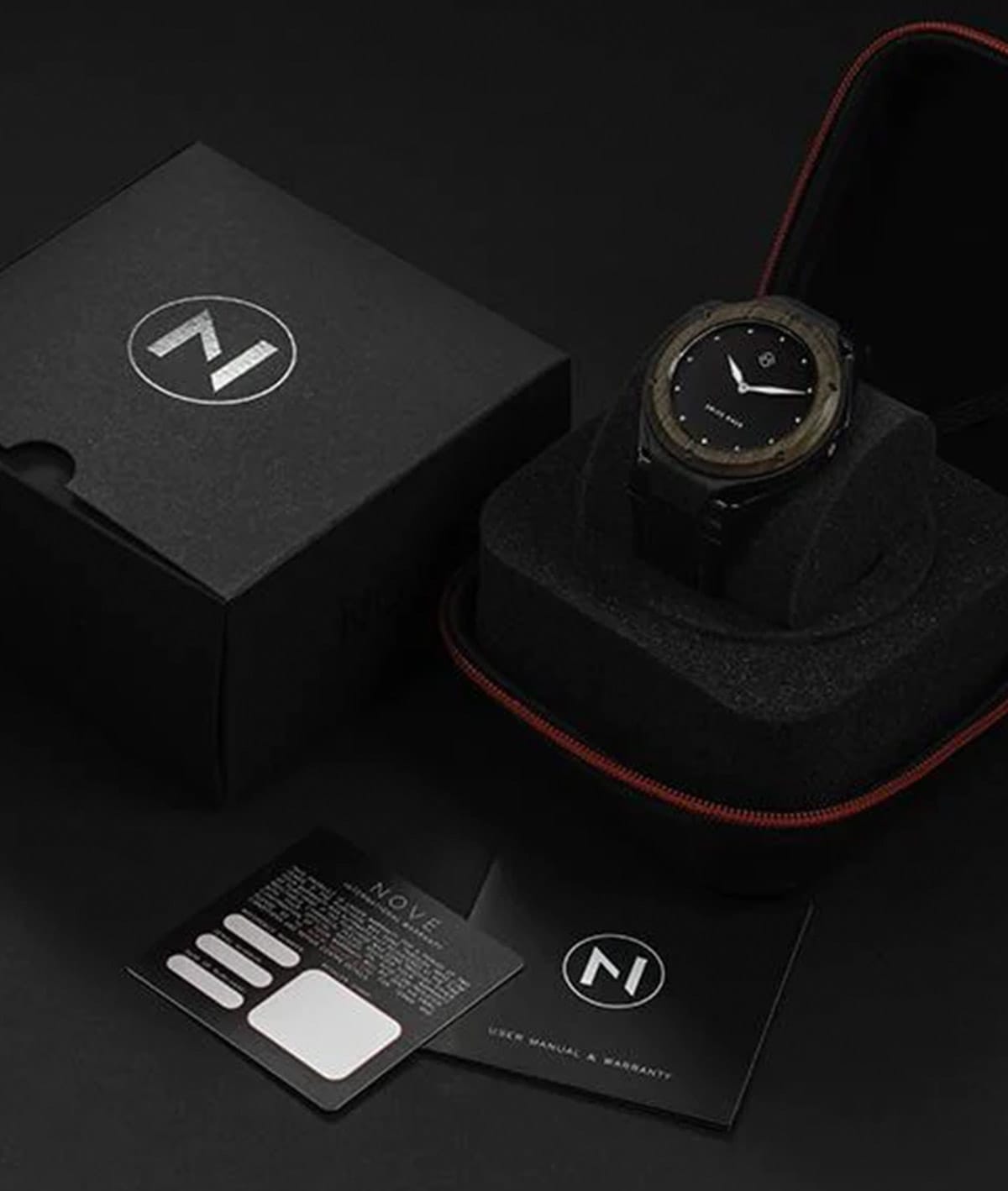
Buying direct can also change the ownership experience. Clear delivery terms, secure payment, a meaningful return window, gift wrapping, engraving options, and a multi-year warranty are not decorative extras. They are practical signals that the watchmaker stands behind the object after it leaves the box.
A Better Way to Read Watch Reviews
When comparing reviews, separate objective facts from personal preference. Movement specifications, case dimensions, crystal type, and water resistance are measurable. Whether a bezel is too bold, a dial too busy, or a case too substantial is personal - and should be judged against your own style rather than someone else’s collection.
Pay special attention to photographs on a real wrist, comments about clasp comfort, crown operation, and how the watch performs in different lighting. These observations reveal more than isolated studio images. If possible, compare lug-to-lug dimensions and thickness to a watch you already wear comfortably. That small step can prevent an otherwise excellent purchase from becoming a drawer-bound disappointment.
A Swiss automatic is at its best when it earns wear, not just admiration. Choose the one whose mechanical precision, material confidence, and unexpected design make you want to fasten it each morning - then give it the time to become yours.