
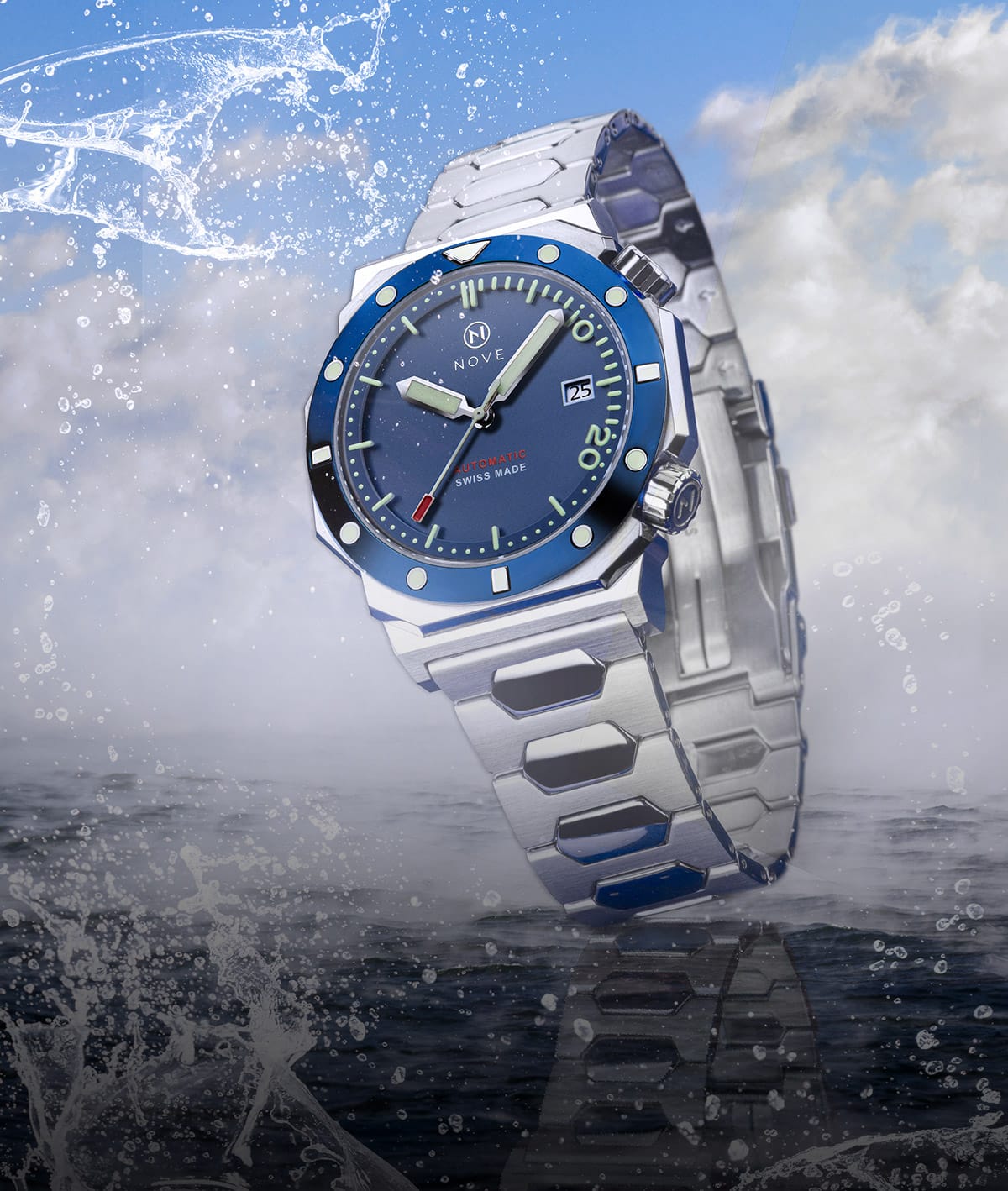
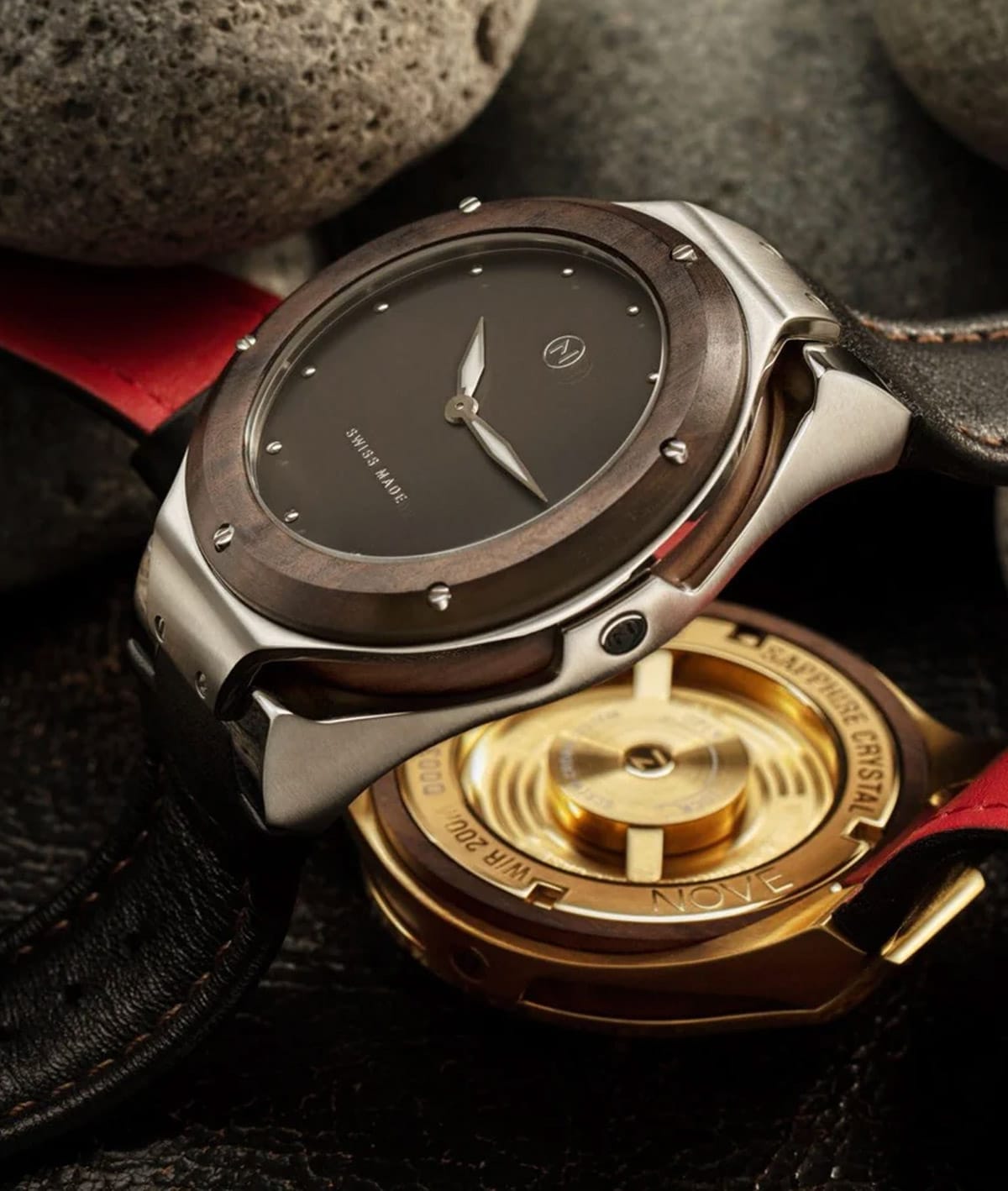
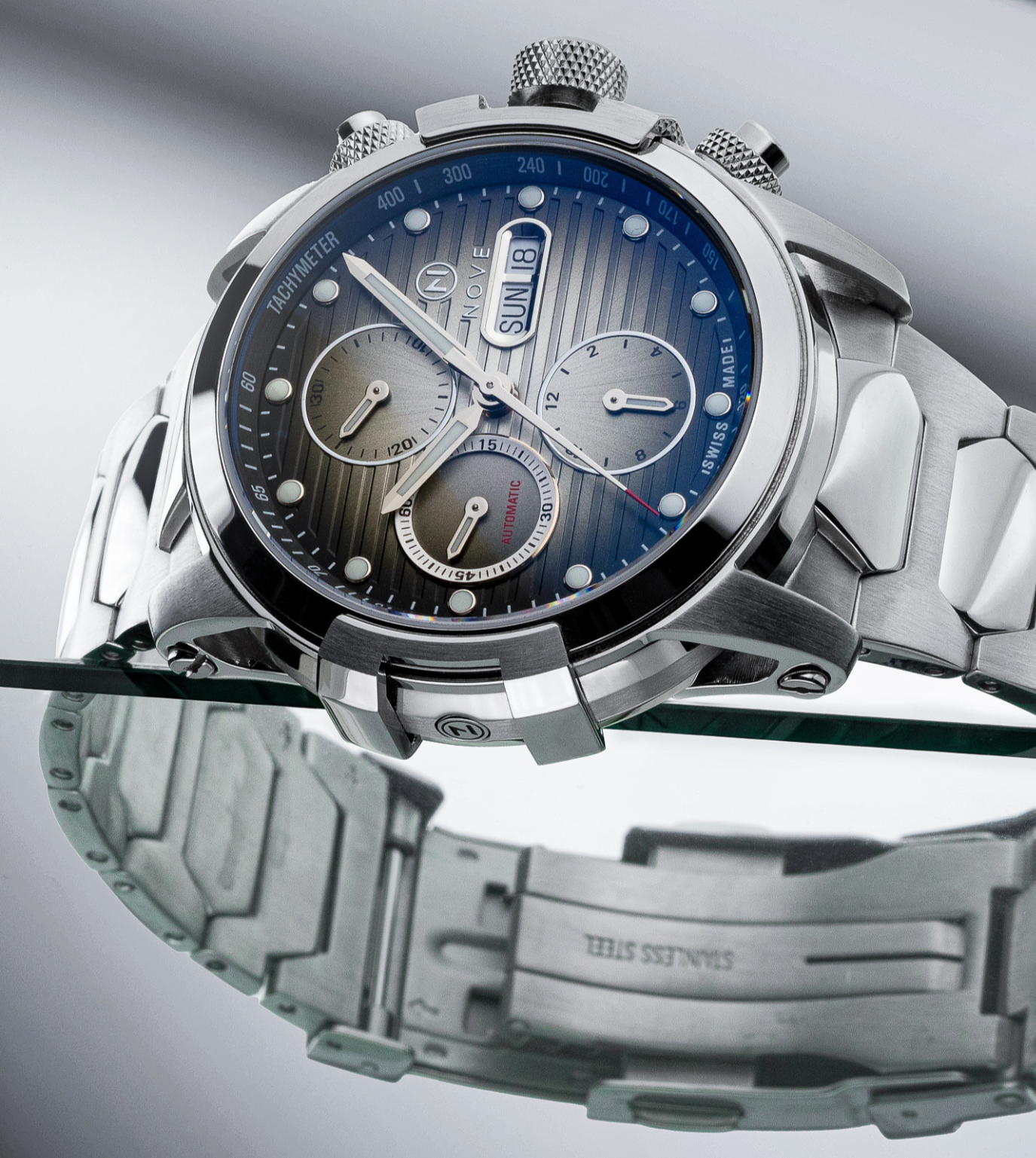
A dive watch can look commanding in a display case and completely overpower the wrist the moment you try it on. That mismatch is exactly why luxury dive watches for small wrists deserve a more precise conversation. The right piece is not simply a smaller version of a larger icon - it is a watch with balanced proportions, intelligent engineering, and enough design restraint to wear with confidence every day.
For anyone with a wrist under roughly 6.75 inches, the challenge is familiar. Many dive watches are built to project toughness through bulk, with thick cases, long lugs, and wide bezels that turn a refined instrument into something clumsy. In the luxury space, that can be even more frustrating, because a premium watch should feel deliberate in every dimension. Fit is not a minor detail. It is part of the watch's architecture.
What makes luxury dive watches for small wrists work
Case diameter gets the most attention, but it is only one part of the story. A 40mm dive watch can wear beautifully on a smaller wrist, while a 38mm model can still feel awkward if the lugs extend too far or the case sits too tall. That is why experienced buyers look beyond the headline measurement.
Lug-to-lug distance matters more than most people realize. If the lugs overhang the edges of your wrist, the watch immediately loses its sense of proportion. For many small-wrist buyers, the sweet spot is often somewhere under 47mm lug-to-lug, though wrist shape can shift that number a bit. Rounded or downward-curving lugs also help the case hug the wrist instead of hovering on top of it.
Case thickness is another deciding factor. Dive watches need water resistance, screw-down crowns, and solid construction, so some depth is unavoidable. Still, there is a difference between reassuring substance and unnecessary height. A slimmer profile tucks more cleanly under a cuff and keeps the watch from feeling top-heavy. On a smaller wrist, balance becomes visible fast.
Then there is bezel design. A broad bezel can make the dial opening appear smaller, which often helps a watch wear more compactly. That can be an advantage if you want a sport watch with presence but not sprawl. On the other hand, a very large dial with minimal bezel can make even a moderate case feel visually oversized.
Size is only the beginning
A common mistake is assuming small wrists need the smallest possible dive watch. That is not always true. If the design is sharp, the lugs are controlled, and the case profile is disciplined, a 40mm dive watch can look more luxurious than a 36mm model that feels too slight for the category.
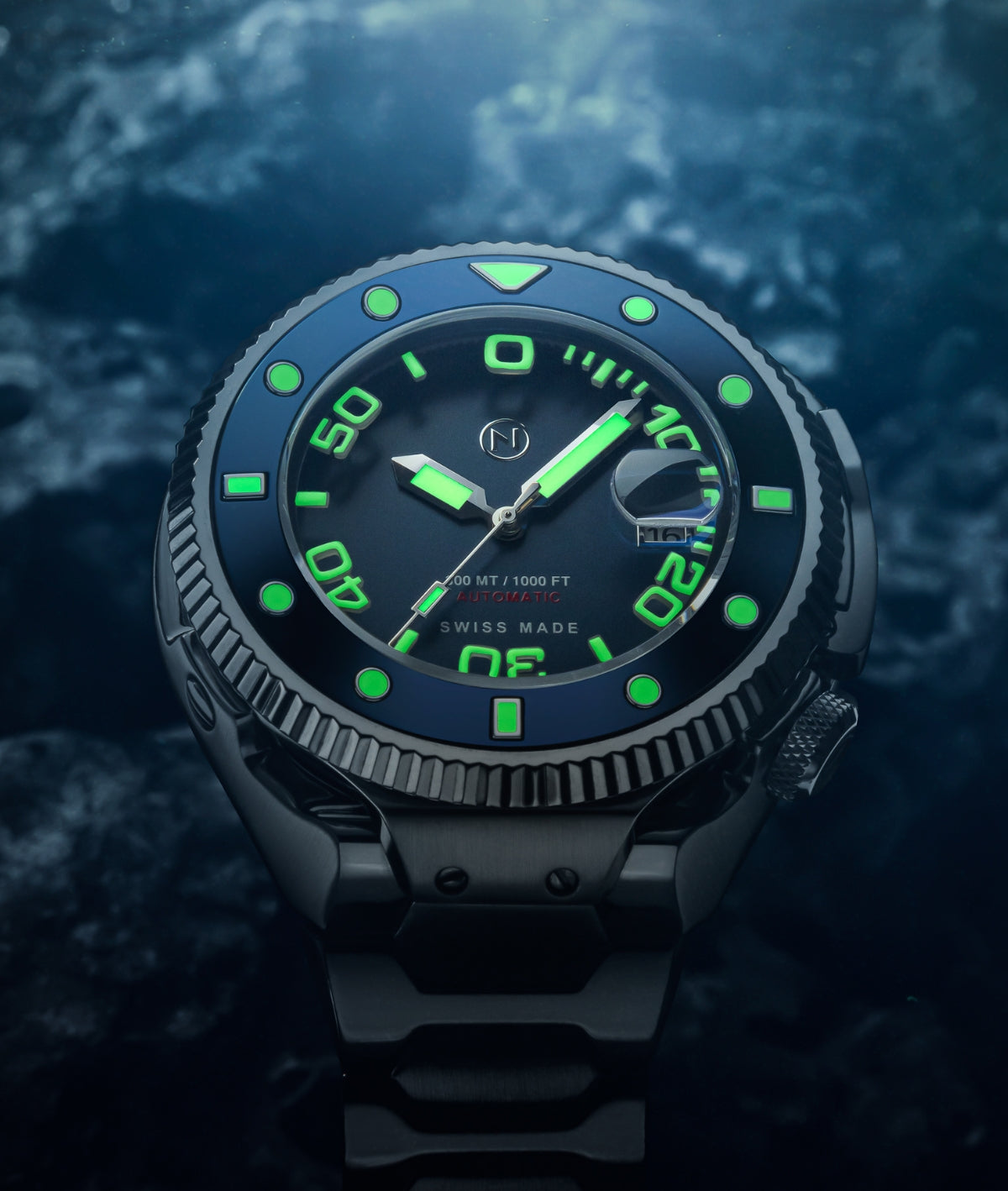
Luxury is partly about proportion and partly about intent. A dive watch should still look like a dive watch. It should carry enough visual strength to honor the genre - strong bezel, clear markers, credible depth rating, and a case that feels engineered rather than delicate. Shrinking everything down too far can strip away the character that made you want a dive watch in the first place.
This is where design-forward brands often have an edge. They are less bound to oversized legacy formulas and more willing to refine how a watch sits, how the case transitions into the bracelet, and how dial architecture creates visual depth without extra mass. The result can feel more modern, and often more flattering on a smaller wrist.
How to judge fit without relying on specs alone
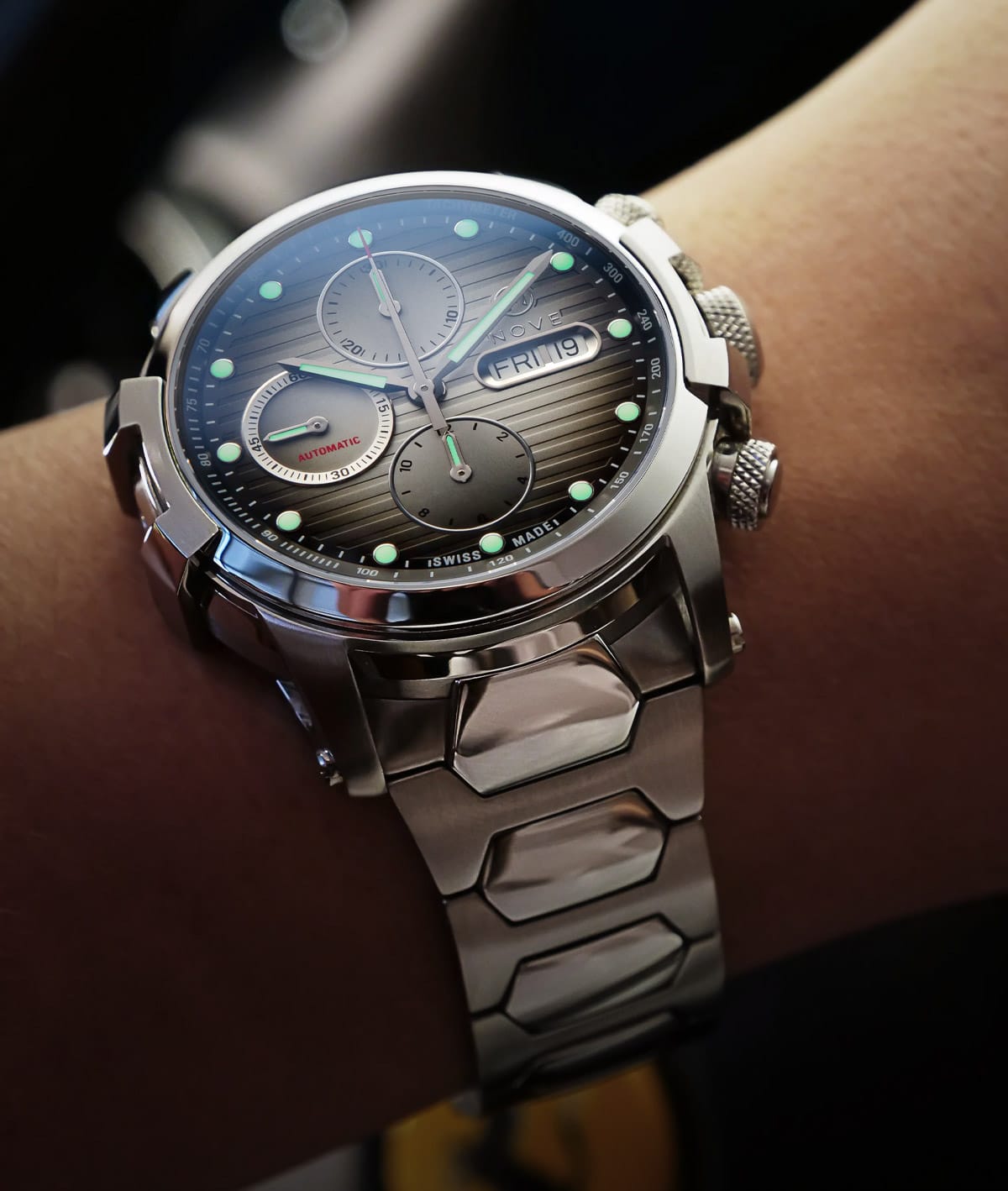
If you are shopping online, dimensions matter, but photos tell another part of the truth. Pay attention to straight-on wrist shots, profile images, and where the end links begin. A bracelet that drops sharply from the case will usually wear better on a smaller wrist than one with stiff, elongated end links.
The strap or bracelet changes the equation too. Rubber can make a dive watch feel more compact and relaxed, especially if it integrates cleanly with the case. A steel bracelet adds opulence and versatility, but it can also amplify visual weight if the center links are too broad or the clasp is oversized. For smaller wrists, taper is your ally. A bracelet that narrows toward the clasp usually feels more refined and more comfortable.
Micro-adjustment is worth seeking out, especially on a sport watch. Small wrists often sit in an awkward zone where a full link is too much and a half link is still not quite right. Fine adjustment lets the watch stay centered instead of rotating around the wrist. At a luxury price point, comfort should feel engineered, not improvised.
Materials, movement, and the luxury factor
The best luxury dive watches for small wrists are not only easier to wear. They also preserve the tactile satisfaction buyers expect from a premium timepiece. That means crisp bezel action, a crown that threads with precision, luminous markers that feel intentional rather than decorative, and finishing that rewards a closer look.
Material choice shapes wearability. Titanium is particularly compelling for smaller wrists because it cuts weight without sacrificing strength. A substantial steel dive watch can feel impressive at first and exhausting by mid-afternoon. Titanium keeps the experience more agile. Stainless steel, of course, still has its place, especially when you want a richer sense of density and polish.
Movement choice is more personal. An automatic dive watch brings romance, motion, and mechanical credibility. A Swiss quartz movement offers grab-and-go practicality, slimmer construction, and exceptional reliability. Neither is automatically more luxurious in real-world ownership. It depends on what kind of relationship you want with the watch. If you rotate between several timepieces, quartz may suit your lifestyle better. If you enjoy the ritual of winding and setting, automatic will feel more emotionally rewarding.
Design cues that flatter smaller wrists
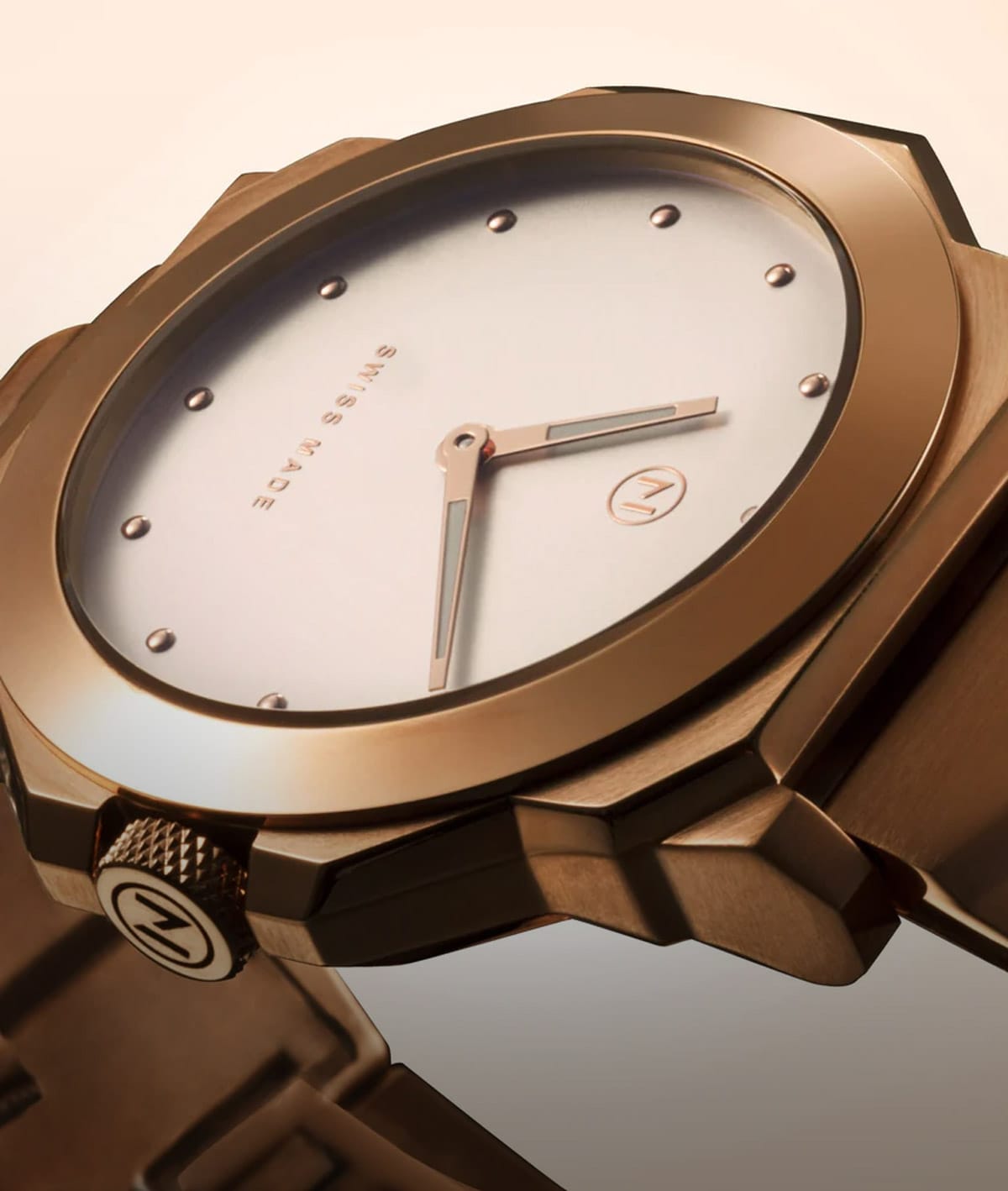
Visual discipline matters. Strong hour markers, high contrast, and a well-defined handset keep the dial readable without making it look crowded. Smaller wrists often benefit from watches with clean dial layouts and deliberate negative space. Too many textures, scales, or color breaks can make a compact dive watch feel busy rather than sophisticated.
Color also changes perception. Dark dials and bezels tend to wear a bit smaller, while bright whites, vivid blues, and polished surfaces pull more attention outward. That does not mean smaller wrists should avoid bold color. It simply means every design choice affects perceived size.
A short crown guard profile can help too. Oversized crown guards often make the right side of the case feel extended and unbalanced. Likewise, restrained case flank detailing usually ages better than aggressive sculpting if your goal is refined versatility.
One reason modern Swiss brands resonate here is that they approach a watch as a complete object, not just a set of specifications. When the case, dial, strap, and finishing are conceived together, even a bold dive watch can feel tailored. That is the difference between wearing a tool and wearing a statement piece.
Where buyers get it wrong
Many people chase water-resistance numbers they will never use. Yes, a serious dive watch should have credible performance. But if you are buying for daily wear, travel, weekends, and the occasional swim, the more useful question is whether the watch feels proportionate enough to wear often. A 300-meter rating is impressive. A watch that sits beautifully every day is better.
Another mistake is confusing masculinity with size. Presence comes from confidence in design, not from excess diameter. A well-built 39mm dive watch with sharp finishing and a distinctive identity can project more authority than a bulky 44mm model that dominates the wrist for the wrong reasons.
Price can mislead too. In luxury, more expensive does not always mean more suitable. Some of the best options for smaller wrists come from brands willing to innovate in case architecture and value, rather than simply trading on heritage. That space is increasingly interesting, especially for buyers who want Swiss craftsmanship, uncommon design, and genuine wearability.
Choosing the right luxury dive watch for a smaller wrist
Start with your wrist measurement, then think about how you actually dress. If the watch needs to move from office to evening to weekend, look for a profile with enough polish to feel elevated beyond pure sportswear. If it is meant to be your bold daily signature, you can lean into stronger case geometry and more expressive color.
Aim for harmony instead of a rigid number. In many cases, 37mm to 40mm is an excellent range, but lug shape, thickness, and bracelet taper matter just as much. If possible, compare the watch to one you already own that fits well. That baseline is often more useful than chasing internet consensus.
And remember that a luxury watch should create pleasure every time you fasten it. The right dive watch for a small wrist does not ask you to compromise between performance and elegance. It proves that precision, refinement, and bold design can coexist in a form that feels made for you.
That is the standard worth holding onto, because the best watch is never the biggest one in the room - it is the one that looks intentional the moment it meets your wrist.