
A watch can tell the time for a few dollars. So when a Swiss-made timepiece costs hundreds or thousands, the question is fair: are Swiss watches worth it? The answer is not found in the name on the dial alone. It lies in what you value when that watch becomes part of your daily uniform, travels with you, marks a milestone, or is passed across a generation.
A Swiss watch is not automatically the right purchase for everyone. But for the person who notices proportion, engineering, finishing, and the quiet confidence of a well-made object, it can offer far more than a way to track the hour.
What the Swiss-Made Label Actually Represents
Swiss watchmaking earned its reputation over centuries of precision manufacturing, technical development, and obsessive attention to detail. The modern Swiss-made designation is regulated, not simply a decorative phrase. It requires a Swiss movement, Swiss assembly and final inspection, plus a defined share of the watch's production value originating in Switzerland.
That standard does not mean every Swiss watch is built to the same level. A traditional dress watch, a serious dive watch, and a fashion-led quartz model have different priorities. What the designation does provide is a meaningful baseline: the watch comes from an ecosystem where movement manufacture, case construction, quality control, and watchmaking expertise are deeply established.
The real value is often felt in the details that do not announce themselves at first glance. A precisely aligned dial, a smooth crown action, a bracelet that sits naturally on the wrist, and a case that retains its character after years of wear all contribute to ownership that feels considered rather than disposable.
Are Swiss Watches Worth It for Everyday Wear?
They can be, especially when you choose the right watch for your life rather than buying a label. An everyday Swiss watch should be capable enough to handle a busy schedule and distinctive enough to justify reaching for it every morning.
For active wear, materials matter. Stainless steel with a durable finish, sapphire crystal, secure seals, and meaningful water resistance are not glamorous specifications on their own, but they protect the experience of wearing the watch. Sapphire crystal is especially valuable because it resists the small scratches that can make a lesser watch look tired quickly.
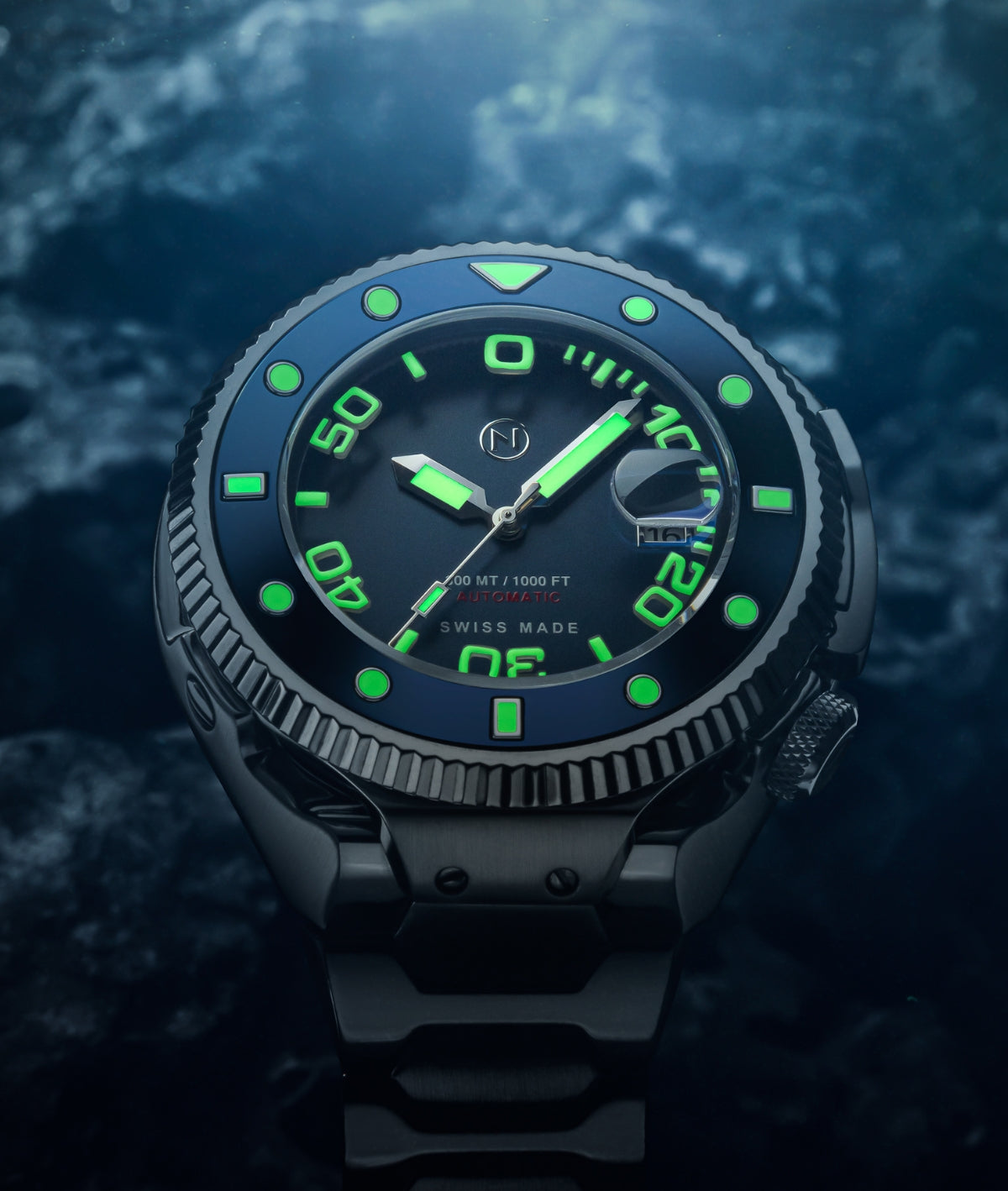
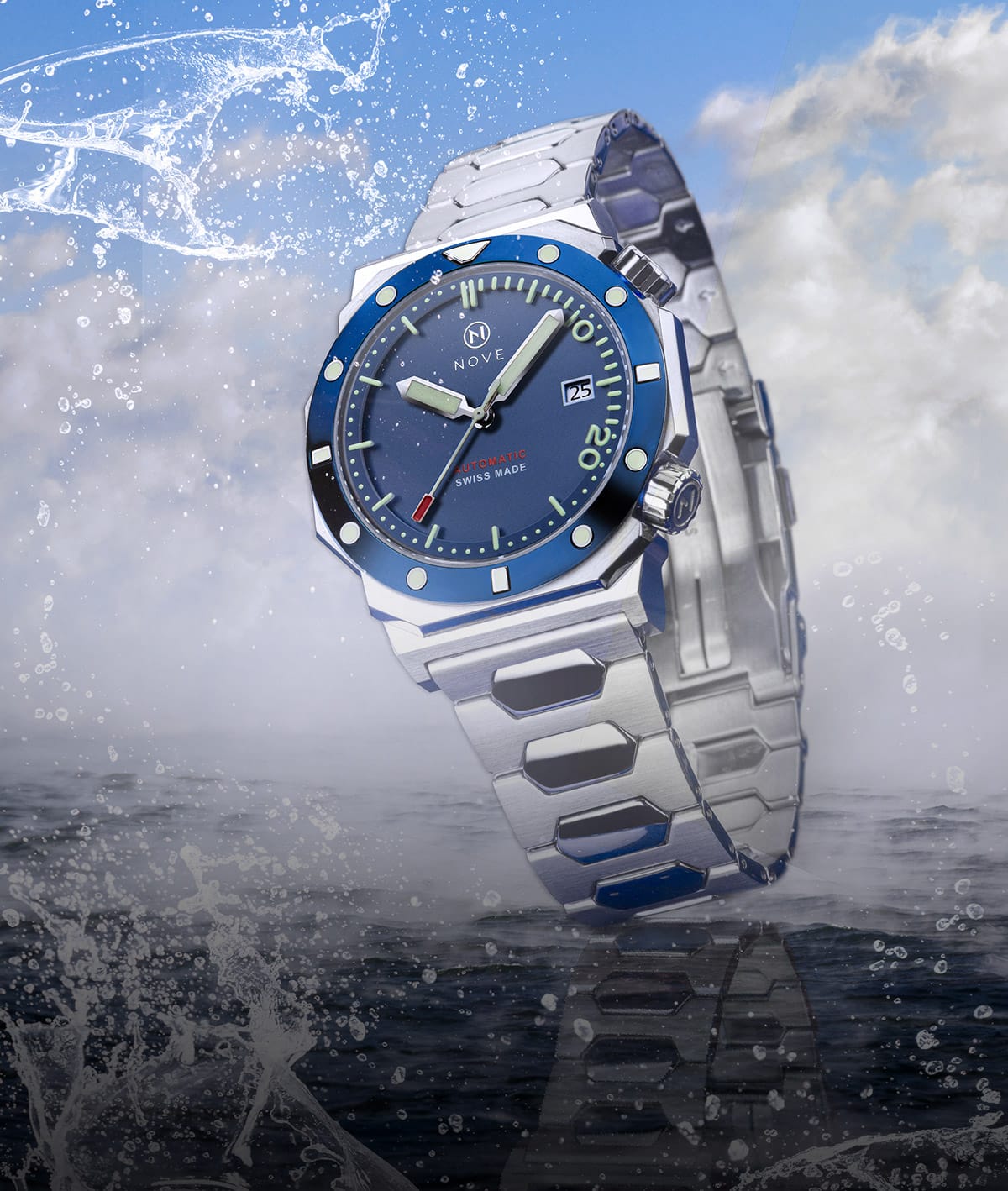
A dive-inspired design brings another layer of utility. Its water resistance, legibility, rotating bezel, and substantial case construction were created for demanding environments, yet they work just as well for travel, weekends by the water, and daily life. The best examples do not look like equipment borrowed from someone else's adventure. They feel like an extension of your own style.
There is also a practical pleasure in wearing a watch that does not need to be treated as fragile. A properly engineered Swiss tool watch can move from the office to the ocean without losing its composure. That versatility often makes a stronger case for value than a watch reserved only for special occasions.
The Movement Changes the Equation
The movement is the mechanical or quartz system that powers the watch, and it should guide your decision more than marketing language ever could.
Swiss Automatic Movements
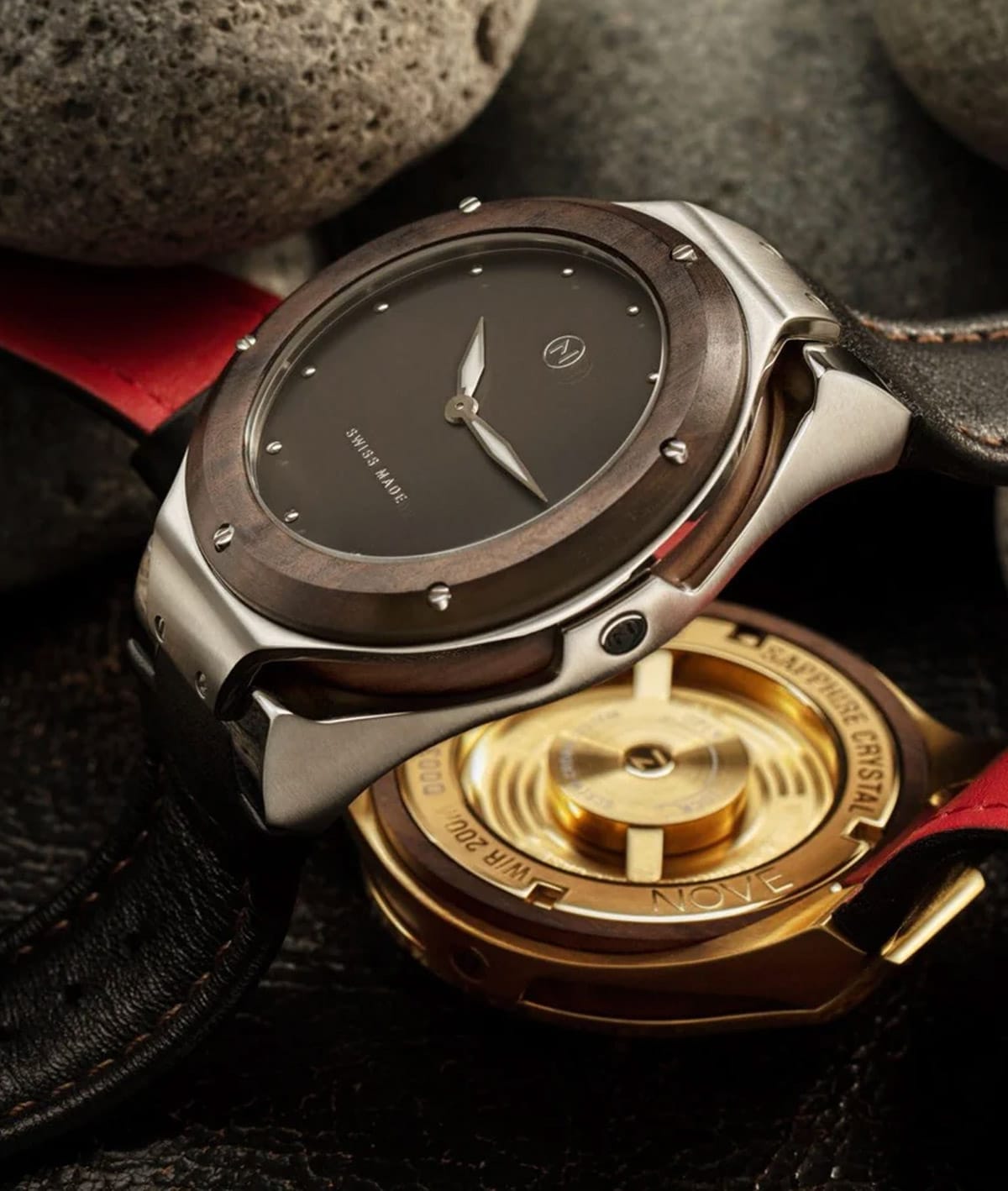
An automatic movement is powered by the motion of your wrist. It is a small mechanical world of gears, springs, and a rotor working together beneath the caseback. Its appeal is emotional as much as technical: you are wearing a machine crafted to measure time without a battery.
Automatic watches reward people who enjoy ritual. Setting the time after a few days away, feeling the crown engage, and seeing the movement in motion are part of the ownership experience. They do require periodic servicing, and their accuracy will not match a quartz movement day to day. That is not necessarily a flaw. It is the nature of mechanical watchmaking.
Swiss Quartz Movements
Swiss quartz is often underestimated because it is so accurate and easy to live with. A quality quartz watch offers dependable performance, lower maintenance needs, and often a slimmer profile. For a professional who needs precision without daily adjustment, it can be the most intelligent choice.
Quartz does not make a watch less refined. The case architecture, dial design, materials, finishing, and overall execution still determine whether it feels exceptional on the wrist. The right movement is the one that supports how you actually live.
Swiss Chronographs
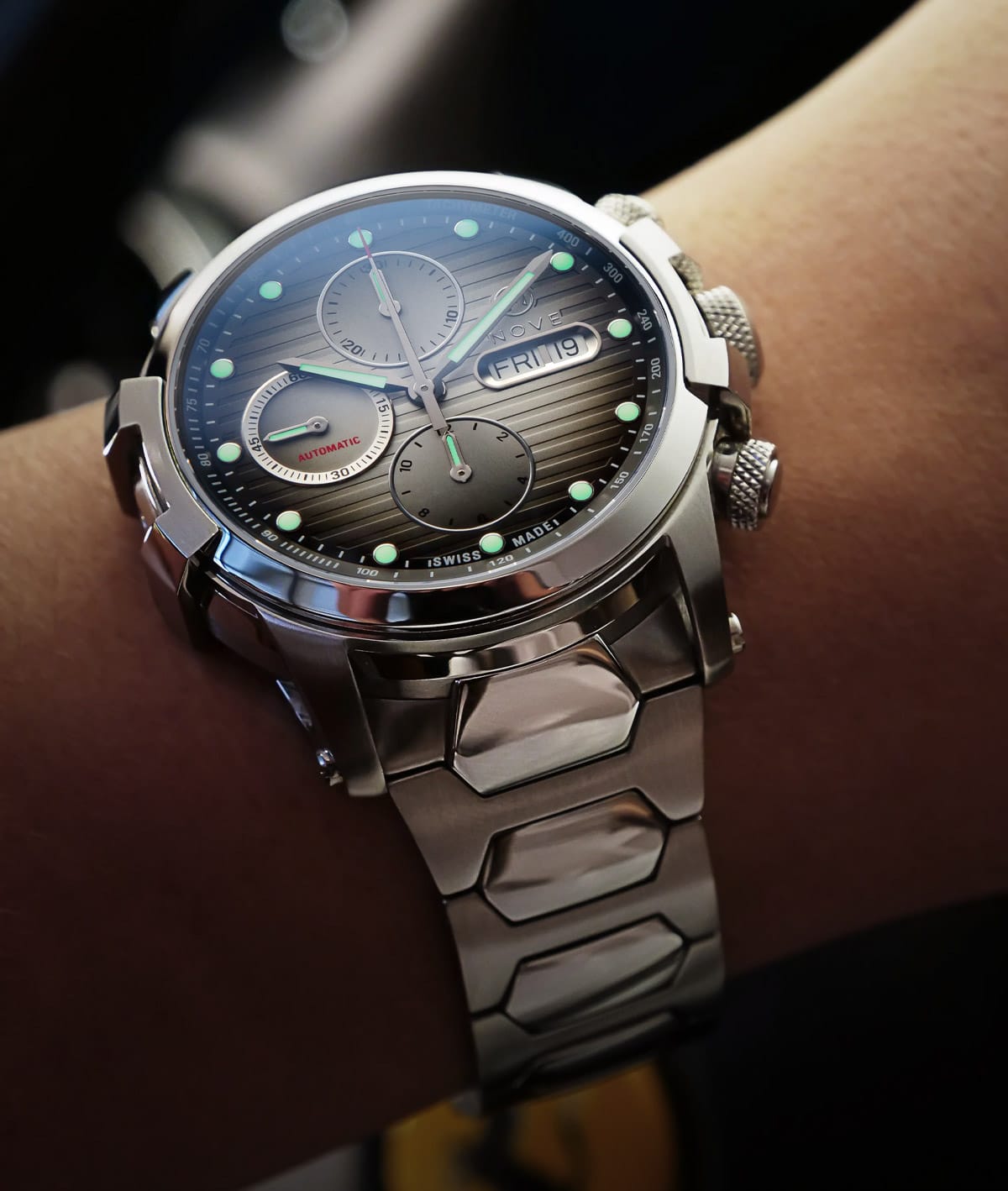
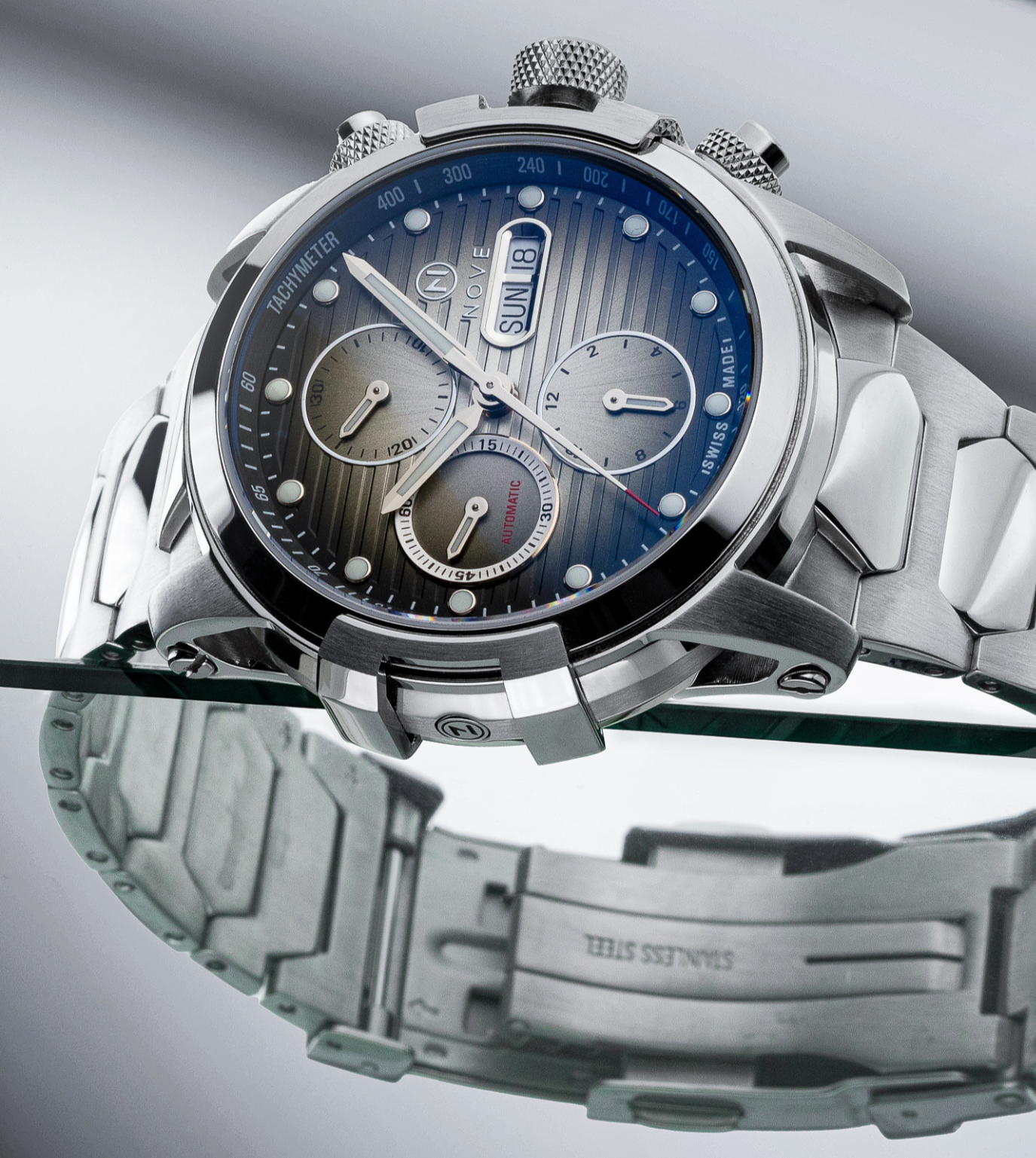
A chronograph adds stopwatch functionality and a more technical visual language. Subdials, pushers, and scales give the watch a sense of purpose, whether you use it to time a flight connection, a workout, or nothing at all. There is a particular confidence to a well-designed chronograph: it feels engineered, layered, and intentional.
The trade-off is complexity. Chronographs often have thicker cases and more involved servicing requirements. Buy one because its design and function speak to you, not merely because more complications seem more impressive.
Where the Price Goes
A Swiss watch costs more than a basic timepiece because it brings together several categories of value at once: manufacturing, materials, design, quality control, and after-sales support.
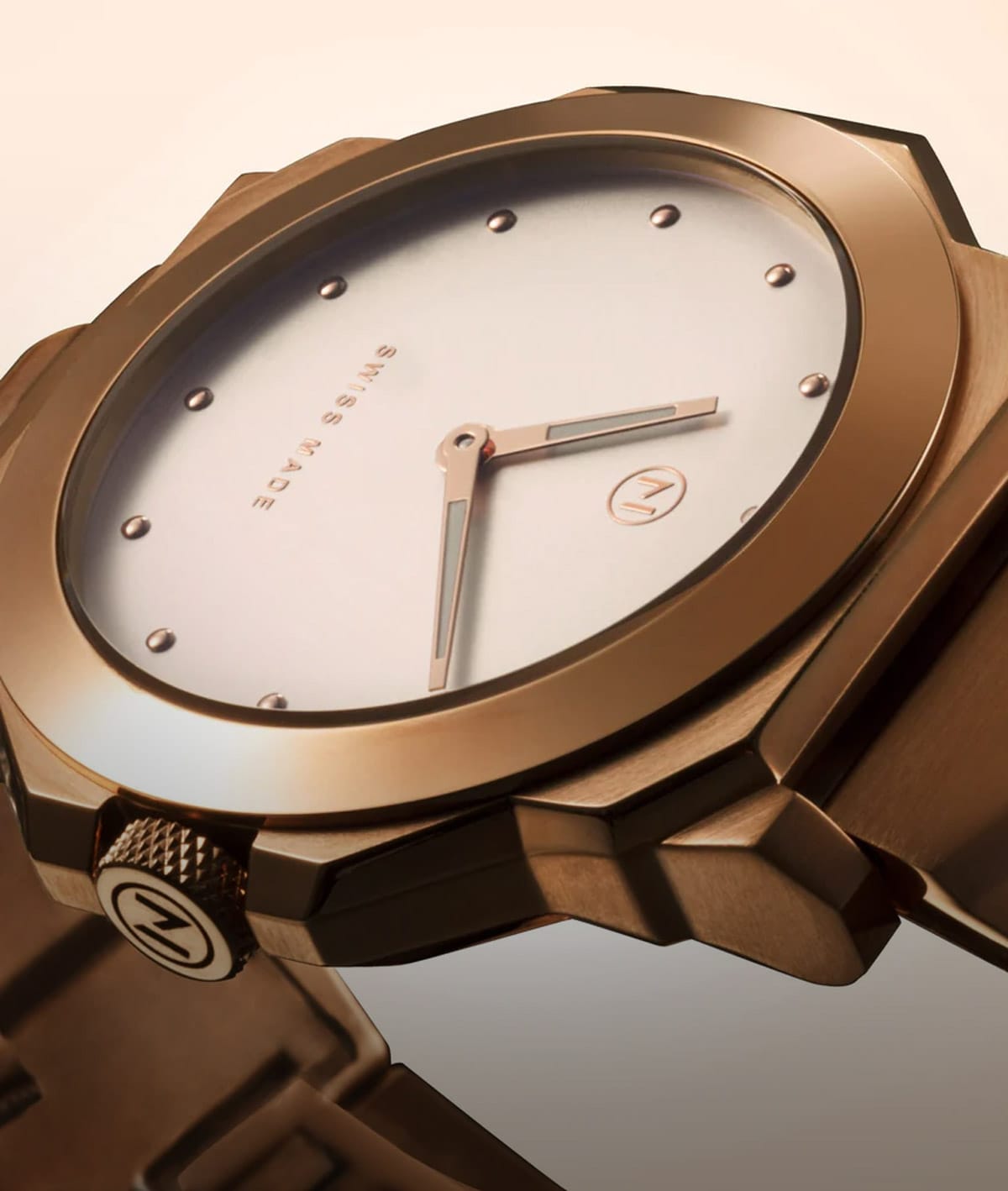
Some of the price is tangible. You can see it in a sculpted case, a ceramic or steel bezel, carefully applied markers, a high-grade bracelet, or a sapphire crystal. Some is less visible, such as gaskets, movement regulation, assembly expertise, and testing. And some is design value: the effort required to create a watch that looks unmistakable rather than interchangeable.
This is where shoppers should be discerning. A high price does not always equal high value. Legacy branding, scarcity, celebrity association, and retail markups can account for a significant portion of a watch's cost. A direct-to-consumer Swiss watch brand can sometimes direct more of the investment toward materials and design while avoiding layers of traditional retail overhead.
NOVE approaches this space with bold Swiss-made designs that favor architectural cases, ocean-ready capability, and a statement-making presence over familiar formulas. That is a useful reminder that Swiss value is not limited to heritage-house conventions. Innovation belongs in the conversation too.
The Value You Cannot Put on a Spec Sheet
Watches are personal objects. They sit on the body, take on the marks of travel and celebration, and become associated with a promotion, graduation, wedding, or hard-won accomplishment. A phone is more accurate, but nobody hands down a phone because of the story it carries.
A Swiss watch can earn emotional value because it is designed to stay. It is repairable in a way most modern accessories are not. Its movement can be serviced, its bracelet can be refinished, and its battery can be replaced when applicable. Longevity is not guaranteed, but a well-chosen watch invites long-term ownership rather than constant replacement.
That does not mean every Swiss watch should be viewed as an investment. Most watches should be purchased to wear, not as a shortcut to financial return. Certain rare references may hold or gain value, but markets shift quickly and condition matters enormously. The more reliable return is the satisfaction of owning a piece you continue to choose year after year.
When a Swiss Watch May Not Be Worth It
If you want the lowest-cost way to tell accurate time, a Swiss watch is unnecessary. If you prefer to replace accessories frequently as trends change, its durable construction and serviceability may not matter much. And if a particular design does not excite you, no movement specification will create a connection that is not there.
It may also be smarter to wait than to buy too quickly. A watch that feels slightly beyond your budget can become less enjoyable if you are worried about every scratch. Choose a price level that lets you wear it with confidence. A great watch should invite experience, not anxiety.
For many buyers, the sweet spot is accessible Swiss luxury: genuine Swiss manufacturing, high-quality materials, a capable movement, and a point of view strong enough to feel personal, without paying solely for a century-old name.
How to Decide Before You Buy
Start with your wrist, your wardrobe, and your routines. Consider whether you want the living mechanics of an automatic movement or the precision and ease of quartz. Decide whether you need serious water resistance, whether the case size suits your proportions, and whether the design will still feel compelling after the first excitement fades.
Then look past the dial. Examine crystal material, case construction, water-resistance rating, warranty coverage, movement type, and the availability of service. If you are buying a gift, consider whether engraving or a limited-edition detail can turn a remarkable object into a lasting personal one.
The watch worth buying is not the one that asks for the most admiration. It is the one that makes you look down at your wrist and feel that it belongs there.