
A great watch should do more than tell time. It should feel engineered for your life, proportioned for your wrist, and distinctive enough to become part of your signature. This Swiss made watch buying guide focuses on the details that separate a compelling purchase from a merely familiar one: authentic Swiss credentials, movement choice, materials, performance, and design with lasting presence.
What “Swiss Made” Actually Means
“Swiss Made” is not a decorative phrase. It is a legally protected designation governed by specific standards, and it carries real weight when you are assessing craftsmanship and value.
For a watch to carry the Swiss Made label, its movement must be Swiss, the watch must be cased up in Switzerland, and final inspection must take place there. At least 60% of the watch’s manufacturing cost must also be generated in Switzerland, while its technical development must occur there. Those requirements create a meaningful connection between the finished timepiece and the country’s watchmaking infrastructure.
That distinction matters because descriptions can sound similar while meaning very different things. A watch labeled “Swiss movement” may use a Swiss-made caliber but be assembled elsewhere. A watch described as “Swiss design” may reference an aesthetic rather than its manufacturing origin. Neither is automatically a poor choice, but neither represents the same standard as Swiss Made.
The label alone should not end your research. Swiss Made establishes a credible foundation. The more revealing question is how the brand uses that foundation: through movement selection, case construction, quality control, and a design point of view worth wearing.
Start With the Movement You Will Actually Enjoy
A movement is the engine of the watch, but choosing one is not a test of enthusiasm. It is a decision about rhythm, purpose, and ownership experience.
Swiss Automatic Watches
An automatic movement is powered by the motion of your wrist. Its mechanical architecture, rotor-driven winding system, and sweeping seconds hand offer the tactile appeal that draws many collectors to watchmaking. There is an intimacy to it: a small machine working continuously beneath the dial.
Choose an automatic if you appreciate mechanical craft and wear your watch regularly. It is especially satisfying in a substantial dive watch or a sport-luxury piece where the weight, engineering, and visual presence all work together. The trade-off is simple. Automatics generally cost more than quartz models, can be less precise from day to day, and benefit from periodic service over the long term.
Look beyond the word “automatic” and consider power reserve, movement reputation, serviceability, and case thickness. A strong automatic watch should feel balanced, not like an impressive movement forced into an awkwardly tall case.
Swiss Quartz Watches
Swiss quartz is the choice for precision with minimal intervention. Battery-powered quartz movements are exceptionally accurate, dependable, and often allow a slimmer case profile. For travel, a demanding schedule, or an everyday piece you can pick up and wear without resetting, quartz is difficult to beat.
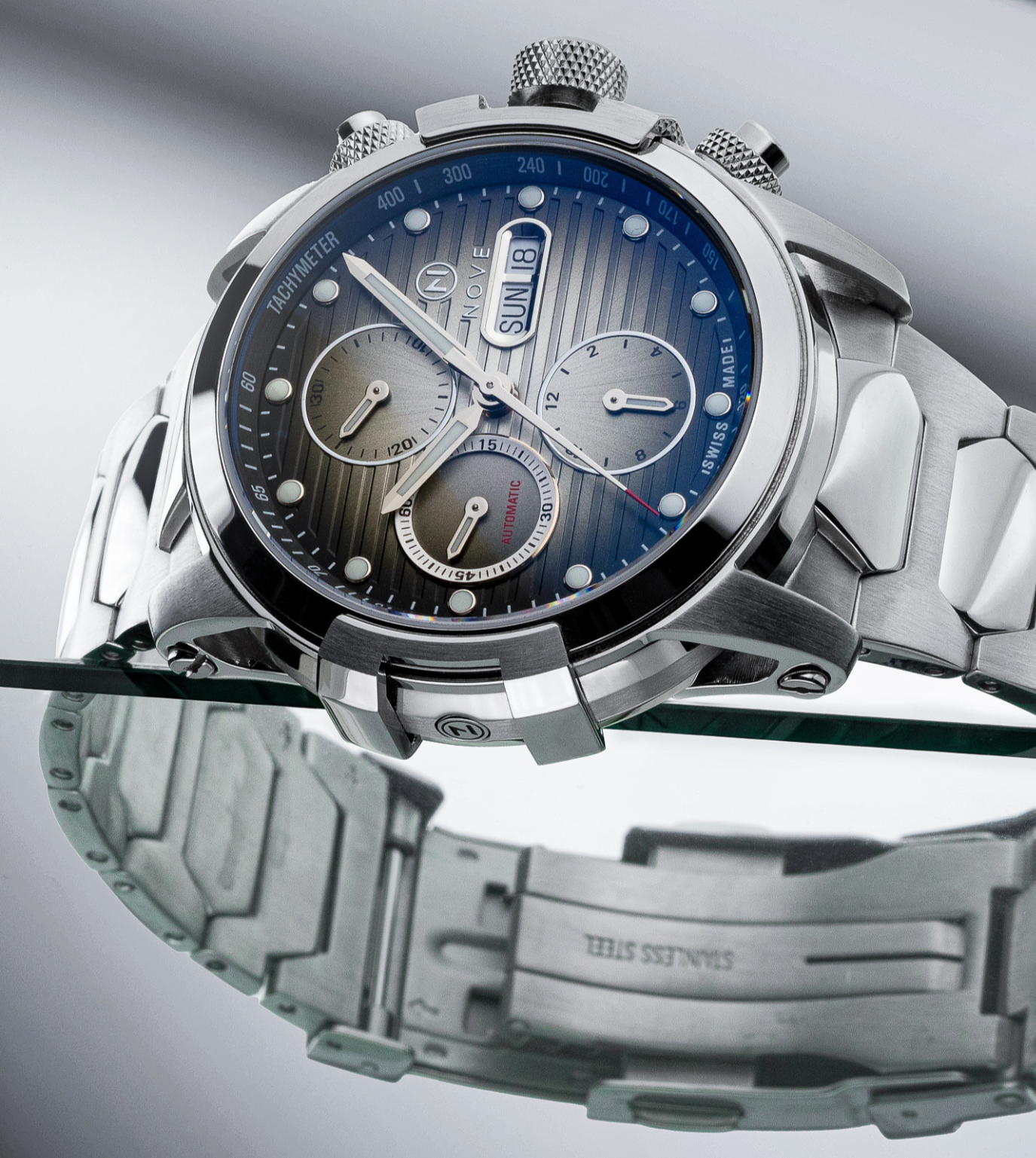
Quartz is not a lesser expression of Swiss watchmaking. In the right watch, it is a deliberate performance choice. A refined quartz chronograph can provide crisp timing capability, a clean dial layout, and practical reliability without asking for the attention a mechanical movement requires.
The decision comes down to what you value. Choose automatic for mechanical character and ritual. Choose quartz for accuracy, ease, and a more direct relationship with the function of the watch.
Swiss Chronographs
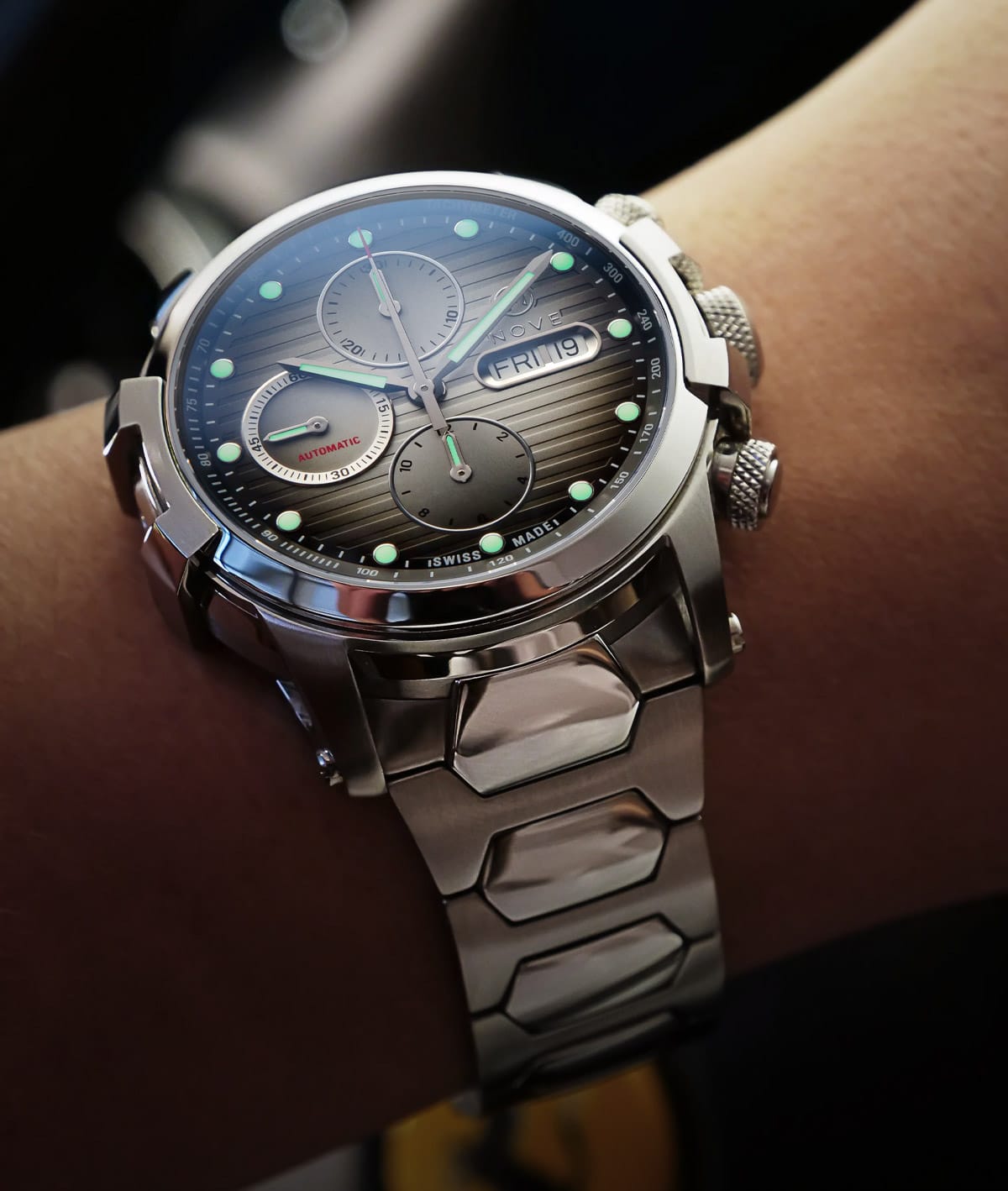
A chronograph adds a stopwatch function, typically operated by pushers on the side of the case. It has natural appeal for drivers, aviation enthusiasts, and anyone drawn to instrument-inspired design. Subdials, tachymeter scales, and pushers can bring real visual energy to a watch, but they should serve the composition rather than crowd it.
Before buying, test the idea of the chronograph against your own habits. If you love the layered, technical look, it can be the centerpiece of your collection. If you prefer clean time-only dials, a chronograph may feel too busy after the first thrill wears off.
Match the Case to Your Wrist and Your World
Specifications are useful, but proportion is what you feel every time the clasp closes. Case diameter is a starting point, not a verdict. A 42 mm dive watch with short, curved lugs can wear more comfortably than a 40 mm watch with long lugs and a broad bracelet.
Pay attention to lug-to-lug length, case thickness, and the shape of the caseback. A well-designed watch sits close to the wrist and distributes its weight with intention. This is particularly important for bold, architectural designs. A statement watch should command attention through proportion and precision, not by becoming cumbersome.
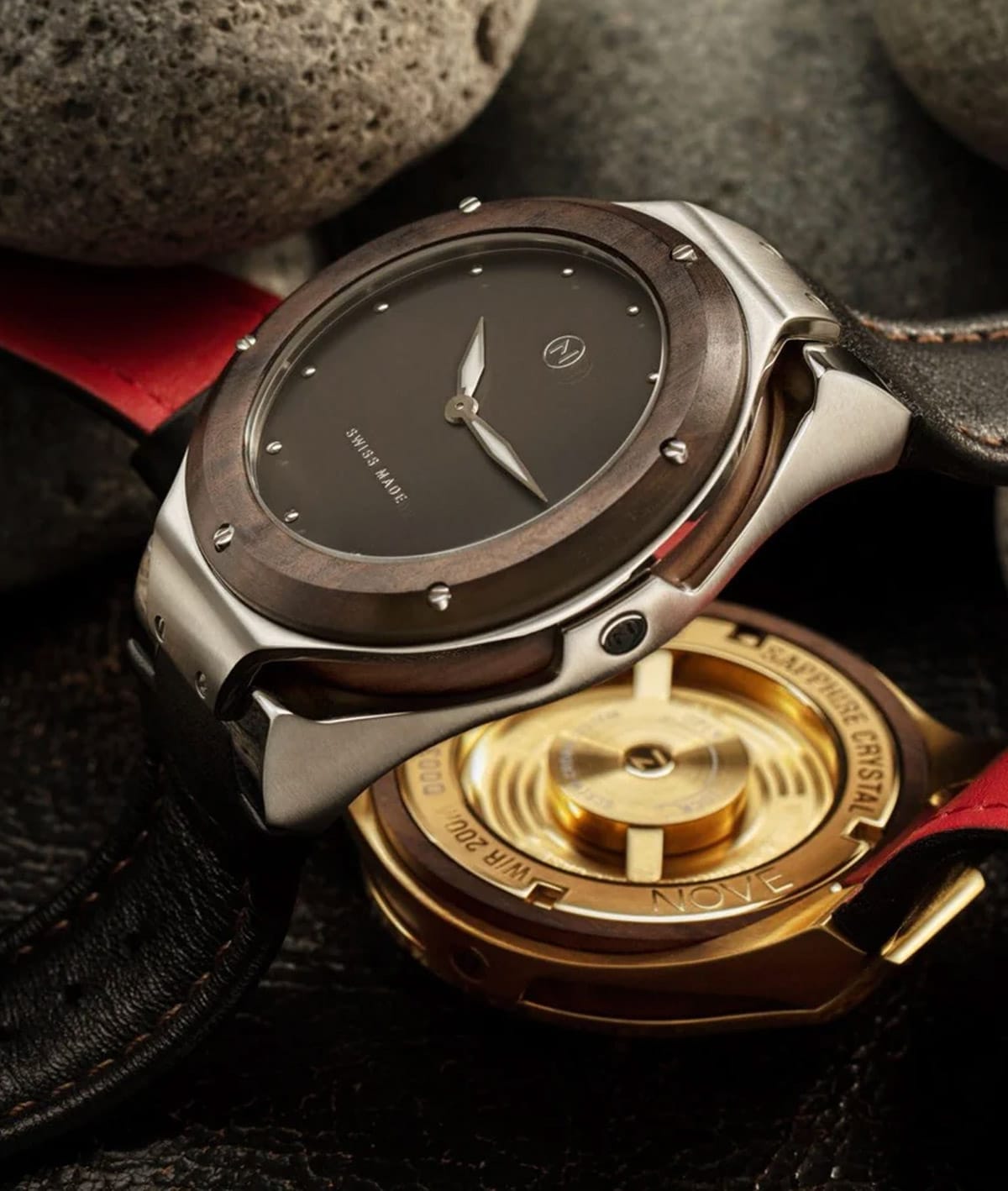
Material changes both personality and performance. Stainless steel remains the versatile standard because it is durable, adaptable, and appropriate from the office to the ocean. Titanium is lighter and especially compelling for larger cases or active use. Ceramic can offer exceptional scratch resistance and a sleek, modern finish, though it has different impact characteristics than steel. Sapphire crystal is the standard to seek for the dial-side glass, valued for its high resistance to everyday scratching.
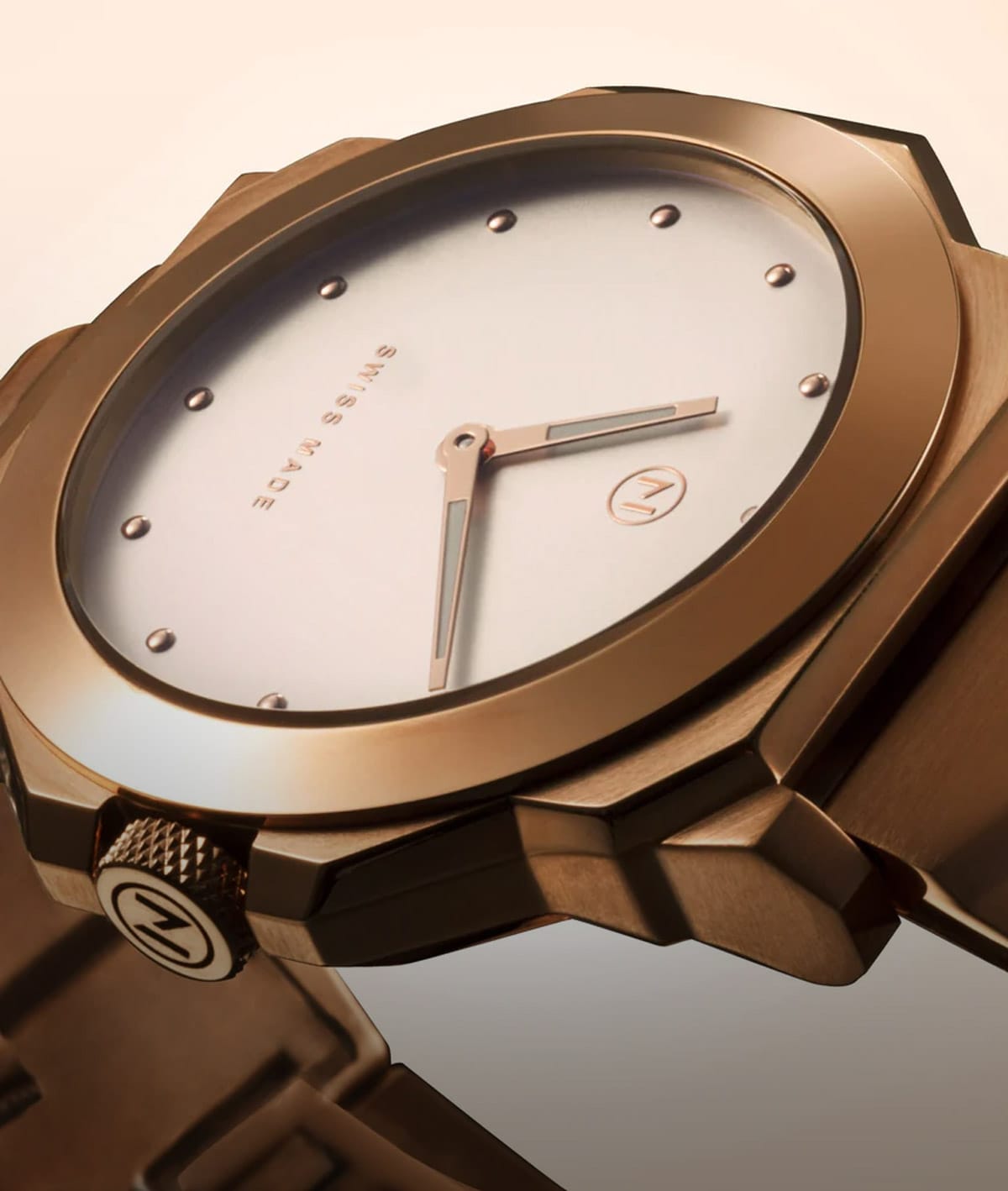
Finishing deserves a close look as well. Brushed surfaces make a watch feel purposeful and industrial. Polished details bring contrast and opulence. The most compelling cases often combine both, using light to emphasize the architecture of the bezel, lugs, and bracelet.
Water Resistance Is a Design and Performance Decision
Water resistance is commonly misunderstood. A 30-meter rating does not mean a watch is designed for a 30-meter dive. It generally indicates protection against incidental splashes. For regular swimming, look toward 100 meters or more. For diving, water sports, and true instrument-watch confidence, 200 meters or greater is the more appropriate territory.
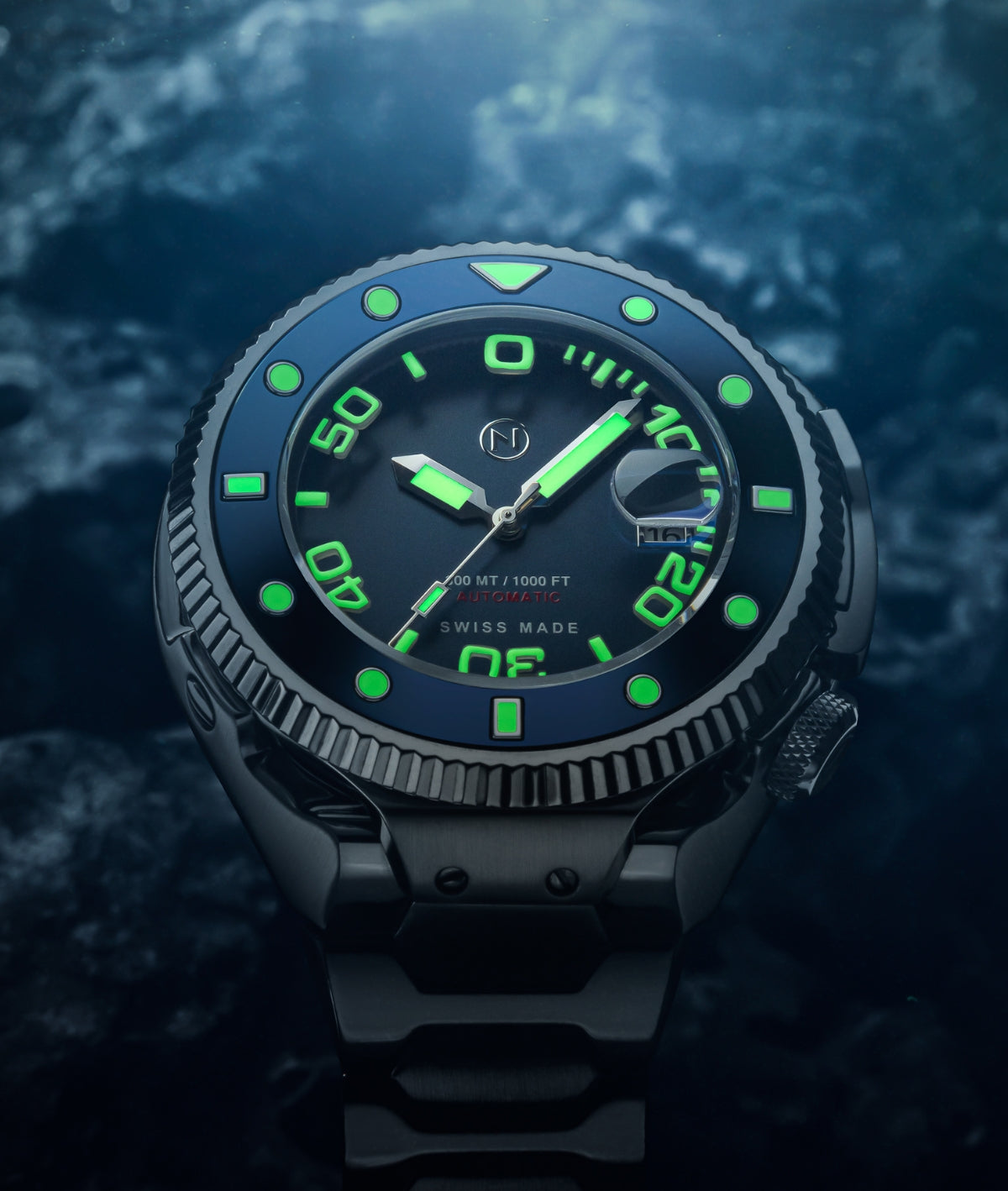
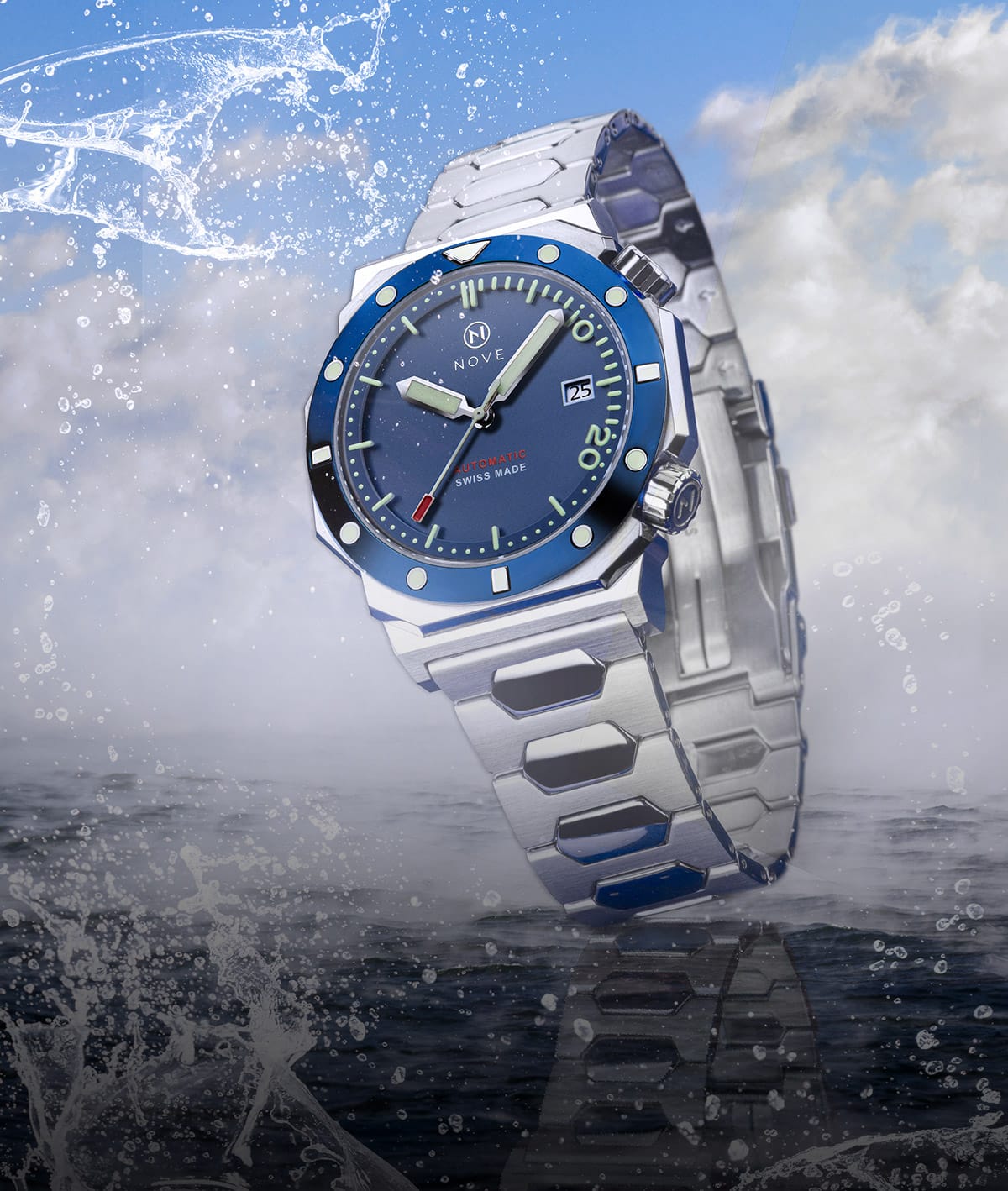
A capable dive watch should offer more than a high number on the caseback. Consider a screw-down crown, a secure case construction, strong lume, clear hands and markers, and a unidirectional rotating bezel if you intend to use elapsed-time functionality underwater. These details are part of the watch’s identity even if your next adventure is a rooftop pool rather than a reef.
There is also a style advantage. Dive-watch architecture gives a timepiece authority: decisive bezels, substantial cases, and high-contrast legibility. It can be an ideal everyday choice for someone who wants performance without sacrificing visual impact.
Choose Design That Has a Point of View
Swiss craftsmanship earns its strongest expression when it supports original design. A watch can be technically sound and still disappear into a room. The better choice is one that feels unmistakably yours.
Consider where its personality comes from. Automotive-inspired watches may use layered dials, speedometer cues, or sculpted cases that suggest motion. Marine models may emphasize water resistance, bezel design, and luminous readability. Elevated everyday watches often rely on refined proportions, integrated bracelets, and the interplay of finishes rather than overt complication.
Color should be chosen with the same care as movement. Black, silver, and blue are enduringly versatile, but a saturated dial, forged-carbon texture, or unexpected bezel treatment can make a watch feel personal rather than predictable. The goal is not novelty for its own sake. It is a design that continues to reward attention months after purchase.
NOVE approaches this balance through bold Swiss-made timepieces that pair serious functionality with unconventional industrial design. That combination is worth seeking from any brand: engineering you can trust, paired with a silhouette you will recognize across the room.
Consider Ownership Beyond the Unboxing
The strongest purchase decision includes what happens after delivery. Read the warranty terms, understand return conditions, and ask whether service will be accessible in your region. A 36-month warranty, for example, offers more confidence than the basic coverage many buyers expect, though warranty length should never replace careful inspection of the watch itself.
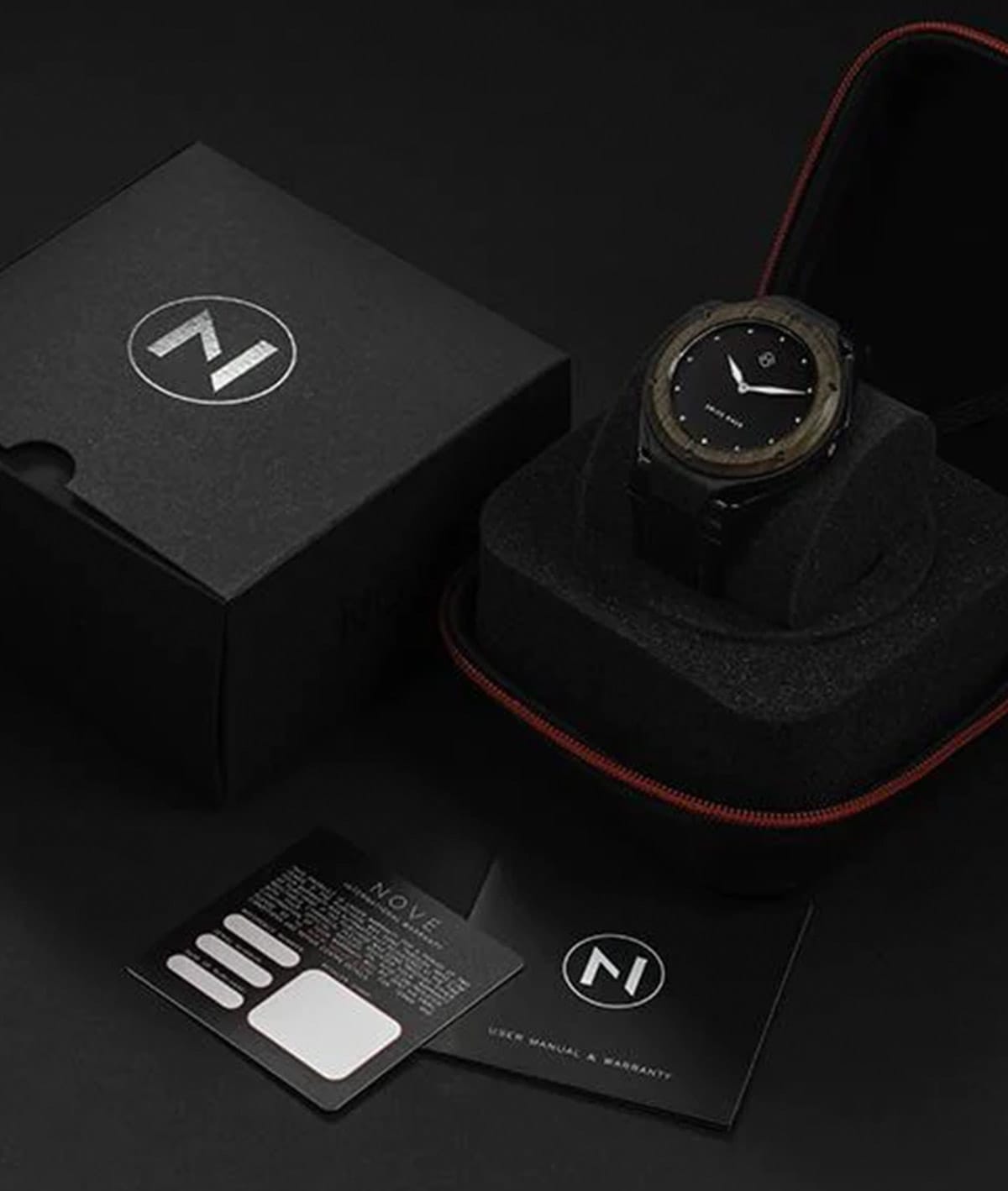
For gifts, practical details become part of the luxury experience. Engraving can transform a Swiss watch into a personal milestone piece. Gift wrapping matters when presentation is part of the occasion. A versatile size, a reliable movement, and a design with clear character usually make safer choices than chasing a trend that may not suit the recipient’s style.
Finally, set a budget based on the experience you want, not only the specification sheet. Accessible luxury can offer Swiss manufacture, capable movements, high-grade materials, and distinctive design without entering the rarified pricing of traditional haute horlogerie. The right value is found where craftsmanship, performance, and personal connection meet.
A Swiss-made watch is most rewarding when it feels less like an acquisition and more like a companion with intent. Choose the movement that suits your pace, the construction that supports your adventures, and the design that makes you look twice before you leave the room.