
A Swiss dive watch says something before you ever test its depth rating. It signals discipline, taste, and an appreciation for engineering that earns attention without asking for it. If you are figuring out how to choose Swiss dive watch styles that truly suit your life, the right answer is rarely the most expensive or the most technical. It is the watch that brings together performance, design, and presence in a way that feels unmistakably yours.
How to choose a Swiss dive watch for real life
A lot of buyers start with a fantasy version of themselves - open water, offshore weekends, compressed air, serious kit. There is nothing wrong with that. Dive watches are built on adventure. But the better buying decision starts with honesty. Will this watch be worn in the ocean every month, or will it spend more time under a shirt cuff, at dinner, on flights, and by the pool?
That question changes everything. A professional-grade tool watch can be thrilling, but it may also feel oversized, heavy, or visually rigid for daily wear. On the other hand, a design-forward Swiss dive watch with strong water resistance, premium construction, and a refined silhouette can deliver more pleasure in the hours that actually make up your life. The smartest choice is not about chasing maximum specifications. It is about matching capability to use.
Start with water resistance, but keep it in perspective
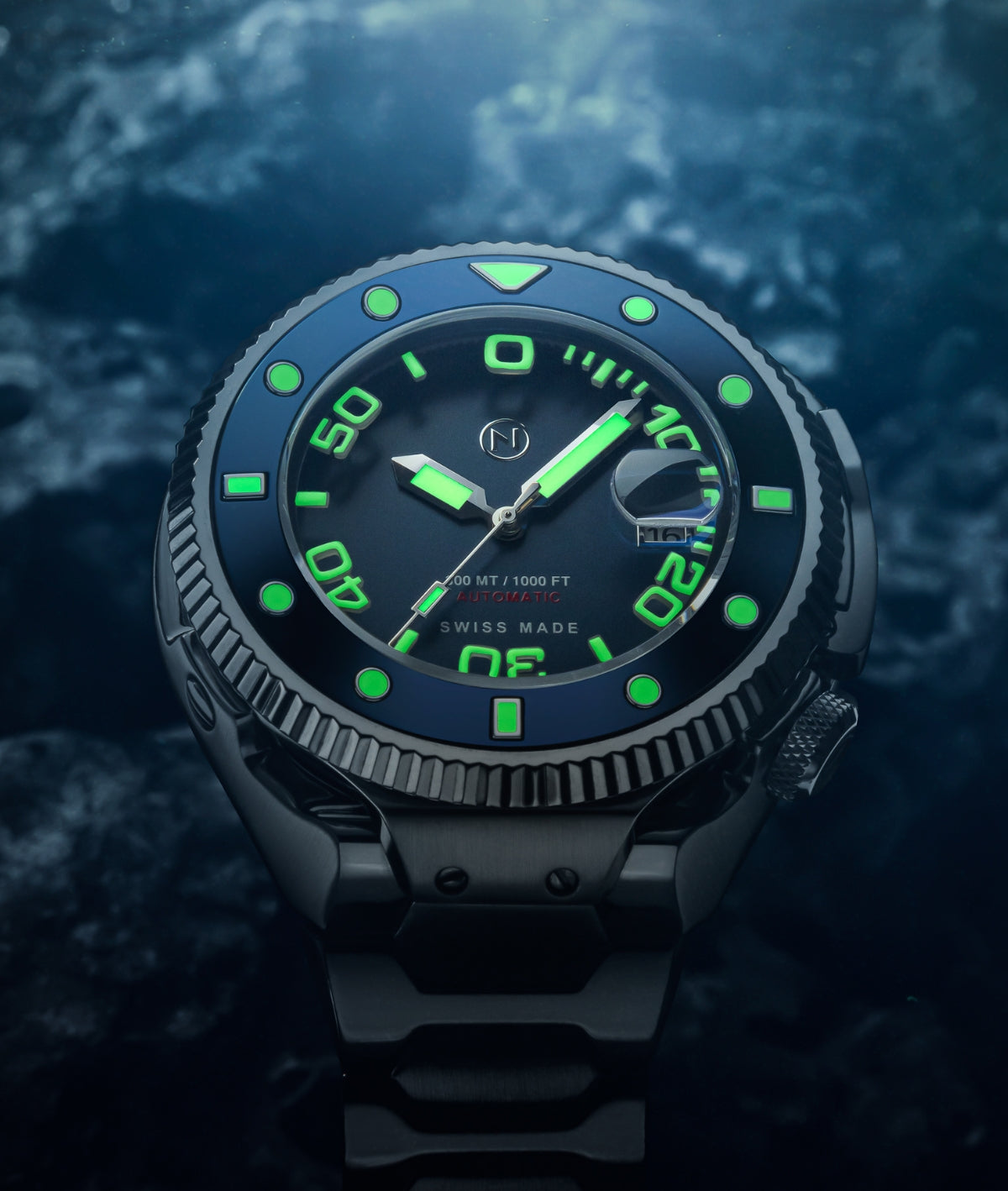
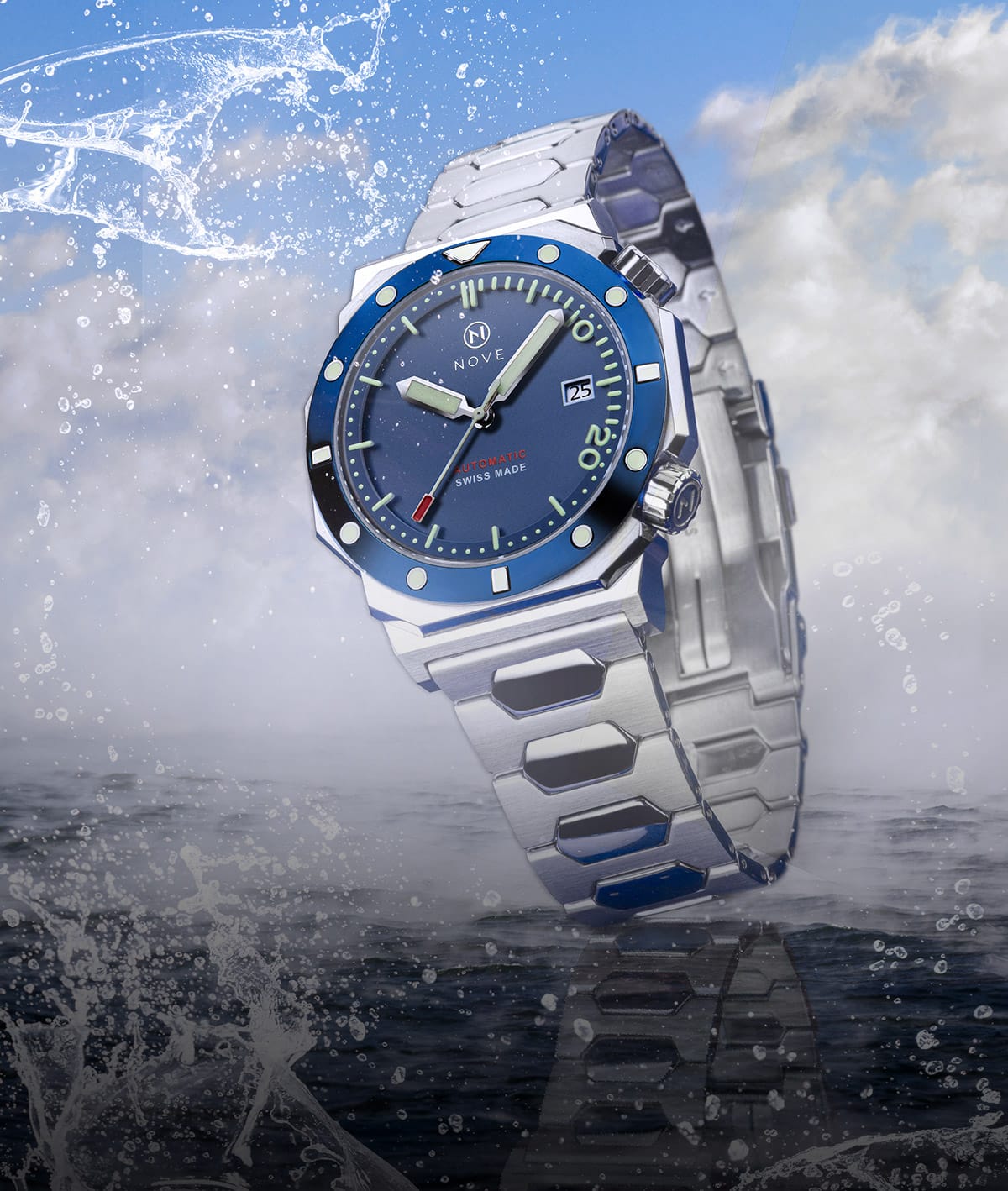
Water resistance is the first spec most people look for, and for good reason. A dive watch should inspire confidence around water. For recreational wear, swimming, and general marine use, 200 meters is already a serious threshold. For more demanding use, 300 meters and beyond adds another layer of reassurance.
Still, depth rating alone does not tell the whole story. Case construction, screw-down crowns, gasket quality, and overall finishing matter just as much in the real world. A watch with thoughtful engineering and dependable Swiss assembly often delivers more meaningful reliability than a watch that leads with a giant number but compromises elsewhere.
If you never plan to dive, do not feel pressured into buying the most extreme rating available. Extra capability is appealing, but it comes with trade-offs. Thicker cases, greater weight, and more wrist presence can affect comfort. The right balance is a watch that feels ready for the water without becoming cumbersome on land.
Movement choice shapes the ownership experience
When people ask how to choose a Swiss dive watch, movement is where taste and practicality really meet. Swiss automatic, Swiss quartz, and Swiss chronograph options each create a different relationship with the watch.
An automatic movement carries romance. It is mechanical, expressive, and deeply connected to traditional watchmaking. You wear it, it comes alive, and that quiet interaction is part of the appeal. If you appreciate craftsmanship and want your dive watch to feel like a miniature machine on the wrist, automatic is hard to beat.
Quartz offers a different kind of luxury - precision, convenience, and low-maintenance confidence. For buyers who want a watch that is ready at a moment's notice and can handle frequent travel or rotation with ease, Swiss quartz makes a compelling case. It is especially attractive if your priority is performance with minimal fuss.
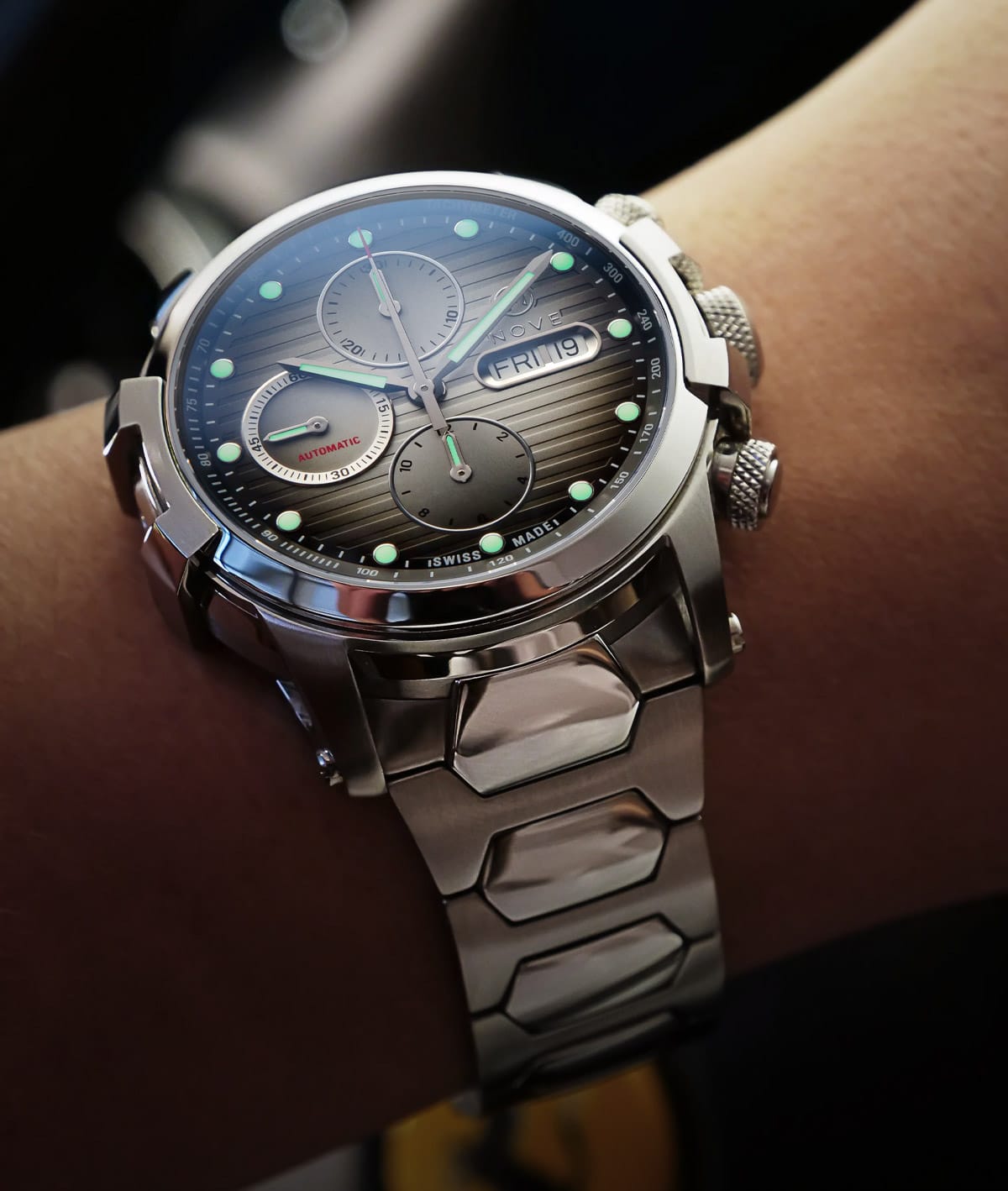
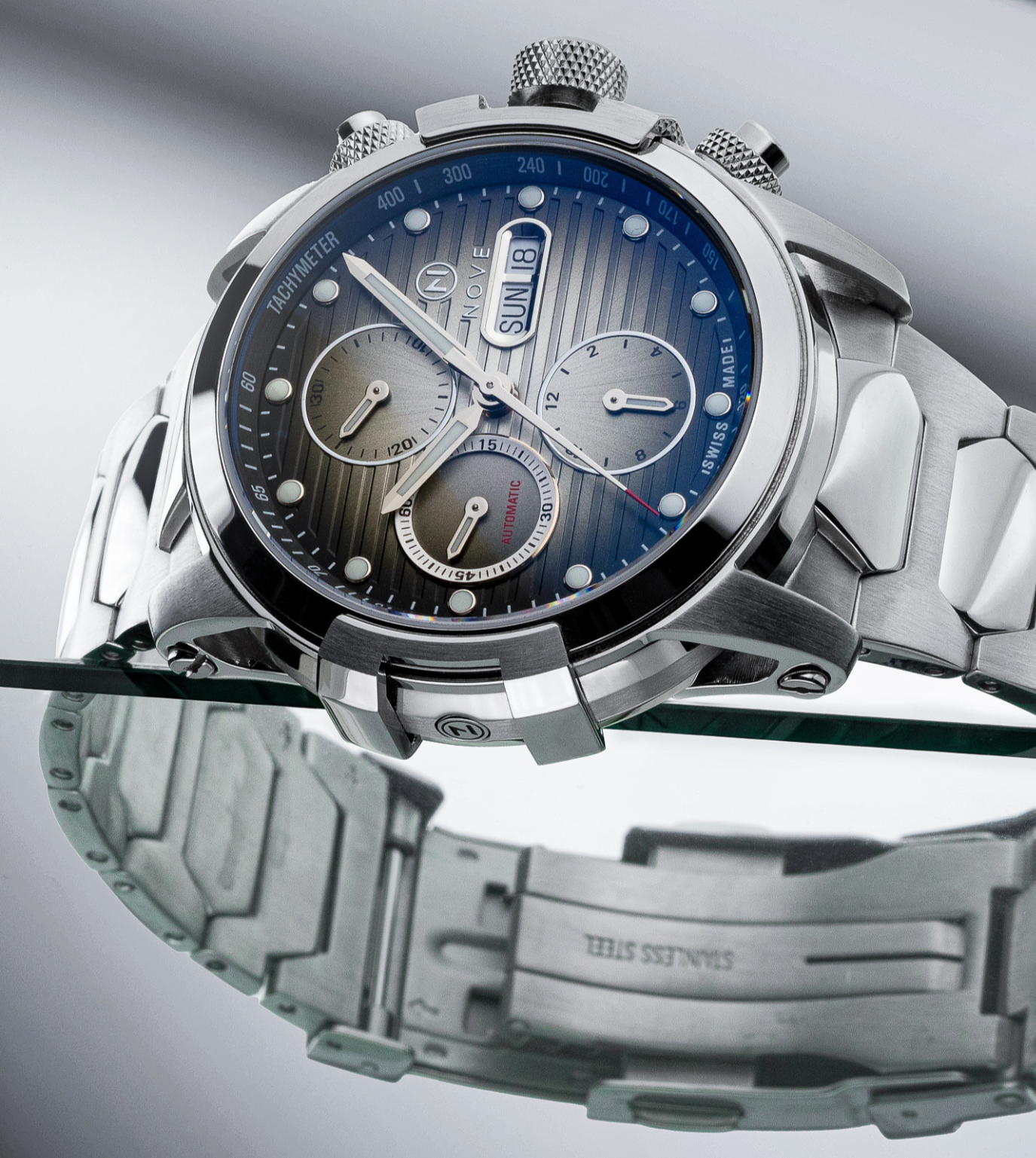
Chronograph dive watches sit in a more specialized space. They add visual complexity and a stronger instrument feel, which many collectors love. But they can also make the dial busier and the case slightly thicker. If timing functions matter to you and you enjoy a more technical aesthetic, a chronograph can be a strong fit. If clarity and restraint are the goal, a cleaner three-hand configuration may age more gracefully.
Materials matter more than you think
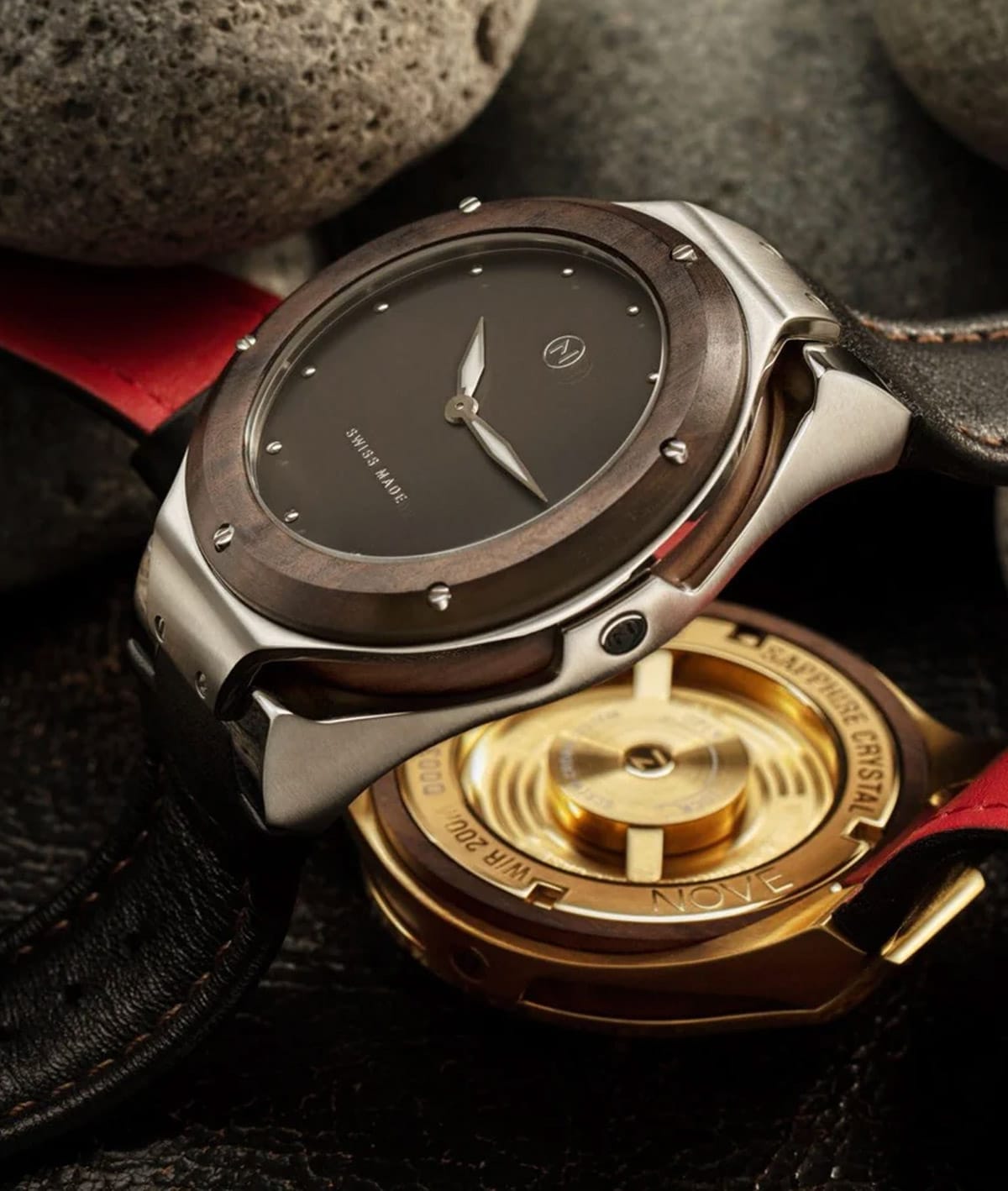
Luxury in a dive watch is not just about branding. It lives in the materials you touch every day. Stainless steel remains the standard for good reason. It offers strength, corrosion resistance, and a reassuring solidity that suits the category perfectly. High-grade steel with careful finishing can feel every bit as satisfying as watches that cost far more.
Beyond the case, pay attention to the crystal, bezel, and strap or bracelet. Sapphire crystal is worth having. It resists scratches far better than mineral alternatives and preserves the crisp, polished look that makes a premium watch feel premium over time.
The bezel deserves close attention too. On a true dive watch, it is one of the most character-defining elements. It should rotate with precision and feel intentional, not loose or tinny. A well-made bezel adds both utility and theater. Every click should reinforce the sense that the watch was built with purpose.
Strap choice also changes the personality of the watch. A bracelet tends to feel more architectural and elevated. Rubber feels sportier, more aquatic, and often more comfortable in heat. Neither is inherently better. It depends on whether you want your dive watch to lean toward statement luxury or everyday athletic ease.
Size, weight, and fit decide whether you will actually wear it
A dive watch can look extraordinary in photos and still feel wrong after two hours on the wrist. That is why fit should never be treated as an afterthought. Diameter matters, but lug-to-lug length, thickness, and case shape matter just as much.
Many men are drawn to larger dive watches because they project confidence. That instinct makes sense. A strong case can create real presence. But oversized does not always mean commanding. Sometimes it simply means uncomfortable. If the lugs overhang your wrist or the watch sits too high, the experience becomes distracting rather than empowering.
A well-proportioned dive watch should feel substantial without fighting your wrist. It should anchor your look, not dominate it. This is especially important if you want one watch to move easily between weekend wear, business casual, and evening settings.
Design is not secondary - it is the point
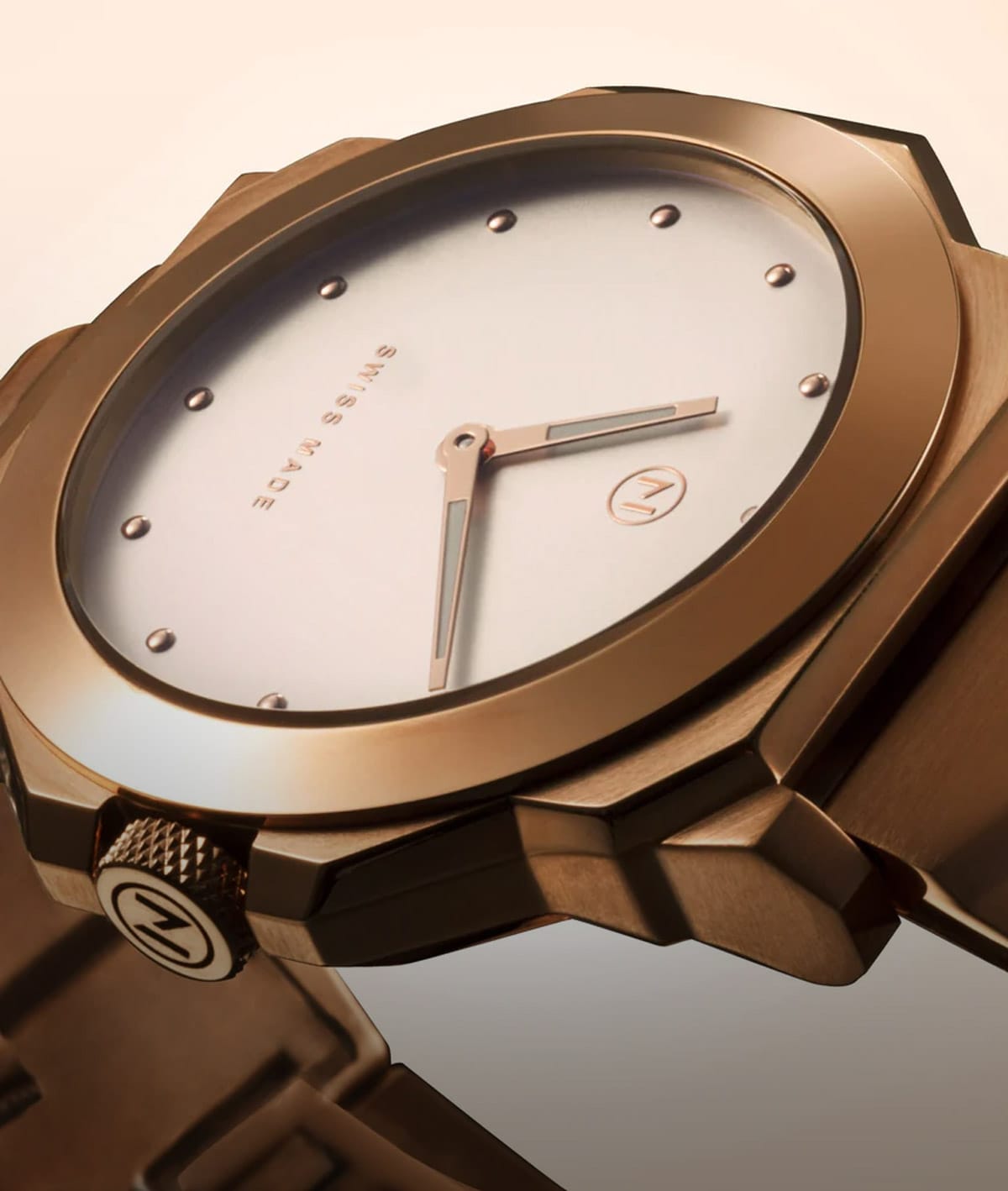
Technical specs get attention, but design is what creates attachment. The best Swiss dive watches do not just survive pressure. They carry a point of view. They frame time in a way that feels sculptural, intentional, and distinct from the sea of predictable luxury watches.
This is where many buyers should trust their instinct more. If two watches have similar build quality and credible Swiss pedigree, the one that stops you in your tracks is often the better choice. Bold architecture, unusual dial work, distinctive case lines, and thoughtful color contrast are not superficial extras. They are the difference between owning a competent watch and owning a piece you genuinely want to wear.
For style-conscious buyers, a dive watch should perform as both instrument and signature. It should feel powerful in the water, but equally refined at dinner or in a boardroom. That duality is where modern Swiss design is most exciting. Some brands, including NOVE, have built their identity on exactly that tension between technical confidence and unconventional beauty.
Know what kind of luxury you are buying
The Swiss watch world is full of legacy pricing. Often, what you are paying for is history, distribution, and brand mythology as much as the watch itself. There is value in heritage, but it is not the only path to excellence.
A newer or more design-driven Swiss brand can sometimes offer sharper materials, stronger visual identity, and more contemporary value at a far more intelligent price. For buyers in the mid-premium space, this matters. You can own Swiss craftsmanship, high-quality construction, and a watch with real personality without stepping into ultra-luxury territory.
That does not mean every lower-priced Swiss dive watch is a smart buy. It means you should look closely at what is actually being offered. Is the finishing convincing? Does the design feel original? Is the movement appropriate for the price? Are warranty and after-sales support clear? Real value is not cheapness. It is substance that feels earned.
The details separate a keeper from a compromise
Once the major decisions are made, the finer points become surprisingly important. Legibility matters. A dive watch should be easy to read quickly, in bright sun and low light alike. Lume quality, handset design, and dial contrast all play a role.
Crown action is another subtle giveaway of quality. A screw-down crown should feel secure and smooth, not gritty or fragile. The caseback, finishing transitions, and clasp mechanics also reveal whether the watch was designed with conviction or merely assembled to hit a price point.
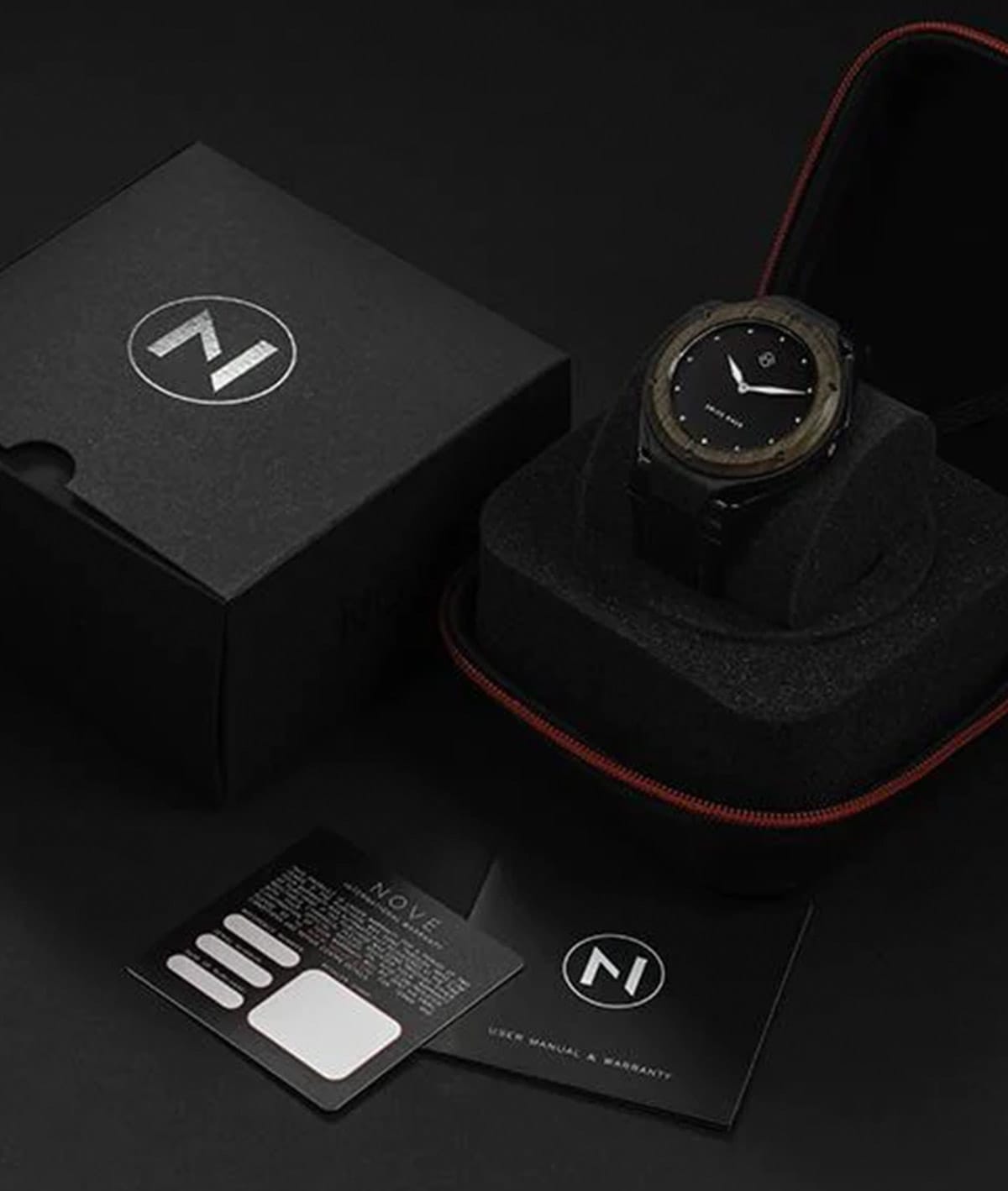
If the watch is intended as a gift, engraving options can add a more personal dimension. Limited editions may also appeal if collectibility and rarity matter to you. These are not essential for everyone, but for the right buyer they transform a premium purchase into something far more memorable.
Buy for the wrist you have and the life you lead
There is no single perfect answer to how to choose a Swiss dive watch. A mechanical purist, a frequent traveler, a first-time luxury buyer, and a seasoned collector may all choose differently for good reasons. What matters is clarity.
Choose the depth rating you will actually use. Choose the movement you will enjoy living with. Choose materials that can hold their edge. Choose a size that invites wear rather than occasional admiration. Above all, choose a design that feels fearless enough to reflect your standards.
The right Swiss dive watch should not feel like a compromise between utility and desire. It should feel like a statement made with precision - a watch ready for the water, ready for the city, and ready to become part of your identity the moment it meets your wrist.