
A true tool watch earns its presence on the wrist. It is not designed merely to look capable beneath a cuff or beside a steering wheel. Tool watches are created around a purpose: timing a descent, navigating distance, tracking elapsed minutes, withstanding water pressure, or simply delivering absolute clarity when conditions refuse to cooperate.
That heritage still matters, even when the modern wearer is moving between meetings, airports, weekends offshore, and evenings out. The best examples preserve the confidence of an instrument while bringing enough refinement to feel at home far beyond their original field of use.
What Defines a Tool Watch?
A tool watch begins with function. Historically, these watches were made for divers, pilots, military personnel, engineers, racers, and explorers who needed more than an attractive dial. Every major element had a job: the bezel measured elapsed time, the luminous markers improved readability after dark, the crown sealed the case, and the crystal protected the display from impact.
The category is broad, but its standards are unmistakable. A convincing tool watch favors legibility, durable construction, dependable timekeeping, and controls that are intuitive to use. Its design may be bold, but it should never be arbitrary. A large crown can make adjustment easier with gloves. A unidirectional bezel prevents an accidental extension of a dive time. A chronograph brings precision to measured intervals.
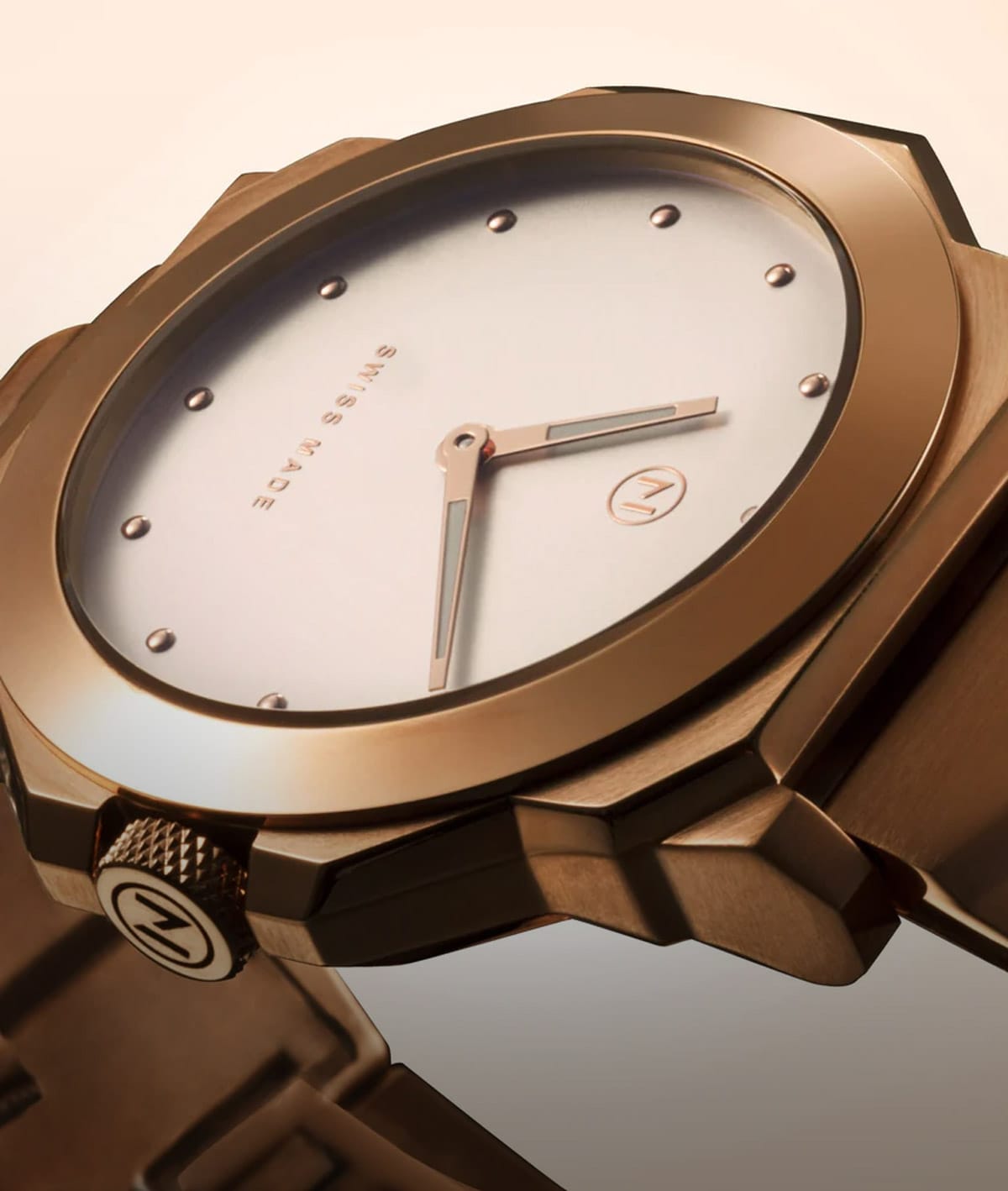
This does not mean every tool watch must look utilitarian. Modern Swiss design has made room for sculptural cases, striking colors, polished surfaces, and distinctive proportions. The point is that style should build on performance, not disguise its absence.
The Essential Types of Tool Watches
Dive Watches
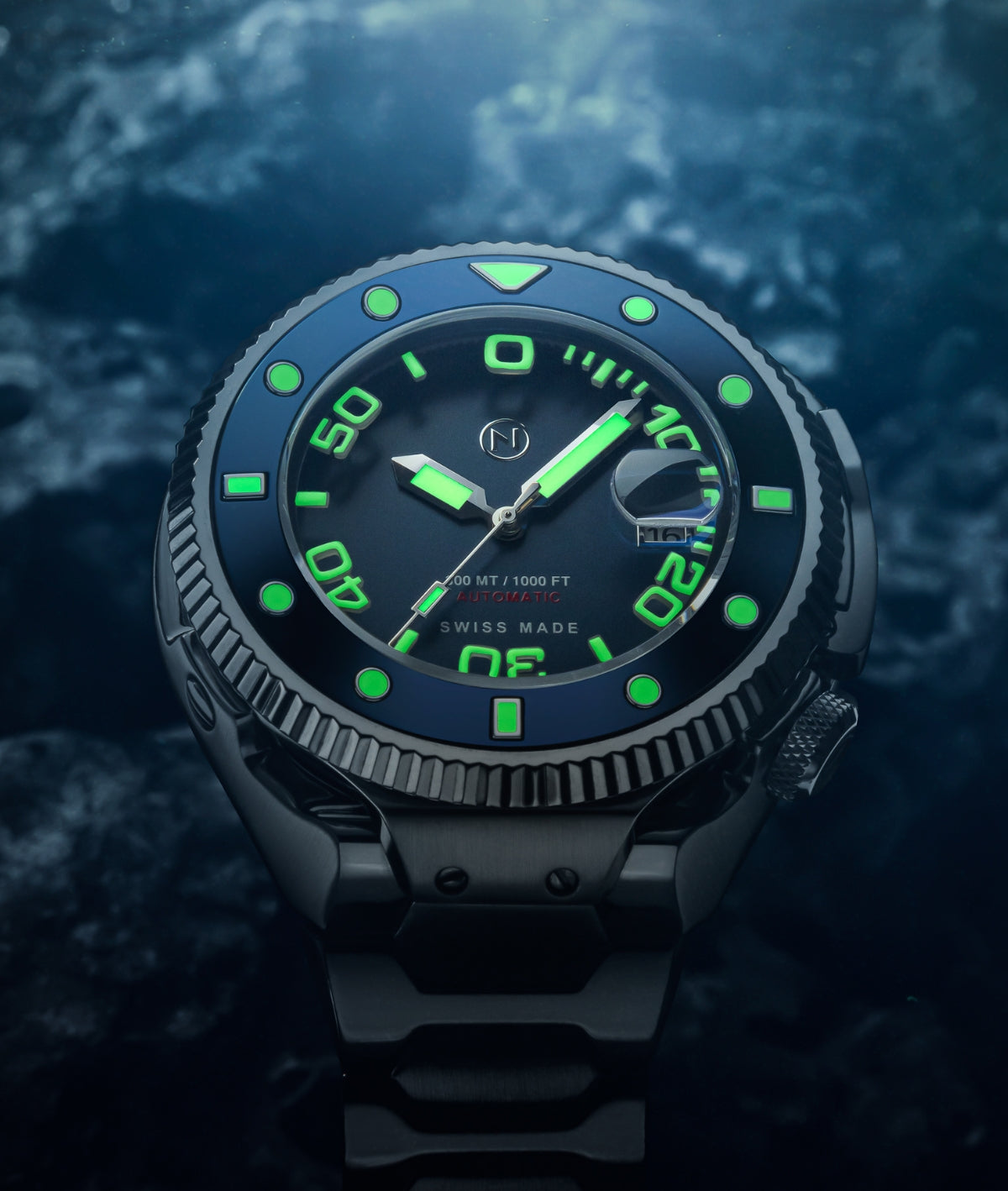
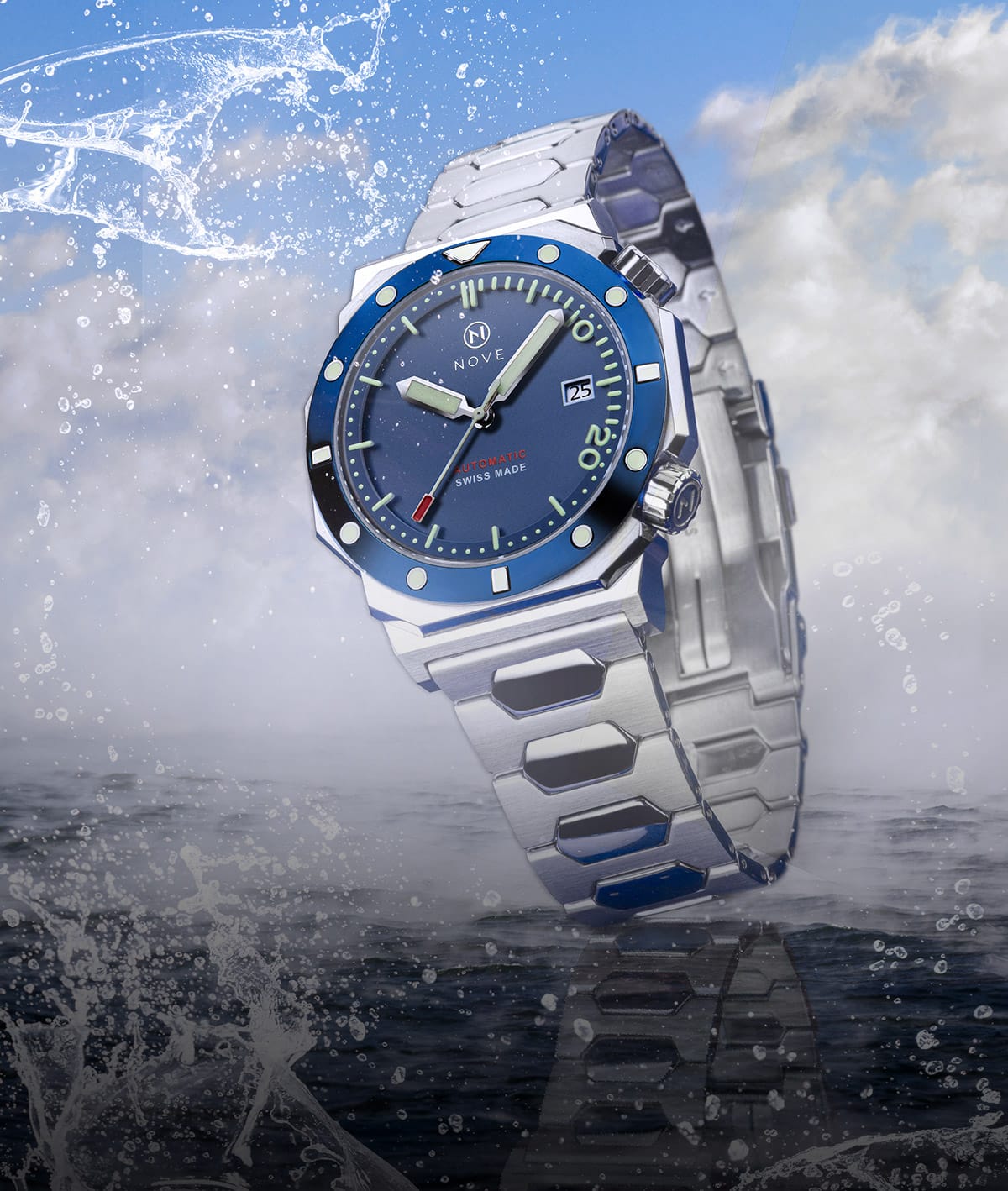
The dive watch is perhaps the most recognizable expression of the category. Its defining features typically include meaningful water resistance, a timing bezel, luminous hands and indexes, and a secure case construction. The rotating bezel is set against the minute hand at the start of a dive, creating a simple, reliable way to monitor elapsed time without relying on batteries or a touchscreen.
For most owners, a dive watch will spend more time near a pool, on a boat, or under a jacket sleeve than at the ocean floor. That is not a contradiction. Water resistance, grip-friendly controls, and instant readability are useful in everyday life, while the visual language of the diver carries an undeniable sense of adventure.
Water resistance ratings deserve careful attention. A watch rated to 100 meters is well suited to swimming and surface water activity, while 200 meters or more offers greater assurance for serious aquatic use. The rating alone is not the whole story. A screw-down crown, well-engineered seals, and regular pressure testing all contribute to real-world confidence.
Pilot Watches
Pilot watches were born from the need to read time quickly in a cockpit. Their signatures are high contrast, oversized numerals or markers, and hands that remain visible in poor light. Early aviation models often used large crowns that could be operated with gloves, and that practical detail remains a powerful design cue.
A pilot watch is ideal for someone who values visual clarity above ornament. It often feels less formal than a dress watch but more restrained than a large dive piece. For frequent travelers, GMT functionality can add genuine usefulness by tracking a second time zone without sacrificing the clean, instrument-inspired character of the dial.
Chronographs
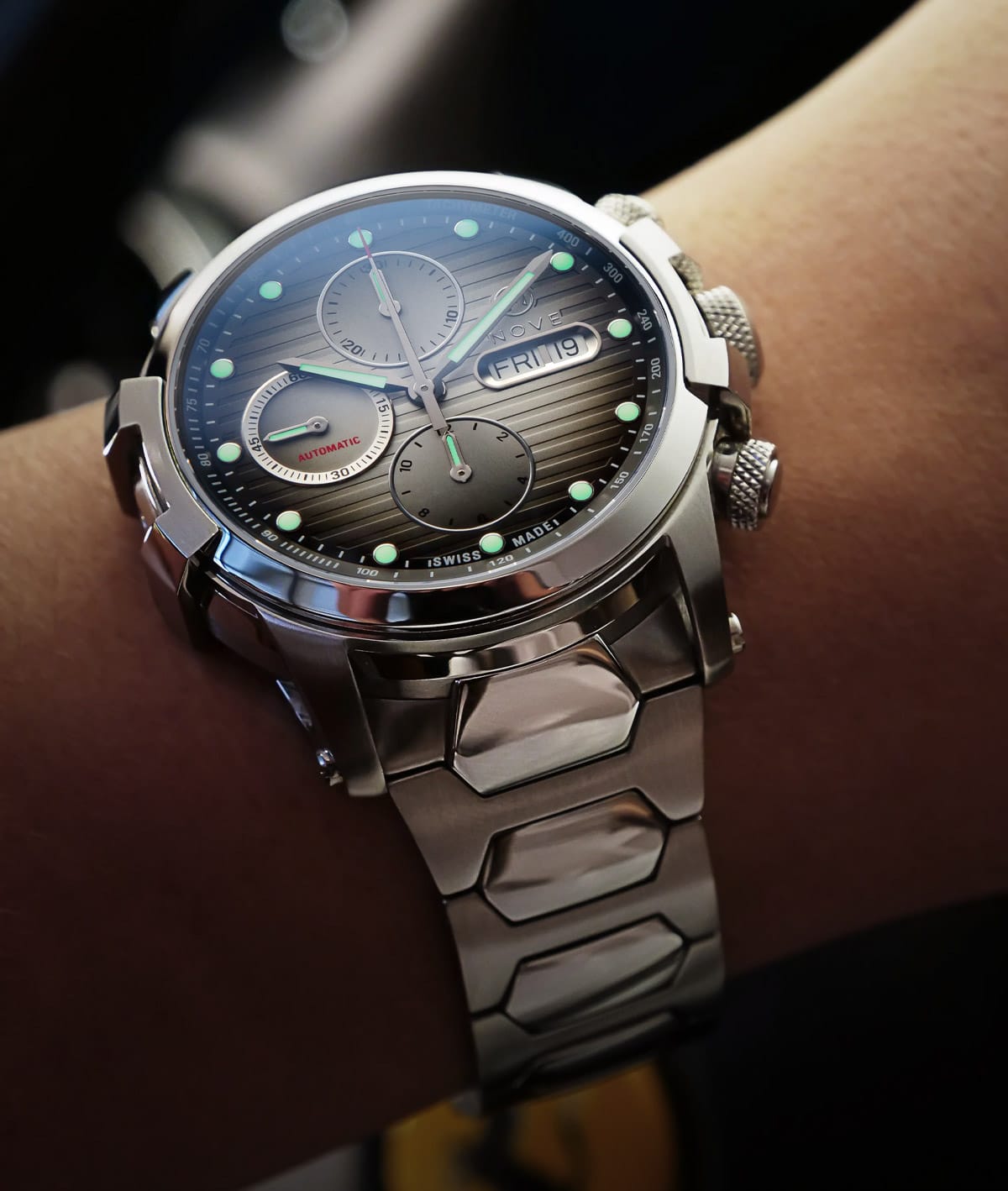
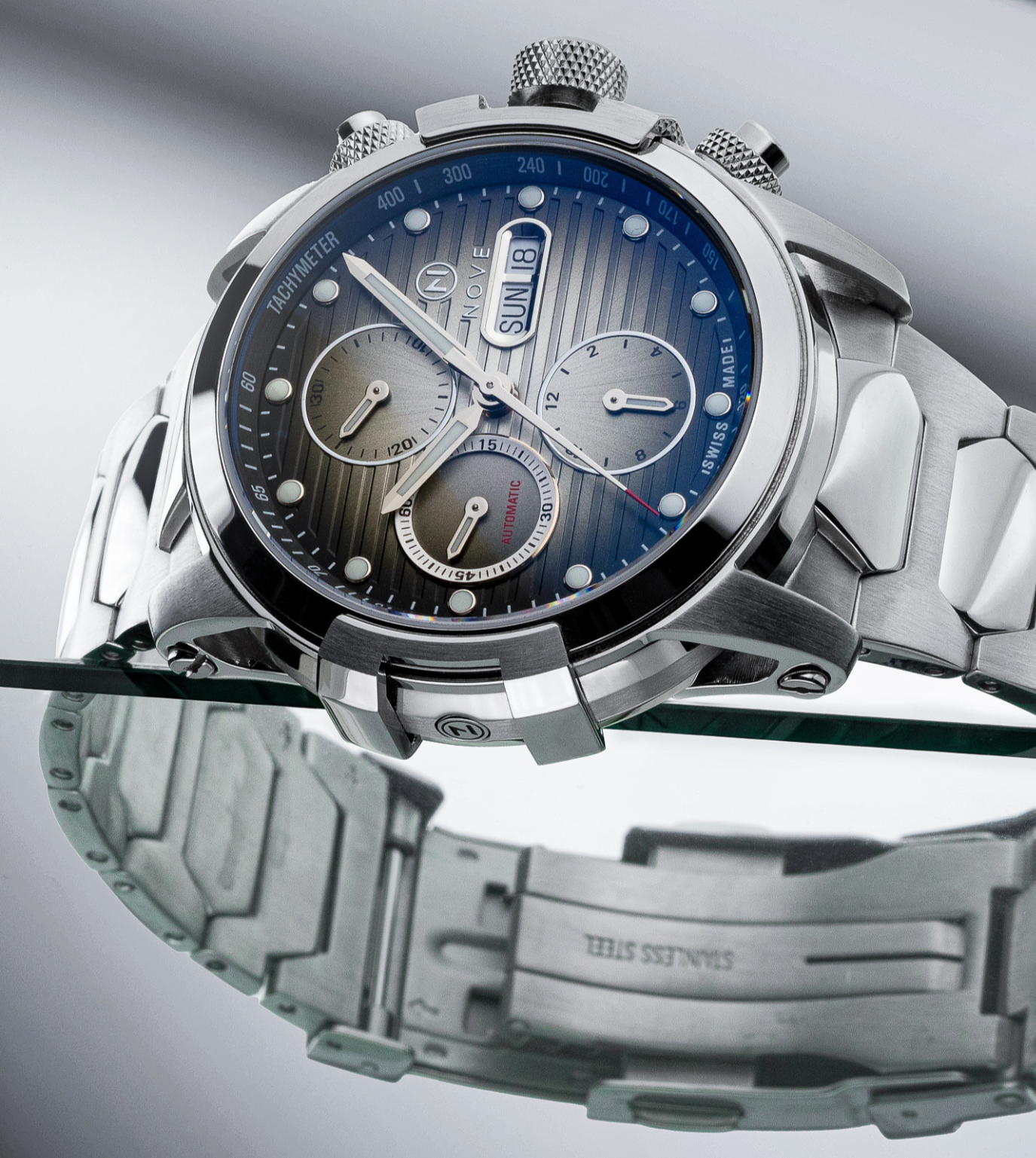
A chronograph is a watch with stopwatch capability, controlled through pushers on the side of the case. Racing created much of its mystique, but its appeal reaches further. A chronograph can time a presentation, a workout, a parking meter, or the perfect steep on a morning coffee.
There is an aesthetic trade-off: chronograph dials are naturally more detailed than three-hand models. Subdials, scales, and pushers create presence, but they can also make a watch feel busier. Choose one when you enjoy mechanical theater and purposeful complexity. Choose a simpler format when immediate, uncluttered reading is the priority.
Field Watches
Field watches place durability and discretion at the center. Traditionally associated with military use, they are compact, highly legible, and designed to endure daily wear without ceremony. Many feature matte dials, Arabic numerals, and fabric or leather straps that emphasize comfort over spectacle.
They may be the quietest members of the tool-watch family, but their versatility is difficult to surpass. A field watch can move easily from casual wear to travel, particularly for those who prefer a lower-profile case and a less overtly technical look.
Why Materials Matter as Much as Features
Technical specifications tell part of the story. Materials reveal how a watch will live with you.
Stainless steel remains the classic choice because it balances strength, corrosion resistance, and a satisfying weight on the wrist. Titanium offers a lighter alternative with exceptional durability, especially appealing for larger cases or extended active wear. Sapphire crystal is prized for its resistance to scratches, helping preserve a clear view of the dial through years of use.
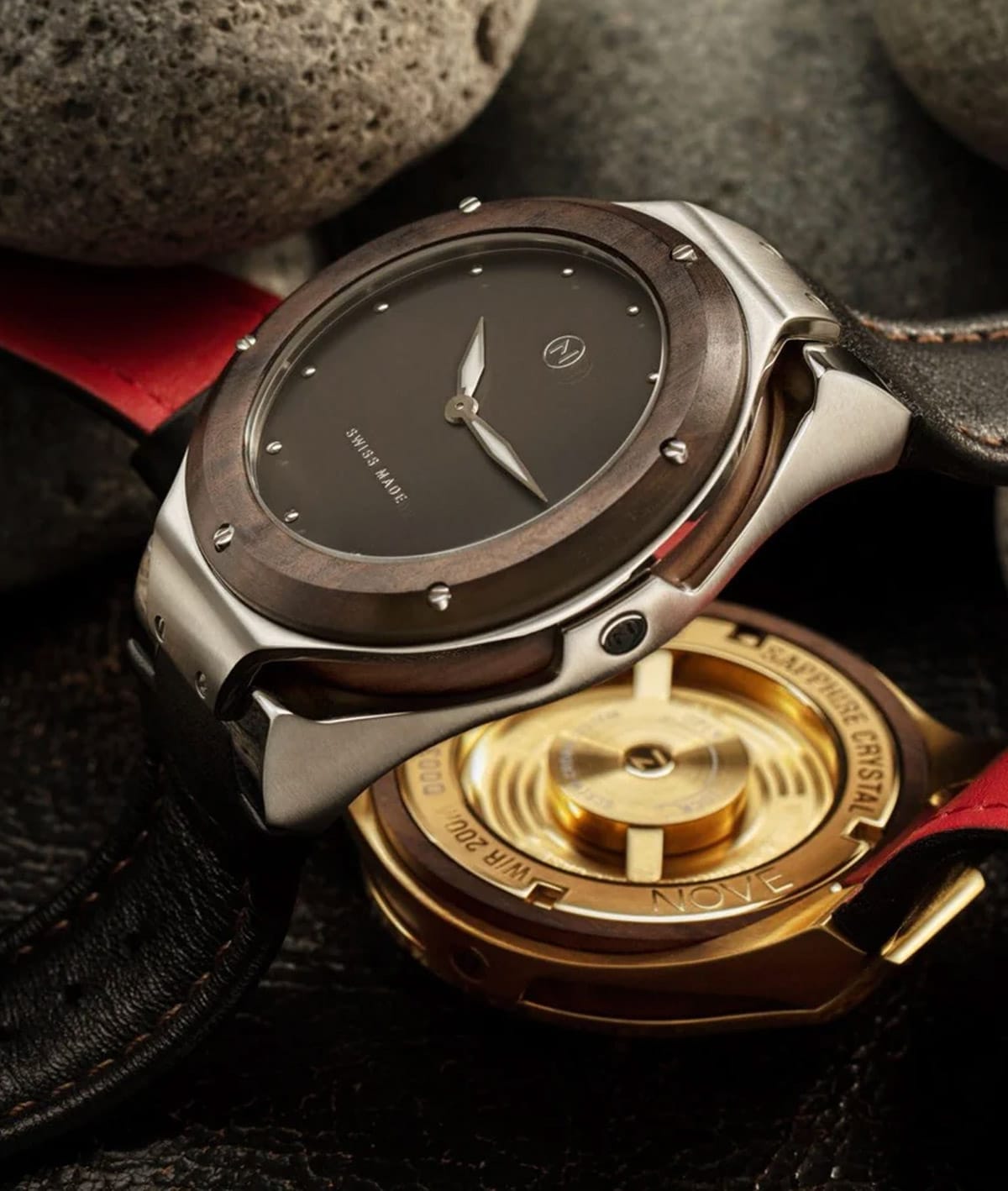
Straps change the personality of a tool watch more than many buyers expect. A steel bracelet delivers a substantial, architectural feel and handles water well. Rubber is a natural partner for diving and warm-weather activity, offering flexibility and a close fit. Leather brings more warmth and polish but is less suitable for regular water exposure. There is no universally superior choice - the right strap depends on where the watch will spend its time.
Choosing Tool Watches for Your Wrist and Routine
The most capable watch on paper is not always the right watch to own. Start with the reality of your routine. If your weekends involve water, travel, or active outdoor pursuits, a diver with a secure bracelet or rubber strap offers a persuasive blend of resilience and statement-making design. If you work in more formal settings, a slimmer case with a restrained dial may deliver greater versatility.
Case diameter matters, but proportions matter more. A 44mm watch with short lugs may wear more comfortably than a 42mm piece with a long, flat profile. Thickness is equally important, especially if you wear tailored sleeves. Before choosing, consider the full architecture: diameter, lug-to-lug length, case height, bracelet taper, and the way the crown sits against the wrist.
Movement choice is another personal decision. A Swiss automatic movement offers the fascination of mechanical engineering, powered by the natural movement of the wearer. It rewards those who appreciate craftsmanship, a smooth seconds hand, and the ritual of winding or setting a watch. Swiss quartz offers exceptional accuracy and easy ownership, making it a compelling choice for a watch that is ready the moment you are. A chronograph movement adds functional drama, though it may bring more thickness and visual detail.
At NOVE, that balance between performance and presence is central to the idea of a modern Swiss-made watch. A watch can be ready for demanding conditions without surrendering its role as an expression of individuality.
A Tool Watch Should Not Be Treated Like a Disposable Instrument
Durability is not permission to neglect care. Rinse a dive watch in fresh water after saltwater exposure. Ensure the crown is fully secured before entering the water. Have water resistance checked periodically, particularly if the watch sees frequent swimming or diving. Avoid adjusting the date or time while the watch is wet, and protect it from extreme temperature changes when possible.
For automatic models, regular servicing helps preserve accuracy and keeps lubricants and seals in proper condition. The exact interval varies by movement, wear pattern, and manufacturer guidance. Quartz watches need less mechanical maintenance, but their batteries and seals still deserve professional attention.
A few small habits protect the finish as well. Store the watch separately from jewelry that could scratch the case or crystal. Clean steel bracelets with a soft brush and mild soapy water, then dry them thoroughly. Treat a leather strap as a fine material, not a waterproof component.
The Appeal Is Purpose You Can Feel
The enduring appeal of tool watches is not nostalgia alone. We live surrounded by devices that do everything and are replaced with astonishing speed. A well-made watch moves differently. It is tactile, enduring, and singular in purpose. It tells the time with quiet authority, while its bezel, pushers, dial, and case suggest that it is prepared to do more.
Choose the watch that suits the way you actually move through life, then wear it often enough for the marks and memories to become part of its design.