
A watch collection should not begin with a crowded drawer. It should begin with one piece that feels unmistakably yours: a timepiece with the design, presence, and engineering to earn a place on your wrist again and again. Learning how to start a watch collection is less about chasing every famous reference and more about developing an eye for craftsmanship, proportion, performance, and personal style.
The strongest collections tell a story. They reflect the places you go, the standards you hold, and the details you notice. Whether you are drawn to the authority of a substantial dive watch, the refinement of a slim everyday model, or the mechanical appeal of an automatic movement, your first choices establish the character of everything that follows.
How to Start a Watch Collection: Begin With Your Life
Before comparing movements or memorizing specifications, consider where your watch will actually go. A collection built for real life will have more meaning than one assembled around trends. Think about your workday, travel schedule, weekends, formal events, and the environments that demand durability.
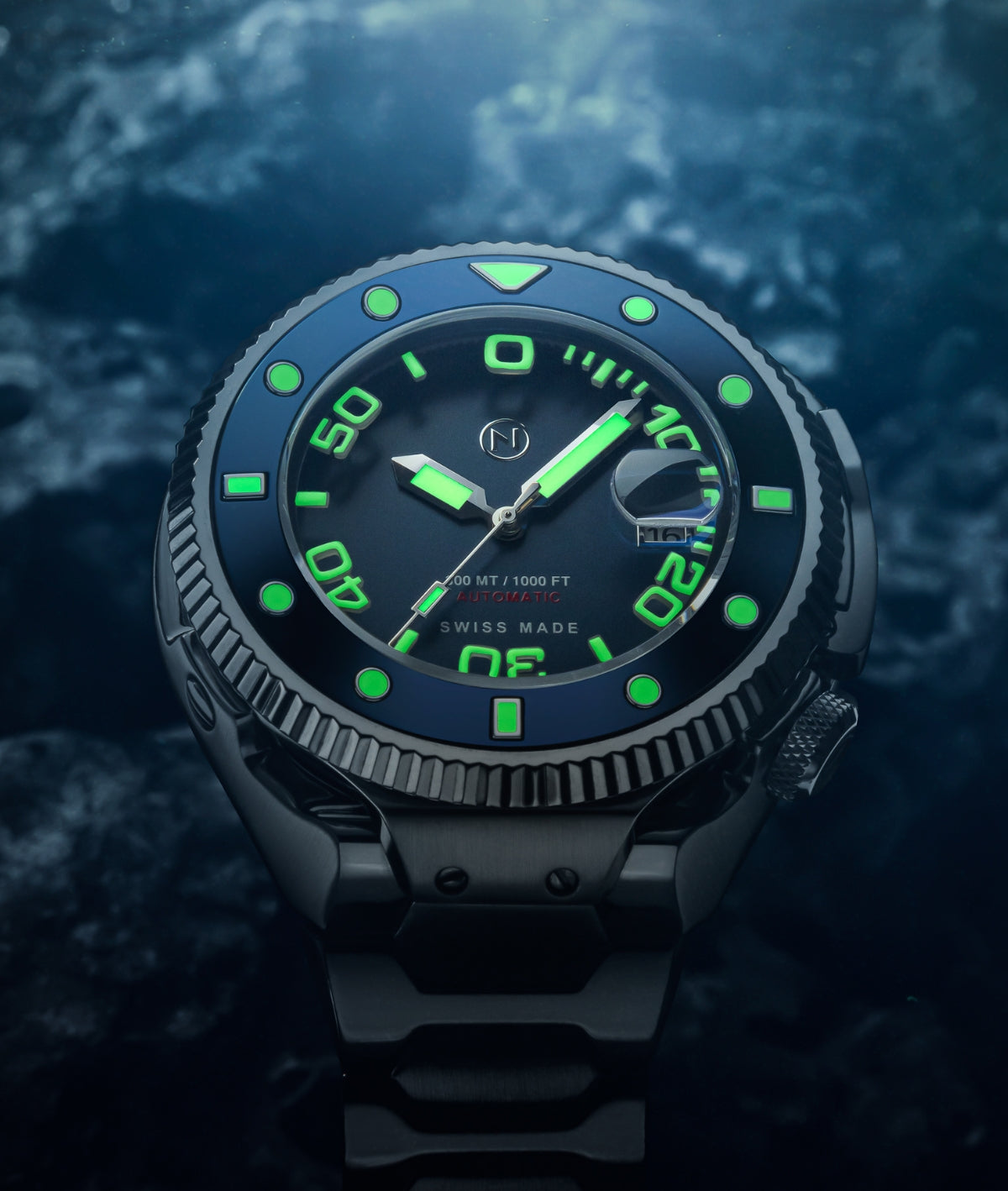
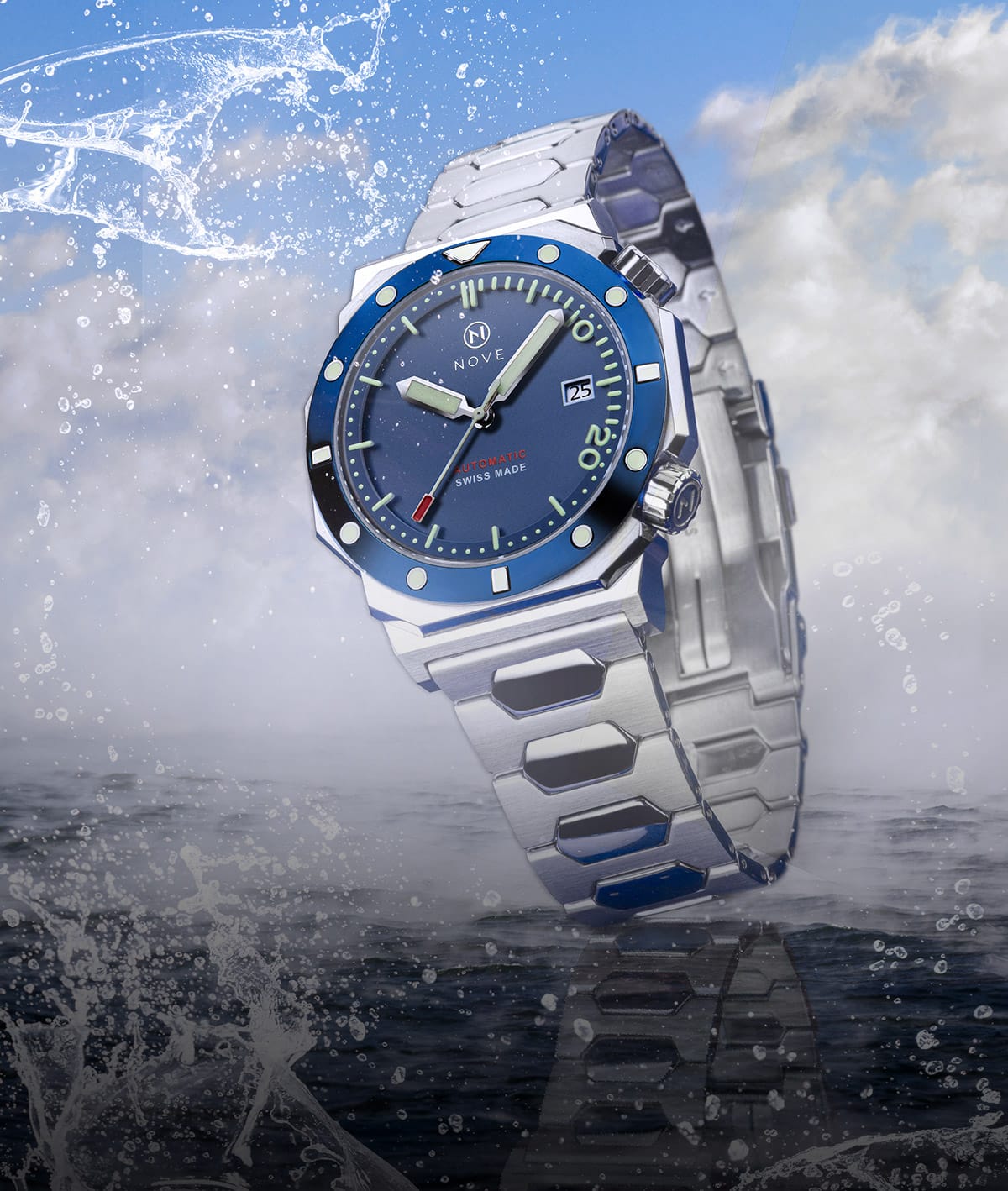
If you spend most days in tailored clothing or business-casual settings, a polished steel watch with a clean dial may become your foundation. If your weekends involve water, sport, or travel, a capable dive watch offers far more than a rugged aesthetic. It brings water resistance, legibility, and a sense of purpose that makes it equally compelling at a desk or beneath the surface.
Your first watch does not need to do everything. It does need to suit the life you lead now. A bold, high-performance piece can be an exceptional first choice for someone who values presence and adventure. For someone building a more understated wardrobe, a versatile quartz or automatic watch may provide the right balance of polish and ease.
Choose a Point of View, Not a Random Assortment
A collection gains strength when its pieces have distinct roles. That does not mean every watch must look restrained or traditional. It means each addition should offer a new experience on the wrist.
Start with a design direction you genuinely enjoy. You may favor ocean-inspired cases, sculptural bezels, monochromatic dials, colorful accents, vintage silhouettes, or sharply modern architecture. There is no obligation to begin with the watches collectors say you are supposed to own. The watch community can be a useful source of education, but personal taste should remain the final authority.
A considered three-watch collection might eventually include an everyday watch, a sport or dive watch, and a more refined option for evenings and occasions. Another collector may prefer three dive watches with entirely different personalities: one serious tool watch, one vivid statement piece, and one sleek model for daily wear. The right approach depends on whether you collect categories, design language, movements, or memories.
Avoid buying several watches that occupy the same visual territory too early. If your first watch is a black-dial steel diver, your next piece may be more rewarding in a different color, case shape, or movement type. Contrast creates a collection with range.
Learn the Essentials Without Getting Lost in Jargon
You do not need to become a technical specialist before buying your first watch, but a few fundamentals will help you recognize value and choose with confidence.
Movement: automatic, quartz, or chronograph?
An automatic watch is powered by the motion of your wrist. Its appeal lies in mechanical artistry: a compact system of gears, springs, and a rotor working together to measure time. It asks for a little more attention, including periodic servicing, but rewards that attention with a tangible connection to traditional watchmaking.
Swiss quartz is powered by a battery and regulated by a quartz crystal. It is highly accurate, low-maintenance, and ideal for collectors who want effortless daily precision. Quartz is not a lesser choice. In a well-designed Swiss-made watch, it is a practical, refined movement that lets the case, dial, and craftsmanship take center stage.
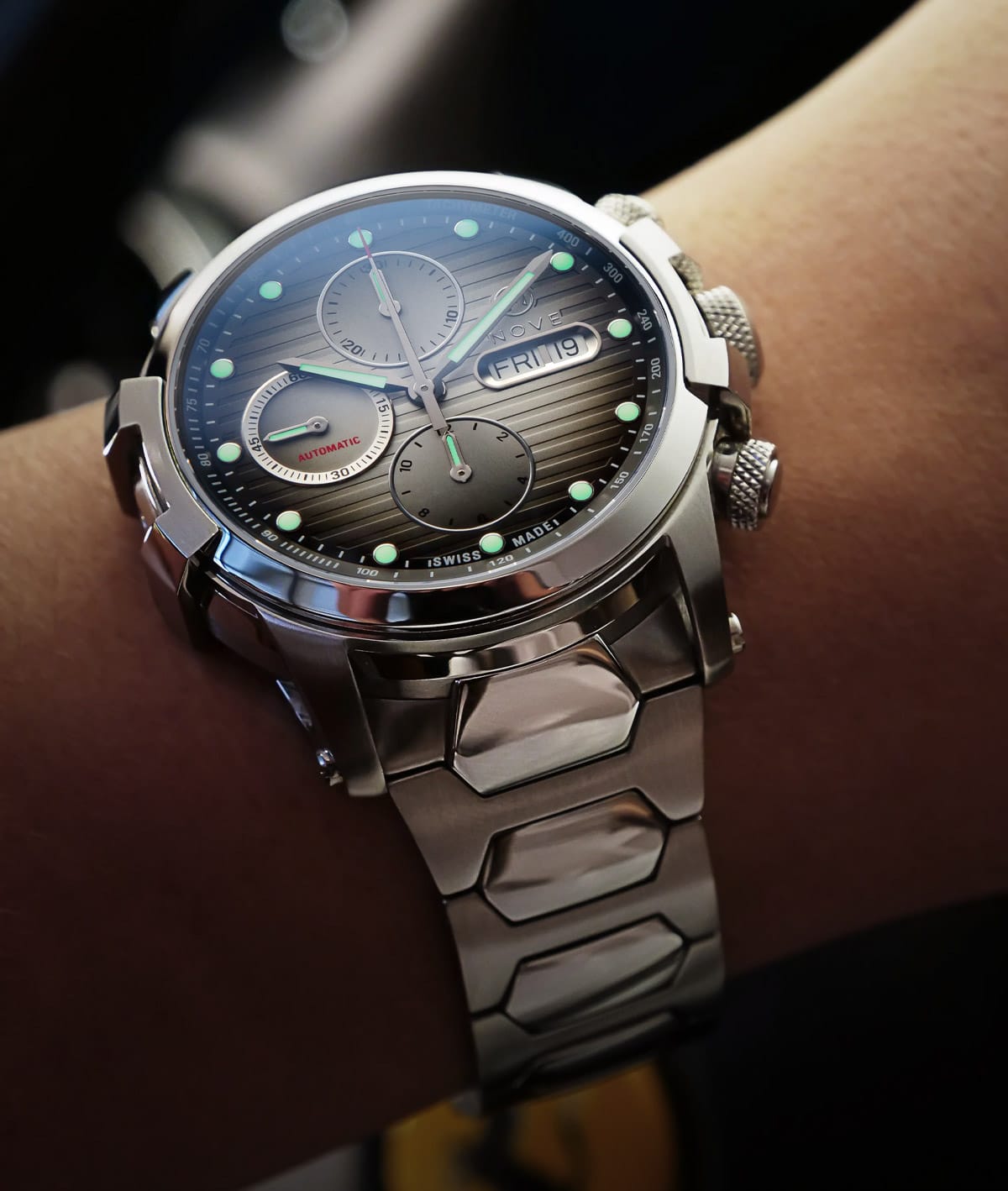
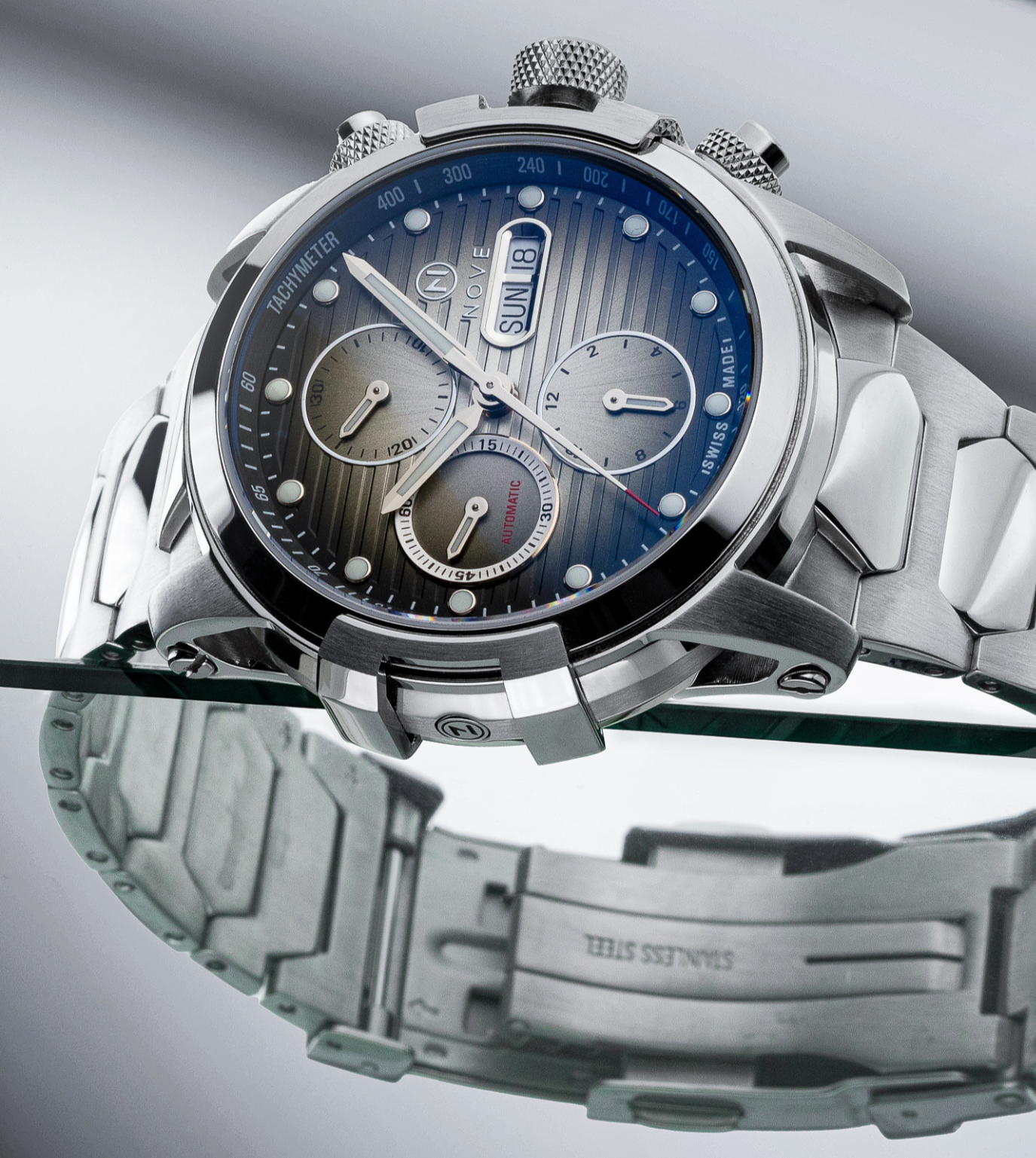
A chronograph adds stopwatch functionality, usually through pushers on the side of the case. It brings visual energy and mechanical interest, though it can make a watch thicker or more detailed. Choose a chronograph because you appreciate its utility and character, not simply because more subdials appear more impressive.
Materials and finishing matter
Stainless steel remains a natural starting point because it is durable, versatile, and suited to nearly every setting. Look beyond the material itself to how it is executed. The transitions between brushed and polished surfaces, the clarity of the crystal, the precision of the bezel, and the way a bracelet closes all reveal the care behind a watch.
Sapphire crystal is prized for its resistance to scratches. Ceramic bezels can offer impressive resilience and rich color. Quality lume improves low-light legibility. These details are not decorative extras when you want a watch built to last. They are part of the experience of owning a well-made instrument.
Size is about proportion, not status
A larger watch can deliver undeniable presence, especially in a dive or statement design. Yet a watch that overwhelms your wrist will rarely become a favorite. Case diameter is only one measurement. Lug-to-lug length, case thickness, bracelet design, and the curvature of the lugs all influence fit.
Whenever possible, compare dimensions to a watch you already wear comfortably. If you are buying online, study wrist photography but treat it as a reference rather than a promise. A 42 mm watch can wear smaller than a 40 mm model if the lugs are compact, while a thin bezel can make the dial appear larger. Confidence comes from understanding the entire shape.
Set a Budget That Leaves Room for Enjoyment
A purposeful collection does not require immediate extravagance. Set a number that feels comfortable, then focus on the best design, materials, movement, and warranty support available within it. Accessible luxury is compelling when it delivers genuine substance rather than a logo alone.
Be wary of buying inexpensive watches simply to create the appearance of a collection. Several compromised purchases can cost more than one exceptional timepiece you wear for years. It is often wiser to wait for the watch that feels right than to settle for one that only fills an empty space.
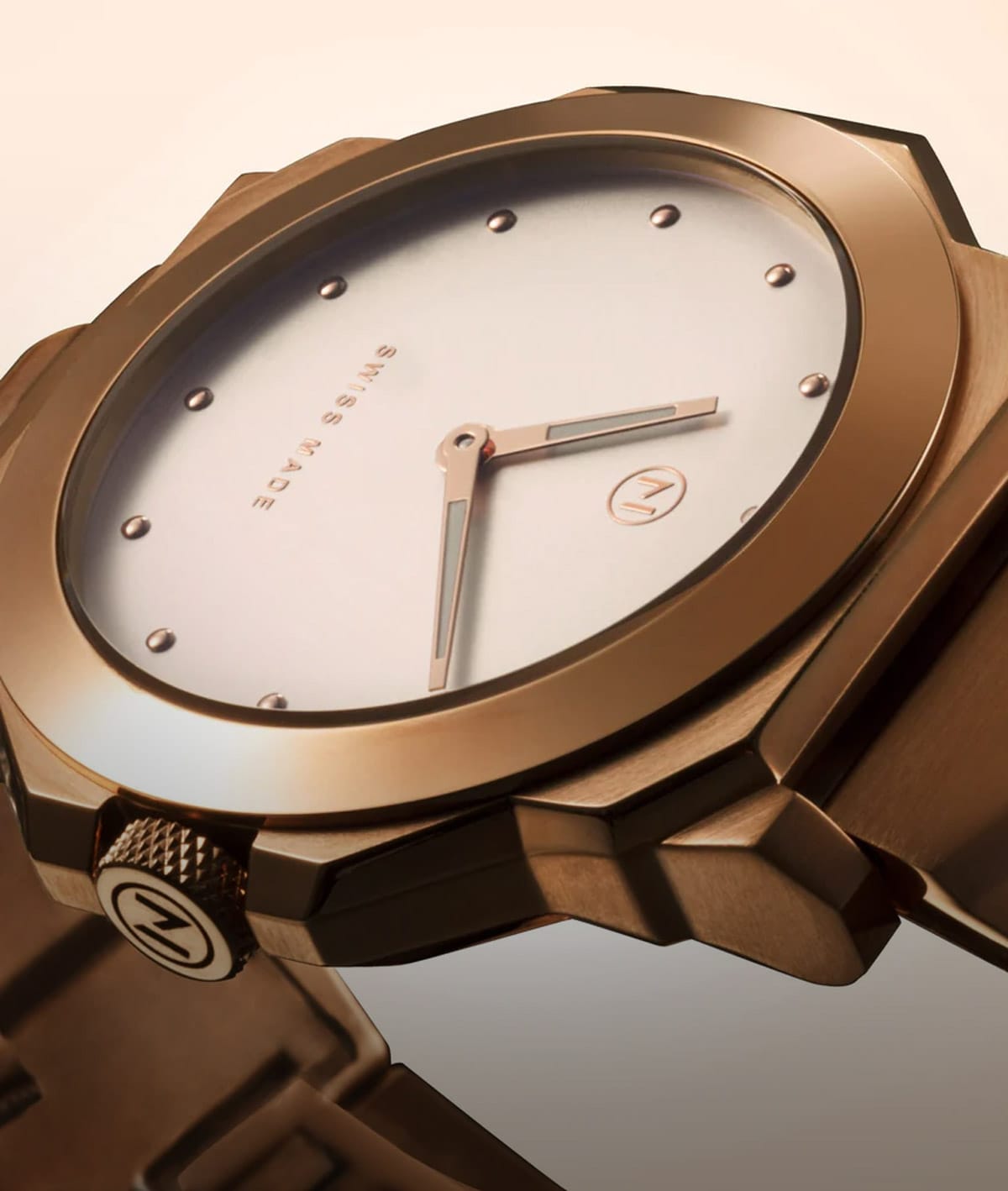
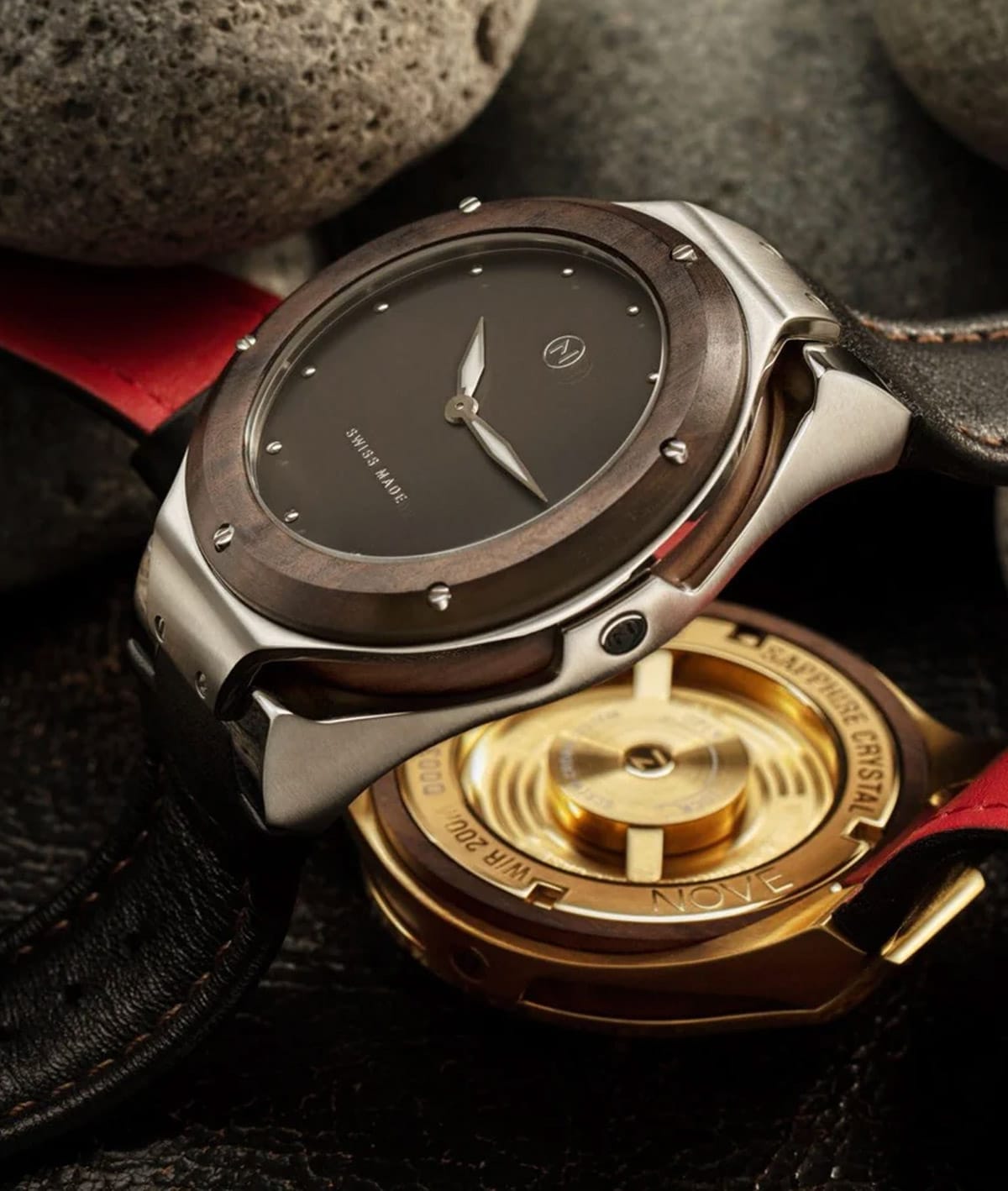
At the same time, price is not the only measure of collectibility. A limited edition that marks a milestone, an engraved gift, or a distinctive Swiss-made design can carry greater long-term meaning than a more expensive watch bought without intention. NOVE, for example, approaches Swiss watchmaking through bold forms and adventure-ready construction, demonstrating that a watch can be technically credible while still making a personal visual statement.
Buy the First Watch You Will Keep Wearing
Your opening piece should be versatile enough to become familiar. Wear it to work, on flights, at dinner, and on weekends. Notice whether it sits comfortably under a cuff, whether you enjoy looking at the dial in different light, and whether the bracelet or strap feels natural after a full day.
This is how your taste becomes more precise. You may discover that you prefer the quiet sweep of an automatic seconds hand, the convenience of quartz accuracy, the weight of steel, or a colorful dial that brings more life to neutral clothing. Those discoveries are more valuable than any generic collecting checklist.
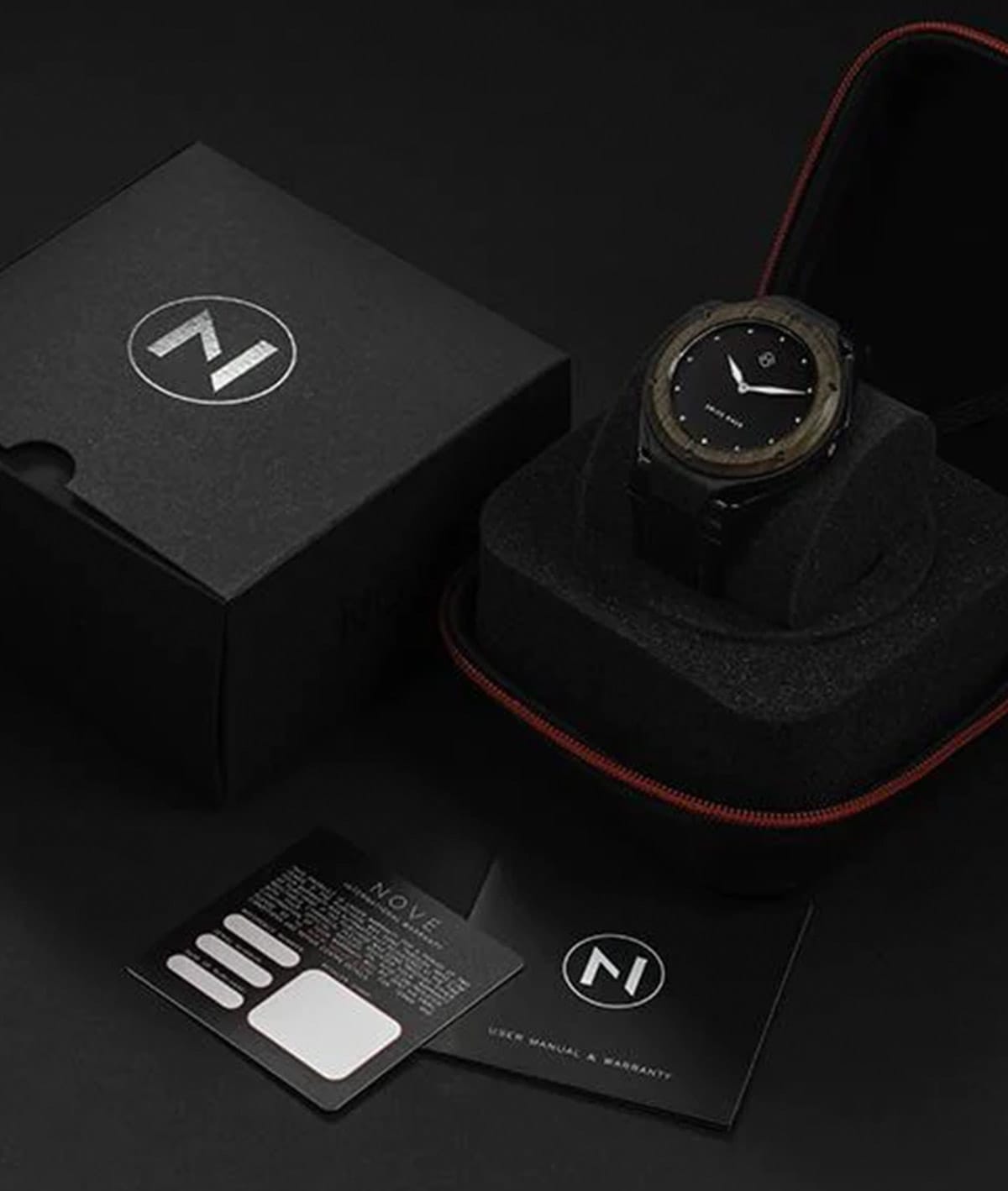
Keep the box, papers, and service records when possible. They support the story and can help preserve value if you ever decide to sell or trade. More importantly, treat maintenance as part of ownership. Rinse a water-resistant watch after saltwater exposure, check seals according to the maker's guidance, and service mechanical watches when their performance indicates it is time.
Let the Collection Evolve at Its Own Pace
There is no prize for acquiring watches quickly. The most compelling collections are edited over years, shaped by experience rather than impulse. Give a new watch enough wrist time before deciding what it taught you and what is missing next.
Perhaps your first piece is a commanding dive watch that becomes your signature. The next may be a slimmer everyday design for quieter moments, or a chronograph that turns timing into ritual. Every addition should earn its place through difference, craftsmanship, or emotional significance.
Choose the watch that makes you pause before fastening it on. A collection worth keeping is built one deliberate decision at a time.