
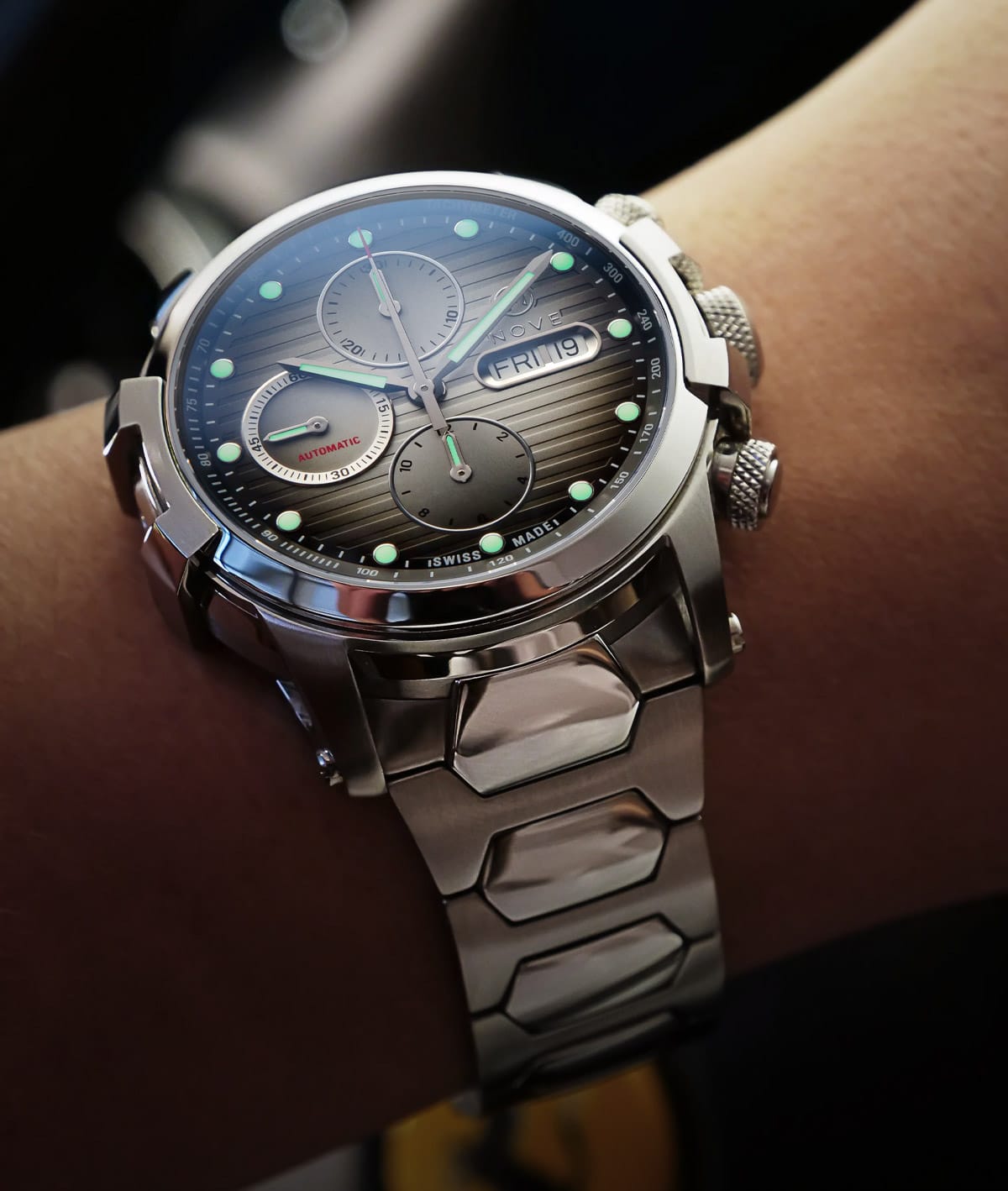
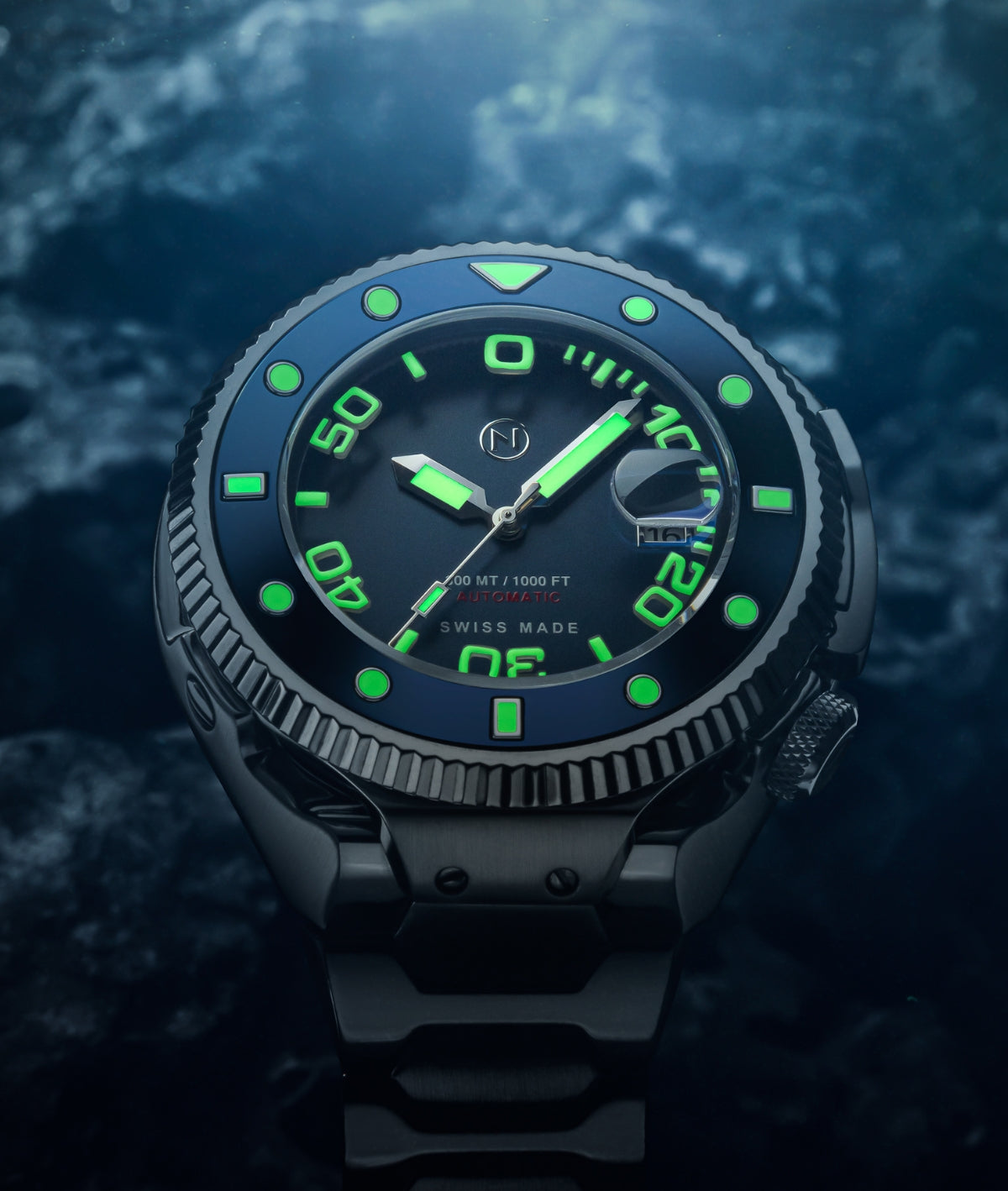
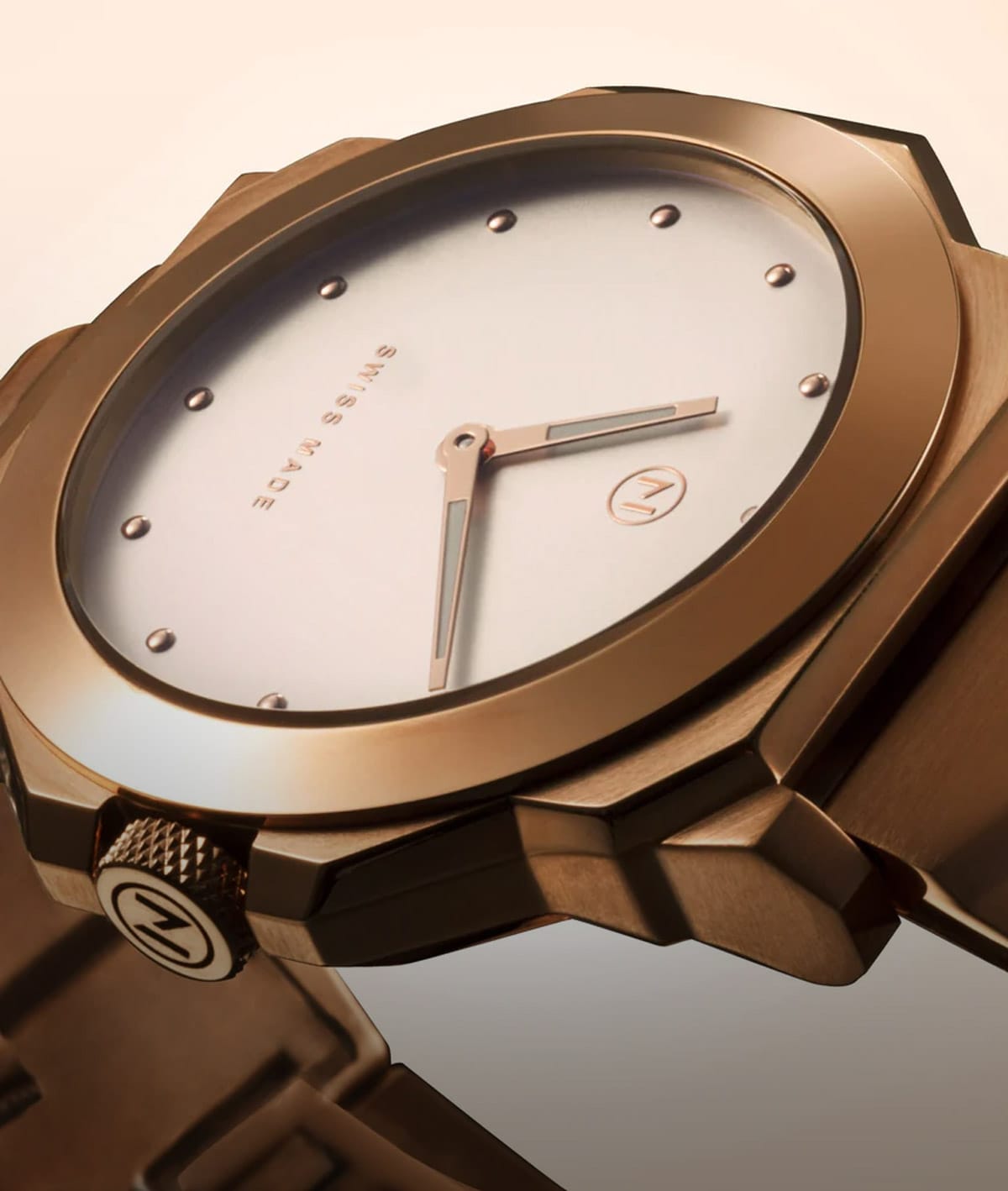
A watch crystal is the thin, transparent surface between your eyes and every detail that makes a timepiece worth wearing. In the sapphire crystal vs mineral glass decision, the difference is not merely technical. It shapes how a watch handles a crowded commute, a weekend dive, years of daily wear, and the inevitable moment it meets a doorframe.
For a refined Swiss-made watch, clarity should endure as confidently as the case and movement beneath it. Yet sapphire and mineral glass each have a place. The right choice depends on how you wear your watch, what you expect from it, and where you want its value to live: in maximum scratch resistance, accessible performance, or a balance of both.
Sapphire Crystal vs Mineral Glass: The Core Difference
Sapphire crystal is not glass in the conventional sense. It is a synthetic material made from crystallized aluminum oxide, engineered to deliver exceptional hardness and optical clarity. On the Mohs scale of mineral hardness, sapphire ranks at 9, second only to diamond. That is why it stands up so well to the fine scratches that slowly cloud lesser watch crystals.
Mineral glass is a hardened glass, usually treated with heat or chemicals to improve its strength. It is considerably tougher than standard window glass and has served watchmaking well for decades. But with a Mohs hardness generally around 5 to 6, it is more vulnerable to scratches from sand, stone, metal surfaces, and the accumulated friction of everyday life.
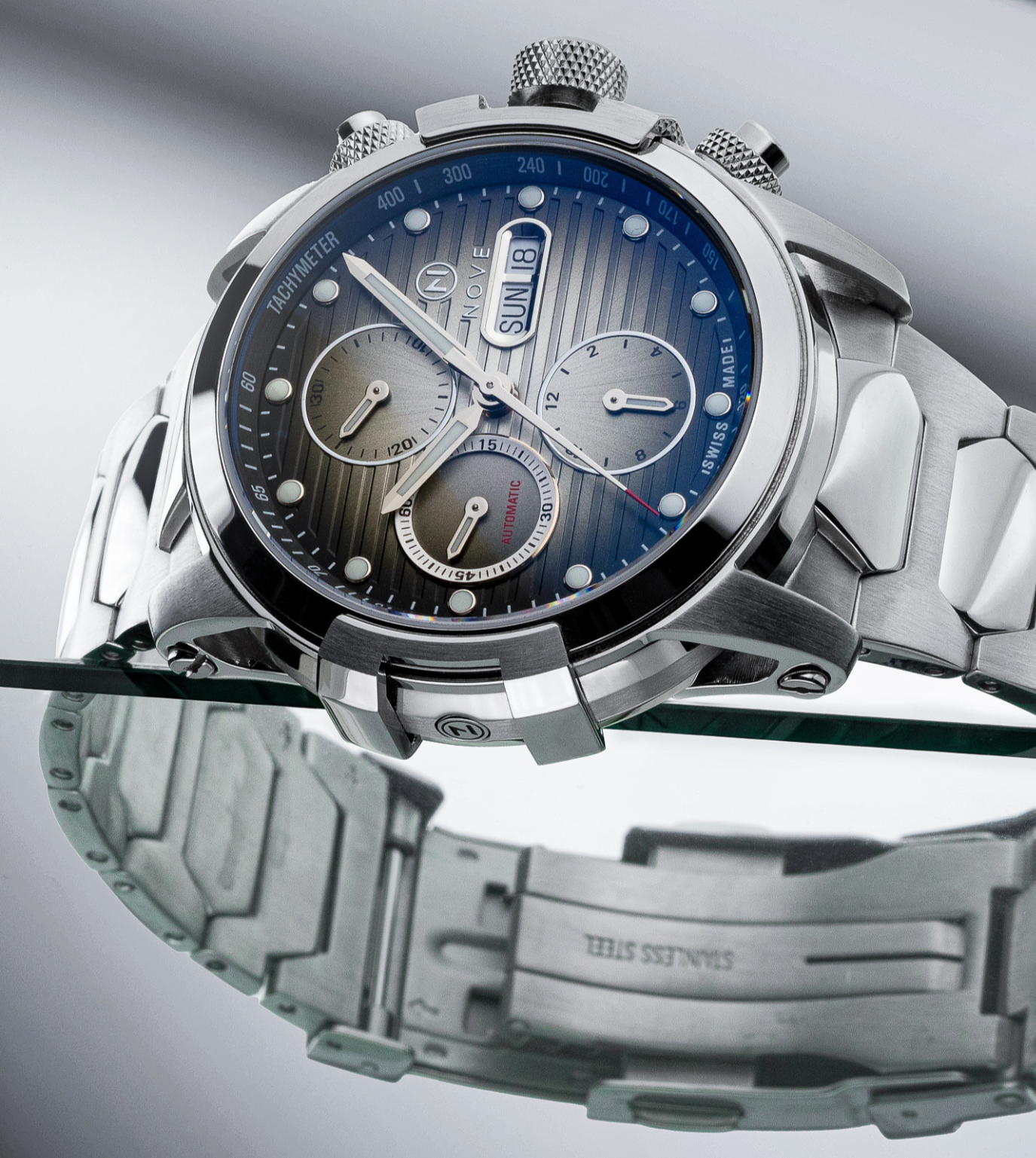
The practical difference becomes apparent over time. A sapphire crystal often keeps its clean, polished appearance through years of regular wear. Mineral glass can look excellent when new, but it may acquire small marks that soften the dial’s visual impact. For a watch with a deep ocean-blue dial, architectural indices, or a dramatic chronograph layout, that clarity matters.
Why Sapphire Crystal Commands a Premium
Sapphire is prized because it protects the visual character of a watch. A fine dial is more than a display of hours and minutes. It is a composition of light, texture, proportion, and color. When the crystal remains clear, those details retain their intended presence.
Scratch resistance is sapphire’s defining advantage. Keys, coins, desk edges, and even a grain of quartz-rich sand can leave their mark on mineral glass. Sapphire resists most of those encounters with remarkable poise. For collectors who rotate several watches, this helps preserve the condition of each piece between wears. For someone with one trusted everyday watch, it offers reassurance that the timepiece will continue to look sharp long after the first unboxing.
Sapphire also feels aligned with premium watchmaking because it supports longevity. A watch is often chosen to mark a promotion, an anniversary, a graduation, or a personal milestone. The material over the dial should be worthy of that permanence.
There is, however, a trade-off. Sapphire costs more to produce and machine than mineral glass, which contributes to a higher final price. It can also be more brittle under a very sharp, concentrated impact. That does not mean sapphire is fragile. Far from it. It means extreme impact resistance and scratch resistance are not precisely the same attribute.
Where Mineral Glass Still Makes Sense
Mineral glass is not a compromise without merit. It is a sensible, proven choice for watches designed around value, casual versatility, or more accessible price points. It offers respectable clarity and durability for normal daily use, especially for wearers who do not subject their watch to frequent abrasive contact.
It can also handle certain blunt impacts well because it has more give than sapphire. In a hard collision, mineral glass may scratch or chip where sapphire could crack. Neither outcome is ideal, but this distinction explains why some tool-oriented watches and entry-level models continue to use mineral glass.
For a first watch, a fashion-forward seasonal piece, or a watch reserved for low-risk office wear, mineral glass can be entirely appropriate. It keeps costs grounded while still providing a meaningful step above acrylic crystal. The key is to buy with clear expectations: mineral glass can remain attractive, but it will reward more careful ownership.
The Dive Watch Question: Does Sapphire Matter More?
For dive watches, sapphire is a natural fit. The environment is demanding, and not only because of water pressure. Sand, salt residue, dive gear, boat hardware, and rocky shorelines create the kind of conditions where scratch resistance earns its reputation.
Water resistance is determined by the complete construction of a watch, including its case, gaskets, crown, and crystal installation. A sapphire crystal alone does not make a watch dive-ready. But when a watch is engineered for underwater performance, sapphire adds a layer of confidence by keeping the dial legible and protected against surface wear.
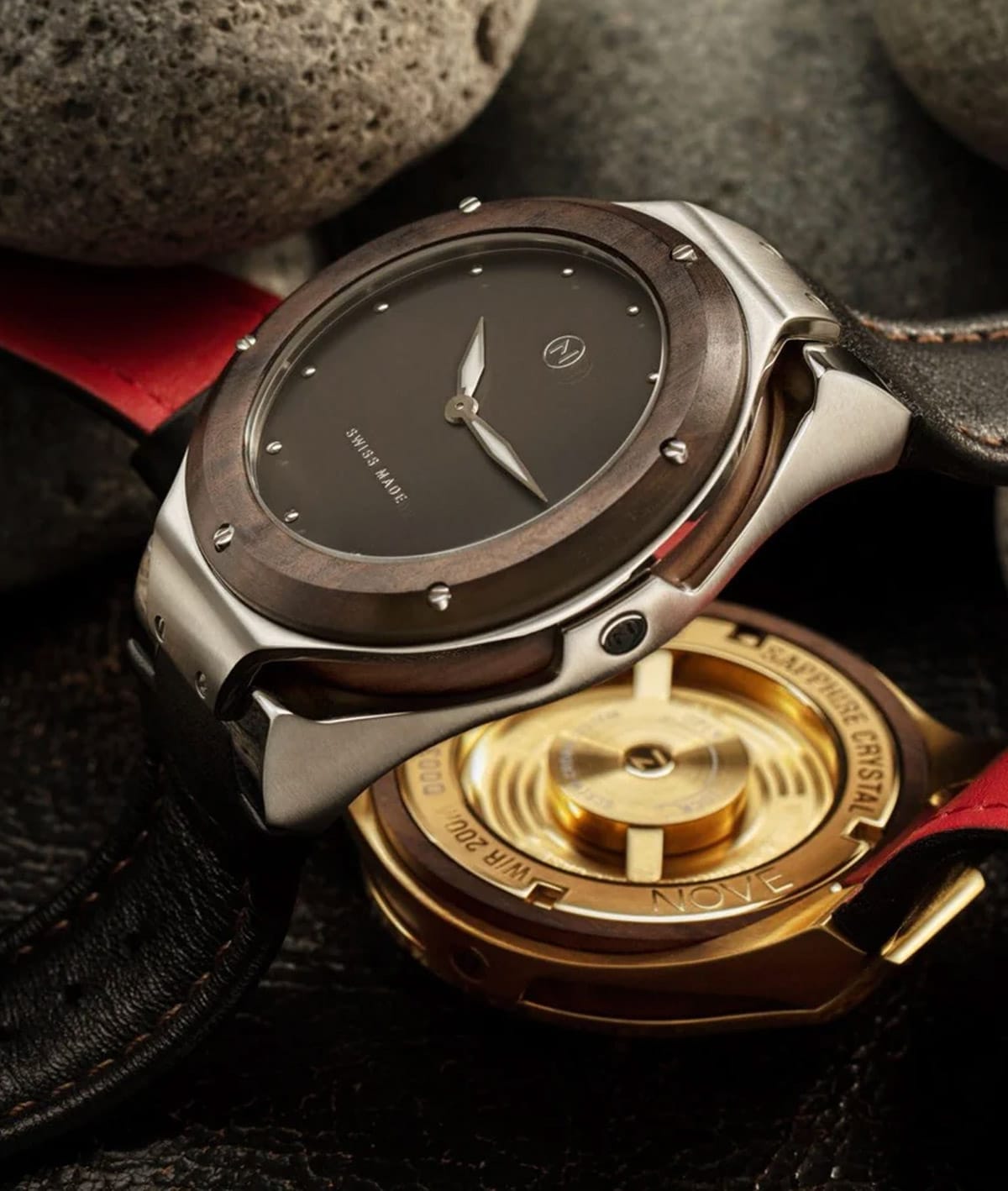
Thickness matters here. A properly designed dive watch may use a thicker sapphire crystal to support its water-resistance rating and withstand pressure. That added structure can create visual depth, particularly when light catches the edge of the crystal above a dimensional dial. It is functional engineering with a distinctly refined presence.
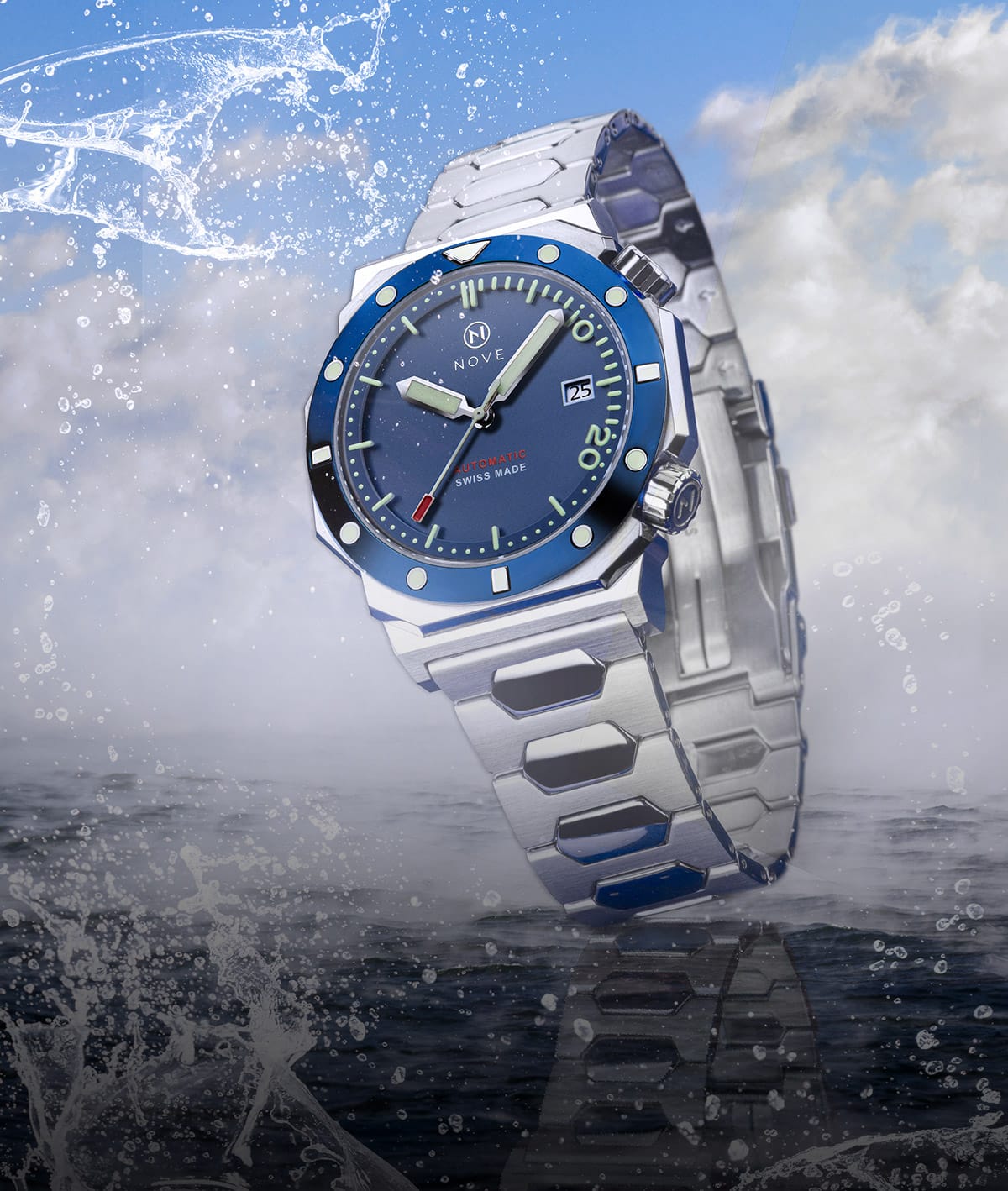
NOVE’s approach to bold, ocean-inspired timepieces reflects this union of performance and design: a watch built for adventure should not lose its visual authority after the adventure begins.
Anti-Reflective Coating Can Change the Experience
A crystal’s material is only part of the story. Anti-reflective, often called AR, coating can dramatically improve readability by reducing glare. It is especially valuable on sapphire because sapphire has a higher natural reflectivity than mineral glass.
AR coating may be applied to the underside of the crystal, the exterior surface, or both. An underside coating is protected from direct contact and offers a practical improvement in clarity. Double-sided coating can create an almost invisible crystal effect, making the dial appear open and immediate, but the exterior layer may be more susceptible to fine marks.
This is one area where specifications deserve context. A watch with sapphire but no AR coating may reflect more light than expected in bright conditions. A watch with mineral glass and a well-executed coating may look impressively clear. Premium construction is about the complete visual and mechanical equation, not a single line on a spec sheet.
Choosing the Right Crystal for Your Watch
If you want one watch to wear often, sapphire is usually the stronger choice. It is especially compelling for professionals who move through busy days, travelers, enthusiasts building a long-term collection, and anyone buying a meaningful gift intended to be worn for years. Its ability to resist scratches preserves both the watch’s beauty and its sense of occasion.
If budget is the deciding factor, mineral glass can offer strong everyday performance without pushing a watch beyond reach. It is also a reasonable choice for a secondary watch or a piece selected primarily for style rather than demanding use.
Consider your habits honestly. Do you wear your watch while traveling, working with your hands, spending time near the water, or moving through an active routine? Sapphire is worth prioritizing. Do you wear it carefully, mostly indoors, and prefer to allocate more of your budget toward a distinctive case design or movement? Mineral glass may meet your needs well.
Do Not Confuse Sapphire With Acrylic
Acrylic is another common crystal material, particularly on vintage-inspired watches. It is lighter and less likely to shatter, but it scratches much more easily than either mineral glass or sapphire. Its appeal is its warm, domed character and the way it can be polished after minor scuffs.
That makes acrylic a deliberate aesthetic choice, not a direct competitor for someone seeking maximum durability. For a modern watch intended to balance statement-making design with enduring polish, sapphire and mineral glass remain the more relevant comparison.
The best crystal is the one that supports the life your watch is meant to share. Choose sapphire when enduring clarity, confidence, and elevated finish are part of the brief. Choose mineral glass when accessible quality and thoughtful care make better sense. Either way, a well-chosen watch should feel less like an accessory and more like a signature you are ready to wear every day.