
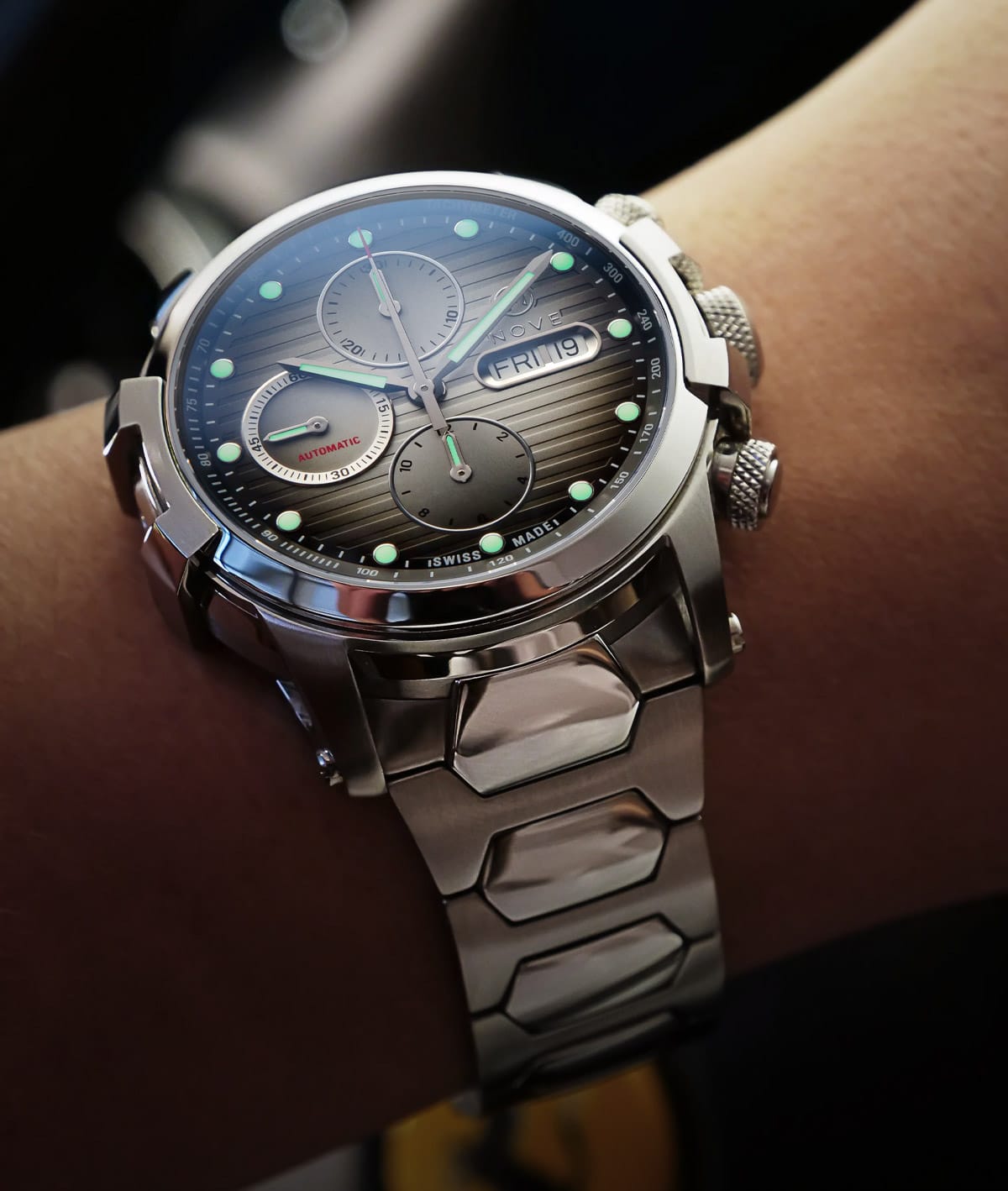
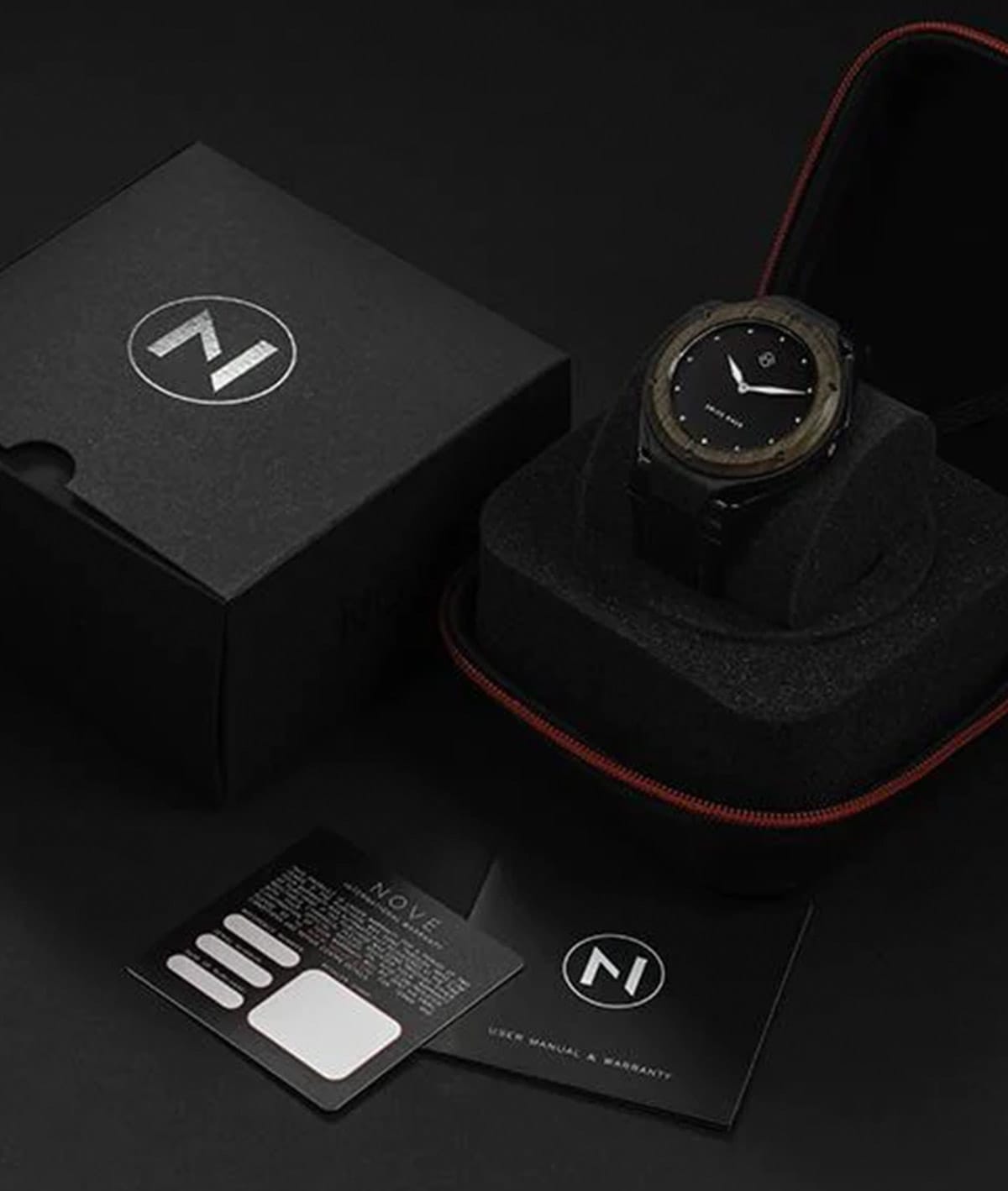
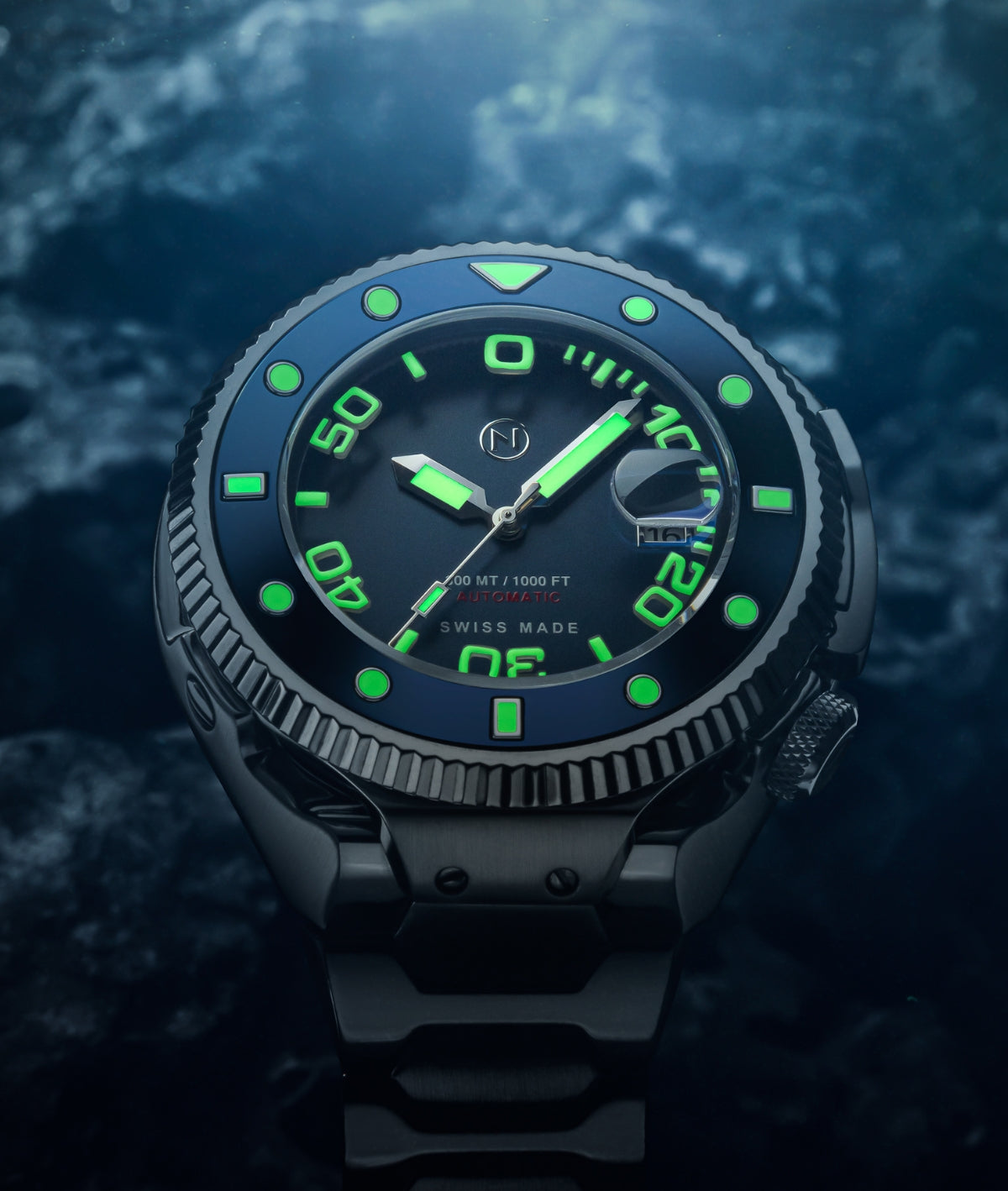
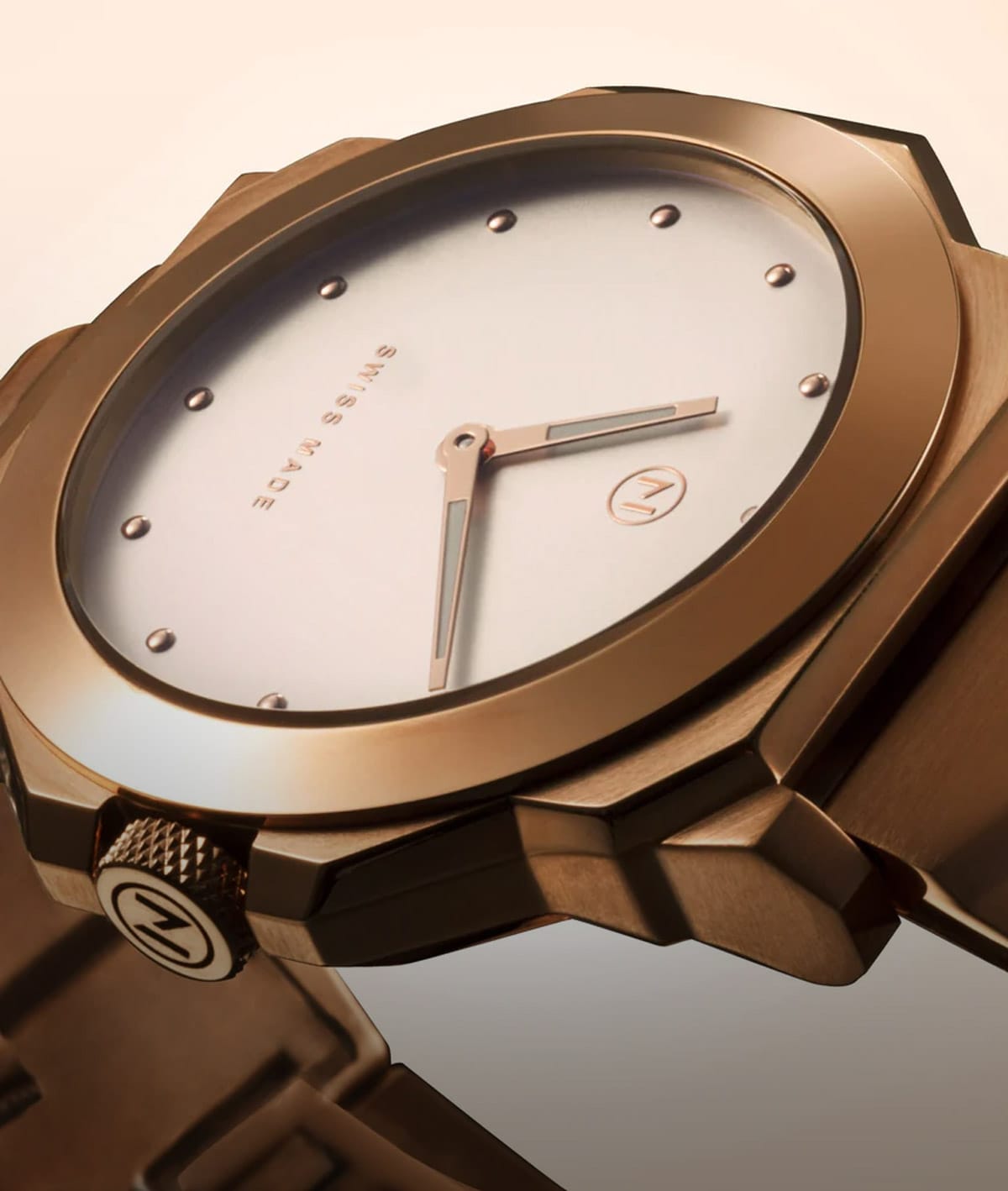
A Swiss-made mark is not a decorative flourish on a dial. It is a regulated claim that speaks to where a watch is engineered, where its movement is produced and inspected, and where the final timepiece comes to life. For anyone considering a precision dive watch, a bold chronograph, or an elevated daily companion, understanding what makes watches Swiss made reveals why the designation continues to carry real weight.
The answer is more exacting than “made somewhere in Switzerland.” A legitimate Swiss-made watch must satisfy legal criteria designed to protect the country’s reputation for technical excellence. That standard does not make every Swiss watch identical, nor does it mean every component originates within Swiss borders. It does mean that the heart, construction, and final accountability of the watch are anchored in Switzerland.
What Makes Watches Swiss Made Under Swiss Law?
The words “Swiss Made” are protected by Swiss regulations. For a watch to carry the designation, it must use a Swiss movement, be cased up in Switzerland, and undergo its final inspection in Switzerland. In addition, at least 60 percent of the watch’s manufacturing cost must be generated in Switzerland.
That 60 percent rule matters because a watch is a complex object. It may contain a crystal, strap material, case components, hands, a dial, and electronic or mechanical parts sourced through a global supply chain. The law does not require every screw, seal, or strap to be Swiss. Instead, it requires the meaningful value of the finished watch - its development, movement, manufacturing, assembly, and quality control - to meet a substantial Swiss threshold.
The standard also considers technical development. The watch and its movement must be developed in Switzerland, reinforcing that Swiss-made status is tied to intellectual craftsmanship as well as physical production. This is one reason the designation means more than a final assembly location. It recognizes the expertise behind the object.
A Swiss Movement Is the Starting Point
The movement is the engine of a watch, and Swiss-made status begins there. Whether the watch is powered by an automatic caliber, a hand-wound mechanism, a quartz movement, or a chronograph caliber, the movement must qualify as Swiss under its own set of rules.
A Swiss movement is assembled in Switzerland and receives its final inspection there. Its technical development takes place in Switzerland, and at least 60 percent of its manufacturing cost must be generated in Switzerland. For mechanical movements, this speaks to the close tolerances of gears, bridges, escapement components, and regulating systems. For quartz movements, it extends to the precision electronics that translate battery power into accurate timekeeping.
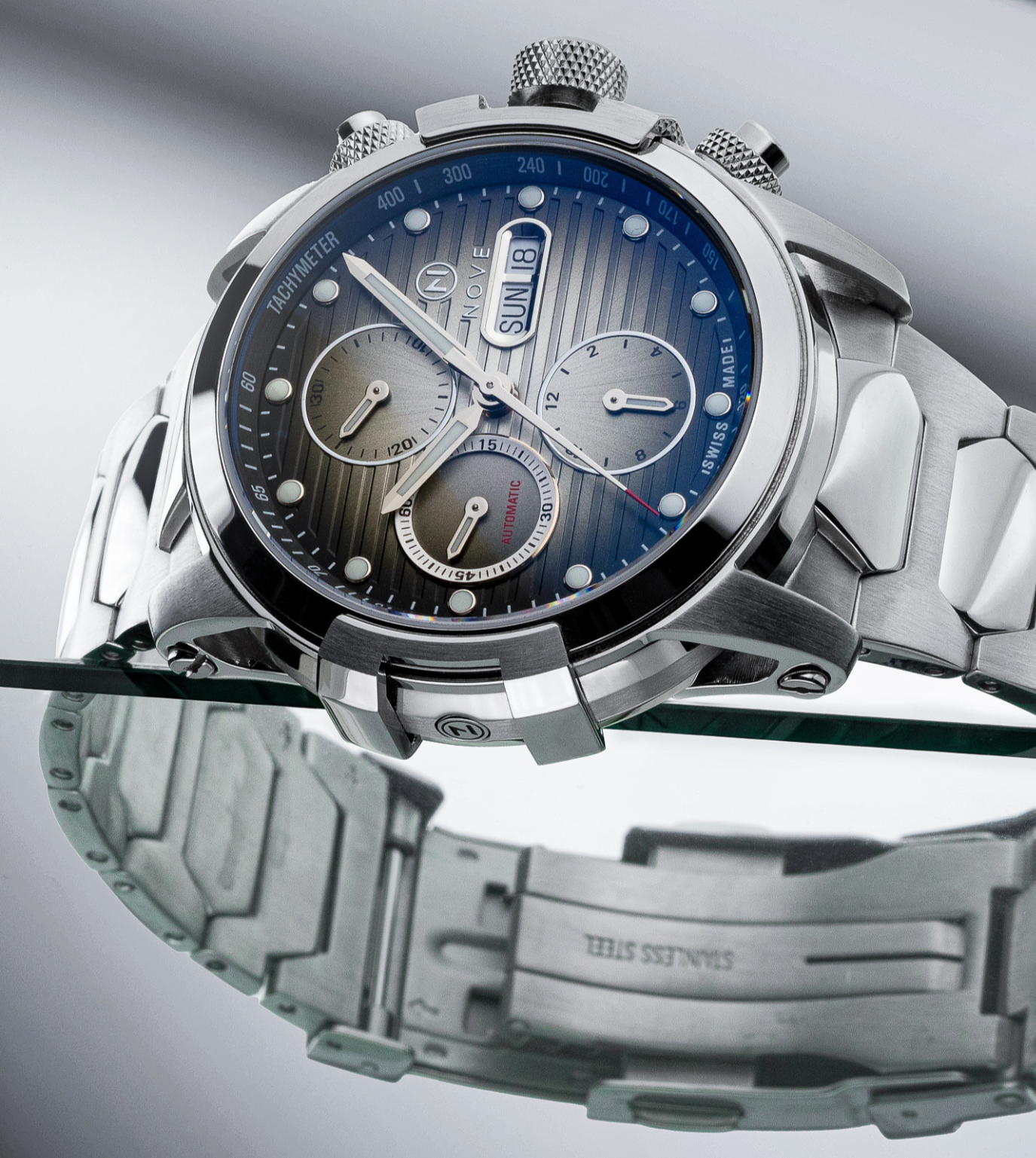
This is why movement type and origin deserve attention when comparing watches. An automatic watch can bring the visual theater of a winding rotor and intricate mechanical architecture. Quartz can offer exceptional accuracy and everyday convenience. A Swiss chronograph adds the tactile drama of a complication built to measure elapsed time. They are different experiences, but a qualifying Swiss movement gives each one a disciplined foundation.
Swiss Assembly Is Where the Watch Becomes Whole
A movement alone is not a finished watch. Casing up is the stage at which the movement, dial, hands, crystal, case, and other essential elements are brought together into a functioning timepiece. To be Swiss made, this work must occur in Switzerland.
That requirement is more significant than it may sound. Installing hands without damaging their finish, aligning a dial perfectly, sealing a case, and protecting a movement from dust all demand trained hands and controlled conditions. On a dive-inspired watch, assembly also has direct functional consequences. A crown, crystal, caseback, and gaskets must work as a system to support water resistance. A rotating bezel must feel precise, secure, and purposeful.
The final inspection must also take place in Switzerland. This is the last point of accountability before a watch is released. Depending on the design, inspection may include checks for accuracy, function, visual finishing, alignment, power reserve behavior, chronograph operation, and water resistance. A manufacturer may set standards beyond the legal minimum, but the principle is the same: the finished watch is evaluated where Swiss craftsmanship is being claimed.
Swiss Made Is Not the Same as Swiss Movement
One of the most common points of confusion is the difference between “Swiss movement” and “Swiss Made.” The phrases are related, but they are not interchangeable.
A watch described as having a Swiss movement may contain a movement that meets Swiss requirements, while the complete watch itself may have been assembled or inspected elsewhere. It can still be an appealing and reliable watch, but it does not automatically meet the full criteria to wear the Swiss Made designation.
A Swiss-made watch goes further. Its movement is Swiss, its casing-up happens in Switzerland, its final inspection happens in Switzerland, and the finished watch meets the required Swiss share of manufacturing cost. For a buyer, that distinction creates a clearer line between a Swiss component and a Swiss-made timepiece.
There is also “Swiss quartz,” a phrase frequently seen on watch dials and product specifications. It can indicate a Swiss quartz movement, but the buyer should look closely at whether the complete watch is described as Swiss made. Precision language is part of precision watchmaking.
What the Label Does and Does Not Promise
Swiss Made is a meaningful benchmark, not a guarantee that one watch will suit every wrist, lifestyle, or preference. It does not automatically tell you whether a design is understated or unapologetically bold, whether a case is slim, whether a bezel is unidirectional, or whether a watch is built for serious water exposure. Nor does it reveal the level of finishing, the material choice, or the character of the design.
Those details still separate a good watch from a remarkable one. A highly polished case may feel refined in a formal setting, while a matte titanium or stainless-steel construction can better suit an active, architectural aesthetic. Sapphire crystal offers serious resistance to scratches, but the shape, coating, and integration of that crystal influence legibility just as much as the material itself. An automatic caliber offers connection and ritual; quartz is often the pragmatic choice for a grab-and-go watch.
Swiss-made status should therefore be viewed as a foundation. It tells you that a watch was built within a defined framework of Swiss development, production, assembly, and inspection. The rest of the story is found in the design decisions that make the timepiece worth wearing.
Why the Standard Still Matters to Modern Watch Buyers
For generations, Swiss watchmaking was associated with heritage alone: old workshops, formal dress watches, and familiar silhouettes. The legal standard behind Swiss Made remains rooted in craftsmanship, but the watches carrying it no longer need to look backward.
Contemporary Swiss-made design can be angular, oversized, sporty, sculptural, or unexpectedly colorful. It can belong beneath a tailored cuff, over a wetsuit, or behind the wheel. The most compelling examples pair Swiss technical credibility with a point of view strong enough to stand apart from generic luxury.
That balance is particularly valuable in accessible luxury. Buyers should not have to choose between a watch with credible manufacturing substance and one with visual impact. A thoughtfully engineered Swiss-made timepiece can offer a serious movement, considered materials, functional performance, and a distinct presence without relying on a familiar logo to do all the work.
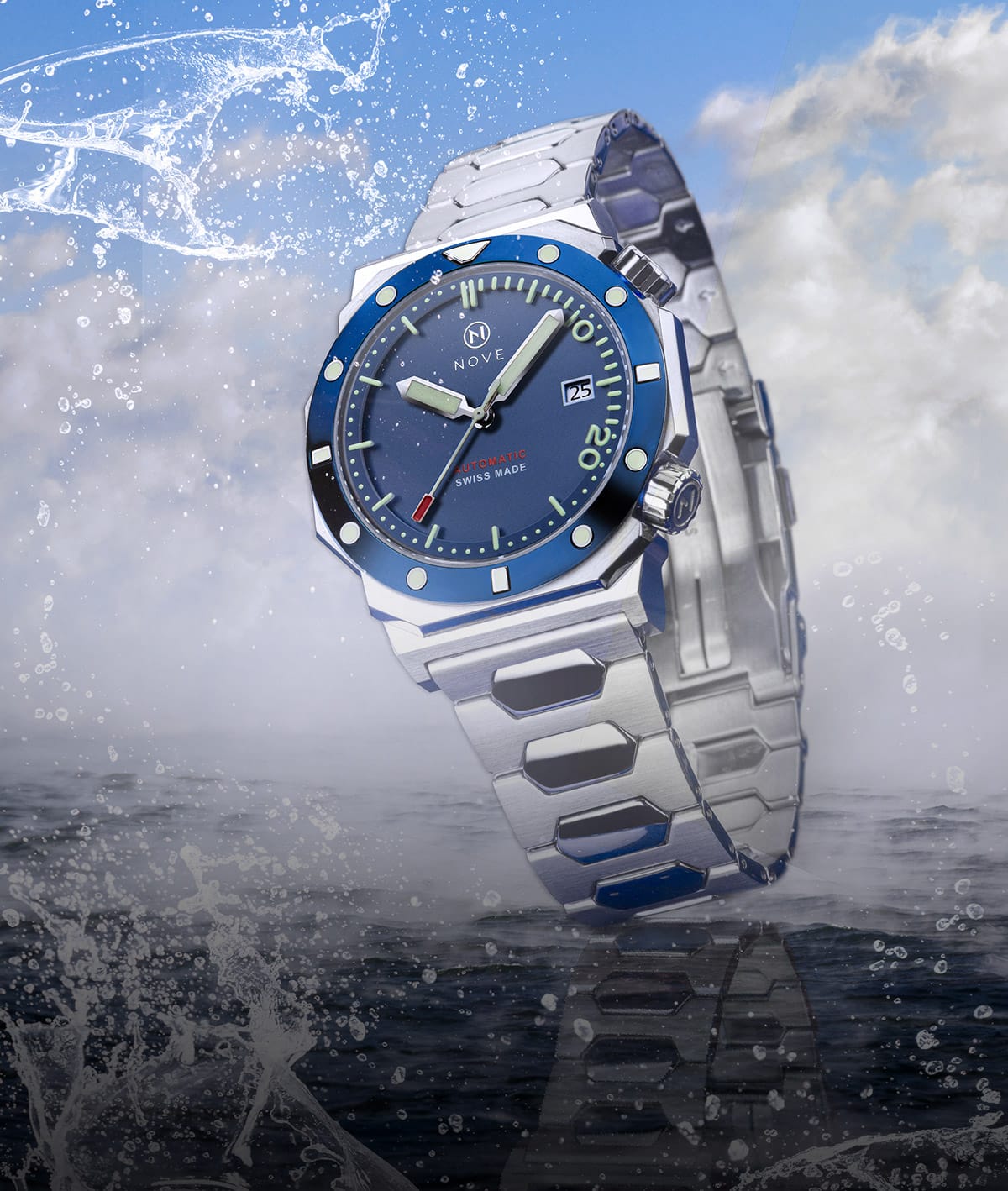
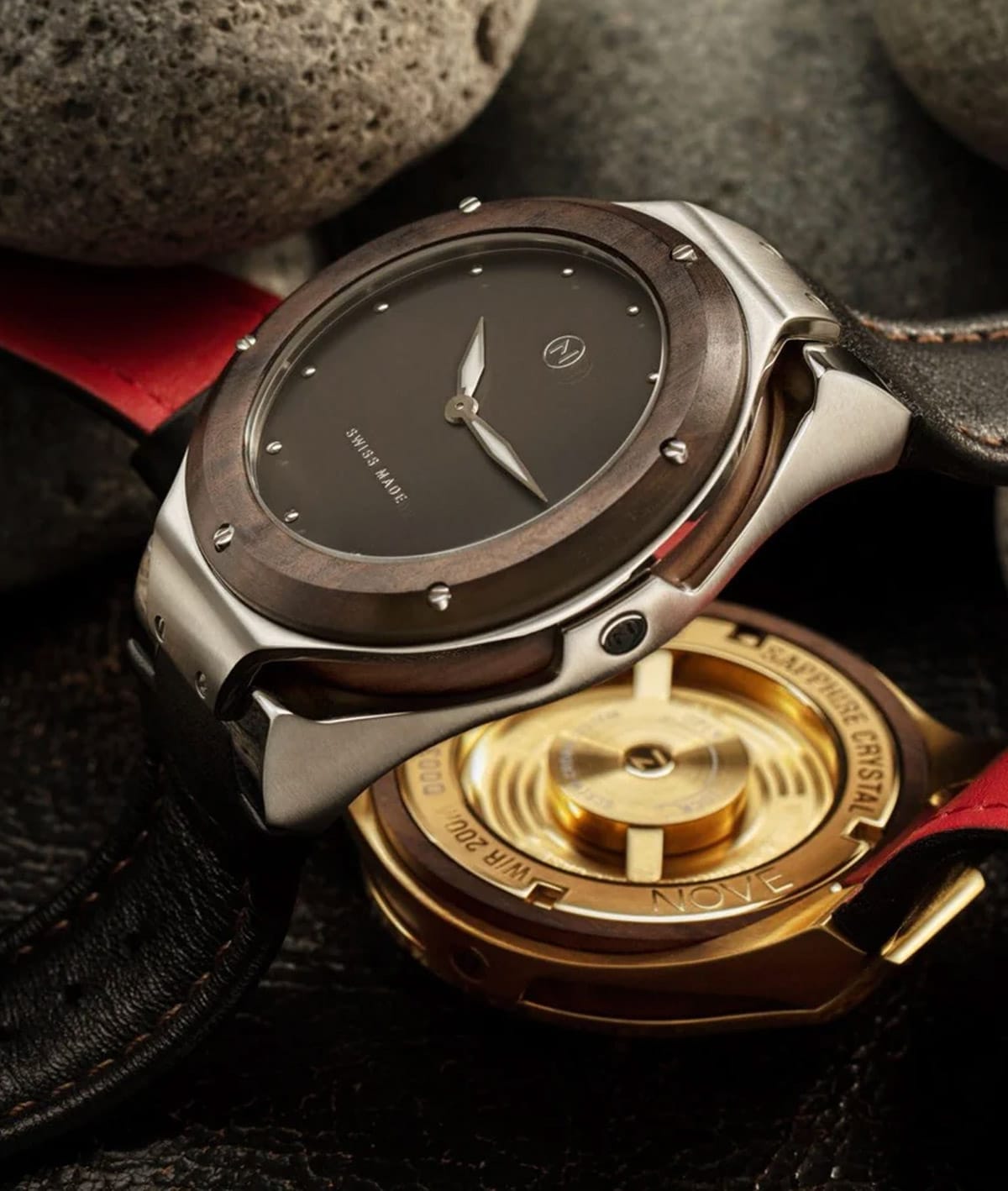
At NOVE, that philosophy takes form in watches designed to be seen and built to be used. The Swiss-made designation supports the precision beneath the surface, while distinctive case architecture, dive-ready intent, and automotive influence give the finished piece its identity.
How to Shop for a Swiss-Made Watch With Confidence
Start with the dial and the product specifications. If a watch is truly Swiss made, the designation should be stated clearly. Then look beyond the wording. Ask what movement powers it, where the watch is assembled, what materials shape the case and crystal, and what performance claims are supported by its construction.
For a dive watch, water resistance, crown design, bezel action, and legibility deserve as much consideration as the movement. For an everyday statement watch, case proportions, bracelet or strap comfort, and how the dial catches light may matter more. For a gift, engraving options, presentation, warranty coverage, and the recipient’s style can be just as decisive as technical specifications.
A 36-month warranty, for example, is not a substitute for Swiss Made, but it is a practical signal that a brand stands behind its work. The strongest purchase combines both sides of the equation: a timepiece with legitimate Swiss substance and a design you will want to reach for long after the first impression.
Swiss Made ultimately earns its power through specificity. It is a promise bounded by rules, upheld through skilled production, and expressed in the small decisions that transform components into a precise, enduring object. Choose the watch whose engineering gives you confidence - and whose design makes every glance at your wrist feel deliberate.