
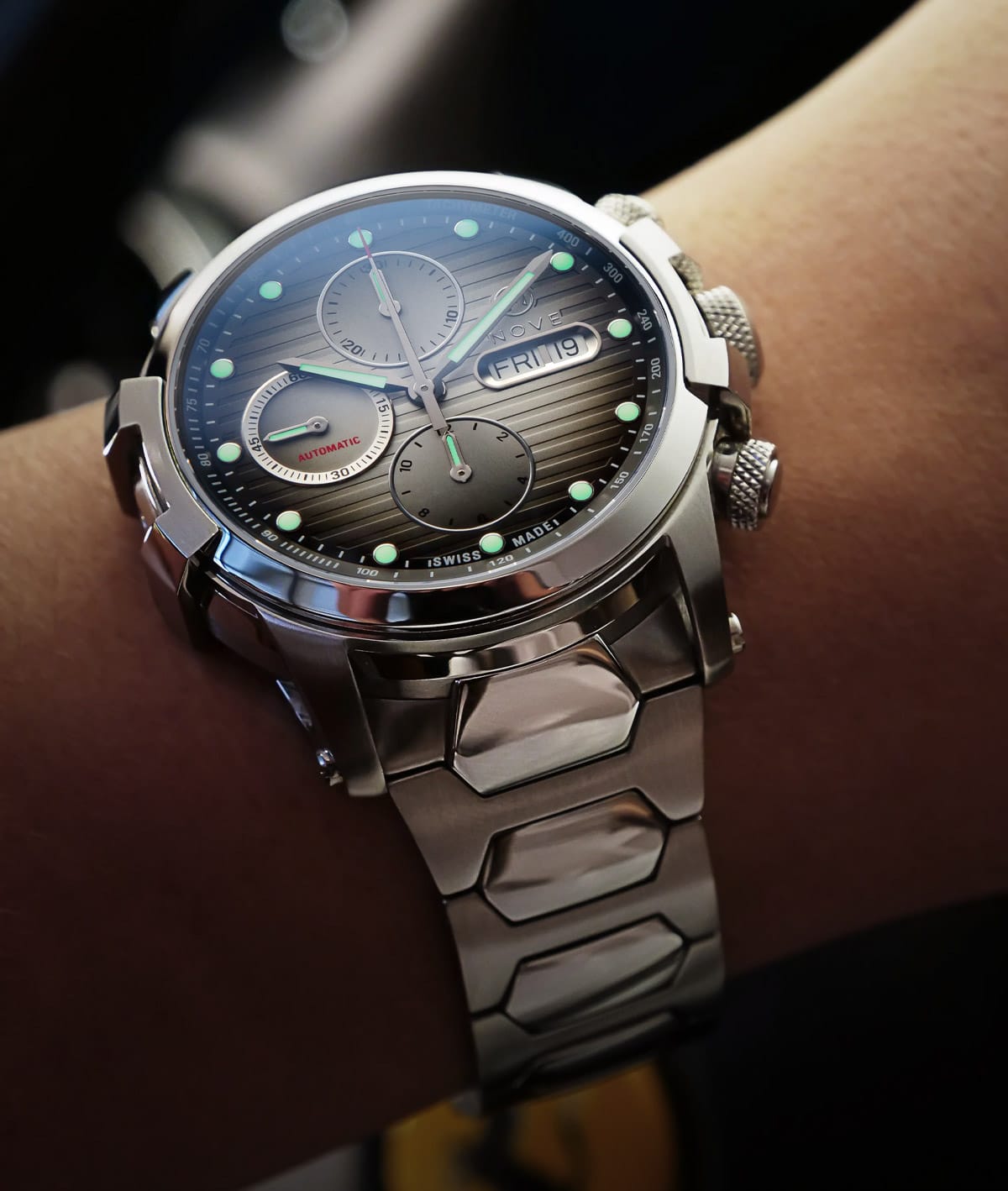
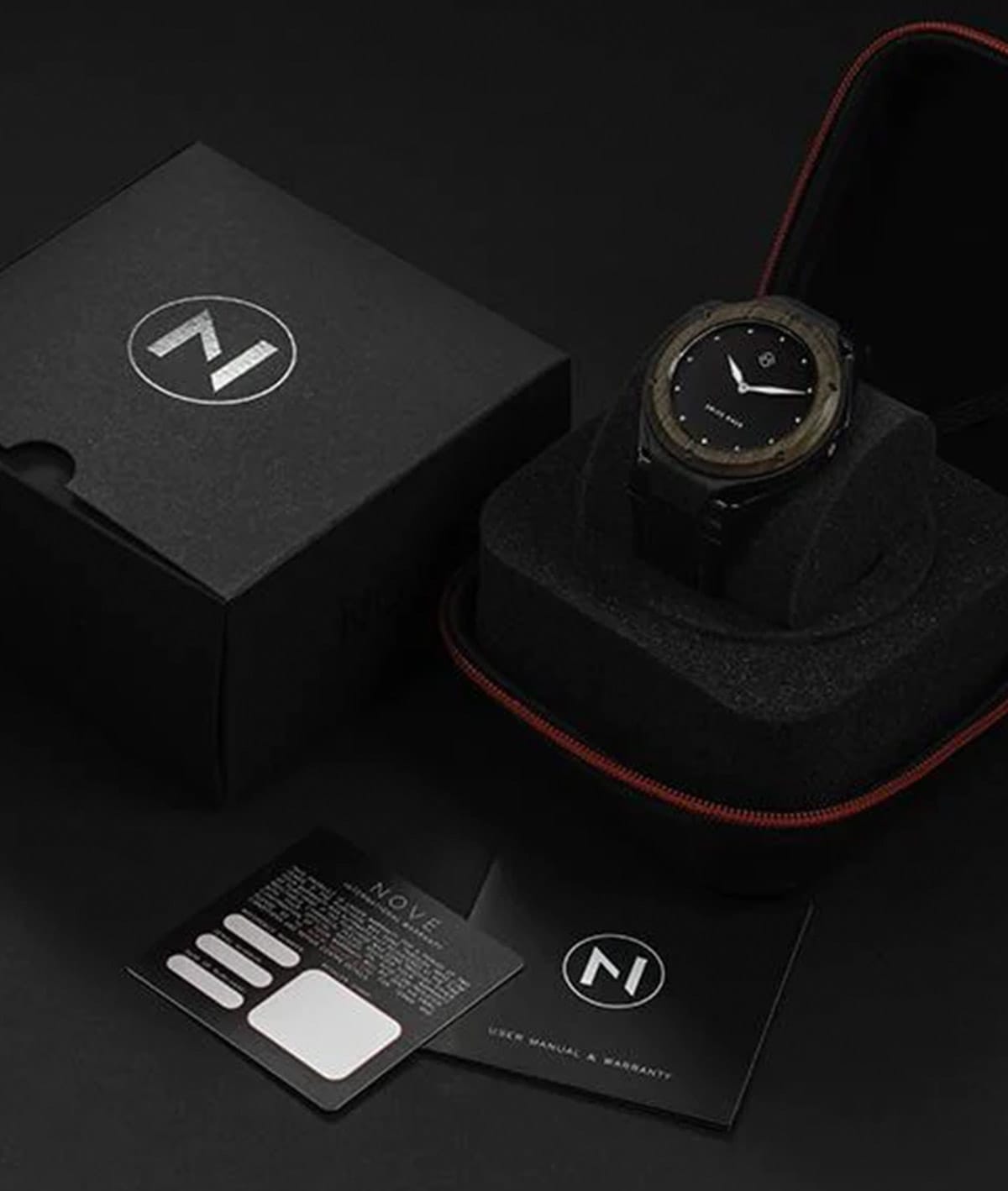
A watch makes its first impression before anyone notices the movement inside it. The question of a dive watch or dress watch is not simply about water resistance versus a polished case. It is about the version of yourself you want on your wrist: prepared for the unexpected, refined for the occasion, or confidently positioned somewhere between the two.
For a watch collection with room for only one exceptional piece, the choice deserves more than a glance at the dial. Consider where you spend your time, what you wear most often, and whether you want your watch to blend into the room or become part of the conversation.
Dive Watch or Dress Watch: The Essential Difference
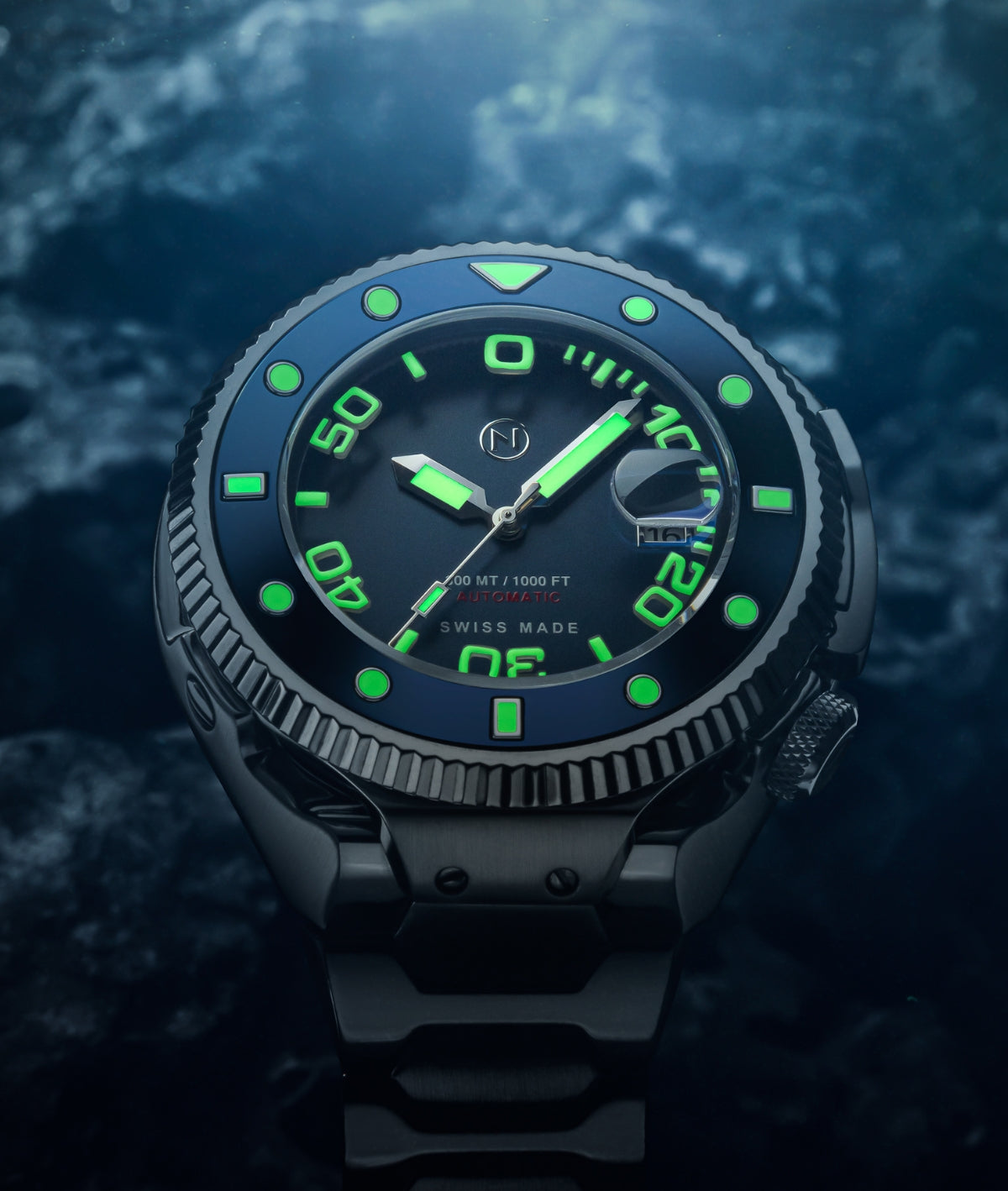
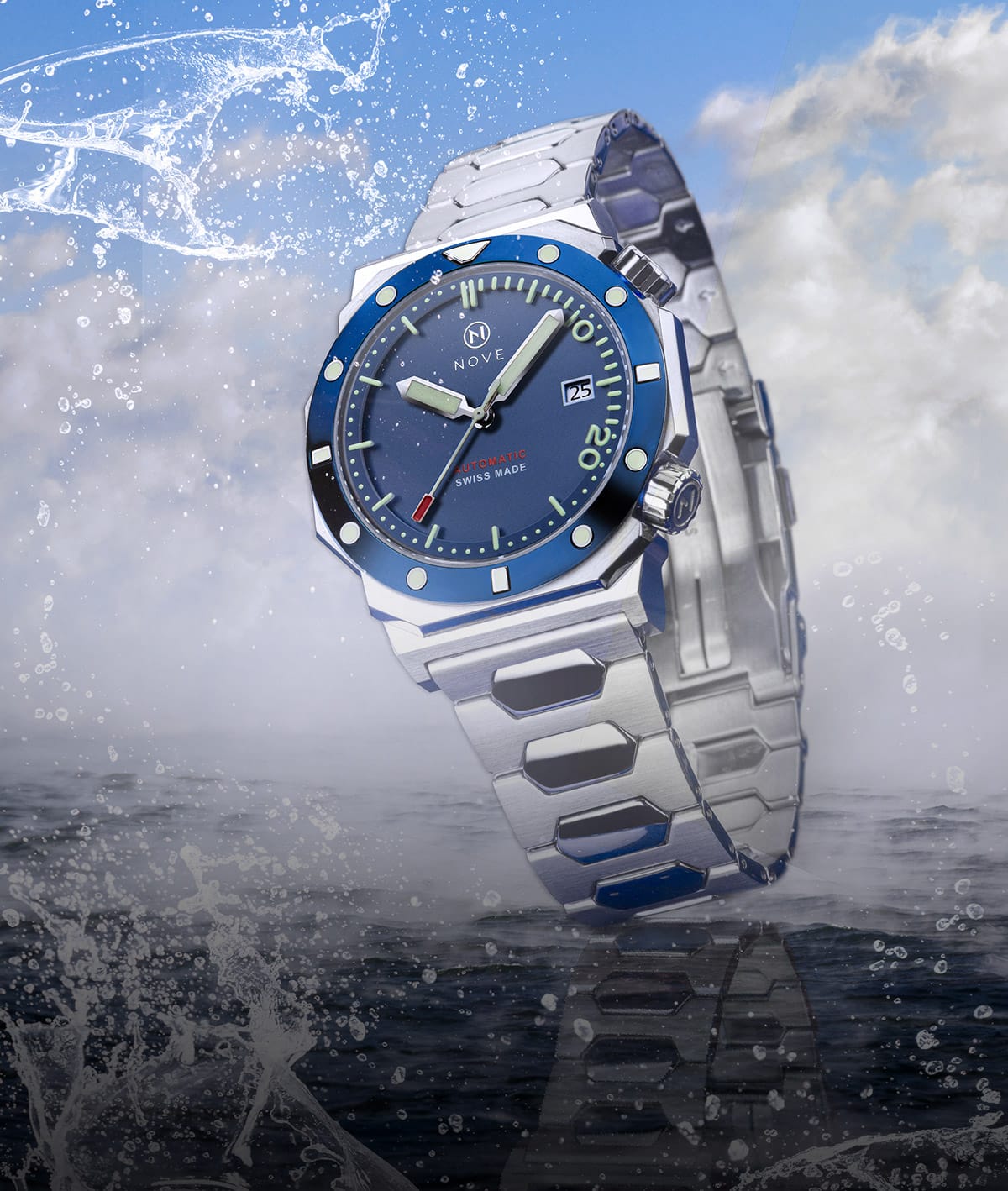
A dive watch is built around capability. Its visual language comes from purpose: a highly legible dial, substantial hands and markers, a rotating bezel, secure crown protection, and meaningful water resistance. Even when it never sees the ocean floor, it carries the confident architecture of a professional instrument. It is designed to be seen quickly, worn hard, and trusted without hesitation.
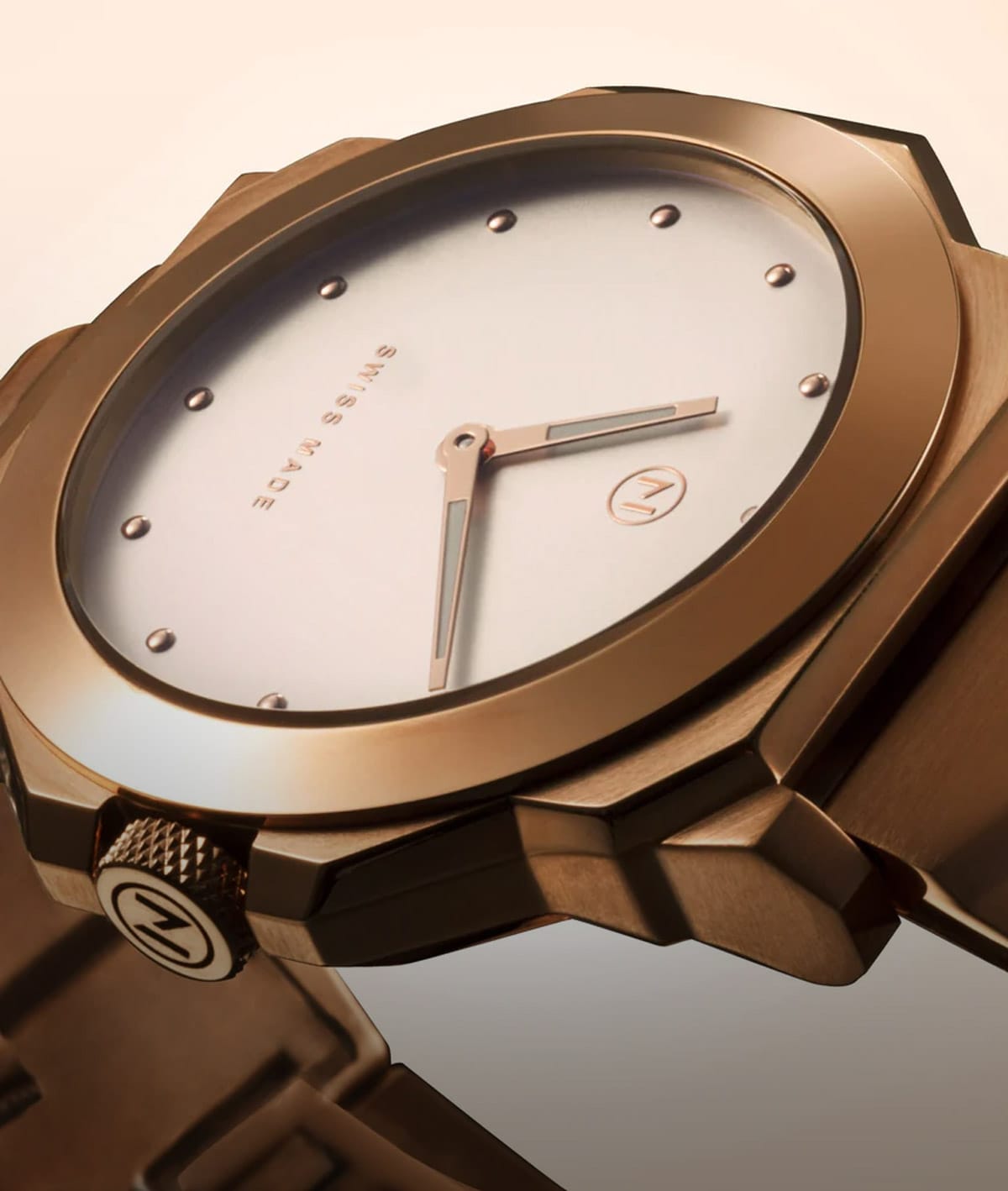
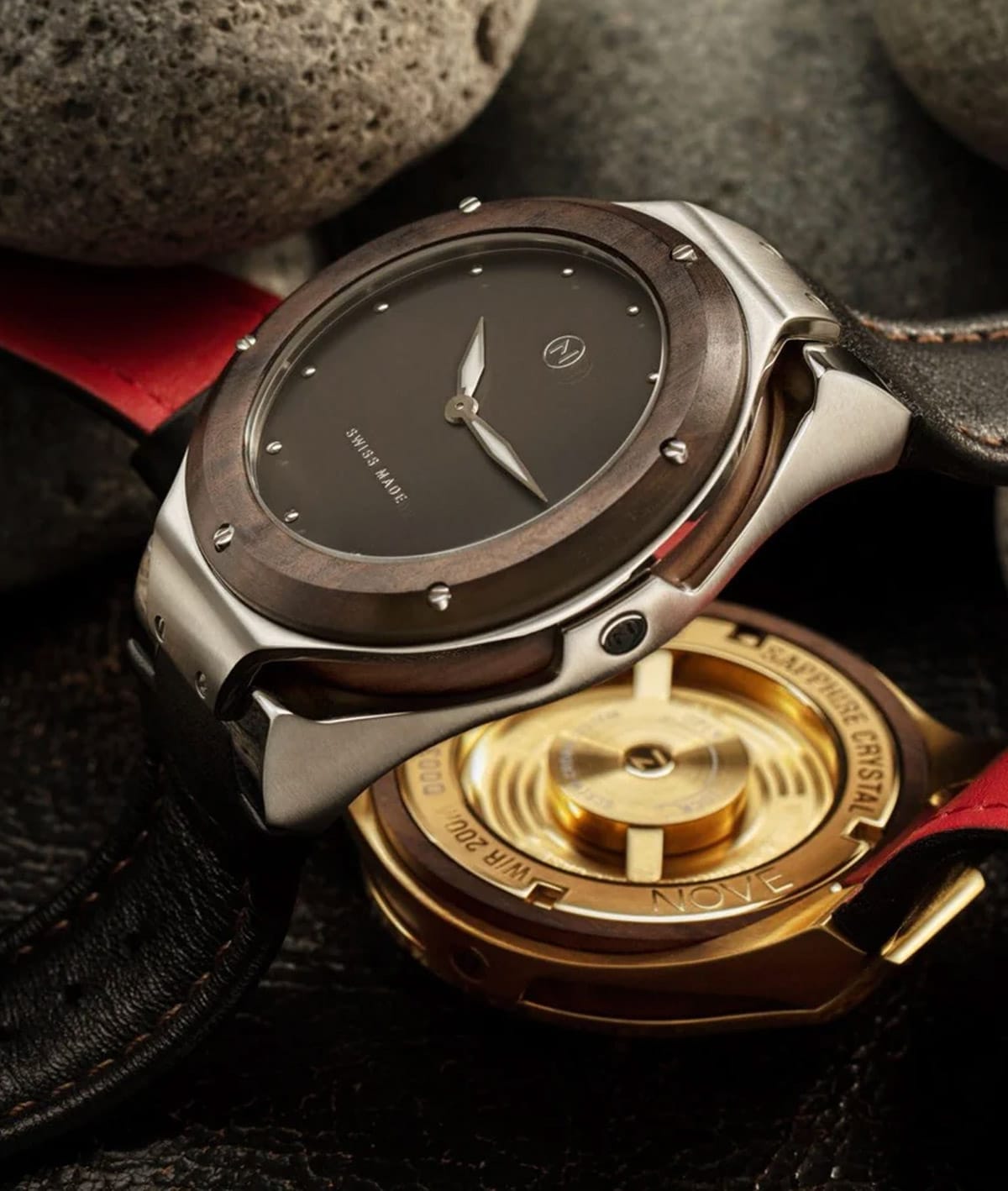
A dress watch takes the opposite route. It aims for restraint, proportion, and polish. Its case is typically slimmer, its bezel cleaner, and its dial more composed. There may be no rotating bezel or oversized crown because the point is not to announce technical readiness. It is to complement tailoring, elevate a dinner jacket, and bring a sense of order to a sharply considered look.
Neither category is inherently more luxurious. Luxury comes through execution: the quality of the finishing, the precision of the movement, the integrity of the materials, and the confidence of the design. A well-made dive watch can feel every bit as sophisticated as a formal timepiece. A dress watch can be a masterpiece of engineering in a remarkably quiet package.
Choose by Lifestyle, Not by Labels
The most useful question is not whether you dive or attend black-tie events. It is what your average week actually looks like.
If your days move between travel, work, fitness, weekends outdoors, and evenings out, a dive watch usually offers more freedom. Its case and bracelet are designed to withstand real life. A sapphire crystal, a capable water-resistance rating, and durable steel construction make it an easy companion when plans change. The bezel also adds visual depth and a practical timing function, whether you are tracking a parking meter, a workout, or the minutes before a meeting begins.
If your wardrobe centers on tailored jackets, fine knitwear, crisp shirts, and formal events, a dress watch may feel more natural. A leaner profile slides beneath a cuff with ease. Its cleaner dial creates a deliberate contrast to textured fabrics and structured clothing. In professional settings where understatement signals discernment, this kind of watch can say more by saying less.
Your environment matters, too. A watch worn near pools, coastlines, rain, and active weekends benefits from the inherent security of a dive watch. A watch reserved for offices, galleries, restaurants, weddings, and evening occasions can afford to prioritize slimness and elegance.
When a Dive Watch Is the Better Statement
The modern dive watch has moved far beyond a niche tool. It is one of the most versatile silhouettes in watchmaking because it pairs engineering with presence. On a steel bracelet, it can look crisp with a button-down shirt. On rubber, it becomes athletic and contemporary. On a textured strap, it can take on an unexpectedly refined character.
Choose a dive watch when you want your timepiece to carry visual authority. The larger markers, sculpted case, and dimensional bezel provide a bolder wrist presence than most dress watches. This makes it especially compelling for someone who sees a watch as a defining part of personal style, rather than a discreet finishing touch.
There are trade-offs. A true dive watch is generally thicker than a dress model, particularly when it houses an automatic movement and substantial water-resistance system. It may not disappear under a narrow shirt cuff, and a highly colorful bezel can compete with formal attire. But for many collectors, that confident profile is precisely the appeal.
A design-forward Swiss dive watch can be the rare piece that feels at home at a beachside dinner, on a long-haul flight, and at a client meeting. It brings a sense of adventure to polished surroundings without looking careless.
When a Dress Watch Has the Stronger Presence
A dress watch earns attention through precision of proportion. A slim case, balanced dial, polished surfaces, and restrained markers create an effect that feels considered rather than loud. It does not need to dominate the wrist to be memorable.
Choose a dress watch when the details of your wardrobe are already doing meaningful work. With a suit, a formal shirt, or a dinner jacket, the watch should support the composition. A refined timepiece keeps the focus on the line of the sleeve, the fit of the jacket, and the confidence of the wearer.
Dress watches also make exceptional milestone gifts. Their elegance is immediately understood, even by someone new to watches. An engraved caseback can transform the piece into a permanent marker of a graduation, anniversary, promotion, or wedding day.
The limitation is simple: a dress watch is less forgiving of hard use. Its thinner profile and more polished finish may make you more conscious of scratches, impacts, and water exposure. That is not a flaw. It is the natural result of choosing elegance as the primary design objective.
The Everyday Case for a Hybrid Mindset
Many buyers do not need to choose between extremes. The strongest everyday watch often borrows from both worlds: enough water resistance for confidence, enough refinement for professional settings, and enough originality to feel personal.
Look for a case that has presence without becoming oversized, a dial with strong legibility but controlled detailing, and a bracelet or strap that can move easily from casual to elevated. Dark blue, black, silver, and deep green dials tend to offer the broadest wardrobe range. Brushed steel brings a purposeful edge, while selective polished accents add the light-catching finish associated with more formal pieces.
This is where modern Swiss watchmaking can be especially exciting. Brands such as NOVE have shown that technical substance and expressive design do not need to live in separate categories. A watch can be water-ready, unconventional, and sharply composed enough for a refined setting.
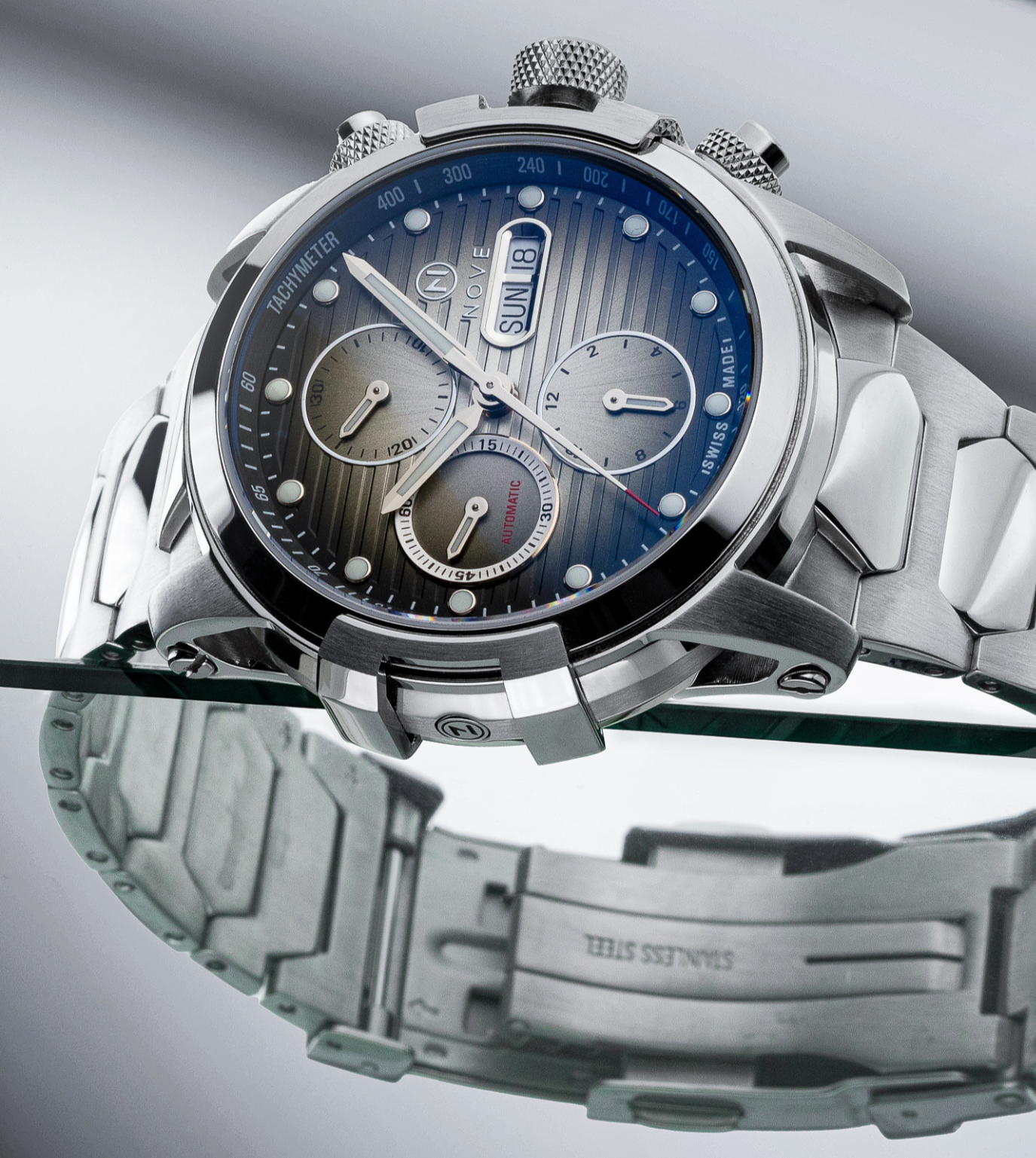
Movement choice also shapes the experience. A Swiss automatic movement offers mechanical character, with the satisfying ritual of a living mechanism on the wrist. Swiss quartz offers exceptional precision and low-maintenance ease. A chronograph adds complexity and visual energy, though it often creates a sportier, more assertive dial. The right movement is the one that aligns with how you want to wear the watch, not simply the one with the longest specification sheet.
Details That Decide the Right Watch
Before making your choice, pay close attention to proportion. Case diameter is only part of the story. Lug-to-lug length, thickness, bezel width, and bracelet integration determine how a watch truly sits on the wrist. A 42mm dive watch with short lugs may wear more comfortably than a 40mm model with a long, flat case.
Consider the finish as carefully as the function. High-polish surfaces feel more formal but show scratches more readily. Brushed finishing is more forgiving and gives a watch an instrument-inspired character. A mix of both often creates the most versatile result.
Finally, trust your immediate reaction. Specifications can explain quality, but they cannot manufacture connection. The right watch should feel like an extension of your standards: purposeful, distinctive, and ready to be worn often rather than protected in a box.
The best choice is the one that makes you reach for it on an ordinary Tuesday, then feel equally certain wearing it when the occasion becomes unforgettable.