
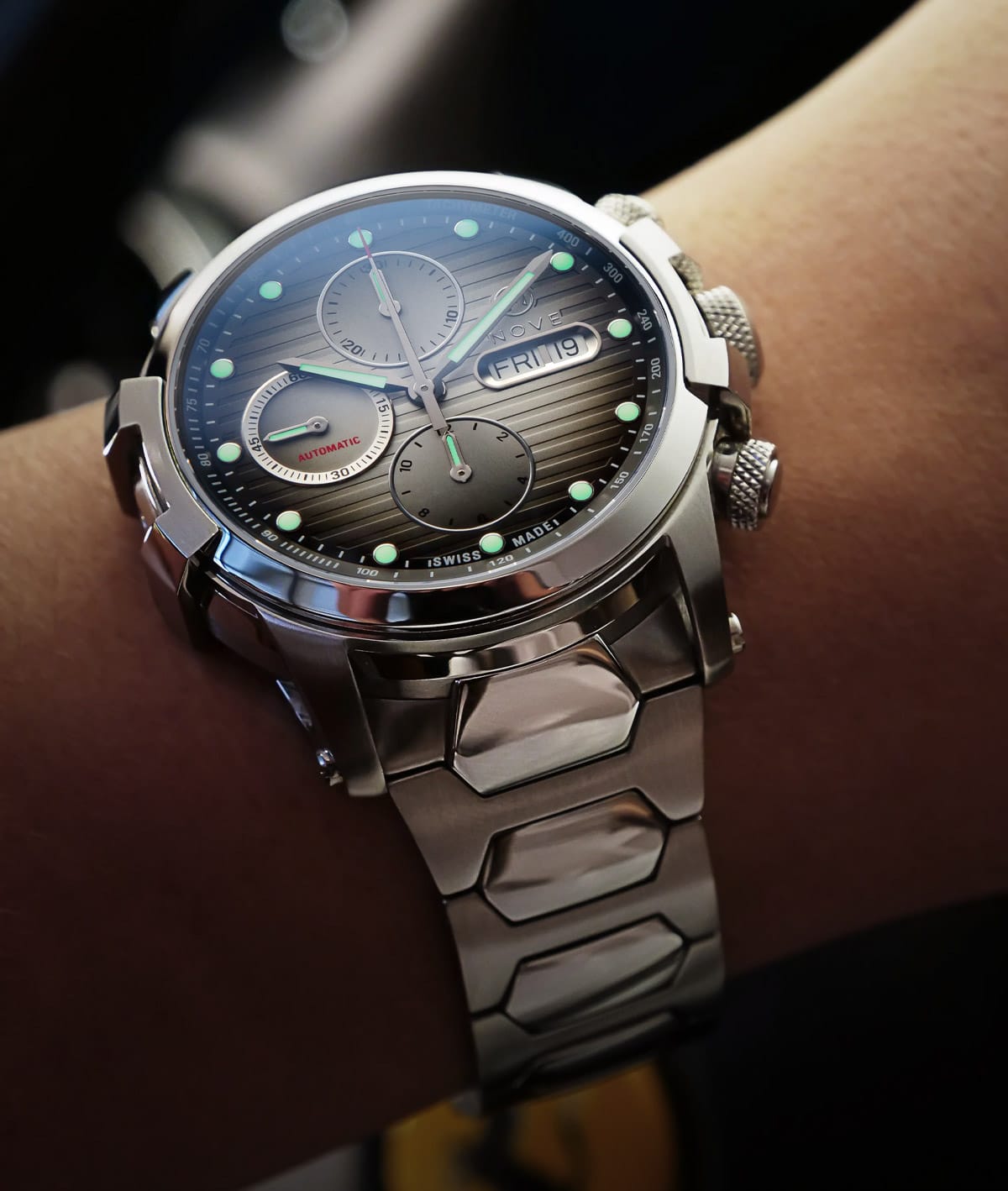
A second hand that glides rather than ticks tells you something immediately - this watch is alive with mechanics. If you have been asking what is a Swiss automatic movement, the short answer is this: it is a self-winding mechanical movement made in Switzerland, powered by motion instead of a battery, and prized for its precision, craftsmanship, and enduring character.
That definition is simple. The appeal is not. A Swiss automatic movement sits at the intersection of engineering, heritage, and design. It is the kind of mechanism people choose not because it is the easiest option, but because it turns timekeeping into something tactile, expressive, and deeply considered.
What Is a Swiss Automatic Movement, Exactly?
A Swiss automatic movement is a mechanical watch movement that winds itself as you wear it. Inside the case, a weighted rotor swings with the natural motion of your wrist. That motion transfers energy to the mainspring, which stores power and gradually releases it through a network of gears, an escapement, and a balance wheel. That controlled release is what moves the hands.
The Swiss part matters because it signals a specific standard of watchmaking. In practical terms, it generally points to movement production and assembly rooted in Switzerland, where mechanical watchmaking has long been refined into an art form. For many buyers, Swiss automatic means more than geography. It suggests proven expertise, careful finishing, reliable engineering, and a level of credibility that still carries real weight.
Automatic movements differ from hand-wound mechanical movements in one key way: they replenish energy through wear. They also differ from quartz movements, which rely on a battery and a vibrating quartz crystal to keep time. Quartz is often more affordable and more accurate in strict daily measurement. Automatic is chosen for different reasons - craftsmanship, presence, and the pleasure of owning something powered by pure mechanics.
How a Swiss Automatic Movement Works
At the core of an automatic watch is the mainspring, a tightly coiled spring that stores energy. As the rotor moves, it winds the mainspring. Once enough energy is stored, the movement begins to drive the gear train, which transmits power to the escapement. The escapement then meters that energy into steady beats, and the balance wheel oscillates back and forth to regulate the pace.
That is why automatic watches feel so compelling. Hundreds of tiny components work together in a controlled mechanical rhythm, all inside a space small enough to sit on your wrist. No battery. No digital system. Just motion, tension, release, and precision.
Most Swiss automatic watches also have a power reserve. That means the watch can keep running for a period of time after you take it off. Depending on the movement, that could be around 38 to 80 hours or more. If left unworn beyond that reserve, the watch stops and needs to be wound or worn again to restart.
This is part of the ownership experience. An automatic watch asks for a little participation. In return, it offers something far more personal than passive convenience.
Why Swiss Movements Hold Their Status
Not every automatic movement is Swiss, and not every Swiss movement is equal. Still, Switzerland remains the benchmark for mechanical watchmaking because of its history, infrastructure, and uncompromising production culture. The country has spent generations refining calibers, manufacturing tolerances, finishing standards, and quality control.
For the buyer, that reputation translates into confidence. A Swiss automatic movement often brings a stronger sense of legitimacy, better long-term serviceability, and greater collector appeal than a generic alternative. It is also associated with brands that treat the movement not as a hidden utility, but as the heart of the watch.
That does not mean Swiss always means superior in every context. Japanese and other international movements can be excellent, dependable, and impressive in their own right. But if your priorities include heritage, prestige, and traditional mechanical craftsmanship, Swiss automatic remains the gold standard.
What Makes Automatic Watches So Desirable?
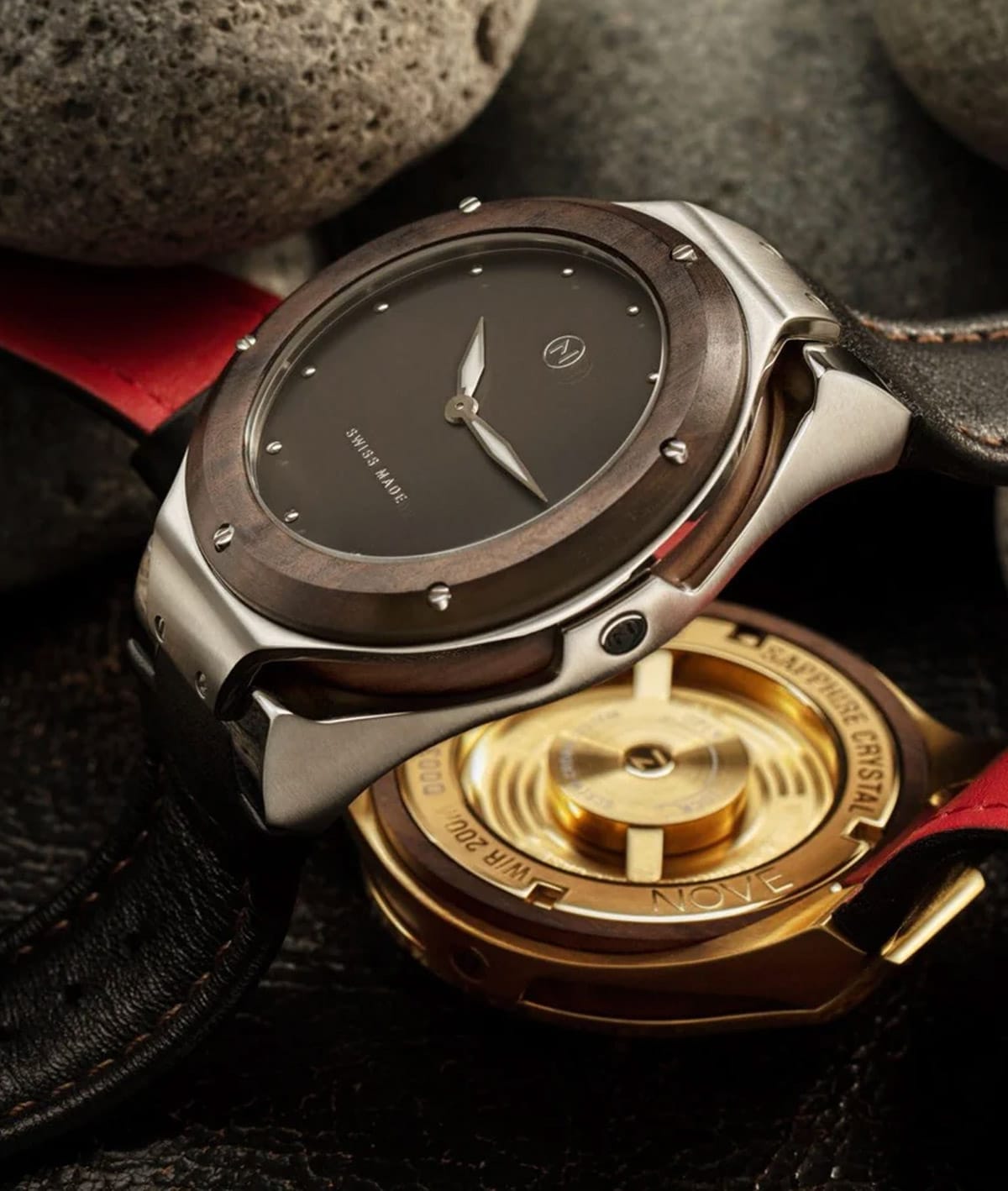
Part of it is visual. A well-designed automatic watch carries a different kind of presence. The smooth sweep of the seconds hand, the weight on the wrist, and sometimes the exhibition caseback all reinforce the sense that you are wearing a miniature machine rather than a disposable device.
Part of it is emotional. Mechanical watches have soul because their operation is visible in concept, even when it is hidden in steel. You can feel that they respond to movement, that they depend on interaction, and that they were built to endure.
And part of it is symbolic. Wearing a Swiss automatic watch signals discernment. It suggests that you care how something is made, not just what it costs or how quickly it performs. For many collectors and style-driven buyers, that distinction matters.
This is where design becomes crucial. A strong automatic movement deserves a case, dial, and overall architecture that match its sophistication. In modern Swiss watchmaking, especially among more design-forward brands, the ideal watch is not only mechanically credible but visually unmistakable.
Swiss Automatic vs Quartz
If you are comparing movement types, the real answer depends on what you value.
Quartz watches are usually more accurate on a day-to-day basis. They are lower maintenance, more affordable to produce, and incredibly practical. If your only measure is convenience, quartz is hard to argue against.
Automatic watches offer something else. They are powered by mechanics, not electronics. They carry heritage. They reward attention. They are often more expensive because they are more complex to manufacture and assemble. They may gain or lose a few seconds a day, but that slight imperfection is often part of their charm rather than a flaw.
For someone choosing a watch as an expression of style, identity, and appreciation for craftsmanship, automatic often feels like the more meaningful choice. For someone who wants absolute grab-and-go ease, quartz may make more sense. Neither is universally better. They serve different values.
What to Look for in a Swiss Automatic Watch
The movement matters, but it should never be evaluated in isolation. A great Swiss automatic watch balances technical quality with design integrity and wearability.
Start with the case construction and materials. Stainless steel quality, water resistance, sapphire crystal, and finishing all shape the ownership experience. A Swiss movement inside a poorly executed case is not a luxury proposition.
Then consider the movement itself. Pay attention to power reserve, reliability, and the reputation of the caliber. Some buyers also care about decoration, especially if the watch has a transparent caseback.
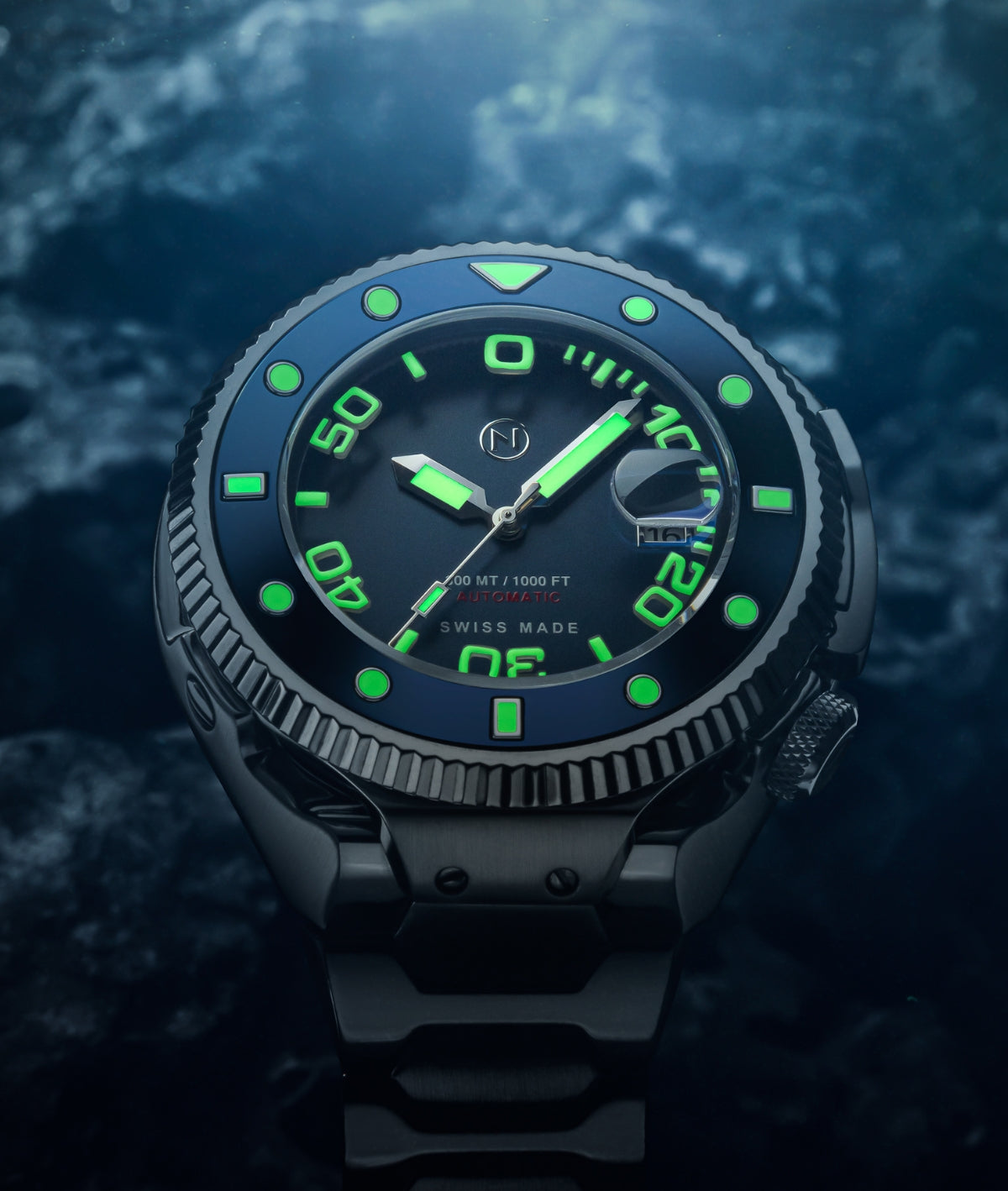
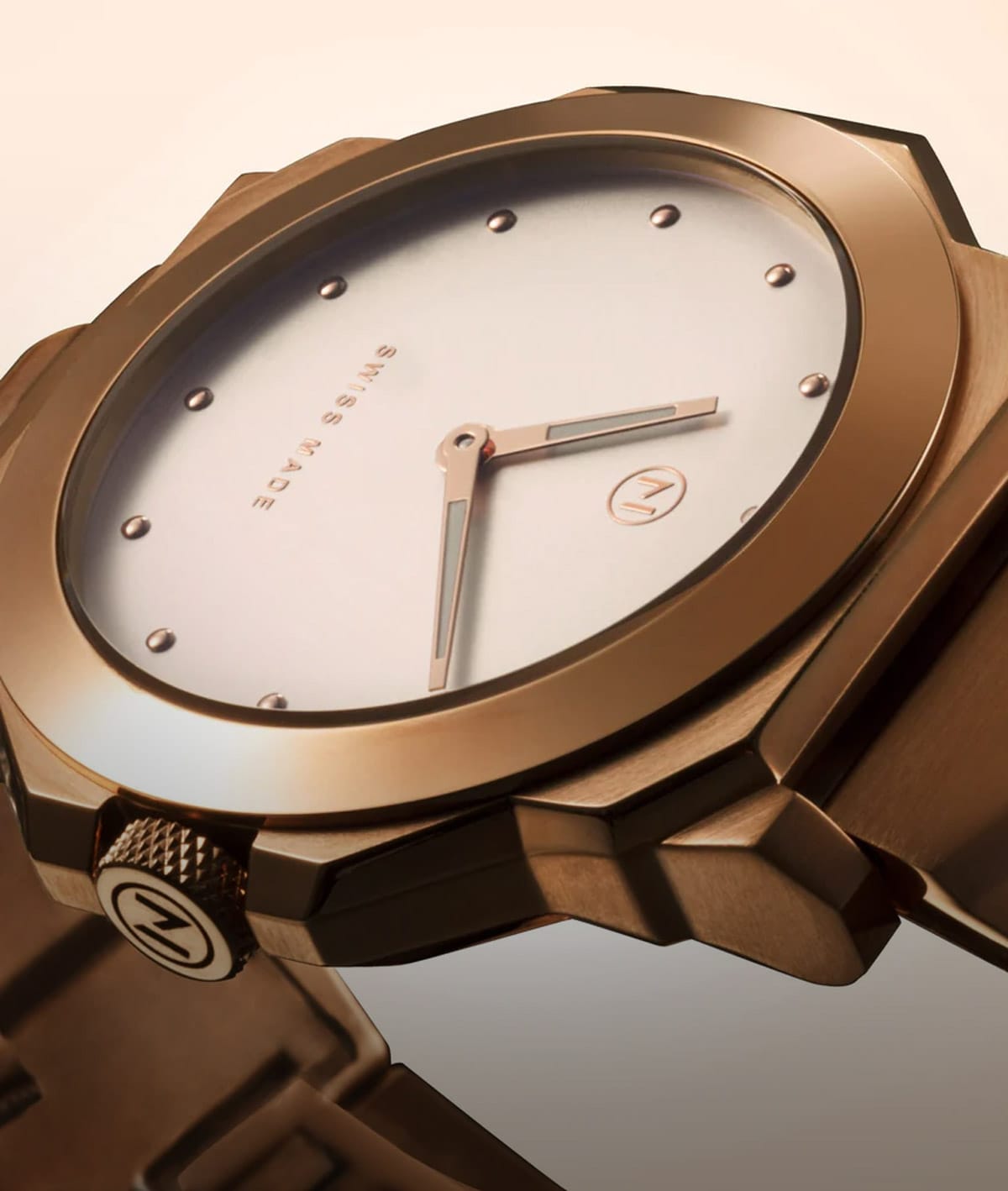
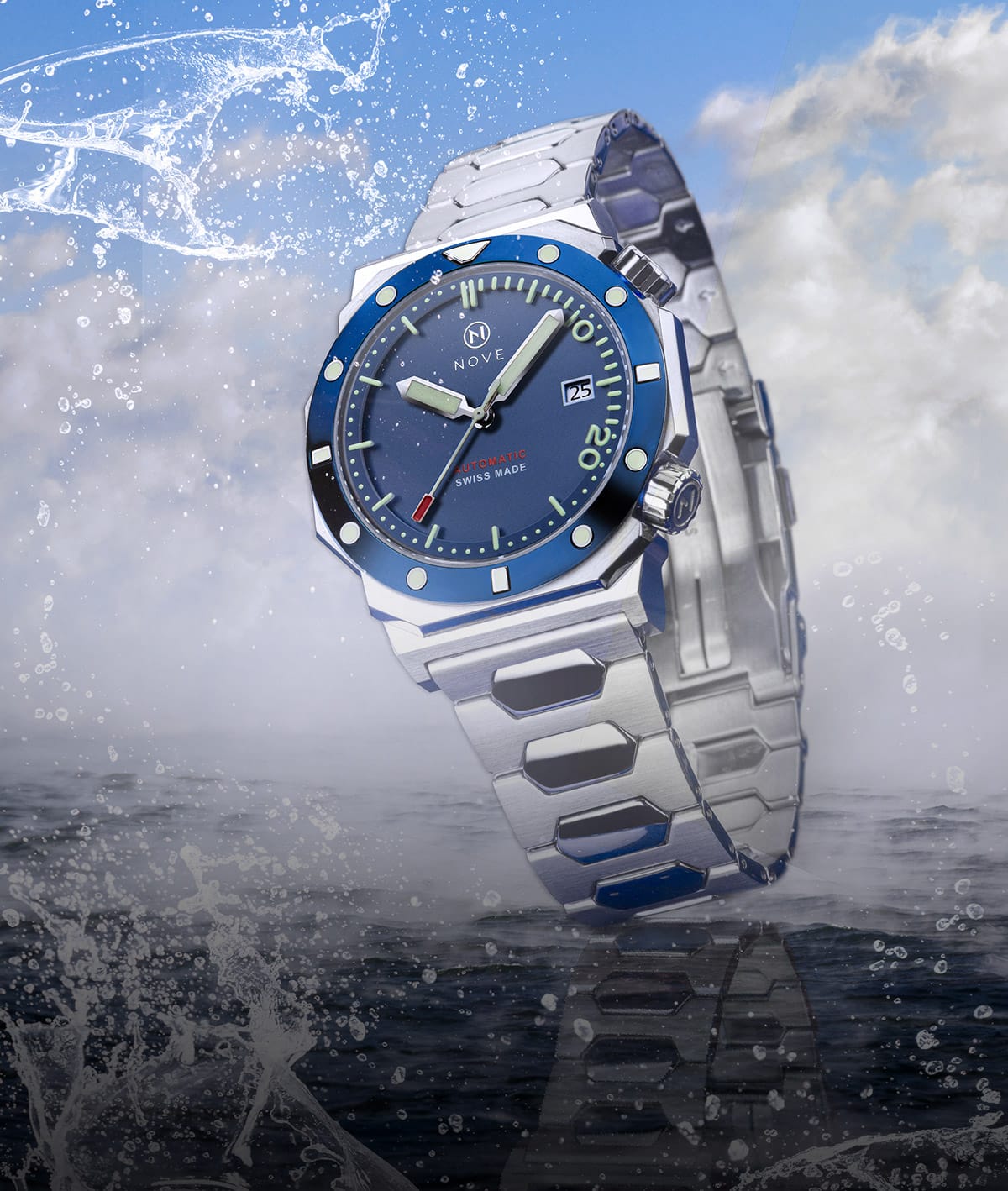
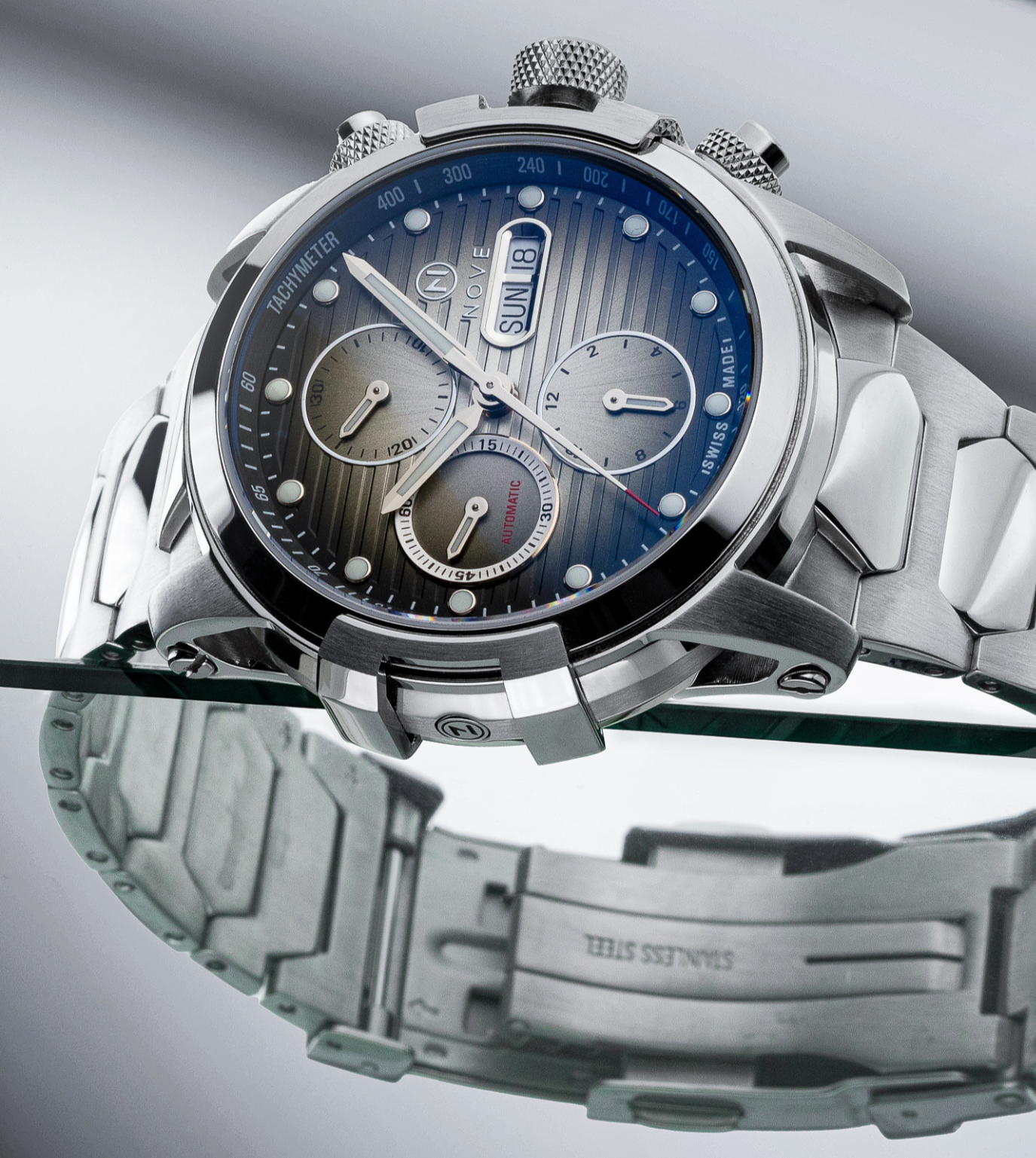
Finally, consider the design language. A watch is one of the few engineered objects you live with every day in full view. It should feel like an extension of your standards, not just a technical specification sheet. That is why contemporary collectors increasingly want both credible Swiss mechanics and bold visual character. Brands like NOVE have helped define that space by pairing Swiss-made substance with design that refuses to disappear into the background.
Common Misunderstandings About Swiss Automatic Movements
One common misconception is that automatic means the watch never needs winding. In reality, if you do not wear it for long enough, the power reserve will run out. Many automatic watches can also be wound manually through the crown, which is useful after a period of rest.
Another misconception is that Swiss automatic always means handmade from start to finish. Swiss watchmaking absolutely involves craftsmanship, but modern movement production also relies on advanced manufacturing, precision tools, and industrial consistency. The luxury comes from how these elements are integrated, finished, and controlled.
There is also a tendency to assume that all Swiss automatics perform the same. They do not. Accuracy, finishing, shock resistance, and longevity vary by caliber, brand standards, and price point. Swiss is a strong signal, but it is not the only one worth reading.
Is a Swiss Automatic Movement Worth It?
If you want the cheapest, simplest way to tell time, no. Your phone already solved that problem.
If you want a watch with presence, mechanical depth, and a stronger connection to traditional craftsmanship, then yes, a Swiss automatic movement is often worth the investment. It gives a watch substance beneath the surface. It transforms timekeeping into an experience of motion, engineering, and identity.
That is especially true when the movement is paired with distinctive design. The best modern Swiss automatics do not hide behind tradition alone. They respect heritage while embracing sharper aesthetics, stronger materials, and a more individual point of view.
A watch like that does more than keep pace with the day. It reflects taste, rewards attention, and stays compelling long after novelty wears off. When you understand what is a Swiss automatic movement, you start to see why so many collectors never really go back.