
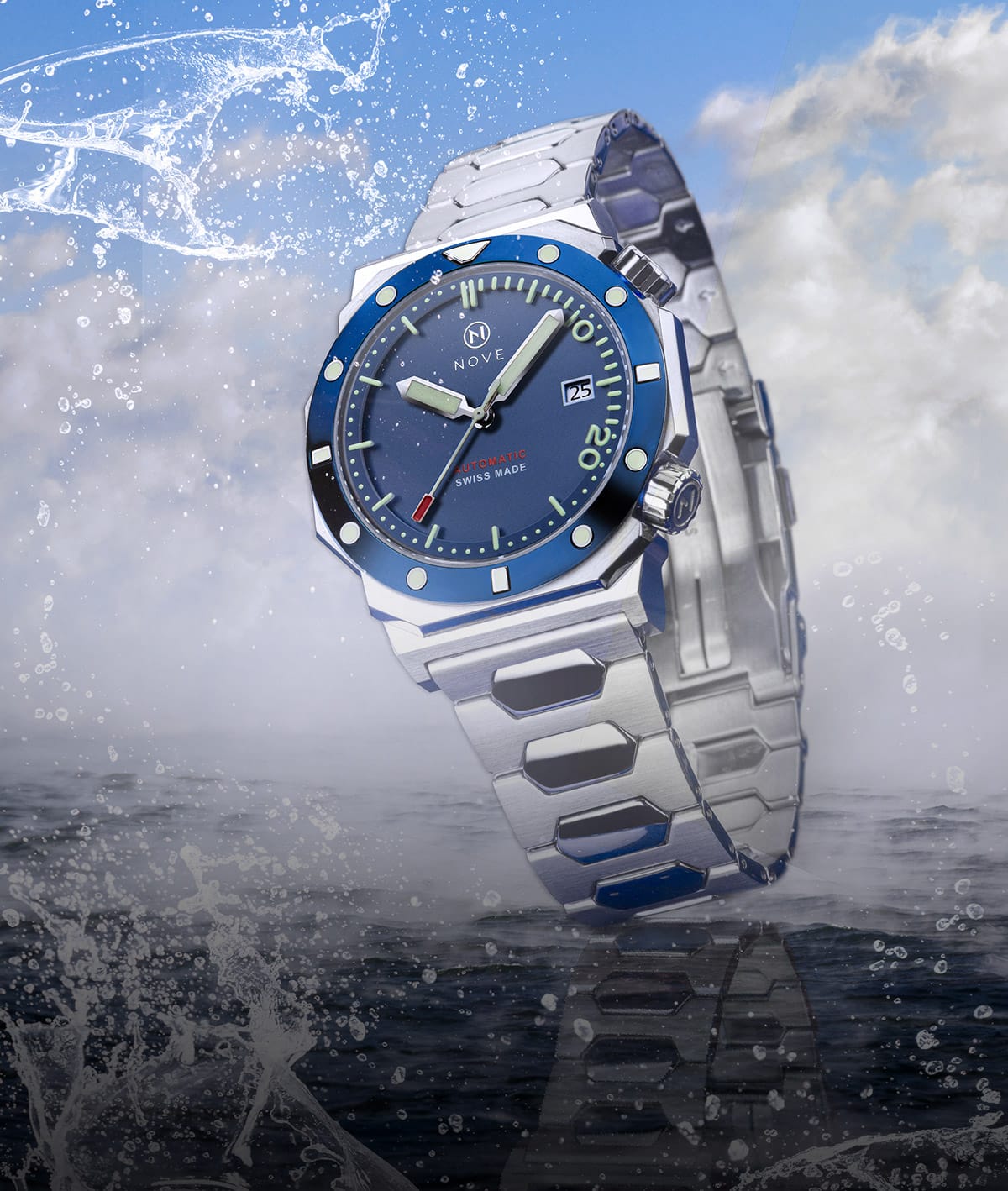
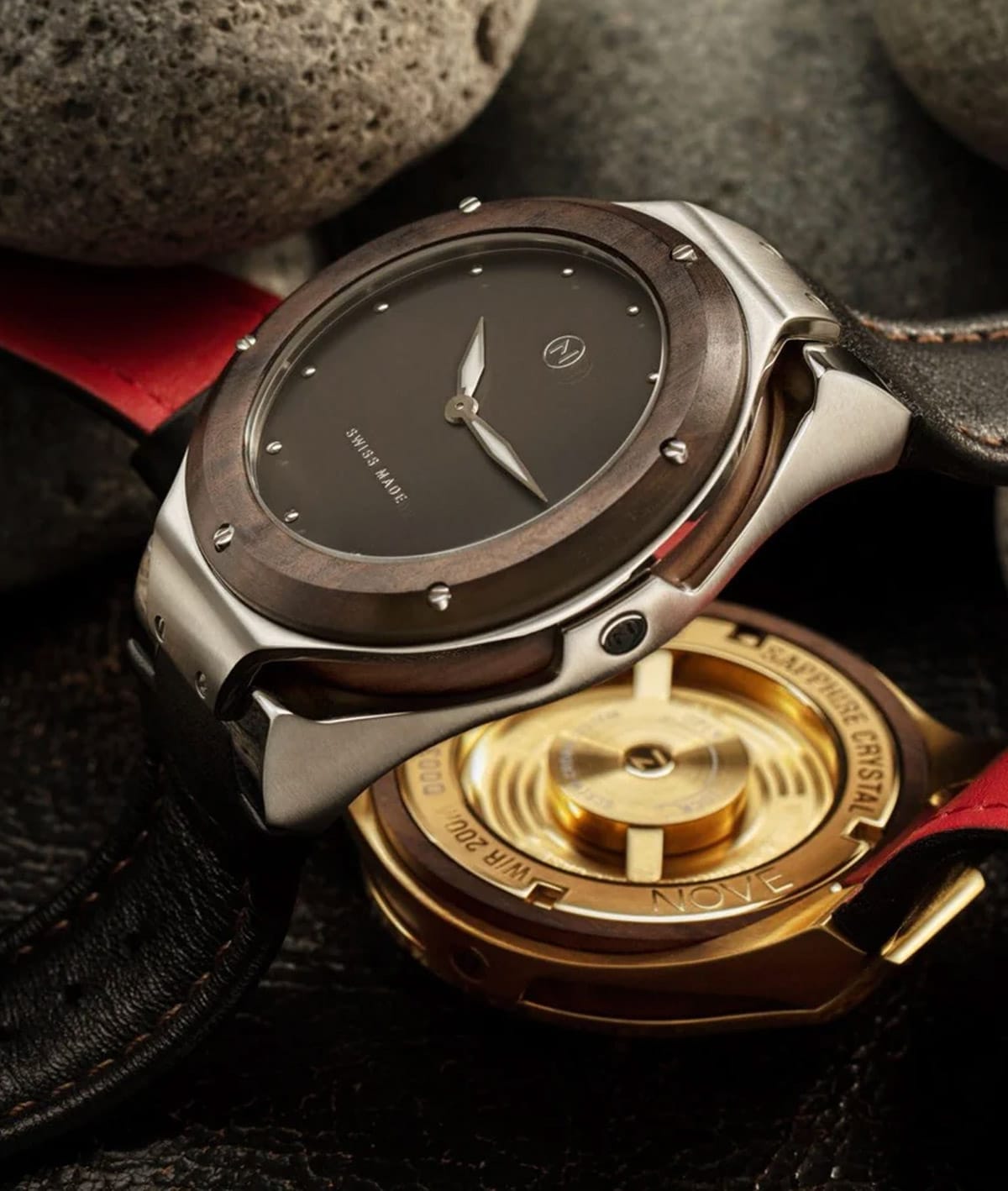
A watch can look ready for the ocean and still be the wrong choice for the water. The real distinction lies beneath the caseback: its construction, gaskets, crown system, and tested water-resistance rating. This dive watch water resistance guide separates the numbers on a dial from the performance they represent, so your next watch feels as confident underwater as it does across the table.
Water Resistance Is a Pressure Rating, Not a Promise of Depth
The first point surprises many buyers: a water-resistance rating is measured in pressure, not a guarantee that a watch can be worn at that exact depth in every situation. A marking of 100 meters or 10 ATM means the watch has been tested to withstand pressure equivalent to 100 meters under controlled conditions. It does not mean every 100-meter-rated watch is designed for repeated scuba use at that depth.
Movement through water adds force. A hard entry into a pool, a rapid arm stroke, or water pressure directed at the crown can create stresses that differ from a static laboratory test. Temperature shifts matter as well. A watch that moves from a hot deck into cold water experiences a change that can affect seals over time.
That does not make water-resistance ratings misleading. It means they need to be read with the precision expected of a fine instrument. The rating establishes a baseline. The case architecture, operating habits, and maintenance determine how reliably that baseline endures.
Dive Watch Water Resistance Guide to Common Ratings
30 meters or 3 ATM
A 30-meter rating is best treated as everyday splash protection. It can handle rain, handwashing, and incidental contact with water, but it is not a swimming rating. A watch with this designation may be elegant and capable for daily wear, yet it belongs far from the pool, shower, and shoreline.
50 meters or 5 ATM
At 50 meters, a watch is generally suitable for more substantial surface exposure, though it remains a cautious choice for water sports. Some owners wear 50-meter watches while swimming, but a design intended for regular aquatic use should offer a more generous margin of security. If water is part of your weekend routine, it is wise to choose upward rather than test the limit.
100 meters or 10 ATM
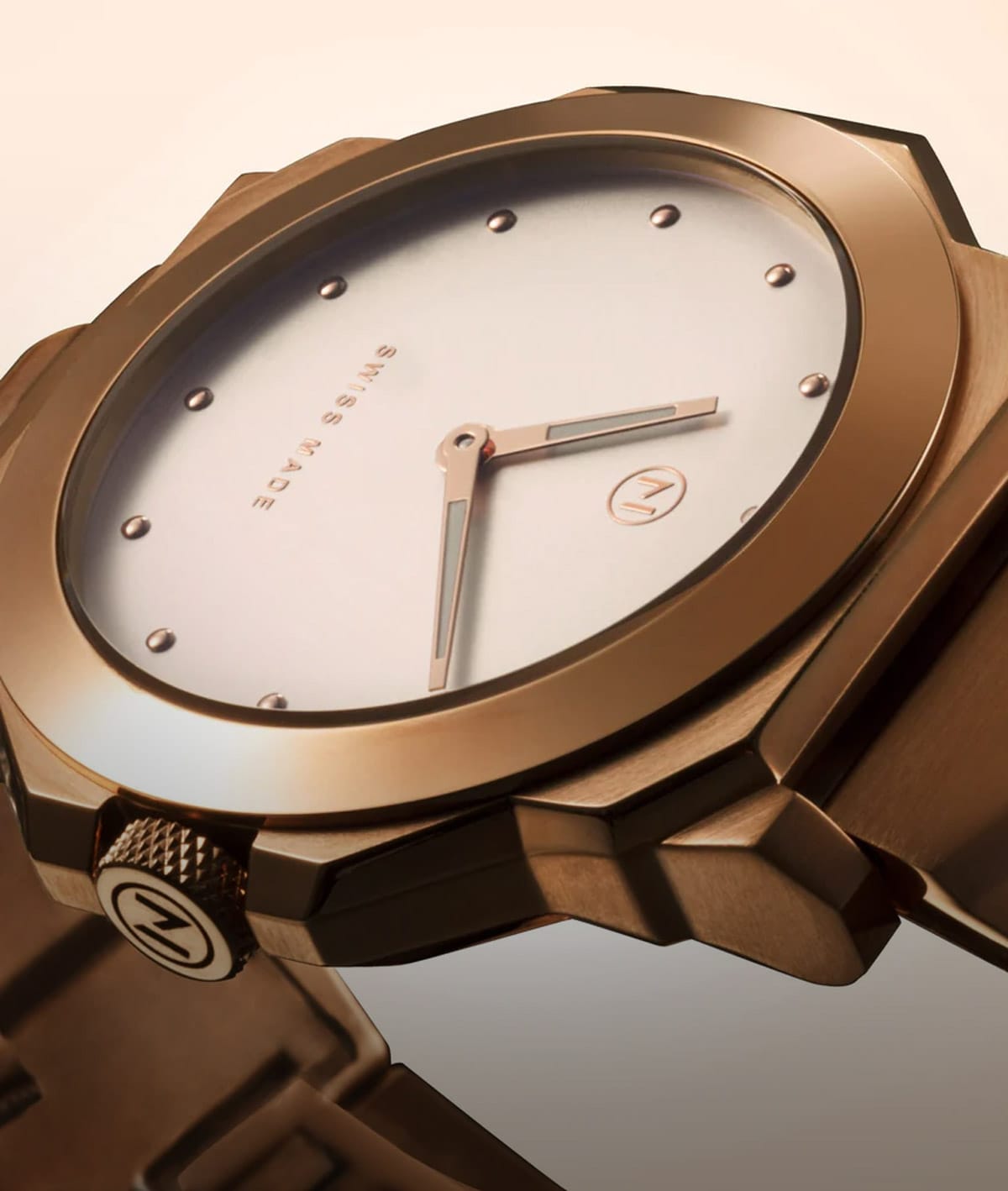
For most active lifestyles, 100 meters is the sweet spot. This rating is appropriate for swimming, snorkeling, and frequent time around the water, provided the crown is fully secured and the watch is maintained properly. It gives a refined everyday Swiss timepiece genuine versatility without requiring the heavier proportions of a professional dive instrument.
200 meters and beyond
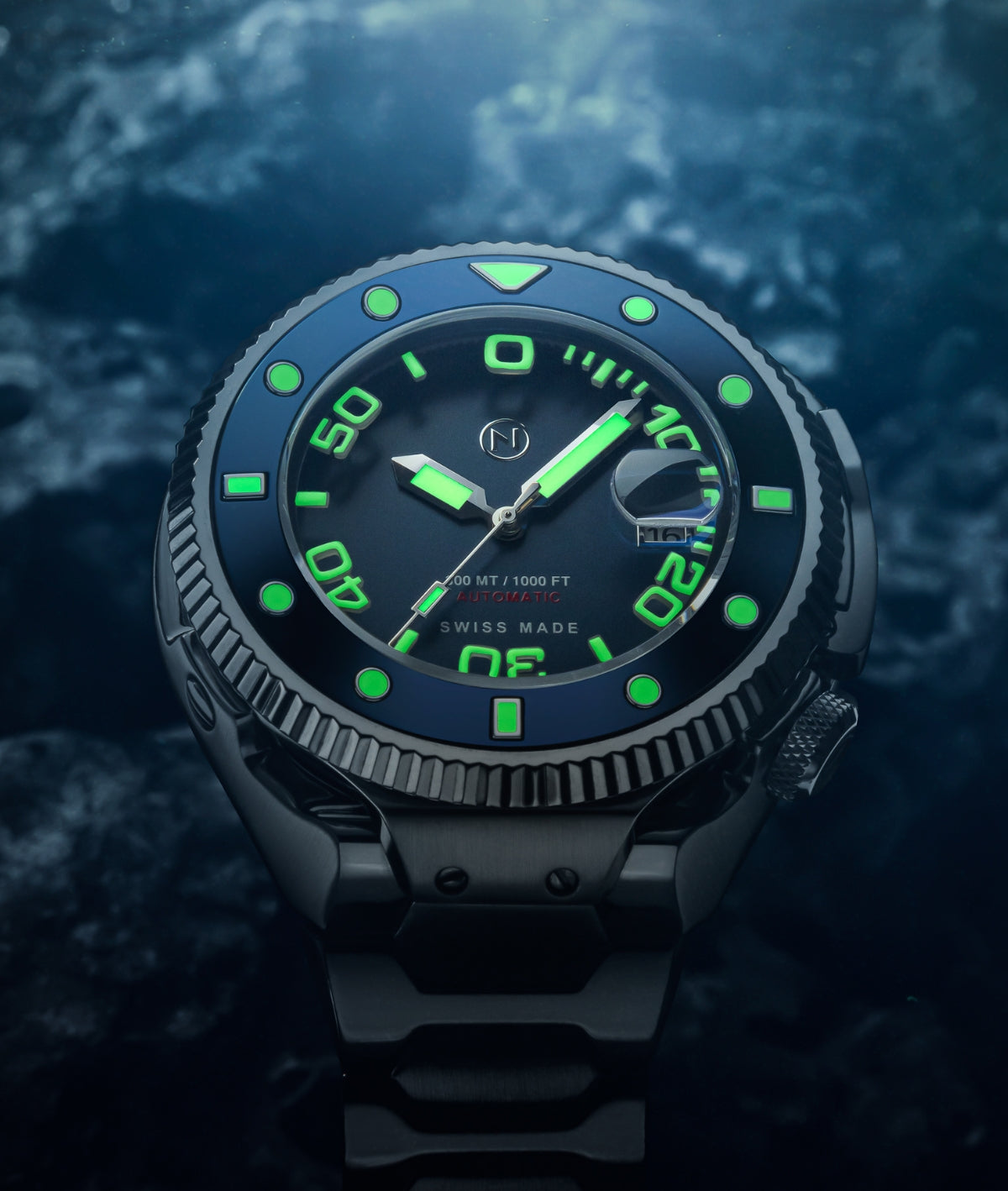
A 200-meter rating is where a watch begins to express serious dive-watch intent. It is a strong choice for recreational scuba diving, ocean travel, and anyone who wants a daily watch built with a more commanding reserve of capability. Ratings of 300 meters, 500 meters, or greater add further pressure tolerance, but higher is not automatically better for every wearer. It can mean a thicker case, a more pronounced crystal, or a different balance on the wrist.
The right rating is the one that suits the life you actually lead. A 100-meter watch may be perfect for resort swimming and sailing. A 200-meter model offers greater assurance for regular underwater adventure. The most compelling choice pairs technical purpose with a silhouette you want to wear every day.
What Makes a Dive Watch Water-Resistant
Water resistance is never the result of one feature alone. It is a system, and every part must perform its role.
The crystal forms the watch's clear protective shield. Sapphire crystal is especially valued for its exceptional scratch resistance, helping preserve clarity through saltwater days, travel, and daily wear. The case and caseback must fit with exacting precision, while gaskets create flexible barriers at the points where moisture could enter.
The crown deserves special attention because it is a moving component and a common point of vulnerability. Many serious dive watches use a screw-down crown. Rather than simply pressing into place, the crown threads into the case to compress its gasket and create a more secure seal. Before entering water, check that it is fully screwed down. Never operate a crown or chronograph pushers while the watch is submerged, even when the watch carries an impressive rating.
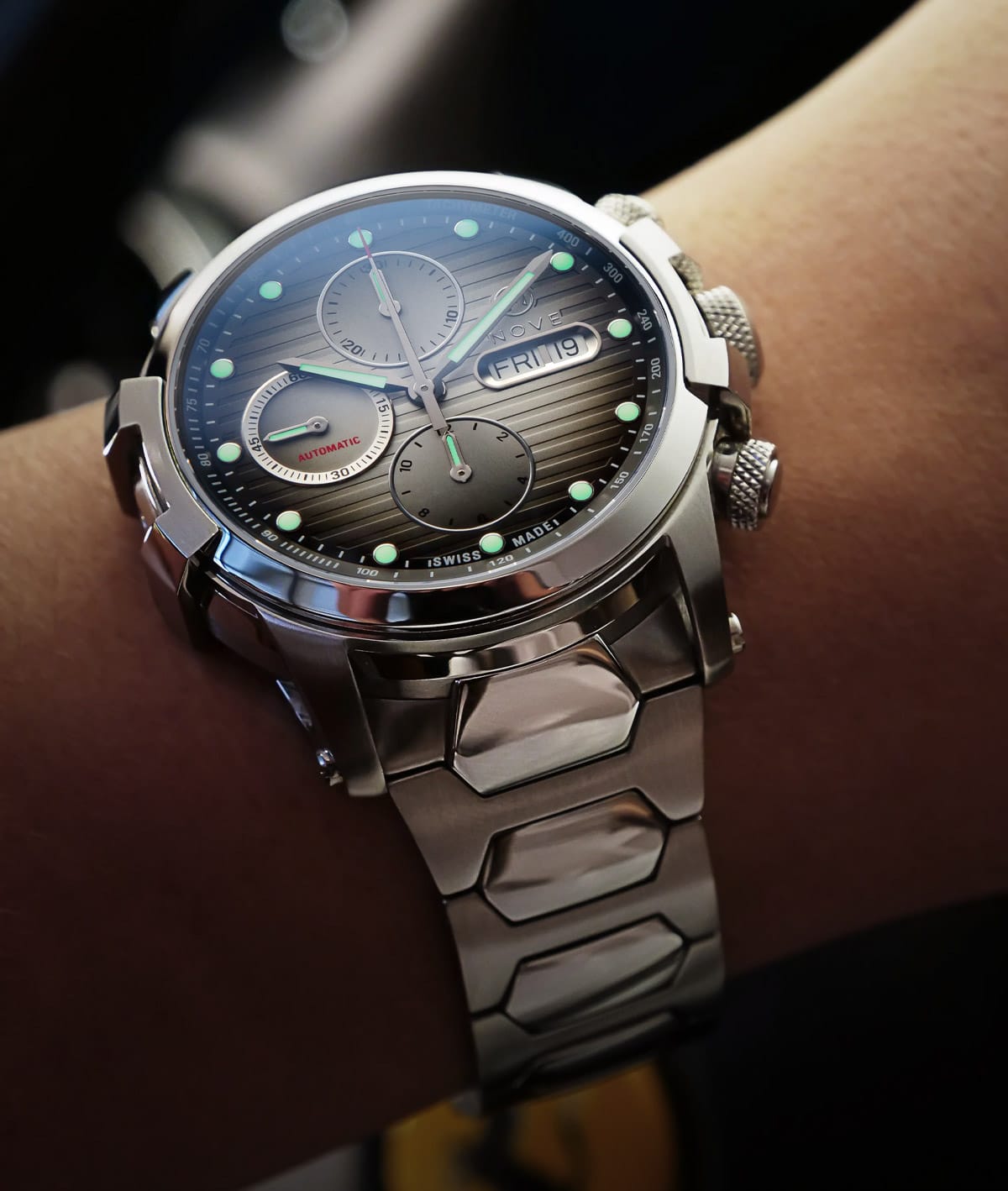
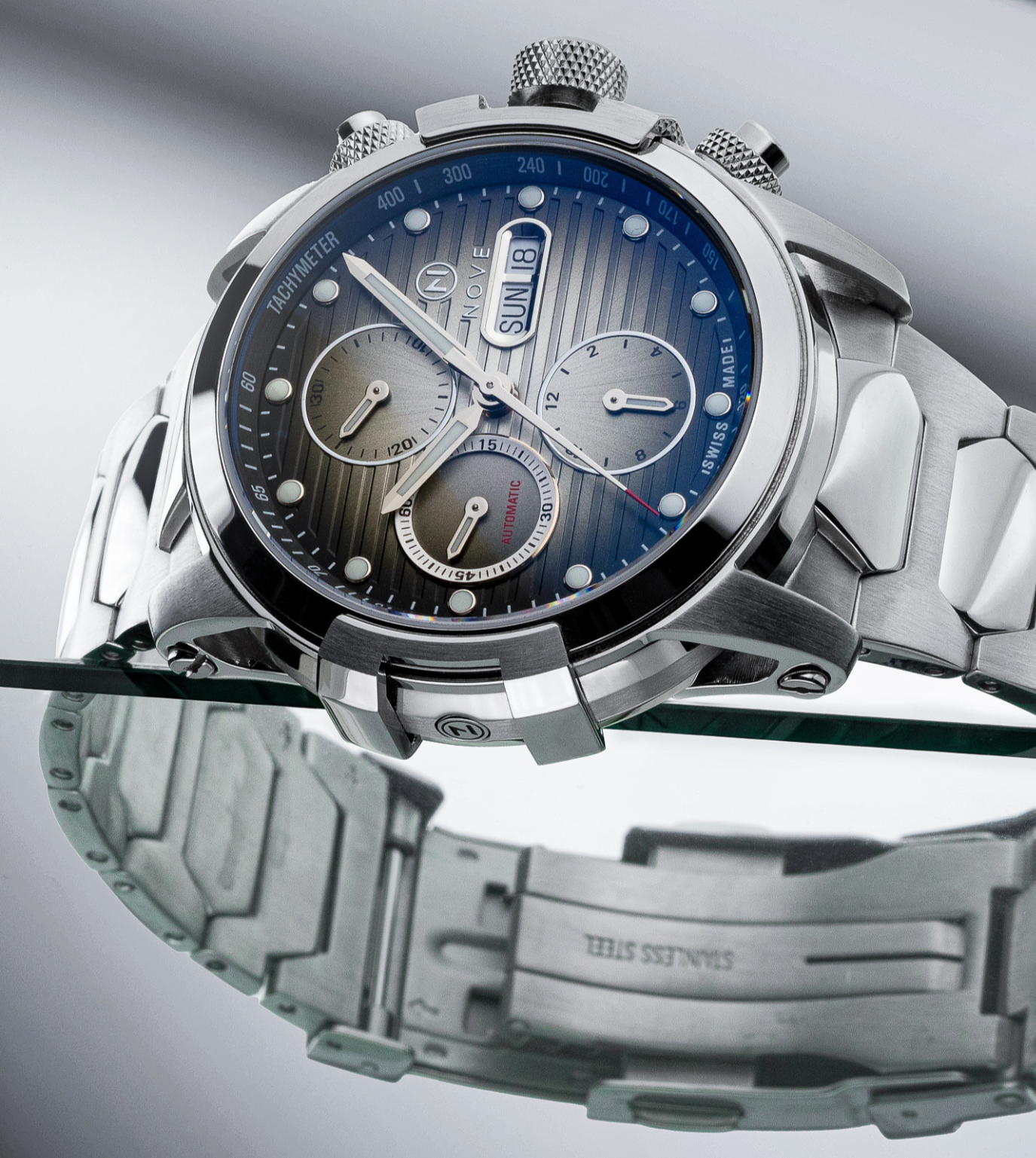
Pushers require their own consideration. A chronograph may be water-resistant, but its controls introduce additional openings in the case. Unless the watch is specifically engineered for underwater pusher operation, treat those controls as dry-land functions only.
A unidirectional rotating bezel is another classic dive-watch feature. It does not keep water out, but it does allow a diver to track elapsed time with a fail-safe design. If the bezel is moved accidentally, it can only shorten the indicated remaining time, never extend it. It is a small example of purposeful engineering made visible.
The ISO Standard and Why It Matters
Not every water-resistant watch is a dive watch. A watch designated as a true diver's watch under ISO 6425 meets a more demanding set of criteria than a standard water-resistance label alone. The standard includes requirements related to water resistance, condensation testing, thermal shock, resistance to saltwater, visibility in darkness, and a secure means of tracking dive time.
For a committed diver, ISO 6425 is a meaningful benchmark. It signals that the watch was designed and tested for the particular demands of underwater use. For a style-conscious traveler or swimmer, a well-built 100-meter or 200-meter watch can still be an exceptional companion, even if professional dive certification is not the reason for the purchase.
This is where design and purpose should meet honestly. A bold ocean-inspired watch may have the visual authority of a diver, but its published specifications should determine how you use it. Read the rating, understand the crown system, and choose with intention.
Water Can Enter Long Before You Notice
A watch rarely announces a compromised seal before damage has begun. Moisture can enter through an aged gasket, a crown left partially open, a crystal impacted against a hard surface, or a caseback disturbed during a battery replacement or service. Once inside, it can fog the crystal, corrode movement components, and affect the dial and hands.
Fogging beneath the crystal is a warning sign that calls for immediate professional attention. Do not place the watch in rice, on a radiator, or in direct sunlight. Those shortcuts do not address the source of the leak and may worsen damage. A trained watchmaker can open the case, dry the movement, inspect the seals, and pressure-test the watch after service.
Saltwater adds another layer of risk. Salt crystals can collect around the bezel, crown, and bracelet links. After ocean use, rinse the watch gently with fresh water only after confirming that the crown is fully secured. Then dry it with a soft cloth. This simple ritual protects both the engineering and the finish of the piece.
How to Preserve Water Resistance Over Time
Water resistance is not permanent. Gaskets are consumable components, and their condition can change with age, heat, chemicals, and use. A watch that passed a pressure test when new may need attention years later, particularly if it is regularly worn in water.
Have the water resistance tested annually if you swim or dive frequently. If the watch has taken a hard impact, had its battery changed, or been opened for any reason, request a pressure test before returning it to the water. For quartz watches, battery replacement is not merely a power-service appointment. It is also a moment to inspect and renew sealing components when needed.
Avoid hot tubs, saunas, and very hot showers while wearing a watch. Heat can accelerate gasket wear, while rapid changes in temperature challenge the seal system. Keep sunscreen, insect repellent, and harsh cleaning chemicals away from the straps and case openings when possible. These details may seem small, but enduring performance is built through disciplined care.
Choosing the Right Watch for Your Water Life
Choose a 100-meter watch if your idea of adventure includes swimming, snorkeling, boating, and spontaneous weekends by the water. Choose 200 meters or more if scuba diving is a regular pursuit or if you want the added confidence of a purpose-built underwater instrument.
Then consider the details that make the watch yours: legible luminous markers, a secure bracelet or water-ready strap, a crown that is easy to operate, and a case profile that carries its strength with refinement. A great dive watch is not simply a tool reserved for a wetsuit. It is a statement of engineering, taste, and readiness.
NOVE designs its ocean-inspired timepieces with that dual character in mind: bold enough to command attention, precise enough to earn trust when the horizon calls. Select the rating that matches your plans, care for the seals that protect its heart, and let your watch carry the evidence of a life well lived near the water.