
A watch can tell more than the time. It can reveal whether you value the quiet theater of mechanical engineering, the precision of a measured moment, or a design bold enough to hold its own in any room. Choosing an automatic or chronograph watch begins with one useful correction: these are not always opposing categories.
An automatic watch describes how a watch is powered. A chronograph describes what a watch can do. Some chronographs are automatic, while others use quartz movements. Once that distinction is clear, the decision becomes less about choosing a label and more about selecting the character, performance, and presence that belong on your wrist.
Automatic or Chronograph Watch: Know the Difference
An automatic watch is powered by motion. As you wear it, a weighted rotor moves with your wrist and winds the mainspring, storing energy that drives the hands. There is no battery to replace. Instead, there is a compact mechanical world beneath the dial: gears, springs, levers, and regulated motion working in concert.
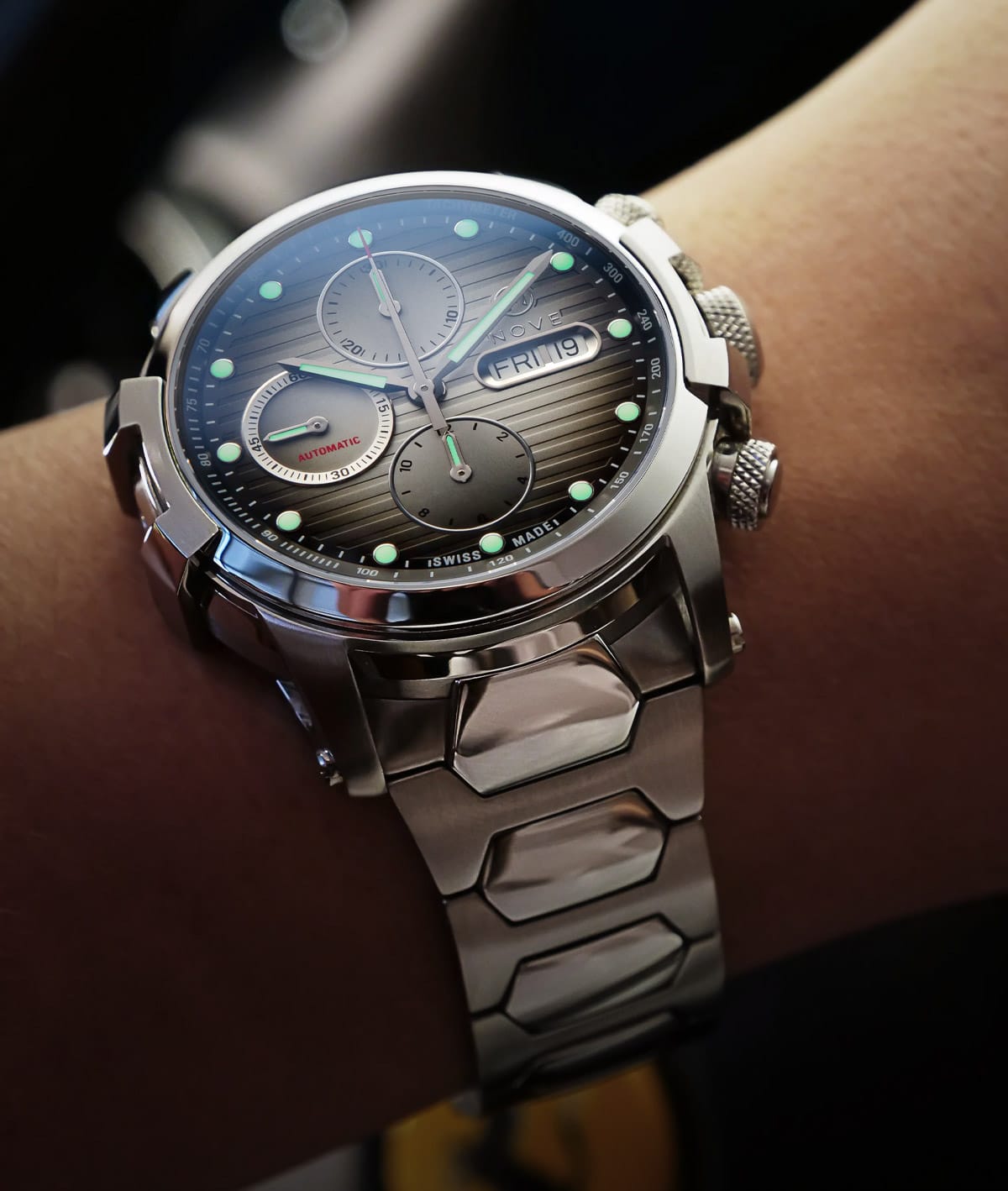
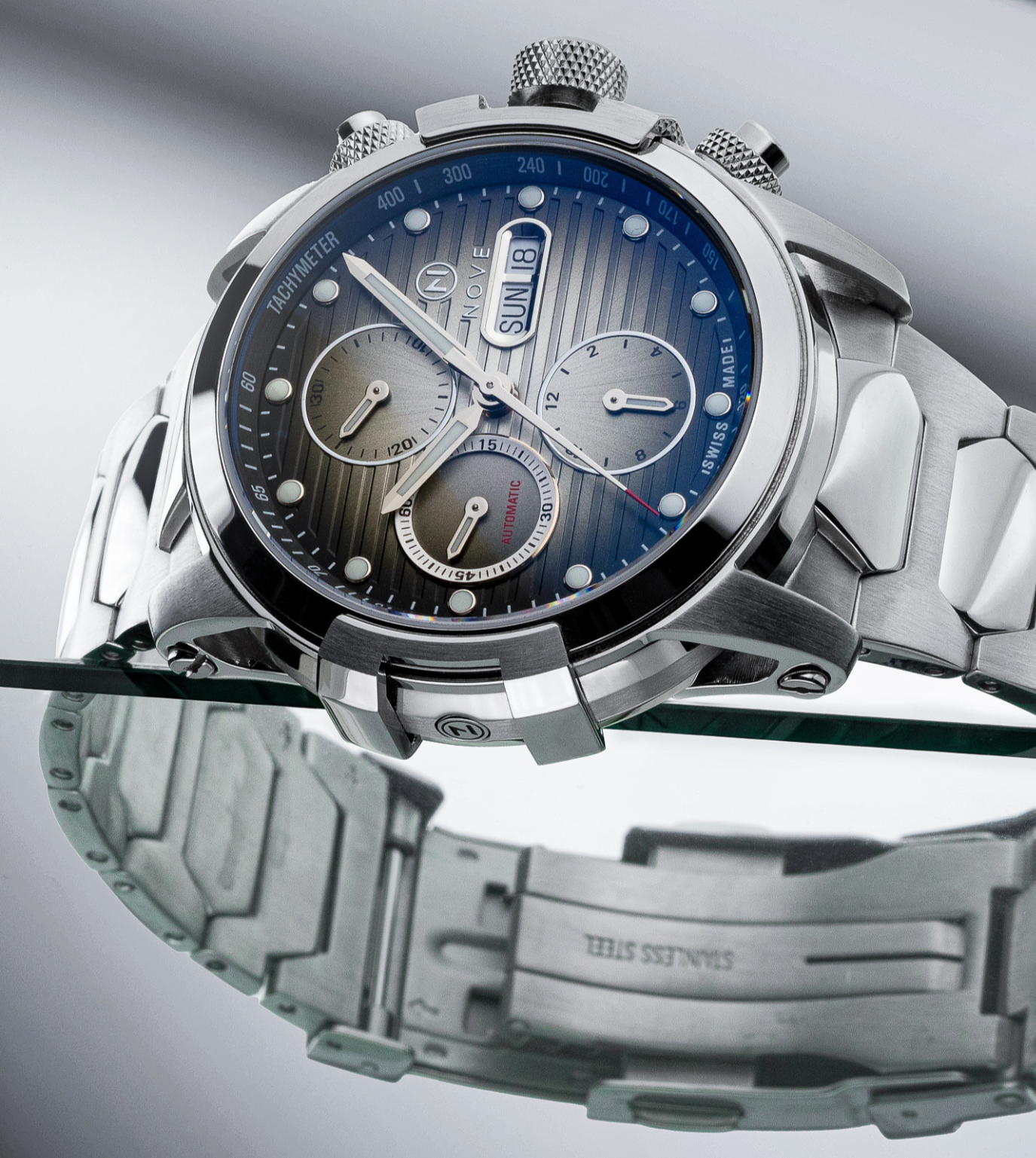
A chronograph is a stopwatch function built into a watch. Typically operated by pushers on the side of the case, it can start, stop, and reset elapsed time. Its dial often includes subdials that track running seconds, minutes, or hours. A chronograph may be powered by a battery-driven quartz movement, a manually wound mechanical movement, or an automatic mechanical movement.
That means the real choice may be between a three-hand automatic and a chronograph, or between a quartz chronograph and an automatic chronograph. The right answer depends on what you want to experience every time you fasten the clasp.
Choose an Automatic for Mechanical Character
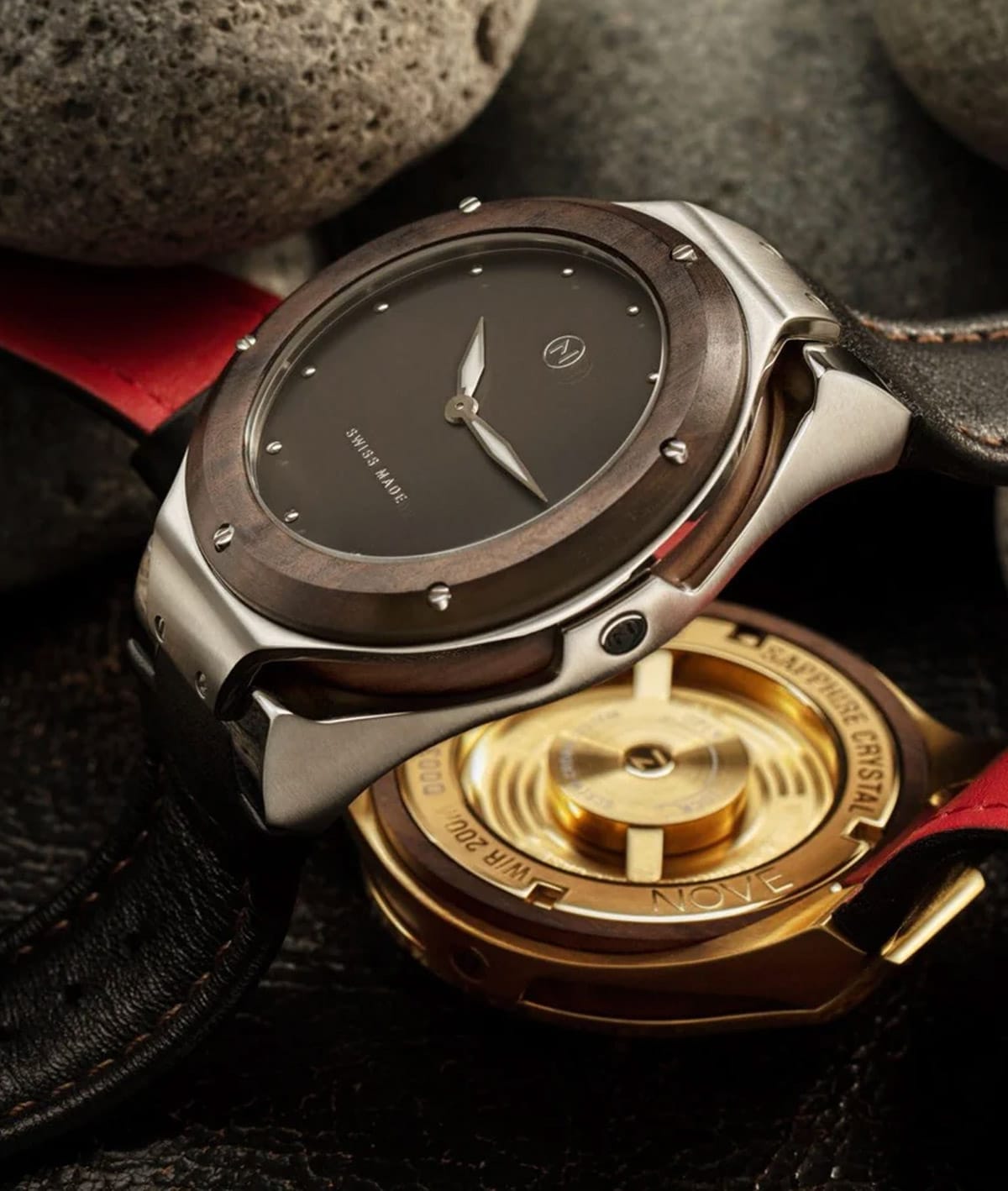
An automatic watch appeals to people who see timekeeping as craft, not just convenience. It is an object with a heartbeat. The seconds hand glides with a refined sweep, the rotor shifts softly as the watch moves, and a sapphire caseback can turn the movement into part of the visual experience.
For many collectors, that mechanical connection is the point. An automatic is not powered by an invisible battery. It is energized by the life of its wearer. That relationship gives even a clean, restrained three-hand watch a sense of ceremony.
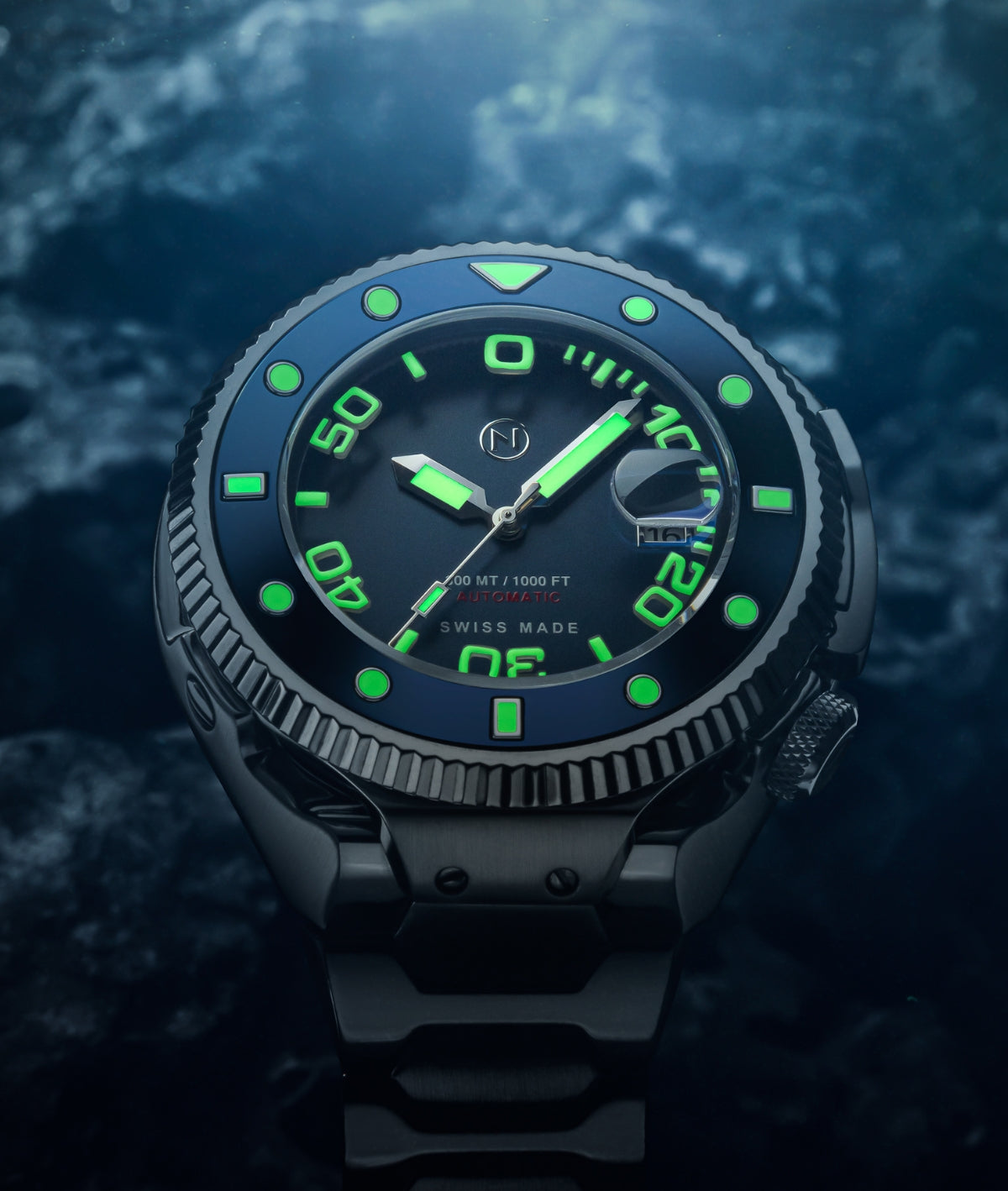
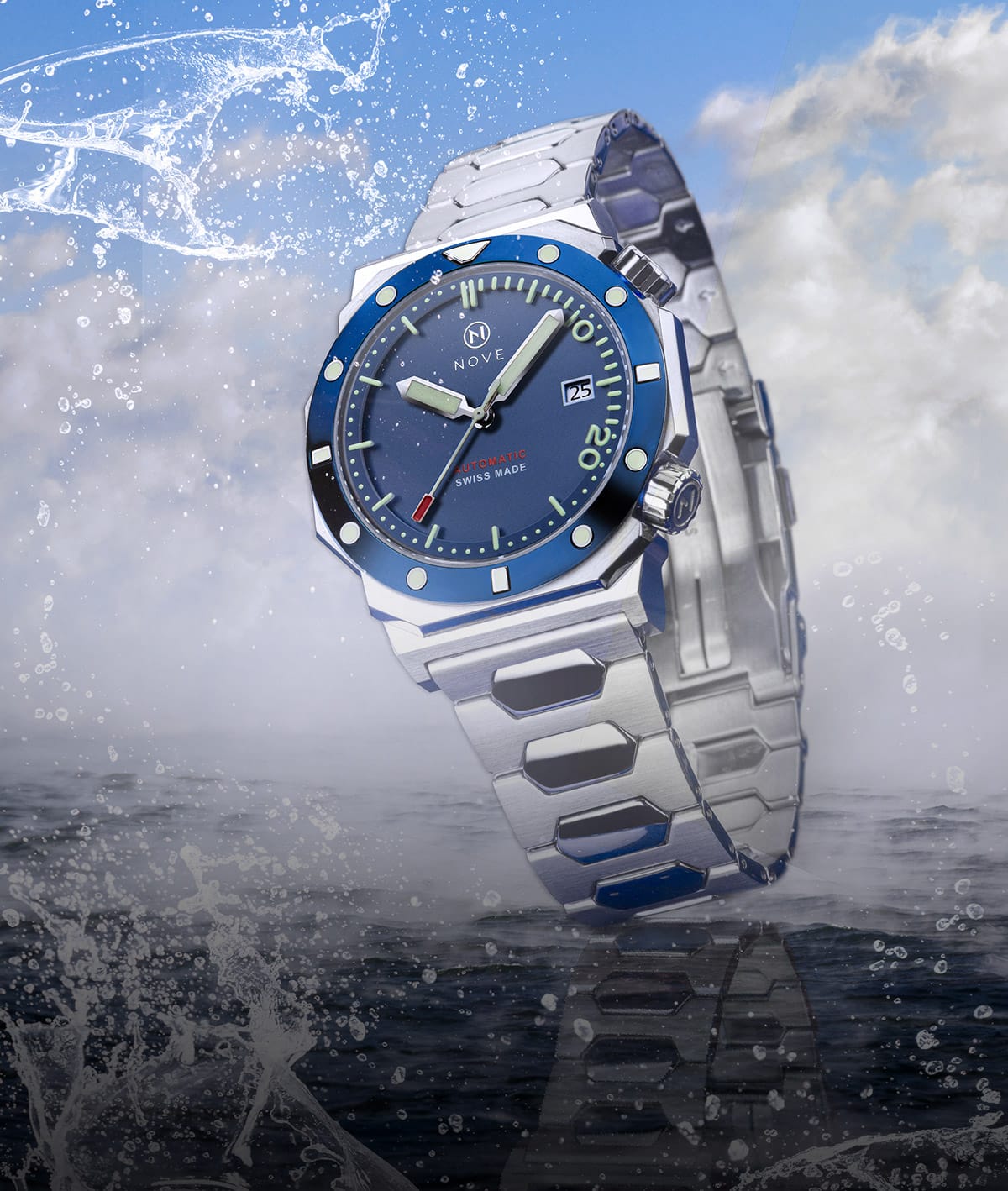
Automatic watches are especially compelling when you want a versatile piece with enduring presence. A strong dive watch with an automatic movement can move from ocean conditions to an evening reservation without losing its authority. A sculptural everyday automatic can bring depth and polish to a tailored jacket, a crisp shirt, or a simple black tee.
The trade-off is practical. Most automatic watches need regular wear to stay wound, though a watch winder can keep them running when they are off the wrist. They are also less precise than quartz watches over short periods. A quality mechanical watch may gain or lose a few seconds per day, which is normal for a movement made of physical components rather than electronic circuitry.
That imperfection is not a flaw for everyone. It is part of the appeal. An automatic watch rewards attention, invites admiration, and makes time feel tangible.
When an Automatic Makes the Most Sense
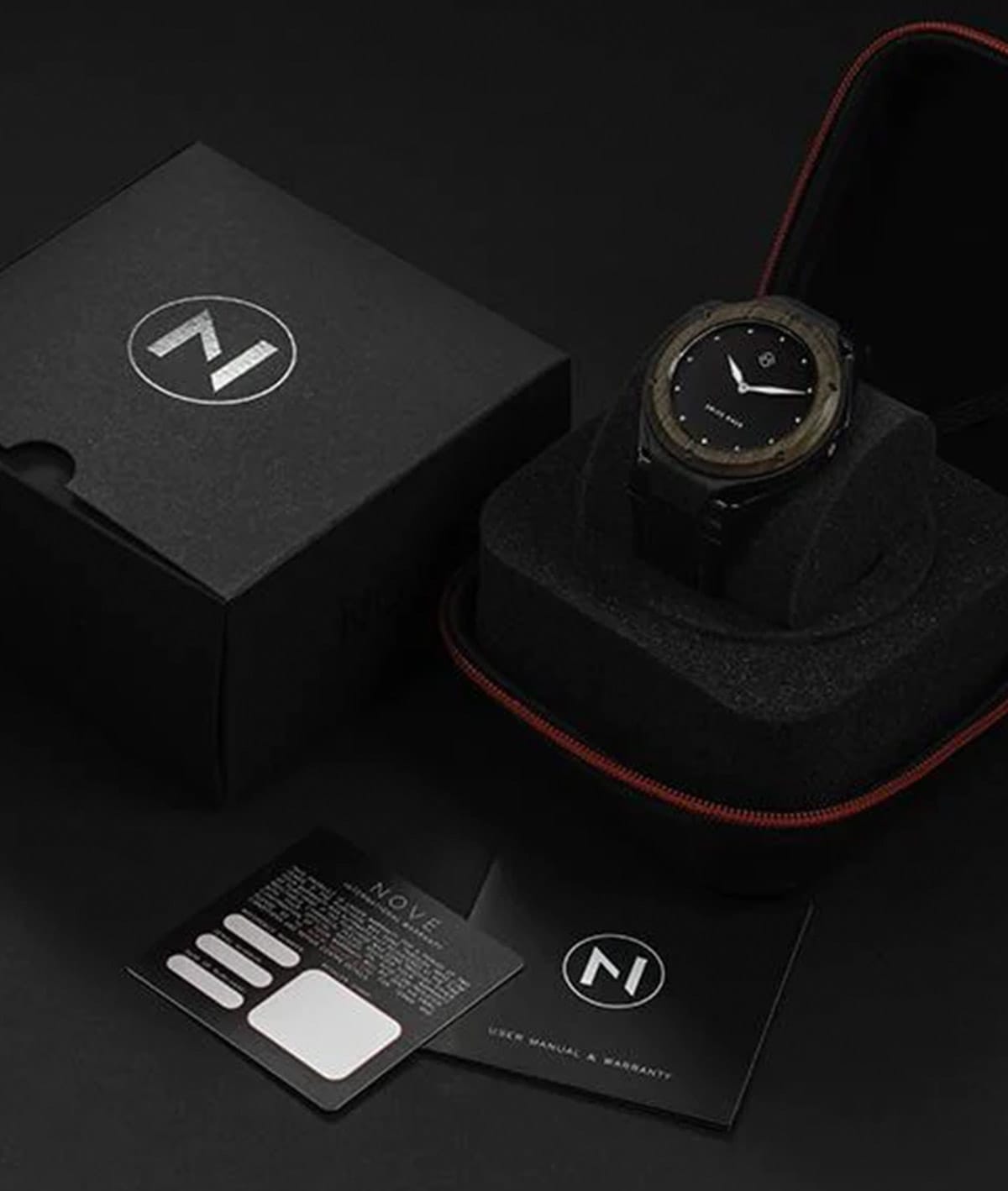
Choose an automatic when the movement itself matters to you, when you appreciate craftsmanship beyond the dial, and when you expect to wear the watch often enough to keep it active. It is a particularly fitting choice for a milestone gift, a first serious Swiss-made watch, or a signature piece intended to gain meaning over years of wear.
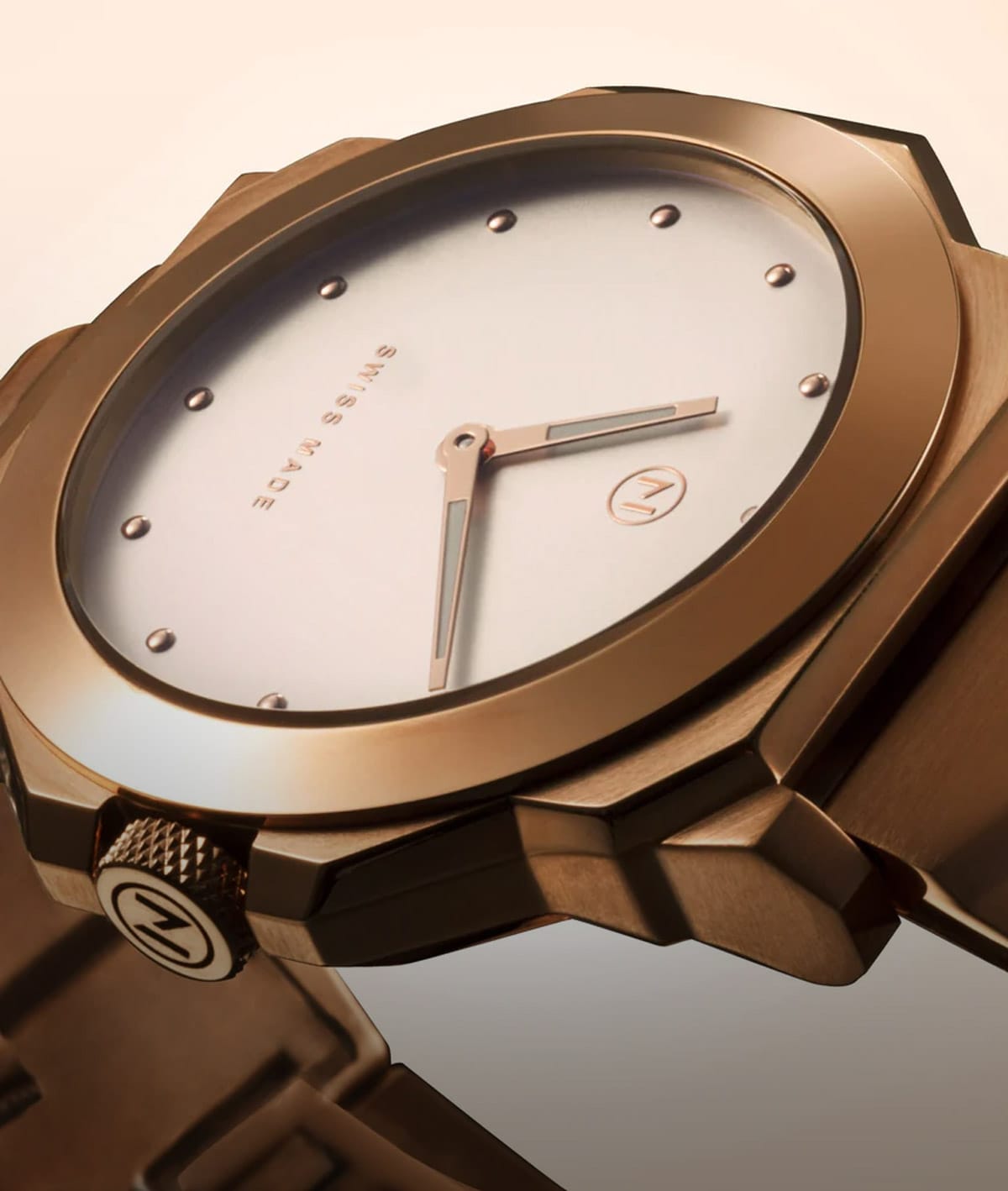
If your priority is a clean profile, a balanced dial, and a feeling of mechanical refinement, an automatic delivers a powerful kind of luxury: one that does not need to announce itself to be recognized.
Choose a Chronograph for Function and Presence
A chronograph brings energy to the wrist. Its pushers, subdials, scales, and timing hands create a more technical composition than a standard three-hand watch. Even before the stopwatch is used, a chronograph suggests motion, performance, and purpose.
The function is genuinely useful. You can time a drive, an interval set, a meeting, a parking meter, a steep ascent, or the rest between dives. In most modern lives, a phone can time these moments too. But pressing a chronograph pusher is a more immediate ritual. It keeps the action on the wrist, where the instrument belongs.
A chronograph also has a distinct visual advantage for those who prefer a bolder watch. The additional registers give the dial architectural depth. A tachymeter or minute scale can add sport-driven detail. On a confidently designed case, these elements create a statement that feels engineered rather than ornamental.
There are trade-offs here as well. Chronographs are usually thicker than comparable three-hand watches because their movements contain more components. The dial can also feel busier, especially on smaller wrists or for those who prefer minimal styling. A chronograph should be chosen because you enjoy its design language, not simply because more complications sound more impressive.
Quartz Chronograph or Automatic Chronograph?
A quartz chronograph is the practical performance choice. It is exceptionally accurate, generally requires less day-to-day attention, and is often slimmer and more accessible than a mechanical chronograph. Battery changes are part of ownership, but the movement will be ready whenever you reach for it.
An automatic chronograph is a more elevated proposition. It combines self-winding mechanical power with stopwatch capability, bringing considerable complexity into a compact case. The result is often thicker, more intricate, and more expensive, but it offers a rare blend of technical substance and visual drama.
For a daily watch that must be precise, low-maintenance, and ready for any schedule, a quartz chronograph is difficult to fault. For the wearer who wants to feel the engineering behind every pusher press, an automatic chronograph has unmistakable gravitas.
Let Your Lifestyle Set the Direction
The strongest watch choice starts with how you actually live. If you work in a polished professional setting and want one timepiece that can quietly carry you through most occasions, an automatic with a confident case and excellent finishing may be the better companion. It offers depth without demanding attention.
If your style leans athletic, expressive, or motorsport-inspired, a chronograph can match that energy. It gives a casual wardrobe more intention and makes a formal outfit feel less predictable. A well-designed chronograph is not merely functional equipment. It is a conversation between precision and personal style.
For water-focused adventures, do not assume that a chronograph automatically has the advantage. Water resistance, screw-down pushers, crown construction, and legibility matter far more than the presence of timing subdials. A purpose-built dive watch with a rotating bezel can be the clearer and more intuitive tool for measuring elapsed time underwater.
Size matters, too. Before settling on a chronograph, consider case diameter, thickness, lug-to-lug length, and bracelet or strap design. A larger, more complex watch can look commanding on one wrist and overwhelming on another. The best fit is not dictated by a spec sheet alone. It is the one that feels proportionate, balanced, and natural when you move.
The Details That Outlast the Movement Debate
Movement type is only one part of a watch’s value. Case material, crystal, dial execution, bracelet quality, lume, water resistance, and finishing will shape ownership just as much. A watch with a Swiss automatic movement deserves a case and bracelet that feel equally considered. A chronograph with compelling subdials still needs strong legibility and pushers that operate with confidence.
Consider the visual identity you want to build. A black dial may deliver stealth and versatility. A blue dial can carry an oceanic, adventurous edge. A sculptural bezel, unusual case geometry, or limited-edition colorway can turn a watch from an accessory into a recognizable personal signature.
This is where modern Swiss watchmaking becomes especially exciting. NOVE approaches these decisions with an appetite for extraordinary design, pairing technical credibility with silhouettes that refuse to blend into the background. Whether the movement is automatic, quartz, or chronograph-driven, the goal should be the same: a timepiece that feels distinctly yours.
Make the Choice You Will Want to Wear
Choose an automatic if you want to enjoy the romance of mechanical motion and the refinement of a watch that comes alive with you. Choose a chronograph if timing capability, sport-inspired detail, and a more assertive dial speak to your style. Choose an automatic chronograph if you want both, and are willing to embrace the added size, complexity, and investment.
The most satisfying watch is not the one with the longest list of features. It is the one you reach for before a flight, a meeting, a weekend on the water, or an evening worth remembering - because it feels like a natural extension of your standards.