
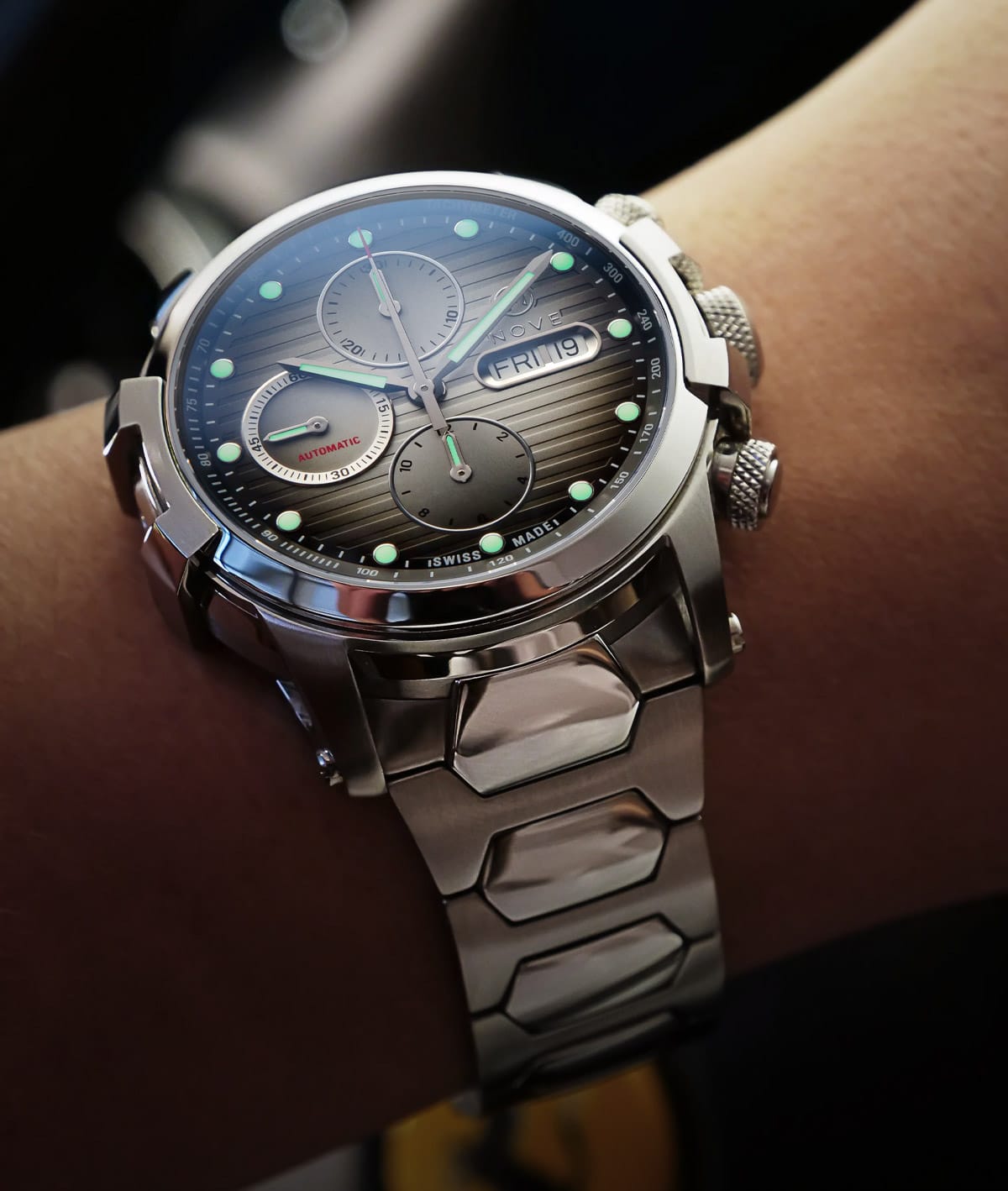
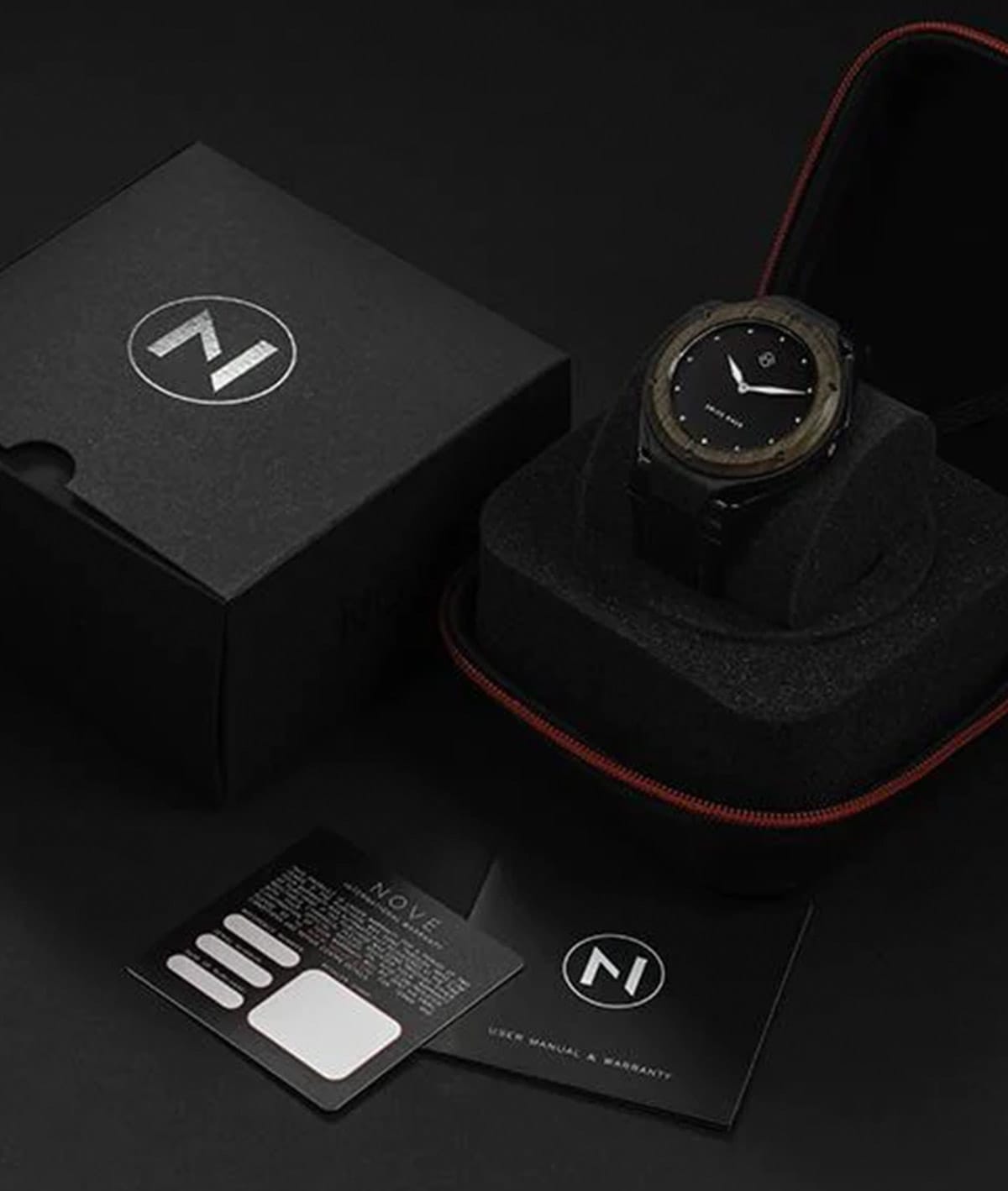
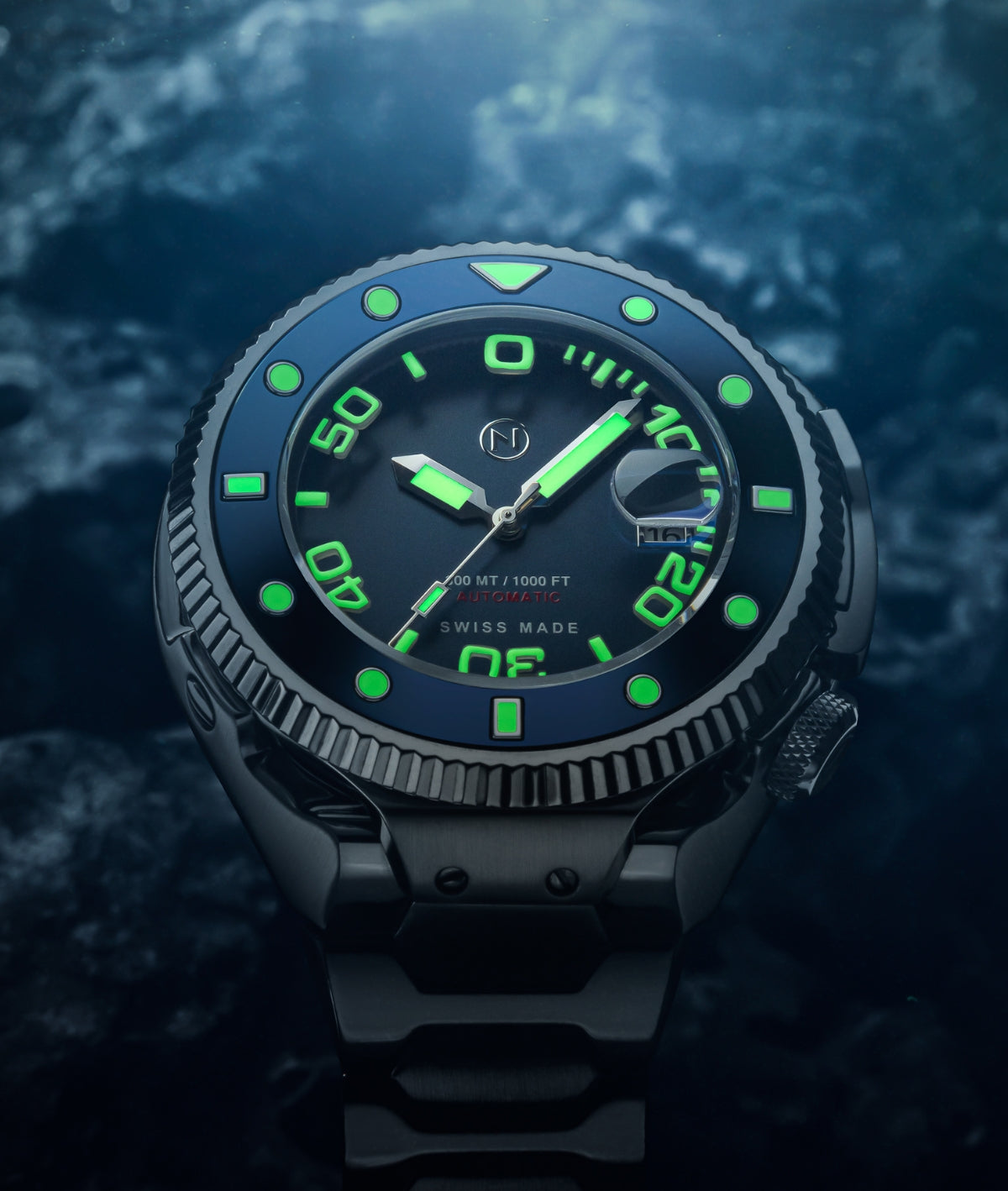
A fine Swiss watch is built to travel with you - from a boardroom morning to open water, from a milestone gift to the ordinary moments that become part of your story. That is why watch warranties matter. They are not simply a card in the box or a line item at checkout. They are a manufacturer's statement of confidence in the movement, materials, and workmanship behind the timepiece.
Yet a warranty is not a promise that every mark, malfunction, or mishap will be repaired at no cost. Knowing the difference lets you choose with greater confidence, protect your investment with intention, and avoid the disappointment of assumptions later.
What Watch Warranties Are Designed to Do
A manufacturer warranty generally covers defects in materials or workmanship that arise during a defined coverage period. In plain terms, it is there for a watch that fails because something in its construction, assembly, or original component was not performing as it should.
For a mechanical watch, that might involve a movement issue affecting timekeeping or the winding system. For a quartz model, it may involve a fault in the electronic movement. Depending on the brand and the warranty terms, coverage can also extend to defects involving hands, dial fittings, crown operation, or other functional components.
The key word is defect. A warranty addresses a problem inherent in the watch, not the accumulated evidence of a life well lived. A scratch on a polished case, a cracked crystal after a drop, or moisture intrusion caused by an improperly secured crown are usually matters of accidental damage or care, rather than workmanship.
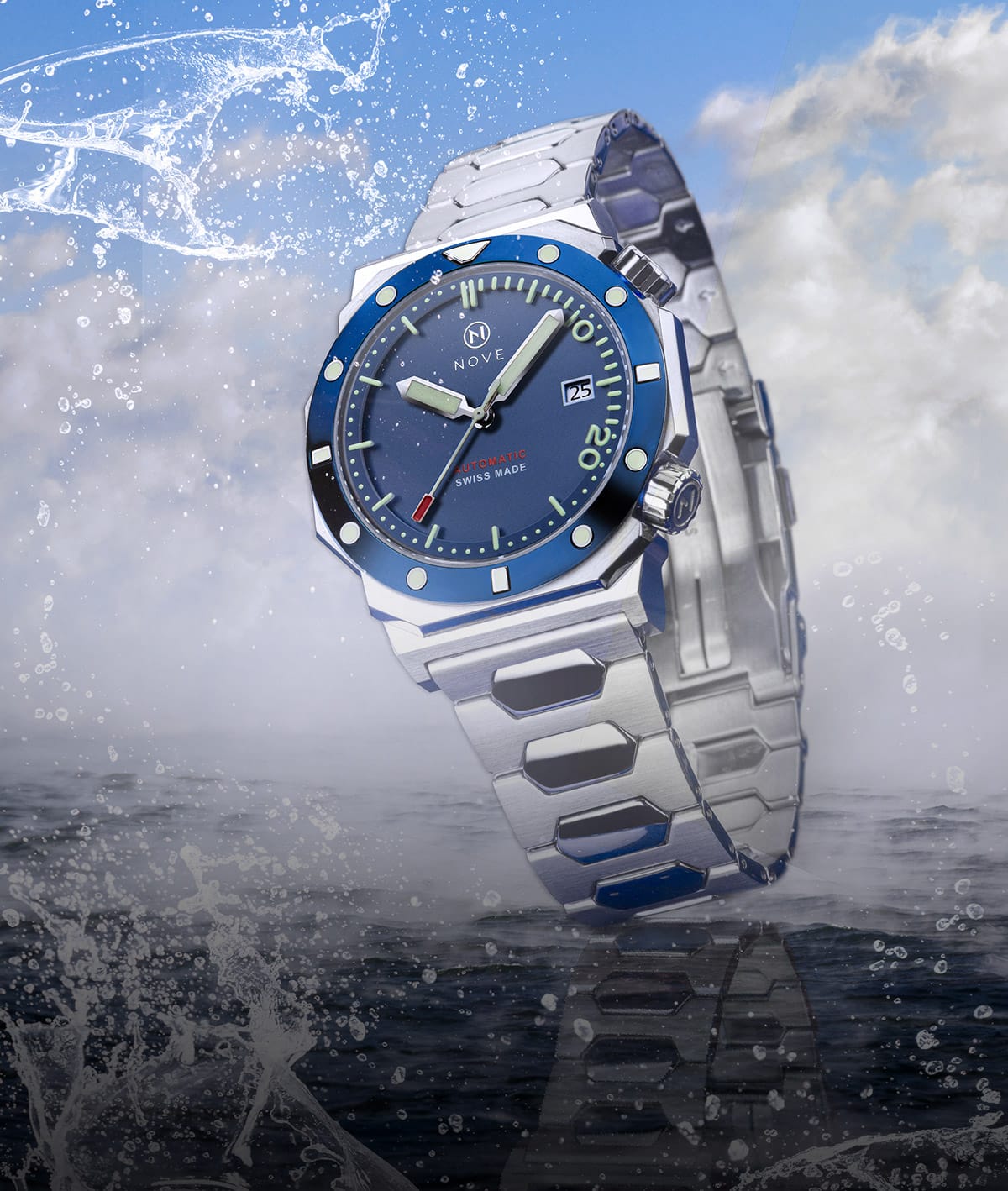
This distinction is not designed to make ownership complicated. It reflects the reality that a precision instrument can be made for demanding conditions without being invulnerable. A dive-inspired timepiece may be engineered with formidable water resistance, for example, but that protection depends on intact seals, correct crown use, and proper maintenance over time.
Warranty, Insurance, and Service Are Not the Same
These terms are often grouped together, but they solve different problems. A warranty is the maker standing behind a manufacturing standard. Insurance is protection against unexpected loss, theft, or accidental damage, subject to the policy you choose. Routine service is preventive care that preserves performance as lubricants age, seals wear, and components experience use.
A warranty may cover a faulty movement component. It is unlikely to cover a watch lost on vacation, damaged in a fall, or altered by an unauthorized repair. Insurance may help with some of those events, while a scheduled service appointment helps reduce the chance that ordinary wear becomes a larger mechanical issue.
Think of the three as distinct layers of ownership. The warranty protects the integrity of the original build. Insurance protects against the unpredictable. Service protects the long-term rhythm of the watch itself.
The Exclusions That Deserve Your Attention
The strongest warranty is one you understand before you need it. Terms vary by manufacturer, so the written policy that accompanies a specific watch always takes priority. Still, several exclusions are common across fine watchmaking.
Cosmetic wear is usually excluded. Even the most resilient steel, titanium, ceramic, or coated finish can show signs of contact over time. Small scratches, scuffs, bracelet stretch, fading caused by unusual exposure, and wear to straps are typically considered the natural result of use.
Batteries are also frequently treated separately. A quartz battery is a consumable component, not proof that the movement has failed. Similarly, straps and bracelets may have different coverage than the watch head because they encounter friction, sweat, water, and daily contact in ways a sealed movement does not.
Water damage requires particularly careful reading. A water-resistance rating reflects laboratory-tested performance under specific conditions. It does not automatically mean a watch can be worn for every water activity at every point in its life. Leaving a crown unscrewed, operating pushers underwater when they are not designed for it, or exposing an aging seal system to pressure can compromise protection.
Damage caused by unauthorized work is another frequent exclusion. Independent repair can be the right choice in some situations, especially for vintage pieces or specialized restoration. But when a watch remains under its original warranty, a non-authorized intervention can make it difficult to determine whether a later problem came from the original build or the repair itself. For a modern Swiss-made timepiece, use the brand's recommended service path while coverage is active.
How to Read Watch Warranties Before You Buy
Start with duration, but do not stop there. A longer warranty can be reassuring, though its value depends on what is covered, how a claim is handled, and whether the company has a clear service process. A shorter, clearly written warranty from a watchmaker with responsive support may be more meaningful than a broad-sounding promise full of vague limitations.
Next, look for the definition of covered defects. Does the policy state that it covers defects in materials and workmanship? Does it identify the movement or specify exceptions for consumables and exterior components? Clear language is a sign that the brand respects the buyer's need for certainty.
Then consider the practical route to service. Find out what documentation is required, whether the warranty card or proof of purchase must be retained, and whether the warranty is valid only through authorized retailers or direct channels. For online buyers, these details matter. Save your order confirmation, register the watch if asked, and keep all paperwork in a secure place.
It also helps to understand geographic coverage. A global customer should know whether warranty service can be arranged across borders, where a watch may need to be sent, and whether shipping, customs, or local handling costs apply. The answer depends on the policy and the country, so this is worth confirming before an international purchase.
Finally, separate a warranty from marketing language. Phrases such as premium materials, sapphire crystal, Swiss movement, or professional water resistance speak to the watch's construction and intended performance. They do not, by themselves, define the terms of repair coverage. Both matter, but they answer different questions.
Care That Protects More Than Coverage
The most effective way to preserve a watch is not to wait for a warranty issue. It is to treat the timepiece with the same consideration that went into making it.
If your watch has a screw-down crown, make sure it is fully secured before entering the water. After saltwater exposure, rinse the exterior with fresh water if the watch is rated for that use, then dry it with a soft cloth. Avoid exposing a watch to extreme temperature shifts, which can put added stress on gaskets and affect condensation resistance.
For automatic watches, regular wear keeps the movement active, but it does not eliminate the need for eventual professional inspection. For quartz watches, replace depleted batteries promptly. A spent battery left inside too long can leak and create damage that is far more serious than a simple battery change.
Store your watch away from strong magnets, excessive humidity, and loose objects that can scratch the case or crystal. If you rotate several watches, a soft-lined watch box or individual pouch is a small investment in preserving their finish. Leather straps deserve special attention: repeated saturation, heat, and perspiration can shorten their life even when the watch head itself is engineered for adventure.
When a Warranty Claim May Be the Right Move
A warranty claim is appropriate when a functional problem appears under normal use and there has been no obvious accident, alteration, or misuse. Examples may include a watch stopping despite proper winding or a fresh battery, a crown that does not operate correctly, unusual condensation under the crystal, or timekeeping that falls well outside the expected range for its movement type.
Before sending a watch in, document the issue. Note when it began, how often it occurs, and any conditions that seem connected to it. Take clear photos or a short video if the concern is visible. This gives the service team useful context and helps prevent a vague description from becoming a frustrating back-and-forth.
Do not attempt a home repair, open the caseback, or use improvised tools on the crown or bracelet if you suspect a covered defect. A refined watch is a tightly coordinated system of tolerances, seals, and finishes. Protecting that system is often as simple as letting qualified hands assess it first.
A warranty should give you confidence, not encourage complacency. Choose a watch whose craftsmanship speaks to your standards, read its coverage with clear eyes, and wear it with purpose. The best timepieces earn their character on the wrist - then continue performing beautifully long after the first unboxing moment has passed.