
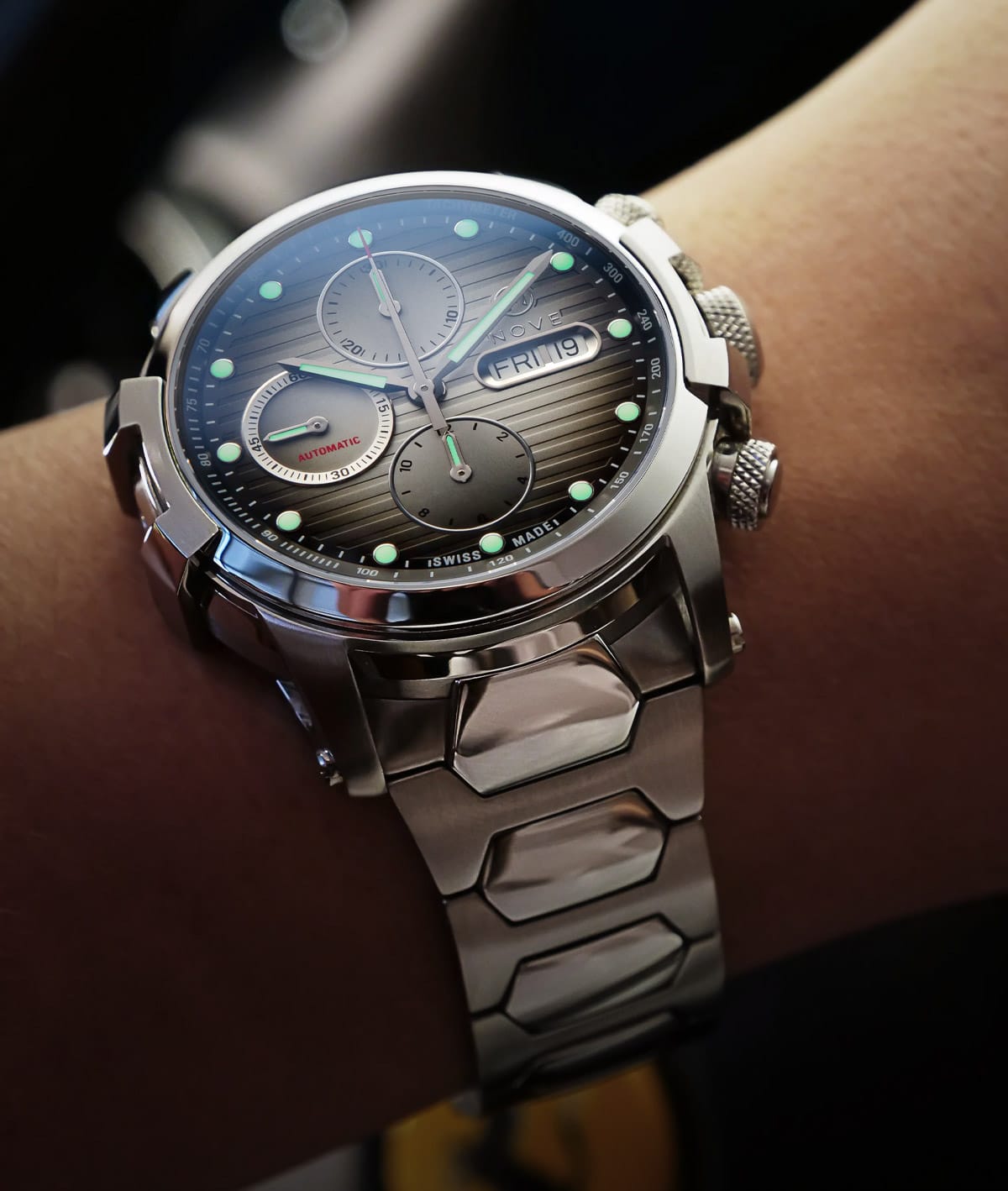
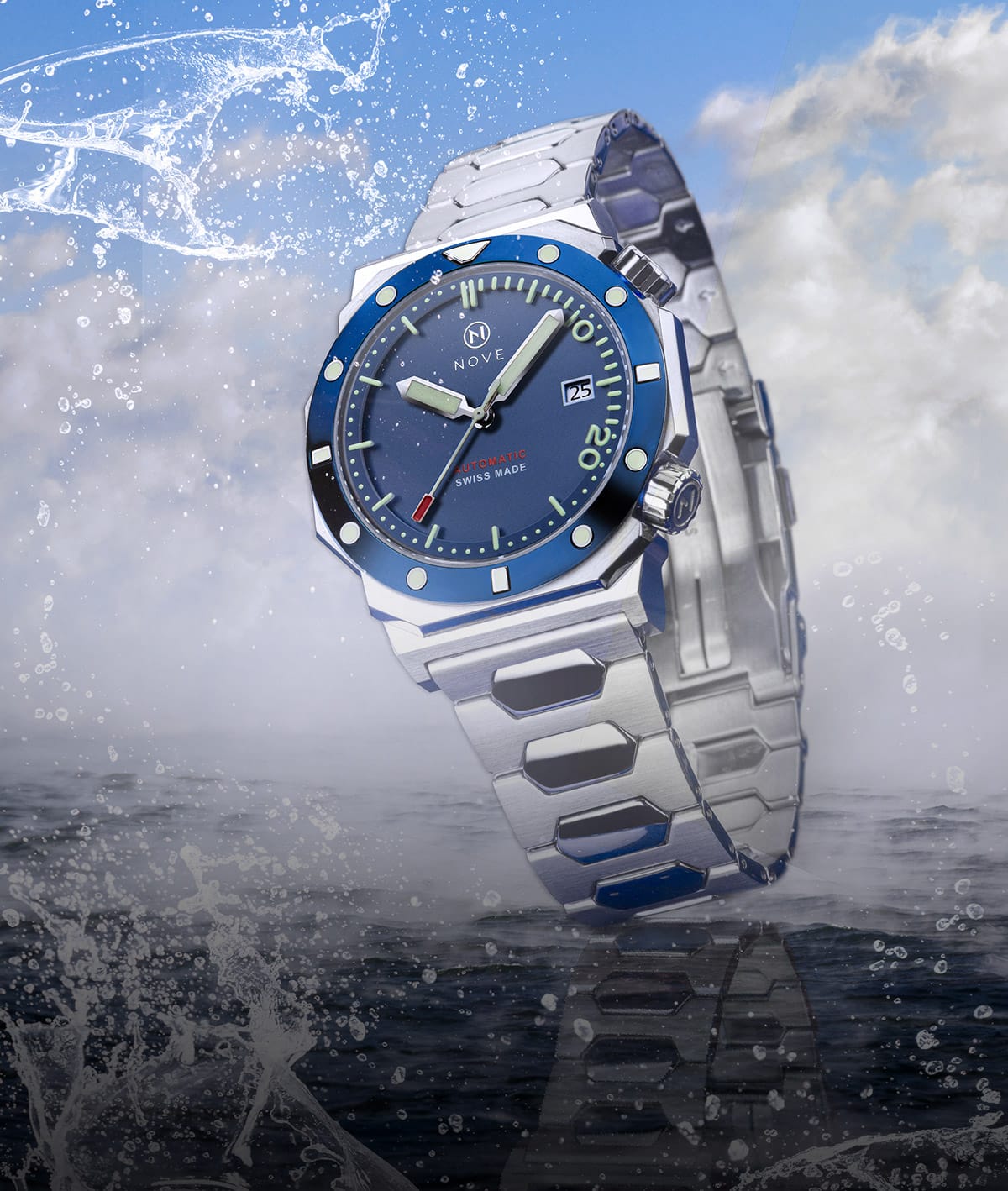
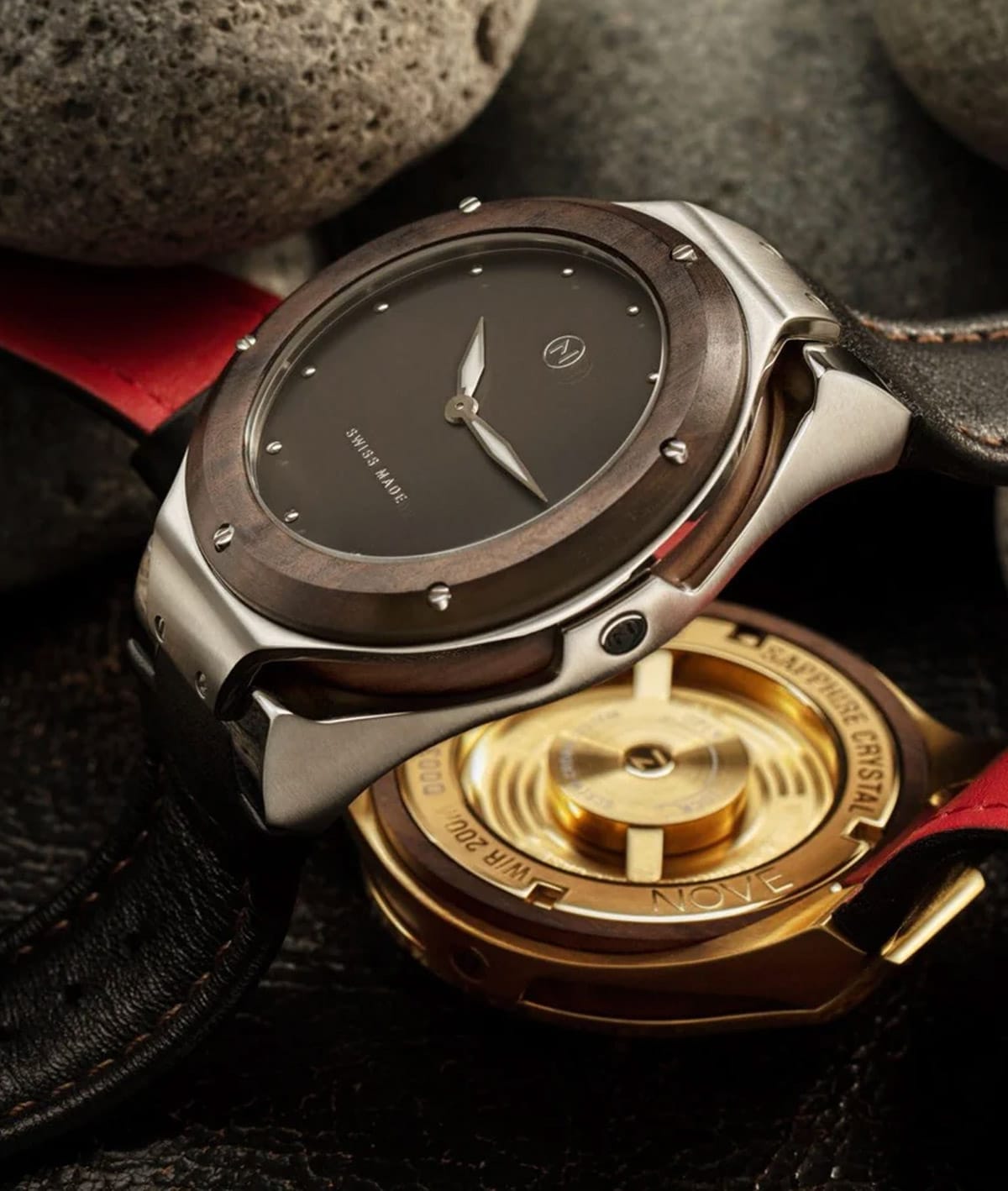
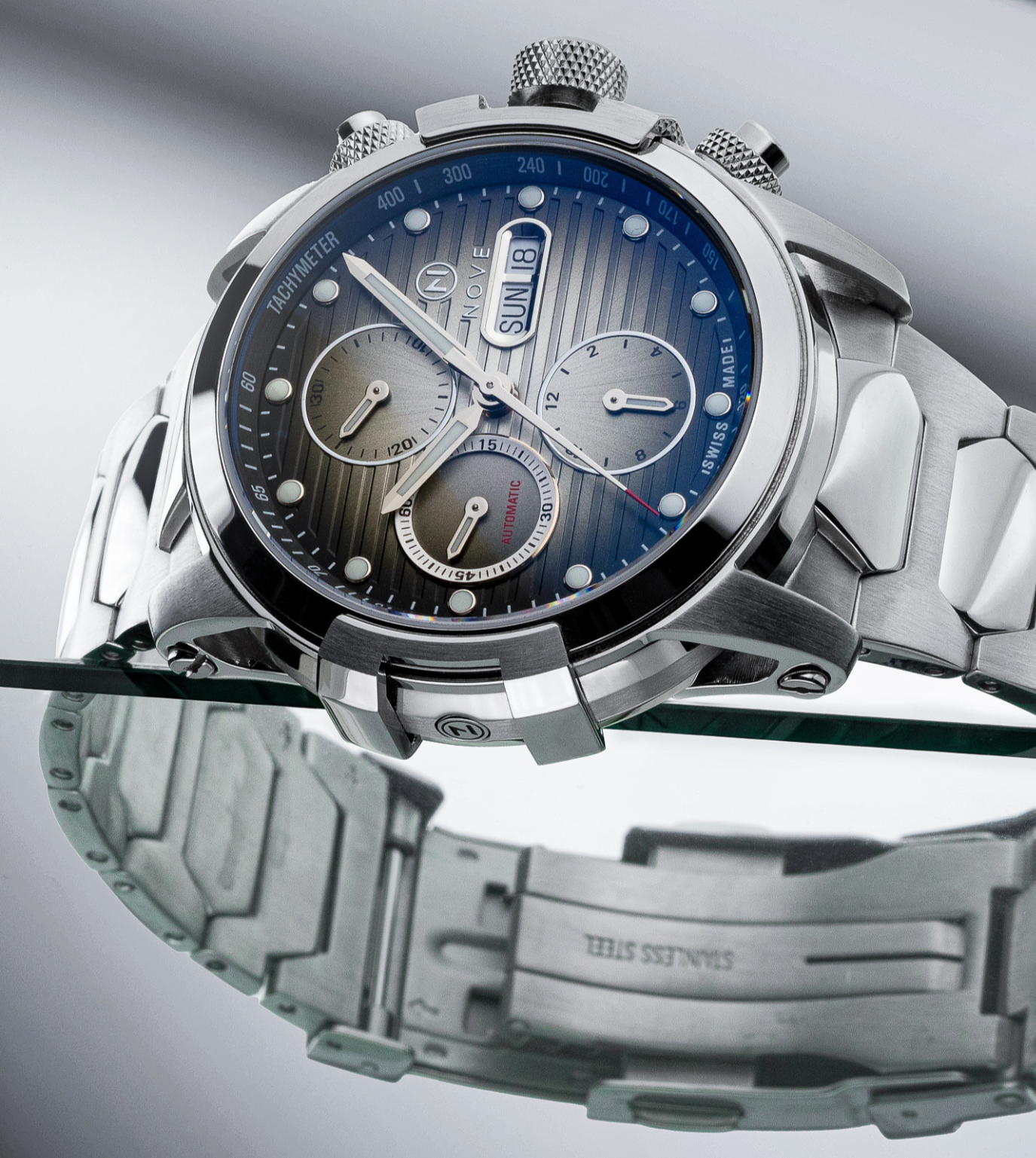
A sharp bevel catching the light. The controlled snap of a rotating bezel. The steady sweep of a mechanical seconds hand. Swiss watch craftsmanship is rarely about one dramatic flourish. It reveals itself in the details that are easy to miss at first glance and impossible to ignore once you know what you are looking at.
That is what gives a Swiss-made watch its presence. Not just prestige, and not heritage for heritage’s sake, but a disciplined standard of design, engineering, assembly, and finishing that turns a useful object into something far more compelling. For buyers who want a watch to feel distinctive on the wrist and credible under scrutiny, craftsmanship is the line between decoration and substance.
Swiss watch craftsmanship starts with precision
The word craftsmanship can sound romantic, but in watchmaking it begins with control. Tolerances matter. Alignment matters. How a crown threads into the case matters. Even before finishing and aesthetics enter the picture, a quality timepiece depends on manufacturing discipline.
Swiss watchmaking built its reputation on that discipline. Movements must be assembled to exact standards. Cases need to protect against shock, moisture, dust, and wear. Hands and markers must be placed cleanly and consistently. A watch can look impressive in a product photo and still fail where it counts if those fundamentals are ignored.
This is why serious buyers often look beyond branding and ask sharper questions. How is the movement regulated? How well does the case architecture support water resistance? Does the bracelet feel engineered or simply attached? Real craftsmanship answers those questions before marketing ever has to.
Why Swiss watch craftsmanship still matters
There are excellent watches made around the world, and that is worth stating plainly. Swiss production does not automatically guarantee excellence, just as a non-Swiss watch is not automatically inferior. Still, the Swiss standard carries weight because it reflects an ecosystem shaped by generations of specialization.
In Switzerland, movement suppliers, case manufacturers, dial makers, finishing experts, and assemblers have long operated within a culture that values precision at every step. That concentration of skill creates consistency. It also creates accountability. When a brand commits to Swiss-made production, it is stepping into a tradition where shortcuts are easier to spot.
For the customer, that matters in practical ways. You are more likely to see better quality control, more refined movement performance, stronger case execution, and finishing that holds up under close inspection. You are also paying for labor, expertise, and process. Craftsmanship has a cost, but when it is done well, it earns its place.
The movement is only part of the story
Collectors often begin with the movement, and for good reason. A Swiss automatic or chronograph movement carries obvious appeal. Mechanical complexity, reliability, and serviceability all shape the ownership experience. But craftsmanship is not confined to what happens beneath the dial.
A beautifully regulated movement inside a poorly resolved case is still a compromise. The best watches feel complete because the external design and internal mechanics are working toward the same standard. That means crisp case lines, balanced proportions, durable materials, and dials that remain legible while still delivering visual drama.
This is where design-forward brands have an opportunity to stand apart. Traditional Swiss watchmaking is often associated with restraint, but restraint is not the only path to refinement. Bold form can still be crafted with rigor. Distinctive geometry, layered dials, aggressive bezel architecture, and modern finishing can all coexist with true Swiss quality when execution is disciplined.
Materials, finishing, and the feel of quality
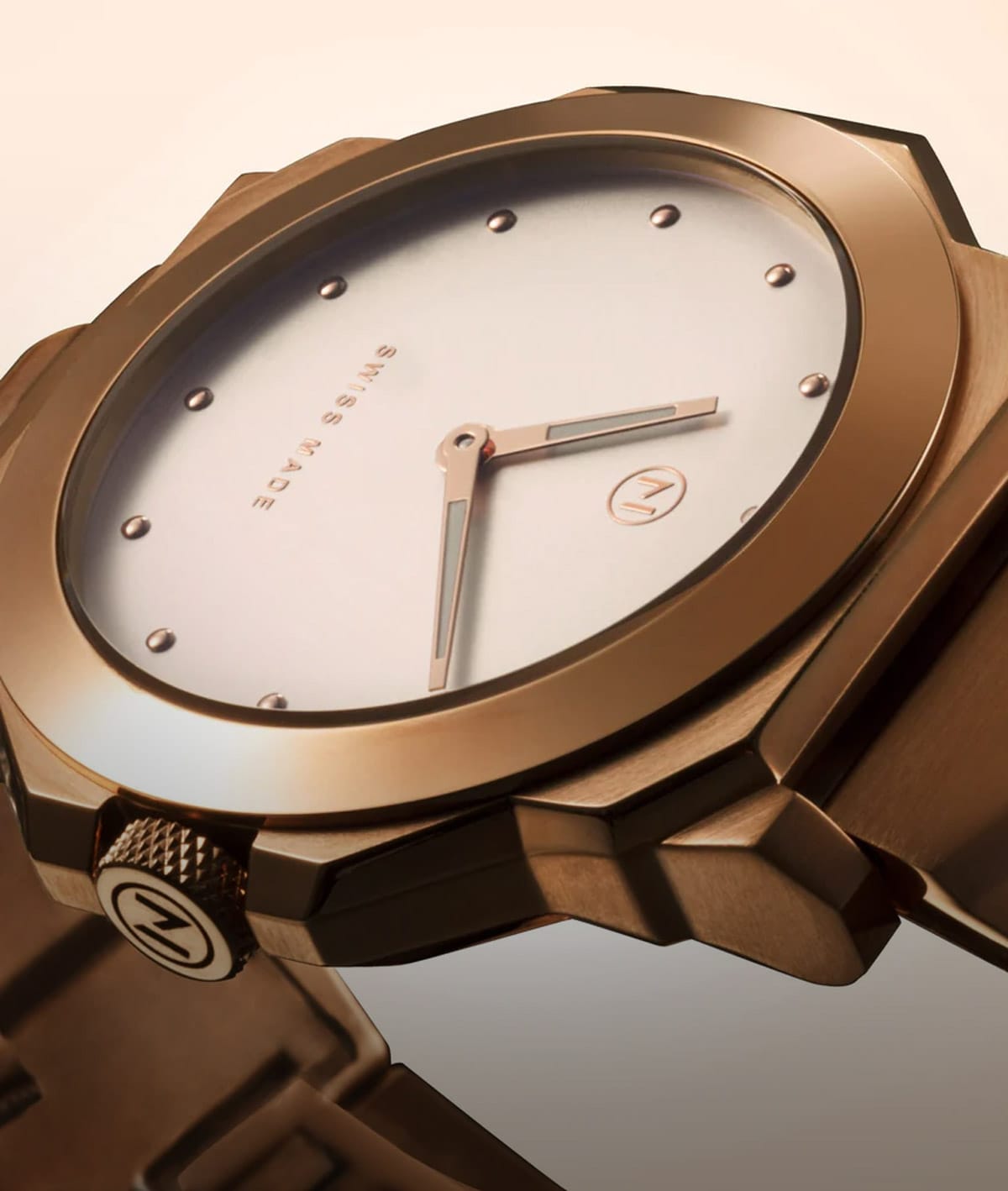
You can learn a great deal about a watch the moment you pick it up. Weight alone does not equal luxury, but balance matters. So does the texture of brushed steel, the depth of polished surfaces, and the clarity of sapphire crystal. These are tactile signals of care.
Finishing is one of the clearest expressions of craftsmanship because it sits at the meeting point of aesthetics and labor. Clean transitions between brushed and polished surfaces require precision. Applied indices need to be set evenly. Lume should be consistent and purposeful, not merely decorative. A ceramic bezel insert, for example, brings scratch resistance and visual sharpness, but only if it is integrated with care.
Trade-offs exist here. High polish can create opulence, but it also shows wear more easily. Deep case architecture can add visual power, yet it may wear larger on the wrist. A heavily detailed dial can feel rich and dimensional, though too much complexity can affect readability. The best Swiss watches resolve these tensions instead of pretending they do not exist.
Swiss watch craftsmanship in sport and dive watches
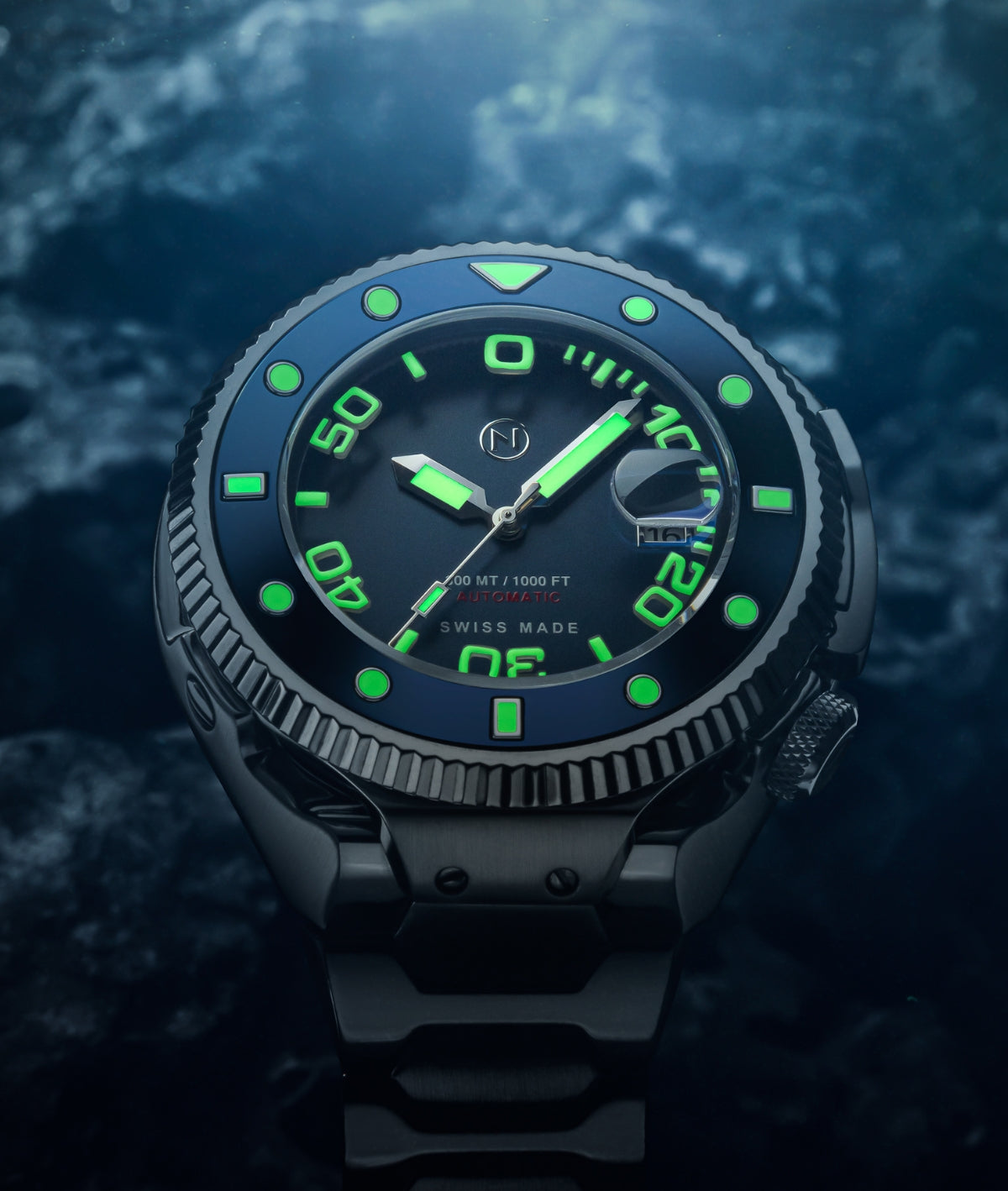
Craftsmanship becomes especially visible in categories built for performance. A dive watch is not convincing because it looks rugged. It has to function with authority. That means secure water resistance, a dependable screw-down crown, clear minute tracking, durable lume, and a case construction that can handle active wear.
What separates an ordinary sport watch from a compelling one is the way those technical demands are translated into design. The bezel should turn with intent. The dial should remain readable in changing light. The case should feel sculpted, not bulky for the sake of appearance. Performance and presence need to reinforce each other.
This is where contemporary Swiss design has become more interesting. The strongest modern pieces do not simply repeat vintage formulas. They bring sharper silhouettes, more daring proportions, and more individual character while preserving the practical standards buyers expect. That balance is exactly where a brand like NOVE has found its lane, proving that Swiss craftsmanship can feel adventurous and unconventional without losing credibility.
What buyers should look for
If you are evaluating a watch through the lens of craftsmanship, look beyond the headline features. Movement type matters, whether you prefer the mechanical appeal of an automatic, the complexity of a chronograph, or the precision and ease of a Swiss quartz caliber. But the more revealing details are often quieter.
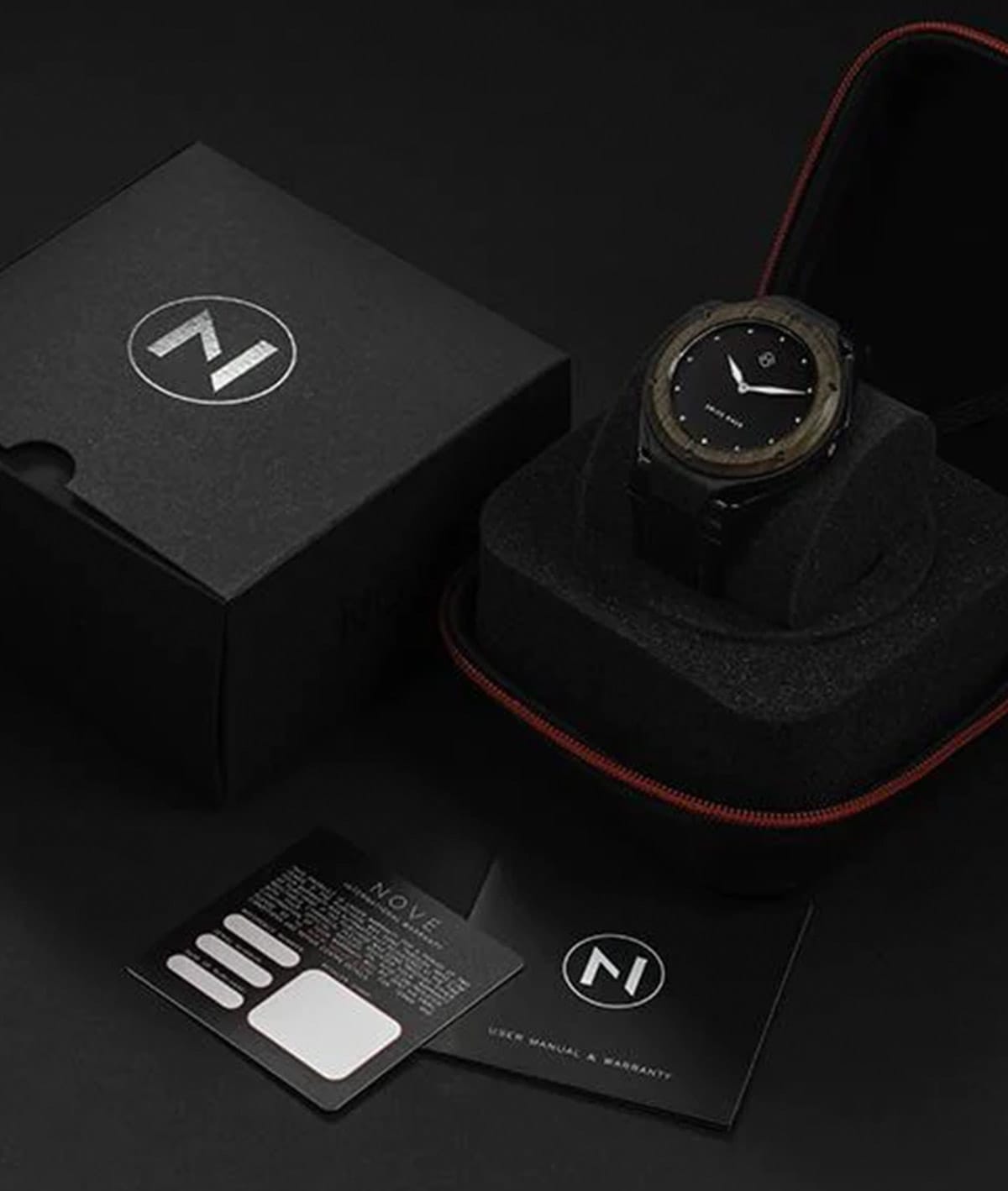
Study the case finishing under real light. Check whether the hands align cleanly with the markers. Notice how the crown engages when you set the time. Feel the bracelet or strap connection to the case. Read the warranty terms, because confidence in craftsmanship should extend beyond the sale.
It also helps to be honest about how the watch will live with you. If you want an everyday statement piece, comfort and versatility matter as much as visual impact. If you are buying for travel, water sports, or regular rotation with business attire, priorities shift. There is no single perfect watch. There is only the watch whose craftsmanship serves your lifestyle as well as your taste.
The emotional value of craftsmanship
A well-made watch does more than keep time. It creates a small, daily encounter with intention. You feel it when the case sits just right on the wrist. You see it when light moves across a faceted marker or sculpted lug. You notice it months later when the watch still feels as satisfying as it did on day one.
That emotional dimension is often dismissed as luxury theater, but it is real. People do not invest in premium watches solely for utility. They buy them because craftsmanship communicates discernment. It signals that the object was designed to be lived with, admired, and relied on.
That does not mean every buyer needs old-world ornament or inaccessible pricing. Accessible luxury has become more compelling precisely because it brings Swiss-made credibility and elevated design into a more modern proposition. The best examples offer real manufacturing integrity, strong warranty support, and a distinctive point of view rather than borrowed prestige.
Swiss watch craftsmanship endures because it continues to evolve. It is not frozen in nostalgia. At its best, it brings together engineering, finishing, and fearless design in a way that feels immediate on the wrist. If you choose carefully, you are not just buying a watch with a respected origin. You are choosing a piece of design that earns your attention every time you glance down.