
A dive watch can look impressive in a display case and still feel completely wrong the second it hits your wrist. Too thick under a cuff, too heavy for daily wear, too technical for your style, or not technical enough for the confidence you want from a serious timepiece. That is why knowing how to choose a dive watch matters before you focus on color, price, or brand prestige.
The right dive watch should do more than survive water. It should carry presence, perform with conviction, and feel like a natural extension of the person wearing it. For some buyers, that means a true tool watch with strong specifications. For others, it means Swiss craftsmanship with a bolder design language that holds its own in the office, at dinner, and on the coast. The best choice sits at that intersection of engineering and identity.
How to choose a dive watch starts with how you will wear it
The biggest mistake buyers make is shopping by specification sheet alone. A 300-meter depth rating sounds impressive, but if you spend most of your time in business attire, comfort, proportions, and finishing may matter more than chasing extreme numbers you will never use.
Start with your real lifestyle. If you want one watch that moves from travel to work to weekends near the water, versatility should lead the decision. A cleaner dial, refined case finishing, and balanced dimensions will serve you better than an oversized case built only to signal toughness. If you actually dive, snorkel often, or spend serious time around open water, then legibility, bezel grip, lume, and water resistance move much higher on the list.
This is where luxury and utility should not be treated as opposites. A well-made dive watch can deliver both. The stronger pieces in this category are not simply rugged. They are composed.
Focus on the features that matter most
A dive watch earns its reputation through a handful of core elements. Everything else is secondary.
Water resistance is important, but context matters
For a true dive watch, 200 meters is a strong starting point. It offers meaningful confidence for swimming, water sports, and recreational diving. Some buyers prefer 300 meters or more for the added sense of capability, but higher numbers do not automatically make a watch better.
If your watch will rarely go deeper than a pool or shoreline, the practical difference between 200 and 300 meters may be small. The more useful question is whether the watch is engineered with seriousness. That includes a secure crown, solid case construction, and the overall quality of assembly.
The bezel should feel precise
A unidirectional rotating bezel is one of the defining features of a dive watch. It is not there for decoration. It should turn with confidence, line up accurately, and offer enough grip to use easily.
Even if you never time a dive, the bezel tells you a lot about the watch. A loose or cheap-feeling bezel can undermine the whole experience. A crisp, exact bezel gives the piece authority.
Legibility is non-negotiable
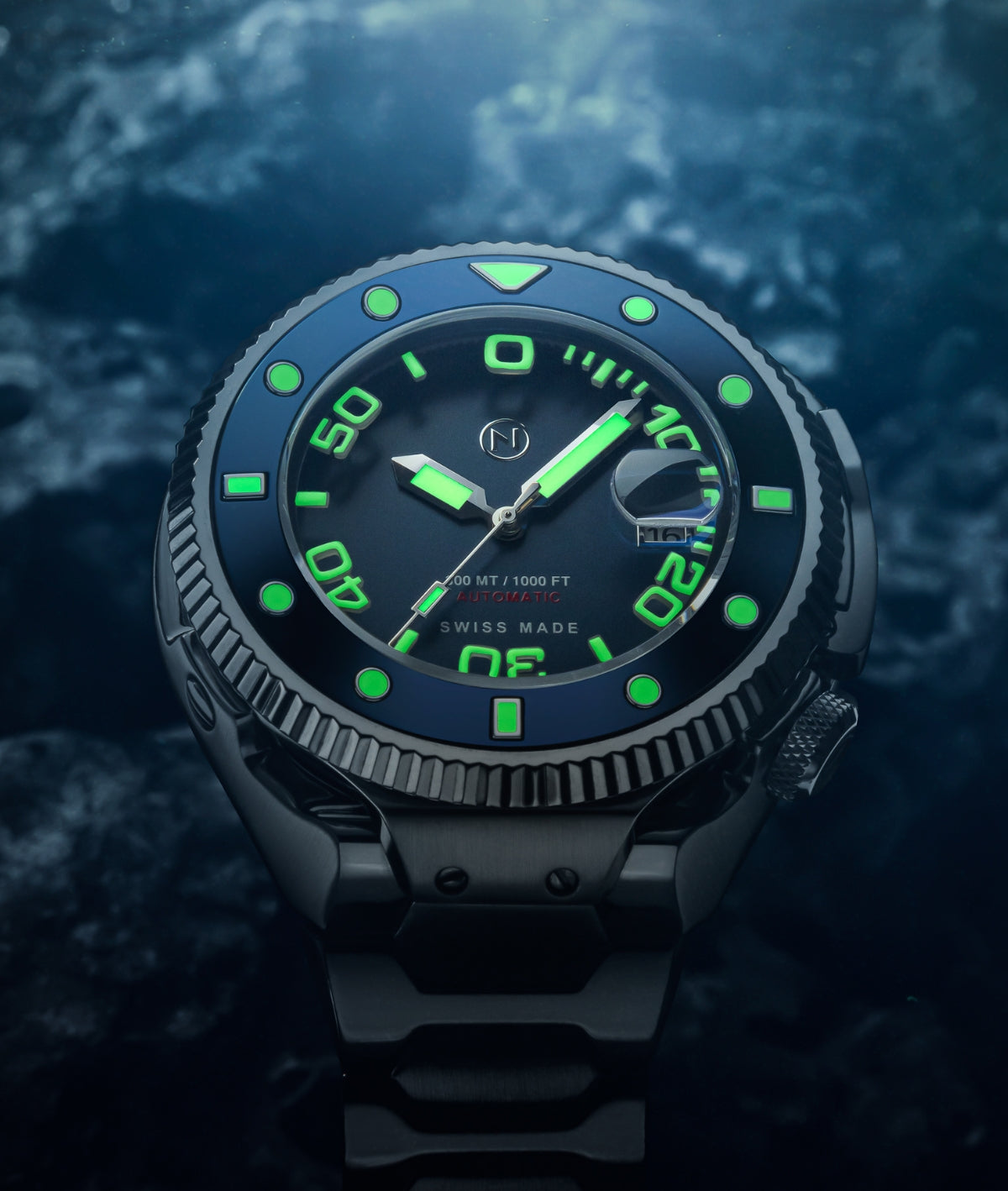
Dive watches are meant to be read quickly. That means strong contrast, clear markers, and lume that actually performs. A dramatic dial can still be effective, but it should never sacrifice clarity.
Look closely at the handset and markers. Bold design works best when it sharpens readability rather than competing with it. Under low light, the watch should remain easy to read at a glance.
Choose the right movement for your priorities
One of the most personal parts of how to choose a dive watch is deciding what powers it. There is no universal best option. There is only the movement that best matches your expectations.
Automatic movements offer mechanical character
A Swiss automatic dive watch carries a particular kind of appeal. You feel the tradition in it, the engineering, the motion, the living mechanics on the wrist. For enthusiasts, that connection matters. It turns the watch into more than an accessory.
The trade-off is maintenance and cost. Automatics tend to be thicker, more expensive, and less grab-and-go than quartz. If you rotate between several watches, you may need to reset the time and date when you return to it.
Quartz movements deliver ease and precision
Quartz is often underestimated in luxury conversations, but that is a mistake. A quality Swiss quartz movement is reliable, accurate, and practical. If you want a dive watch that is always ready, requires minimal attention, and keeps slimmer proportions more easily, quartz has real advantages.
For a buyer who values performance without ritual, quartz can be the smarter choice. It is especially compelling in a daily-wear dive watch built for travel and convenience.
Chronograph dive watches are more specialized
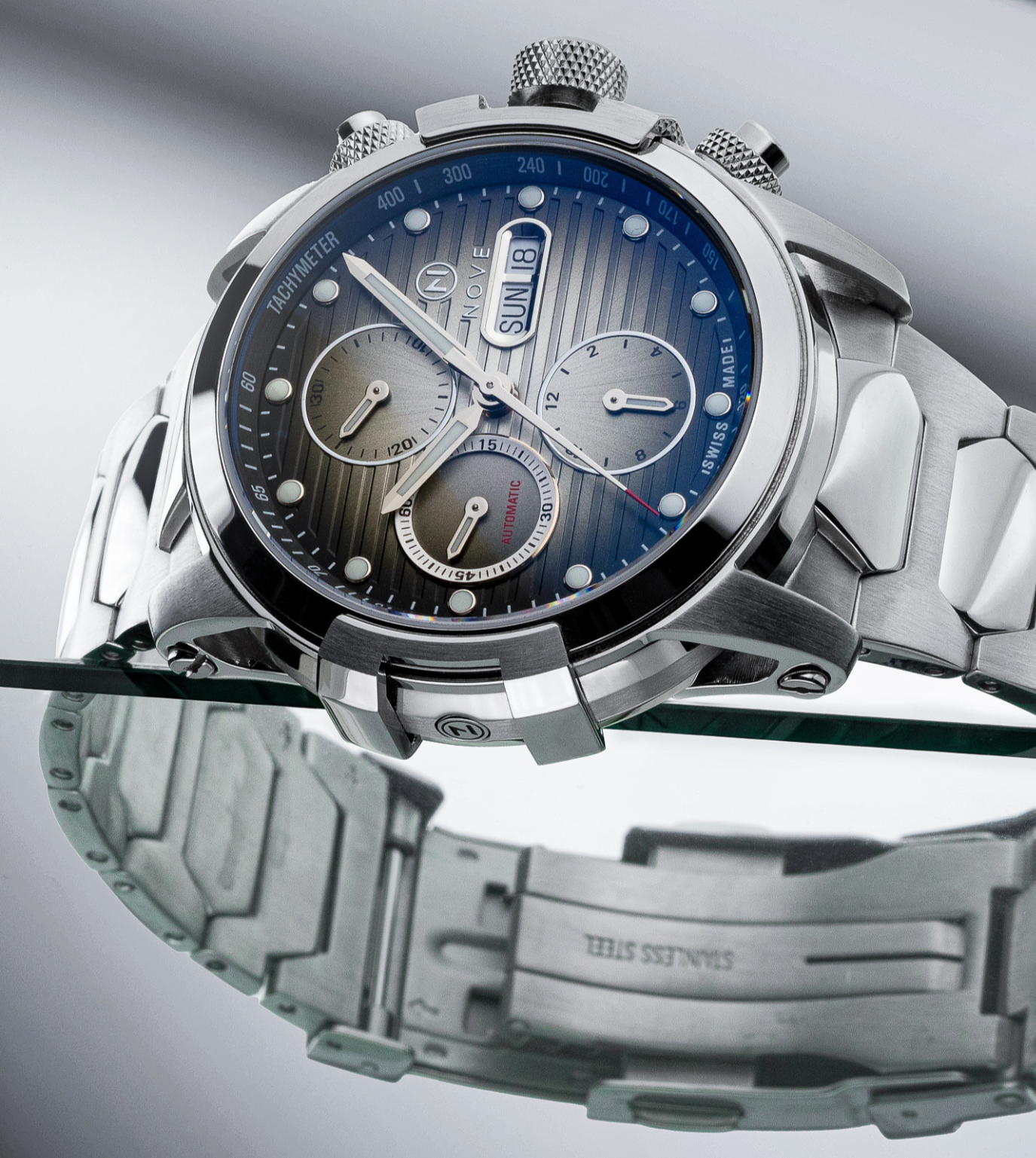
A chronograph adds visual complexity and extra timing function, which can be appealing if you want a sportier, more technical look. The trade-off is that the dial can become busier, and the watch may wear larger.
If clean underwater legibility is your priority, a simple three-hand diver often wins. If you want a more assertive, instrument-inspired presence, a chronograph can be the right expression.
Size, thickness, and fit will decide whether you actually wear it
Many dive watches make a strong first impression because they look powerful in photos. On the wrist, that same boldness can become awkward fast.
Case diameter matters, but it is not the whole story. Lug-to-lug distance, thickness, and bracelet design shape the wearing experience just as much. A 42mm dive watch with compact lugs may wear better than a 40mm case with long, flat proportions.
If your wrist is slimmer, avoid assuming you need the smallest possible diver. What you want is balance. A dive watch should have presence. It just should not dominate your wrist to the point of discomfort. On a larger wrist, extra case depth can still become tiring if the watch is top-heavy.
Bracelet and strap options also matter more than buyers expect. A steel bracelet adds authority and versatility. Rubber feels more athletic and comfortable in heat or water. If you want one watch to cover the widest range of settings, a well-executed bracelet usually gives you the strongest foundation.
Materials shape both durability and appearance
Dive watches live in a demanding category, so materials should do more than look expensive.
Stainless steel remains the classic choice because it balances strength, corrosion resistance, and visual refinement. Titanium is lighter and excellent for comfort, though its look is often more understated. Sapphire crystal is the standard worth insisting on for scratch resistance and long-term clarity.
You should also pay attention to details like ceramic bezel inserts, screw-down crowns, and the quality of the clasp. These are not just technical talking points. They affect how premium the watch feels after months and years of wear.
Design should match your identity, not just the trend
A dive watch occupies unusual territory. It is one of the few watch styles that can project adventure, authority, and opulence at once. That makes design especially important.
Some divers lean heavily into vintage cues. Others look aggressively tactical. Others take a more modern route, with sculpted cases, unexpected dial architecture, and a stronger design signature. None of these approaches is inherently better. The right one depends on what you want the watch to say when it is on your wrist.
If you are investing in a premium piece, choose a design that still feels striking after the novelty fades. Bold is good. Forced is not. The best dive watches look intentional from every angle, with a silhouette, texture, and dial composition that feel distinctive rather than derivative.
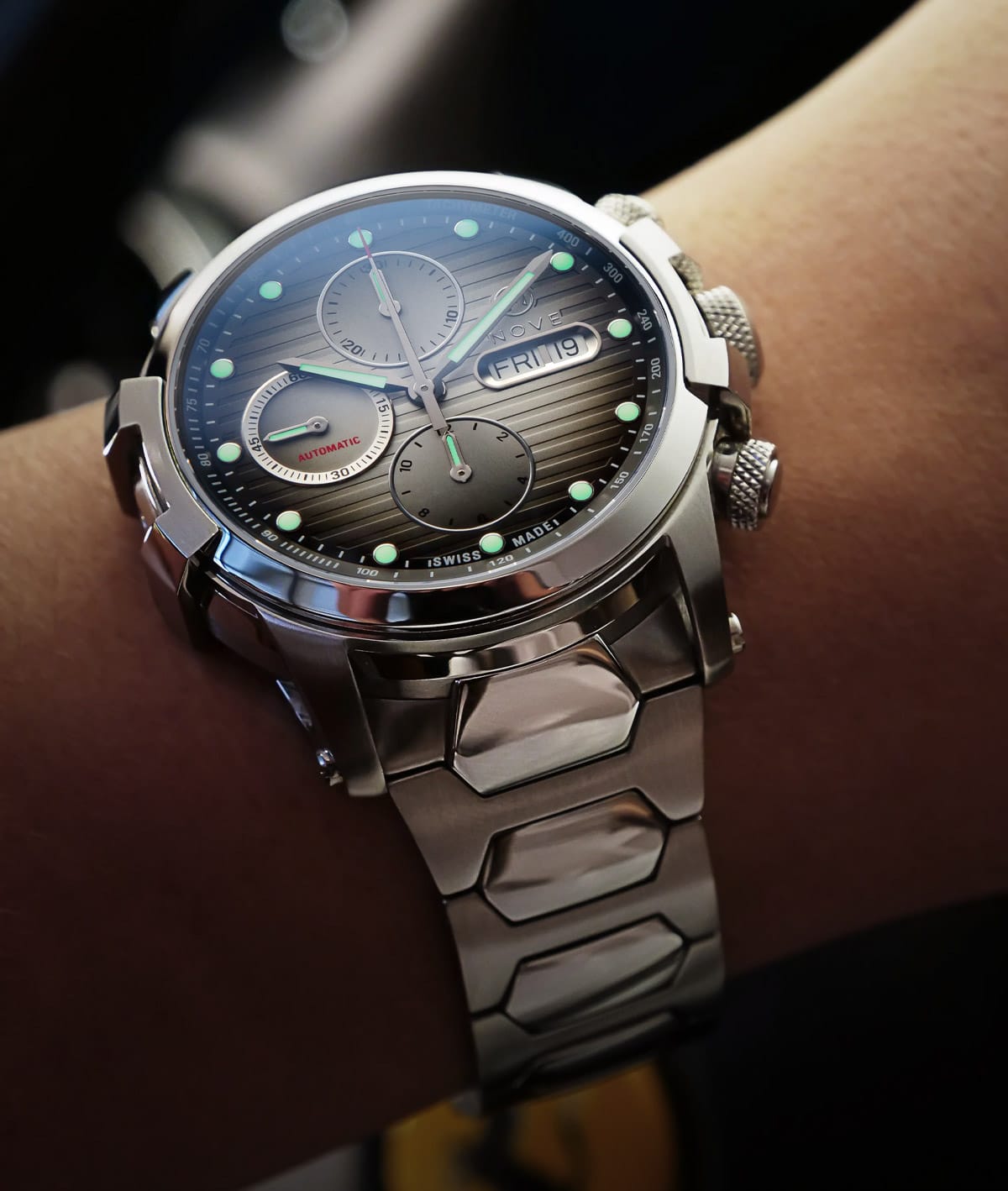
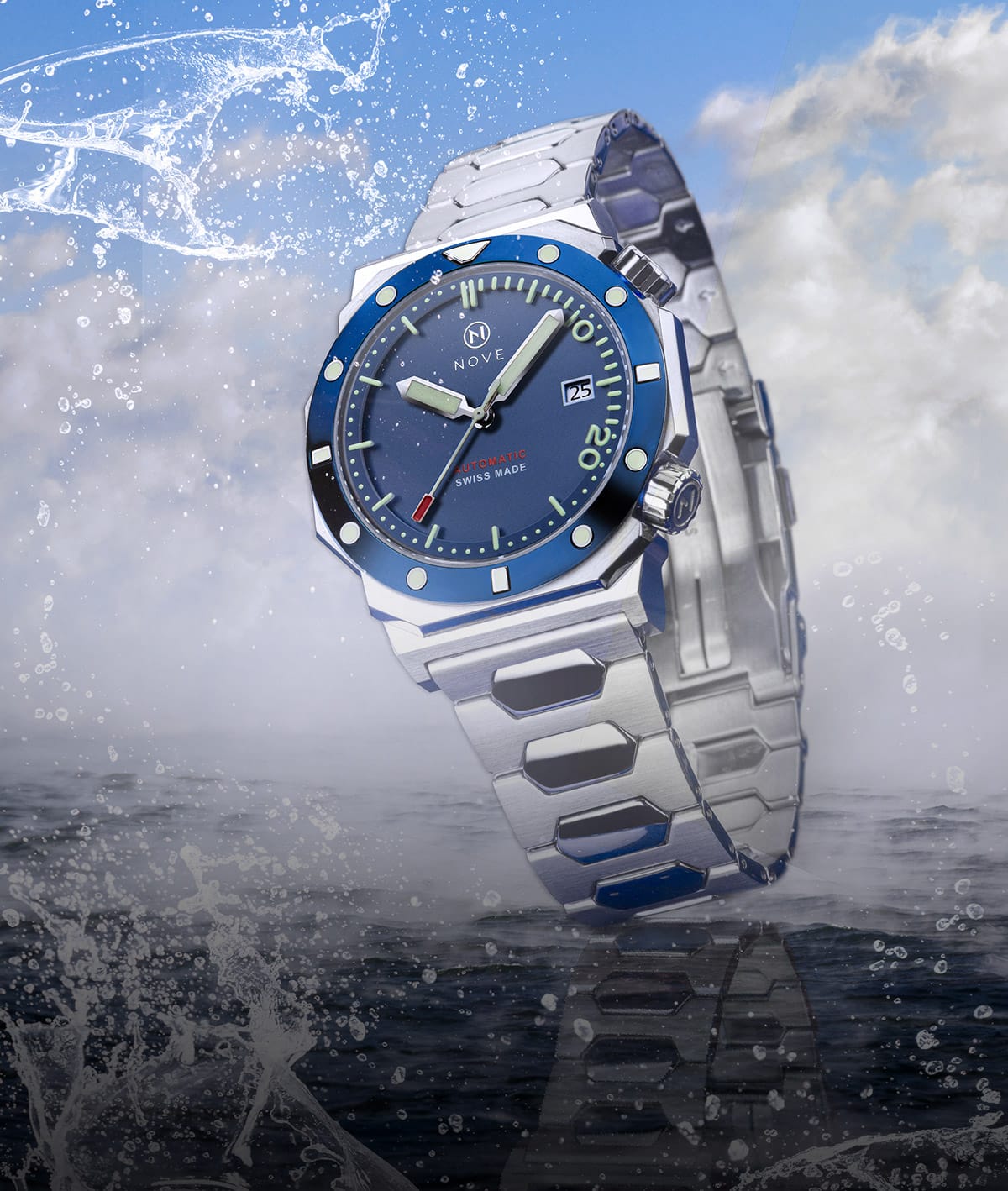
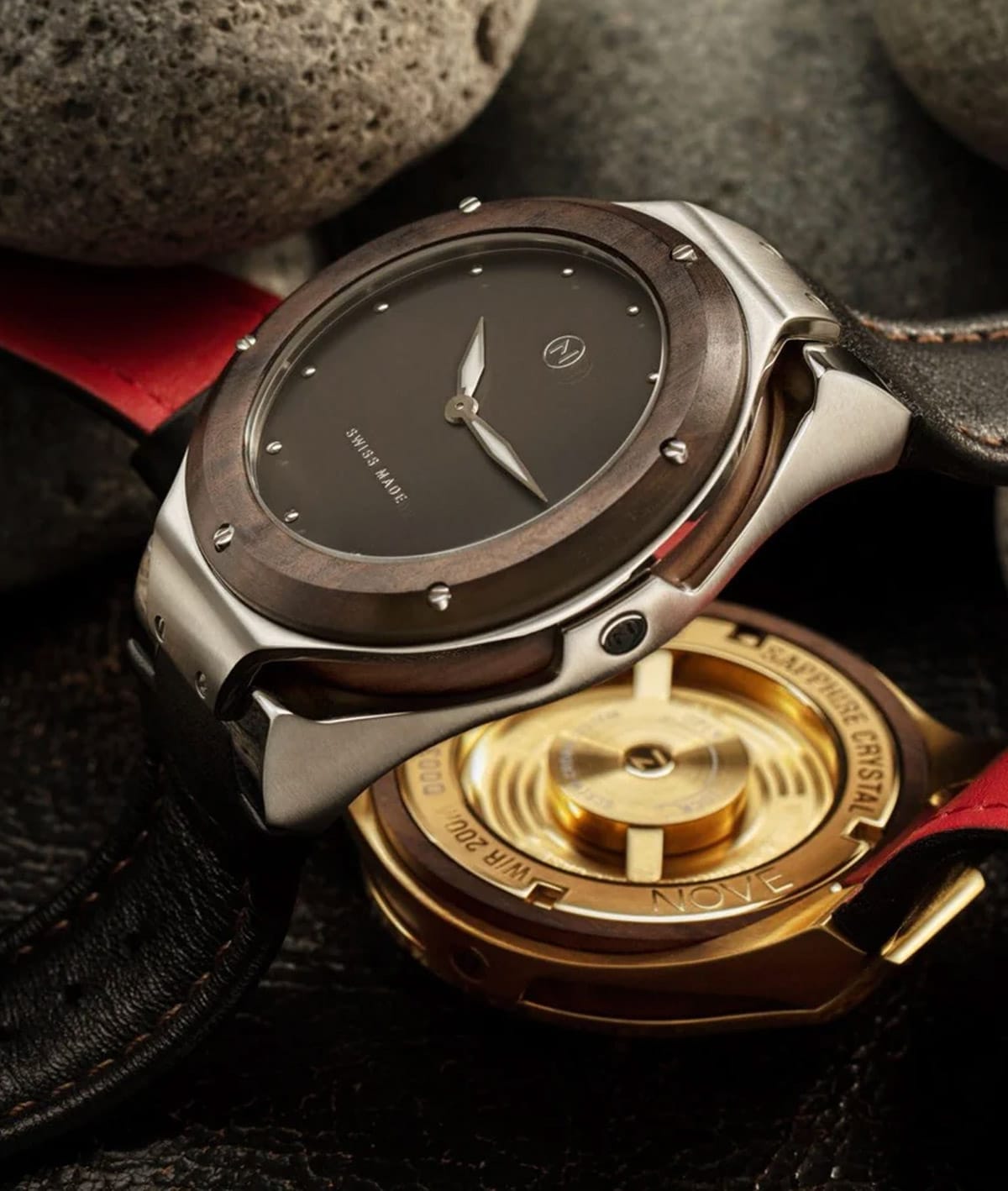
For buyers who want Swiss credibility without slipping into predictable luxury codes, this is where a more design-forward watchmaker can stand apart. NOVE, for example, built its reputation on creating dive watches that feel both performance-driven and visually original, which is a rare balance in a category crowded with familiar formulas.
Price is about value, not just budget
A higher price should buy you better movement quality, stronger finishing, more thoughtful design, and greater confidence in materials and assembly. It should not simply buy a logo.
There is a meaningful middle ground between entry-level dive watches and legacy Swiss houses with steep markups. That space can be extremely compelling if you care about craftsmanship, originality, and long-term satisfaction. A watch in that range should feel premium every time you fasten it, not just respectable on paper.
When comparing options, ask what you are truly paying for. If two watches offer similar specs, but one delivers a far more distinctive case, stronger finishing, and Swiss-made credibility at a more accessible luxury price, that difference matters.
How to choose a dive watch without regret
If you are torn between several models, stop looking for the one with the longest feature list. Choose the watch you will want to wear most often. The one that feels convincing on the wrist. The one that gives you enough technical assurance for your lifestyle while still carrying visual gravity.
A dive watch should not feel like a compromise between style and substance. It should feel like precision with personality. When you find that balance, you are not just buying a watch for the water. You are choosing a piece of engineering and design that belongs in the rhythm of your life.