
A chronograph should do more than count seconds. It should bring energy to the wrist: subdials with purpose, pushers that invite interaction, and a case with enough presence to hold its own in a tailored jacket or behind the wheel. That is why Swiss chronograph watches remain a defining choice for collectors and style-conscious wearers alike. They combine an instrument's precision with the visual drama of a true statement piece.
Unlike a simple three-hand watch, a chronograph puts time in motion. The central seconds hand can be started, stopped, and reset to measure an interval, while subdials track elapsed minutes and, in some designs, hours. It is a useful complication, certainly. More than that, it is a design language built around performance.
What Makes a Swiss Chronograph Different?
“Swiss” is not simply a reference to geography. In watchmaking, it signals an ecosystem shaped by specialized movement makers, case engineers, dial artisans, and exacting assembly standards. A Swiss-made chronograph brings these disciplines together in one of watchmaking's most mechanically demanding and visually expressive formats.
The appeal begins with proportion. Chronographs have more information on the dial than time-only watches, so every element must earn its place. Counters need to be legible at a glance. Pushers need a confident feel. Hands, indexes, and tachymeter scales must work as a composition rather than compete for attention. When the design is resolved properly, complexity becomes clarity.
Swiss manufacturing also carries weight because finishing and quality control matter over years of ownership. The standard does not mean every Swiss watch is identical, nor does it automatically make one movement preferable for every person. It does mean a serious framework of expertise stands behind the watch. For a piece you intend to wear often, gift with pride, or keep in rotation for decades, that credibility matters.
The Chronograph's Racing and Aviation DNA
The chronograph was made for moments when a fraction of time could change the outcome. Racers used them to calculate lap times. Pilots used them for navigation and fuel calculations. Engineers relied on them to test performance. That legacy is visible in the best modern designs: clear scales, high-contrast markers, purposeful pushers, and cases that feel engineered rather than merely decorated.
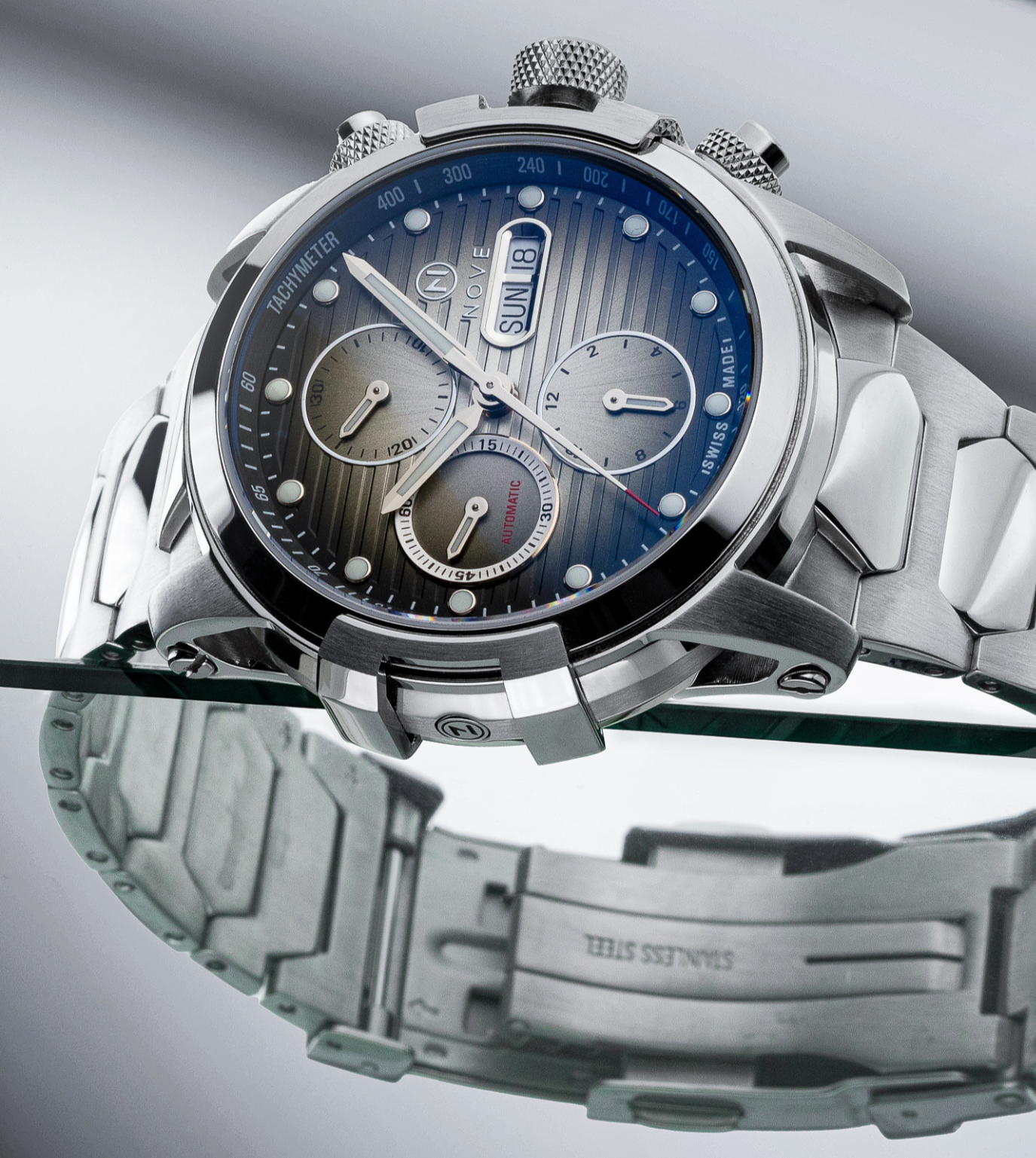
A tachymeter is one of the most recognizable examples. Usually placed around the dial's perimeter or bezel, it can calculate speed over a known distance. Its practical use may be occasional for most owners, but its presence gives a watch an unmistakable automotive character. It speaks to the pleasure of measured performance.
This is where a Swiss chronograph becomes especially compelling as elevated everyday wear. It can complement a suit without disappearing into it, yet it feels equally natural with a leather driving jacket, a crisp overshirt, or weekend denim. The complication gives the watch visual depth; the right design gives it versatility.
Mechanical or Quartz: Choose for How You Live
The most personal decision is often the movement. Mechanical chronographs are admired for their intricate architecture. A network of gears, levers, and springs coordinates the timing function, often visible through an exhibition caseback. Starting the chronograph connects you directly to that mechanism. There is romance in the small resistance of the pusher and the sweep of the hand as the movement comes alive.
That experience comes with trade-offs. Mechanical chronographs tend to cost more, require periodic service, and may be less precise day to day than quartz. They are ideal for someone who values the object as much as the function - a wearer who appreciates engineering, ritual, and the enduring appeal of a self-contained machine.
Swiss quartz chronographs offer a different kind of refinement. They are highly accurate, low-maintenance, and ready when you are. The central chronograph hand often advances in crisp increments, and the movement allows a slimmer or more accessible design without sacrificing a premium feel. For travel, active schedules, and daily confidence, quartz can be the smarter choice.
Neither is a compromise when selected intentionally. Mechanical is about mechanical theater and heritage. Quartz is about exactness and ease. The right movement is the one that suits the way the watch will actually be worn.
How to Read a Chronograph Dial
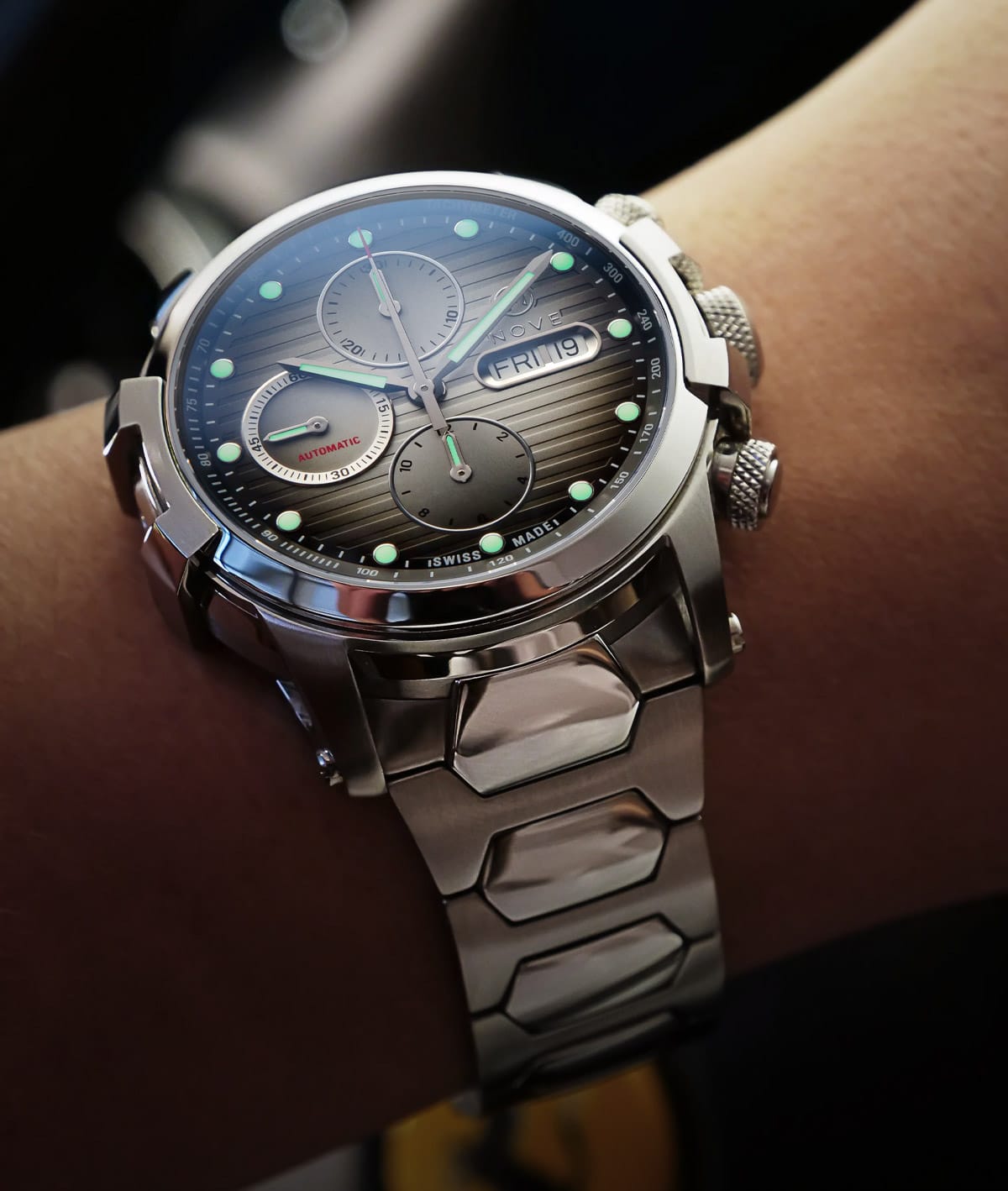
A chronograph dial can look technical at first glance, but its layout becomes intuitive quickly. The upper pusher generally starts and stops the timer. The lower pusher resets it after it has been stopped. The large central hand records elapsed seconds, while smaller registers count elapsed minutes and, depending on the model, hours.
The three subdials do not always perform the same jobs. One may display running seconds for the main time display, while the others belong to the stopwatch. Some watches include a date window; others preserve visual symmetry by leaving the dial uninterrupted. A 30-minute counter suits short intervals and a cleaner layout. A 12-hour counter offers greater utility for long events but can make the dial feel more intricate.
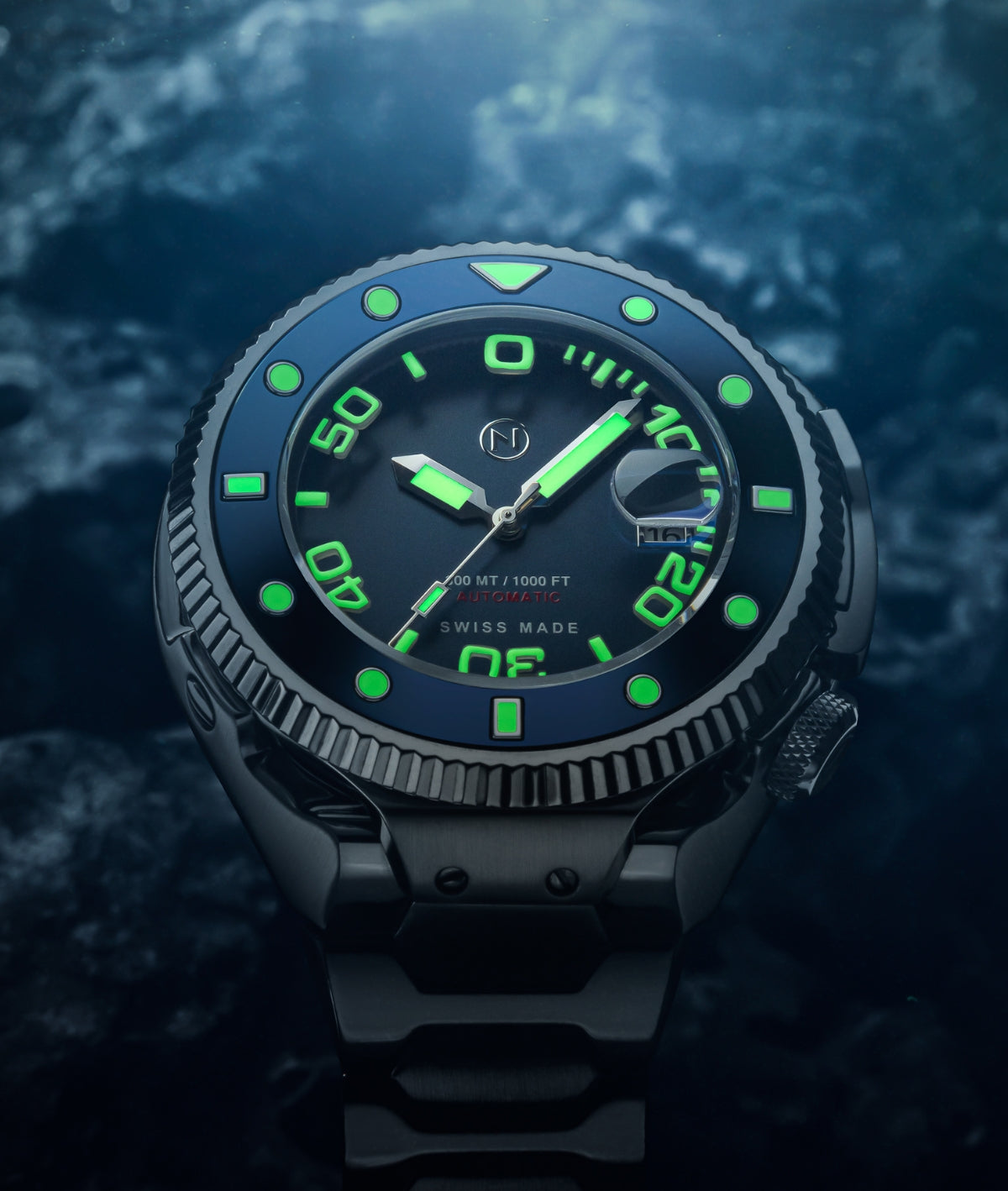
Before choosing, look closely at contrast. Dark subdials on a light dial, or light counters against a dark dial, improve readability and create a strong sport-luxury identity. Luminous hands and markers matter if the watch will see low-light use. A well-designed dial should look compelling from across a room and remain easy to read when you need it.
Details That Define a Great Chronograph
The movement earns attention, but the rest of the watch determines whether it feels exceptional on the wrist. Case size is central. Chronographs often wear larger because of their pushers, bezel, and multi-register dial. A case in the low-40mm range can deliver powerful presence, while a more compact profile may be better for smaller wrists or formal settings. Lug-to-lug length is just as important as diameter, since it determines how the watch follows the contour of the wrist.
Water resistance should match the intended life of the watch. A chronograph designed for office, travel, and evening wear may need only everyday protection from rain and splashes. A sport-oriented model with serious water resistance brings more freedom for poolside, boating, and active weekends. Never operate pushers underwater unless the watch is specifically designed for that use.
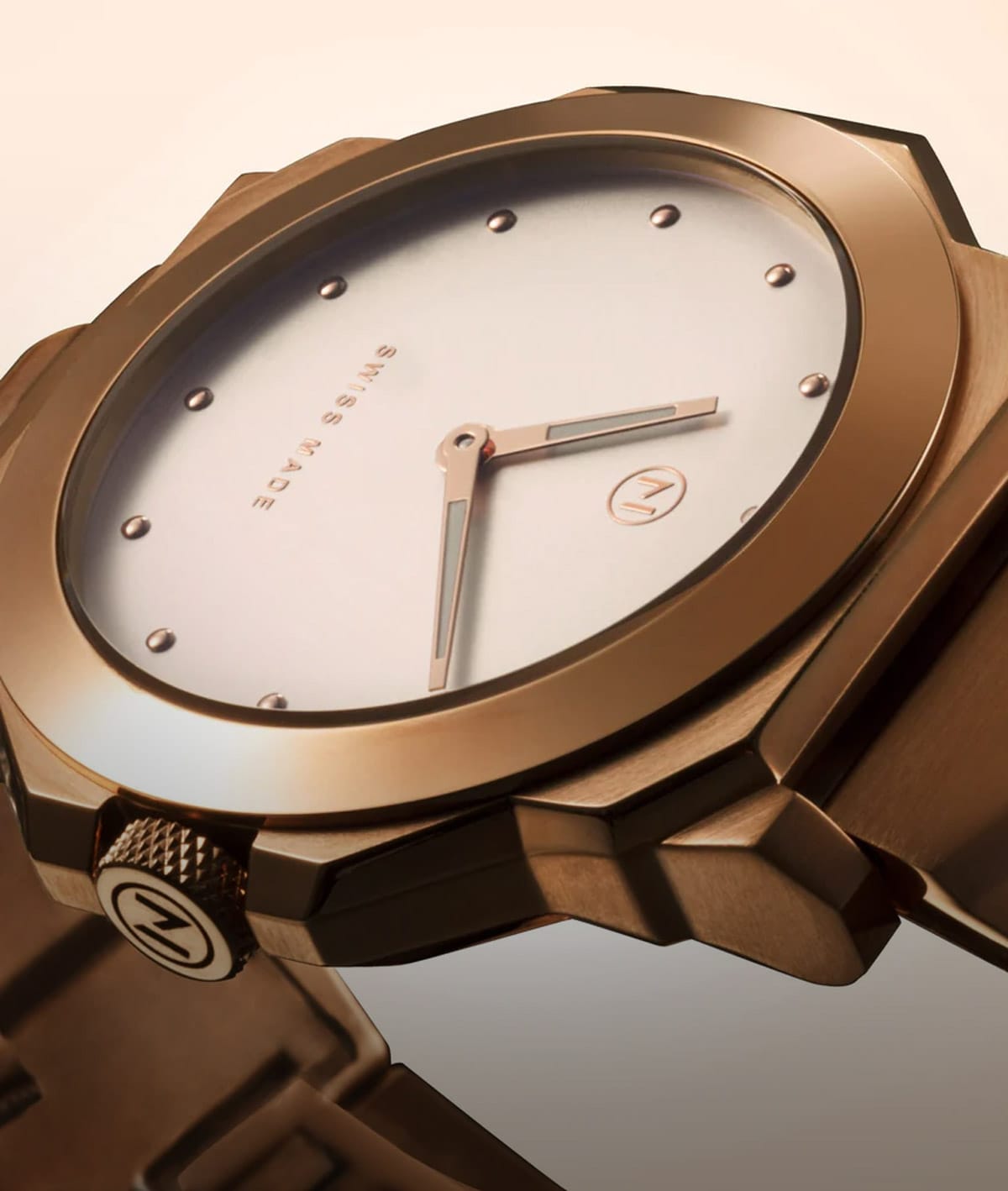
Materials set the tone. Stainless steel is a natural choice for strength and versatility. A black-coated case can add a more tactical, modern edge. Sapphire crystal is prized for its resistance to scratches, particularly on a watch meant to be worn without hesitation. The bracelet or strap changes the personality again: steel feels architectural, leather adds warmth, and rubber sharpens the watch's performance character.
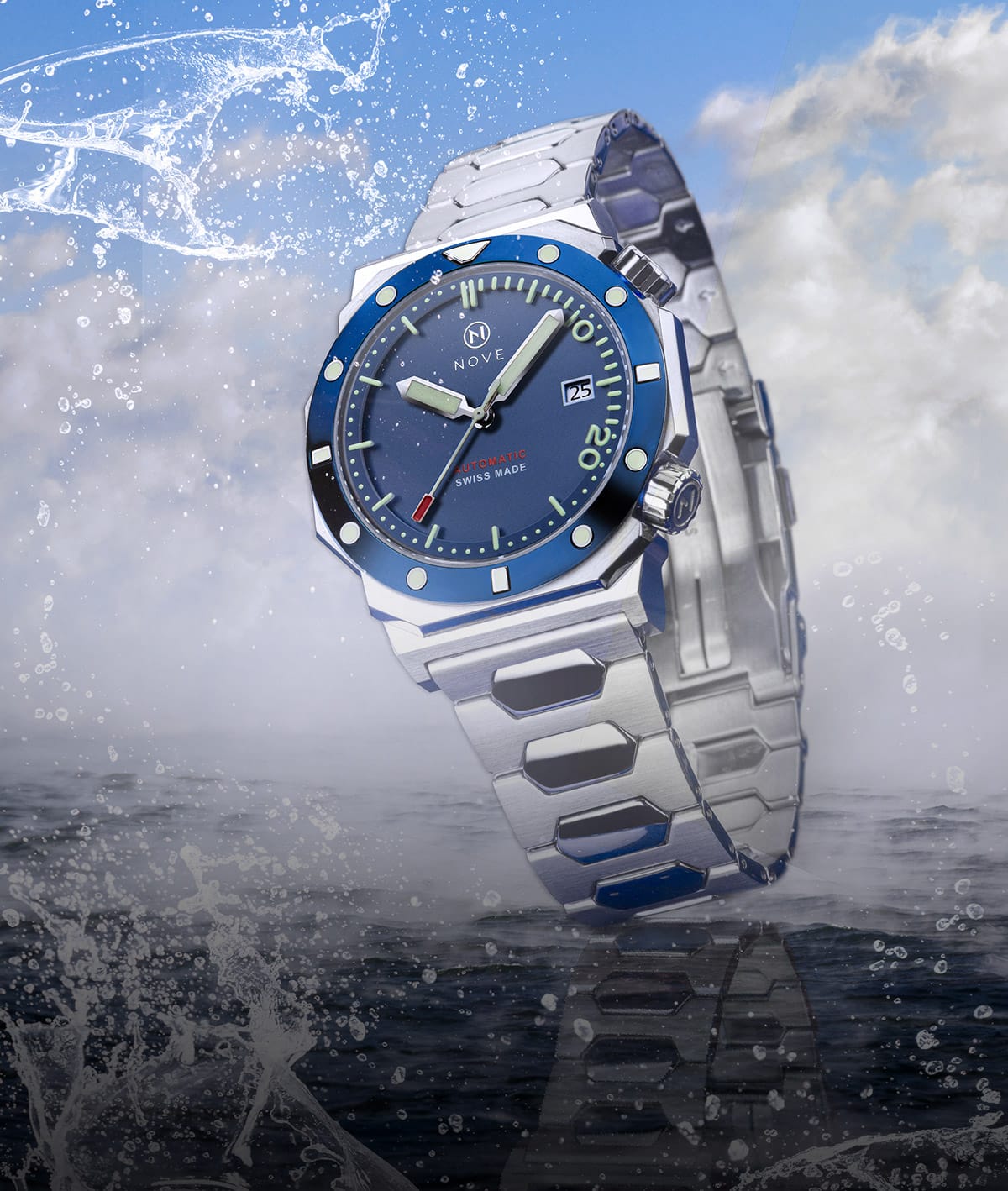
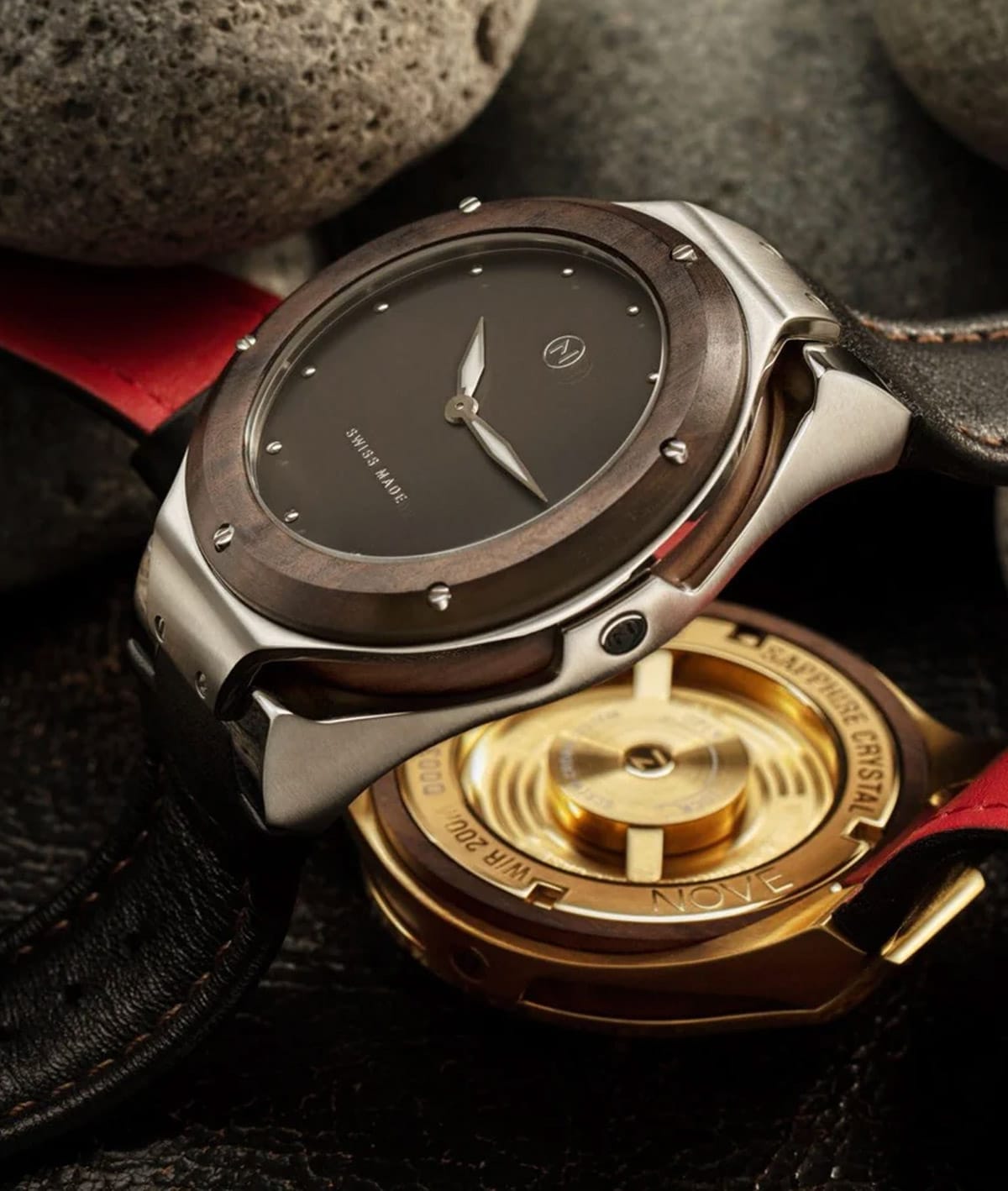
For a more distinctive approach, NOVE's Swiss chronograph designs draw on automotive influence and bold industrial form, proving that Swiss precision does not need to look restrained or predictable.
Buying With Confidence
A chronograph is worth considering from every angle, not only in product photography. Ask what movement powers it, what the water-resistance rating means in practical terms, and whether the proportions fit your wrist. Examine the dial at full size. Small details such as the alignment of the date, the depth of the subdials, and the finish of the pushers separate an ordinary watch from a piece with real presence.
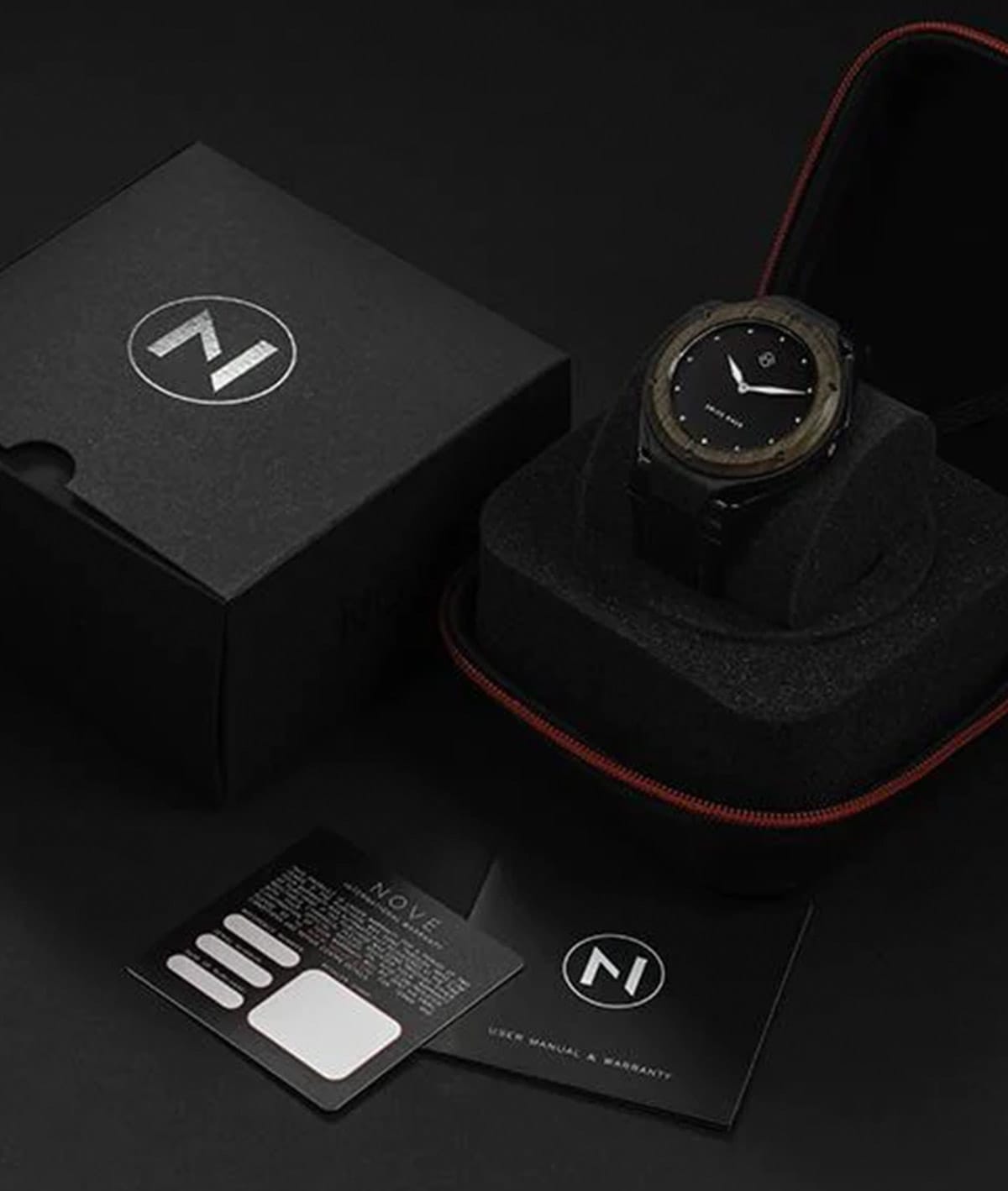
Also consider the ownership experience. A premium watch makes a stronger gift when it arrives with thoughtful presentation, and engraving can turn a milestone purchase into a personal keepsake. A meaningful warranty provides additional assurance, especially for a watch intended for frequent wear. These details may not change the elapsed time on a dial, but they change how confidently you can choose and enjoy the piece.
The finest chronograph is not necessarily the one with the busiest dial, the highest price, or the longest list of specifications. Choose the watch whose movement fits your rhythm, whose proportions feel natural, and whose design still gives you a reason to look down at your wrist long after the timer has stopped.