
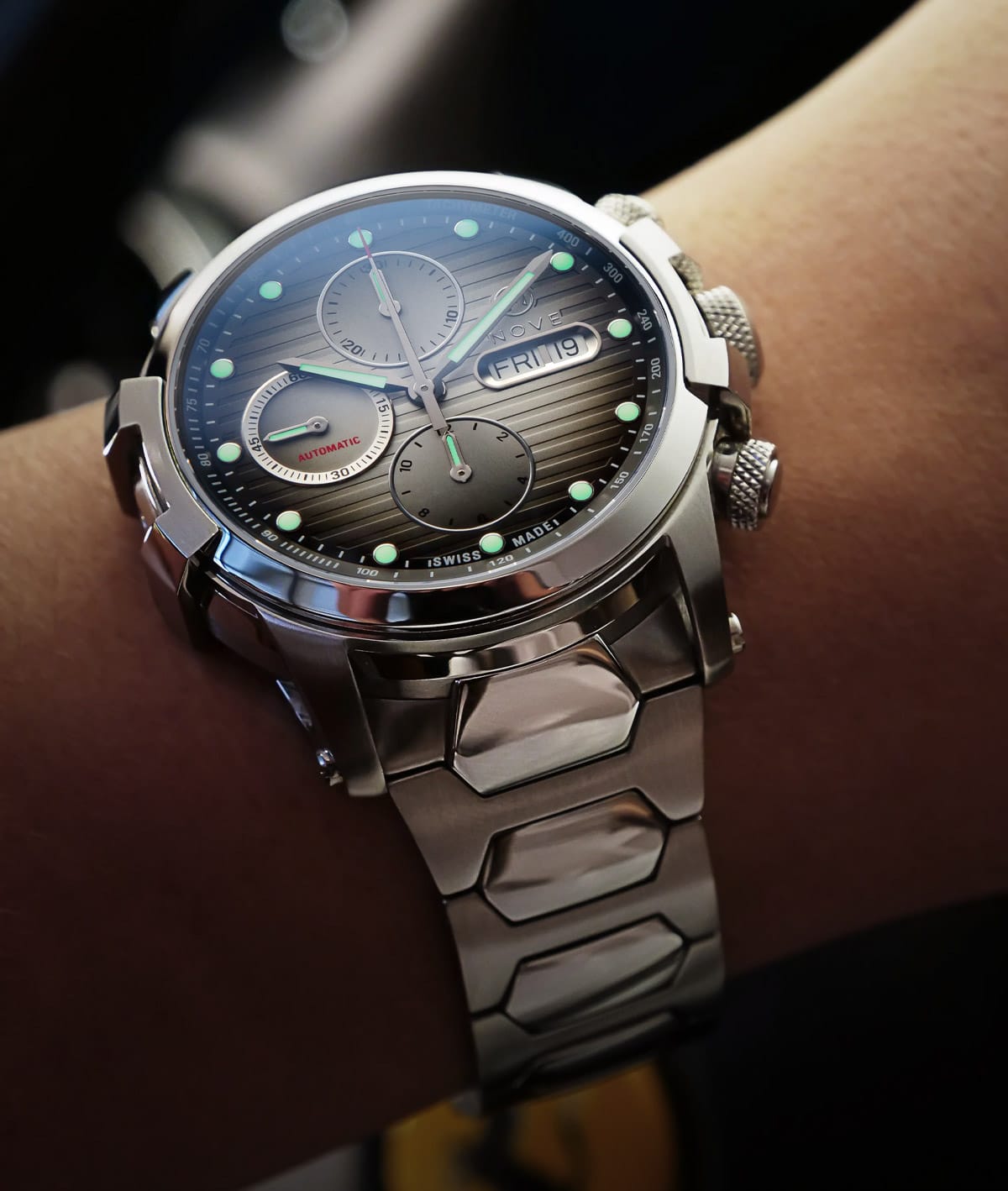
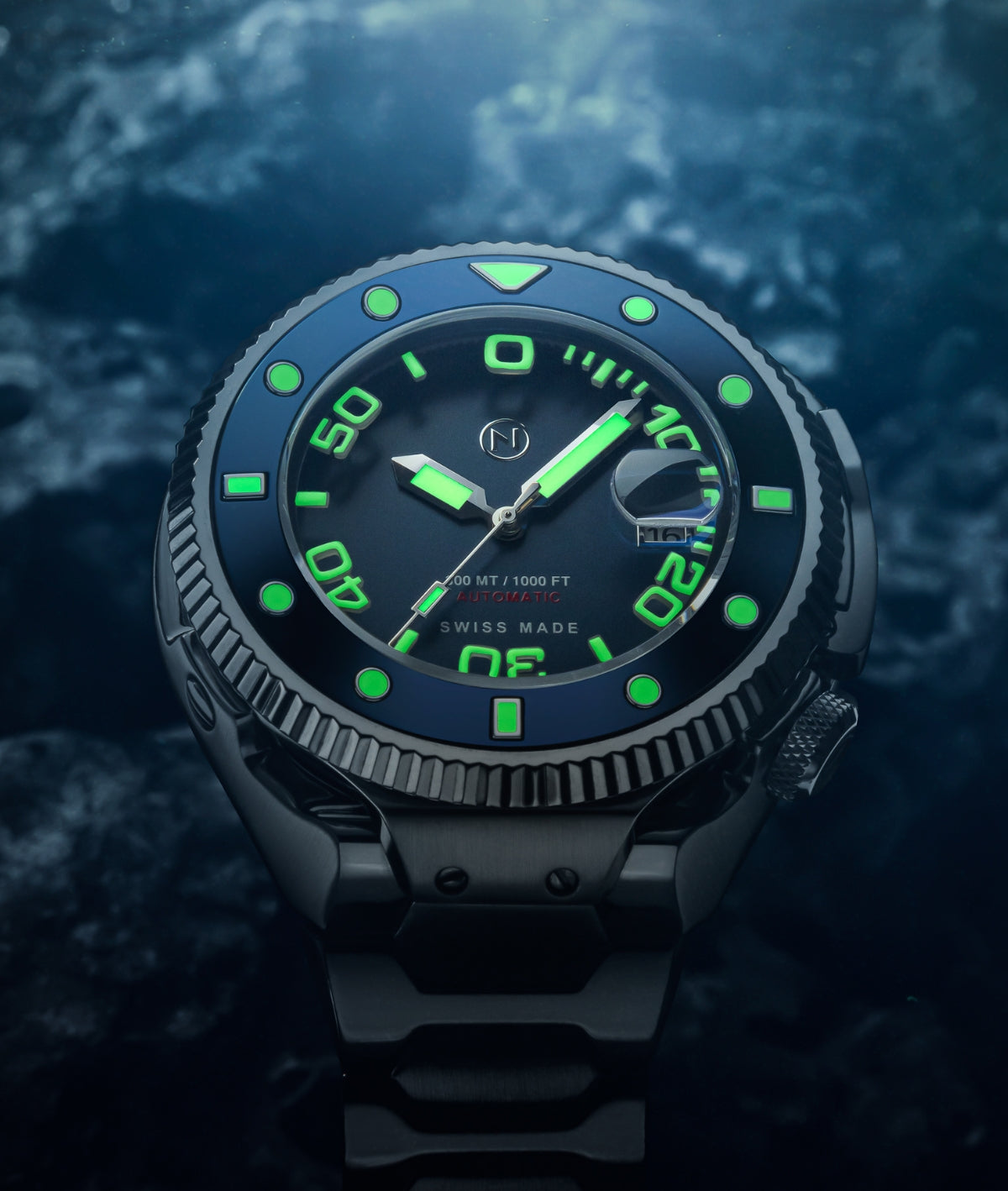
A watch that suddenly gains five, ten, or even thirty minutes a day can feel like a mechanical mystery. Often, the answer is watch magnetism - an invisible force that can disrupt a finely regulated movement without leaving a mark on the case, crystal, or dial. For anyone who values precision as much as design, it is one of the most useful watch-care issues to understand.
Magnetism is not usually a sign that a watch is poorly made. Modern life simply places timepieces near far more magnetic fields than the watchmakers of previous generations ever anticipated. Your phone, laptop, handbag clasp, speaker, induction cooktop, and even the magnetic closure on a tablet case can all create exposure over time.
What Is Watch Magnetism?
Mechanical watches keep time through the measured oscillation of a balance wheel and hairspring. The hairspring is an exceptionally delicate component: a thin coil designed to expand and contract at a precise rate. When it becomes magnetized, adjacent coils can cling together rather than breathing freely. That shortens the active length of the spring and causes the watch to run fast.
This is why a magnetized watch rarely drifts by a few seconds alone. The change can be dramatic, with a formerly accurate automatic or hand-wound piece gaining several minutes each day. In more severe cases, the movement may run erratically or stop altogether.
Quartz watches work differently. Their timekeeping is governed by an electronic oscillator rather than a hairspring, so they are generally less vulnerable to the classic “running fast” symptom. Still, a powerful magnetic field can interfere with the stepper motor that drives the hands. A quartz watch may appear to hesitate, jump strangely, or stop until it moves away from the source.
The Most Common Signs of a Magnetized Watch
A fast-running mechanical watch is the clearest sign, particularly when the change appears suddenly. If your watch was keeping acceptable time last week and is now racing ahead, magnetism deserves attention before more complicated explanations.
There are a few other clues. The seconds hand may seem less smooth on a mechanical movement, or the watch may show inconsistent daily performance depending on how it is positioned overnight. A watch that has recently been close to electronics, a magnetic clasp, or audio equipment is especially suspect.
That said, not every accuracy issue is magnetism. A watch can also run poorly because it has received a hard impact, needs service, has dried lubricants, or has a movement regulation issue. A diver’s watch that has spent years performing through travel, temperature changes, and active weekends may simply be ready for professional inspection. The key difference is speed: magnetism often produces a sharp, unmistakable change rather than a gradual decline.
Everyday Sources You May Overlook
The most powerful magnetic fields are not always the largest objects. Small accessories can create concentrated exposure when they sit directly beside a watch. Common sources include phone and tablet cases with magnetic closures, wireless charging pads, laptop speakers, Bluetooth speakers, refrigerators, handbag clasps, and magnetic tool holders.
Induction cooktops deserve particular caution. They are designed to produce a magnetic field strong enough to heat compatible cookware, and a watch should never be placed on or near the active cooking surface. Medical equipment, industrial machinery, and large loudspeakers can also generate fields that exceed what a conventional movement is designed to tolerate.
A brief pass near everyday electronics does not automatically ruin a watch. Distance matters. Magnetic strength falls rapidly as you move away from its source, so wearing your watch while using a phone is very different from leaving it directly on a charging puck overnight.
How to Test for Watch Magnetism
A basic compass can offer a simple at-home indication. Place the watch near the compass, then move it slowly around the compass in different orientations. If the needle reacts strongly as the watch approaches, there may be residual magnetism in the movement. This is not a perfect diagnostic, but it can be useful when a mechanical watch has suddenly begun gaining time.
A dedicated magnetism detector is more reliable and remains an excellent addition to a serious collector’s watch-care kit. Many watchmakers also use timing machines that reveal changes in amplitude, beat error, and rate. These measurements help distinguish magnetism from problems that require a fuller service.
Avoid testing a watch by deliberately pressing it against a magnet. That approach creates the very problem you are trying to identify. Precision deserves a more considered method.
Can You Demagnetize a Watch at Home?
Yes, in many cases. A quality watch demagnetizer can remove residual magnetism quickly. The process is straightforward: place the watch on or just above the device, activate it, then slowly lift the watch straight upward before releasing the button. The gradual movement away from the field is what allows the magnetic charge to disperse effectively.
For a standard mechanical watch, this can restore normal timing in moments. But the tool is not a cure-all. If the watch still runs significantly fast after demagnetizing, do not keep repeating the process. The issue may be a damaged hairspring, improper regulation, or a need for maintenance.
There is also a practical trade-off. Inexpensive demagnetizers are widely available, but their performance can vary. For a treasured Swiss automatic, limited edition, or watch with strong sentimental value, professional handling offers peace of mind. A qualified watchmaker can demagnetize the movement, test its rate, and confirm that the watch is performing as it should.
When to Visit a Watchmaker
Professional service is the right choice if your watch has been exposed to a known powerful magnetic source, continues gaining time after demagnetizing, has suffered an impact, or shows moisture under the crystal. A watchmaker should also inspect a timepiece if its behavior changes alongside reduced power reserve, unusual noises, or difficulty winding.
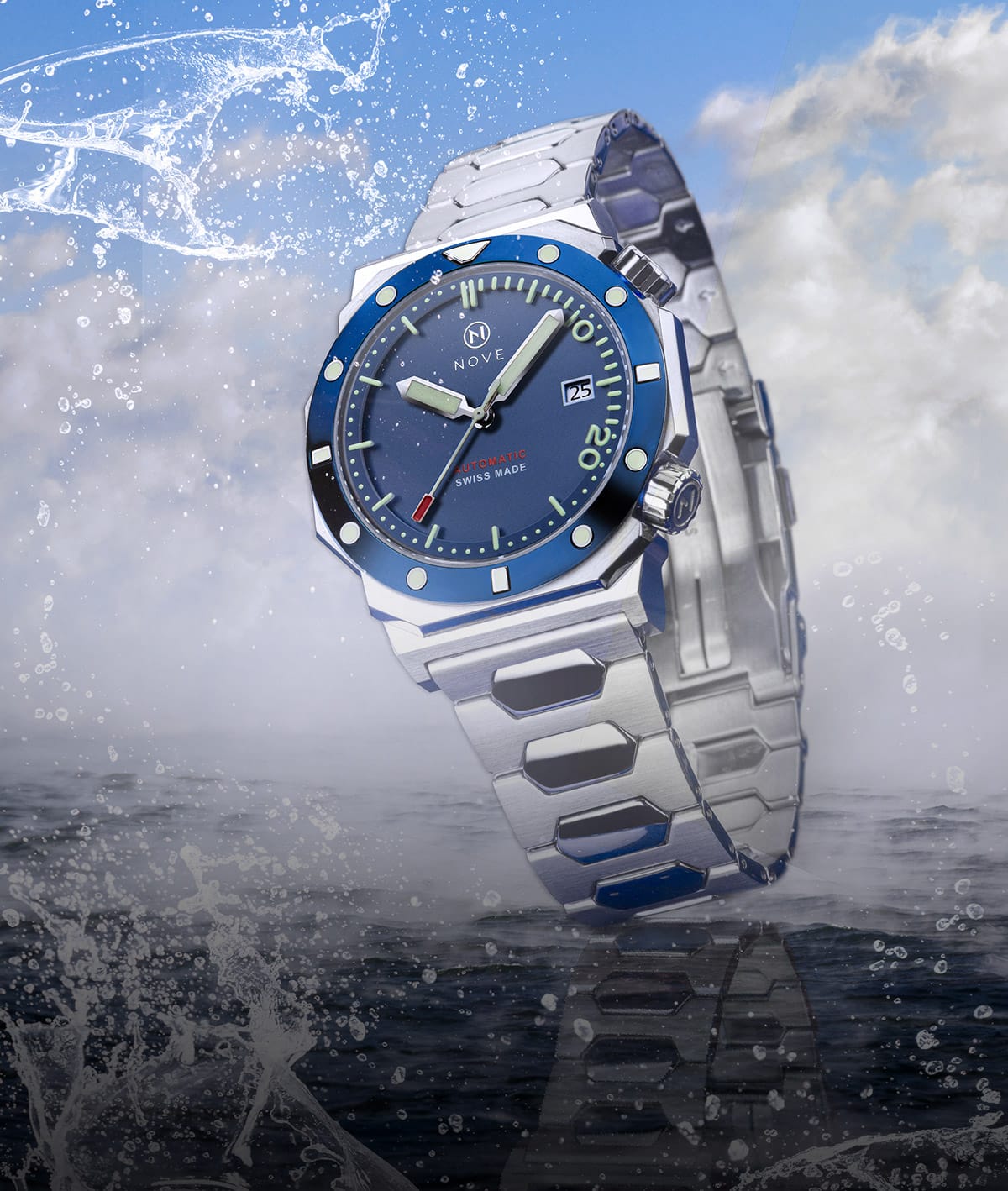
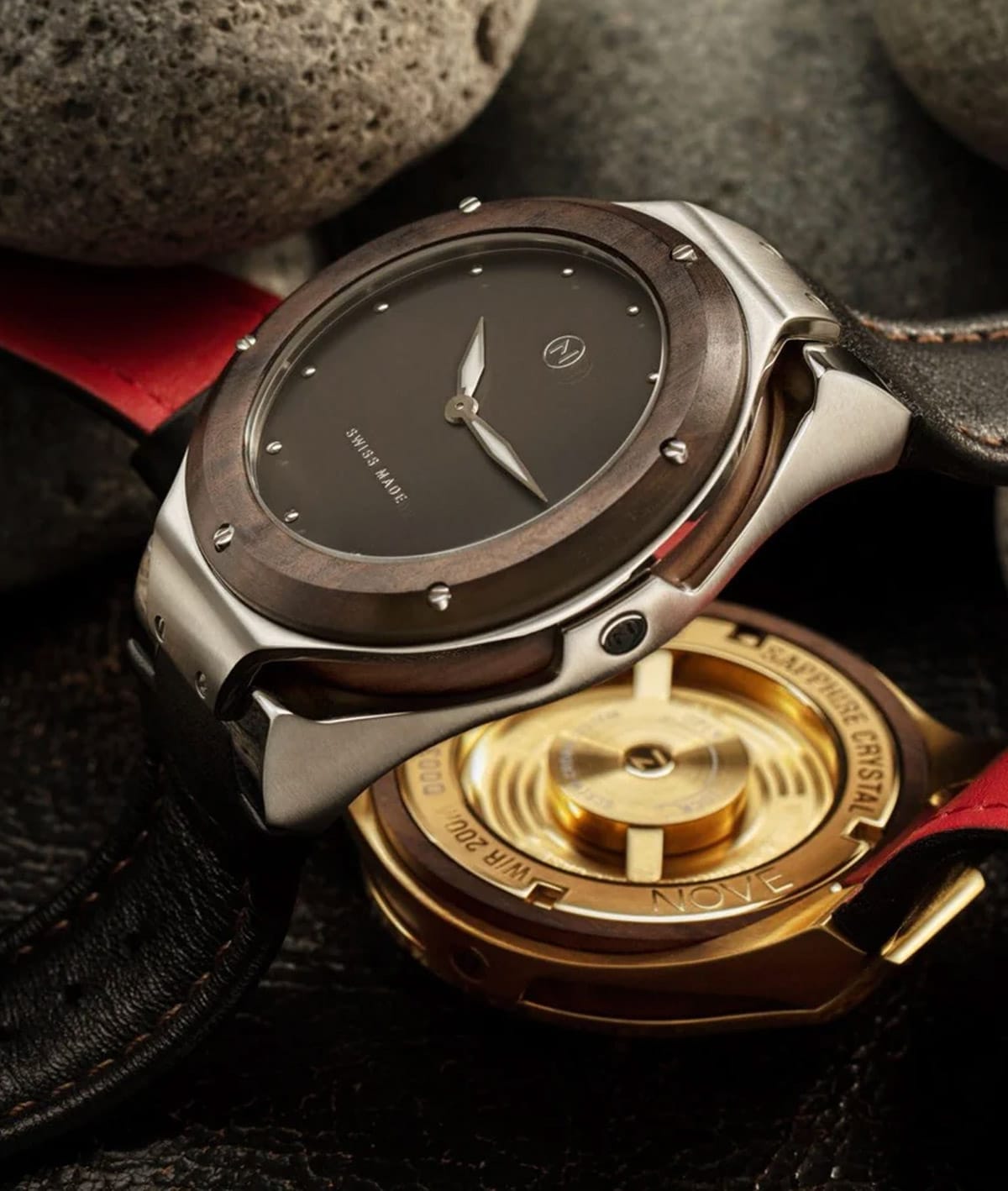
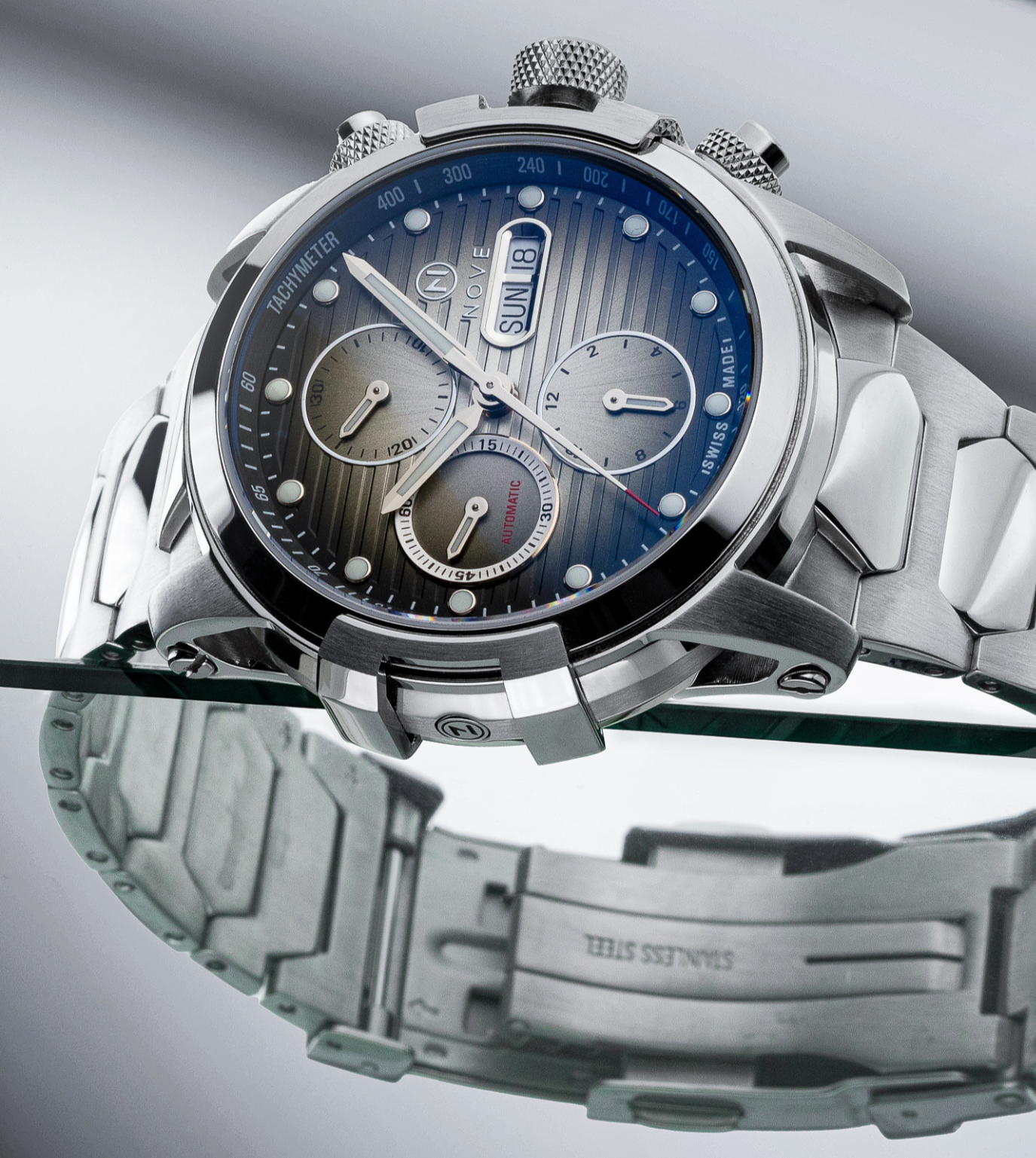
This matters for more than timekeeping. A refined watch is a compact feat of engineering, whether it is a Swiss automatic designed for the ocean’s edge or a polished everyday statement piece. Preserving its performance protects the experience of wearing it.
How Modern Watches Resist Magnetism
Many contemporary watch movements use anti-magnetic materials that are less susceptible to magnetic fields than traditional alloys. Silicon hairsprings, nickel-phosphorus components, and specialized alloys can substantially improve resistance. Some watches also use an inner soft-iron cage that shields the movement from outside fields.
Anti-magnetic construction is valuable, but it is not permission to ignore exposure. Resistance ratings vary widely. A watch engineered to withstand a stated magnetic field has been tested under specific conditions, not designed to live on a speaker cabinet or charging station. Materials, movement architecture, and the intensity and duration of exposure all shape the result.
For buyers, the best approach is to see anti-magnetism as one element of a complete watch. Water resistance, case construction, crystal durability, movement quality, and serviceability matter too. NOVE designs Swiss-made watches for people who expect bold visual identity and enduring performance, and that same expectation should guide how any fine timepiece is worn and maintained.
Simple Habits That Protect Your Watch
Keep your watch off wireless chargers, speakers, and magnetic desk accessories when you take it off for the evening. Store it in a watch box or on a non-magnetic surface rather than beside electronics. During travel, avoid placing it directly against the magnetic clasps found in bags and cases.
If your work involves industrial equipment, medical devices, aviation systems, or powerful audio gear, ask a watchmaker about movements and materials suited to that environment. The right watch depends on the field strength you encounter, not just on a label that says “anti-magnetic.”
A precise watch should feel effortless, not fragile. Give it a little distance from powerful magnets, monitor sudden changes in accuracy, and seek expert care when the movement tells you something has changed. That small measure of attention lets the craftsmanship on your wrist keep its rhythm with confidence.