
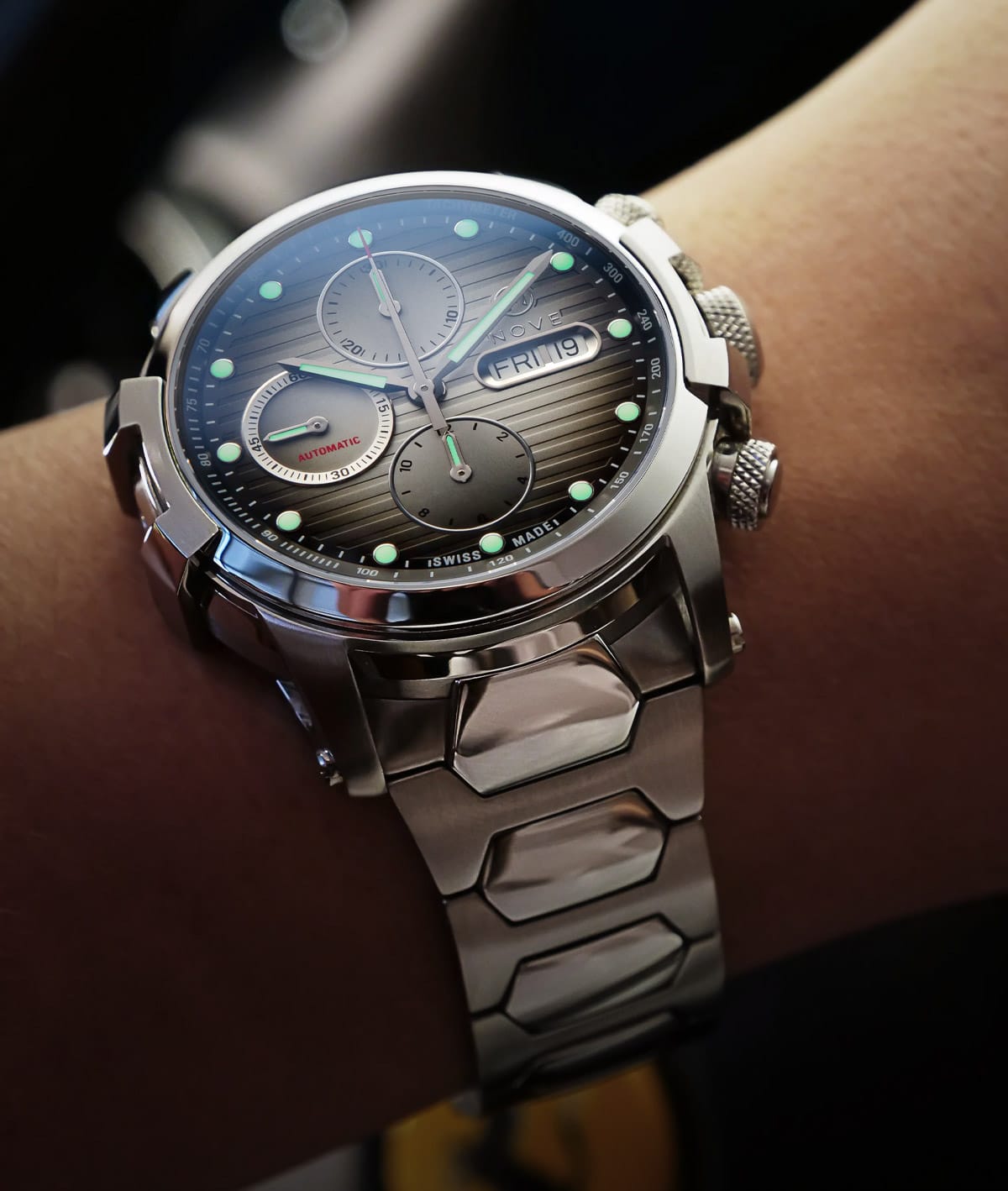
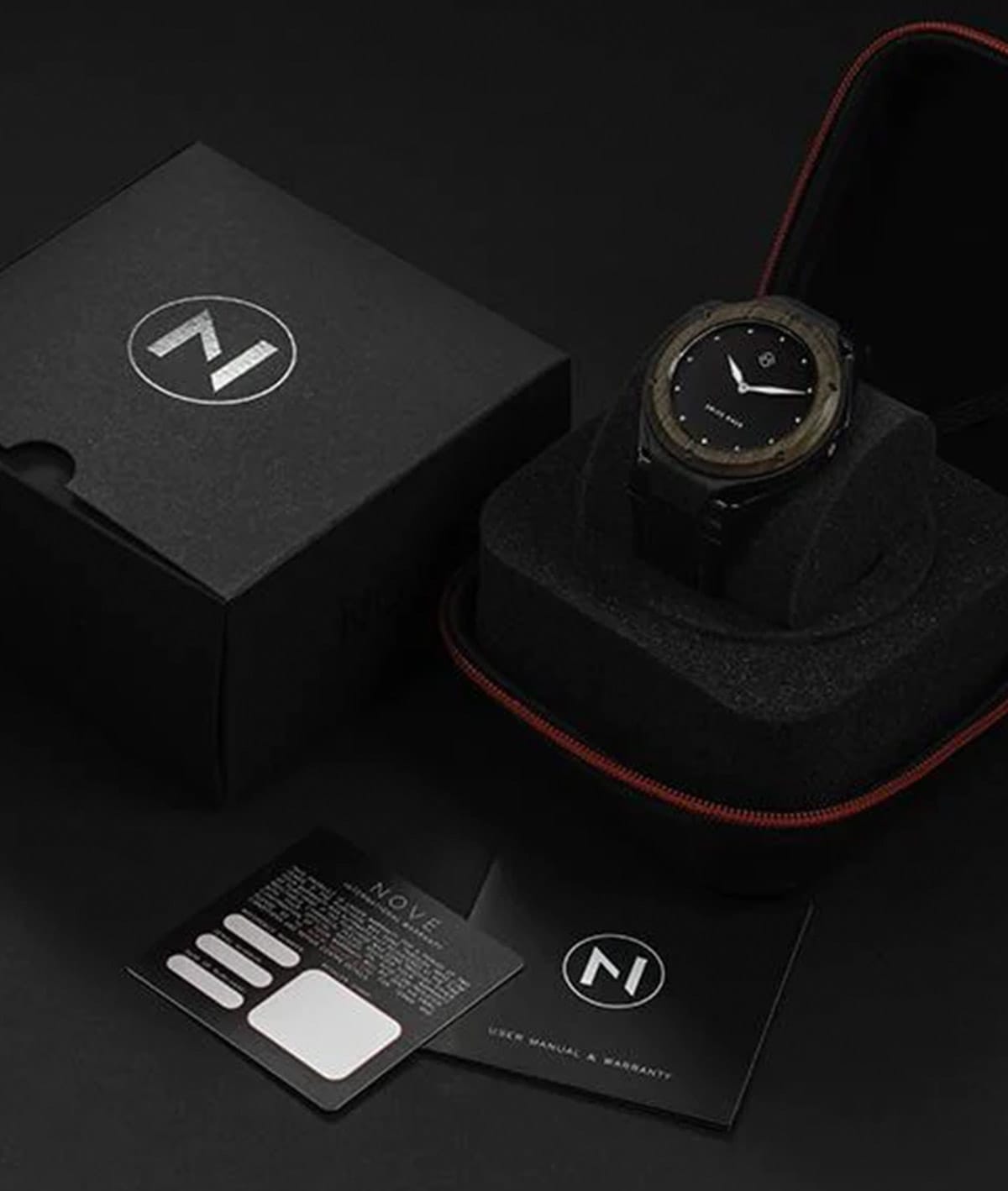
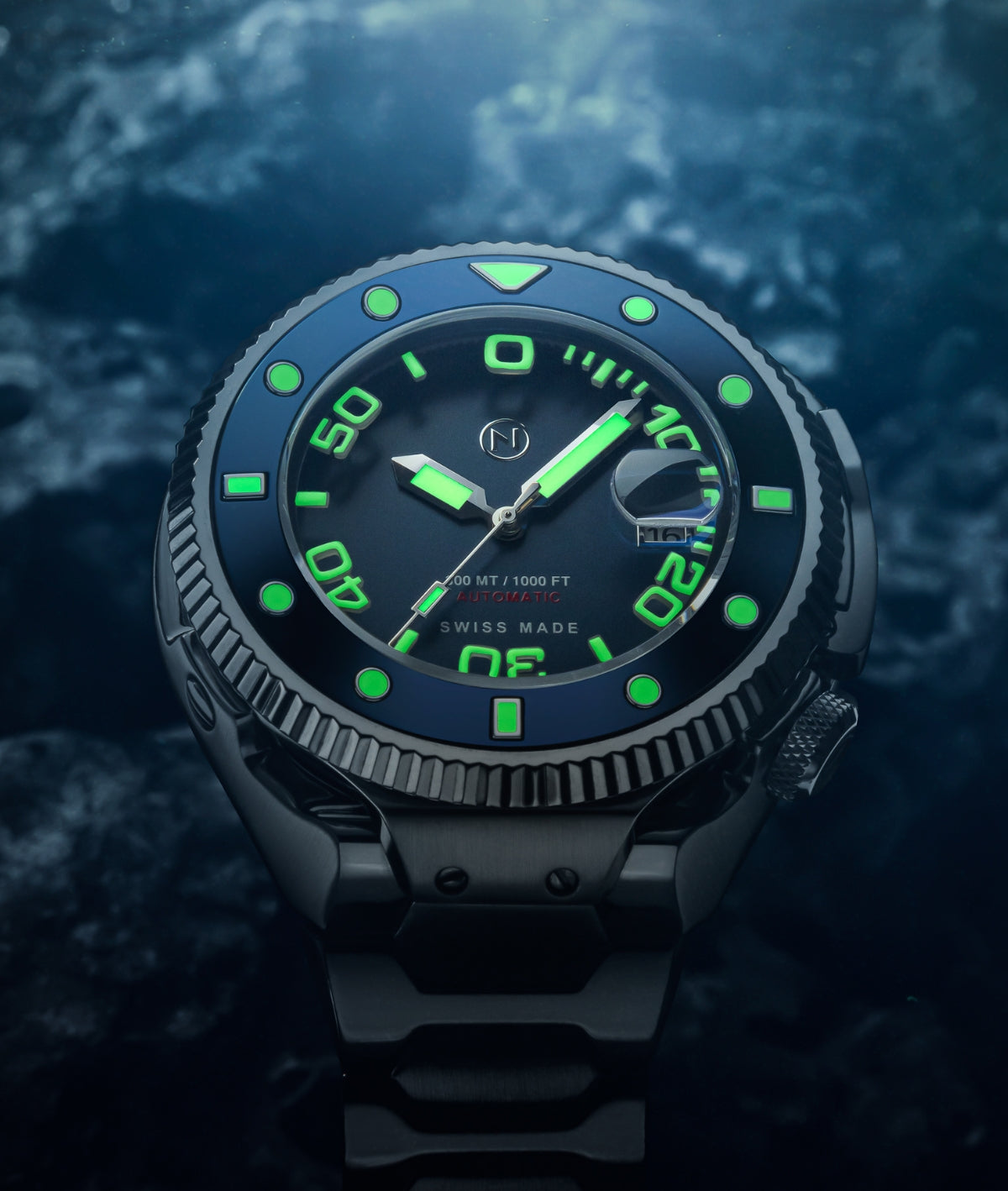
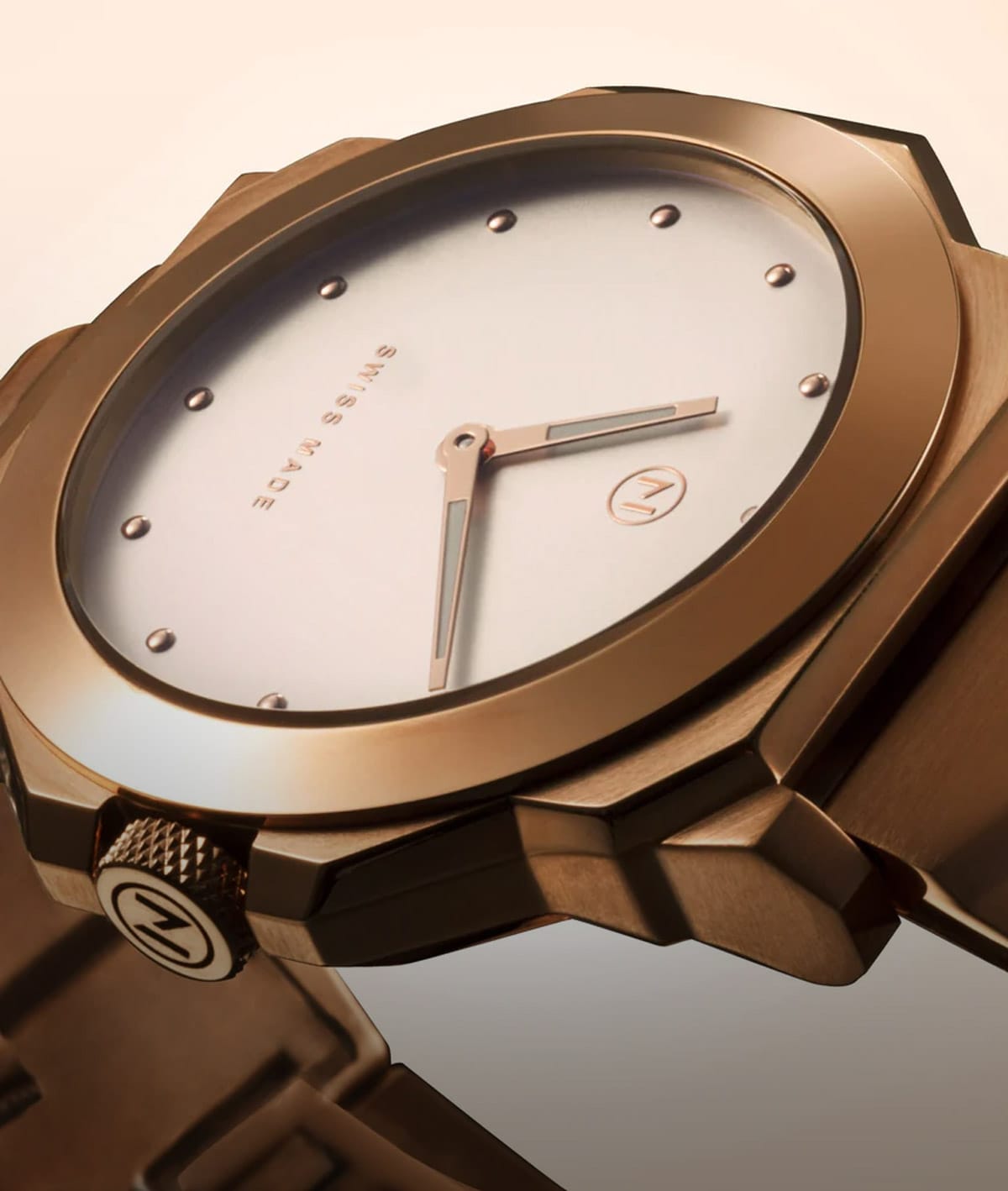
A statement watch should never feel like an afterthought. Its case architecture, dial depth, bezel, and bracelet are designed to draw the eye, so the rest of your look needs to give it room to perform. Knowing how to style a statement watch is less about following rigid rules and more about understanding proportion, purpose, and the kind of confidence a distinctive Swiss-made timepiece brings to the wrist.
A bold watch can sharpen a tailored suit, add intention to a simple T-shirt, or become the one refined detail that carries an entire travel wardrobe. The key is not to make everything else equally loud. Let the watch set the visual tempo.
How to Style a Statement Watch by Scale
The first decision is scale. A substantial dive watch or sculptural chronograph has a physical presence that changes the balance of an outfit. Treat it as you would a well-cut jacket or a pair of exceptional boots: it deserves consideration, but it does not need competition.
With a larger case, keep cuffs clean and comfortable. A shirt sleeve should sit naturally behind the watch rather than catch on the bezel or bunch over the case. Tailoring with a slightly more open cuff works particularly well, allowing a glimpse of the timepiece when your arm moves without forcing it into view.
If your watch has a broad bracelet, angular lugs, or a colorful dial, favor clothing with a clear silhouette. A dark knit polo, crisp oxford shirt, fitted overshirt, or relaxed camp-collar shirt gives the watch a defined stage. Extremely busy prints can work, but only when they share one controlled color story with the dial or strap.
Smaller wrists can still wear an assertive watch. The goal is not to make the case disappear, but to avoid a watch that overwhelms the hand and sleeve. Choose a watch whose lugs do not extend far past the edges of your wrist, then pair it with structured pieces such as a leather jacket, field shirt, or unstructured blazer. The visual weight of the outfit will make the watch feel intentional.
Match the Watch to the Mood, Not Just the Dress Code
A common mistake is assuming a statement watch belongs only with casual clothing. In reality, the strongest styling comes from matching its personality to the occasion.
Business and elevated everyday wear
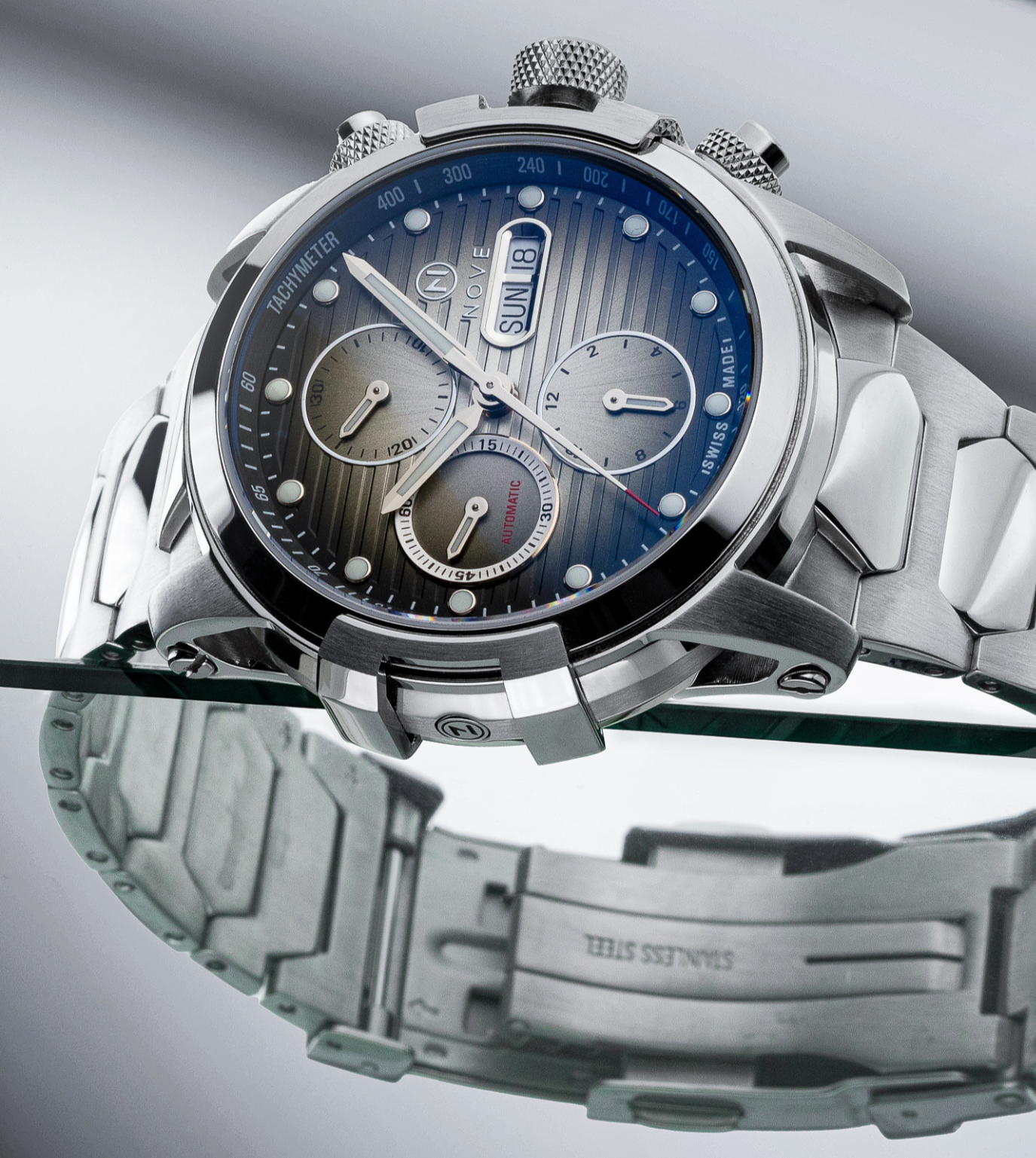
For the office, client dinner, or a polished evening out, pair a bold steel watch with quiet foundations: navy, charcoal, black, cream, olive, and crisp white. A deep blue or black dial against a tailored jacket feels composed rather than conservative. A refined chronograph can bring engineering-led character to a simple shirt and trousers, while a sleek automatic watch adds substance to a knit and tailored pants.
Avoid stacking too much metal on the same wrist. One watch and one slim bracelet can work if their finishes are compatible, but several bracelets can obscure the watch's design. If you wear a ring, belt buckle, or cuff links, they do not need to be an exact match. Silver-toned steel can sit confidently beside warm gold details when the overall look remains restrained.
Weekend, travel, and outdoor settings
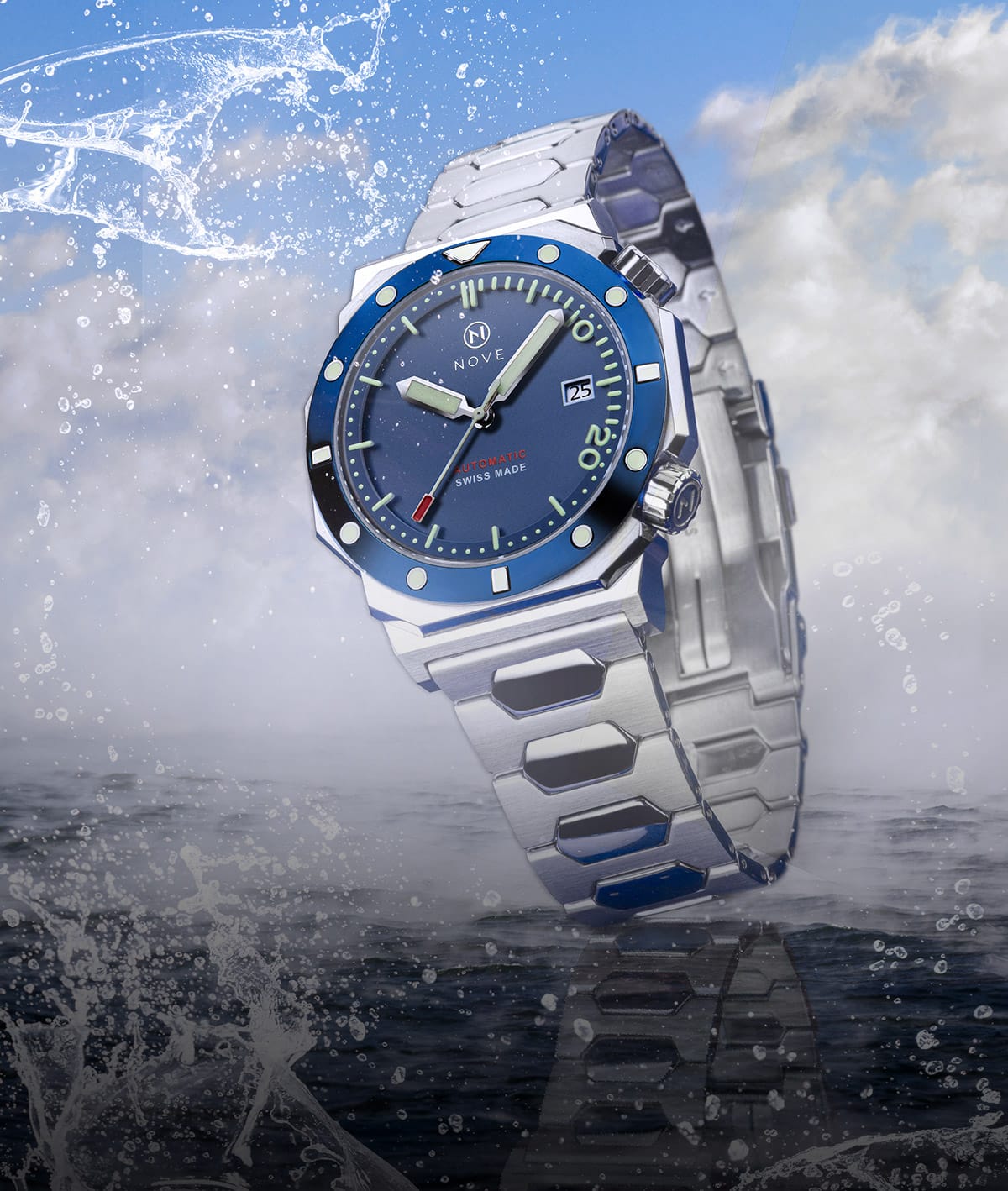
This is where a capable dive watch earns its place beyond the display case. Pair it with a textured overshirt, linen button-down, premium denim, swimwear, or a technical jacket. The contrast between precise Swiss engineering and relaxed clothing creates an easy sense of adventure.
A rubber strap is particularly effective for active days, warm climates, and waterside plans. It keeps the watch athletic and modern. A steel bracelet feels more architectural and polished, making it a natural choice for city travel, dinner after the beach, or any occasion where you want performance and refinement in the same piece.
Formal events
A statement watch can work with formalwear, though the design must be edited with care. Choose a slimmer profile, a darker dial, or a more restrained strap when wearing a tuxedo or sharply tailored suit. A highly technical bezel, oversized case, or bright accent color may pull focus from the formality of the occasion.
That said, formal style does not require invisibility. A beautifully finished watch with a black, silver, or deep blue palette can offer a personal signature beneath a dinner-jacket cuff. The best choice feels like a private detail noticed only when you reach for a glass or offer a handshake.
Use Color With Precision
Statement watches often introduce color through the dial, bezel, seconds hand, or strap. Rather than trying to match every shade exactly, create a conversation between the watch and one other element of your outfit.
A blue dial can echo dark denim, navy tailoring, or a faded chambray shirt. Green works beautifully with khaki, stone, chocolate brown, and off-white. A black watch gains dimension against gray, cream, or washed indigo. Bright accents, such as orange or red, look strongest when they remain the only vivid note in the outfit.
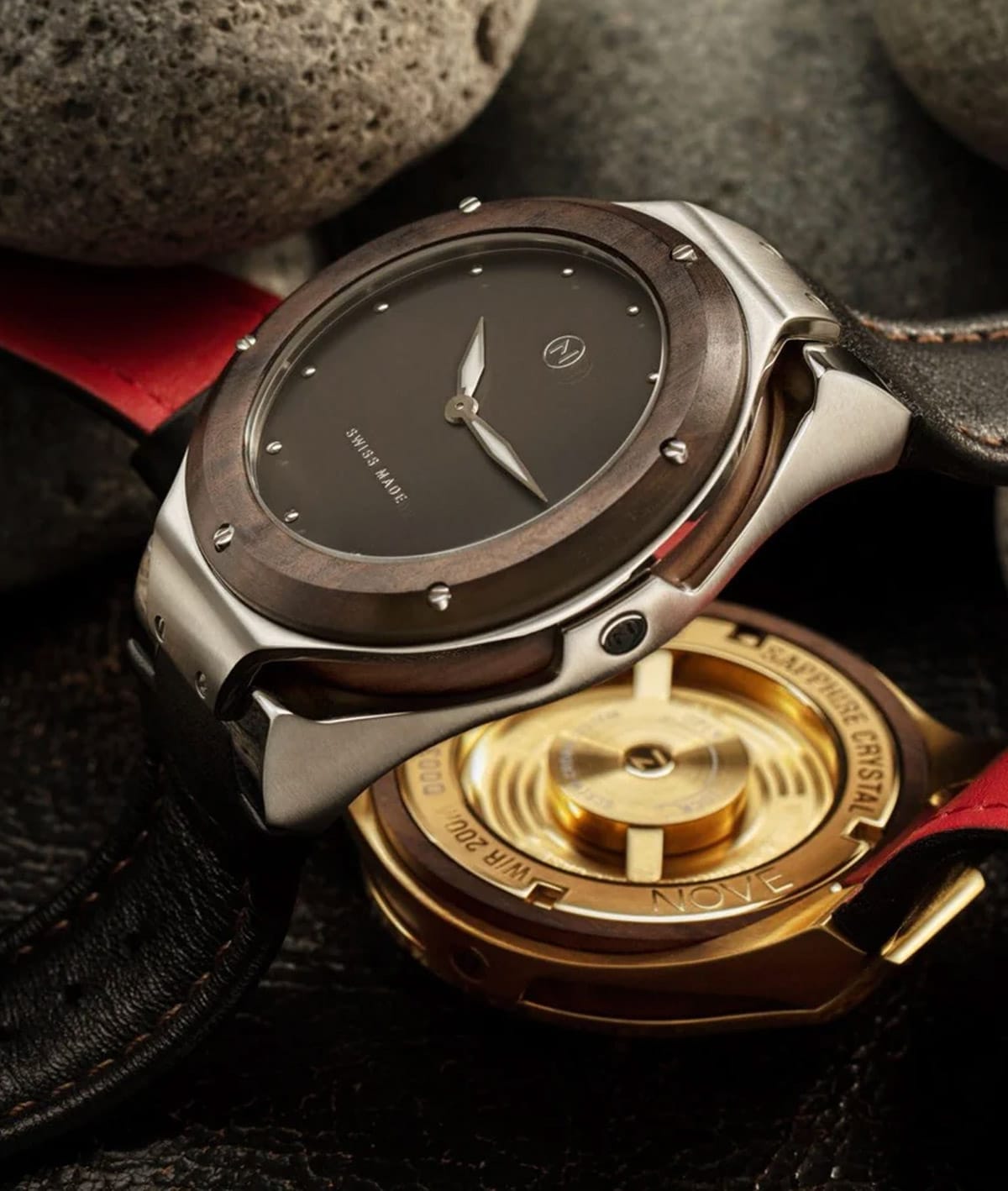
Texture matters as much as color. A brushed steel case feels at home with denim, suede, canvas, and coarse knits. Polished elements pair naturally with smooth leather, fine wool, and crisp cotton. This is why an athletic watch can still look sophisticated: the materials around it determine whether it reads as rugged, tailored, or deliberately modern.
Let One Hero Piece Lead
The most reliable styling principle is simple: when the watch is the hero, reduce competing accessories. A bold timepiece already carries shine, color, and geometry. It rarely needs a heavily branded belt, oversized chain, dramatic sunglasses, and multiple rings at the same time.
This does not mean your look must be minimal. It means each element should have a role. Perhaps the watch provides the metal, a textured jacket provides depth, and a pair of quality leather shoes provides warmth. That combination feels layered without becoming crowded.
If you enjoy jewelry, separate visual weight across both hands. Wear the watch on one wrist and a single ring or subtle bracelet on the other. For a more expressive look, choose jewelry with a different texture, such as matte silver beside polished steel or braided leather beside a clean bracelet. The contrast should feel considered, not accidental.
Make Strap Changes Part of Your Styling Routine
A statement watch can take on a new character with a strap change. This is one of the most effective ways to extend the life of a favorite piece across seasons and settings.
A steel bracelet projects confidence, durability, and metropolitan polish. Rubber feels sportier and is ideal for heat, water, and movement. Leather adds warmth and can make a substantial case feel more tailored, particularly in fall and winter. Fabric straps bring a relaxed, utilitarian note that suits casual layers and weekend wear.
The trade-off is coherence. Not every strap suits every case, and a highly polished watch on a casual fabric strap may feel disconnected unless the design was built for it. Look at the dial color, case finishing, and purpose of the watch before changing its foundation. A well-chosen strap should reveal another side of the design, not disguise it.
Wear It Like It Belongs to You
A remarkable watch is meant to be seen in motion, not preserved for a hypothetical perfect occasion. Wear it to the dinner that matters, the trip you have been planning, the presentation where you want to feel sharper, or the ordinary Saturday that deserves a little more distinction.
NOVE designs its watches with this tension in mind: expressive enough to be noticed, engineered enough to be worn. The best outfit is not the one that follows every convention. It is the one that lets a distinctive timepiece feel like a natural extension of your own standards.
Choose the setting, edit the surrounding details, and let the watch carry its share of the story. When the proportions feel right, a statement watch does more than tell time. It gives your entire look a point of view.