
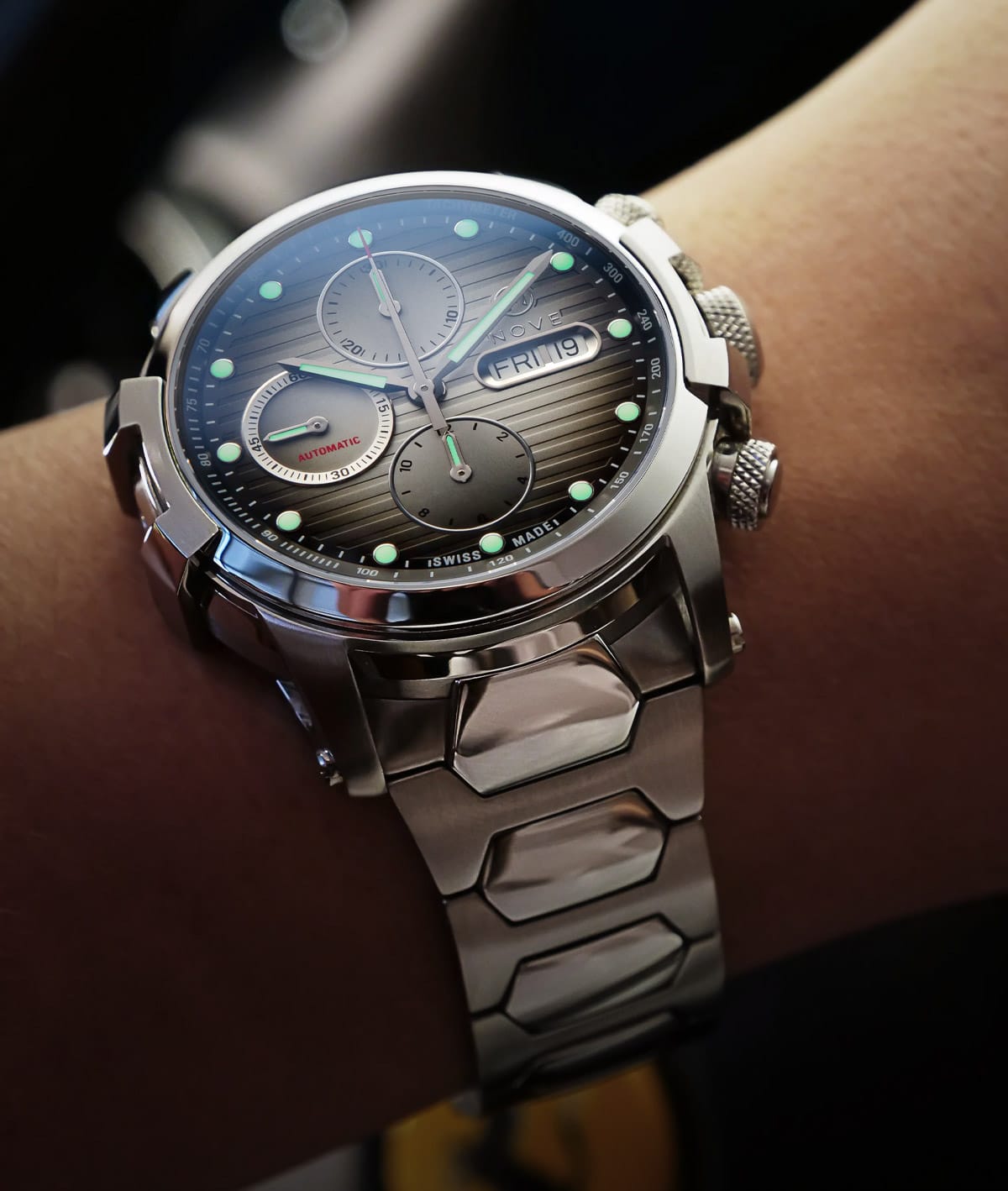
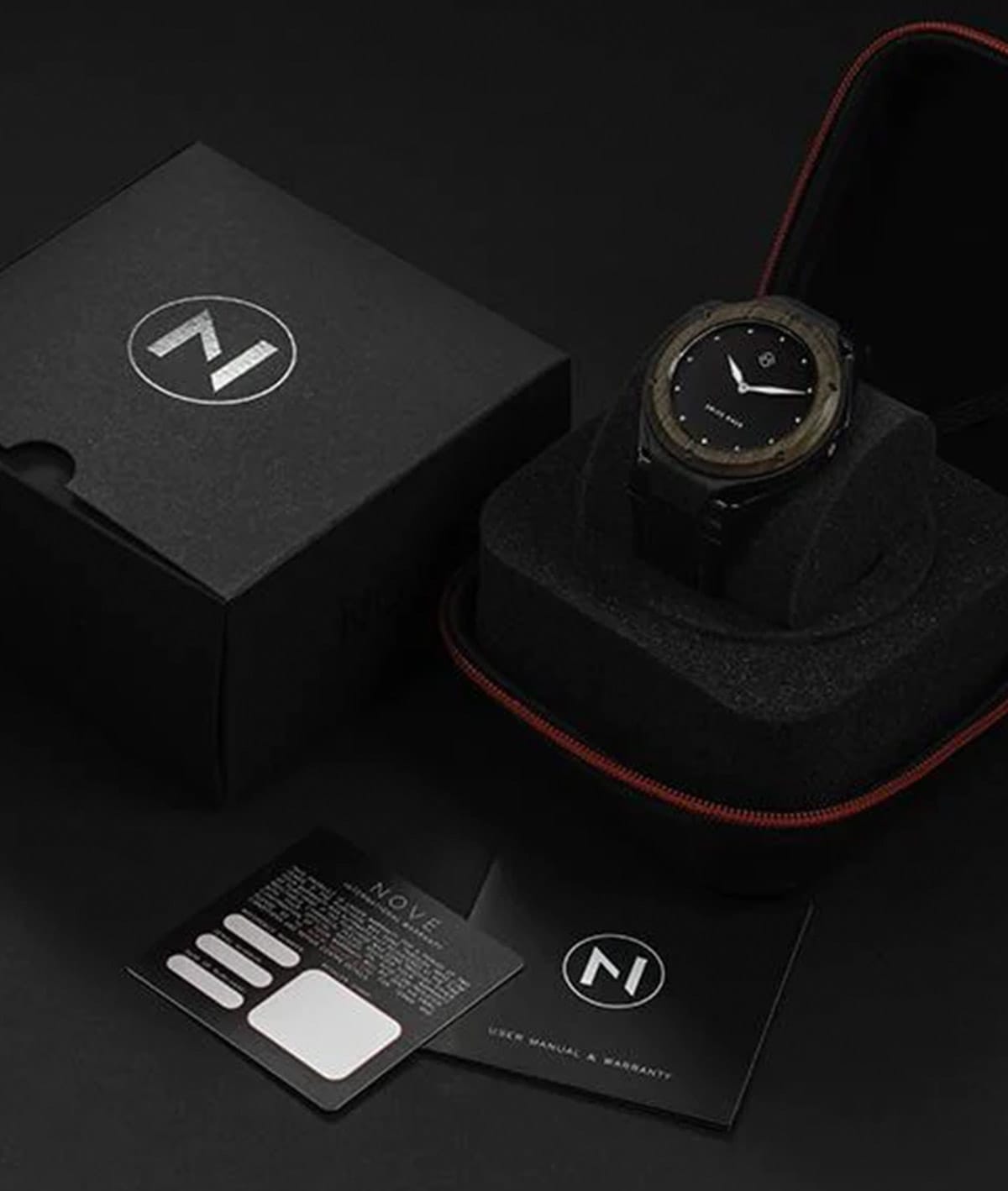
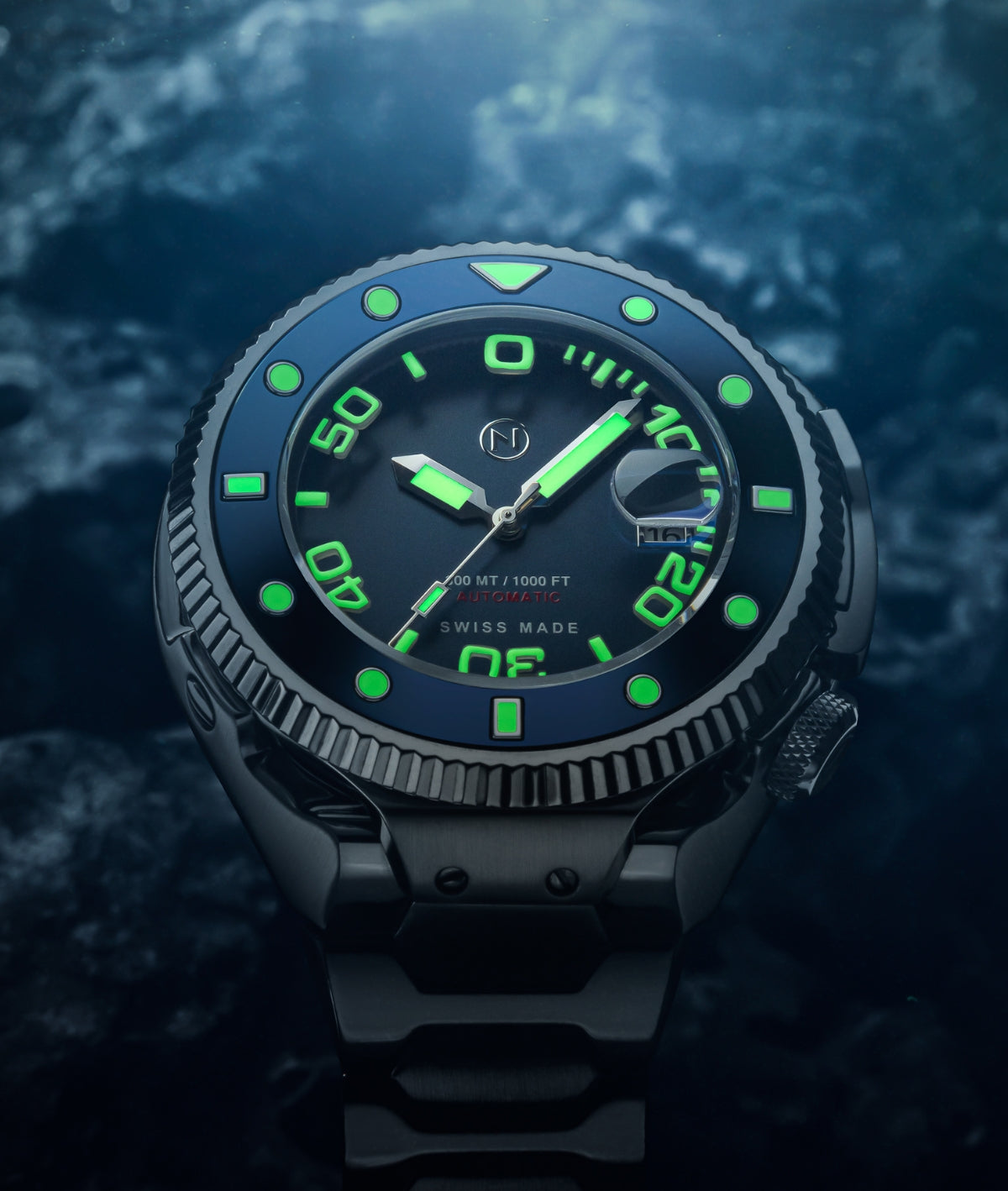
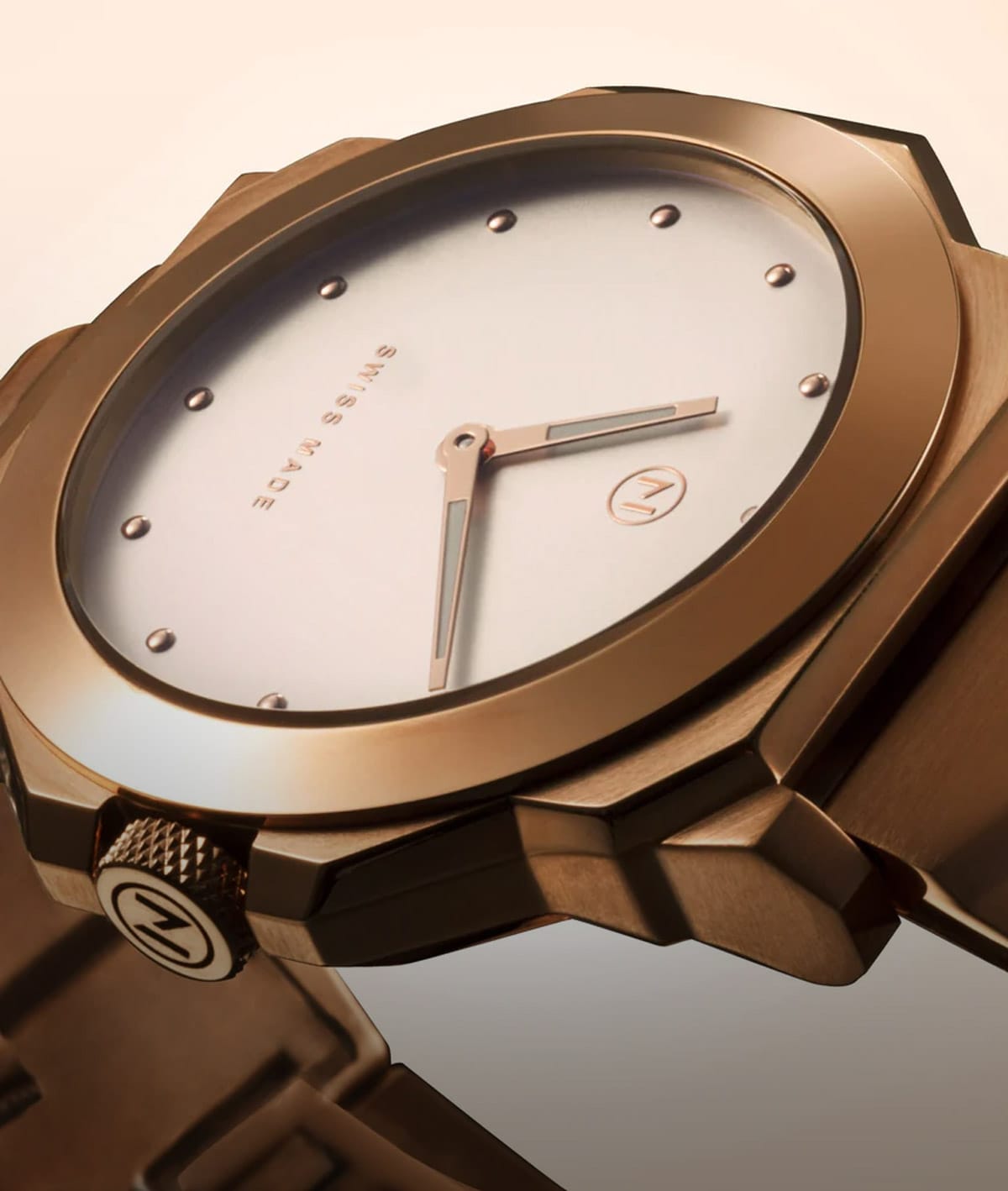
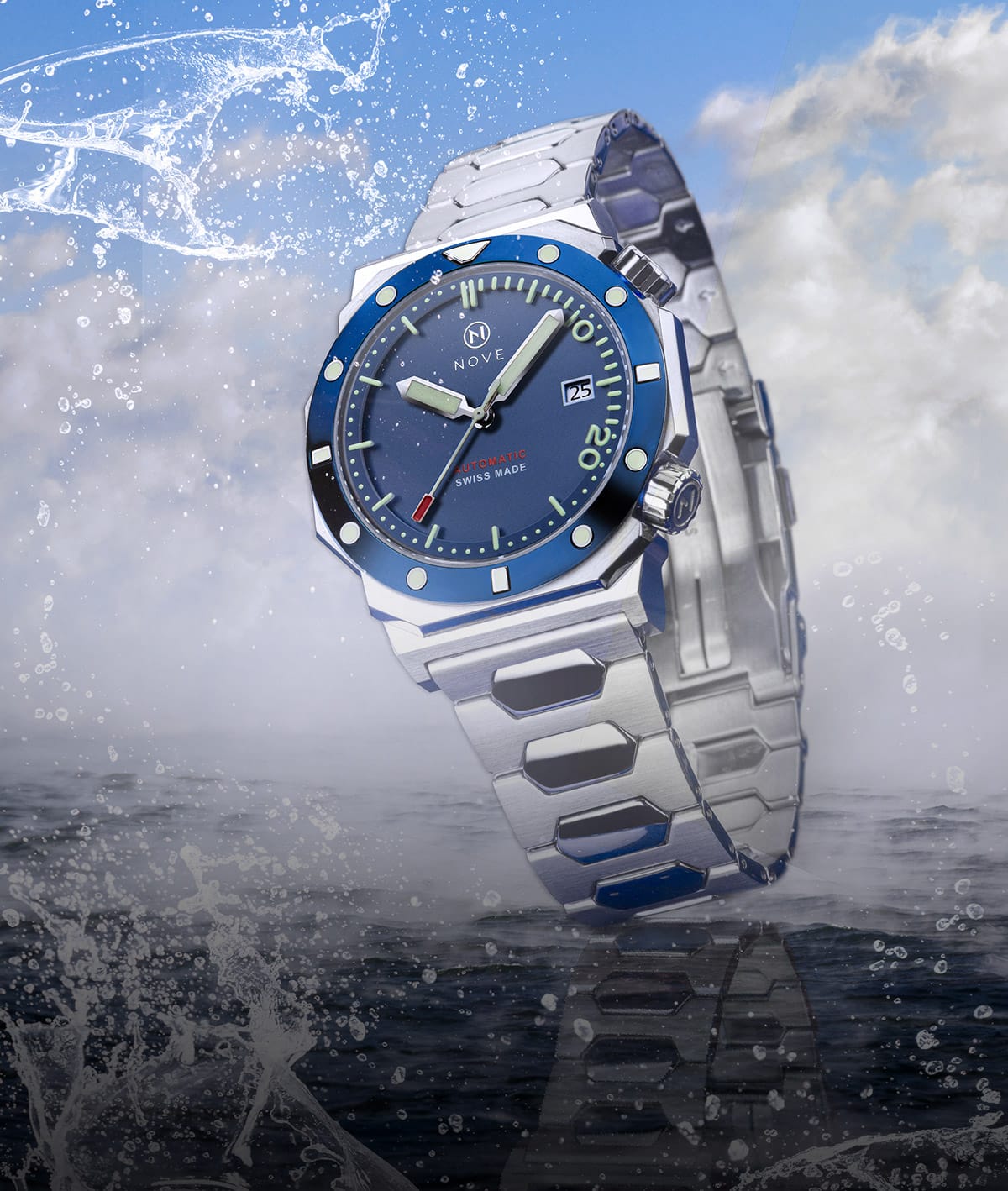
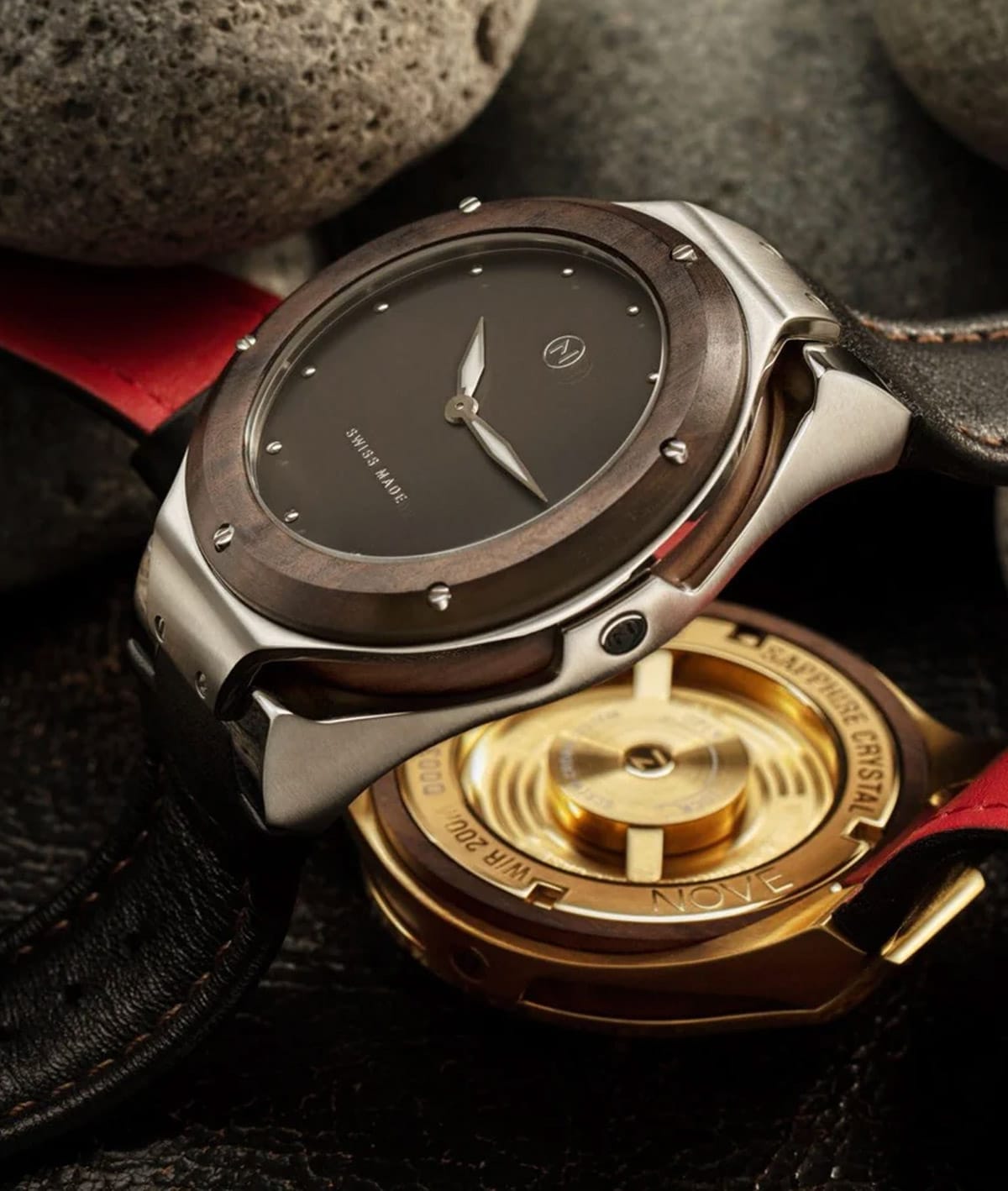
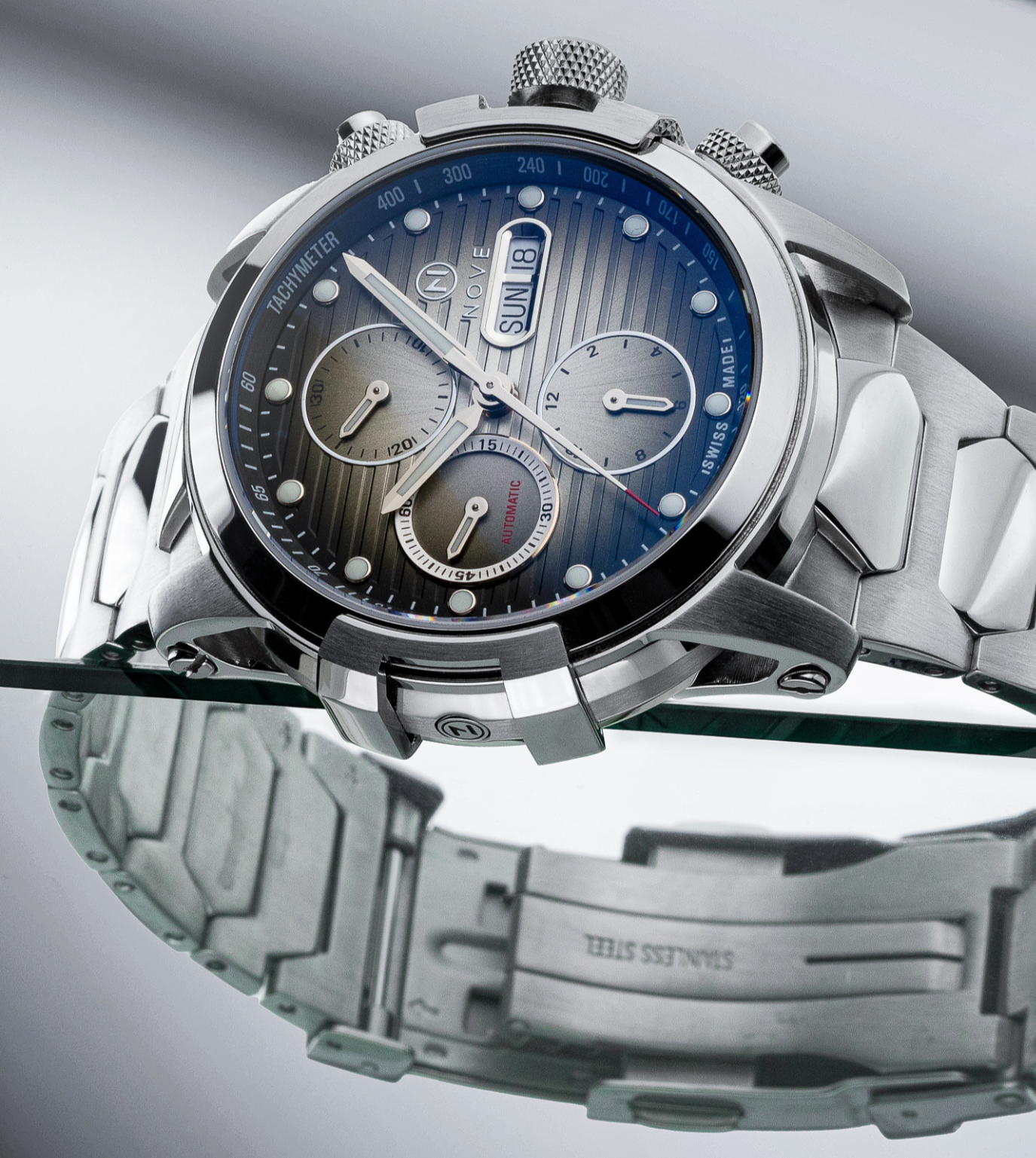
An automatic watch earns its character on the wrist. The rotor moves with you, transferring energy to the mainspring and bringing a mechanical caliber to life without a battery. Knowing how to maintain automatic watch performance preserves more than accurate timekeeping. It protects the precision, finishing, and unmistakable presence that make a Swiss-made timepiece worth wearing for years.
Mechanical watches are designed for use, not isolation. Still, their intricate movements reward a considered routine. A few disciplined habits will help your watch remain a dependable instrument, whether it is built for the office, open water, or the open road.
Wear It Regularly, but Wind It Thoughtfully
Your natural wrist motion is what keeps an automatic movement running. For many watches, consistent daily wear provides enough motion to maintain the power reserve. If you rotate between several watches or leave one unworn for a few days, it may stop. That is normal, not a defect.
Before putting a stopped watch back on, give it a gentle manual wind if its movement allows it. With the crown in its normal pushed-in position, turn it slowly around 20 to 40 times. This gives the mainspring a healthy starting charge before the rotor takes over. Avoid rushing the process or forcing the crown if it resists.
Not every automatic watch has the same winding system, power reserve, or crown construction. A watch with a screw-down crown must first be carefully unscrewed, and it should be securely screwed back into place afterward. Check the model-specific instructions before winding. Precision engineering deserves precision in handling.
A common concern is overwinding. Modern automatic movements are generally fitted with a slipping bridle that helps prevent damage once the mainspring reaches full tension. Even so, there is no advantage in repeatedly winding a watch that is already running and being worn daily. Wind it to start it, then let the movement do what it was designed to do.
Set the Time and Date With Care
The crown is a direct connection to the movement, so it is one of the most important parts to handle correctly. Pull it out only as far as needed, and use measured turns rather than quick, aggressive adjustments. When setting the time, move the hands forward whenever practical. Some movements tolerate backward setting, but advancing the hands is the safer default unless your instructions say otherwise.
Date mechanisms require added attention. On many automatic watches, the date-changing gears are engaged during the late-evening and early-morning hours, often roughly between 9 p.m. and 3 a.m. Adjusting the date during that window can strain delicate components. Set the hands outside that range first, then use the quick-set date function if your watch has one.
If your watch has no date display, the routine is simpler, but the principle remains: never force the crown. A smooth, controlled action protects the threads, seals, and internal gears that support long-term reliability.
Keep the Case, Crystal, and Bracelet Clean
A watch can collect skin oils, sunscreen, salt, dust, and everyday grime more quickly than its polished surfaces reveal. Regular cleaning keeps a statement piece looking intentional rather than neglected, especially around the bezel, lugs, crown, and bracelet links.
For routine care, use a soft microfiber cloth to wipe the case and crystal after wear. This is enough for most everyday situations. If the watch is water-resistant and its crown is fully secured, a lightly dampened cloth can remove more persistent residue. Dry the watch immediately with a clean, soft cloth.
Metal bracelets benefit from occasional deeper cleaning because perspiration and debris can gather between links. Use lukewarm water, a small amount of mild soap, and a very soft brush only when the watch's water resistance and crown closure make that appropriate. Rinse gently, then dry thoroughly. Do not use abrasive cleaners, harsh chemicals, toothpaste, or polishing compounds. They can dull brushed finishes, alter coatings, and create fine scratches on refined surfaces.
Leather, rubber, and fabric straps need different treatment. Keep leather away from prolonged water exposure and allow it to dry naturally if damp. Rubber can usually be wiped with a damp cloth, while fabric straps may need the specific care recommended by the manufacturer. A strap is not merely an accessory. It is part of the watch's visual architecture and deserves the same attention as the case.
Respect Water Resistance
Water resistance is a performance specification, not a permanent guarantee against every form of moisture. Gaskets age, impacts can affect seals, and a crown left unscrewed can compromise even a serious dive watch.
Before swimming, showering, or taking a watch into the water, confirm its water-resistance rating and make sure the crown is fully pushed in or screwed down. Never operate the crown or pushers underwater. After exposure to saltwater, rinse the exterior with fresh water if the watch is rated for it, then dry it carefully. Salt crystals and chlorine can be unforgiving to metal, seals, and strap materials.
Hot tubs, steam rooms, and very hot showers are best avoided, even with a water-resistant watch. Rapid temperature changes can affect gaskets and create pressure differences that a rating alone does not fully address. A dive-inspired watch may be engineered for demanding conditions, but thoughtful use remains part of its care.
Store Your Watch With Intention
When an automatic watch is off the wrist, store it in a clean, dry place away from direct sunlight, strong magnets, and dramatic temperature swings. A watch box, soft pouch, or dedicated compartment protects the crystal and case from unnecessary contact with harder objects.
Magnets deserve particular attention. Speakers, magnetic clasps, tablet covers, induction cooktops, and certain bags can expose a mechanical movement to magnetic fields. If a watch suddenly begins gaining or losing significant time, magnetization may be the cause. A qualified watchmaker can test and demagnetize it quickly.
A watch winder can be useful for a frequently worn automatic model with complications such as a date display, especially if resetting it often becomes inconvenient. It is not essential, however. A well-made automatic watch can rest safely when unworn. If you use a winder, select a quality unit with adjustable turns per day and rotation direction that suit the movement. More motion is not automatically better.
Know When Professional Service Is Due
Even exceptional mechanical movements need periodic professional attention. Lubricants gradually age, seals wear, and parts that operate under constant microscopic friction eventually need inspection. Many modern automatic watches can run for five to ten years before a full service, but the correct interval depends on the caliber, how often it is worn, exposure to water, and the maker's recommendation.
Do not wait for complete failure if you notice warning signs. A meaningful change in daily accuracy, reduced power reserve, moisture beneath the crystal, a loose crown, grinding during winding, or a date function that hesitates all justify professional assessment. For a watch used in water, periodic pressure testing is a wise safeguard even when everything appears normal.
Choose an authorized or highly qualified watchmaker with experience servicing Swiss automatic movements. The goal is not simply to make the watch run again. Proper service includes inspecting components, replacing worn seals where needed, regulating the movement, and preserving the integrity of the case and finish. A timepiece with bold design and mechanical substance should never receive generic care.
How to Maintain an Automatic Watch for the Long Term
The best maintenance routine is consistent rather than complicated. Wear the watch with confidence, wind it gently after periods of rest, clean it with restraint, and treat water resistance as a feature that still requires discipline. Keep its crown secure, avoid magnetic exposure, and let a skilled professional handle work beneath the caseback.
A NOVE automatic is built to make an impression, from its architectural lines to the movement working beneath the dial. Careful ownership ensures that impression becomes more personal with every year of wear. Give the watch the attention its craftsmanship commands, then let it accompany the moments that give it a story.