
A Swiss watch may show the same hour as a phone, but that is not what you are paying for. When people ask, “why are Swiss watches expensive,” the answer lies in the hundreds of decisions behind that simple sweep of a hand: precise engineering, specialized labor, demanding quality control, durable materials, and a tradition of making objects meant to stay with you for decades.
The price is not always a verdict on whether one watch is objectively better than another. It is a reflection of where it was made, how it was made, what it is made from, and how much care is required to make it perform beautifully over time. For someone who values design, mechanical substance, and a piece with presence, those differences matter.
Why Are Swiss Watches Expensive? It Starts With Standards
“Swiss-made” is more than a decorative line on a dial. It is a protected designation governed by requirements around Swiss value, movement, assembly, and final inspection. The exact rules can vary by product category, but the designation creates a meaningful production framework rather than a vague marketing claim.
That framework has costs. Components must be sourced, developed, finished, assembled, and checked through an ecosystem built around precision watchmaking. Swiss manufacturing carries higher labor and operating costs than mass-production centers, but it also supports a depth of expertise that has taken generations to develop.
A Swiss watch is not automatically handmade, and an expensive watch is not automatically superior. Modern Swiss production uses advanced machinery where precision benefits from it. The value is in how technology and human skill work together: machines can produce consistency, while trained watchmakers regulate movements, inspect finishes, test performance, and catch the details that a production line can miss.
The Movement Is a Small Machine With a Serious Job
At the center of a watch is its movement. In a Swiss automatic timepiece, a network of gears, springs, levers, and jewels converts the motion of your wrist into stored energy and measured time. It is compact engineering with almost no room for error.
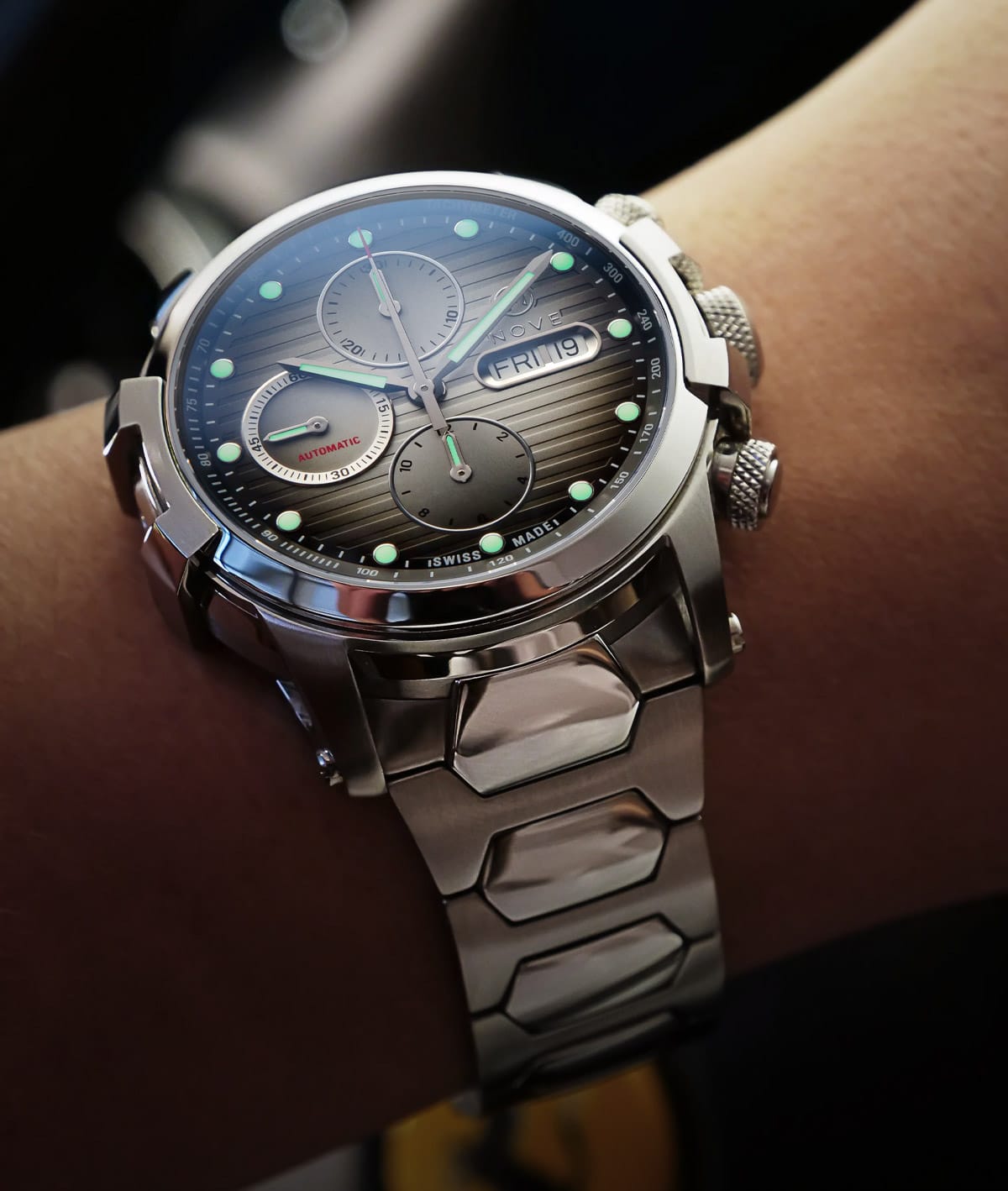
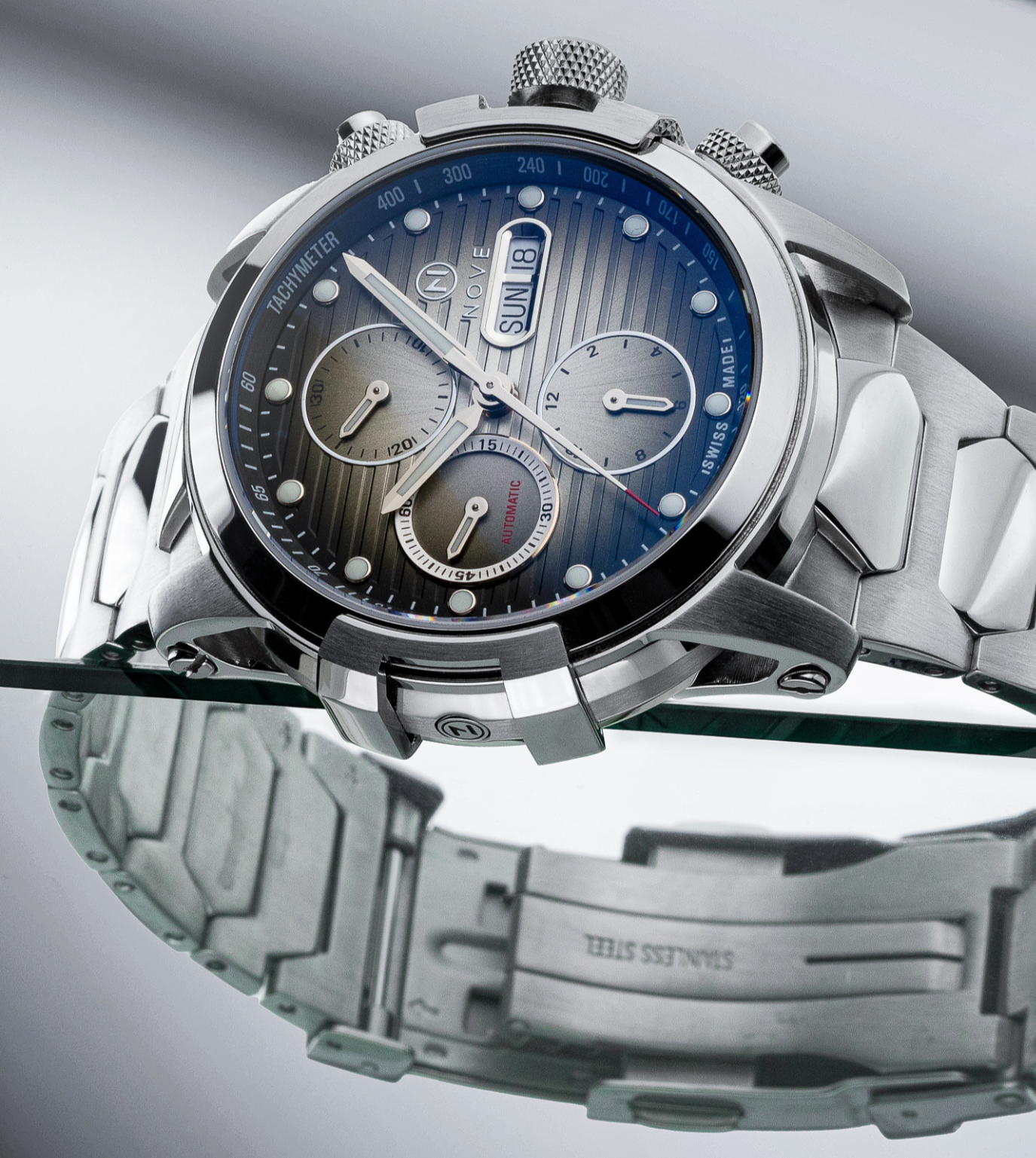
Building and regulating a mechanical movement requires specialized components and careful adjustment. Even a reliable, industrially produced Swiss automatic movement is far more involved than the inexpensive quartz modules used in many fashion watches. More elaborate calibers, such as chronographs that measure elapsed time, add further layers of mechanical complexity.
Swiss quartz watches occupy a different space, but that does not make them an afterthought. A quality Swiss quartz movement can deliver exceptional accuracy and low-maintenance practicality. Its final cost still depends on the case, crystal, dial work, water resistance, assembly, testing, and overall design. Quartz reduces mechanical complexity, not the need for quality execution.
Movement choice is also where shoppers should be realistic about what they value. An automatic watch offers ritual, engineering, and the distinctive character of a living mechanism. Quartz offers convenience and accuracy. Neither is the right answer for everyone, but both deserve a case built to match their capability.
Materials Must Earn Their Place
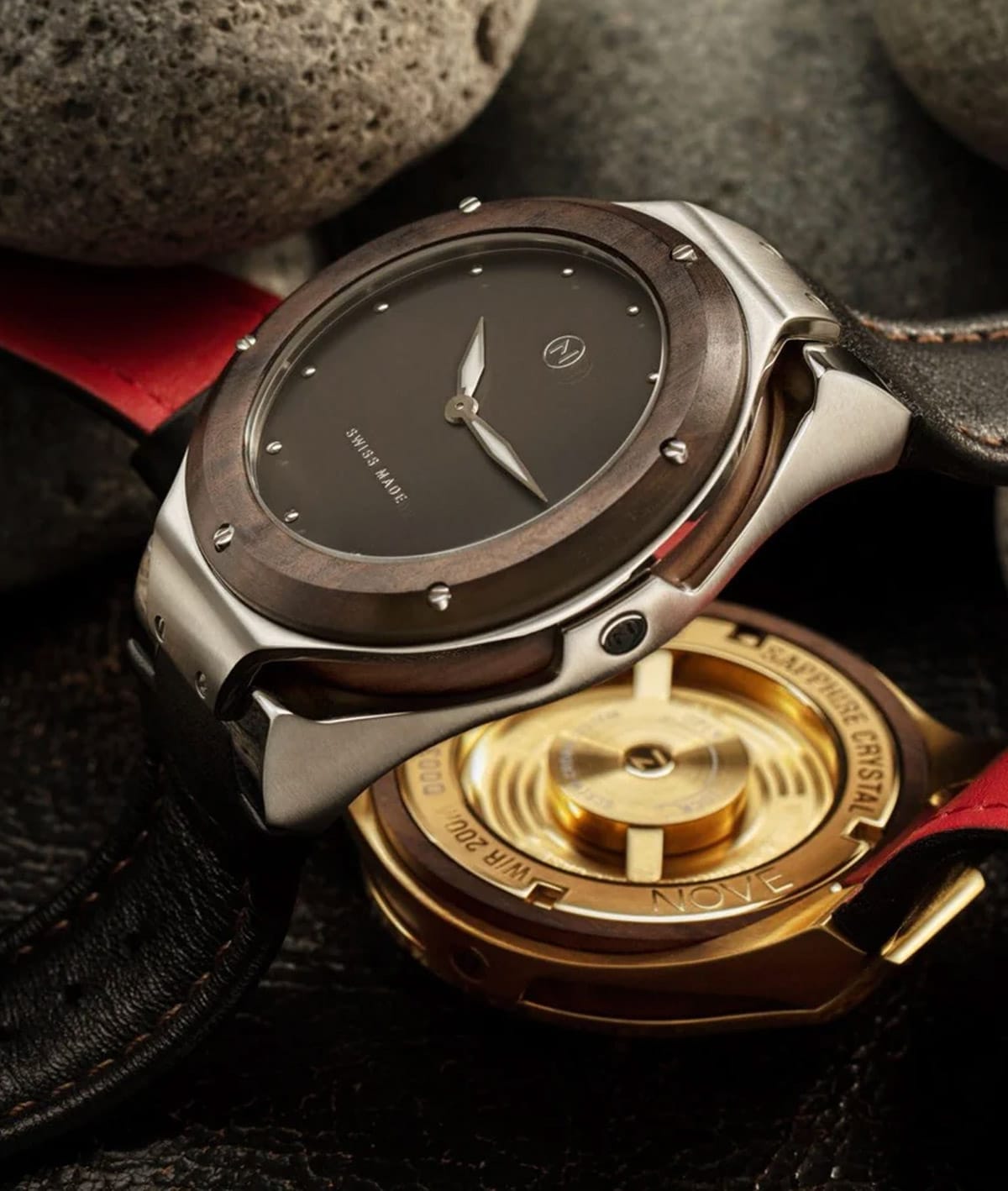
The materials in a premium Swiss watch are selected for more than a polished first impression. A proper watch case must stand up to daily contact, moisture, shock, changing temperatures, and years of wear. High-grade stainless steel, scratch-resistant sapphire crystal, ceramic elements, strong gaskets, and solid bracelet components all increase the cost of production because they increase the demands of machining, finishing, and assembly.
Sapphire crystal is a clear example. It is exceptionally resistant to scratches, helping a watch retain its clarity long after mineral glass may have picked up marks. It is also harder to work with, particularly when the design calls for unusual shapes, coatings, or a substantial thickness suited to a dive watch.
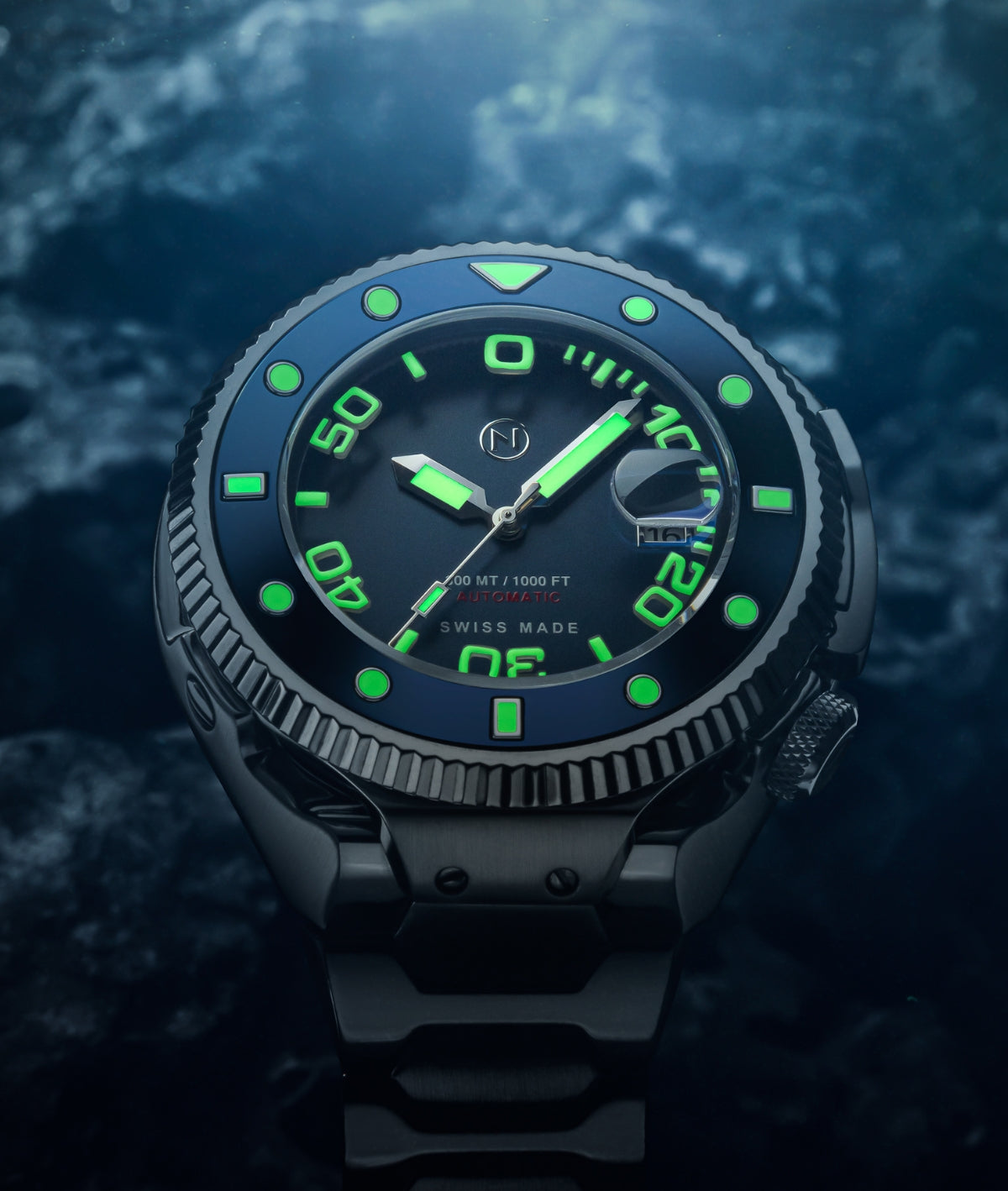
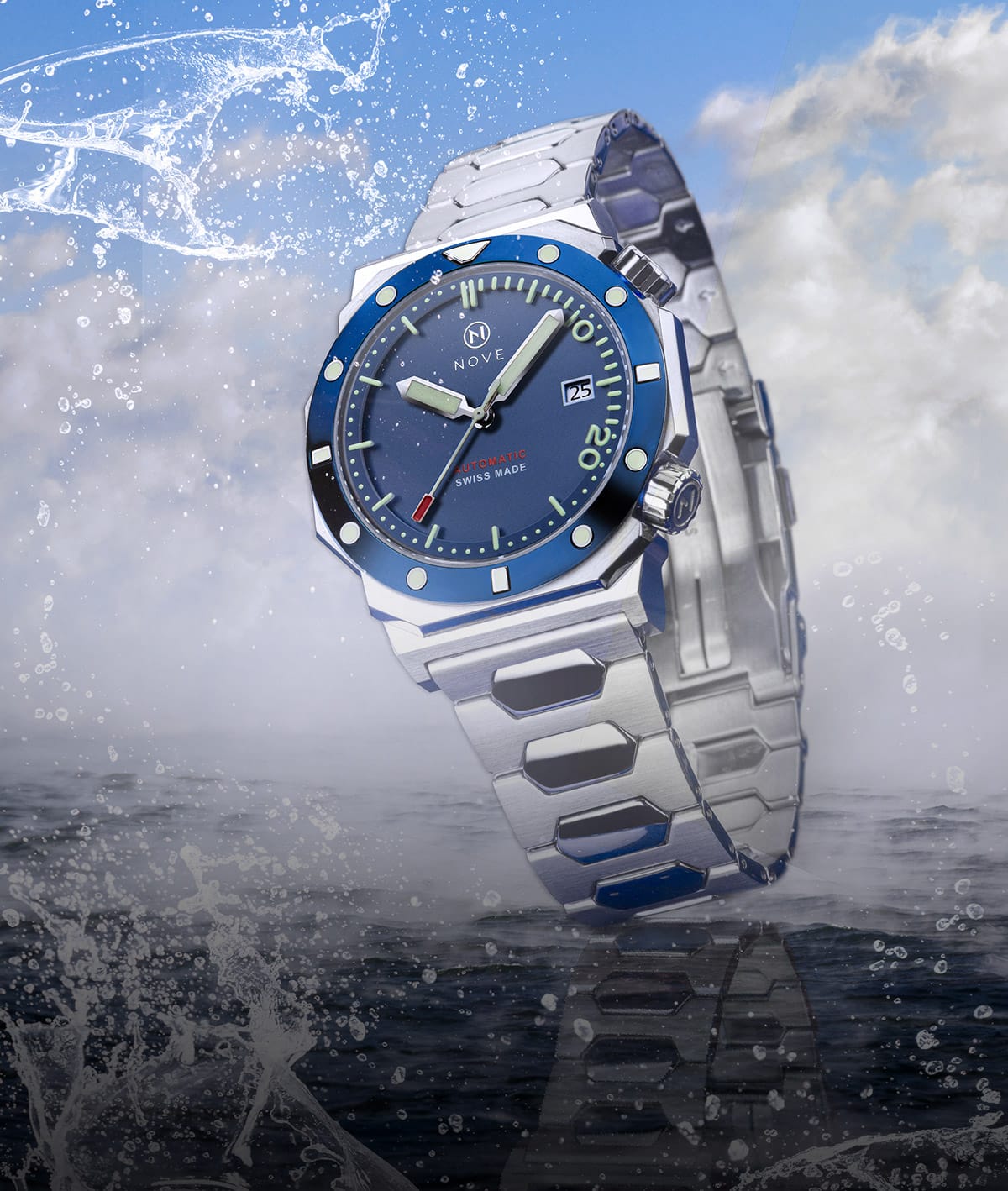
Water resistance is another cost many buyers can feel but not immediately see. A watch designed for aquatic adventure needs a carefully engineered case, secure crown system, reliable seals, and testing procedures that verify its stated performance. A bold dive-inspired silhouette means little if the construction behind it is not prepared for the environment it suggests.
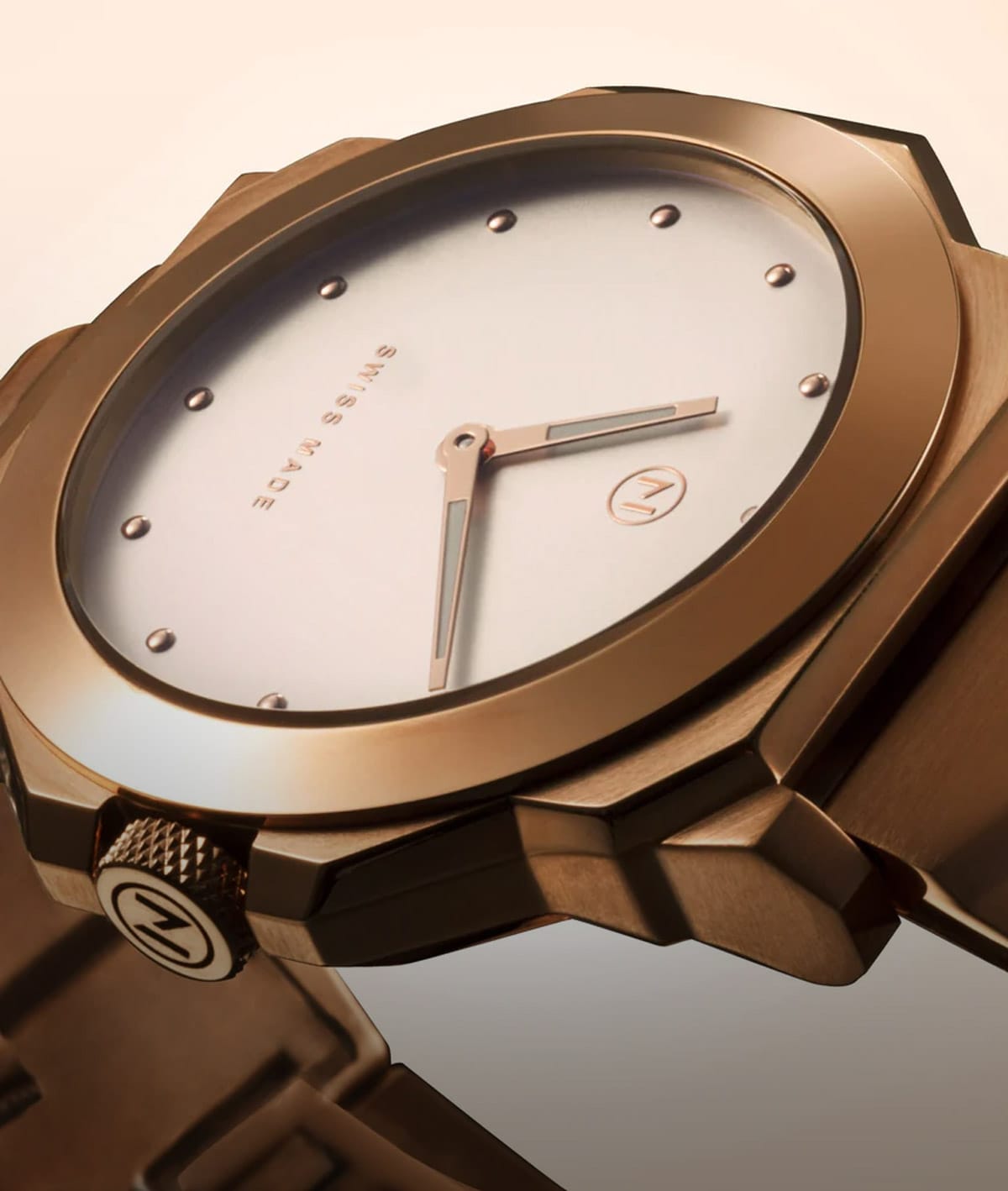
Finishing adds another dimension. Brushed surfaces, polished edges, sculpted lugs, textured dials, applied markers, and precisely aligned bezels take time and control. These are the details that make a watch feel deliberate in the hand rather than merely decorative from a distance.
Swiss Craftsmanship Is Labor-Intensive by Design
Luxury is often confused with ornament. In watchmaking, it is frequently discipline. The better the tolerances, alignment, finishing, and inspection, the more skilled time is involved.
Consider the work that happens before a watch reaches a wrist. Components are inspected. Movements are fitted into cases. Hands are placed with exact clearance above the dial. Crowns are checked. Straps and bracelets are adjusted for fit and finish. The completed watch is tested for its functions, appearance, and timing performance.
Some high-horology pieces receive extraordinary levels of hand finishing, which can elevate prices into a different universe. Yet the same principle applies at accessible premium levels: meticulous assembly and quality assurance cost more than rushing a product through a high-volume line. The goal is not to make a watch precious. It is to make it dependable, refined, and worthy of repeat wear.
Design Development Is Part of the Price
A watch is a technical instrument, but it is also an object of identity. Its proportions determine whether it disappears under a cuff or commands a room. The dial controls legibility and mood. The bezel, case architecture, color, and bracelet create an impression before anyone asks about the movement inside.
Original design costs money because it requires development, prototypes, revision, and tooling. It is easy to repeat familiar watch formulas. It is harder to create a shape that feels unconventional without becoming impractical, or a statement dial that remains readable at a glance.
This is where a modern Swiss brand can offer a compelling alternative to traditional luxury houses. NOVE channels Swiss-made construction into distinctive, ocean-inspired designs that prioritize visual impact alongside performance. The aim is not to imitate heritage for its own sake, but to create a watch with its own point of view.
Heritage Adds Value, But It Can Also Add Markup
Swiss watch prices are not determined by manufacturing alone. Legacy, brand recognition, retail networks, celebrity visibility, limited supply, and collector demand all influence what a watch costs. A century-old name with a global boutique footprint has a different overhead structure than a direct-to-consumer maker.
That does not mean heritage is meaningless. A long record of innovation, service, and collectible relevance can be deeply valuable. But buyers should understand the distinction between intrinsic quality and brand premium. Two Swiss watches may use comparable materials and movements while carrying very different prices because one supports layers of distribution, major advertising campaigns, and decades of cultural status.
Direct-to-consumer brands can often place more of the purchase price into the watch itself by selling online rather than through multiple retail markups. The trade-off is that you may not have the same in-person boutique experience or resale recognition attached to a famous legacy name. For many buyers, especially those looking for a striking everyday watch rather than an investment trophy, that is a sensible exchange.
What You Should Expect for the Money
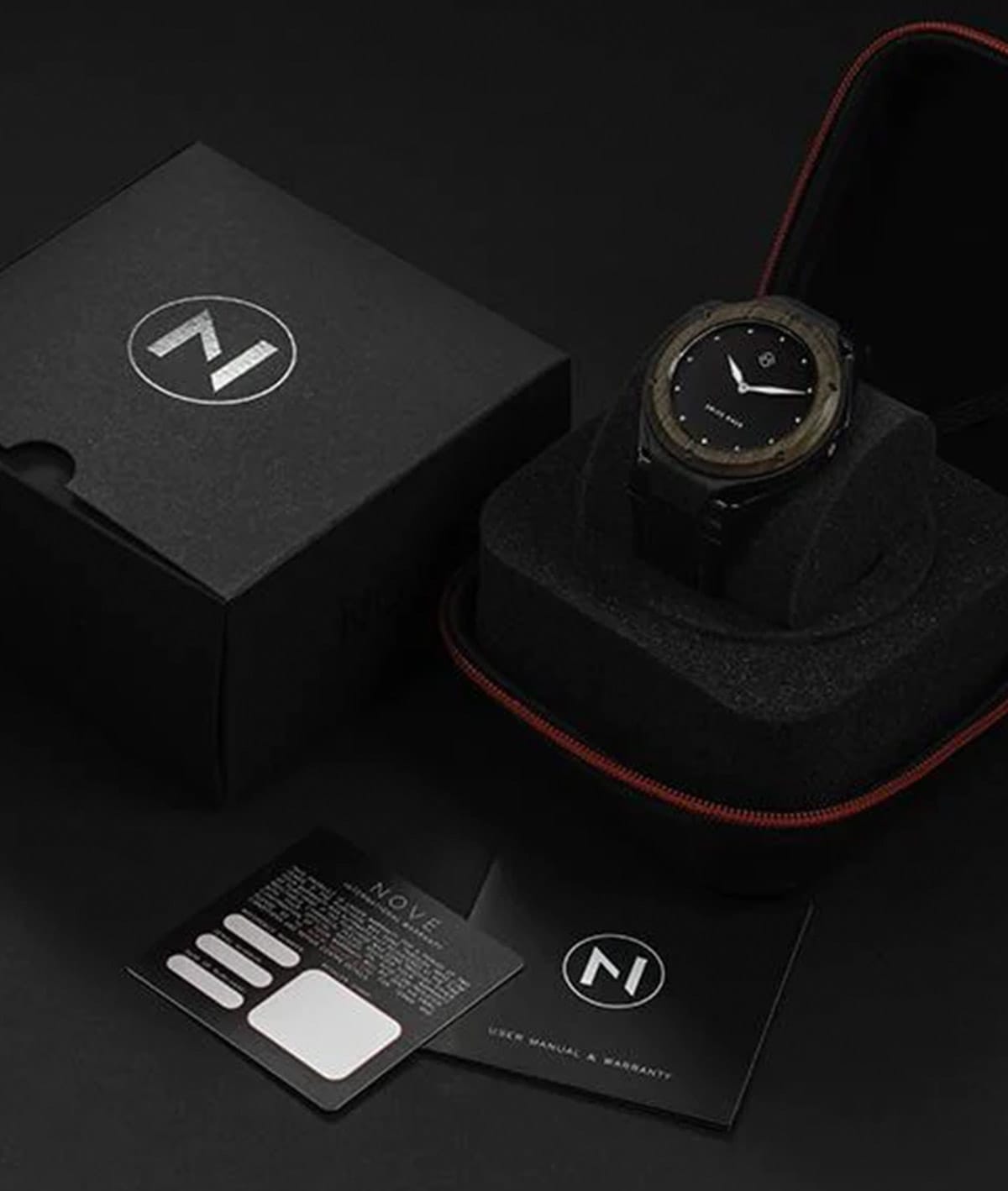
Price alone should never end the conversation. A well-chosen Swiss watch should offer evidence of its value: a reputable Swiss movement, thoughtful materials, clear water-resistance specifications, precise finishing, a warranty, and a design you will still want to wear years from now.
Ask how the watch fits your life. For daily wear, consider case thickness, weight, crystal durability, and whether the design moves easily from work to weekends. For diving or water sports, look beyond the aesthetic of a rotating bezel and verify the water-resistance rating, crown construction, and legibility. For a gift, engraving options, presentation, and a versatile style may matter as much as the movement category.
The most rewarding Swiss watch is not necessarily the most expensive one. It is the one whose engineering, design, and purpose feel proportionate to the price you pay. Choose the piece that makes you want to check the time twice - once for the hour, and once for the craft on your wrist.