
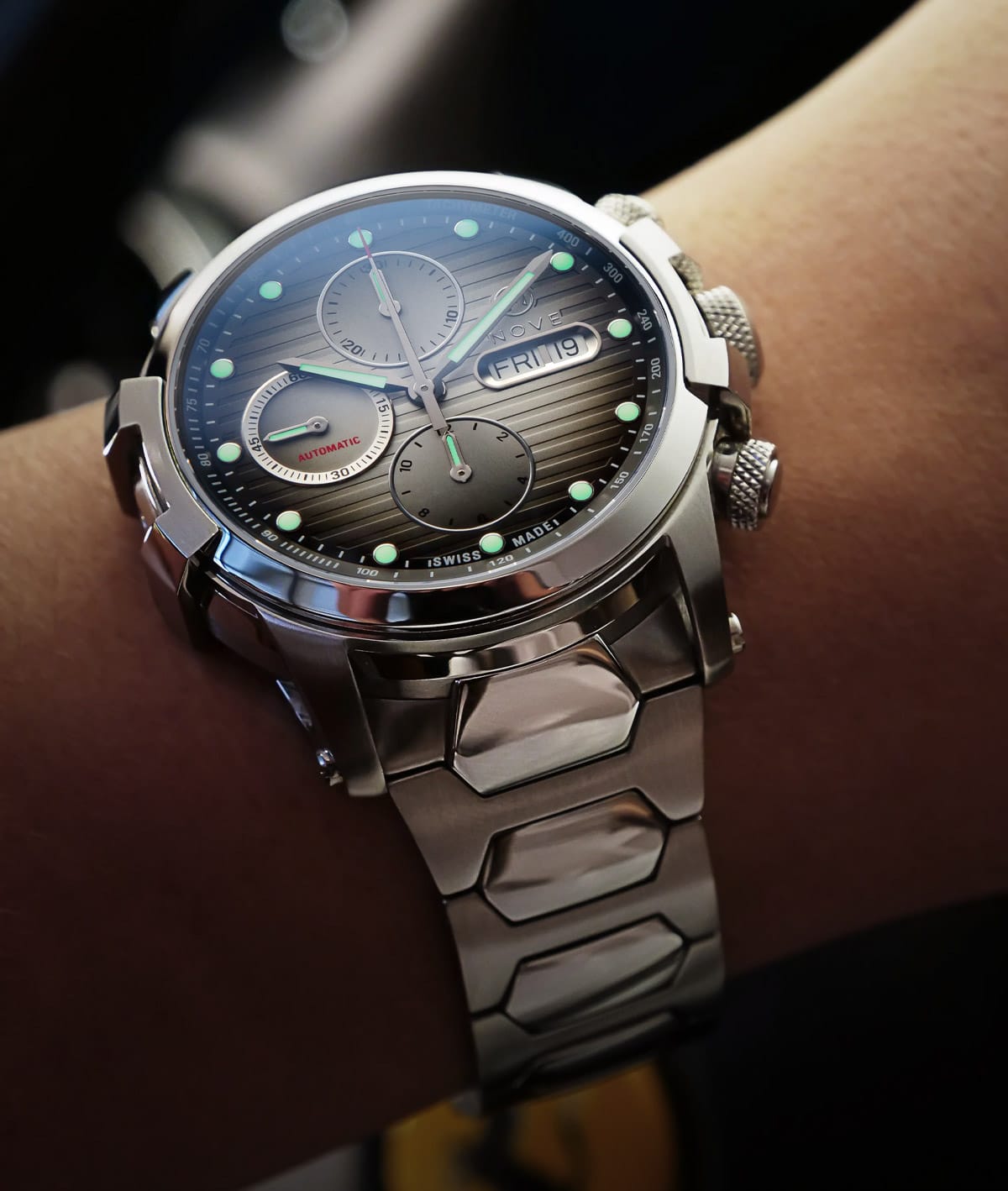
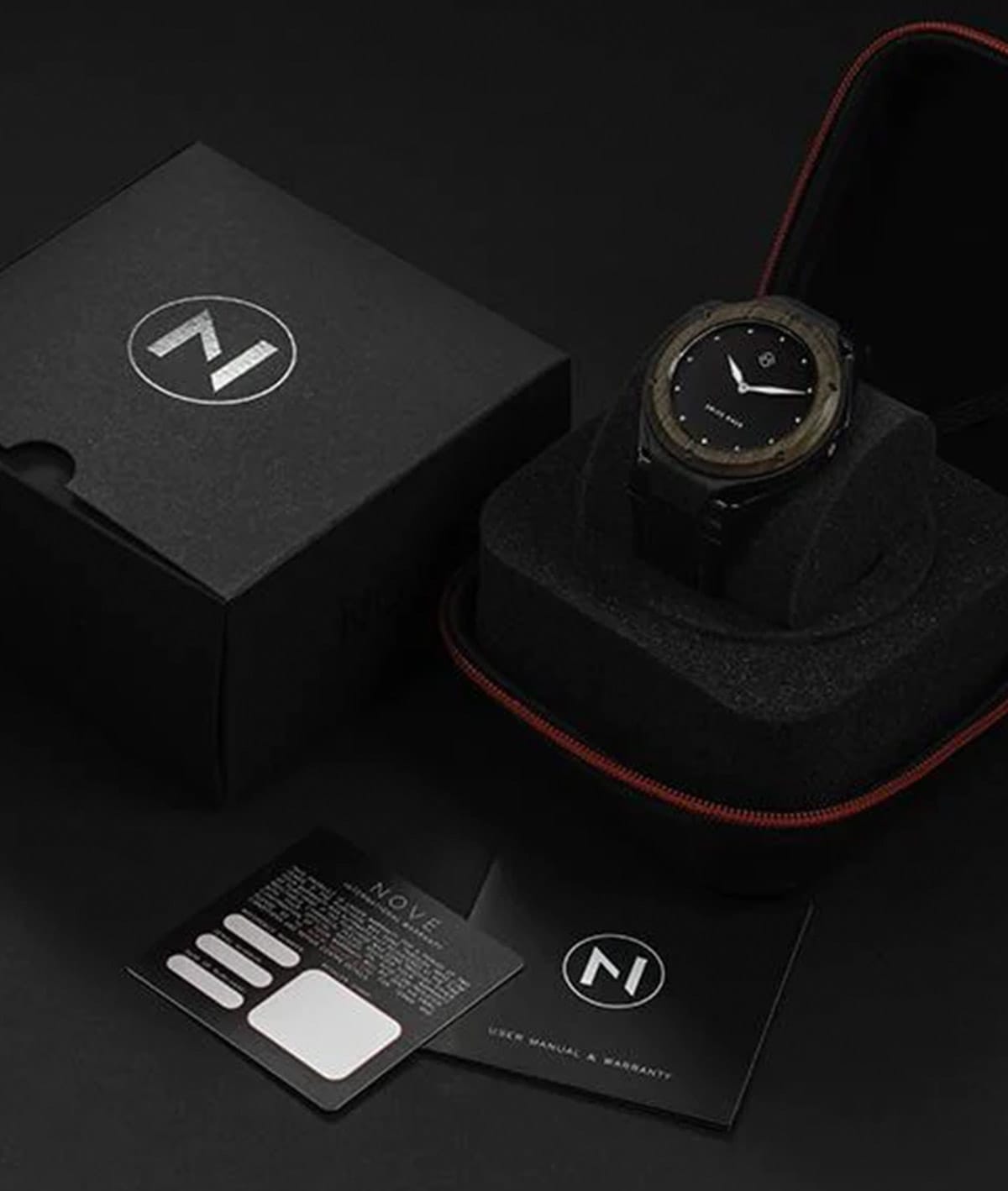
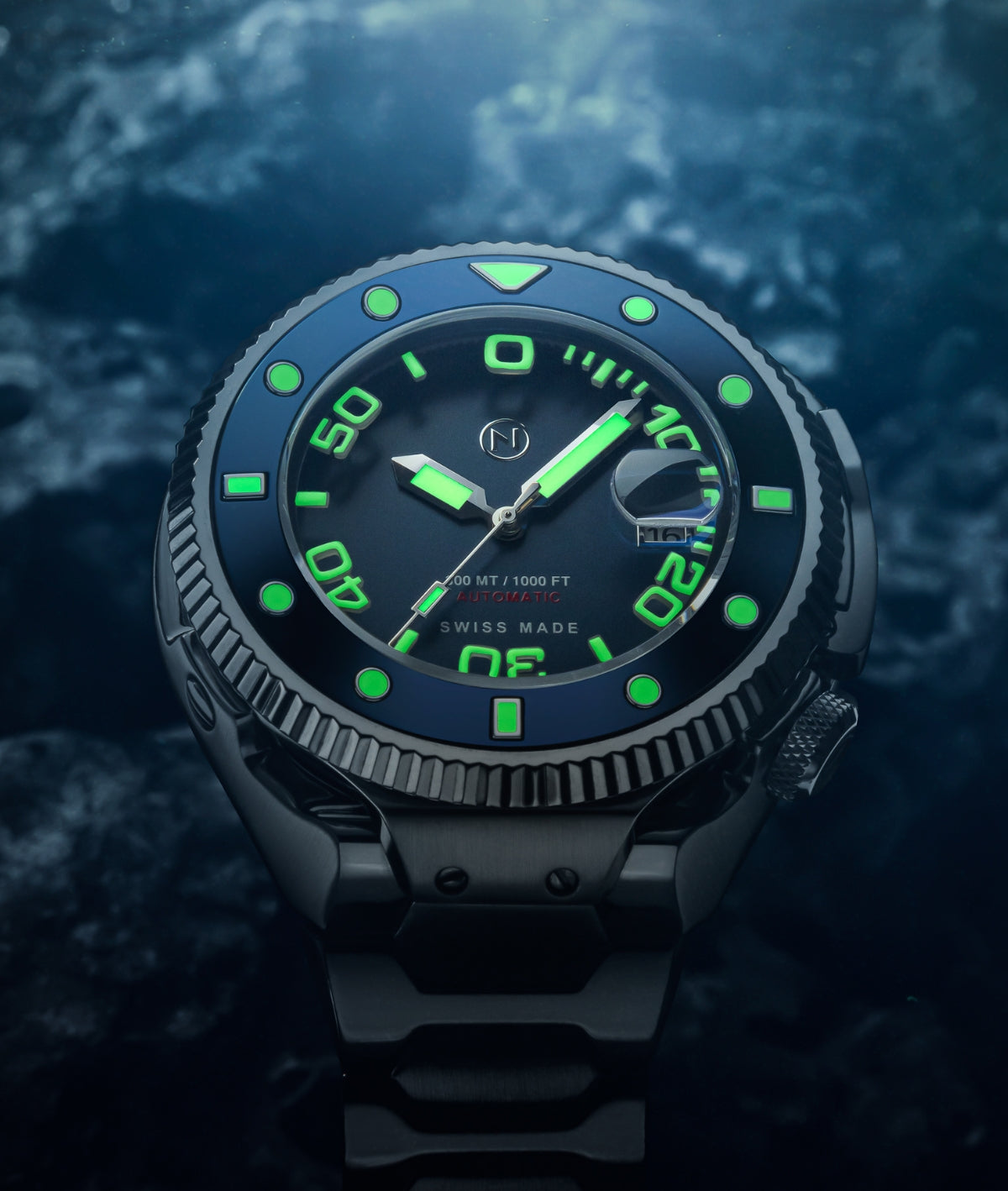
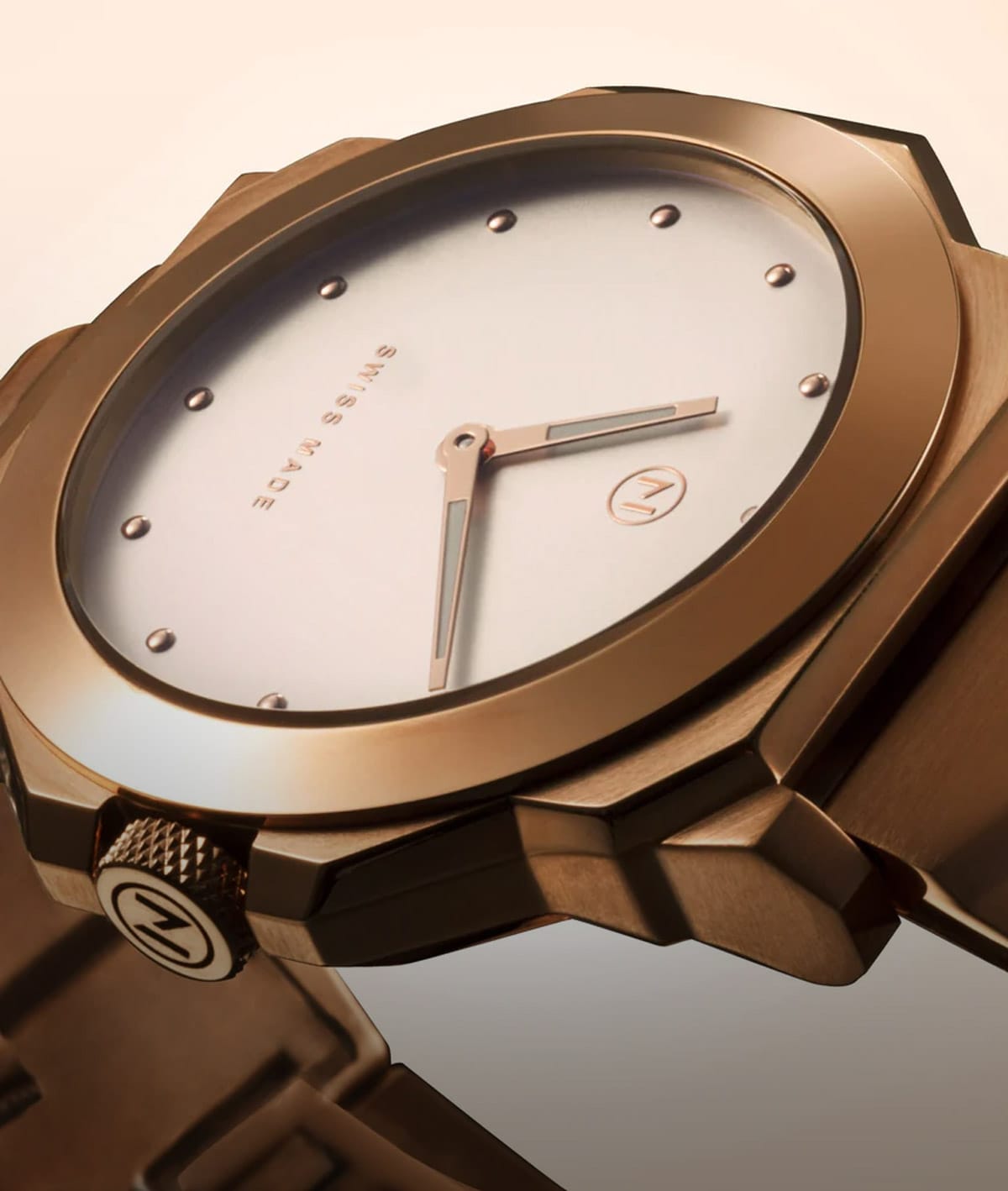
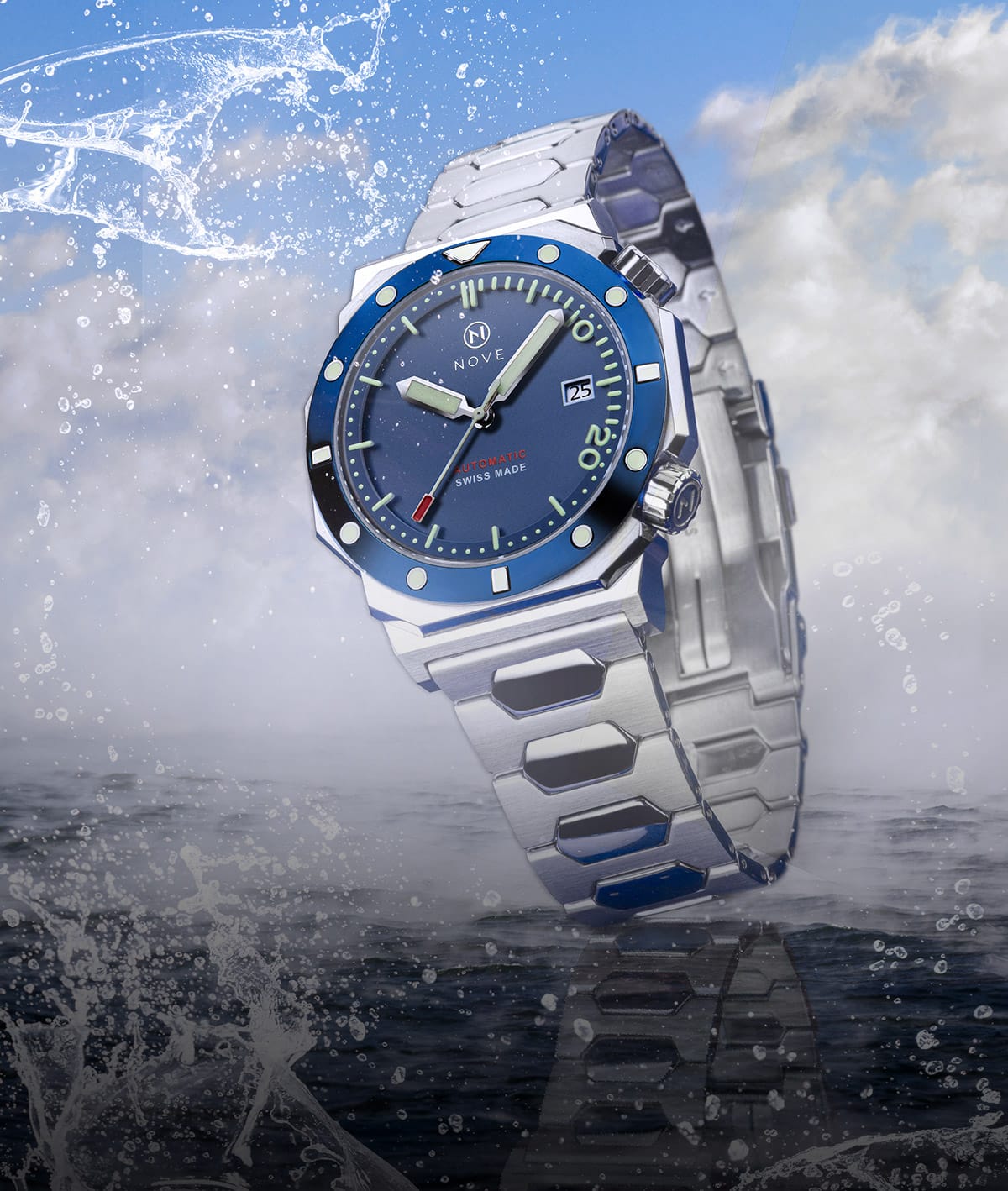
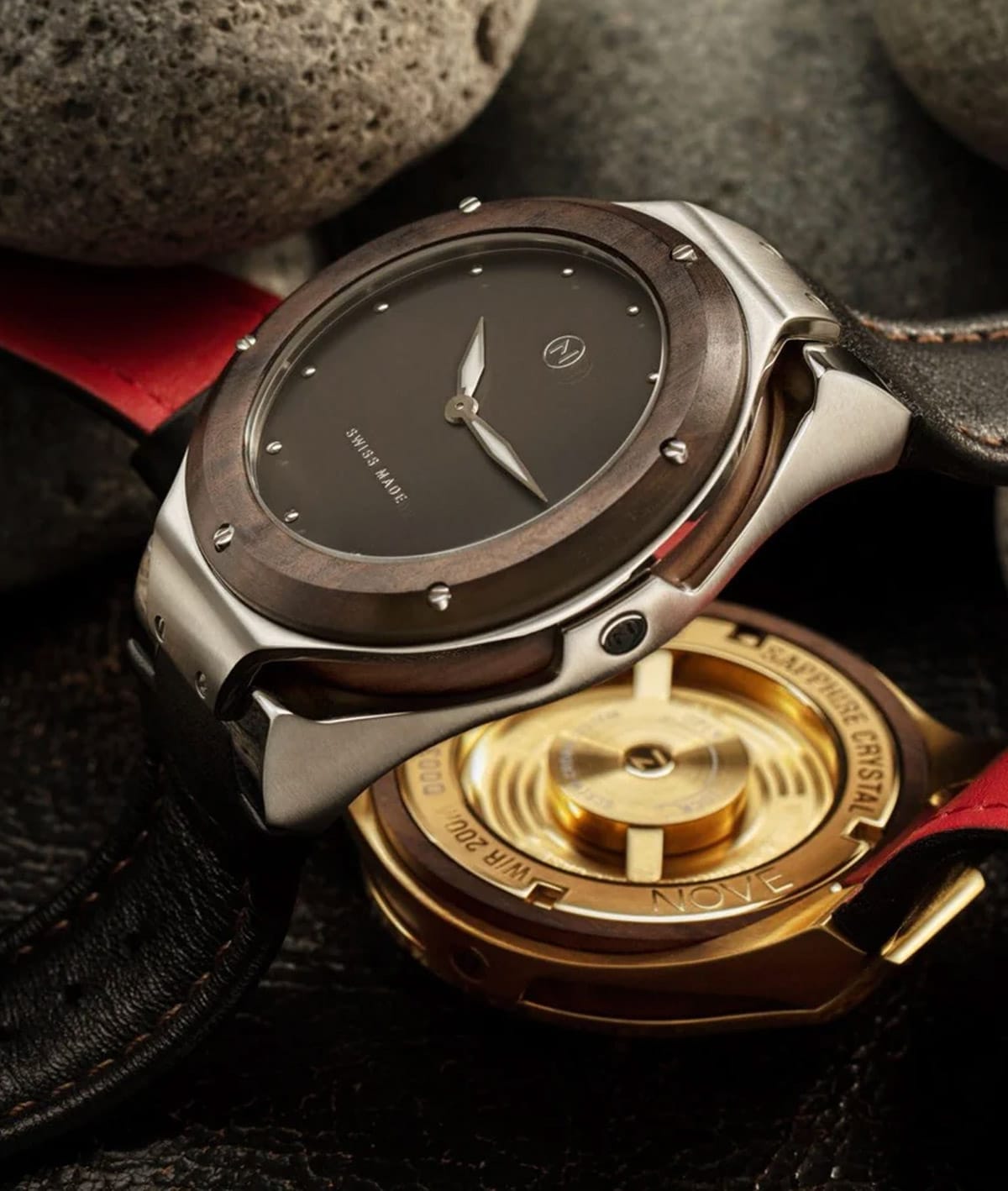
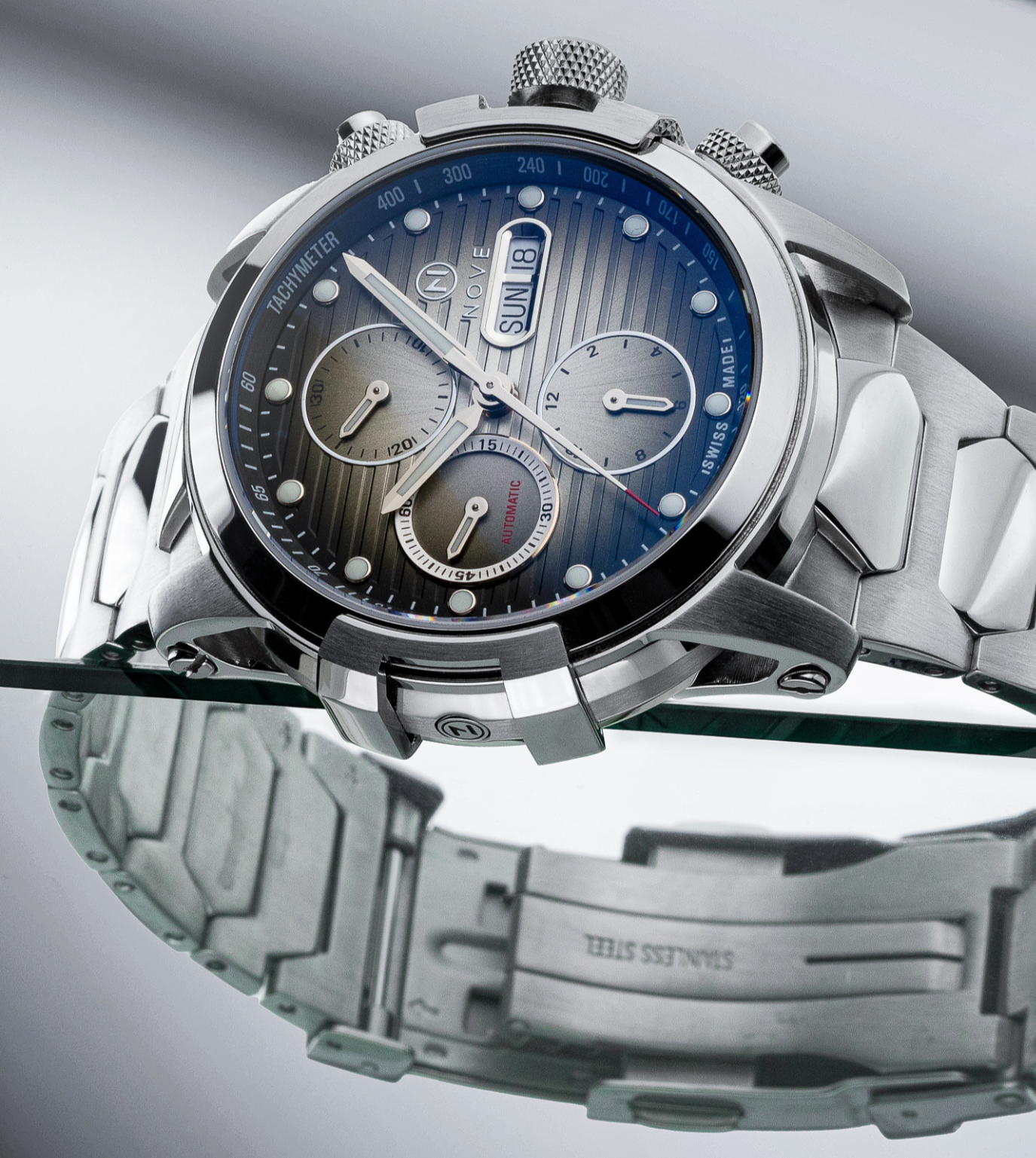
A mechanical watch does not measure time by consulting a battery, a satellite, or a digital signal. It measures time through the controlled release of energy from a wound mainspring. That is the essential starting point for automatic watch accuracy explained: a finely made automatic is designed for consistent performance, but it is not expected to match a quartz watch to the second every month.
For many collectors, that small, living variation is not a flaw. It is part of the appeal. The sweep of the seconds hand, the oscillating rotor, and the intricate movement beneath the dial turn timekeeping into a physical performance. Understanding what affects that performance helps you wear, set, and care for your watch with greater confidence.
Automatic Watch Accuracy Explained: The Daily Rate
Automatic watch accuracy is usually expressed as seconds gained or lost per day. If a watch runs +8 seconds per day, it is gaining eight seconds over a 24-hour period. If it runs -6 seconds per day, it is losing six seconds. Neither reading automatically signals a problem.
A mechanical movement relies on a balance wheel and hairspring oscillating at a precise rate. In theory, each oscillation is equal. In reality, tiny changes in friction, temperature, position, power reserve, and shock can influence that rate. The result is a watch that may be remarkably consistent while still running a little fast or slow.
This differs from quartz. A quartz movement is regulated by the vibration of a quartz crystal and powered by a battery, so it generally delivers much tighter accuracy. An automatic movement offers a different kind of value: mechanical artistry, self-winding convenience, and a connection to traditional Swiss watchmaking. Choosing between them is less about declaring one superior and more about deciding which experience suits your wrist.
What counts as good accuracy?
The answer depends on the movement, its grade, its age, and how it is regulated. A quality Swiss automatic commonly operates within a range of several seconds per day, while a chronometer-certified movement is held to a more demanding standard under controlled testing conditions. A watch that varies by a modest amount each day may still be performing exactly as intended.
Consistency matters as much as the number itself. A watch that gains roughly the same amount each day is easier to monitor and regulate than one whose rate changes dramatically from one day to the next. If it gains five seconds daily, for example, you know what to expect and can reset it periodically. A sudden shift of minutes per day deserves closer attention.
Do not judge a mechanical watch after one glance at your phone. Compare it against a reliable reference time over five to seven days, noting the gain or loss at the same time each day. This longer view separates normal daily variation from a meaningful change in performance.
Why Your Automatic Watch Can Run Fast or Slow
The movement inside an automatic watch is compact, sophisticated, and sensitive to its environment. Several everyday factors can affect its rate.
Position is one of the most overlooked. A watch may run slightly differently on your wrist than it does resting dial-up, crown-up, or on its side overnight. Gravity affects the balance assembly in subtle ways. Watchmakers can use this behavior to fine-tune a movement, and owners can sometimes use resting position to offset a small gain or loss.
Power reserve also matters. An automatic is wound by the motion of your wrist, but a low-activity day may not provide enough energy to keep the mainspring near its optimal state of wind. A partially wound watch can still run, yet its rate may become less stable. If you have not worn it for a few days, give it a careful manual wind if the movement permits it, then wear it normally.
Magnetism is another frequent culprit, particularly in modern life. Laptop covers, speakers, handbag clasps, tablets, phone accessories, and magnetic chargers can expose a watch to magnetic fields. When the hairspring becomes magnetized, coils can stick together and cause the watch to run noticeably fast. This is often a simple issue for a qualified watchmaker to diagnose and correct.
Temperature and shock can play a role, too. Extreme heat or cold may affect lubricants and the elasticity of the hairspring. A hard impact can disturb regulation or, in more serious cases, damage a component. A sport-inspired automatic is built for daily life, but it is still a precision instrument. Treat it accordingly when training, traveling, or working with heavy equipment.
Finally, service history affects accuracy. Movement lubricants age, seals wear, and microscopic debris can accumulate over years of use. Regular professional service, based on the watchmaker's recommendation and your wearing conditions, protects both timekeeping and long-term reliability.
How to Check Accuracy at Home
You do not need a workshop to establish a useful baseline. Fully wind the watch if appropriate for its movement, set it precisely against a trusted time source, and wear it as you normally would. At the same time each day, record whether it has gained or lost time.
Keep your routine realistic. If you wear the watch to the office, drive, exercise lightly, and leave it on a nightstand, test it under those conditions. A watch is made to accompany your life, not perform only in a laboratory.
After a week, divide the total gain or loss by the number of days. This gives you a practical daily rate. If the result is stable and within the movement's expected tolerance, there is little reason for concern. If the watch suddenly begins gaining a minute a day, stops despite regular wear, or shows erratic behavior, it is time to have it inspected.
Avoid repeatedly adjusting the time just to chase a perfect reading. Constantly correcting a watch makes it harder to identify its true rate, and unnecessary handling of the crown is never ideal. Let the movement reveal its pattern first.
Practical Ways to Support Better Timekeeping
A few habits can help an automatic perform at its best. Wear it regularly enough to maintain power, or use a properly configured watch winder if your collection rotates frequently. When setting the time, follow the operating instructions for your specific movement, especially around the date-change period.
Store the watch away from strong magnets and avoid leaving it in direct heat for extended periods. After exposure to saltwater, rinse a dive watch with fresh water only if its water resistance is current and the crown is securely fastened. Water resistance is a system of seals, not a permanent promise, so periodic testing is wise for a watch used around water.
A mechanical watch should also be serviced by trained professionals rather than treated as a disposable object. The caliber is an engineered assembly of springs, gears, jewels, and lubricants. Appropriate care preserves the precision, finish, and character that make an automatic worthy of a place in a considered collection.
Accuracy Is Only One Measure of a Great Watch
There is a temptation to reduce watchmaking to a number. Yet a watch can be technically accurate and still feel anonymous on the wrist. The finest choice balances dependable performance with proportion, finish, legibility, and a design that carries real presence.
For an automatic dive watch or a bold everyday piece, a few seconds of variation can be a fair trade for the mechanical depth visible in every movement of the hand. At NOVE, that balance is central to the appeal of Swiss-made design: precision with personality, built for people who expect more from the object they wear every day.
Set your watch with care, observe its rhythm over time, and allow its small variations to remind you that precision can be engineered without becoming impersonal.