
A serious dive watch earns its presence long before it reaches open water. Its bezel must turn with intention, its dial must remain legible at a glance, and its case must feel composed against the wrist. This dive watch features guide separates the engineering that matters from specifications that merely sound impressive, so you can choose a timepiece with genuine performance and unmistakable character.
Water Resistance Is the Starting Point
The number on a dial or caseback is often the first feature buyers notice, yet it is also the easiest to misunderstand. Water resistance is a laboratory rating, not a promise that every activity below that depth is appropriate. A watch rated to 30 meters is generally suitable for accidental splashes, while 50 meters may handle surface swimming. Neither should be treated as a dedicated diving instrument.
For a watch intended for regular swimming, snorkeling, and water-focused adventure, 100 meters is a credible baseline. A 200-meter rating provides greater confidence and is a classic standard for sport-oriented dive watches. At 300 meters and above, you enter territory associated with professional-grade construction, often supported by more substantial sealing systems, case architecture, and crowns.
Depth alone does not determine quality. A thoughtfully engineered 200-meter watch that fits well, seals reliably, and remains readable is more useful than an oversized 1,000-meter model that rarely leaves a desk. Consider how you will actually wear it. Weekend water sports, travel, and everyday use call for a different balance than technical diving.
Water Resistance Needs Care
Gaskets age, crowns can be left unscrewed, and impacts may compromise a crystal or case seal. Rinse a watch with fresh water after saltwater exposure, especially around the bezel and bracelet. Have water resistance checked periodically, particularly before a major trip or after battery service.
Avoid operating a crown or chronograph pushers underwater unless the watch is explicitly designed for that purpose. This small habit protects the seal that keeps the movement dry.
The Unidirectional Bezel Is a Safety Tool
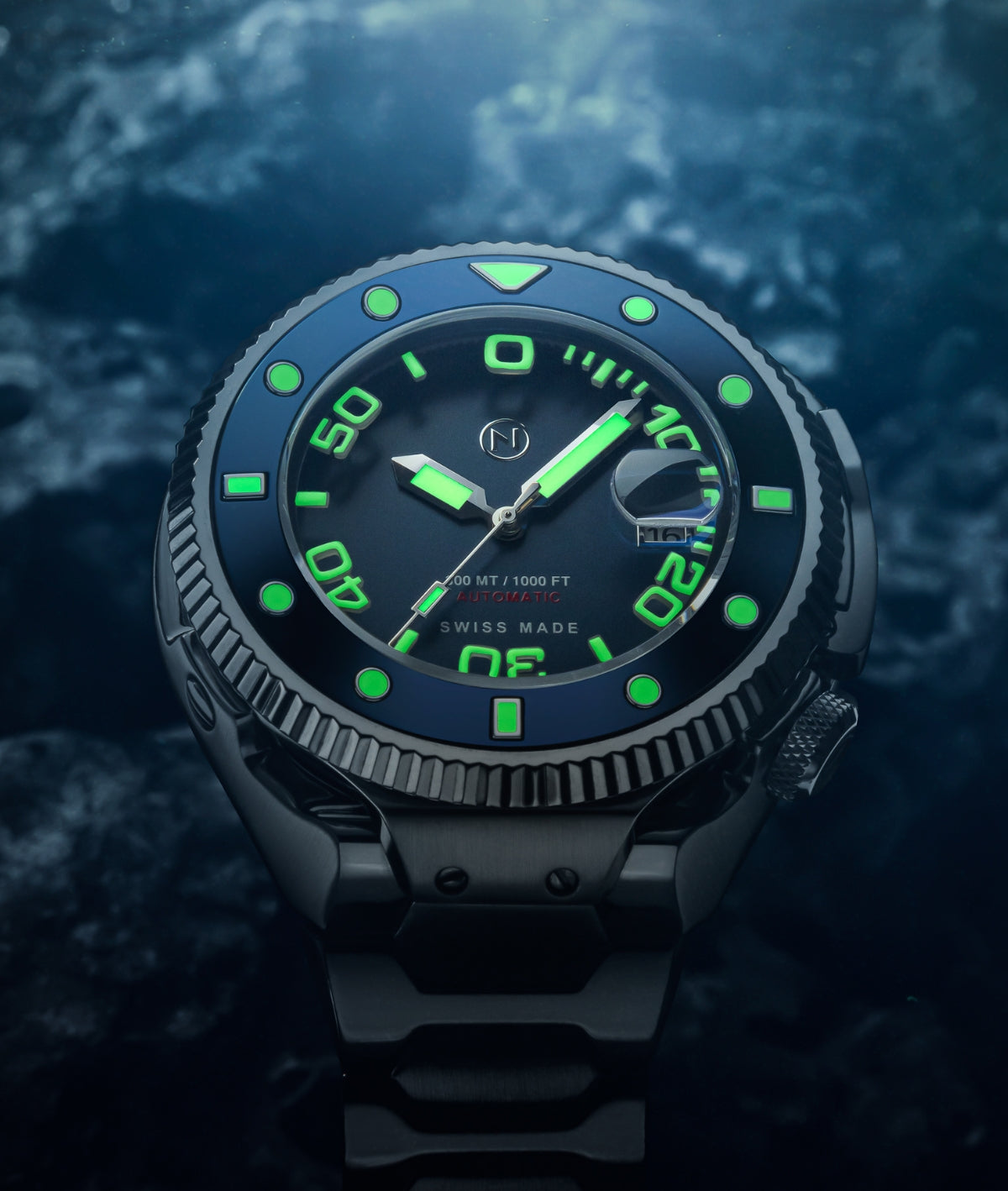
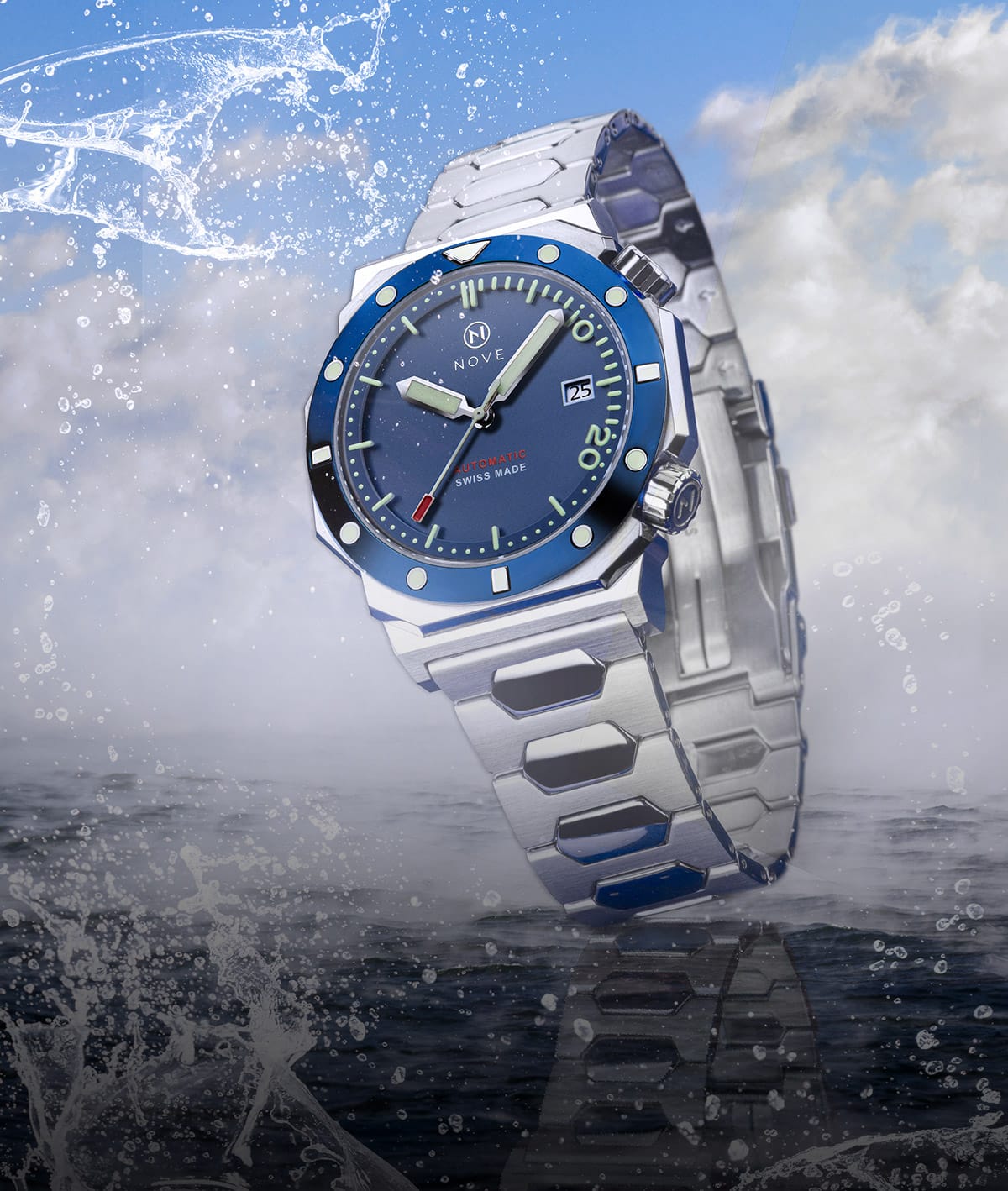
A dive bezel is not decorative knurling around the dial. Its 60-minute scale allows a diver to track elapsed time by aligning the zero marker with the minute hand at the beginning of a descent. The bezel should rotate in one direction only, typically counterclockwise. If it is knocked out of position, it can only indicate that more time has elapsed, never less. That is a deliberate safety measure.
Look for positive, consistent clicks and enough edge grip to turn the bezel with wet fingers or gloves. A 120-click bezel offers fine alignment, while a 60-click bezel is simpler and often more tactile. Neither is automatically superior. The better choice is the one that feels precise and controlled in your hand.
The bezel insert also shapes both durability and visual identity. Ceramic resists scratches and fading exceptionally well, with a polished depth that suits a more elevated expression. Aluminum is lighter, can develop character over time, and often supports a more classic tool-watch aesthetic. Steel inserts offer their own industrial appeal, particularly when integrated into a sharply sculpted case design.
Legibility Is the Heart of a Dive Watch
Underwater, an elegant dial that cannot be read quickly has missed its purpose. Strong contrast, oversized hands, bold indices, and a clear minute track are the foundation. The minute hand deserves special distinction because elapsed-time reading is central to diving. Many of the most recognizable dive watch designs use a different hand shape, color accent, or luminous treatment to make it immediately visible.
Lume is equally critical. Quality luminous material should charge quickly under light and remain readable as conditions darken. Do not judge lume only by its initial brightness. Its persistence over several hours is the more meaningful test.
A date window can add practical everyday utility, but it should not interrupt the dial’s clarity. This is one of the enduring trade-offs in watch design: a no-date dial is often cleaner and more symmetrical, while a date display makes a dive watch more adaptable as a daily companion. There is no universal winner, only the version that better suits your routine.
Crystal and Anti-Reflective Treatment
Sapphire crystal is the premium standard for modern sport watches because it offers excellent scratch resistance. It keeps a watch looking refined through regular wear, though a hard impact can still damage it. Mineral crystal is more affordable and can be tough, but it scratches more easily.
Anti-reflective treatment deserves attention, especially on a watch with a dark dial, polished surfaces, or a highly dimensional design. Glare can obscure even the strongest markers. A clear view of the dial is a functional advantage, not a minor finishing detail.
Crown, Case, and Construction Define Confidence
A screw-down crown is one of the most recognizable dive watch features. It threads into the case tube to help secure the crown gasket and reduce the risk of accidental adjustment. Its importance is practical, but its feel is also part of the ownership experience. A well-made crown should be easy to grip, turn smoothly, and sit naturally against the case without digging into the wrist.
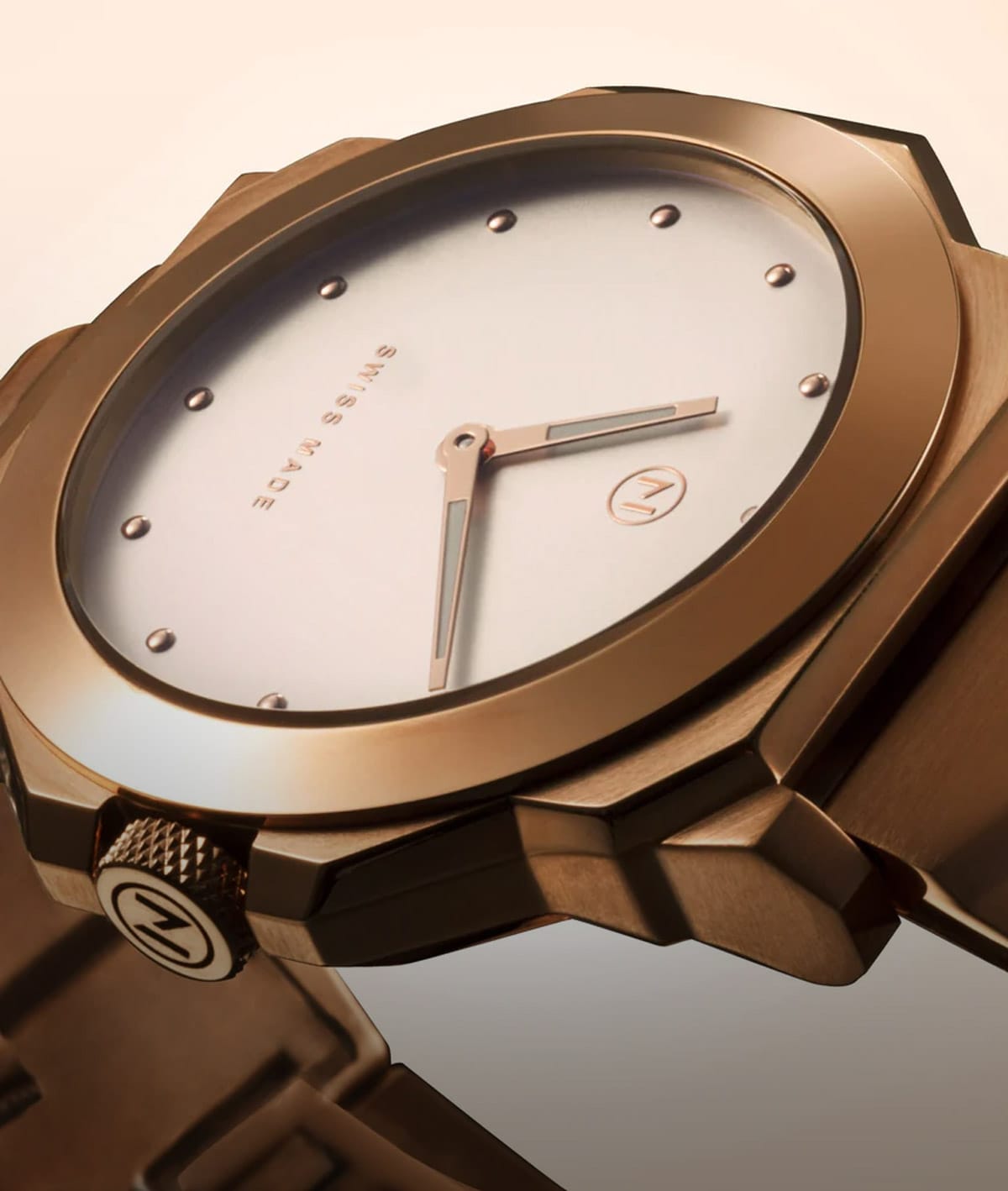
Case shape is where engineering meets personality. Traditional dive watches favor rounded profiles and broad lugs, while more contemporary designs may use architectural facets, integrated bracelets, or angular crown guards. The goal is not simply visual impact. A case must distribute its weight well and avoid feeling top-heavy.
Case thickness deserves a measured perspective. More water resistance and an automatic movement can require additional depth, yet a thinner profile often wears better beneath a cuff and feels more versatile. Look beyond the millimeter measurement. The curvature of the caseback, lug-to-lug length, and bracelet articulation often affect comfort more than thickness alone.
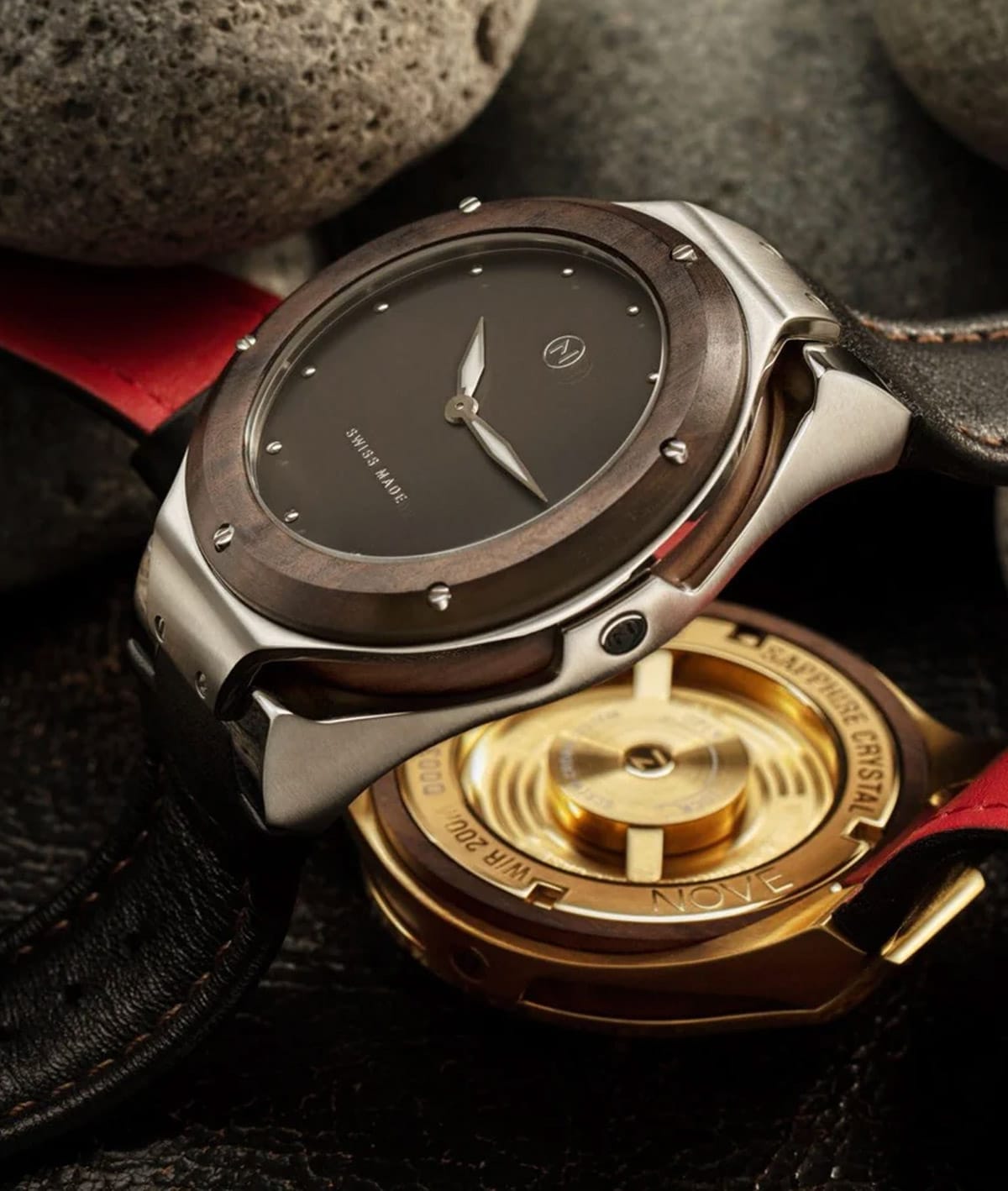
For many buyers, stainless steel delivers the right combination of strength, polish, and daily durability. Titanium reduces weight considerably and suits long days of active wear, though its lighter feel may not satisfy those who prefer the reassuring presence of steel. Finishing matters as much as material: brushed surfaces conceal minor wear, while polished accents introduce opulence and contrast.
Movement Choice Changes the Experience
A dive watch does not need an automatic movement to be legitimate. Swiss quartz offers exceptional accuracy, low maintenance, and immediate reliability. It is an intelligent choice for someone who wants a precision instrument ready at any moment, including after weeks in a watch box.
Swiss automatic movements bring a different appeal. Their energy comes from the motion of the wearer’s wrist, and their mechanics make the timepiece feel alive in a way quartz cannot replicate. The sweep of the seconds hand, the rotor’s movement, and the knowledge that a compact mechanical system is keeping time beneath the dial add depth to ownership.
The trade-off is straightforward. Automatics typically require more periodic service, may need resetting after sitting unused, and are less accurate than quartz on a daily basis. Enthusiasts often accept those realities because craftsmanship, not pure efficiency, is part of the attraction.
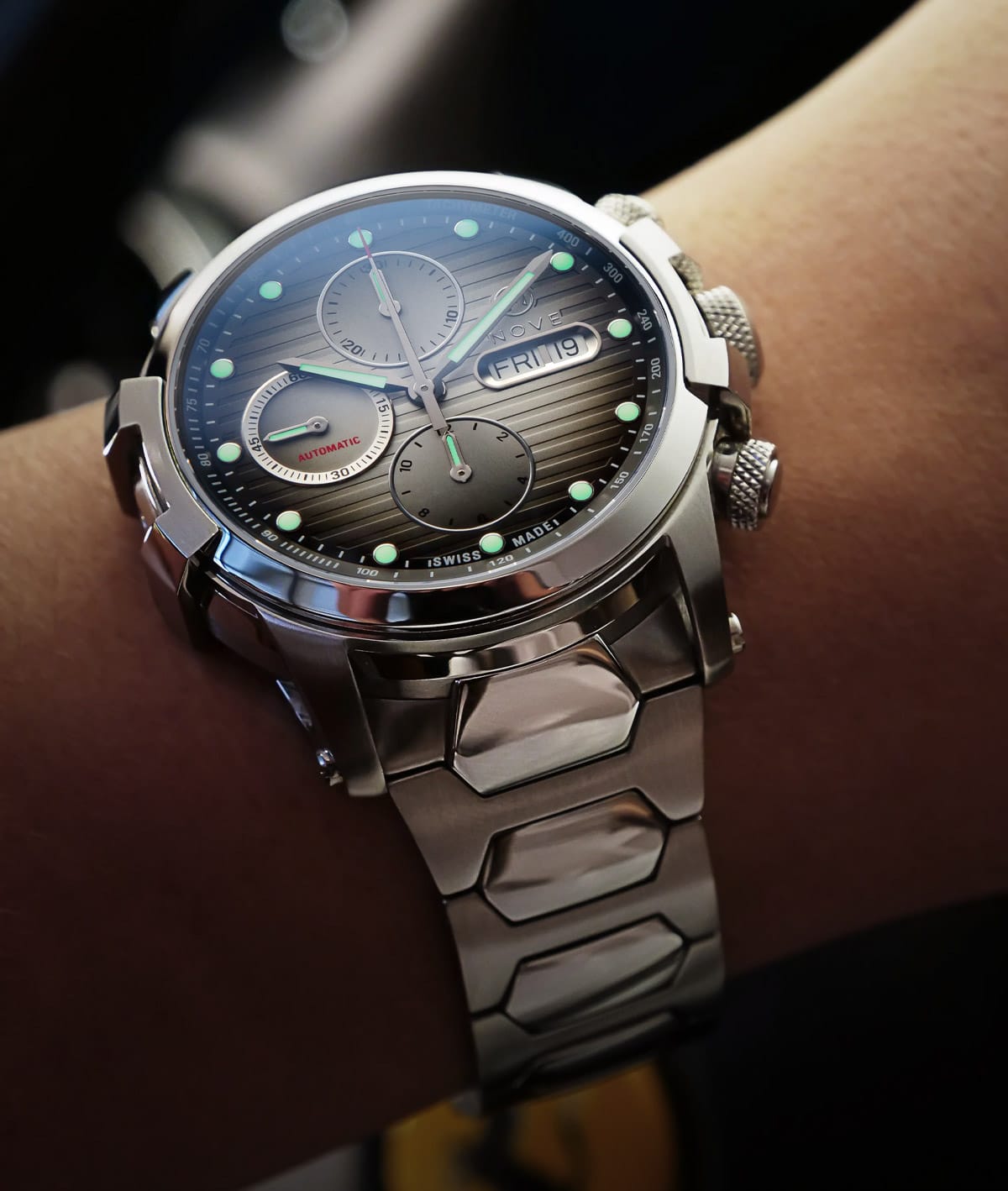
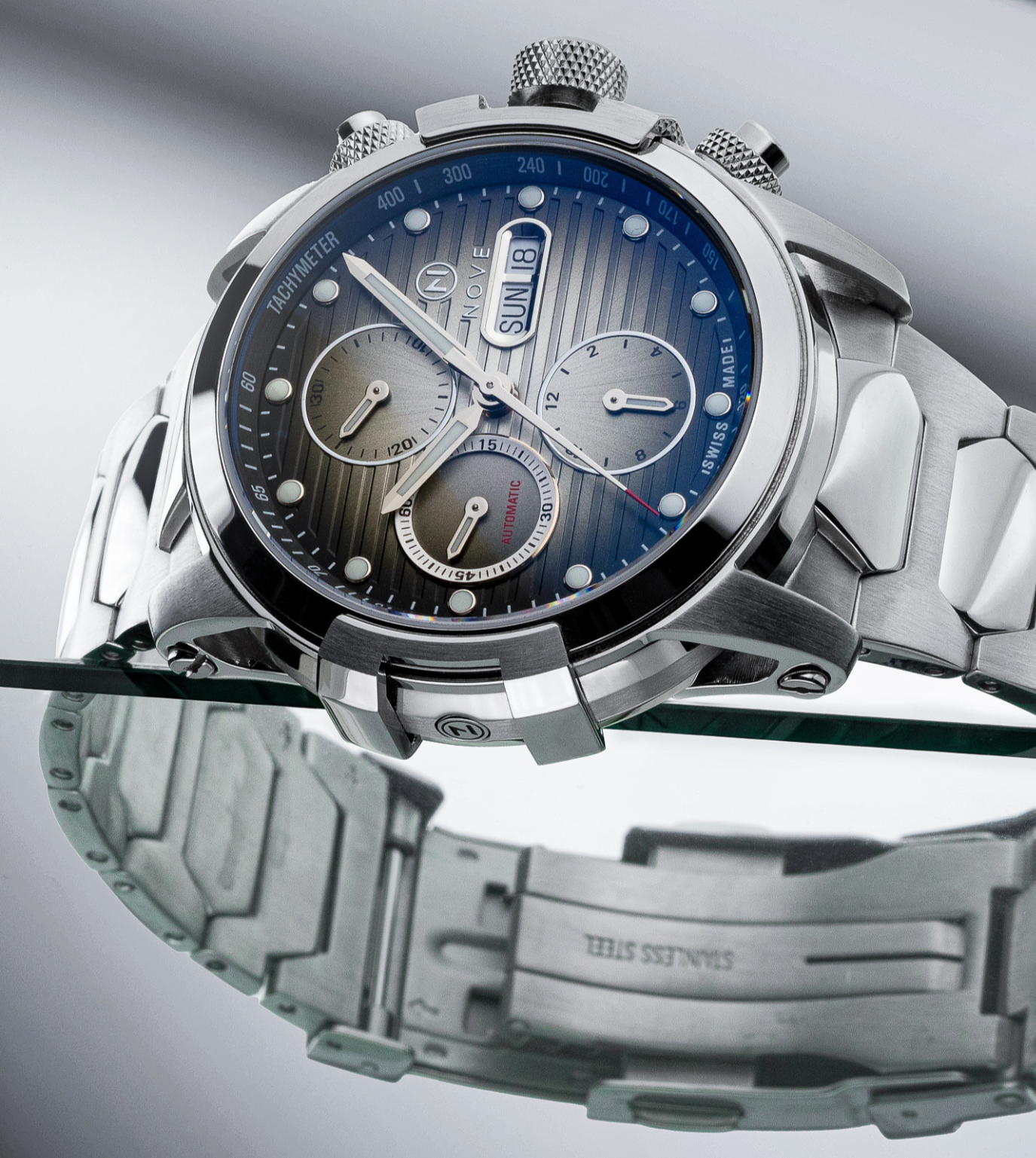
If you are choosing a watch for frequent timing, a chronograph can be useful on land. But for underwater elapsed time, the unidirectional bezel remains the clearer and more appropriate tool. A chronograph adds visual complexity and moving parts, so choose it when its automotive or sporting character fits your style, not as a replacement for a proper dive bezel.
Bracelet, Strap, and Fit Matter More Than Expected
The finest specifications lose value if a watch is uncomfortable. A bracelet should articulate smoothly and taper where possible, preventing a large case from feeling heavier than it is. A secure clasp with a reliable extension system is valuable for wetsuit use, but it also offers welcome adjustment when wrists expand in warm weather.
Rubber straps are practical in water, easy to clean, and often make a substantial case feel lighter. Metal bracelets offer enduring versatility and a more polished presence. Many collectors appreciate having both: steel for daily refinement, rubber for travel and active weekends.
Before choosing a diameter, consider wrist shape and lug-to-lug length. A 42 mm watch can wear compactly if its lugs curve down, while a 40 mm case with long, straight lugs may feel surprisingly broad. A bold watch should make a statement, not overwhelm the wearer.
A Dive Watch Features Guide for Real Life
For certified divers, seek credible water resistance, a secure unidirectional bezel, strong lume, and a fit that works over a wetsuit. For the traveler, swimmer, or design-minded professional, prioritize 100 to 200 meters of resistance, sapphire crystal, a dependable movement, and a case that transitions from water to dinner without hesitation.
This is where a design-first Swiss watchmaker such as NOVE offers a compelling proposition: practical dive-watch architecture need not look predictable. Distinctive case geometry, considered finishing, and bold dial execution can preserve the instrument’s purpose while giving it the presence of a modern statement piece.
The right dive watch is not defined by the highest depth rating or the longest specification sheet. It is the one whose details invite confidence each time you set the bezel, catch the dial in low light, and fasten it before heading somewhere worth remembering.