
A watch can have a striking case, a sculpted dial, and the kind of wrist presence that turns heads across a room. But if the movement underneath fails to deliver, the entire piece loses its authority. That is why swiss quartz movement manufacturers matter far more than many buyers realize. They sit behind some of the most dependable, refined, and design-flexible watches in the market, powering timepieces that balance precision with everyday practicality.
Quartz still gets treated as the quieter side of Swiss watchmaking, usually overshadowed by the romance of mechanical calibers. That misses the point. Swiss quartz is not a compromise by default. In the right watch, from the right maker, it is an intentional choice - one that can offer remarkable accuracy, slim proportions, low maintenance, and long-term reliability without sacrificing the prestige of Swiss production.
Why Swiss quartz movement manufacturers still matter
The modern watch buyer is more informed than ever. People compare movement origins, look for Swiss-made credibility, and want to know what sits beneath the dial before they commit. In that environment, the reputation of swiss quartz movement manufacturers carries real weight.
A strong manufacturer brings consistency in tolerances, dependable electronics, quality control, and serviceability. That affects more than how accurately a watch keeps time. It influences battery life, hand alignment, shock resistance, chronograph performance, and how confidently a brand can stand behind its warranty.
For design-forward watches, quartz also opens creative space. A thinner movement can support a more architectural case profile. Lower maintenance can make a watch more practical for travel, business, or daily wear. And in sport and dive-inspired categories, dependable quartz can be an advantage for owners who want grab-and-go readiness rather than ritual.
This is where the distinction becomes important. Not all quartz calibers are created equal, and not all manufacturers operate at the same standard.
What sets Swiss quartz movement manufacturers apart
Swiss manufacturing has long been associated with precision, but in quartz that precision comes from a different discipline than in automatic or manual movements. Electronics, circuit design, component finishing, assembly control, and battery efficiency all become central.
The best Swiss makers tend to stand apart in a few ways. First is consistency at scale. A movement is only as good as its repeatability, and high-level manufacturers are trusted because their calibers perform predictably across large production volumes.
Second is specialization. Some excel in simple three-hand movements. Others are known for chronograph modules, high-accuracy calibers, or compact formats that help brands achieve more ambitious case architecture. If a watch brand wants a sharp, modern silhouette or a functional multi-register layout, the movement manufacturer becomes part of the design equation.
Third is service ecosystem. Buyers often focus on the watch brand, but long-term ownership is shaped by parts availability and watchmaker familiarity. Swiss movement makers with broad industry presence tend to support easier maintenance over time.
Finally, there is perception. In luxury and accessible luxury watches alike, movement origin communicates seriousness. A Swiss quartz caliber tells the buyer that precision was not left to chance.
The major names behind Swiss quartz calibers
When people discuss swiss quartz movement manufacturers, a few names dominate for good reason. ETA remains one of the most recognized, with a wide catalog used across the Swiss watch landscape. Its quartz movements appear in everything from minimalist dress watches to sport chronographs, largely because they are proven, adaptable, and easy for brands to integrate.
Ronda is another major force, particularly respected for practical, durable quartz calibers and a broad range of configurations. It is often favored by brands that want reliability and flexibility across price points without stepping away from Swiss credibility.
There are also specialist manufacturers and suppliers that operate with a lower public profile but an important industry role. Some produce niche calibers for compact cases, jewelry watches, or multifunction layouts. Others work more closely with brands on proprietary adaptations, helping create watches that feel more distinctive even when built on established movement platforms.
For the buyer, the headline is simple. The manufacturer matters, but so does how the brand uses that movement. A respected caliber can feel ordinary in a forgettable case, or exceptional when paired with strong design, rigorous assembly, and thoughtful finishing.
Swiss quartz vs other quartz movements
This is where nuance matters. Swiss quartz is not inherently superior in every single use case, and anyone claiming otherwise is skipping the details.
Japanese quartz makers, for example, have earned serious respect for innovation, resilience, and value. Some offer outstanding accuracy and durability. For buyers prioritizing pure function at the lowest possible cost, there are strong non-Swiss options.
What Swiss makers often deliver, though, is a different combination of assets: prestige, established luxury-market acceptance, close alignment with Swiss-made regulations, and compatibility with brands built around refined finishing and elevated design language. That combination matters to customers buying a watch as both an instrument and a statement piece.
There is also the issue of fit. A Swiss quartz movement tends to make the most sense when the watch itself is positioned as premium, design-conscious, and intended to carry Swiss manufacturing credibility all the way through. In that context, the movement supports the story rather than interrupting it.
How movement choice shapes the watch on your wrist
A quartz caliber is not just a specification on a product page. It changes the ownership experience.
With a three-hand Swiss quartz watch, you get precision that requires very little from you. There is no winding, no reset after a few days off the wrist, and typically less day-to-day attention. For professionals, frequent travelers, and anyone who rotates multiple watches, that convenience is more than practical - it is luxurious.
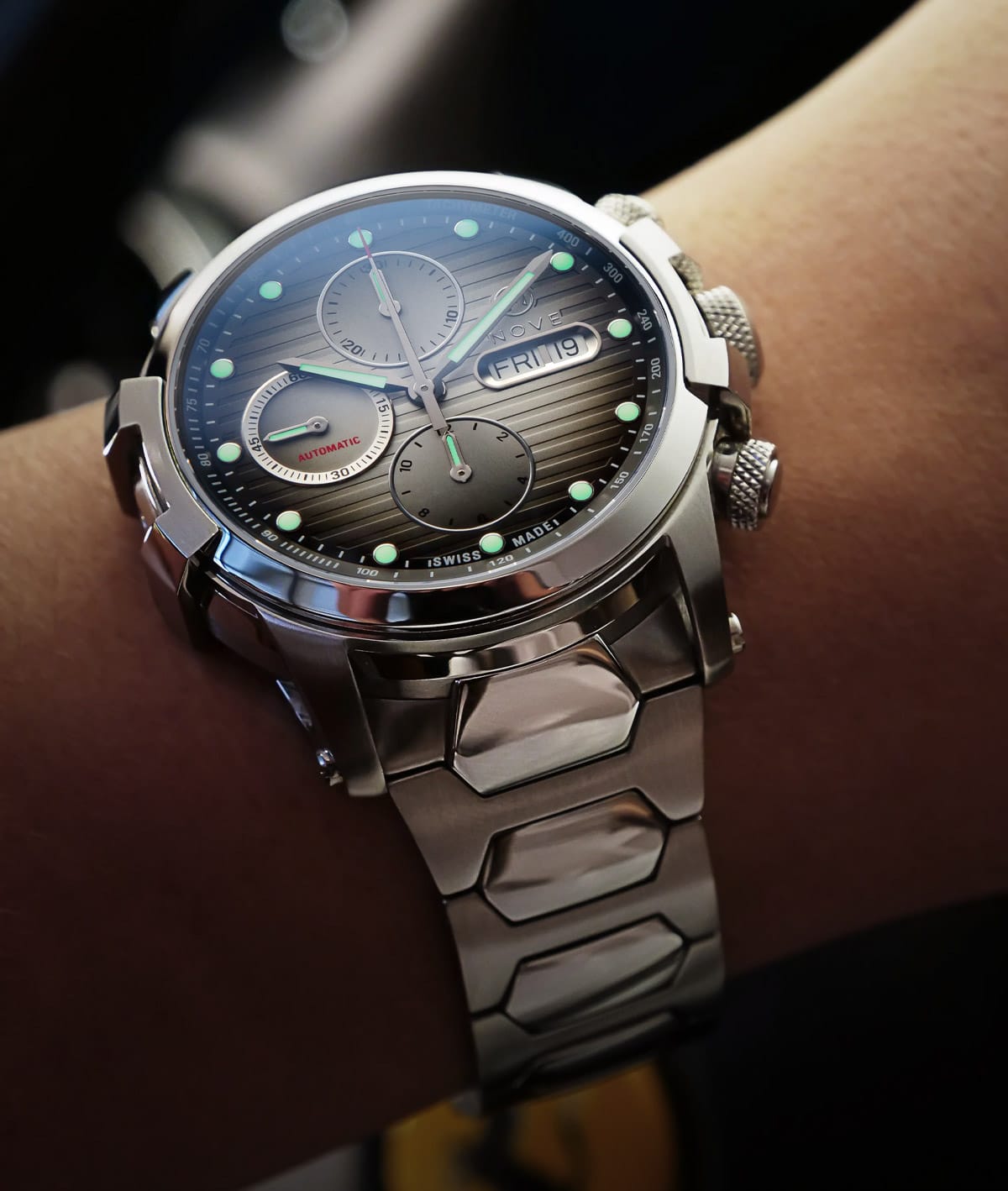
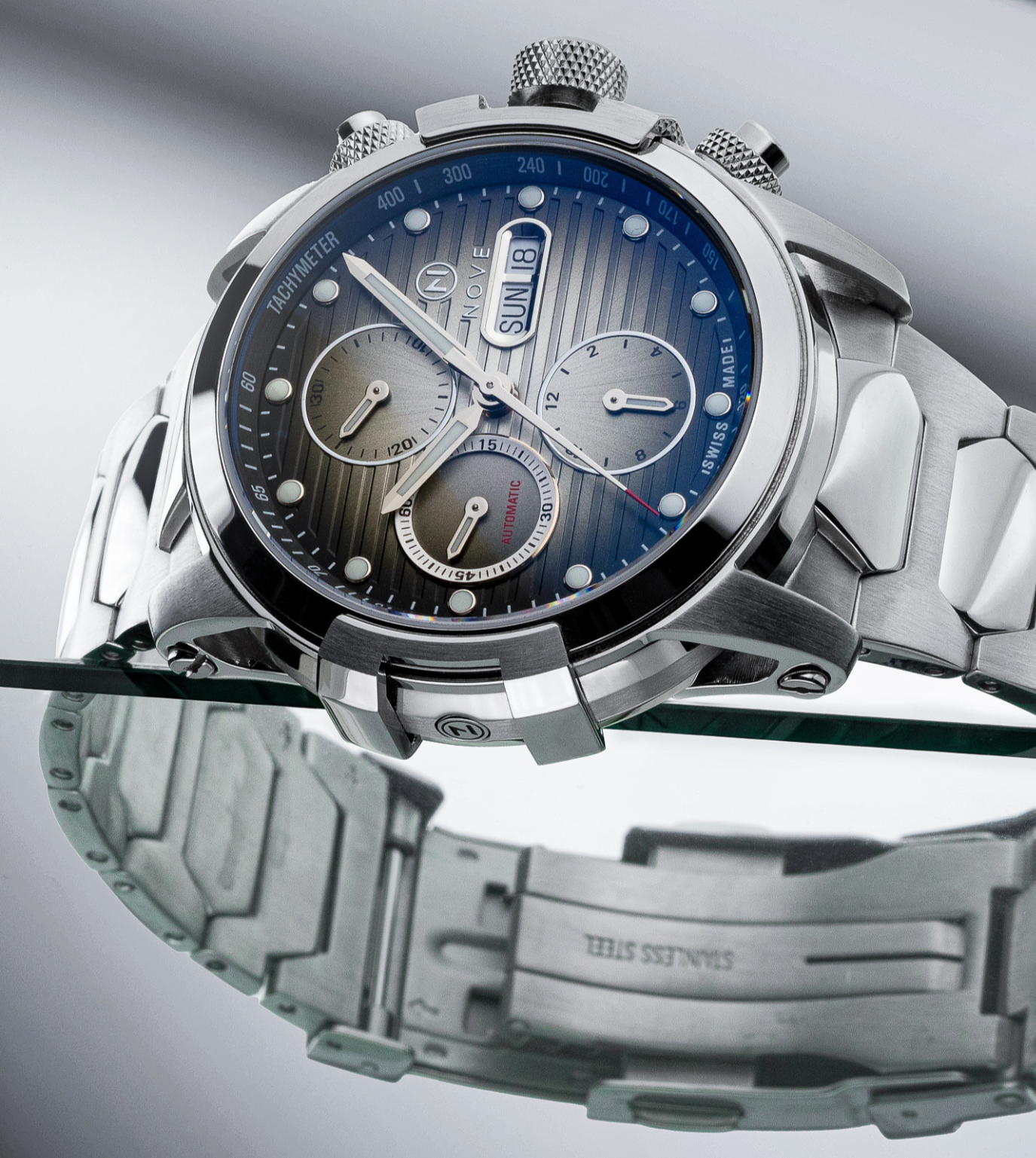
In chronographs, the movement decision becomes even more visible. The feel of the pushers, the responsiveness of the stopwatch function, and the overall case thickness can all be influenced by the caliber inside. A well-chosen Swiss quartz chronograph movement can deliver sport functionality with a cleaner profile and lower maintenance burden than many mechanical alternatives.
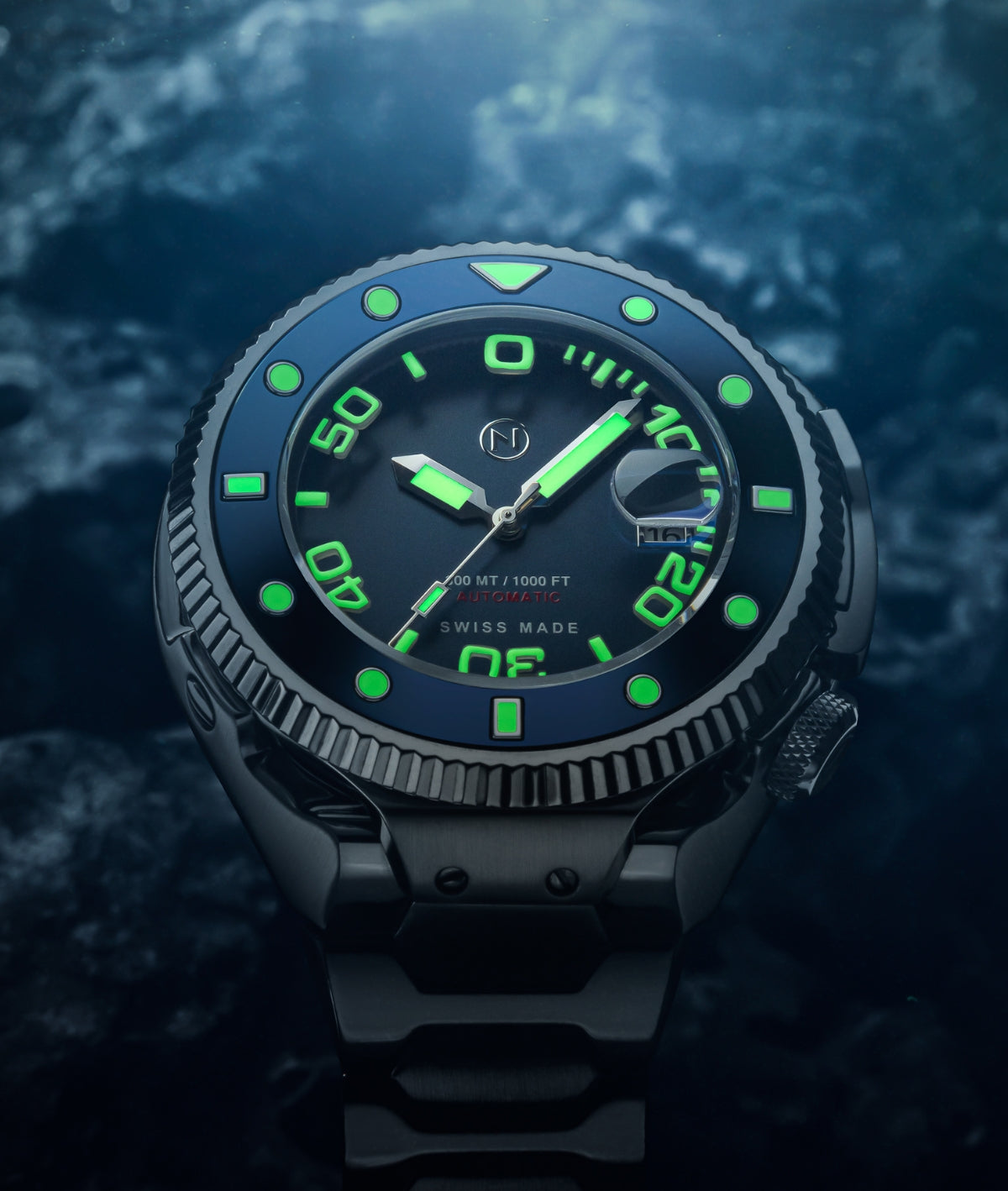
For dive-inspired and adventure-ready watches, quartz offers another benefit: readiness. If the watch is built for action, it helps when it is always accurate and always prepared. That is part of the appeal for brands that design bold, performance-driven timepieces with modern lifestyles in mind.
What buyers should look for beyond the label
Seeing Swiss on a movement spec is a strong start, but it should not end the conversation. The real question is whether the watch brand has matched the movement to the purpose of the piece.
Case construction matters. Dial execution matters. Water resistance, battery accessibility, hand setting precision, and overall finishing all matter. A respected movement inside a poorly executed watch will not create refinement on its own.
It is also worth asking what kind of quartz movement the watch uses. Standard three-hand calibers offer simplicity and efficiency. Chronograph movements add functionality but can require more space and design discipline. Some calibers emphasize battery life, while others prioritize added complications. The best choice depends on how you actually wear your watch.
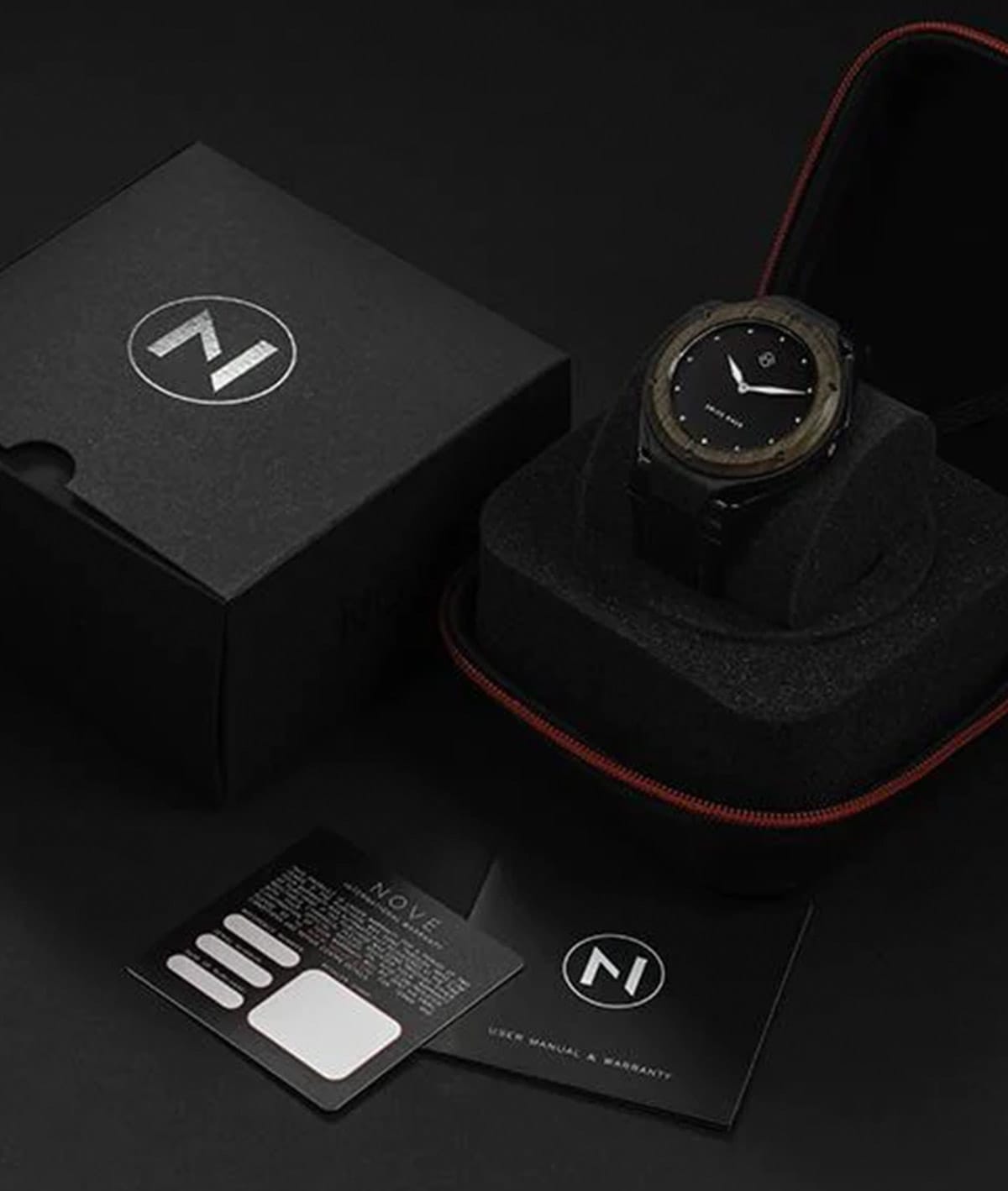
Warranty support is another useful signal. A brand willing to stand behind its Swiss quartz watch with confidence is telling you something about how seriously it takes sourcing and assembly. That reassurance becomes especially relevant in the accessible luxury space, where buyers expect performance as well as visual impact.
Why Swiss quartz remains relevant in premium watchmaking
There is a persistent idea that a luxury watch must be mechanical to feel legitimate. That view is outdated. Today, legitimacy comes from coherence. The movement, design, build quality, and brand philosophy should all make sense together.
A bold contemporary watch with sharp architecture, sport capability, and daily-wear practicality may be better served by quartz than by an automatic movement chosen purely for tradition. Precision can be its own form of refinement. Convenience can be part of opulence. And a watch designed to be worn often should not force ceremony where none is needed.
That is why Swiss quartz continues to earn its place. It allows brands to create timepieces with daring forms, reliable performance, and a cleaner ownership experience. For collectors, it can add variety to a rotation. For first-time buyers, it can provide a confident entry into Swiss-made watchmaking. For anyone who values design and precision in equal measure, it remains a persuasive choice.
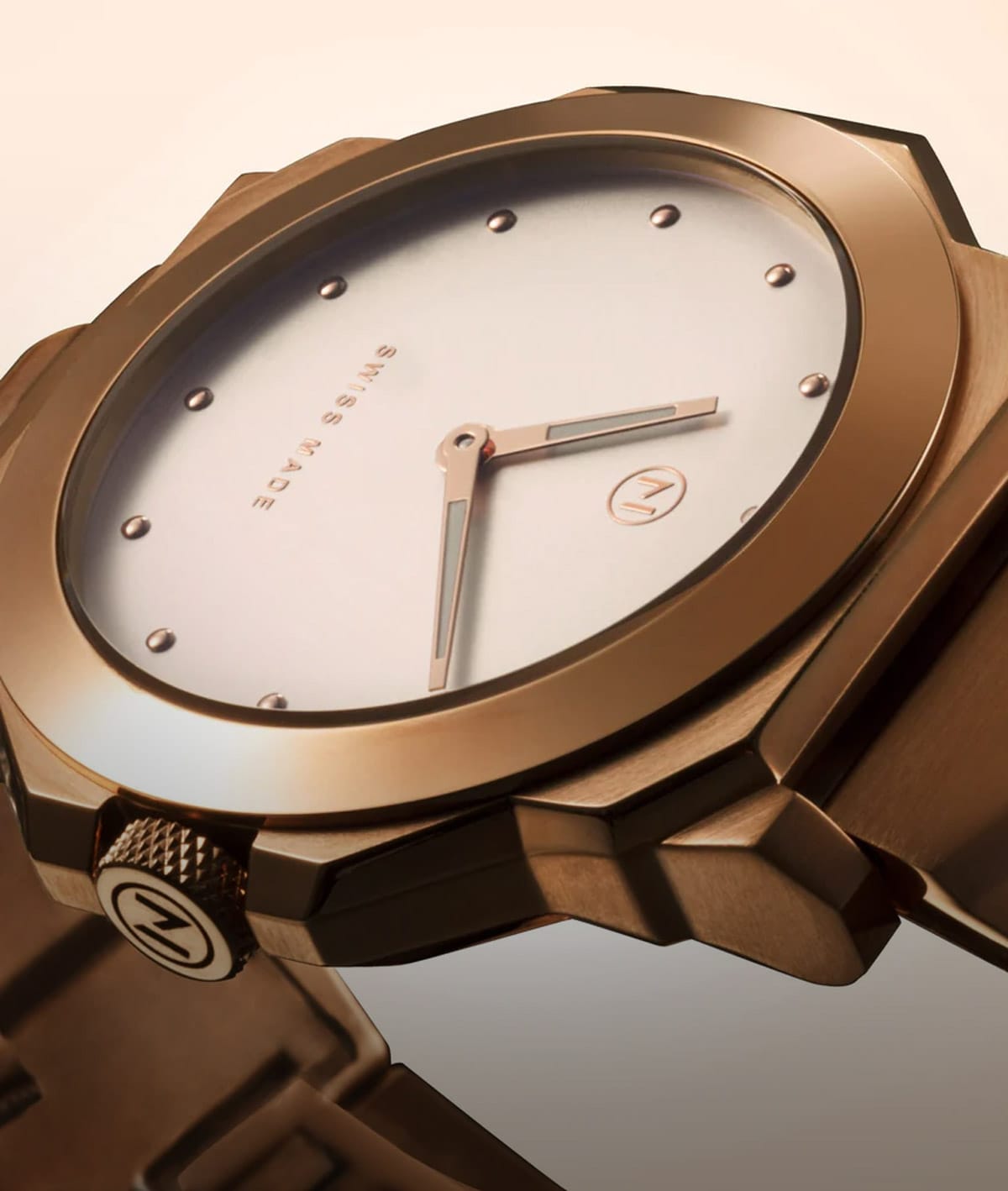
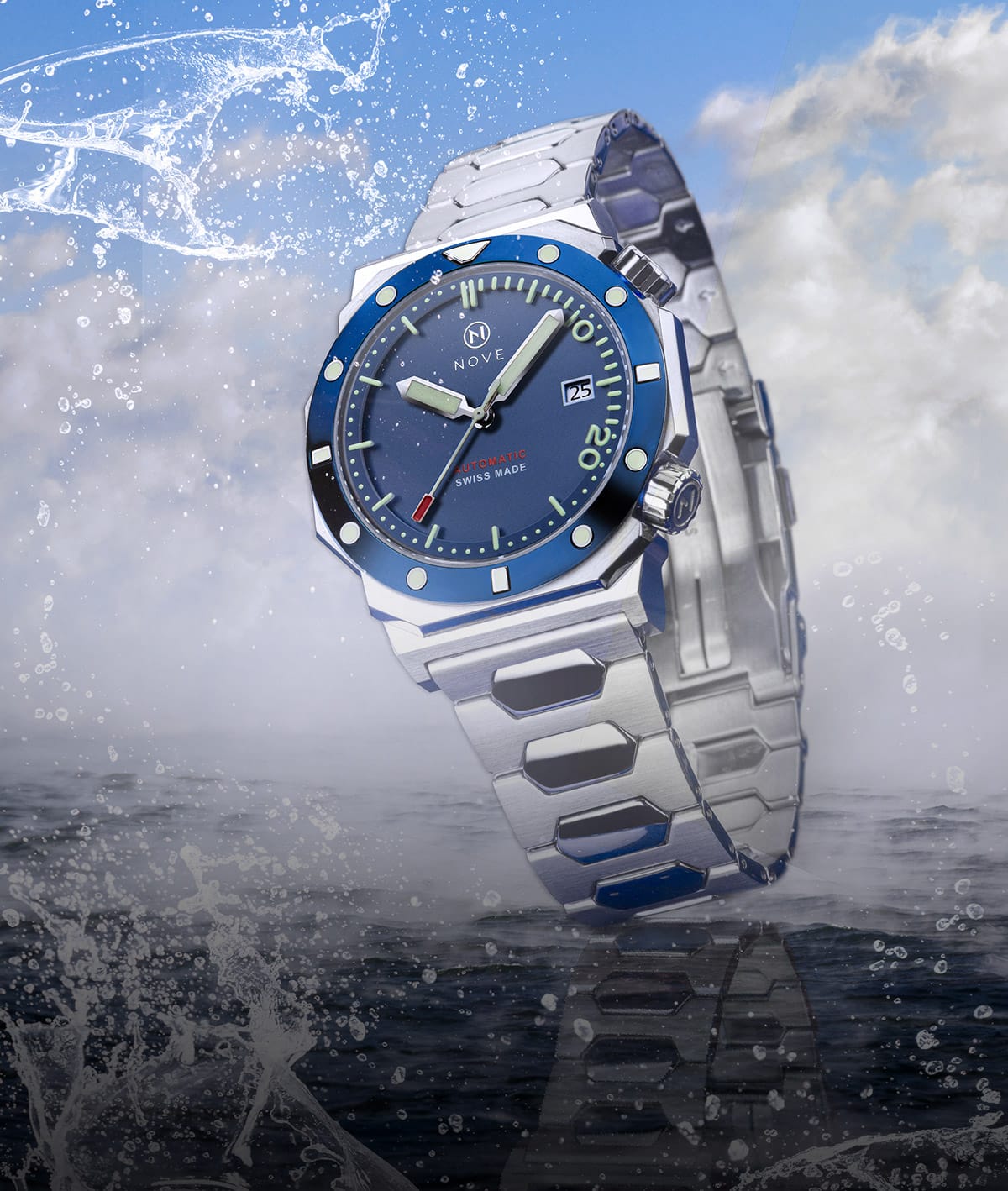
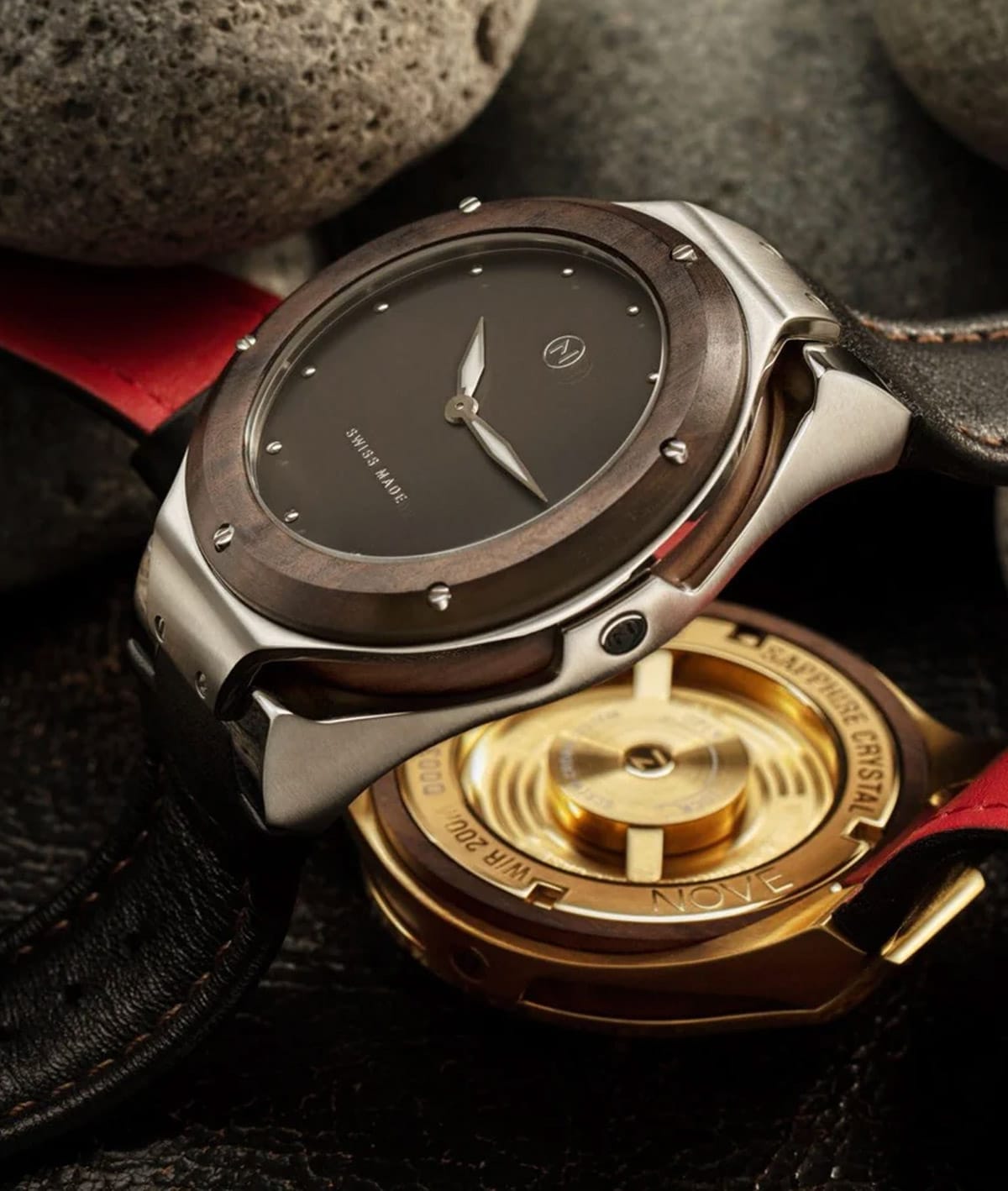
A brand like NOVE understands that a modern Swiss watch does not need to imitate the past to command attention. When design is distinctive and the engineering is credible, quartz becomes not a fallback, but a deliberate expression of performance.
The smartest way to think about swiss quartz movement manufacturers is not as background suppliers, but as quiet architects of the wearing experience. Their work shapes the accuracy you trust, the proportions you admire, and the confidence you feel every time the watch meets your wrist. Choose the right maker, and the result is not just dependable timekeeping. It is precision with presence.