

A finely engineered automatic watch can feel almost alive: wear it through a busy day, and the seconds hand keeps its measured pace without a charger, disposable cell, or visible source of power. So, do automatic watches need batteries? No. A traditional automatic watch is powered mechanically by the motion of its wearer, making it a compelling choice for those who appreciate precision with tangible character.
That distinction matters when choosing a watch. An automatic movement offers more than a way to tell time. It brings together tiny components, kinetic energy, and Swiss watchmaking discipline in a form designed to be worn, admired, and maintained for years.
Do Automatic Watches Need Batteries to Run?
Automatic watches do not use batteries. Instead, they use a self-winding mechanical movement. Inside the case is a weighted semicircular component called a rotor. As your wrist moves, the rotor pivots and winds the watch's mainspring.
The mainspring stores that energy, then releases it gradually through a precisely regulated series of gears. This controlled transfer of energy drives the hands and, in many watches, additional functions such as the date, a rotating bezel, or other complications.
It is a remarkably elegant system. Where a quartz watch relies on a battery to send electrical current through a crystal, an automatic watch relies on physical motion and mechanical calibration. No battery replacement is required, but the movement does require care.
What if you do not wear it every day?
An automatic watch will eventually stop if it is left unworn. That does not mean anything is broken or that a battery has failed. It simply means the mainspring has used the energy stored within it.
Most modern automatic watches offer a power reserve of roughly 38 to 72 hours, though some movements can run longer. If you take the watch off Friday evening and return to it Monday morning, it may need to be reset and wound before you wear it again.
To restart it, gently turn the crown in the winding position if the movement supports manual winding. Around 20 to 40 slow turns is commonly enough to build an initial charge. Then set the time and wear the watch normally. Avoid aggressively winding the crown or forcing it once resistance increases.
How an Automatic Movement Creates Power
The appeal of an automatic watch lies in its self-contained mechanics. It takes the natural energy of your movement and transforms it into timekeeping power through a sequence of components working in constant motion.
The rotor winds the mainspring. The mainspring delivers energy through the gear train. The escapement releases that energy in tiny, regulated increments. Finally, the balance wheel oscillates back and forth at a consistent rate, acting as the movement's timekeeping heartbeat.
This is why an automatic watch often has a sweeping seconds hand rather than the once-per-second tick associated with many quartz models. Depending on the movement's frequency, the hand advances in several small steps each second. It is a visual signature of mechanical refinement, even if the motion is not perfectly continuous.
For a wearer, the experience is wonderfully direct. Your daily movement contributes to the watch's operation. The watch is not merely powered on. It is kept in motion by being part of your life.
Automatic vs. Quartz: The Battery Difference
An automatic watch and a quartz watch can both be precise, reliable, and beautifully designed, but they offer different kinds of ownership.
A quartz watch uses a battery as its energy source. That battery sends electricity through a quartz crystal, which vibrates at a highly stable frequency. The movement counts those vibrations to keep time. Quartz watches are usually more accurate than mechanical watches in day-to-day use and demand very little attention beyond a battery change every few years.
An automatic watch trades some of that absolute convenience for craft and personality. Mechanical movements may gain or lose a few seconds per day, depending on the caliber, how the watch is worn, temperature, magnetism, and its state of service. For many enthusiasts, that is not a compromise so much as part of the point. The movement is a miniature machine, adjusted and assembled to turn stored energy into time.
Neither choice is universally better. A quartz chronograph may be the right instrument for someone who values grab-and-go accuracy. An automatic dive watch may be the stronger choice for someone drawn to the weight, engineering, and ritual of mechanical ownership. The best watch is the one that suits how you live and what you want to feel when you look at your wrist.
Do Automatic Watches Have Any Electronic Parts?
Most traditional automatic watches are entirely mechanical and have no electronic components. They do not contain a battery, circuit board, or quartz crystal. Their functions are driven by springs, gears, levers, and wheels.
There are exceptions. Hybrid watches can combine mechanical styling with smart features, and certain specialized movements use electronic assistance. Those are not conventional self-winding automatics, so it is worth checking the movement specification rather than relying on the appearance of the watch.
If a watch is described as Swiss automatic, self-winding, or mechanical automatic, it generally does not need a battery. If it is described as Swiss quartz, it does. That simple distinction helps buyers compare collections with confidence.
How to Keep an Automatic Watch Running Well
An automatic watch rewards a little attention. Regular wear is usually enough to maintain its power reserve, particularly for an active wearer. If your days involve long stretches at a desk or you rotate between several watches, a few turns of the crown before putting it on can give the movement a useful starting charge.
A watch winder is optional, not essential. It can be convenient for a watch with complex calendar settings, but it is not necessary for a standard three-hand automatic. In fact, allowing a watch to run down between wears is perfectly normal. You can simply wind and set it when you are ready to wear it again.
Protect the movement from impacts, strong magnetic fields, and water exposure beyond its stated rating. A dive-inspired timepiece with serious water resistance is built for more demanding environments, but the crown must be fully secured before entering the water. After saltwater use, rinsing the exterior with fresh water can help preserve the case and bracelet.
Mechanical watches also benefit from periodic professional service. The exact interval depends on the movement and manufacturer guidance, but servicing every several years allows a qualified watchmaker to inspect lubrication, seals, accuracy, and wear. It is preventive care for a precision instrument, not a sign that the watch has become unreliable.
When a Stopped Automatic Watch Needs Attention
A stopped automatic watch usually needs winding, not a battery. Start by winding it gently and wearing it for a full day. If it stops again quickly, loses substantial time, or the crown feels unusual, a watchmaker should inspect it.
Other warning signs include condensation beneath the crystal, erratic timekeeping after exposure to a magnetic source, or a rotor that sounds excessively loose. These issues are uncommon with proper use, but prompt attention can prevent a minor adjustment from becoming a larger repair.
For collectors and first-time buyers alike, that service relationship is part of the value of mechanical ownership. An automatic watch is not designed to be disposable. With informed care, its movement can remain a dependable companion through years of travel, work, celebration, and everyday adventure.
The Value of a Battery-Free Watch
The absence of a battery is not simply a technical detail. It changes the relationship between wearer and watch. An automatic movement carries the visible and invisible evidence of engineering: the sweep of the seconds hand, the gentle movement of the rotor, the disciplined release of power beneath the dial.
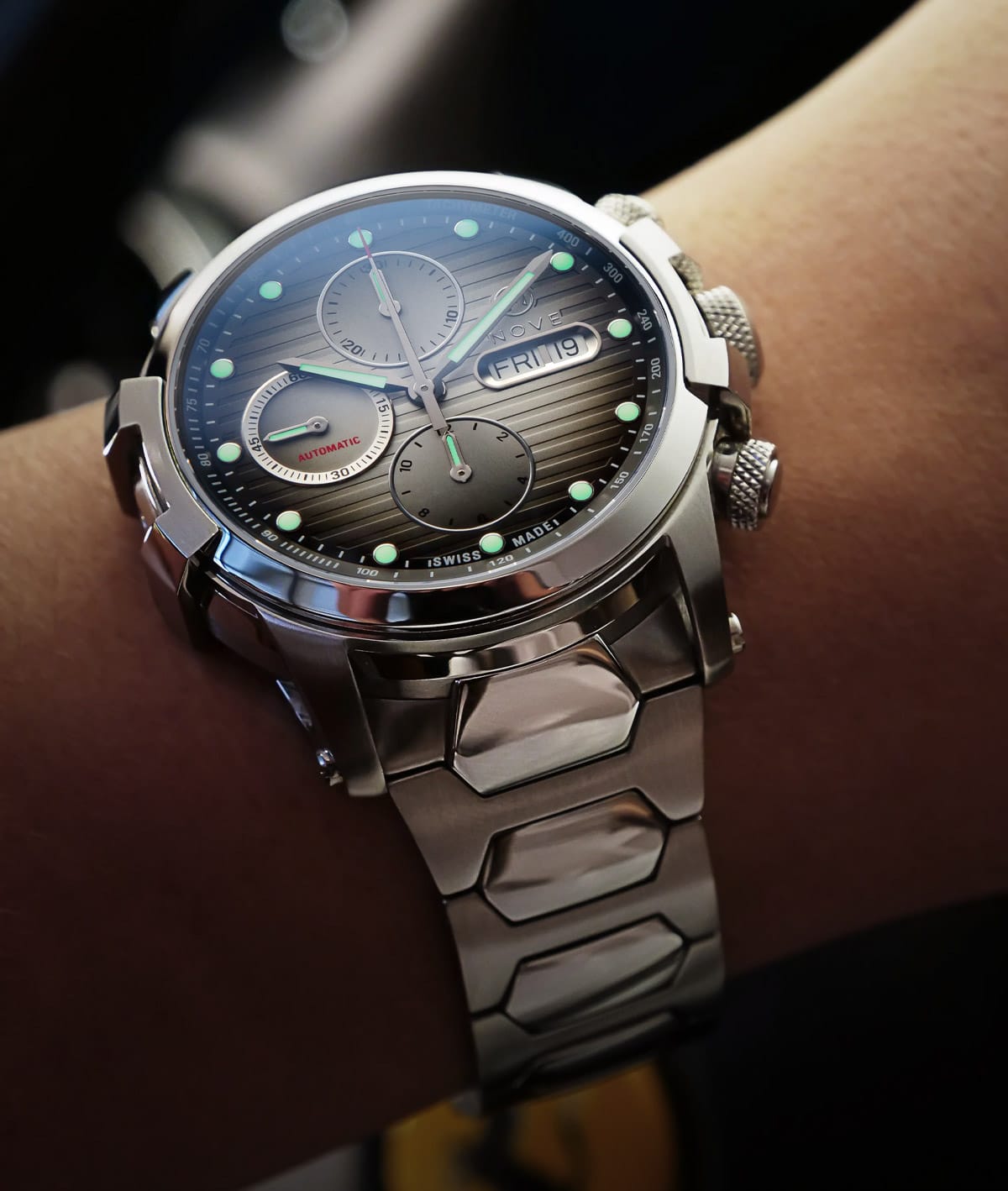
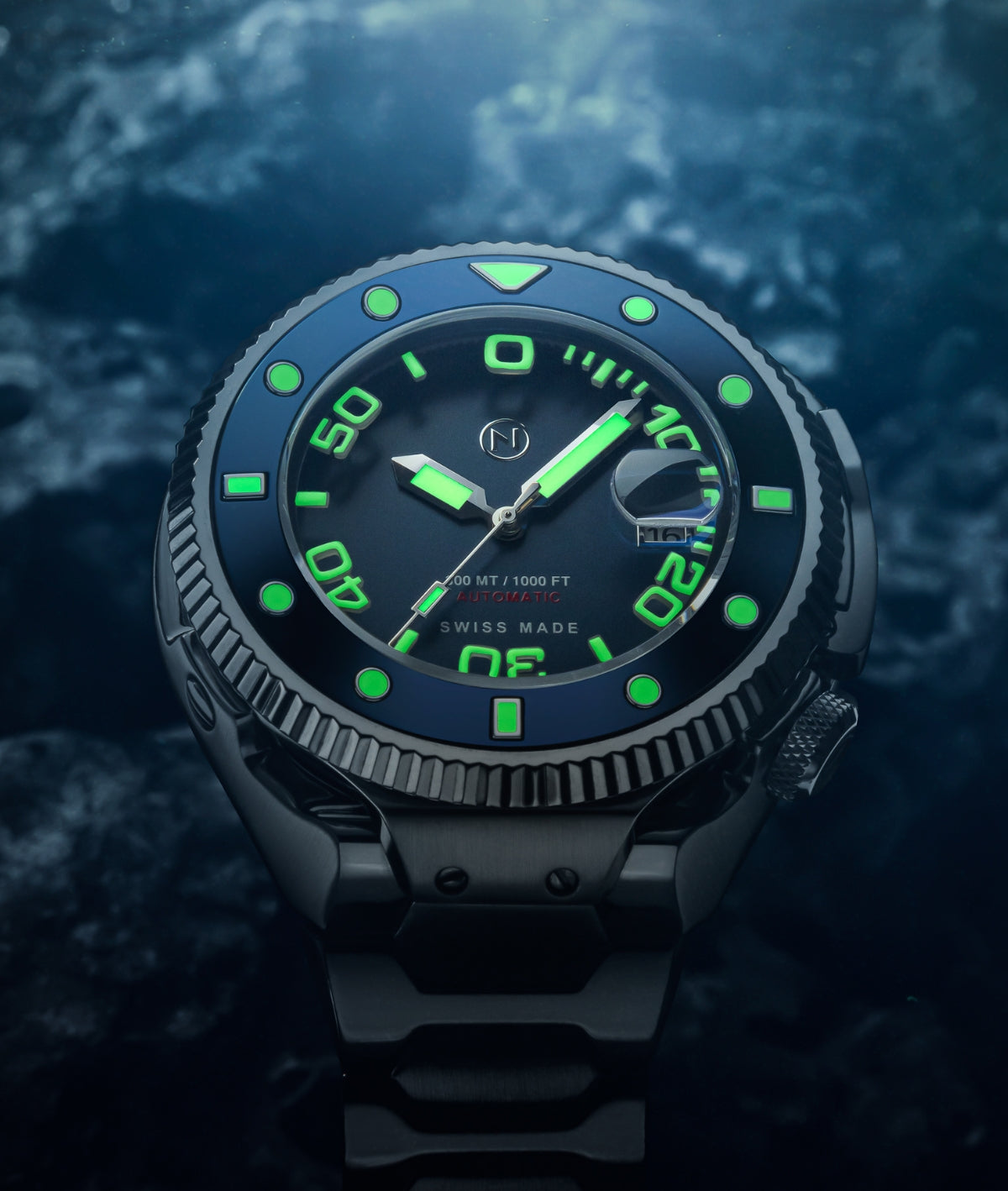
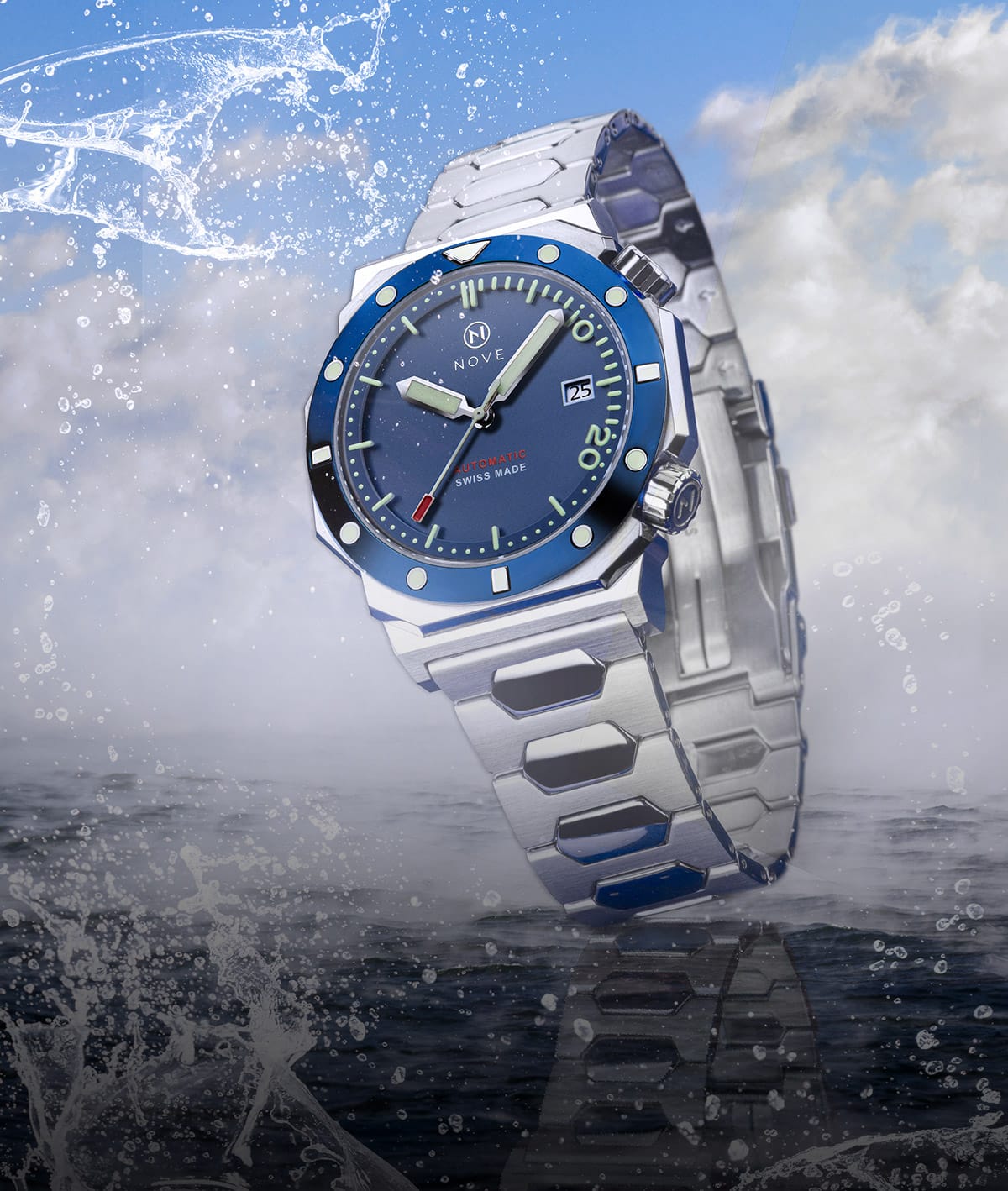
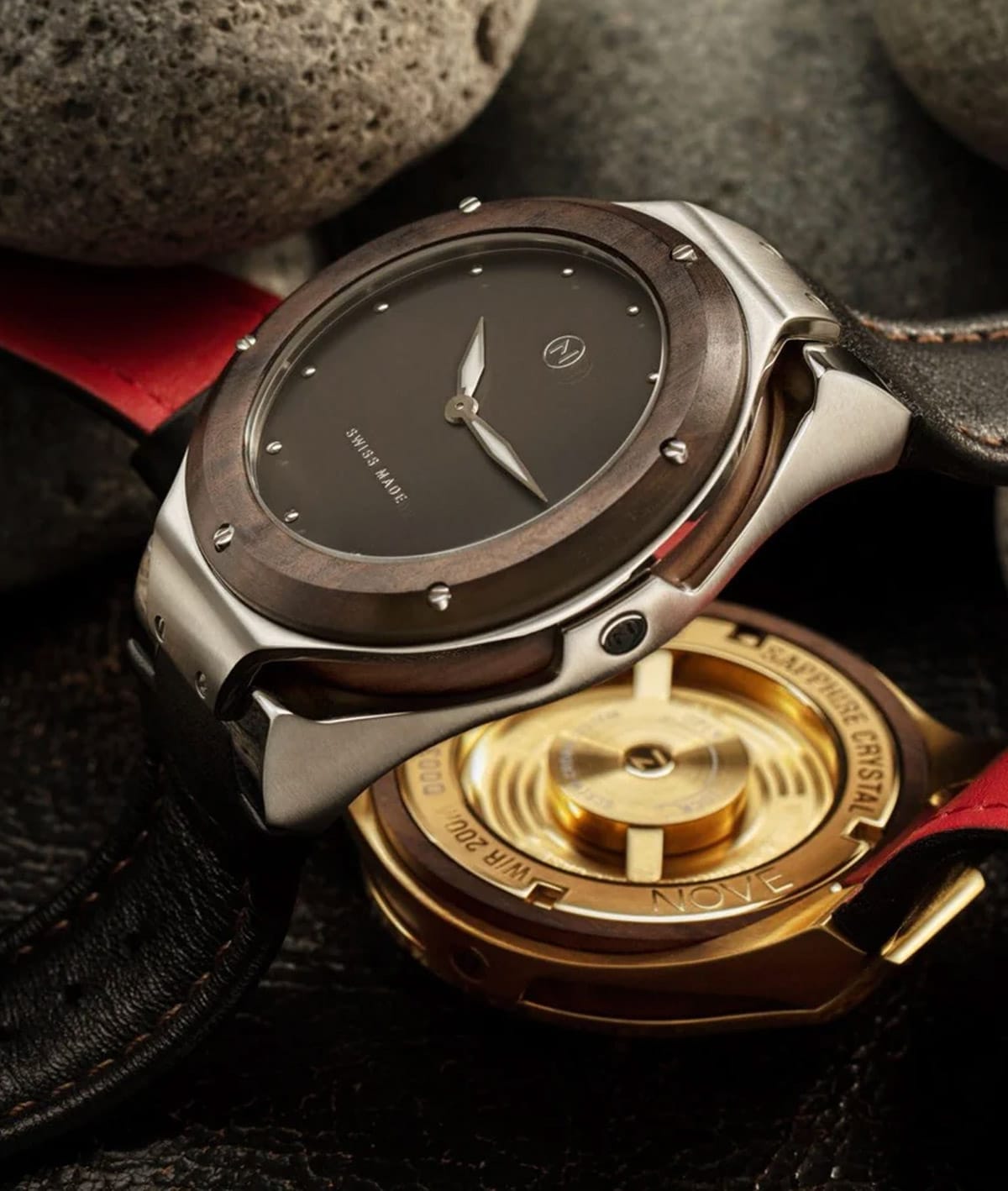
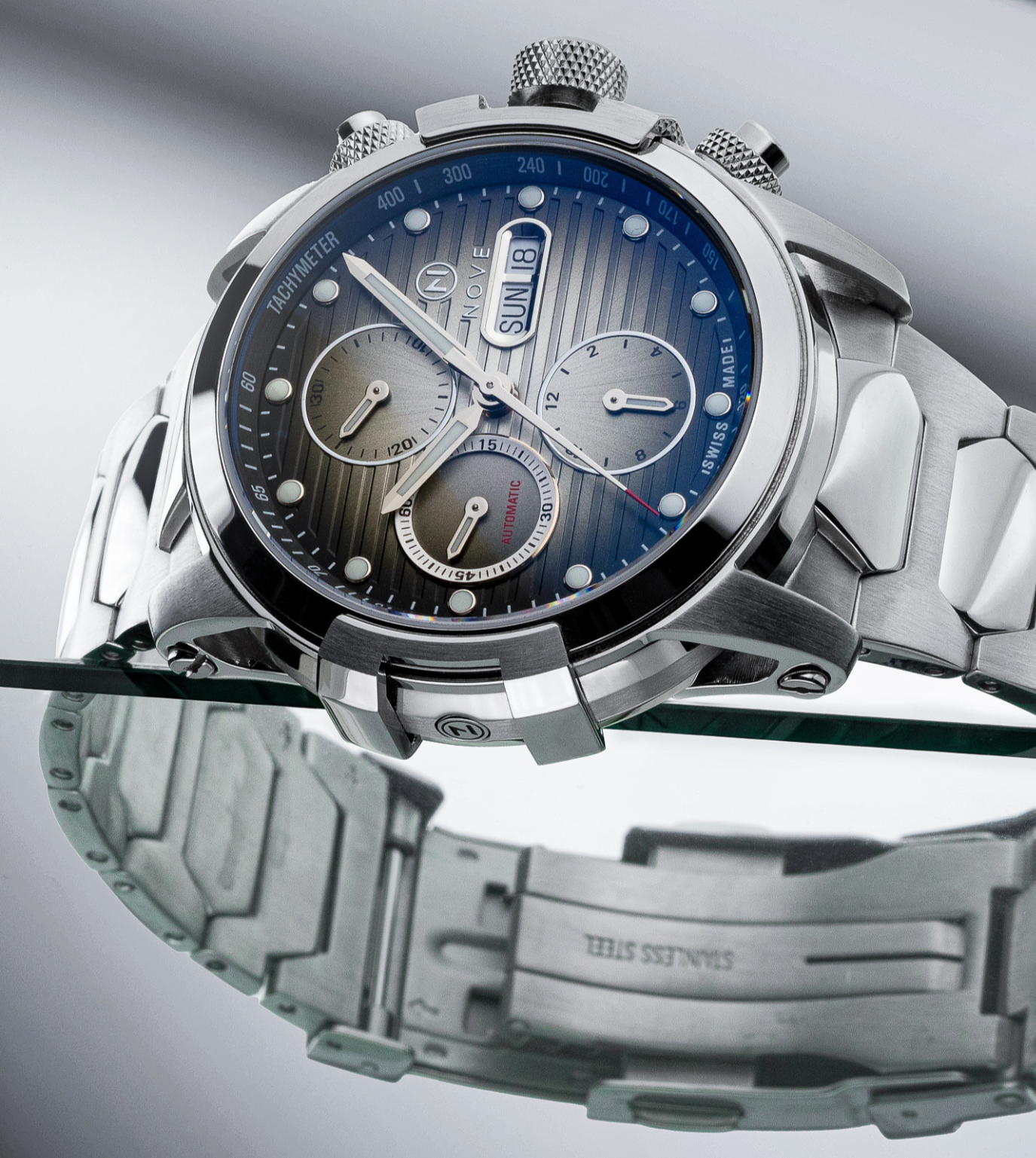
For a bold Swiss-made automatic such as those designed by NOVE, that mechanical substance complements the visual statement. A sculptural case, a capable dive-ready build, or an automotive-inspired silhouette gains another dimension when a self-winding movement sits at its core.
Choose an automatic watch if you want timekeeping with a sense of ritual and permanence. Wear it often, wind it thoughtfully when needed, and let the machinery do what it was designed to do: turn the momentum of your day into something precise, enduring, and distinctly yours.