
A great watch does more than keep time. It changes the way a cuff sits, gives a weekend uniform more intention, and carries a little of its owner's character into every room. In the chronograph vs dive watch decision, the real question is not which design is better. It is which kind of capability, visual presence, and personal story belongs on your wrist.
A chronograph brings the energy of speed and precision. A dive watch is built around clarity, confidence, and the pull of the ocean. Both can be exceptional everyday companions, and both belong in a serious watch collection. The right choice comes down to how you live, what you wear, and which details you want to notice every time you check the hour.
Chronograph vs Dive Watch: The Core Difference
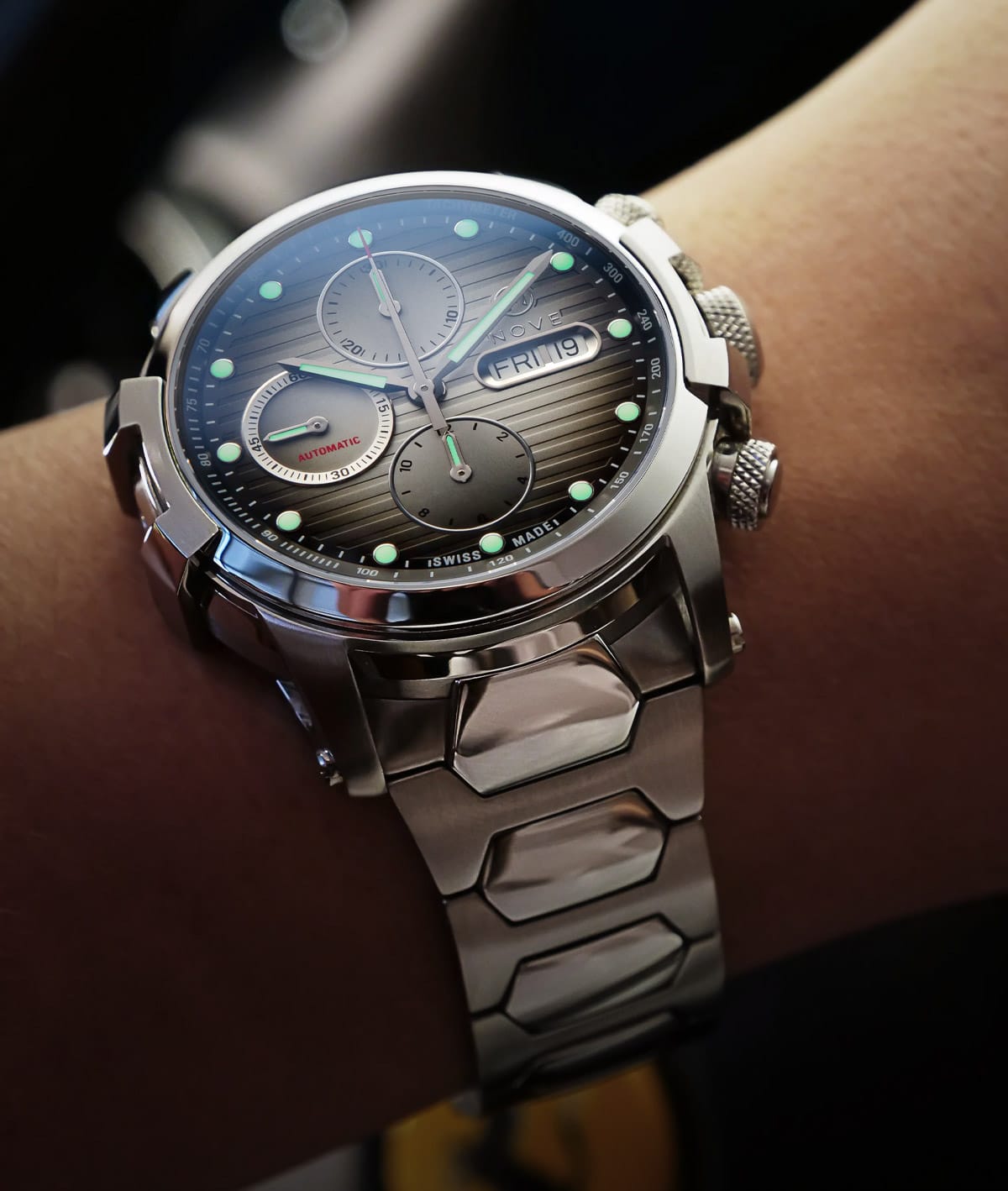
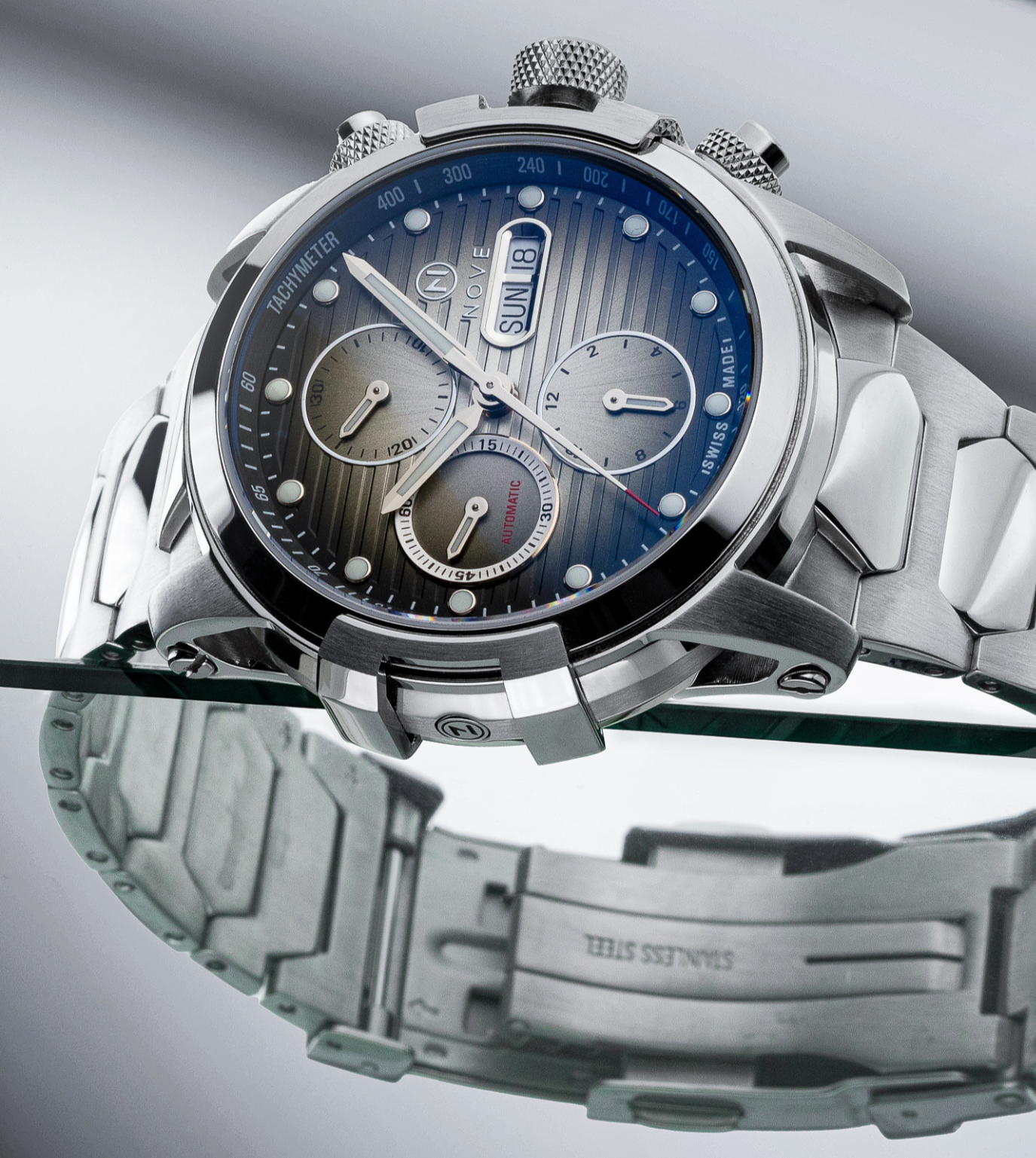
A chronograph is a watch with a stopwatch function. Beyond displaying the time, it can measure an elapsed interval, usually through pushers on the side of the case. One pusher starts and stops the timing hand; another resets it. Subdials commonly record elapsed minutes and hours, while a tachymeter scale on some models can calculate average speed over a known distance.
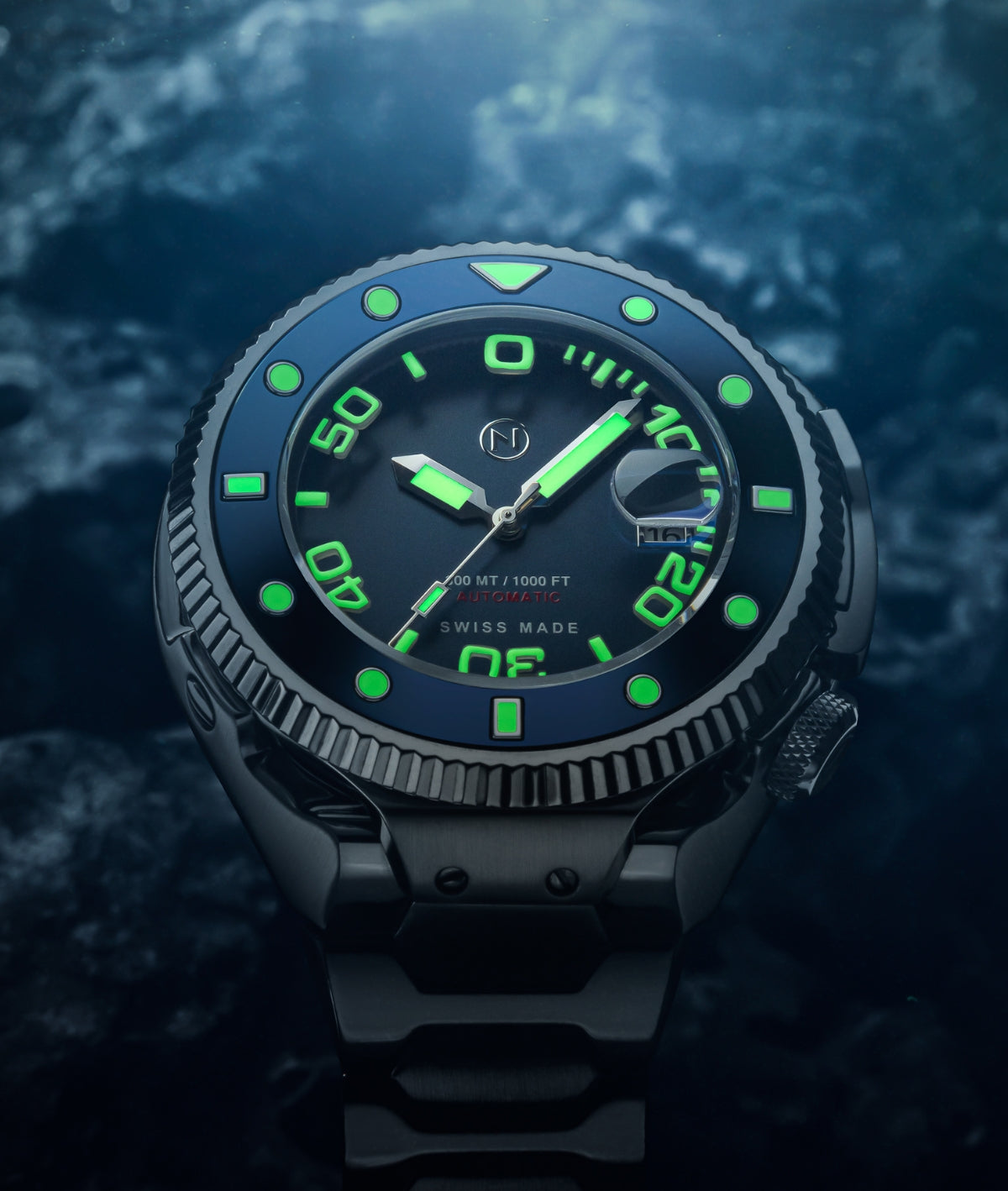
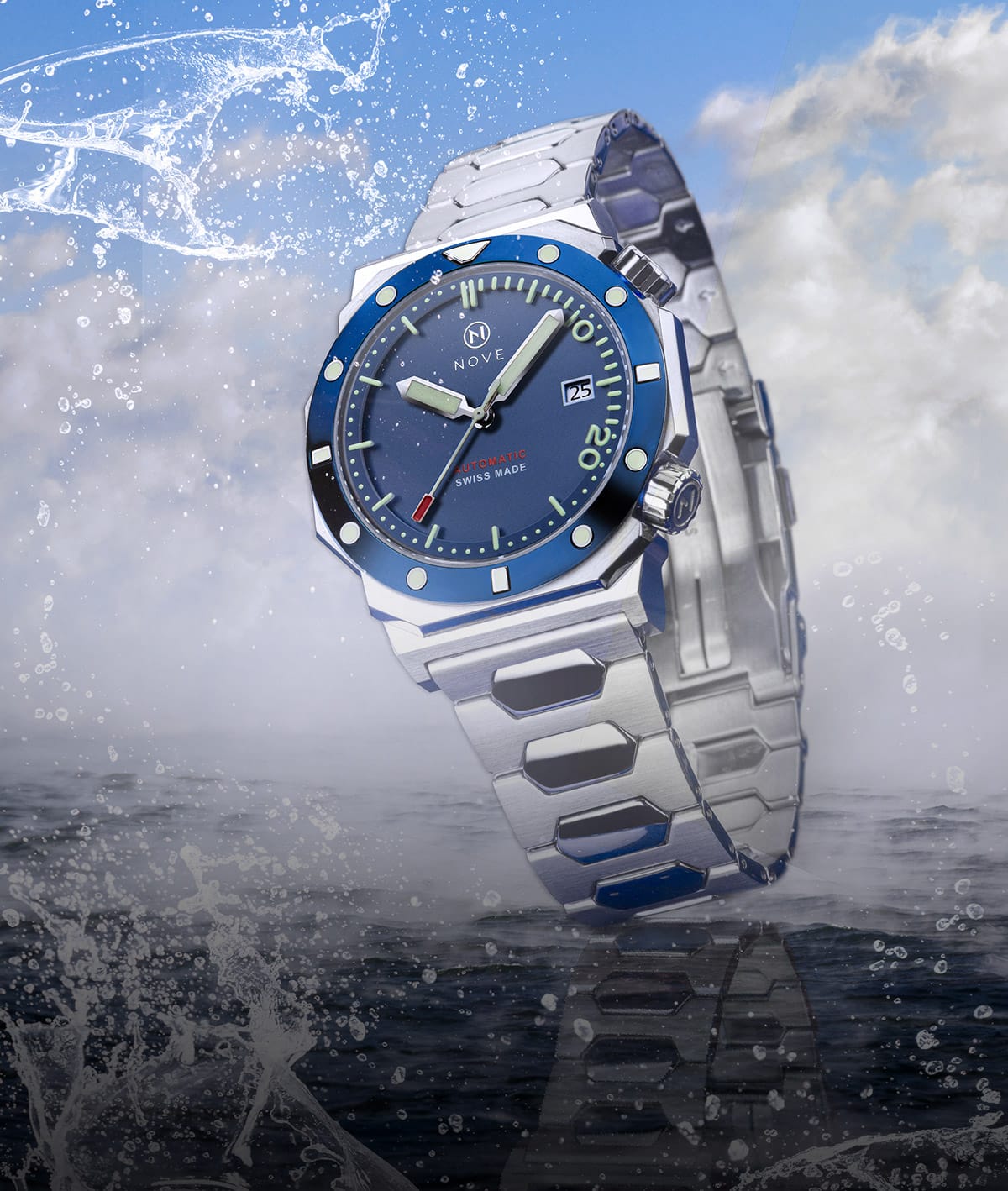
A dive watch is designed for timing underwater and reading time quickly in low visibility. Its defining feature is typically a rotating, unidirectional bezel marked in 60-minute increments. Before entering the water, a diver aligns the bezel's zero marker with the minute hand, then reads elapsed time directly against the scale. If the bezel is accidentally moved, it can only shorten the remaining-time indication, a deliberate safety-minded design choice.
The distinction is simple, but the personalities are worlds apart. A chronograph feels technical, kinetic, and motorsport-inspired. A dive watch feels elemental and purposeful, shaped by marine exploration and the discipline of a tool built for pressure.
Why Choose a Chronograph?
A chronograph makes time feel active. Whether you are timing a presentation, a workout interval, a parking meter, or the steeping of a morning coffee, its function is immediately satisfying. There is a tactile pleasure in pressing a well-made pusher and seeing the central seconds hand spring into motion.
Visually, chronographs offer more to study. Their registers, scales, pushers, and layered dials create depth and mechanical character. That complexity can make a chronograph the stronger choice for someone who sees a watch as a conversation piece or prefers an assertive, design-led look.
This does come with trade-offs. A chronograph dial is inherently busier than a three-hand dial, so it may take a fraction longer to read at a glance. Cases can also be thicker, particularly on automatic chronographs, because the movement has more components. For many collectors, those details are not drawbacks at all. They are part of the appeal: proof that precision can be expressive.
Chronograph movements and daily wear
The movement influences both the experience and the price. A Swiss quartz chronograph delivers highly accurate timing and a crisp, practical ownership experience with minimal maintenance. It is an excellent choice for someone who wants function ready at a moment's notice.
A Swiss automatic chronograph offers a different kind of allure. The movement is powered by wrist motion and assembled from an intricate architecture of gears, levers, springs, and clutches. Its appeal is not only what it does, but how it does it. It is engineering made visible through the ritual of wearing it.
For office wear, events, road trips, and elevated casual style, the chronograph is remarkably adaptable. Pair it with a tailored jacket and it reads as polished precision. Wear it with a leather jacket or a sharp overshirt and it becomes a confident statement.
Why Choose a Dive Watch?
A dive watch has a rare quality: it looks entirely at home almost anywhere. The same object that appears natural beside a surfboard can look composed under a white shirt cuff. Its clean dial, bold hands, luminous markers, and rotating bezel create an instantly recognizable silhouette that has endured for good reason.
Legibility is the dive watch's quiet superpower. Large indices and strong contrast make the time easy to read in bright sun, dim restaurants, and the rushed moments between flights. The bezel adds useful timing without crowding the dial. Need to track a 20-minute break, a meeting, or the oven? Turn the bezel and carry on.
Most dive-inspired watches also bring a reassuring sense of durability. Cases and bracelets are commonly made in stainless steel, while sapphire crystal helps resist the marks of daily life. Water resistance is central to the category, though the rating deserves careful attention. A watch labeled water-resistant is not automatically a watch intended for serious diving.
For professional underwater use, look for a model specifically designed and rated for diving, with the appropriate testing and features. For swimming, travel, and everyday exposure to water, choose a water-resistance rating that matches your plans and follow the maker's guidance. Never operate chronograph pushers underwater unless the watch is explicitly engineered for that purpose.
The dive watch as an everyday signature
The dive watch is ideal for people who want one watch that can do almost everything. It has enough presence for a weekend getaway, enough refinement for daily work, and enough utility for genuine adventure. Its visual language is direct: no unnecessary ornament, just purposeful detail executed with conviction.
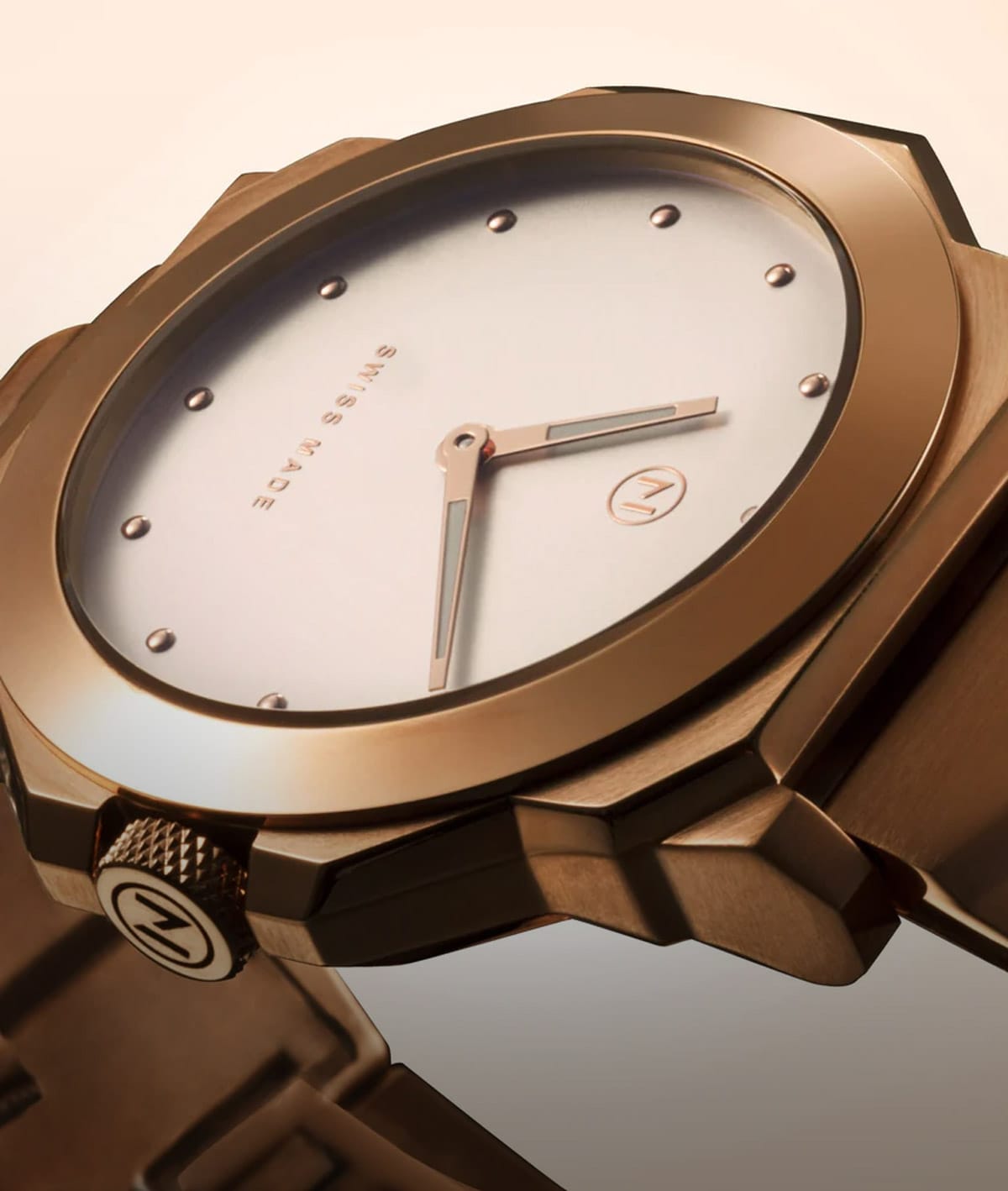
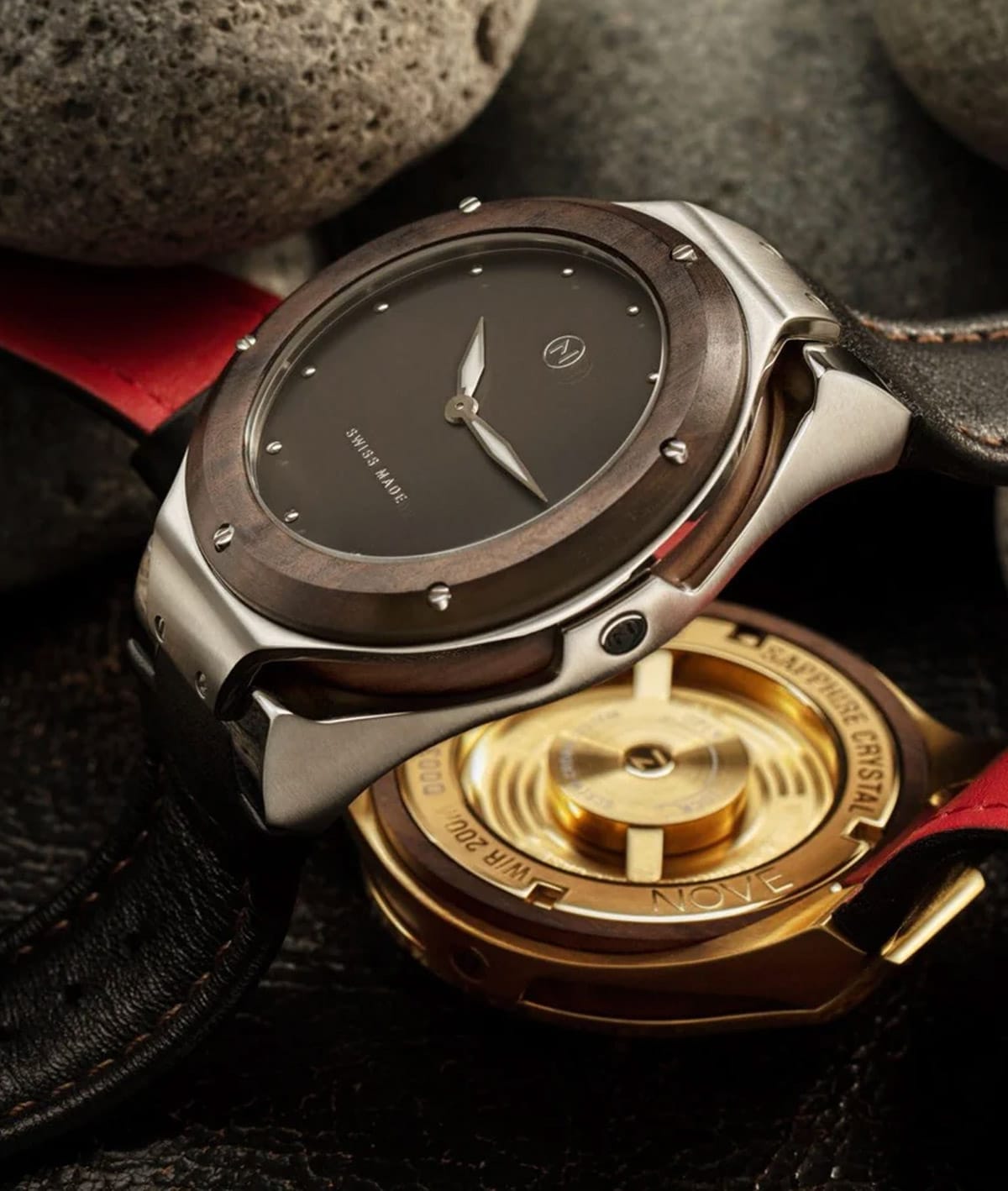
That does not mean every dive watch has to look conventional. Modern Swiss design can take the classic foundations of a dive timepiece - strength, legibility, water resistance, and a timing bezel - and shape them into something distinctly individual. Bold case geometry, unexpected dial treatments, and sculptural finishing turn a familiar category into a personal signature.
NOVE's ocean-inspired approach speaks to this balance. A dive watch can honor its tool-watch heritage while still feeling like a work of art, designed to be noticed long after you leave the water.
Style: Busy Precision or Clean Confidence?
When comparing a chronograph vs dive watch for style, start with the clothing you already reach for. If your wardrobe includes tailored separates, monochrome layers, driving shoes, or sharp casual pieces, a chronograph's intricate dial can complement that intentionality. It rewards a closer look.
If you favor denim, knitwear, linen shirts, sneakers, or a streamlined wardrobe built around excellent essentials, a dive watch may feel more natural. Its broad bezel and uncluttered display offer strength without fuss. It is often the easier watch to wear every day because it asks less of the outfit around it.
Case size matters as much as category. A large chronograph can feel commanding, but its pushers and dial layout may create considerable wrist presence. A dive watch can also wear boldly because of its bezel diameter and bracelet. Check case thickness, lug-to-lug measurement, and bracelet taper instead of focusing on diameter alone. The most impressive watch is the one that sits with balance and ease.
Functionality Beyond the Spec Sheet
It is tempting to choose by features alone, but most owners use their watch functions in small, ordinary moments. The chronograph is more flexible for precise interval timing. The dive bezel is faster to set and easier to read for a simple countdown or elapsed-time check.
Neither function is objectively more useful. A consultant who times calls, commutes, and workouts may genuinely use a chronograph. A traveler who swims often, spends weekends outdoors, or simply prefers immediate readability may get more from a dive watch. Many people choose a dive watch without ever scuba diving, just as many wear a chronograph without timing a race. That is not a compromise. It is the enduring power of purposeful design.
Consider maintenance, too. Mechanical watches benefit from periodic servicing, while quartz models require battery changes and occasional care. Water resistance should be checked over time, especially if the watch regularly sees pools, saltwater, or temperature changes. Rinse a water-ready watch with fresh water after saltwater exposure, and make sure the crown is fully secured before getting it wet.
When One Watch Is Not Enough
For a first premium Swiss watch, a dive watch is often the more versatile starting point. It offers a strong design identity, broad wardrobe compatibility, and practical confidence around water. For someone drawn to complications, motorsport cues, or visually rich engineering, a chronograph can make the more memorable first impression.
The ideal answer may eventually be both. A dive watch covers the spontaneous, active side of life. A chronograph brings precision and polish when the occasion calls for more detail. Together, they reveal two sides of exceptional watchmaking: one designed to endure the elements, the other designed to command the seconds.
Choose the watch that you will want to wear before you have a reason to wear it. The best timepiece is not the one with the longest specification sheet. It is the one that feels unmistakably yours when you fasten it to your wrist.