
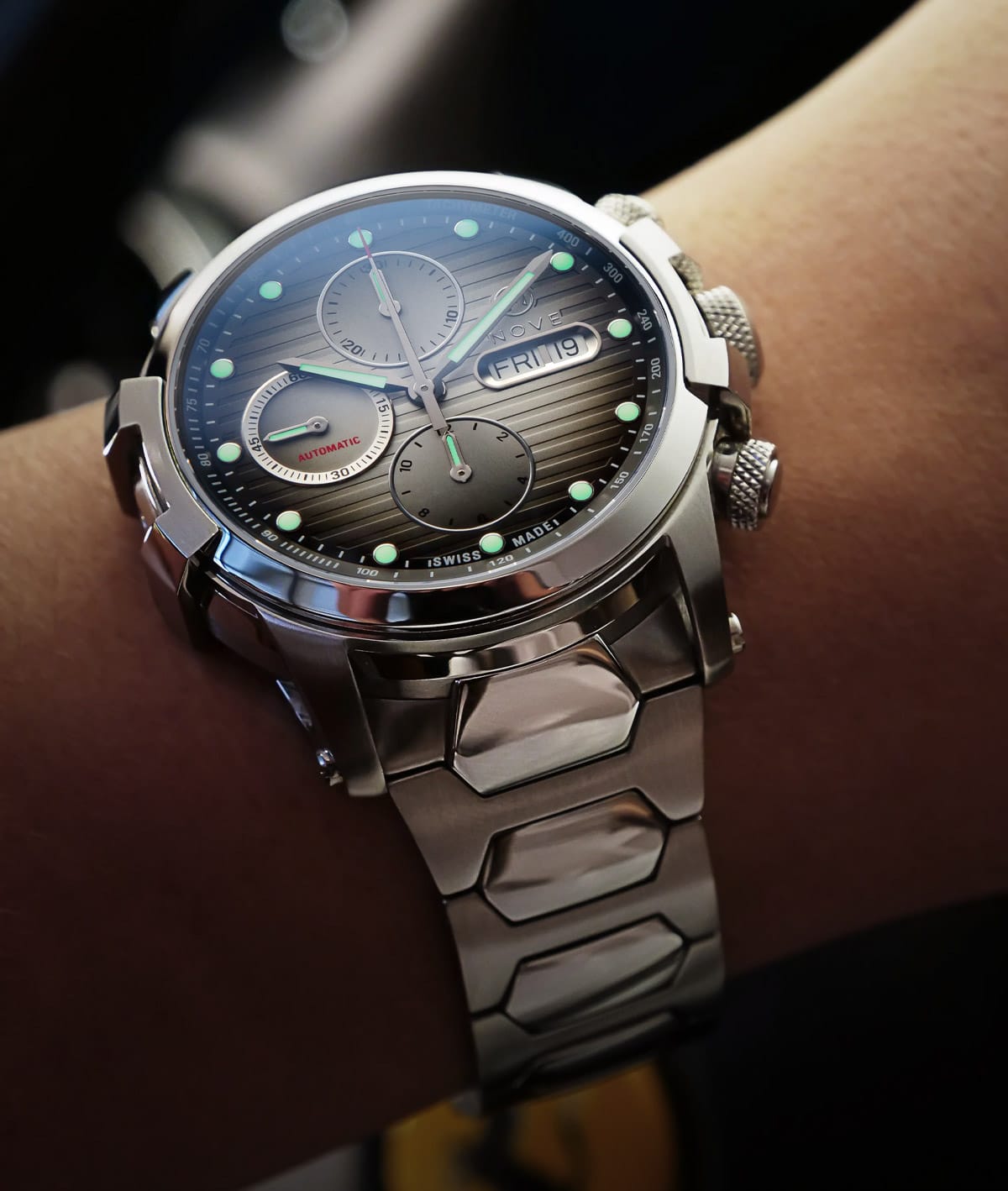
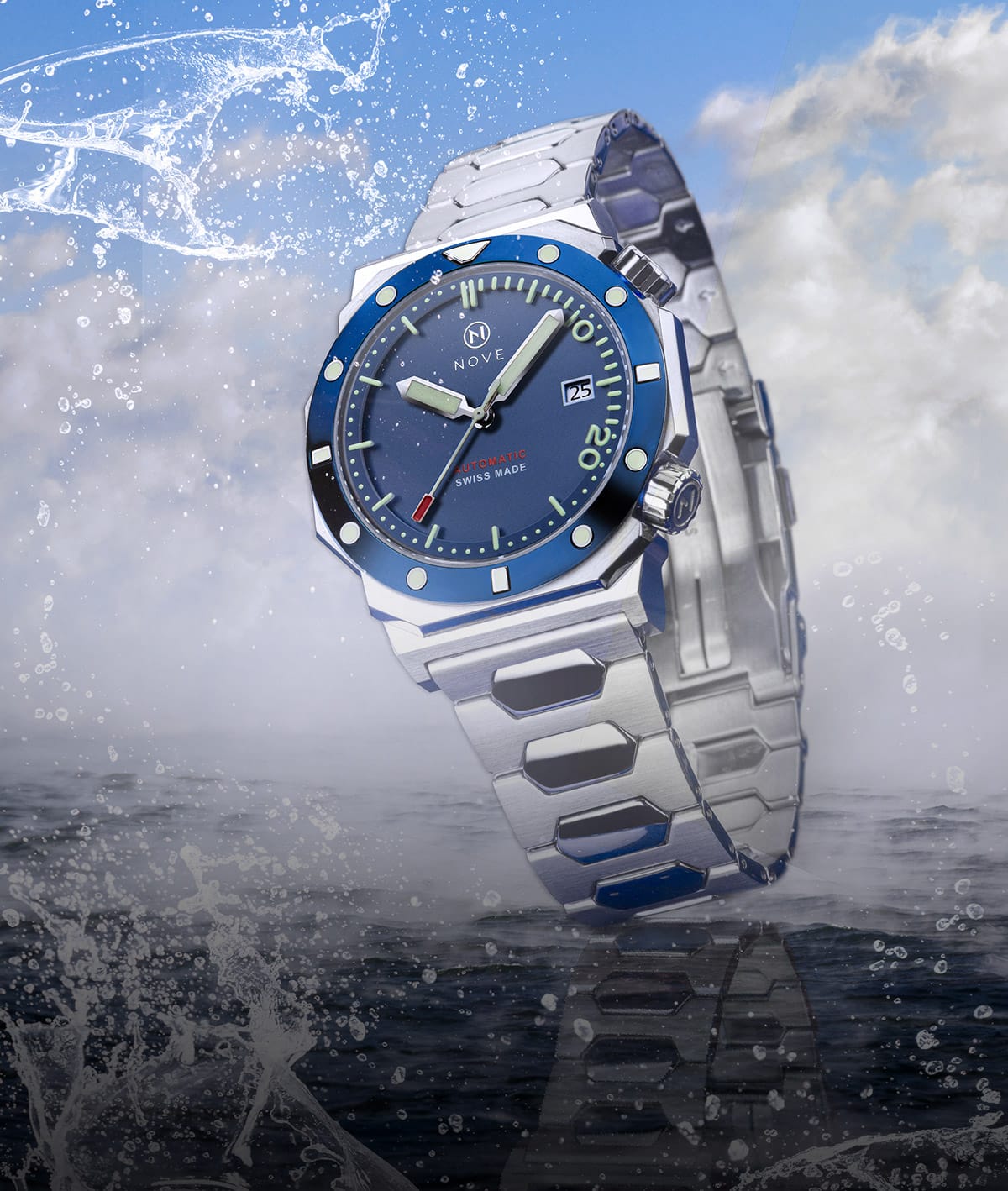
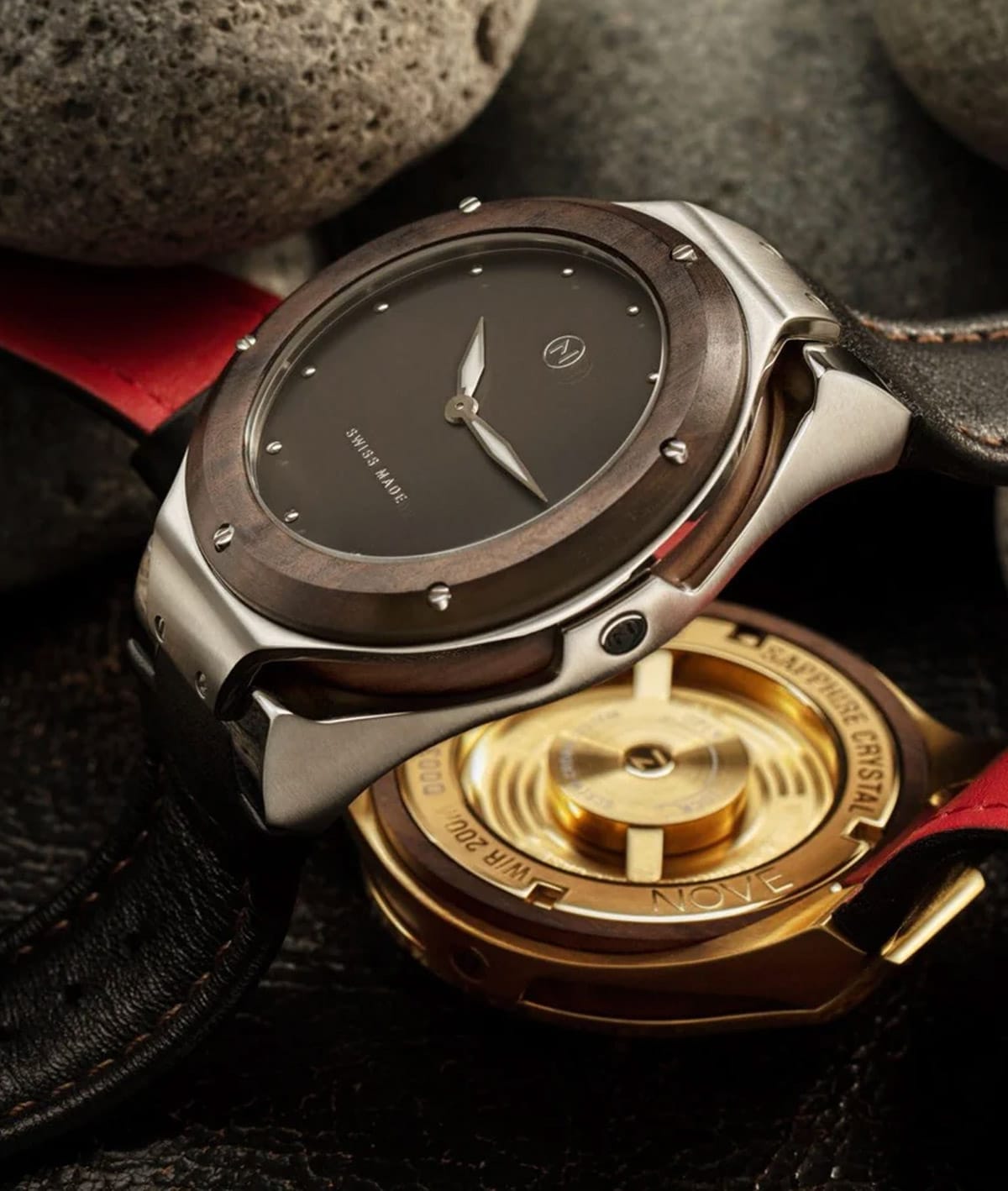
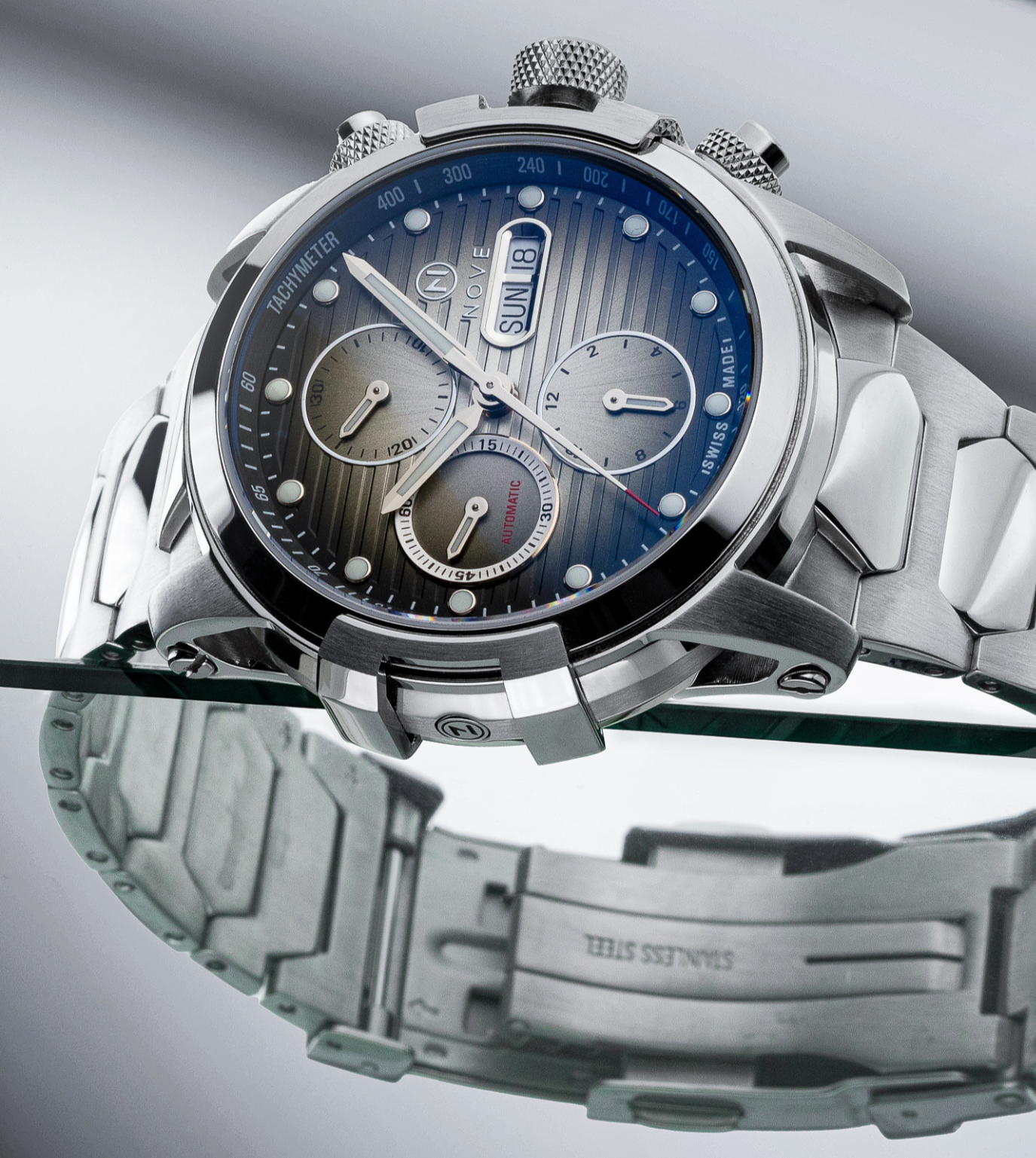
An automatic watch is not designed for a short season of ownership. Beneath its dial, a mechanical movement turns the motion of your wrist into stored energy, powering a system of gears, springs, jewels, and balance components engineered to be repaired rather than discarded. So, how long do automatic watches last? A well-made example can last for decades, and often for generations, provided it receives the care its movement deserves.
That longevity is part of the appeal. An automatic watch is both a precision instrument and a personal object that develops meaning over time. Its case may show the evidence of travel, work, celebration, and adventure, while its movement can continue operating with the right service schedule.
How Long Do Automatic Watches Last With Proper Care?
A quality Swiss automatic watch can reasonably last 20 to 40 years without major issues, and much longer when it is maintained by a qualified watchmaker. There are vintage mechanical watches from the mid-20th century still running beautifully today. Their continued life is not a mystery of old-world romance. It comes down to sound engineering, available parts, careful ownership, and regular service.
The movement itself is not a sealed, permanent mechanism. Lubricants gradually age, friction accumulates, and seals wear over time. An automatic watch that has never been serviced may still tick, but it can lose accuracy, suffer avoidable wear, or eventually stop. A watch serviced before those issues escalate has a far better chance of becoming a long-term companion.
There is a meaningful difference between lasting and looking untouched. A watch worn daily will collect small marks, particularly on polished steel surfaces. That is normal. Cosmetic wear does not mean the movement is nearing the end of its life. In many cases, the character gained through use is part of what makes a mechanical timepiece feel distinctly yours.
What Determines an Automatic Watch's Lifespan?
Not all automatic watches are built to the same standard, and price alone does not tell the full story. The longevity of a watch depends on its movement, case construction, water resistance, service history, and the way it is worn.
The quality of the movement
A dependable movement uses carefully finished components, stable regulation, and shock protection around the balance assembly. Swiss automatic movements are valued for their precision, serviceability, and broad support among trained watchmakers. When a component wears or is damaged, it can often be cleaned, adjusted, or replaced instead of forcing the owner to replace the entire watch.
This repairable nature separates a mechanical watch from most disposable consumer products. A well-built automatic movement is an investment in craftsmanship that can be renewed repeatedly through its lifetime.
Routine servicing
Most automatic watches benefit from professional servicing about every five to seven years. The ideal interval depends on the movement, how often the watch is worn, and the conditions it faces. A watch used for office wear may go longer than one exposed to saltwater, temperature shifts, dust, or high-impact activity.
During service, a watchmaker disassembles the movement, inspects its parts, removes old lubricants, cleans the components, applies fresh lubrication, reassembles the movement, and regulates its timekeeping. Water-resistance seals are also checked and replaced as needed. It is preventive care, much like maintaining a finely engineered car before a minor issue becomes an expensive repair.
If your watch begins losing or gaining time dramatically, stops despite being worn, develops moisture under the crystal, or produces unusual rotor noise, do not wait for the next planned service. These are reasons to have it inspected promptly.
Water resistance and seal care
A water-resistant case protects the movement only as long as its gaskets remain effective. Rubber seals can dry out, compress, or weaken with age. Heat, chemicals, and frequent exposure to water can accelerate that process.
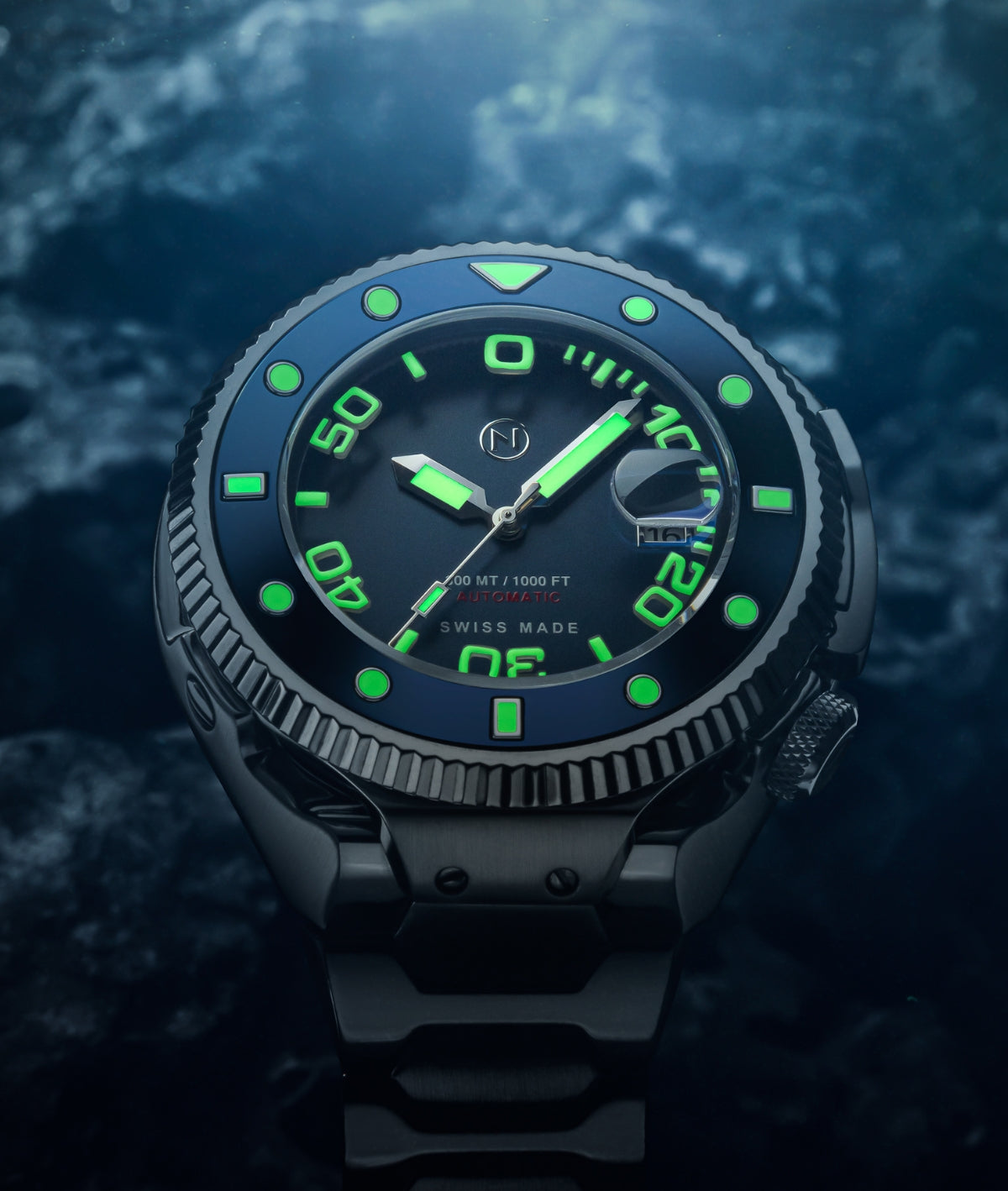
For a dive-inspired automatic watch, water resistance is a defining performance feature, but it still requires ownership discipline. Ensure the crown is fully secured before entering water. Rinse the case with fresh water after swimming in the ocean or a chlorinated pool, and have its water resistance tested periodically. Never operate the crown underwater.
A watch may be rated for serious aquatic use, but that rating is not a lifetime promise without maintenance. Protecting the seals is one of the simplest ways to protect the movement for decades.
Shocks, magnets, and extreme conditions
Modern automatic movements include shock-resistant features, yet they are not invulnerable. A hard impact can disturb the balance staff, dislodge a hand, damage a crystal, or affect the alignment of internal components. Take off an automatic watch before contact sports, heavy tool work, or activities involving repeated high-force vibration.
Magnetism is another understated threat. Speakers, tablet covers, magnetic clasps, and certain tools can magnetize a movement, causing significant timing errors. The good news is that demagnetizing is usually straightforward for a watchmaker. Still, avoiding strong magnetic fields is better than treating a preventable problem.
Extreme heat can degrade lubricants and gaskets, while severe cold can alter oil viscosity and affect performance. An automatic watch thrives in the conditions of ordinary life, not in prolonged exposure to a dashboard in summer or a sauna after a workout.
Daily Wear Can Help, With a Few Boundaries
Automatic watches are designed to be worn. The rotor inside the movement swings with wrist motion, winding the mainspring and keeping the watch supplied with power. Daily wear is generally beneficial because it keeps the mechanism operating as intended.
That does not mean a watch must stay on your wrist every day. Most automatic watches have a power reserve, commonly around 38 to 72 hours, allowing them to continue running after they are set down. If the watch stops, it simply needs to be wound and reset. Stopping between wears does not harm it.
For watches that rotate through a collection, a watch winder can be convenient, especially for models with calendar complications that take time to reset. It is not essential, however. Choose a winder with appropriate rotation settings and avoid treating it as a requirement for basic movement health. A watch can rest safely in a clean, dry place.
When manually winding an automatic watch, use gentle, controlled turns of the crown. Do not force it. If the crown feels unusually tight, gritty, or resistant, have the watch assessed rather than pushing through the sensation.
Can an Automatic Watch Become a Heirloom?
Yes, but an heirloom watch is made through both construction and care. A distinctive design gives a timepiece visual permanence, while a serviceable movement gives it mechanical permanence. That combination matters for collectors, gift buyers, and anyone choosing a watch to mark a career milestone, anniversary, or personal achievement.
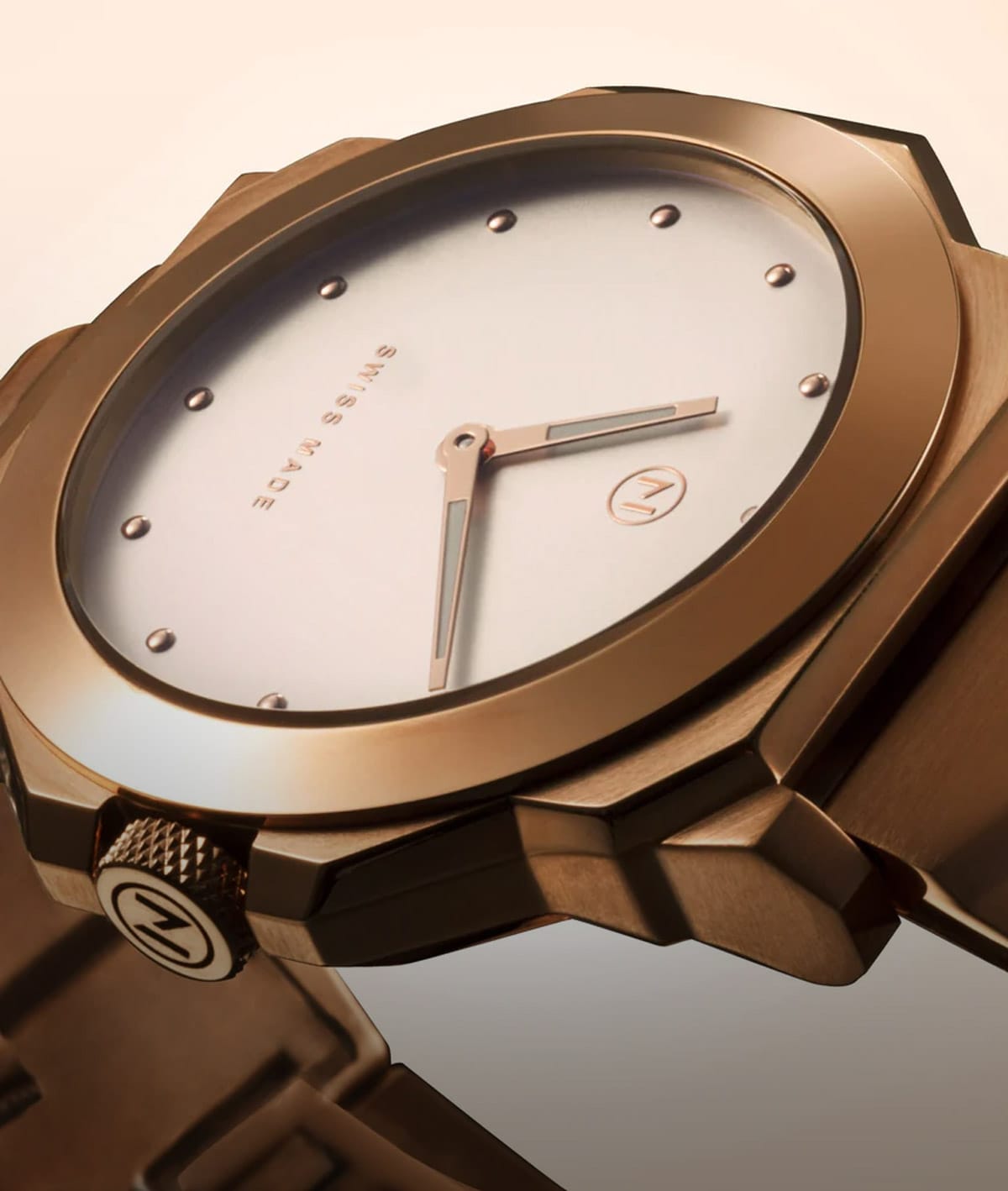
A Swiss-made automatic design such as a NOVE timepiece brings together purposeful case engineering, expressive form, and mechanical substance. It is created to make an impression now, but its greater value may be revealed years later, when the watch has become connected to the moments it has witnessed.
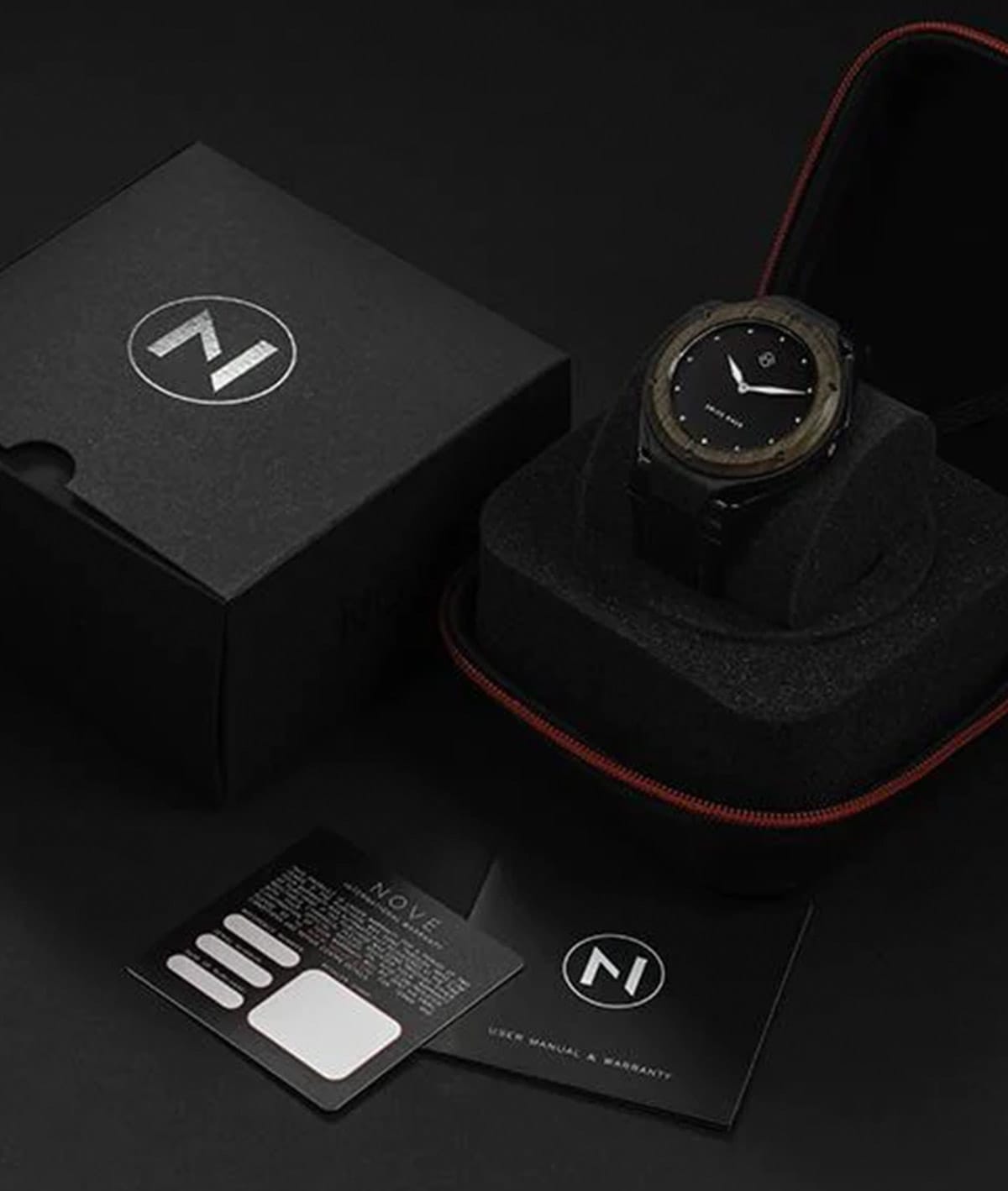
Keep the original box, documentation, warranty information, and service records if you intend to preserve long-term value. These items do not determine whether a watch will function, but they can strengthen its provenance and make future servicing or eventual gifting more meaningful.
The Habits That Keep a Watch Running for Decades
The best care routine is uncomplicated: wear the watch with intention, protect it from unnecessary shocks and magnetic exposure, secure the crown before water contact, and schedule professional service before performance declines. Avoid opening the case yourself, even for a seemingly minor issue. Dust, moisture, and incorrect handling can create damage that a trained watchmaker would prevent.
If your watch has a screw-down crown, take a moment to confirm it is fully tightened after setting the time. If it has been sitting unused for months, inspect the case and strap before wearing it again. Leather straps need particular care around water and sweat, while metal bracelets benefit from periodic cleaning to remove residue between links.
An automatic watch does not ask for constant attention. It asks for respect for the engineering inside it. Give it that, and the rhythm on your wrist can outlast trends, milestones, and even its first owner - becoming not merely a fine accessory, but a precision-made piece of your story.